The Chinese version of Apple Watch is about to introduce new features, which are designed for 20 million patients in China.
The Apple Watch you own is about to get a new feature, and we hope you won't need to use it.
According to the official website of the National Medical Products Administration, Apple Inc.'s "Mobile Pulse Rate Atrial Fibrillation Sign Recording Software" completed the import registration of medical devices on December 26, 2025.
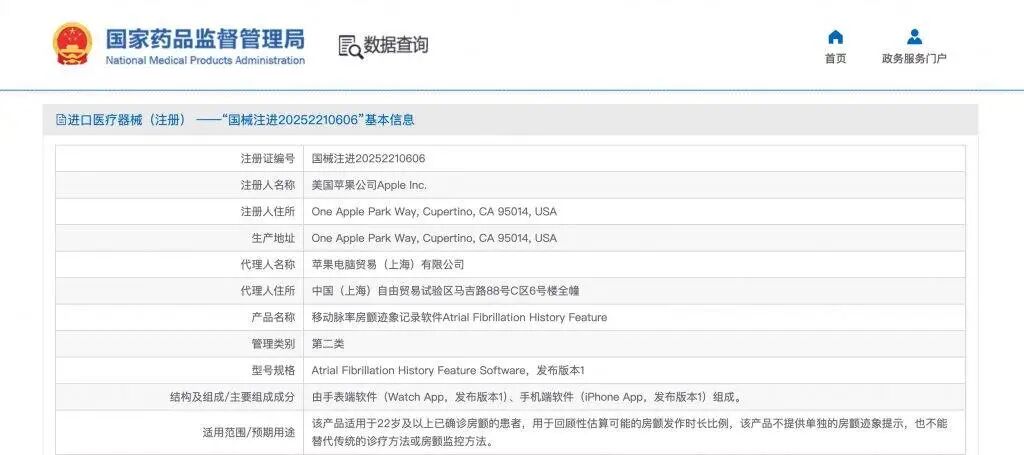
That is to say, the "Atrial Fibrillation History" feature of the Apple Watch will soon be available for domestic Apple Watches, and it is expected to be launched in the next iOS or watchOS version update.
In response, Apple told Beijing Youth Daily that it is going through the procedures as required and looks forward to providing this experience to users in mainland China.
In addition, for most Apple Watch users, the successful implementation of the atrial fibrillation recording feature may also mean that features with clinical medical nature such as sleep apnea and hypertension risk monitoring are also under review, which is worth looking forward to.
Atrial Fibrillation, the Invisible Chronic Killer
Counting it up, this feature is actually a new one from three and a half years ago, launched together with watchOS 9 in 2022.
"Atrial Fibrillation" is short for "Atrial Flutter", which literally means "the atria are fluttering chaotically": when there is abnormal electrical excitation in the atria, the upper and lower atria and ventricles of the heart do not beat synchronously, resulting in high-frequency ineffective contractions.
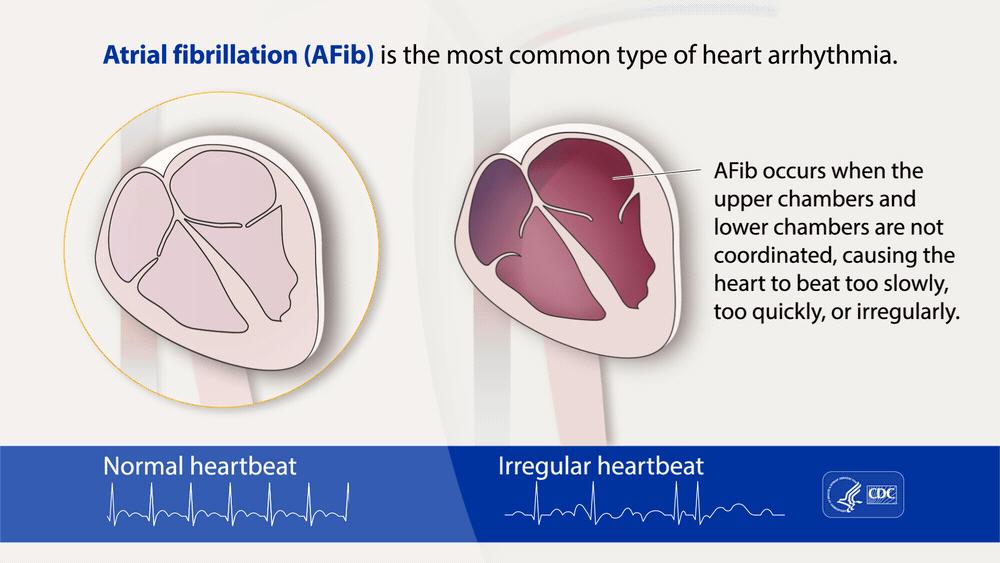
▲ Left: Normal heartbeats; Right: Atrial fibrillation, Image source: CDC
This is a heart disease that causes irregular and abnormally fast heart rates and is the most common form of arrhythmia.
The normal heart rate is 60 - 100 beats per minute. The resting heart rate of atrial fibrillation patients is generally 100 - 120 beats per minute, and sometimes it can even reach up to 300 beats per minute.
Atrial fibrillation is a relatively more invisible disease because it may not cause any symptoms. Many atrial fibrillation patients can still lead a healthy life, while severe patients may experience symptoms such as a racing heart, palpitations, fatigue, and shortness of breath.
However, atrial fibrillation increases the risk of some complications. Patients who are in a state of atrial fibrillation for a long time without treatment may develop heart failure and blood clots, and the possibility of stroke is 4 to 5 times that of the normal situation.
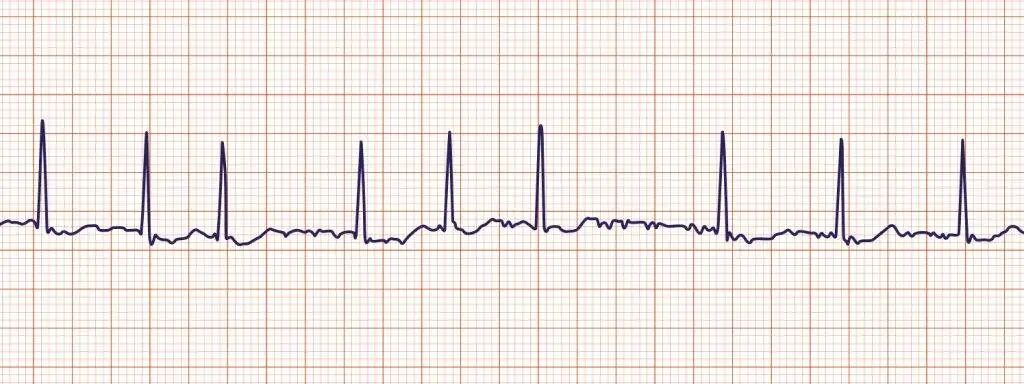
▲ Atrial fibrillation heart rate, Image source: ACLS
In 2025, the age - standardized prevalence of atrial fibrillation among adults in China was 1.6%, with nearly 20 million patients, and the incidence rate among people over 60 years old was as high as 6%.
June 6th of each year is the "China Atrial Fibrillation Day", which shows that the country attaches great importance to this invisible killer like atrial fibrillation.
Professor Long Deyong, the director of the Arrhythmia Center of Beijing Anzhen Hospital Affiliated to Capital Medical University, believes that many patients have insufficient awareness of the harm of atrial fibrillation. In addition to strengthening popularization and early screening, wearable and portable electrocardiogram monitoring devices such as smart watches should also be promoted.
A Management Tool Exclusive to Patients
The function related to detecting signs of atrial fibrillation was actually launched on the Chinese - version Apple Watch in 2021. When the user shows signs of arrhythmia suspected to be atrial fibrillation, the watch will issue a warning, reminding the user to seek professional medical help.
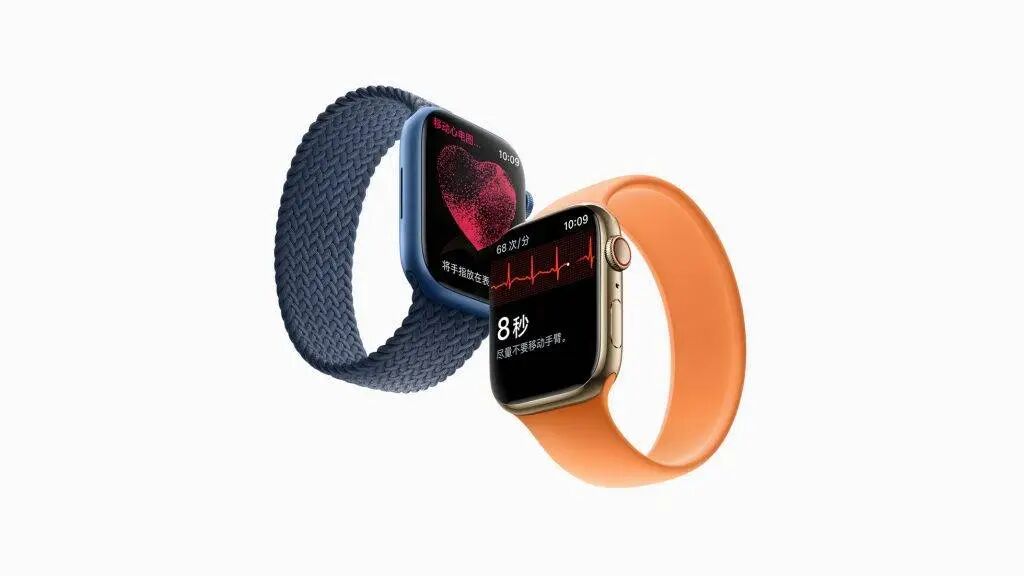
The upcoming "Atrial Fibrillation History" feature of the Apple Watch is not designed for all users.
Both the Apple official website and the public notice of the medical products administration indicate that the atrial fibrillation history is mainly for patients aged 22 and above who have been diagnosed with atrial fibrillation. By collecting long - term heart data, it estimates the possible proportion of atrial fibrillation attack duration and does not provide a separate reminder of atrial fibrillation signs - it is not an "alarm", but a "heart diary".

In the Health app - Browse - Heart section of the iPhone, there is actually a "Atrial Fibrillation History" section, which cannot be opened at present.

According to Apple, this feature will regularly check the user's heart rate to detect signs of atrial fibrillation.
Simply put, the Apple Watch will estimate the proportion of time the user's heart is in a state of atrial fibrillation over a period of time based on various parameters, which is the so - called "atrial fibrillation burden".
In addition to heart data, the Health app also collects data on exercise duration, sleep, weight, alcohol intake, and mindfulness duration. These are all lifestyle factors that may affect the duration of atrial fibrillation attacks.
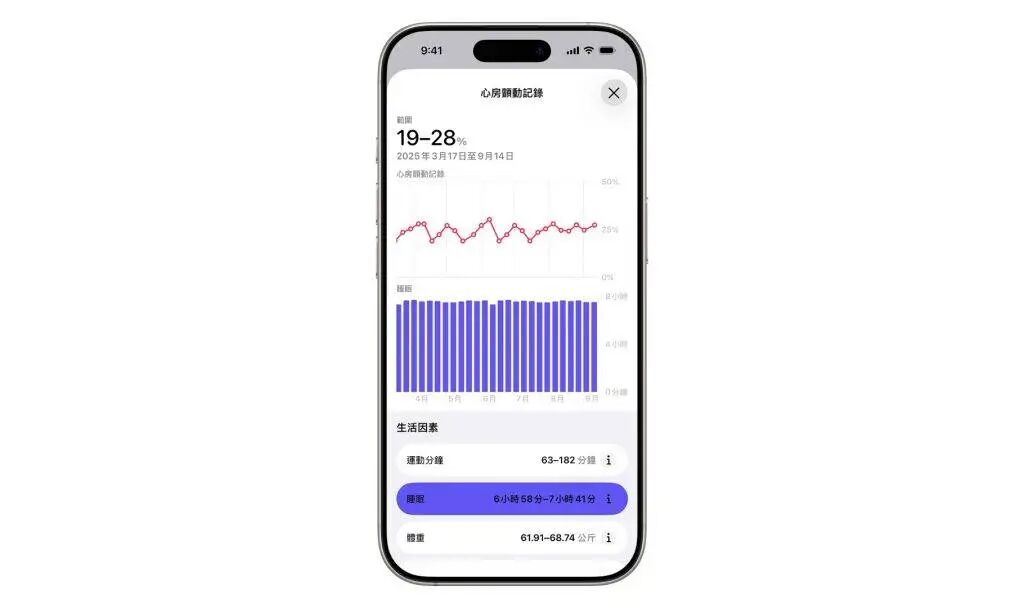
After collecting enough data, the Apple Watch will display weekly reminder messages every Monday, reminding the user of the estimated percentage of time with atrial fibrillation in the previous week, turning this "invisible killer" into a "tangible record".
On the relevant page, users can compare the above - mentioned lifestyle data with the atrial fibrillation records to find out the lifestyle factors that are more closely related to the occurrence of atrial fibrillation.
According to Sumbul Desai, the vice - president of Apple Health, when compared with FDA - approved reference devices, the average difference in the measurements of the Apple Watch is less than 1%.
For patients, although they have been diagnosed with atrial fibrillation, it is impossible for them to wear electrocardiogram and other medical devices for a long time to monitor their atrial fibrillation burden 24 hours a day.
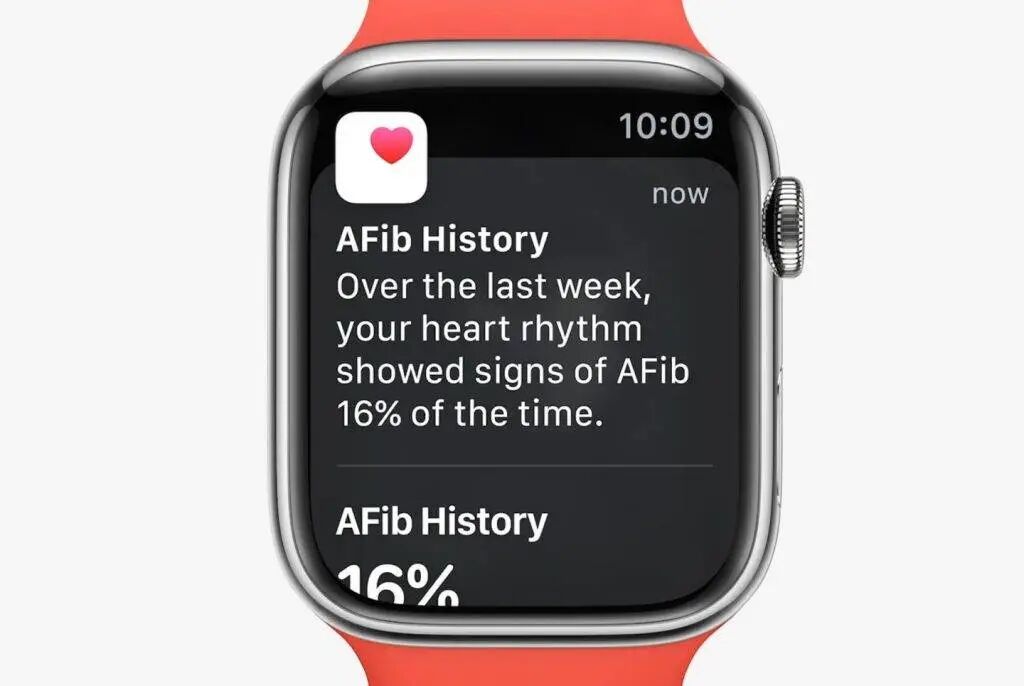
However, as a daily - worn device, this is exactly what the Apple Watch is good at. Even if the data is not necessarily completely accurate, it can provide a general trend to help users judge whether their atrial fibrillation burden has decreased after treatment.
In particular, the Apple Watch can compare atrial fibrillation data with lifestyle factors, allowing users to better understand how their lifestyle affects their heart condition, which is very valuable for individualized atrial fibrillation management.
Although it cannot be used as a medical diagnosis, it can also serve as supplementary data for doctors to make a diagnosis in combination with professional clinical data.
Various smart watches, including the Apple Watch, have been focusing on the "health warning" function in recent years to help users detect a series of chronic disease risks, such as sleep apnea, atrial fibrillation detection, and hearing loss.
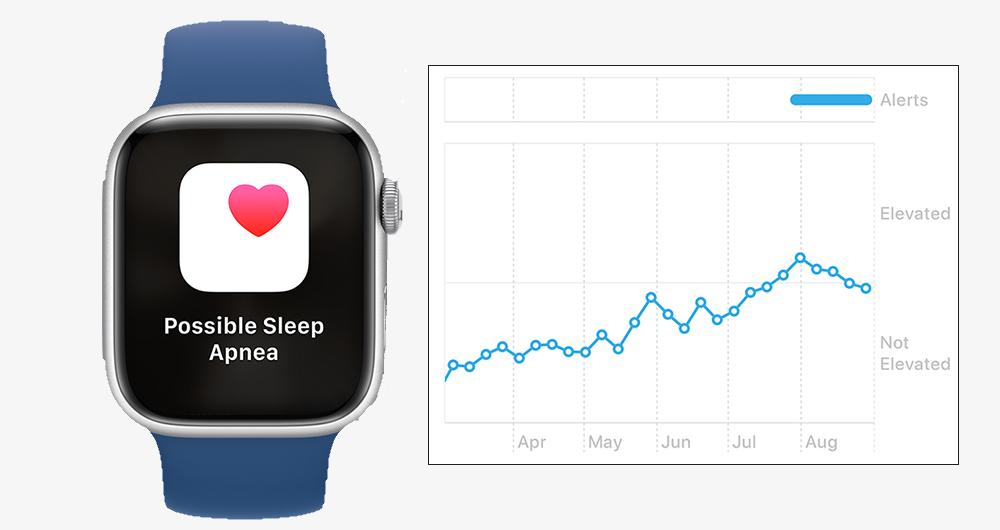
▲ Sleep apnea detection function of the Apple Watch
However, after a diagnosis, the relevant functions of many wearable devices are relatively limited, even though patients need help the most.
The atrial fibrillation history fills this gap in the cardiovascular field. It is not a warning function but a veritable "management tool".
Similarly, there is also the "hearing aid" function of AirPods. Apple has even set strict restrictions. Users must be confirmed to have hearing impairment after Apple's tests before they can turn on the relevant function.

As a pioneer in smart watches, Apple has set an example, and more and more manufacturers will follow. The WATCH GT6 series launched by Huawei last year also features a similar atrial fibrillation burden recording function.
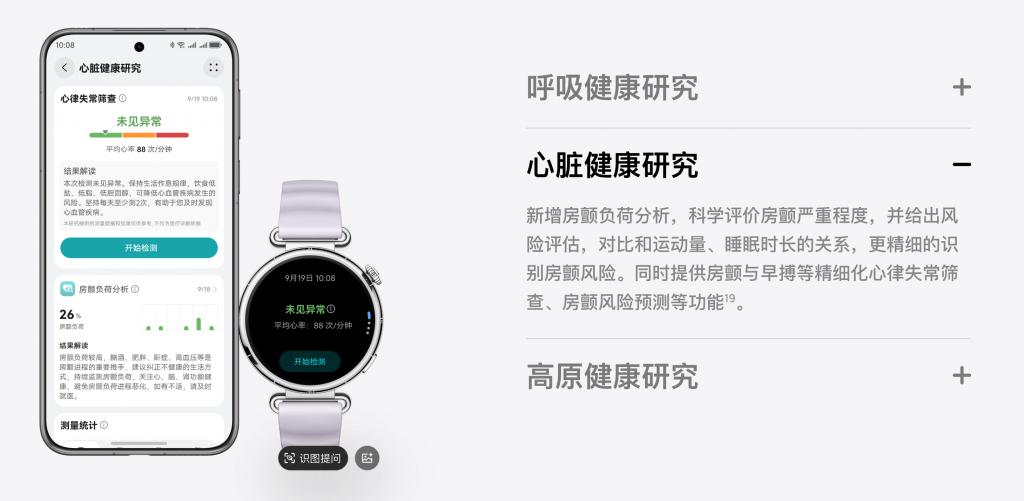
Is this "plagiarism"? The functions of the two are almost identical, but they both use their own developed algorithms.
I think there is no such thing as "plagiarism" when it comes to smart watch functions. Whether it's users of which brand, one initiates and others follow, which is definitely a good thing.
This article is from the WeChat official account "ifanr" (ID: ifanr), author: Discovering tomorrow's products. It is published by 36Kr with authorization.