The Crimes and Punishments of Robots
No technological track experienced as many ups and downs in 2025 as embodied intelligence.
On the one hand, this track sounds promising.
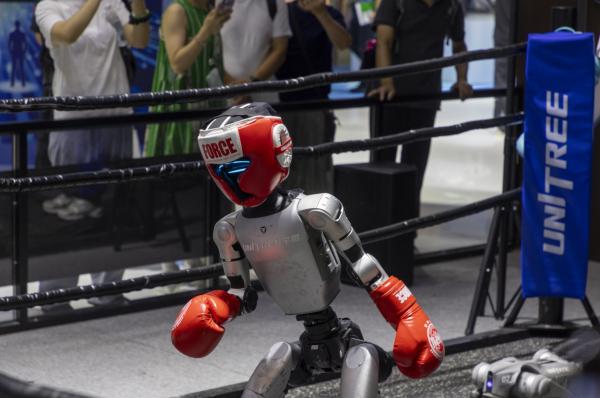
2025 was hailed as the "Year of Mass Production" for humanoid robots. Leading companies have announced that they have entered the stage of large - scale production. Tesla declared the completion of mass - producing thousands of Optimus units. Ubtech, Unitree Robotics, and Zhipu Robotics have all achieved deliveries in the thousands. At various AI exhibitions, humanoid robots always take the center stage, and events such as robot marathons and fighting competitions have emerged one after another. Unitree's robot's dance performance at Wang Leehom's concert shocked Americans.
However, in the same year, robots' performance seemed underwhelming. From 2024 to 2025, over 10 robot companies went bankrupt. Some star companies announced their closures due to financing difficulties. Whether in the B - to - B or B - to - C markets, humanoid robots have no real - world sales. The capital market has also shown intolerance towards the common high - valuation and low - revenue situation of robot companies.
What created such a huge contrast during the robots' twists and turns? Perhaps the answer lies in the fact that most people today are reluctant to face the inescapable original sin of robots.
01 Original Sin: Intelligence is Not Embodied
After ChatGPT popularized large models, the field of robotics, or embodied intelligence, has also gained popularity. Both within the technology industry and in the public eye, people seem to believe that embodied intelligence and AI are closely related. In recent years, we have also witnessed some AI technological breakthroughs applicable to the robotics field. For example, multimodal large models like GPT - 4o have been used to help robots achieve semantic understanding and autonomous task planning. Emerging AI technology routes represented by world models also regard robots as potential future application scenarios.
But wait a moment. Let's close our eyes, take a deep breath, and engage in a memory meditation. Search deep in our memory corridors. Who exactly told us that AI is related to robots? Was it a certain academic paper? A specific software or hardware technology? Or did the sudden emergence of the term "embodied intelligence" in the media, combined with our imagination from robot scenes in science - fiction movies, lead us to naturally assume that robots equal AI?
In fact, the so - called "embodied intelligence" is just a fancy packaging of the original robot system using religious concepts. There has not been even the slightest breakthrough in any technology exclusive to humanoid robots in recent years.
From another perspective, large models enhance various hardware equally. It can indeed help robots improve, just as it can help mobile phones, computers, glasses, toys, and rice cookers. Logically, the development space of embodied intelligence is as large as that of a "smart brick".
Since the rise of machine learning, decades of AI exploration have not been specifically designed for the hardware carrier of humanoid robots. As software, AI does not need a physical form. It's just that those in the robotics industry want to leverage the influence of science - fiction culture to make the public believe there is an inevitable connection between the two.
This conceptual misalignment game has led to an original sin for this wave of robot development: there are no exclusive technological breakthroughs. To cover up this sin, we can see some "emperor's new clothes" - style tricks. For example, leaders and investors of robot companies like to engage in high - flying discussions about theology, the universe, humanity, dreams, and youthful bonds, but they never mention how to solve technical problems such as robots' handling of cross - scenario data and completion of vague instructions. On the other hand, the robots launched by manufacturers seem to be able to do more and more things, like dancing, running, and boxing. However, these abilities mainly come from the design and refinement of mechanical devices and are all pre - programmed actions. Even before the advent of large models, robot running and fighting competitions were already regular activities for college students and amateur scientists. It's just that now, with the support of capital and policies, the stage seems more formal.
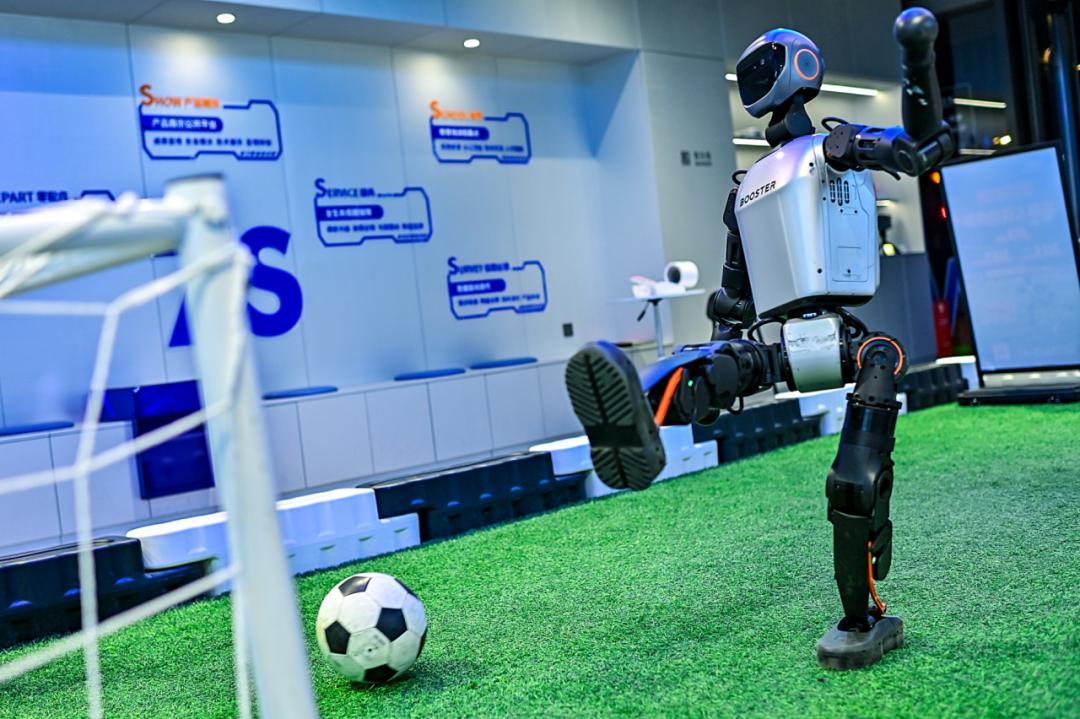
These robot projects basically follow the template that Boston Dynamics has been using for decades. Naturally, it's hard to believe they can avoid Boston Dynamics' fate.
It's not that the upgrade of mechanical devices is useless, but its usefulness is no different from that of AGV carts and welding robots in factories. In terms of the so - called "intelligence" of robots, they are still at the level of a vacuum - cleaning robot.
Look, the emperor is naked.
Look again, robots have no brains.
02 Punishment Falls on Humans Who Believe in Its Commercialization
Many practitioners and believers in robotics may refute by saying, "We never claimed that robots are AI, nor that they can think like humans." Maybe they didn't, but the public truly believes so.
During the 2025 World Artificial Intelligence Conference (WAIC), we witnessed a strange scene. In previous similar AI exhibitions, the attendees were mainly technology practitioners. But this year, there were three distinct groups. The first group was composed of those in the technology industry, such as supply - chain enterprises, developers, and media reporters. The second group was parents bringing their children to the exhibition. The third group was credit - card salespeople...
Credit - card salespeople, how on earth did you get in?
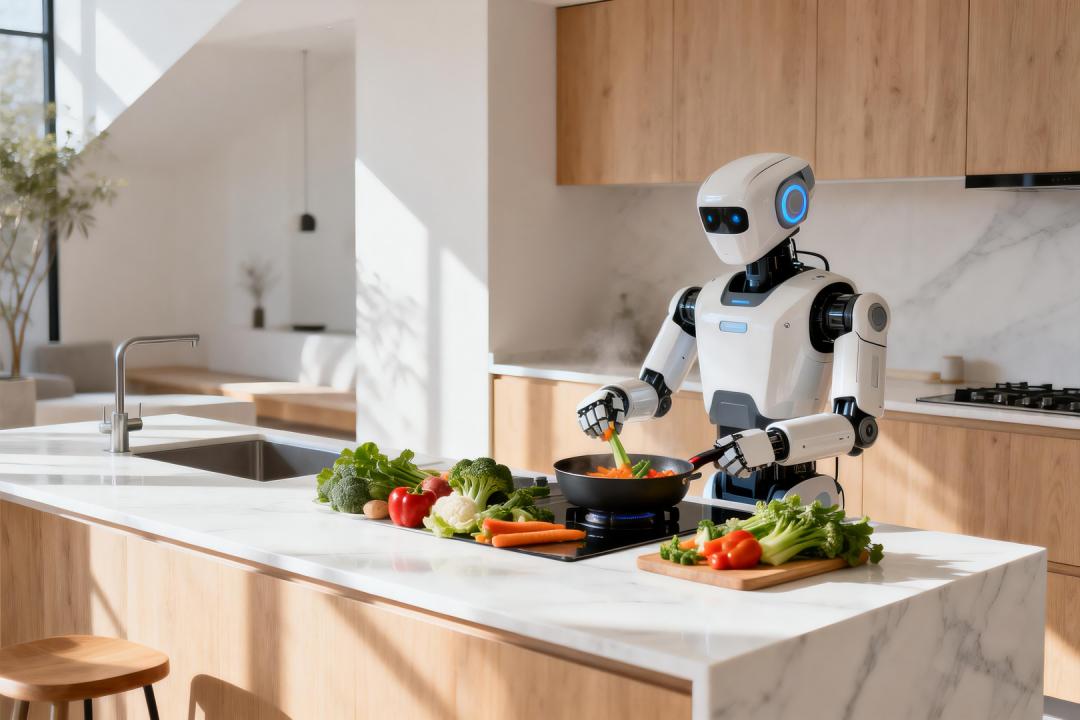
Speaking of the parents with children, I've asked many of them what they brought their children to see. In reality, few parents want their children to engage in AI development or study intelligent agents. Most parents gave the same answer: to see robots. The atmosphere on social media and at technology exhibitions has made them firmly believe that robots equal AI. The saturation - style promotion of humanoid robots has convinced them that they will soon be able to buy a humanoid robot that can do housework, buy groceries, cook, and take care of children at home.
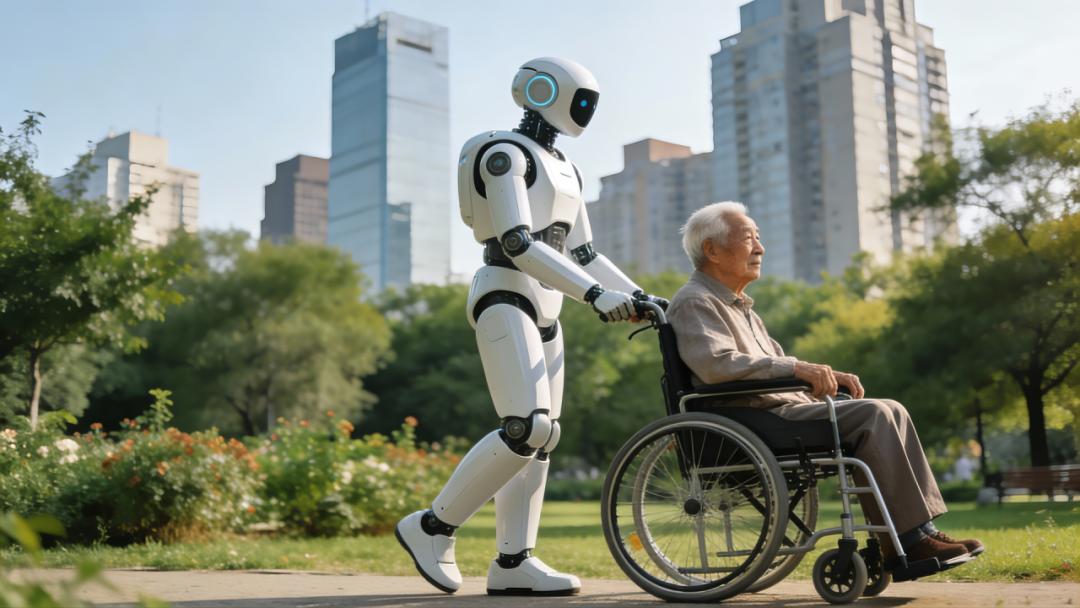
Based on this, the elderly start to envision relying on robots for old - age care; mothers hope robots can take care of their children; some unscrupulous bosses have already started dreaming of all - robot companies. If we randomly interview ten people on the street about what they most want AI to achieve, eight or nine of them will tell you to have robots do housework for them.
All these eager expectations are based on the false causal relationship between robots and AI technologies deliberately guided by entrepreneurs and investors. When they realize that this imagination is just a dream and that home robots capable of handling complex environments with the elderly, children, and pets are nowhere to be found in the foreseeable future, the harm will be immeasurable.
What's more frustrating is that when the robot fantasy is shattered, the public will inevitably direct their anger towards the term "AI". They will think they have been deceived by artificial intelligence, without realizing that they have just been fooled by a small group of robot companies trying to ride on the AI wave.
People will consider AI a huge bubble and a fraud, even if large models have already accomplished countless things.
The original sin of robots lacking brains will ultimately turn into a domino - effect punishment. It will spread outward from the core of robot investors and entrepreneurs, eventually covering the entire AI and intelligent technology industries. When we enjoy this Dionysian revelry of robots, are we sure we can handle the hangover when the party is over?
03 The End After the False Fire Burns Out
Next, the story of robots can continue for a while. For example, there is still plenty of room for improvement in mechanical technologies such as dynamic adaptation and movement on complex terrains. Also, the robot supply - chain can be continuously optimized. With the establishment of domestic supply - chains, we should see the cost and price of humanoid robots, which used to cost hundreds of thousands of yuan, dropping rapidly.
These factors will trigger several waves of enthusiasm. But at a certain point, this story will end quietly and abruptly. There is a joke that many people want to find a robot to take care of them in their old age, but now if you buy a robot, you can experience taking care of your old self in advance.
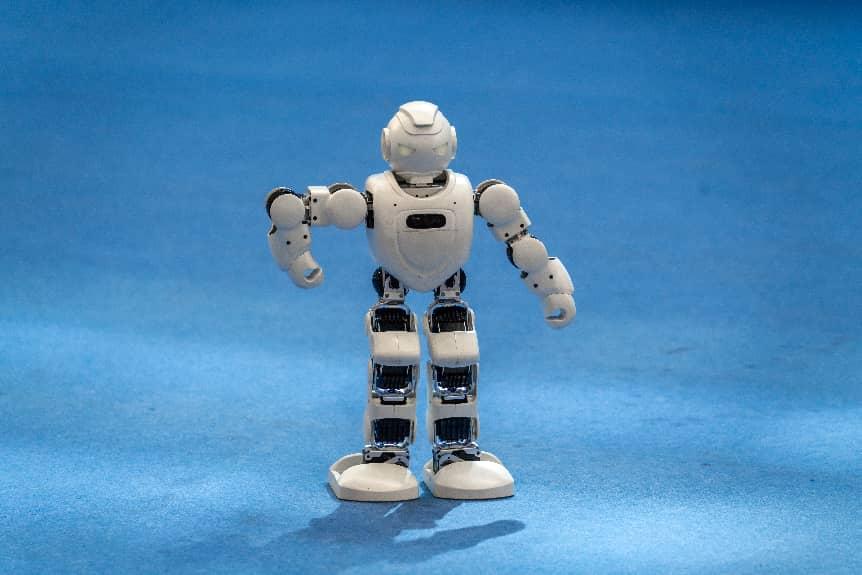
When people realize that this is not a joke and that the situation cannot be changed, the story is over.
Robotics is actually an industry with great potential, but manufacturers, capital, and market users must jointly adjust their value expectations. Just as we can use 3D printing to make a figurine, but there's no need to expect to build a villa with it. Humanoid robots are expected to become productivity tools in some industrial scenarios and toys for a small number of geeks. But in the foreseeable future, they cannot become the "cyber servants" in our dreams.
Go to sleep, human friends. You can have everything in your dreams. But most robot companies, it's time to wake up.
This article is from the WeChat official account "Brain Intelligence" (ID: unity007), written by Feng Ciyuan, and is published by 36Kr with authorization.