The AI smart lock, once ridiculed as "stupid," is almost being overused by young people.
Ten years ago, the three essential items for everyone when going out were: a wallet, keys, and a phone.
Ten years later, perhaps just carrying a phone is enough.
Wallets have been replaced by mobile payments. As for not having to carry keys when going out, it's thanks to the boom of smart locks. In 2025, smart locks completely entered the public eye. The penetration rate of the smart lock market in first - tier cities in China has reached over 40%.
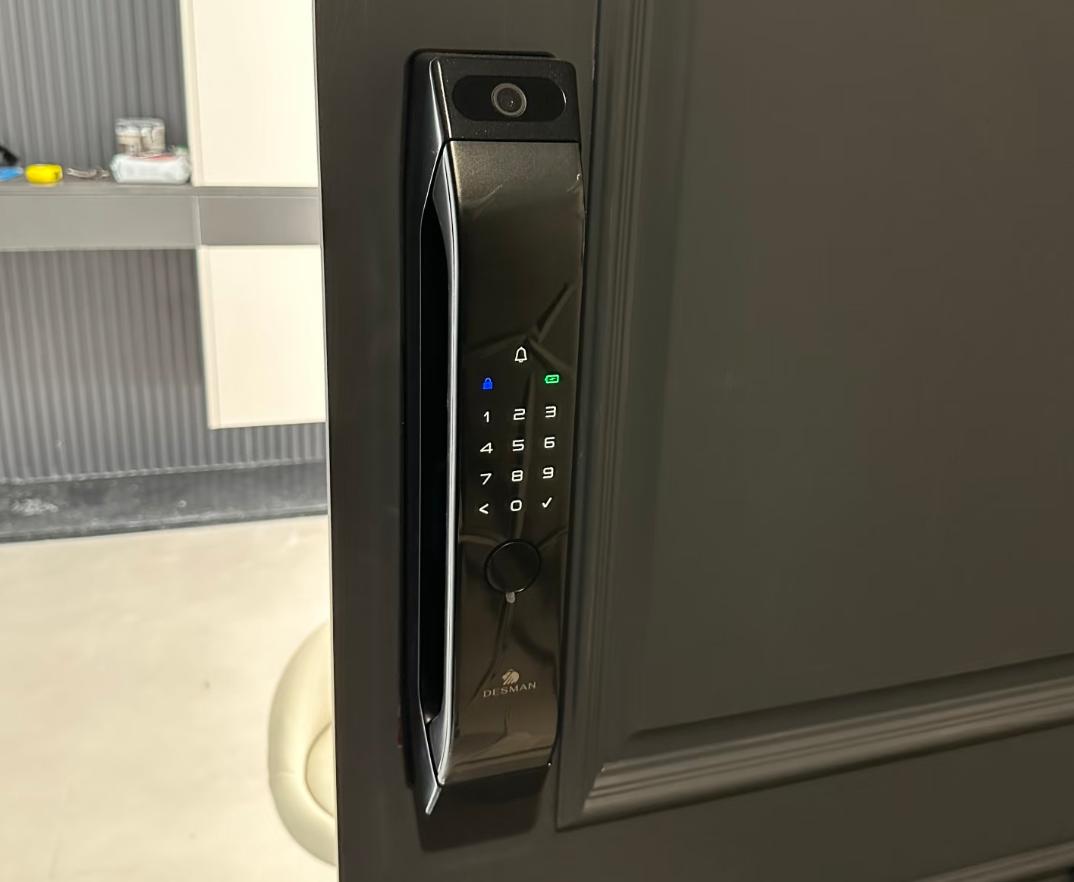
And the question of what kind of door lock to install at home has become the biggest test in home decoration.
Interestingly, on one hand, the first batch of young people who tried smart locks are complaining on social platforms, "I'm starting to regret installing that smart lock on a whim back then"; on the other hand, thousands of big manufacturers like Xiaomi, Huawei, and Haier are pouring real money into this market, turning it into a red - ocean competition.
Data shows that the global smart door lock market continues to grow at a high speed. In 2024, the total market size reached $2.77 billion, and it is expected to grow to $8.1 billion by 2030.
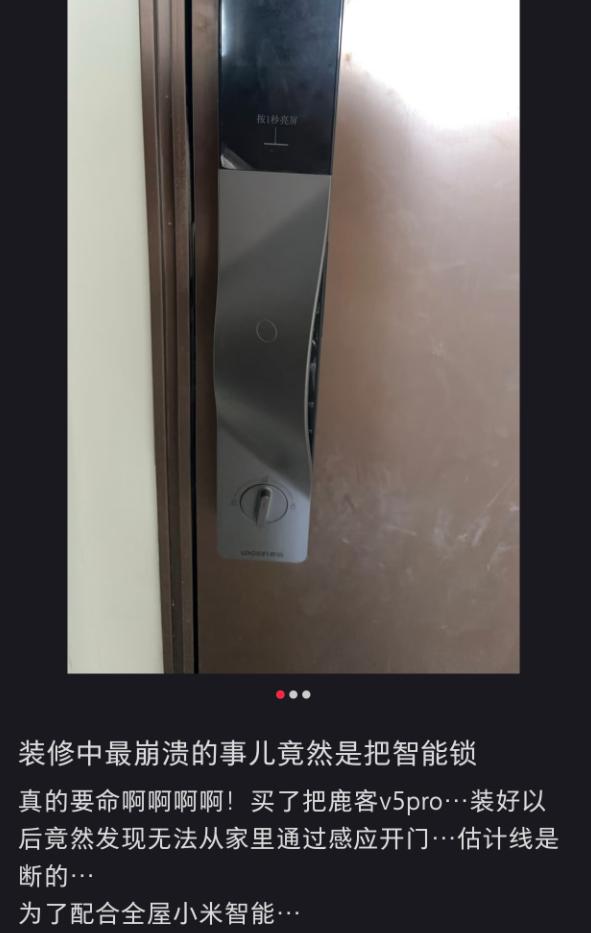
From the first - generation products that were once ridiculed as "artificially stupid" to today's AI smart locks that can recognize people, interact, and make predictions.
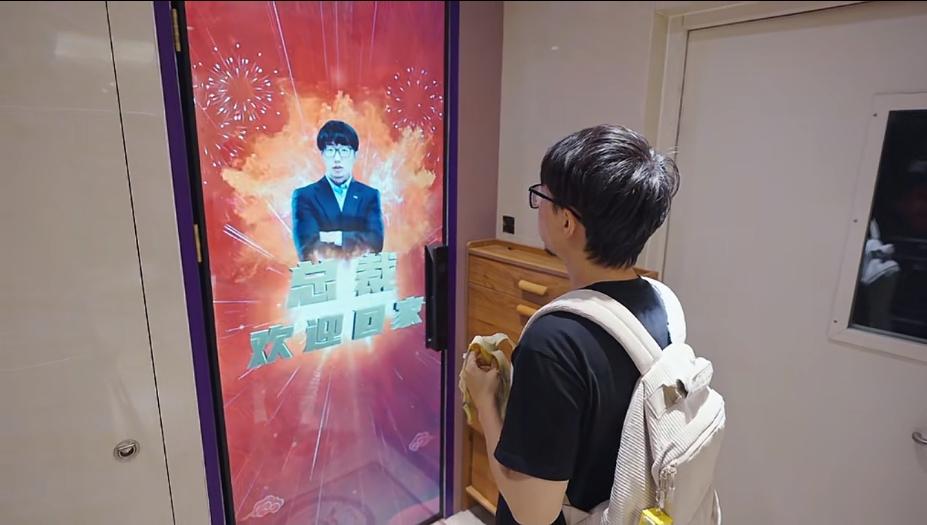
Some young people have even modified smart locks and replaced the entire door with an electronic screen, creating a full sense of emotional value at the door: Welcome home, Mr. President.
Is it really reliable when we entrust the security of our home to AI?
Thousands of big manufacturers are collectively eyeing the business at "your doorstep"
Whether smart locks are truly smart or just "stupid" has been a hot - debated topic for a long time.
At the end of 2023, "Hangzhou Prosecution" released a case where a thief observed the usage marks on a combination lock, deduced the lock password, and carried out a theft.
The thief targeted combination locks, continuously trying different number combinations to unlock other people's doors. Similarly, there have also been new types of illegal unlocking cases using "fingerprint films" and "cloned cards".
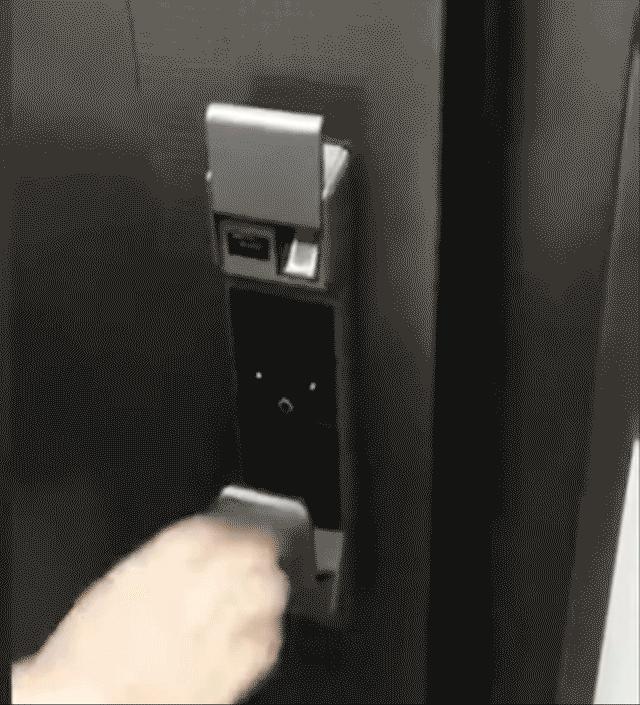
Some people also found that their smart locks opened by themselves at 3 a.m., which really scared them.
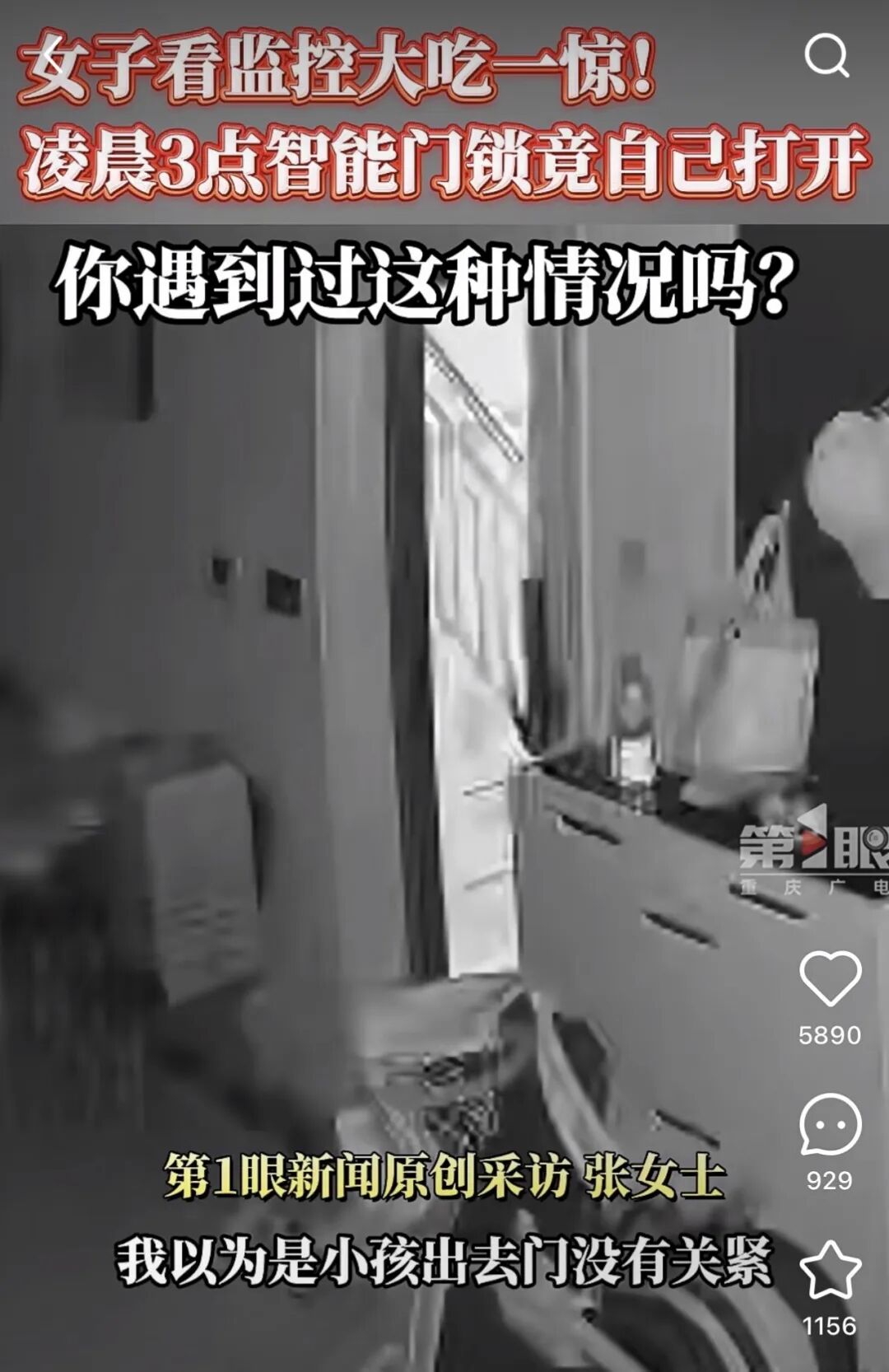
It can be said that the initial reputation of smart locks was not very good.
Actually, the Chinese smart door lock industry only started around 2000, and there were only about 600 enterprises in 2015.
By the end of June 2018, the number of domestic smart door lock brands soared to 3,500, and the number of manufacturing enterprises exceeded 1,500. The chaotic situation of the "Thousand - Lock War" had already formed.
At this time, with the explosion of the domestic smart door lock market, major Internet companies, home appliance giants, established security enterprises, smart home start - ups, and traditional door lock enterprises all took action.
During the Double 11 shopping festival that year, 360, China's largest Internet security company, jointly launched the 360M1 Youth Edition smart door lock with the lock - making company Manshen. The price was even as low as 699 yuan, claiming to break the industry's bottom line.

But why are big manufacturers flocking to the door lock business?
Firstly, the technology is mature.
From mechanical locks that rely on keys to "recognize owners" to early electronic locks that use passwords or card - swiping to unlock, the core requirements of door locks have always been "security + convenience". However, it wasn't until the entry of smart technology that there was a real qualitative change.
Young people no longer want to be tied down by keys. The pain point of "forgetting keys when going out and having to call a locksmith when coming home" has been magnified infinitely. Moreover, the problems of shallow fingerprints of the elderly and small fingerprints of children have made traditional fingerprint locks difficult to meet the needs of all age groups.
In terms of technological development, the maturity of biometric recognition, AI, and Internet of Things technologies has transformed door locks from "passive anti - theft" to "actively intelligent".
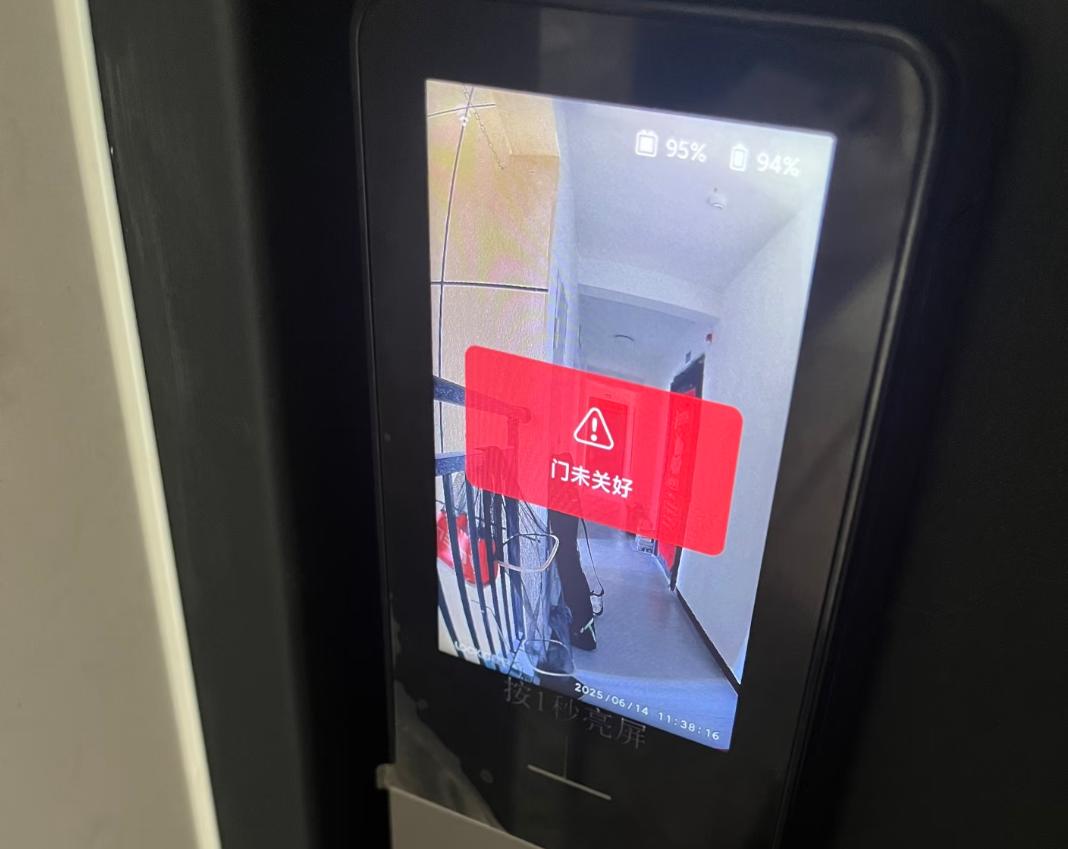
More importantly, the first batch of users who installed smart locks have entered the 5 - to 7 - year replacement cycle. The dual dividends of "replacing existing locks + increasing market penetration" have made this business a hot cake in the eyes of big manufacturers.
More importantly, they want to seize the territory of the whole - home smart ecosystem.
In the era of whole - home smart, the door lock is the "first entrance" to the home. Controlling it means controlling the core contact point of home data.
For example, Huawei regards the smart lock as the "start button" of its Hongmeng whole - home smart ecosystem.
The core selling point of Huawei's Smart Door Lock 2 Pro in 2025 is the dual - biometric authentication of 3D face recognition + palm vein recognition. More importantly, it can seamlessly interact with the home's smart screen, speaker, and camera. The moment the door opens, the air - conditioner automatically adjusts to a comfortable temperature, the lights gradually brighten, and even the curtains can be automatically opened.
For technology companies, smart locks are not isolated products but the "knock - on brick" to the entire ecosystem.
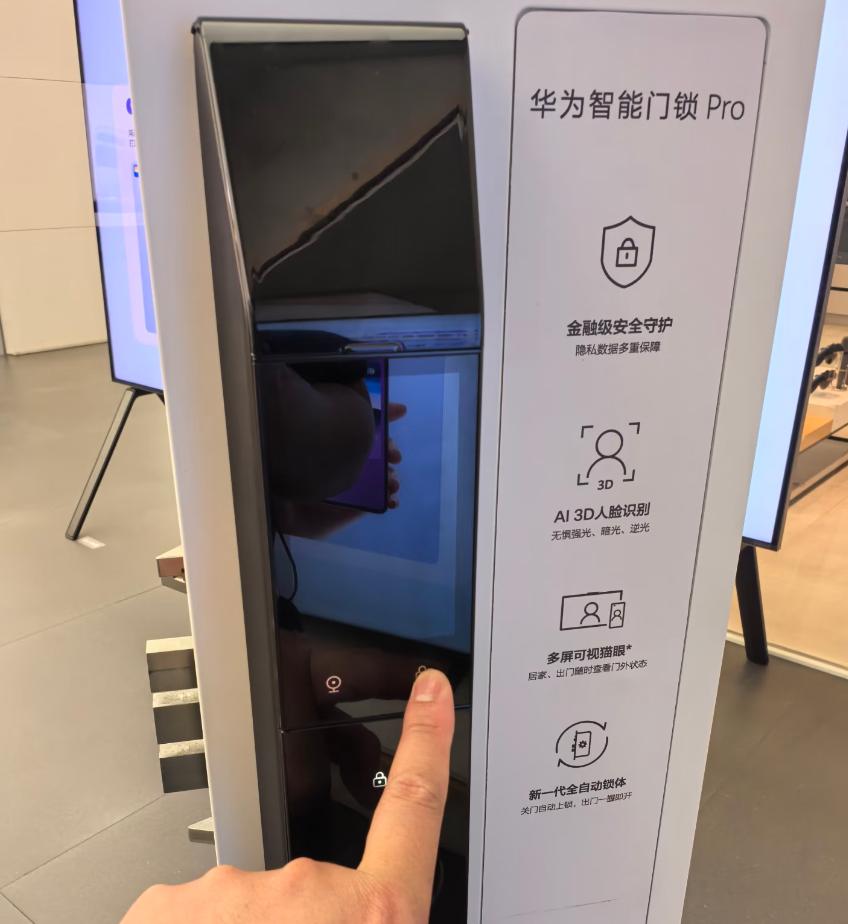
Each company is building its own smart ecosystem for vehicles, homes, and people. As one of the entrances to the smart home, the smart door lock has extremely high strategic value and is a must - fight territory for all.
The influx of thousands of brands has completely transformed the smart lock market from a popularity battle of "availability" to an experience battle of "usability".
From "stupid" to smart, who has enabled door locks to master all kinds of skills?
In the past few years, smart door locks have become one of the fastest - growing categories in the smart home field and one of the first smart home products that many ordinary consumers come into contact with.
Today's smart locks have long shed the label of "artificially stupid". Relying on the three magic weapons of whole - home smart, vein recognition, and AI models, they have mastered all kinds of skills.
What kind of tricks can be played in the field of smart locks, which are electronic products?
Trigger the "sense of home - coming ritual" as soon as the door opens
Previously, smart locks were "lonely tools", but now they have been upgraded to the "general commanders" of the whole - home smart ecosystem. The interaction methods of each brand are more and more competitive.
Xiaomi is still the "price butcher". Its strategy is simple and straightforward: it floods the mid - and low - end markets with high - end configurations. The M40 series launched in 2025 offers a 5 - inch large screen, dual - camera peephole, and 3D structured light face unlocking for 3,499 yuan. For an additional 300 yuan, the Pro version can be upgraded with palm vein recognition, directly lowering the industry's average price by one level.
Xiaomi's logic is simple. First, it maximizes the penetration rate through cost - effectiveness, and then makes money from subsequent ecosystem interactions.
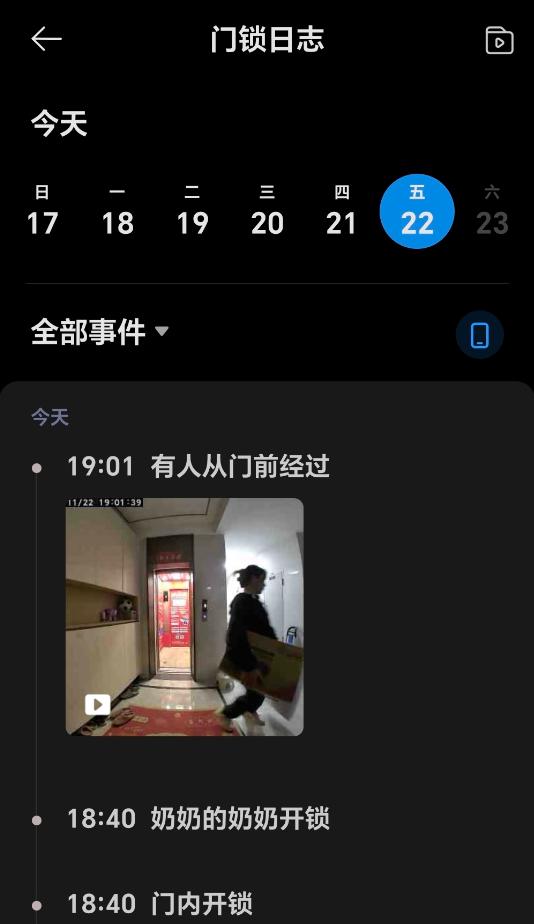
What's even more considerate is the visitor interaction function.
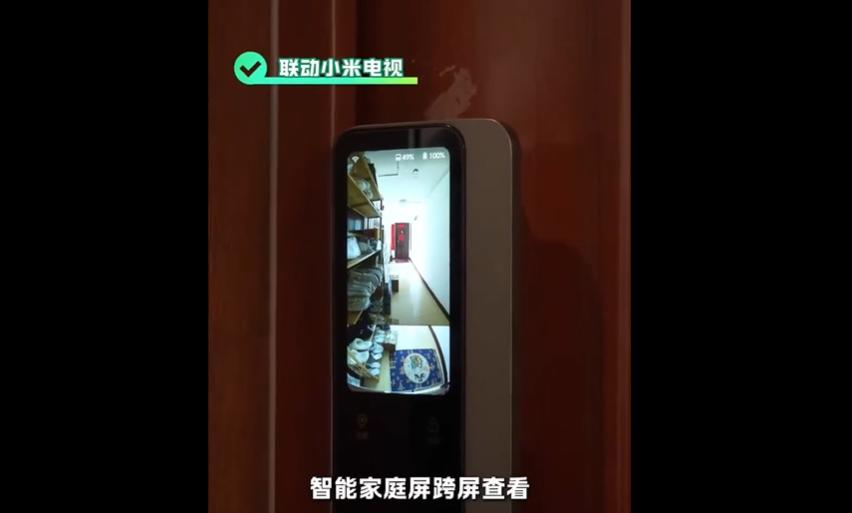
For example, when someone rings the doorbell, the image is directly pushed to the Xiaomi TV or the smart speaker with a screen. You can clearly see who's outside while lying on the sofa and reply with voice, saying "Leave the package at the door", completely getting rid of the trouble of either shouting at the top of your voice or getting up to open the door.
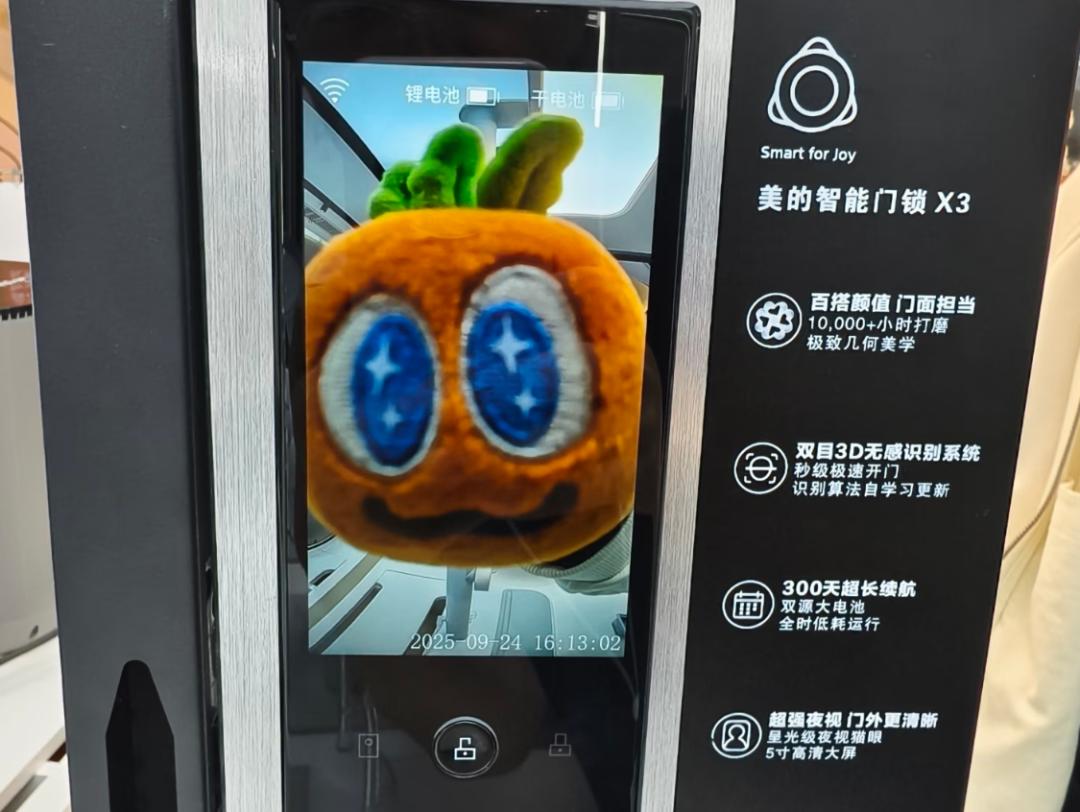
In 2025, Midea incorporated smart door locks into a more comprehensive system of "integration of vehicles, homes, and people".
Midea's Smart Door Lock X3 supports multiple unlocking methods, including face recognition, fingerprint recognition, password entry, NFC card swiping, key use, and remote authorization. It also emphasizes the role of the whole - home smart ecosystem.
For example, after it recognizes the owner and unlocks the door in 0.4 seconds, the whole home starts to work for you. The lights in the entrance hall turn on, the air - conditioner adjusts to the temperature the owner is used to in advance, and the fresh - air system is also turned on simultaneously.
Use cutting - edge technology to target the high - end market
In the past, users of fingerprint recognition locks always complained about its pain points: it couldn't recognize dry hands in winter or wet hands in summer. The shallow fingerprints of the elderly and small fingerprints of children meant that passwords were often the last resort.
To solve this problem, each brand has come up with various biometric recognition technologies, and vein recognition has become the standard configuration for high - end models.
The advantages of vein recognition are obvious: it recognizes the veins under the skin, which won't wear out or become shallower like fingerprints, and it can only recognize living bodies.
In September 2025, Loock launched its flagship model, the V6 Max, with a more direct approach: it introduced the "Xiaolu AI Learning Big Model". According to the official statement, this big model is the "brain center" of the entire lock, responsible for tasks such as AI voice input, personalized announcements, and home - watching protection.
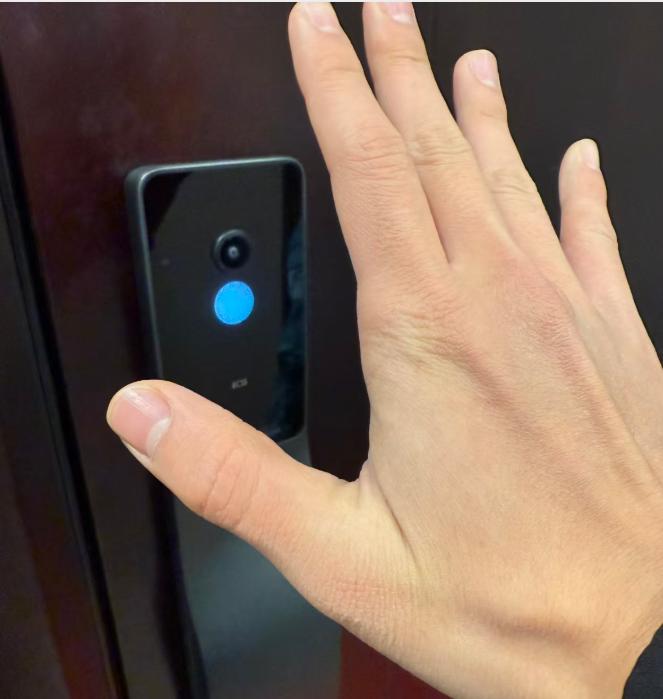
Dessmann focuses on palm vein recognition. The palm vein recognition error rate of its flagship model, the Qilin R9, is as low as 0.0001%. You can unlock the door by simply raising your hand without bending down to input your fingerprint, which is especially friendly to the elderly with back problems.
In February 2025, Kaadas officially announced a "team - up strategy" by collaborating with Tencent Cloud's TWeSee and DeepSeek to integrate cloud - based big models. The goal is clear: to enhance the recognition, retrieval, and interaction capabilities in front - door scenarios.
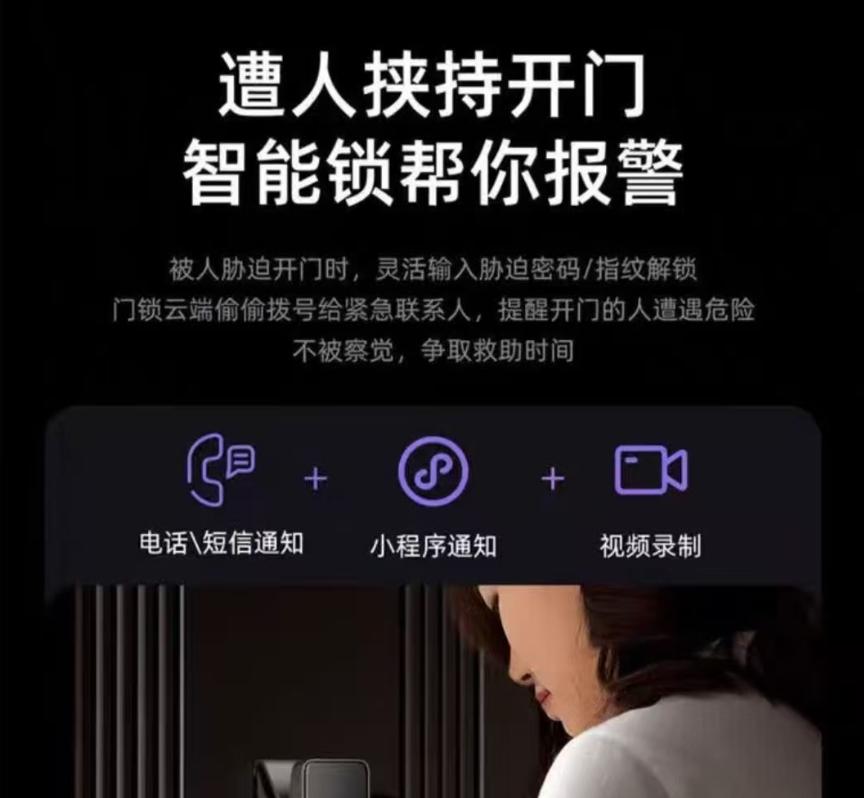
Kaadas also added a coercion fingerprint function. When in danger, pressing a specific fingerprint can unlock the door while secretly sending a distress signal, providing an extra layer of protection for single women.
Huawei goes even further by launching a new product with "face and palm dual - biometric recognition". Using AI algorithms, it can even distinguish the fingerprint differences between twins, taking the unlocking accuracy to a new level and completely solving the unlocking problems of special groups.
By now, door locks are no longer just about opening the door.
Two "landmines" need to be solved before entrusting the front door to AI
Although the experience of smart locks has changed dramatically, there are still two unavoidable "landmines" when entrusting the security of our home to AI.