Shopping Guide: How to Choose a TV in 2026? We've Summarized Five Major Trends
Recently, "Avatar 3" has been screening hotly, and my friend is caught in a dilemma of choice:
The CINITY LED theater is the top recommendation this time, featuring excellent picture quality and high brightness; the experience in an IMAX theater can be summed up in one word - big, offering a more immersive viewing experience.
I thought to myself, isn't this also a dilemma when choosing a TV nowadays? Whether to choose a large - screen or a high - quality screen, and even which type of high - quality screen to choose, are all problems. We've sorted out the current new TV technologies and trends, and compiled five trends and a shopping guide for everyone.

A line from "Trainspotting": Choose a big TV!
TL;DR version:
Trend 1: Don't buy TVs under 65 inches.
Trend 2: You can buy a large - screen OLED TV for 15,000 yuan.
Trend 3: A new high - end choice - RGB Mini - LED.
Trend 4: Pay attention to the configurations other than the panel (system, interfaces, audio).
Trend 5: Girlfriend's TV, Wallpaper TV, MateTV
Trend 1: Don't buy TVs under 65 inches
In recent years, Mini - LED and OLED TVs have emerged with various prefixes. In fact, it's quite difficult for ordinary consumers to distinguish the advantages and disadvantages among them. However, regardless of the new technology, the gain is far less than choosing a larger size.
Buying a large enough screen is the primary principle when choosing a TV. Here's a bold statement from me:
It's 2026 already. Don't buy TVs under 65 inches.

Nowadays, everyone has a small screen with them all the time and can access various media content. Many people even have a tablet. These are more flexible and versatile screens than TVs. In fact, the only visual advantage of a TV is the immersion brought by its large screen.
As long as there's a normal "living room" space in your residence, no matter its size, it can accommodate a screen over 65 inches. If you don't buy a large enough TV, you might as well not buy one at all, as you won't have much desire to turn it on after bringing it home.
With the maturity of panel technology, especially mini - LED technology in recent years, the prices of the entire TV category have been continuously dropping. Buying a large - screen TV is no longer that expensive.
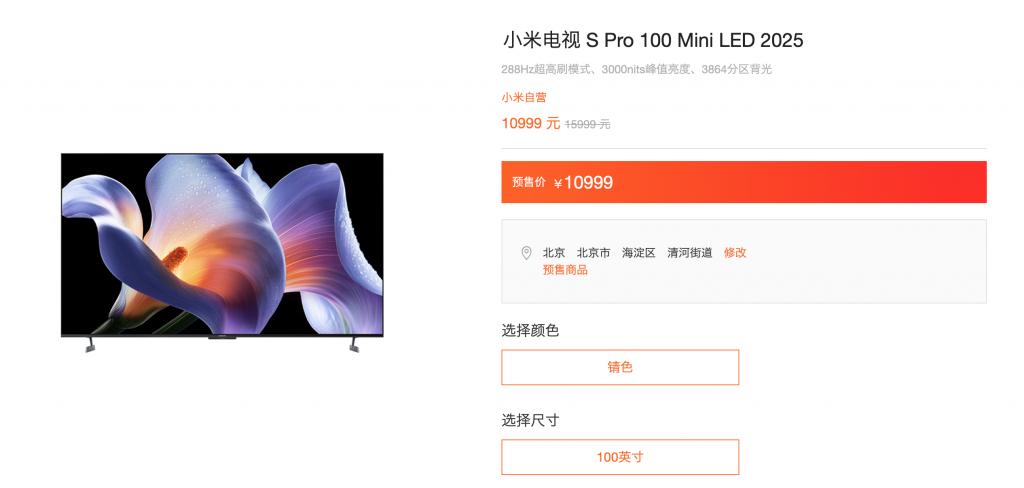
After Xiaomi, which focuses on cost - effectiveness and large screens, entered the market, the price of a 100 - inch TV has dropped from a six - digit figure to around 10,000 yuan, making it an affordable product for the general public.
After determining the maximum size of the TV that can fit in your home, it's time to consider different display technologies, effects, and price trade - offs. In the past 2025, regardless of the technology route, TV panels have witnessed exciting new categories, making the choice even more difficult.
Trend 2: Since this year, buying an OLED TV has become cost - effective
Currently, LCD TVs mainly based on Mini - LED are still the mainstream in the market, but many people consider OLED TVs as their "dream TVs".
The advantages of OLED TVs are quite obvious: Different from Mini - LED, which requires a backlight, each pixel in an OLED TV is self - emissive, allowing individual control of color display and on/off of each pixel. Pixels in the black area can be directly turned off, resulting in a higher color contrast without being affected by the backlight.
Put simply, an LCD TV is like a "shadow play" with a constantly working light source; while an OLED TV is like a "fluorescent dance", where the colored lights emit light on their own, and the non - emitting parts are pure black.
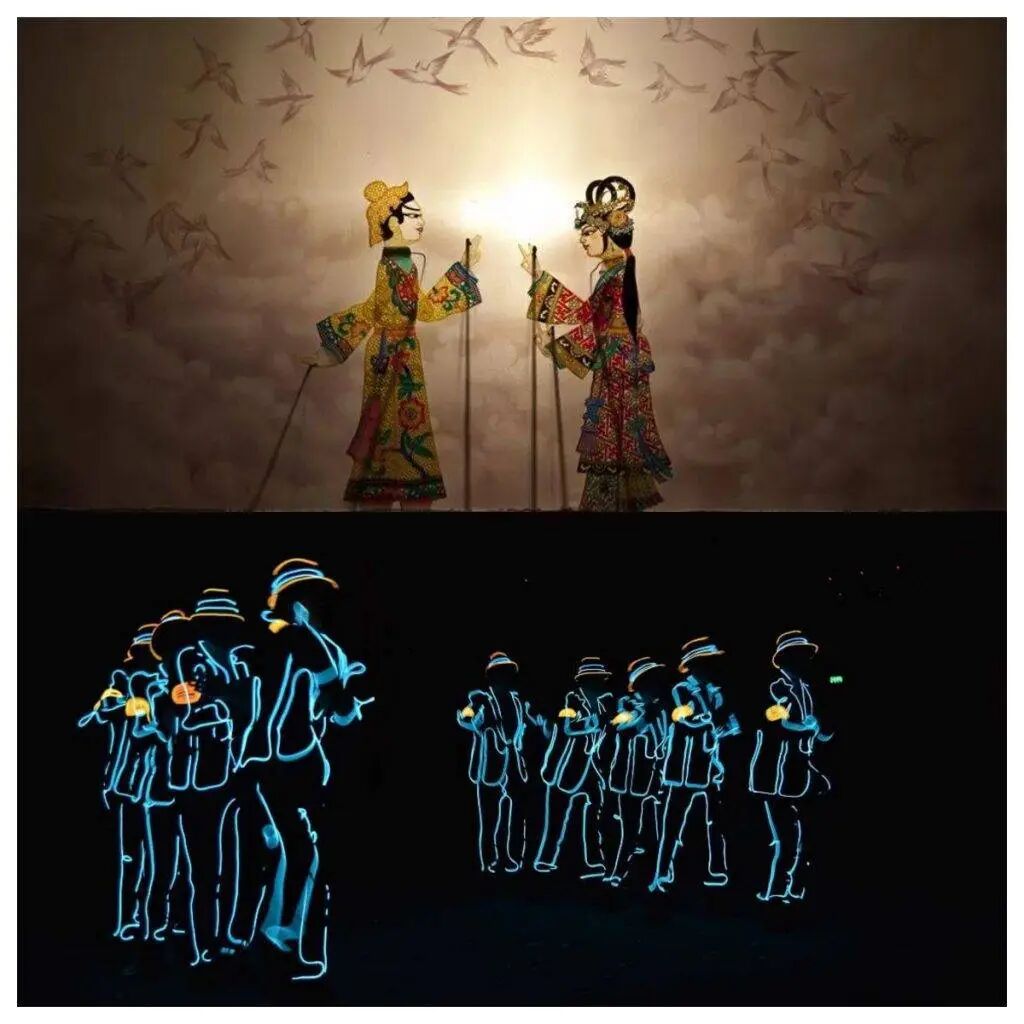
Compared with Mini - LED screens with a unified light source, each pixel in an OLED screen is self - emissive. Therefore, it doesn't require a backlight system. The OLED screen can control the color display and on/off of each pixel independently. Pixels in the black area are directly turned off, enabling true pure black colors.
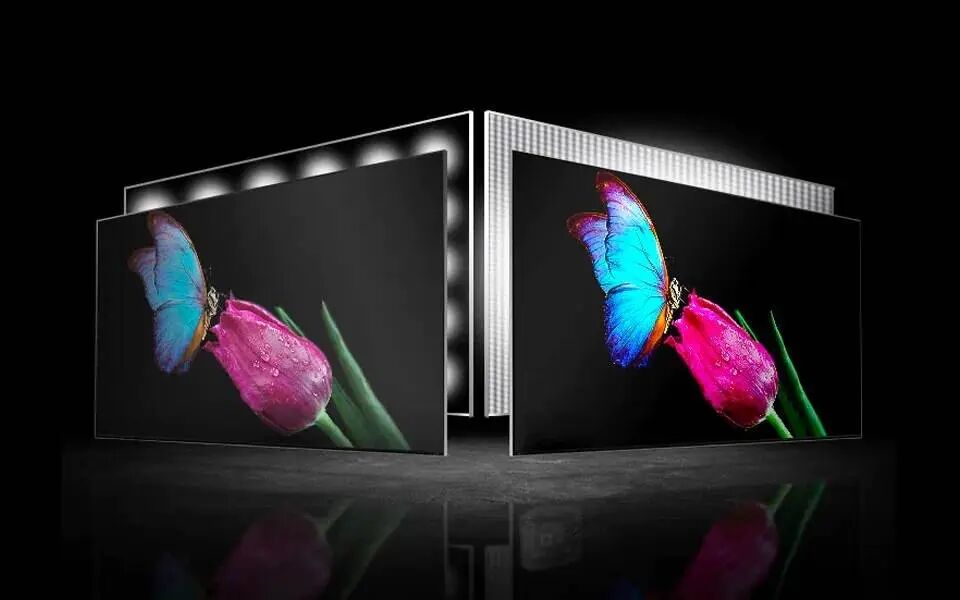
Left: Mini - LED, Right: OLED
Due to the higher technical difficulty, there aren't many OLED TVs on the market, and they are mainly produced by traditional OLED manufacturers such as LG, Sony, and Samsung. Generally, these products are also more expensive.
The situation has changed this year. The entire OLED supply chain has undergone a capacity upgrade, and the panel prices have dropped. Technological breakthroughs have also led to lower energy consumption. In 2025, many OLED TVs successfully made it onto the national subsidy list, further reducing the TV prices and making them more cost - effective than ever.
According to ifanr, the channel price of this year's LG C5 TV has dropped significantly. You can buy a 77 - inch screen for around 16,000 yuan, while the price used to be 30,000 yuan last year.
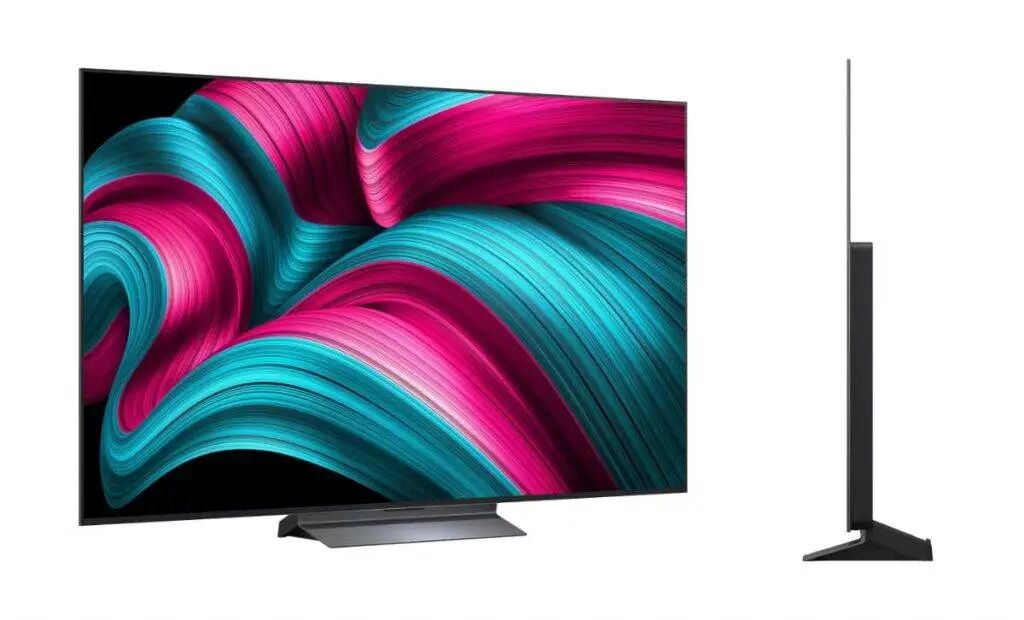
LG C5, the most worth - buying OLED TV this year
The drawbacks of traditional OLED screens are also quite obvious: The brightness is relatively limited, and long - term high - brightness display can easily cause damage. Therefore, they are more suitable as home theater screens.
In response to the brightness challenge posed by Mini - LED, OLED's answer is a new technology: Multi - layer tandem OLED panels, mainly represented by LG's "WOLED" technology. Multiple layers of OLEDs with different colors are stacked into a single white - light OLED emitting layer, and colors are generated through red, green, blue, and white color filters.
The previous generation of WOLED stacked three layers of blue, yellow, and blue panels, which had the drawbacks of insufficient color gamut and impure colors. There was also a problem of a washed - out picture and low contrast at high brightness.
LG's latest fourth - generation WOLED stacks four layers of blue, green, blue, and red panels. With native red and green light, it has better color reproduction and higher picture contrast.
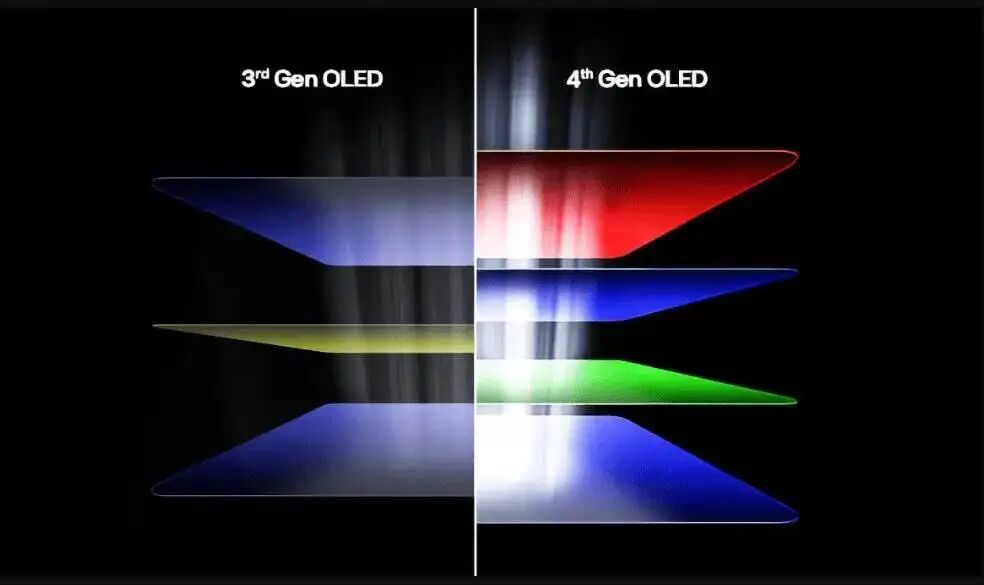
Moreover, through this simple and direct approach of "four layers are better than one", the brightness of the tandem OLED screen has been significantly improved. With four layers sharing the workload that was previously borne by one layer, the problem of easy aging of OLEDs has also been alleviated.
Thanks to this technology, the LG G5 has become the best OLED TV screen we can buy this year, capable of achieving a peak brightness of 4000 nits and a regular screen brightness of 1000 nits, truly deserving the name of a "flashbang".
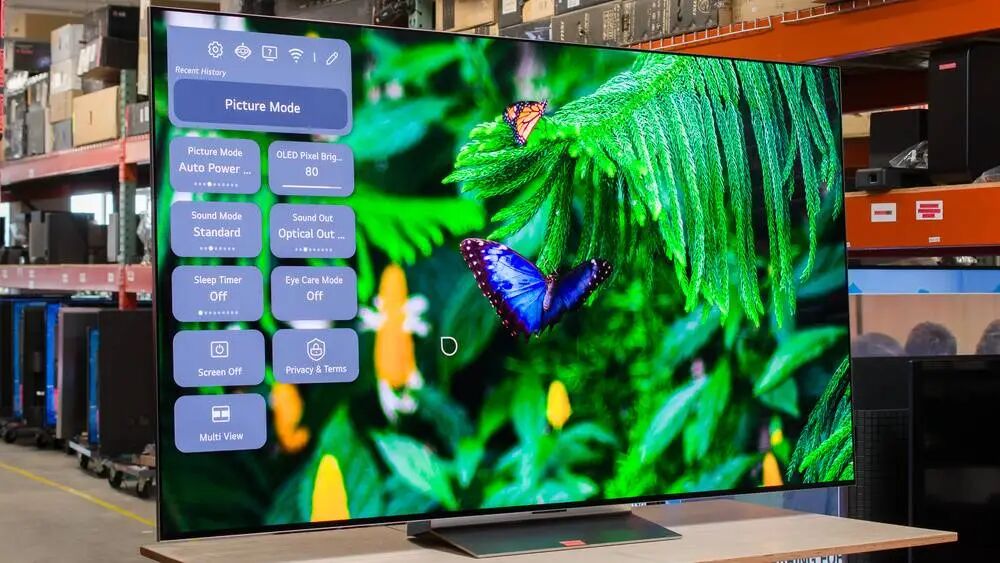
LG G5, Image source: RTINGS
In addition, there is the QD - OELD technology mainly promoted by Samsung. It uses a single blue OLED panel to generate red and green colors through a conversion layer. Its advantage lies in high color purity and a wider color gamut, but its brightness is slightly inferior to WOLED.
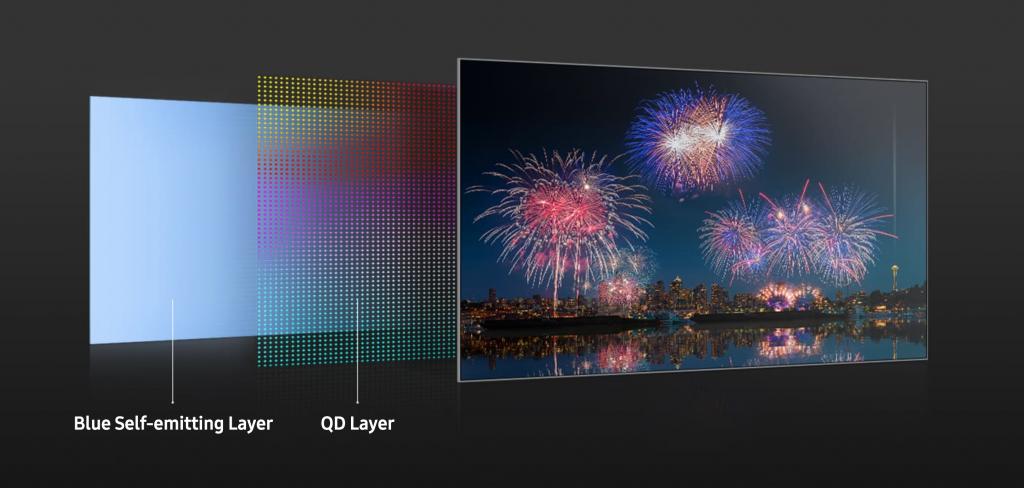
Regardless of the type of OLED screen, there is currently a contradiction with size. There are very few choices for OLED screens over 80 inches, and in the market, there is almost only LG as an option, and the price also goes up accordingly.
Compared with Mini - LED, OLED screens generate more obvious heat. A colleague who bought an LG C5 TV said that in the 35 - degree summer in Guangzhou, he has to turn on the air - conditioner before daring to turn on the TV.
This year, RGB Mini - LED has emerged as a more balanced new choice.
Trend 3: RGB Mini - LED, a new choice for high - end TVs
OLED is mainly monopolized by overseas brands, while Mini - LED is a new technology for domestic brands to overtake on a curve. This year, TCL and Hisense have both launched multiple high - end RGB Mini - LED TVs.
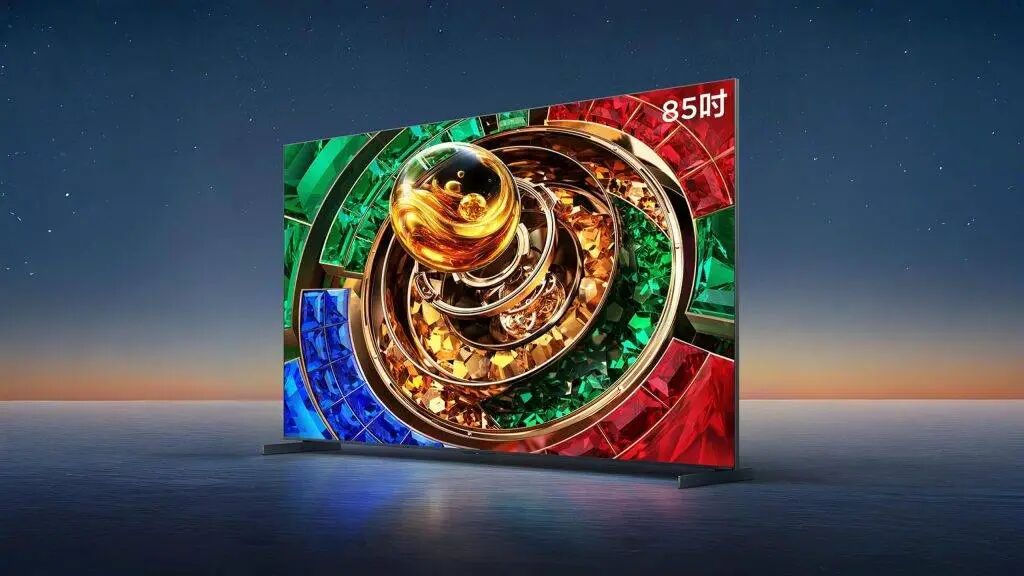
TCL Q10M Ultra
In essence, Mini - LED is still an LCD screen. The liquid - crystal screen itself doesn't emit light and requires LED backlighting.
Traditional LCDs usually use a small number of relatively large - sized LEDs as backlight sources, with the whole or a small number of partitions emitting light. The control of brightness and darkness is relatively rough. In the dark areas, it's easy to appear gray, and the contrast is limited. Simply put, it can't achieve true black when it should be black, and it can't reach high brightness when it should be bright, resulting in an unclear picture.
The Mini - LED screen upgrades the backlight to tens of thousands of miniature LEDs and divides them into a large number of independently controllable partitions, making the bright areas brighter and the dark areas darker, thereby significantly improving the contrast and black - level performance.
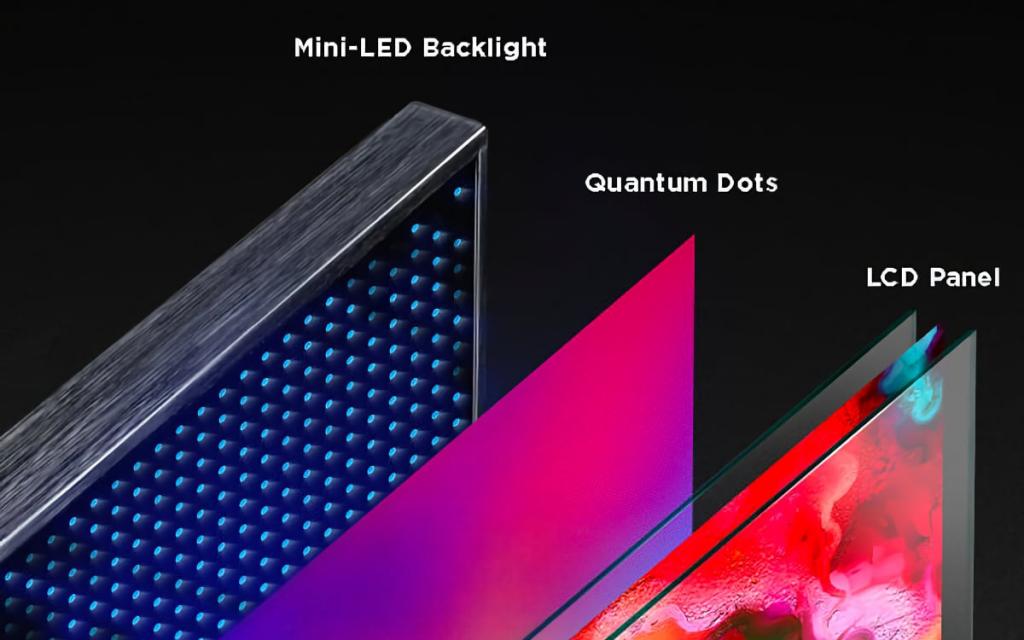
However, the more partitions there are, the more likely the light and color at the bright - dark junctions will spread to adjacent areas, forming a "halo", which will be more obvious if not well - controlled.
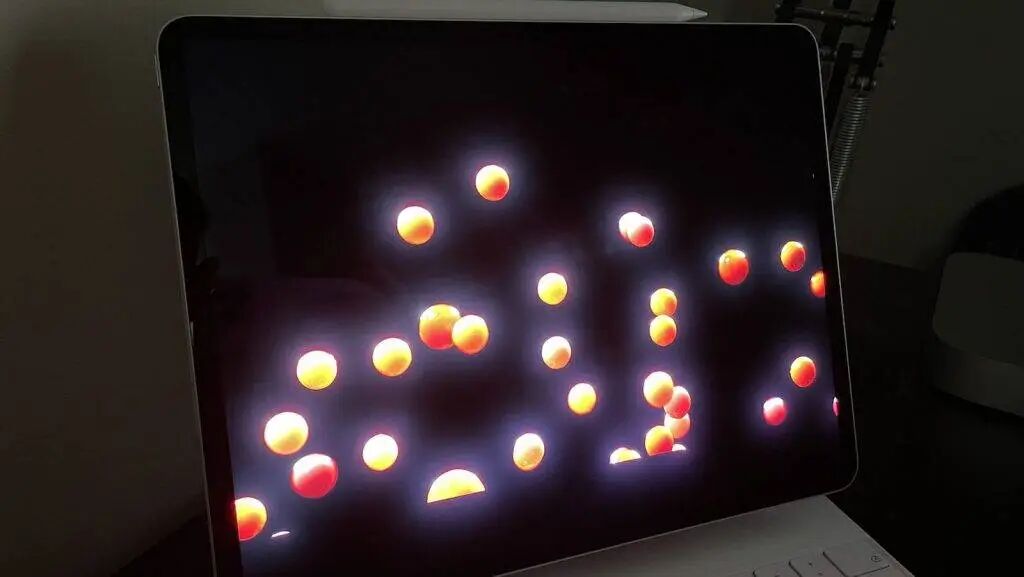
The Mini - LED screen of the iPad Pro, Image source: Wccftech
On the basis of Mini - LED light control, adding the ability of "color control" gives rise to RGB Mini - LED.
Specifically, the lamp beads of RGB Mini - LED are not the traditional single - color ones. Instead, each lamp bead consists of red, green, and blue. The backlight layer already has color and can display low - resolution images, rather than generating colors through the traditional single - color light + color filter method.

The lamp beads of RGB Mini - LED, Image source: Sony
Since the lamp beads use RGB three - primary - color backlighting, the color purity is higher, the color gamut of the picture is wider, and the colors are more accurately reproduced. At the same time, by eliminating the intermediate conversion of traditional single - color Mini - LED, the brightness of the panel can also be higher after reducing the loss.
It can be seen that the technical route of RGB Mini - LED is relatively close to that of OLED or even Micro - LED, but the cost is much lower than the latter two.