Elon Musk announced the mass production of brain-computer interfaces. Is the era of cyber humans coming?
Perhaps fearing the rapid development of AI, Elon Musk can't wait to give humanity an "edge".
Recently, Musk announced on his social platform: In 2026, Neuralink will enter the mass - production stage.
When the news came out, many people's first reaction was not shock, but a chill down their spines.
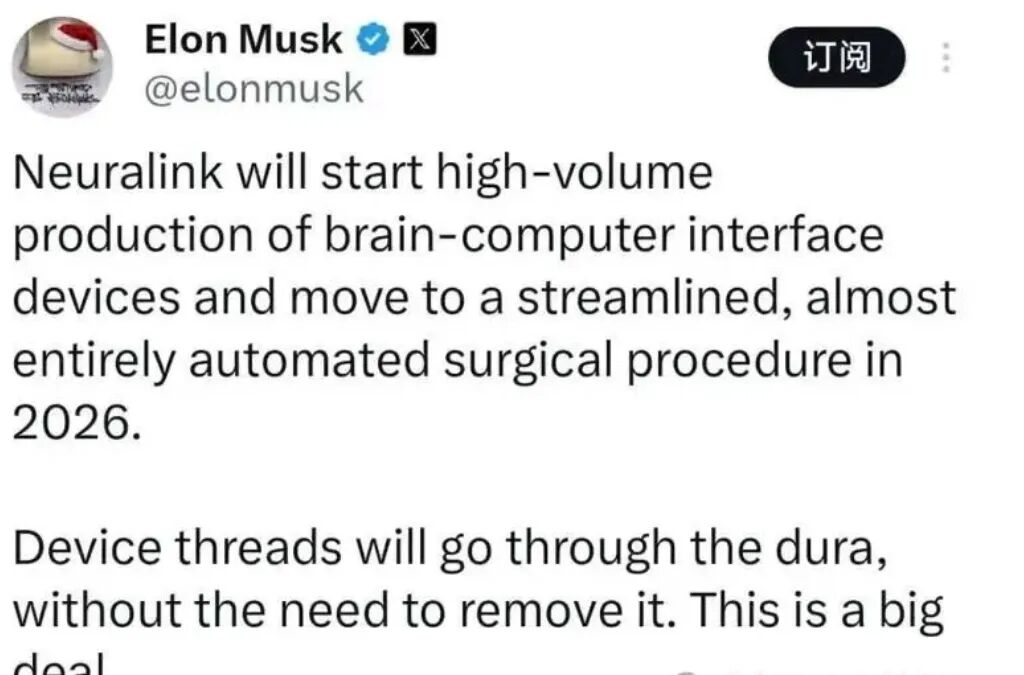
Isn't the brain - computer interface still in the clinical trial stage? How has it suddenly fast - forwarded from science fiction to mass production?
When many people hear these four words, all they can think of is "The Matrix" or "being able to read minds by implanting a chip".
Actually, it's not that mysterious. Simply put, your brain is essentially an extremely complex "biological electrical control center".
When you want to move your fingers or take a sip of water, the cerebral cortex generates weak electrical signals. However, in some patients with paralysis or amyotrophic lateral sclerosis, the brain sends out signals, but the "wires" (nervous system) that transmit the signals are broken, and the body can't receive the instructions.

What the brain - computer interface does is to directly establish an "intranet dedicated line" between the brain and external devices (computers, robotic arms, etc.).
It captures the discharge of your neurons in real - time through ultra - fine electrodes implanted in the brain.
When you want to "move the cursor to the left", the chip captures a specific current pattern and, like an interpreter, translates this biological signal into binary code that the computer can understand.
In a nutshell, it allows you to skip the constraints of the physical body and directly achieve "mental control".
In January 2024, Neuralink completed its first human implantation. At that time, a patient with high - level paralysis could type with a mouse and play games skillfully using only their mind, which amazed many people.
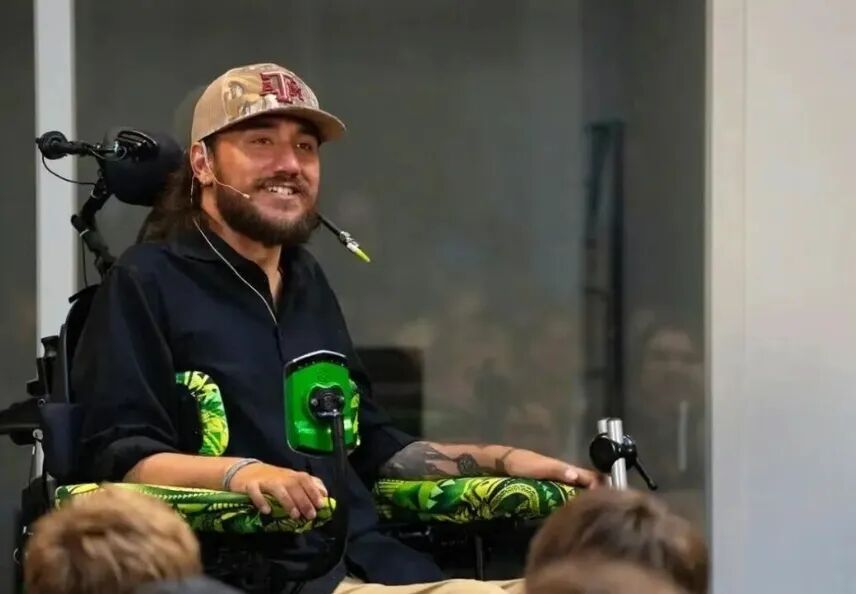
By September 2025, 12 people around the world had implanted the device, with a cumulative usage of over 15,000 hours. The device stability compliance rate was 98%, and there were no major rejection reactions. Some people could even control robotic arms with their minds.
Previously, brain - computer interface surgeries were quite complex and highly dependent on doctors' experience: craniotomy, drilling, and manual implantation... Every step allowed no room for error.
Obviously, Musk couldn't wait for such "meticulous" clinical trials.
The core points of his revelation this time are two words: mass - scale and full automation.
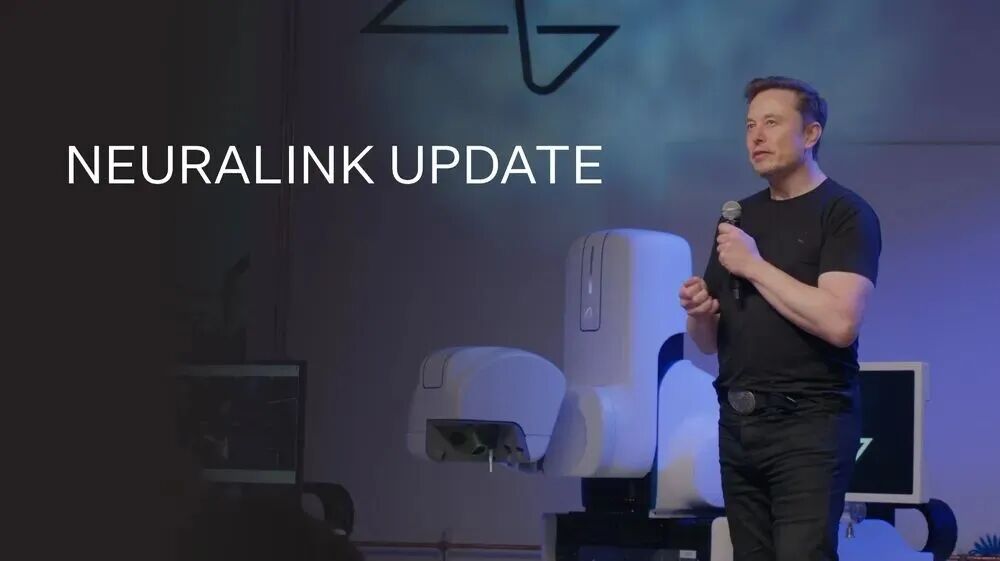
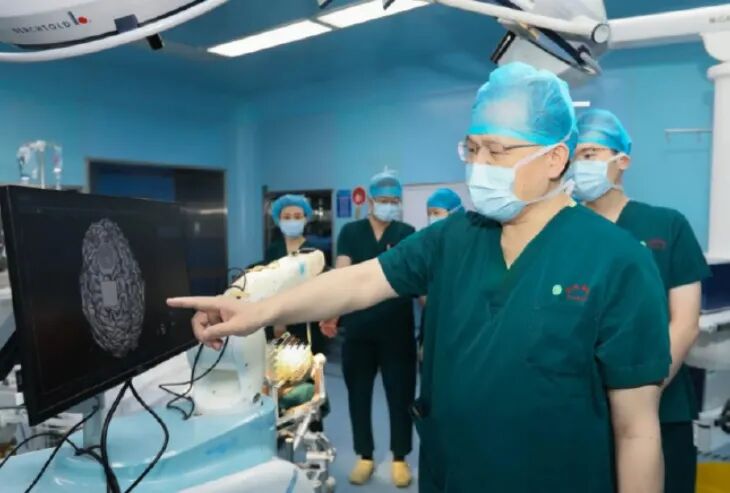
To achieve this, it relies on a surgical robot, which has evolved extremely rapidly.
Now its precision has reached the micrometer level. It can avoid the delicate blood vessels on the surface of the brain and accurately "sew" 64 flexible electrode wires, thinner than a hair, into the cerebral cortex.
The time for implanting a single electrode has soared from 17 seconds in the past to 1.5 seconds.
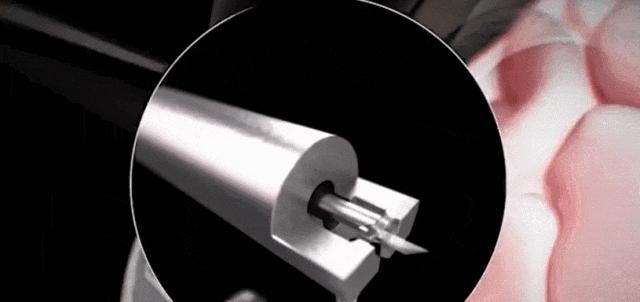
In the future, this robot can perform standardized operations like laser eye surgery, and it may not even be necessary to remove the thick dura mater. You can have the surgery in the afternoon and go home at night to turn on the air - conditioner with your mind.
This is a huge leap in medicine. You know, the dura mater is the "armor" that protects the brain. Not cutting it means a significant reduction in the risk of infection and extremely fast post - operative healing.
Currently, tens of thousands of people around the world are queuing up for "craniotomy and electrode implantation", eager to start their "cyber lives".
If mass production really starts in 2026, the impact will be huge. It might even become a watershed in human evolution.
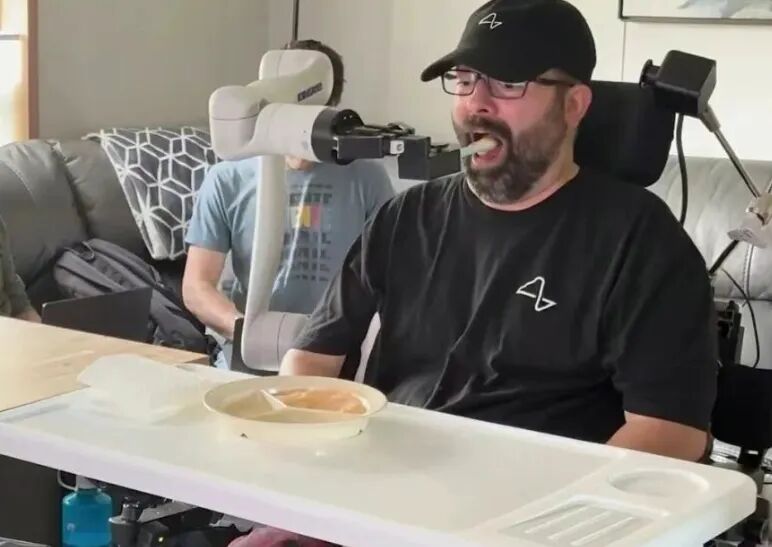
The most direct beneficiaries will be those souls trapped in their physical bodies. Patients with spinal cord injuries, amyotrophic lateral sclerosis, and even Parkinson's disease will regain the right to communicate with the world.
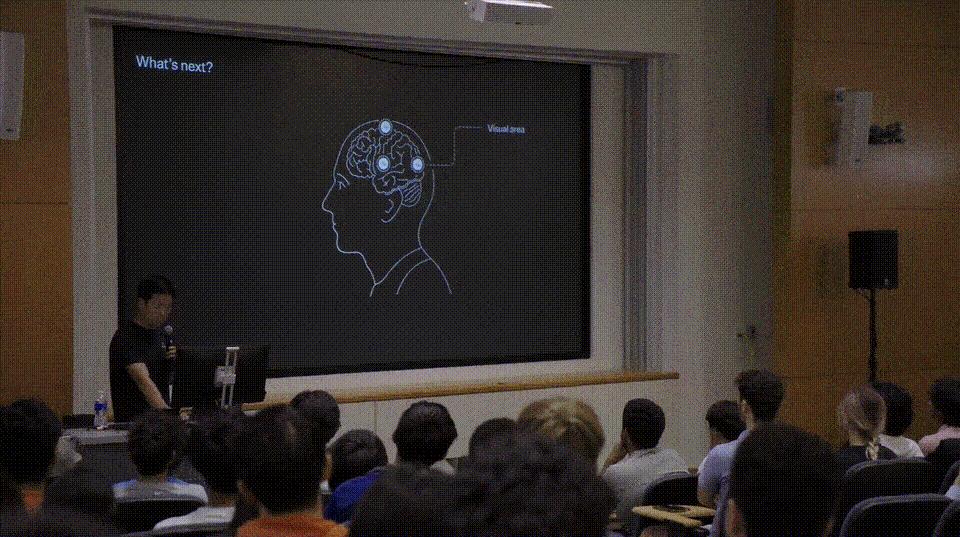
Musk even mentioned "blindsight" - directly bypassing the damaged eyes and feeding image signals to the visual cortex. This is no longer just treating diseases; it's like "restoring the divine".
Since electrodes can transmit signals, in theory, they can also receive signals. Although it may not be possible to learn to fly a helicopter in a second like in science - fiction movies, it should be possible to learn an entire dictionary in a few seconds.
When your brain is directly connected to the cloud database, rote memorization will become an extremely old - fashioned behavior.
If the first generation of cyber humans is really born, a "connected person" who can process complex spreadsheets and multi - task AI tools with their mind will have a significant advantage in productivity over ordinary people.
By then, the gap between the rich and the poor may no longer be the amount of money in the bank, but the computing power of the chip in your brain.
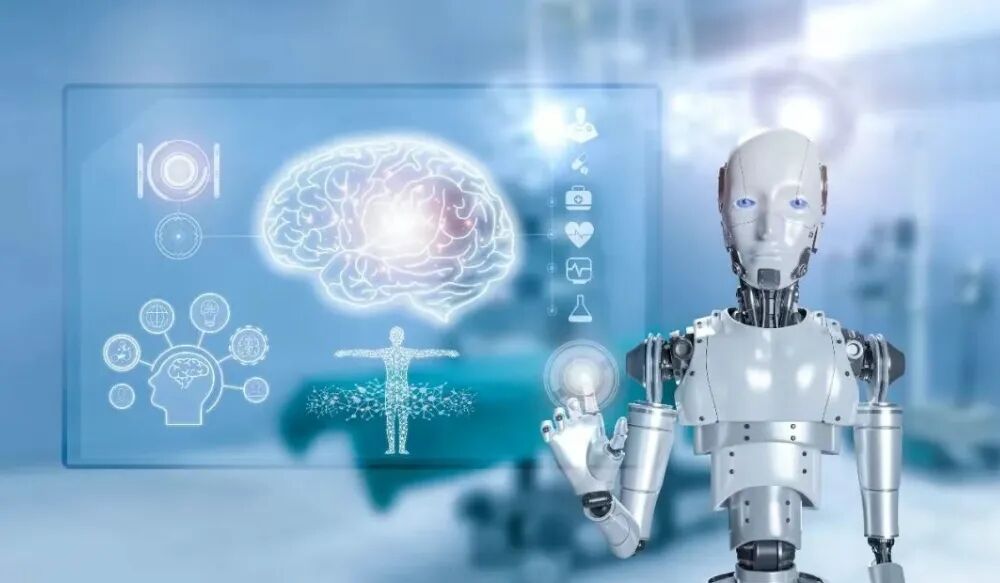
Although the vision is grand, it won't be easy to turn it into reality.
Firstly, there is the "long - term battle" against biological rejection. Our brain is a very exclusive organ. Will those thin wires develop glial scars or stop working after staying in the moist, acidic - alkaline environment of the brain for three to five years?
In the past, hackers could only steal your money. What if in the future, hackers can affect your emotions or even tamper with your memory? When your brain is connected to the Internet, the level of your firewall will determine whether you are still you.
There are also ethical issues. If a brain - computer interface user commits a crime, is it their own will or a flaw in the chip's algorithm?
However, don't be too anxious. Even if it is mass - produced, the first applications will probably be in the medical field. Now, brain - computer interface surgeries are covered by our national medical insurance.
Actually, Fox Girl thinks that the greatest significance of the brain - computer interface is not to create "super - powered individuals", but to enable everyone trapped by diseases to have a normal life.
It's really hard to imagine what the world will be like if everyone becomes a "cyber person" in the future.
Many netizens are worried that when we start using it, will we have to watch an advertisement every morning when we wake up?

Maybe, during the Chinese New Year gatherings then, people won't be chatting about "What TV shows have you been watching recently?", but "What version of the patch in your brain is it now?"
This article is from the WeChat official account "Tech Fox" (ID: kejihutv), author: Fox Girl, published by 36Kr with authorization.