When AI starts to understand the earthly charm, the kitchen may become the next super gateway.
In the past few years, the development speed of AI has hardly left any room for people to catch their breath.
The scale of computing power has continuously refreshed records, the parameters of large models have skyrocketed, and the general capabilities have approached the ceiling in multiple test sets such as writing, programming, and searching. However, after a round of rapid evolution, the industry is starting to face an unavoidable question: When the capabilities of models converge, where exactly will the next growth of AI come from?
This inflection point has long exceeded the competition of technical indicators.
From an industry perspective, general large models are encountering the "diminishing marginal utility." No matter how large the parameters are, the improvement in user experience is becoming increasingly limited. From the application side, a large number of "AI + X" applications remain at the stage of function stacking and demonstration, and there are very few real-life scenarios with high frequency and sustainable value creation.
AI is moving from the technical verification of "can it be done" to the value test of "is it worth using in the long term." This means that the focus of competition is changing. It is no longer just about "whose model is smarter," but rather who can integrate AI into real life and continuously create value.
Therefore, vertical scenarios have become the new breakthrough point.
However, "vertical" by no means equals "simple." On the contrary, truly valuable vertical scenarios often face more complex real - world constraints, longer technology cycles, and require deeper industry accumulation. This is true for healthcare, industry, education, and family life.
Among these scenarios, the kitchen has long been underestimated.
This is a highly used but highly unstructured space: the types of ingredients are randomly variable, taste preferences are extremely subjective, the cooking process is complex and irreversible, and it is also closely related to the health management, emotional state, and intimate relationships of family members. In addition, the use of open flames, gas, and other equipment in the kitchen also makes it more challenging in terms of safety and operation.
Therefore, the kitchen was once considered "one of the most difficult living spaces to be transformed by AI."
But changes are quietly taking place.
When large models gradually evolve from information providers that "answer questions" to intelligent collaborators that "participate in decision - making," and finally become "AI cooking partners" that can share the burden and accompany, this transformation from a "tool relationship" to a "partnership" has also become a touchstone to test whether AI has truly entered people's lives.
In this round of transformation, Robam Appliances, with 46 years of in - depth experience in the kitchen appliance industry, chose to integrate AI into the real scenarios of daily meals and tried to answer a more fundamental question: What will happen when AI understands the aroma of cooking?

What kind of AI kitchen do we expect?
If general large models solve "knowledge problems" - for example, telling you the ingredient ratio and step - by - step breakdown of braised pork; then the AI in the kitchen actually solves "decision - making problems."
This is somewhat similar to autonomous driving. The core challenge of autonomous driving is to ensure that vehicles make correct judgments in a dynamic traffic environment, avoid dangers, and ensure safety. It needs to face unforeseeable factors such as road conditions, traffic signals, and weather.
However, the kitchen is even more complex because it not only needs to deal with external environmental changes but also involves each person's unique health status, taste changes, and emotional needs for food. Moreover, cooking is essentially creative: you cannot preset every step, and often need to explore and adjust. This unpredictability and uncertainty make the decision - making of kitchen AI more complex than that of autonomous driving.
Robam's "Gourmet God" large model was born against this background of demand.
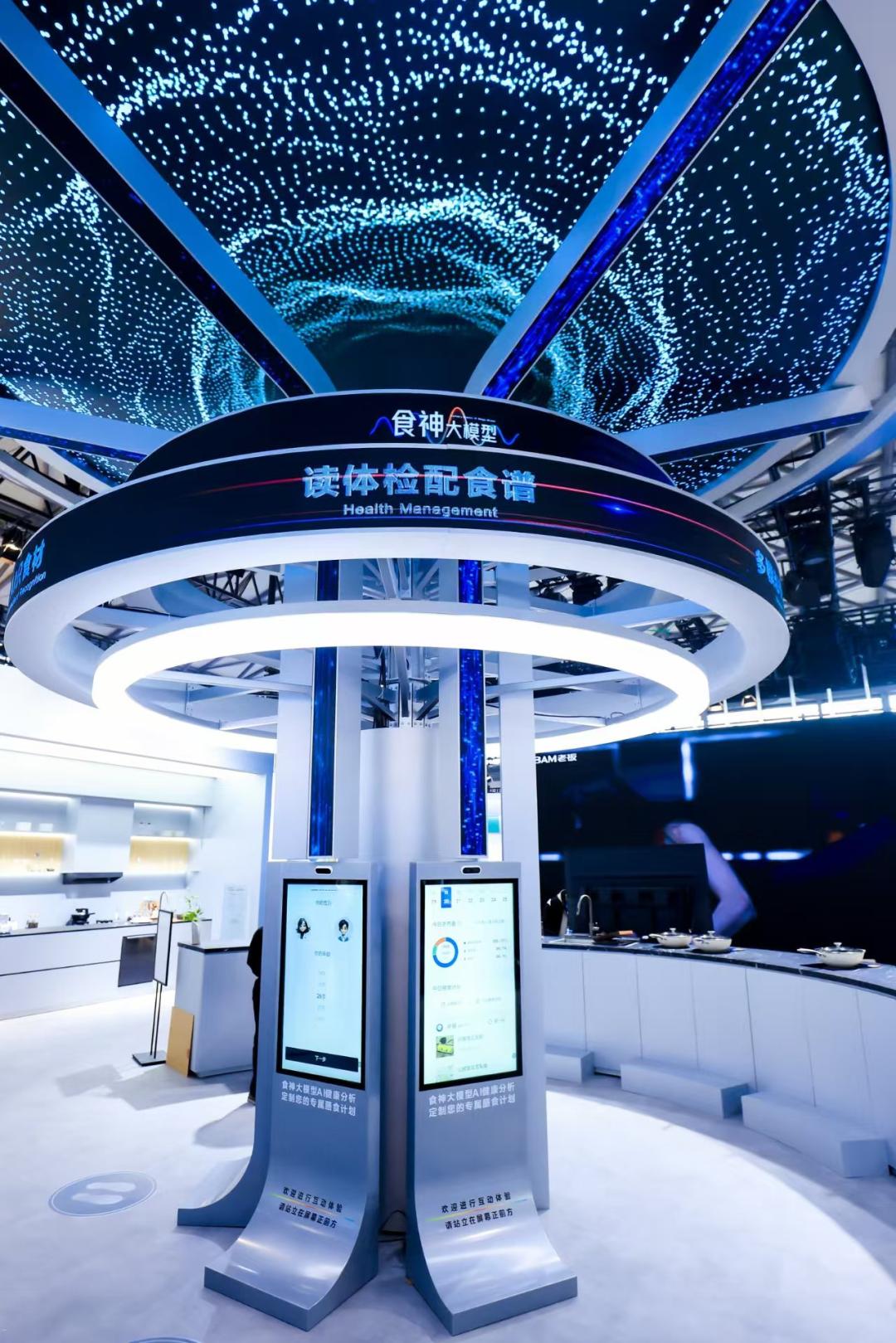
Different from traditional smart kitchen appliances, the "Gourmet God" large model is not just a simple tool module or an ordinary smart tool. It is more like an "AI cooking partner" with perception, learning ability, and an understanding of human nature. By integrating powerful perception capabilities, it has "eyes, ears, nose, and mouth" like humans, can understand the changes of ingredients, the progress of cooking, and the user's emotions in real - time, and make dynamic adjustments based on this information.
When users take pictures to identify the ingredients in the refrigerator, the system will automatically retrieve the user's preset dietary preferences, health goals, and family member information to generate a personalized cooking plan. After the user selects a cooking plan, the "Gourmet God" large model will interact with intelligent kitchen appliances such as gas stoves and steam - oven combos through AI, automatically adjust the heat intensity and cooking time, and even pre - heat the equipment and adjust the water temperature in advance to ensure the precise implementation of each step.
Another significant advantage of the "Gourmet God" is its learning and evolution ability.
The more frequently users use it, the deeper the "Gourmet God" understands the user's taste habits, cooking rhythm, and family needs. It will remember that you prefer your braised pork more tender, remind you that your child is allergic to shrimps, consider your fat - loss needs and eating habits to recommend specific breakfast, lunch, and dinner with detailed calorie information... In this way, the system gradually forms a positive feedback loop of "the more you use it, the better it understands you."
In 2025, the "Gourmet God" large model further completed the experience loop.
The new AI photo - based ingredient analysis function can accurately judge the freshness of ingredients, estimate the quantity, and even give suggestions for ingredient storage. The real - time voice dialogue function allows users to get rid of the constraints of screen operation completely, and the interaction mode is more in line with the usage habits in the kitchen. The AI tongue diagnosis function is launched, which can complete the basic health status judgment and generate dietary suggestions by scanning the tongue coating through the applet. After importing the physical examination report, it can achieve more accurate evaluation, combined with the calorie recognition and diet record functions. After private deployment and access to the DeepSeek model, the system's reasoning ability in complex cooking decision - making has been significantly improved.
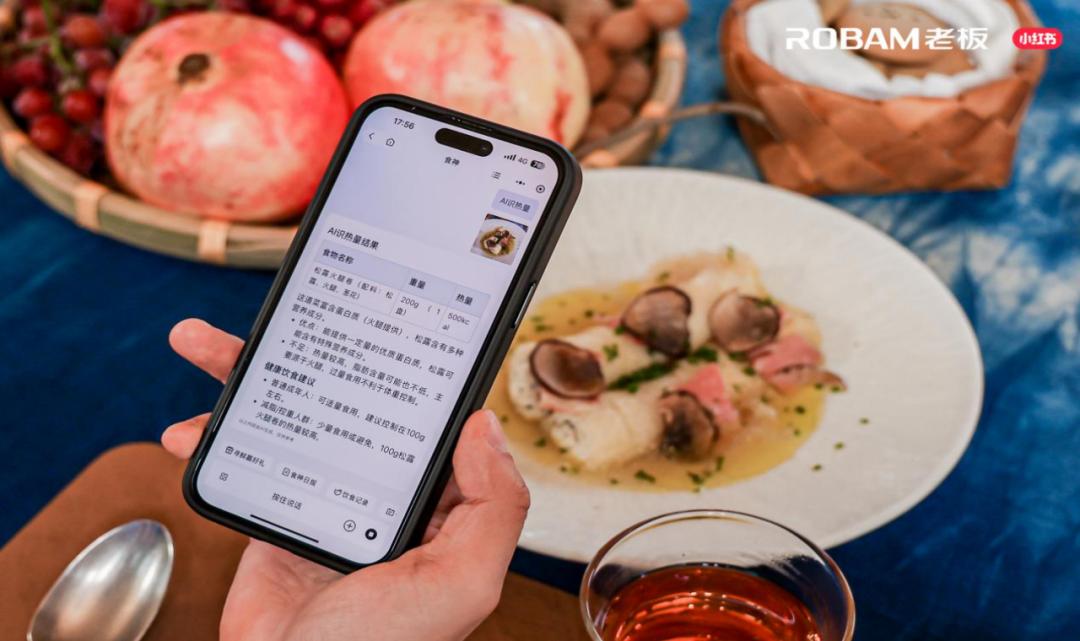
Behind all this is Robam's solid investment: a special team led by Tsinghua University doctors, relying on 46 years of industry accumulation and 50 million user data, has built a vertical vector database covering public data, private recipes, and a full - link cooking knowledge base. As of the end of the third quarter, Robam has applied for 9,448 patents, among which the number of patents related to AI cooking ranks first in China, covering the complete link from perception, decision - making to equipment execution, forming a strong technological barrier.
Meanwhile, Robam took the lead in completing the registration of the first "unification of three rights" of data in the kitchen appliance industry and was selected as a typical case of high - quality data sets in Zhejiang Province. This measure not only ensures the strict protection of user data but also provides important support for model optimization through desensitization processing, achieving a balance between user experience and data security.
Supported by these technologies, Robam ranks at the leading position in the field of AI cooking. As of the third quarter, the number of users of the Gourmet God App and applet has exceeded 6 million, and the monthly active users have increased by 30% compared with the first half of the year. It has gradually evolved from a "functional tool" to a platform with high - frequency usage.

The cooking civilization behind the AI kitchen
If we only focus on the technical and product levels, we will never be able to touch the deep - seated value core of AI cooking.
Cooking has never been just a survival skill; it is also a cultural practice rooted in daily life. It connects the three meals and the four seasons, carries family emotions, and defines the way people connect with each other. Therefore, when AI gradually enters the kitchen, its changes are far more than just improving cooking efficiency. It is reshaping the relationships between people and cooking, between people and their families, and between people and their lives.
This change in experience has actually changed the consumption structure: The latest report from Global Info Research shows that the global AI kitchen appliance market reached $3.763 billion in revenue in 2024 and is expected to climb to $5.831 billion in 2031.
The growth of digital kitchen appliances is essentially a vote by users for a higher - quality lifestyle. They no longer want cold cooking tools but solutions that can integrate into life and convey warmth. The addition of AI is not just a technological upgrade; it makes the kitchen, a family space, closer to life, more warm, and also makes it a bond for interaction between family members and people.
Looking back at Robam's exploration of AI, it has not stopped at implanting AI into products. Instead, it has tried to build a content and community system that can continuously generate emotional resonance by continuously deepening the application of AI in cooking scenarios.
The "Freshness Discovery" IP jointly created with Xiaohongshu is a typical implementation of this concept. It is not a traditional brand - oriented content but a co - creation mechanism centered on real ingredients and real scenarios.
In the just - ended second stop of the "Freshness Discovery" event in Dali, Yunnan, Robam led users to complete an immersive "cloud freshness - seeking" experience from "identifying fresh ingredients in the mountains and searching for fresh ingredients in the market" to "cooking fresh ingredients in the paddy fields and celebrating the harvest" through a 12 - hour slow live - broadcast, deeply showcasing Dali, a place where nature and culture blend, and a vivid and pure lifestyle.
The event attracted more than 40,000 pieces of UGC on the Xiaohongshu platform. Users actively shared their cooking experiences and vivid stories. In this process, AI completely shed its cold technical shell and was perceived as a "partner in completing the work." It explored and created every delicious dish with users, and the brand has thus become a co - creator of users' experiences, a touchpoint in their memories, and a part of their lives.

The continuation of this emotional connection was further elevated in the "National Cooking Day" public welfare campaign.
In today's era when instant messaging and food delivery apps are deeply integrated into our lives, although we seem to be able to connect with the whole world easily, we often fall into an emotional isolation in the fast - paced life. In the office building late at night, beside the flickering computer screen, a food delivery order replaces the hot meal made by family members. In the small rental house, convenient instant noodles have become the "standard" dinner for many people.
Behind the pursuit of efficiency is the silent loss of emotional connection.
It is precisely because of the keen insight into this gap that Robam launched the "National Cooking Day" public welfare campaign, transforming the once - scattered cooking behaviors in countless families into a collective action with public significance. When people are invited to "cook a meal for a worthy reason" - for family, friends, or themselves, cooking goes beyond the nature of housework and becomes a carrier for expressing emotions and rebuilding connections.
This is why cooking content naturally has the ability to form an emotional community. It connects the most basic and common human needs: diet, companionship, care, and creation. When AI is combined with cooking, this emotional connection is infinitely magnified, transcending the original family scenario and expanding to a broader social level.
This emotional power has also led to the re - examination of the social value of cooking, and the concept of "cooking equality" has begun to take root.
Not long ago, Robam cooperated with the Michelin Guide and innovatively launched the "Michelin Restaurant Chef Recipes" column. Through AI technology, the professional recipes of star - rated chefs have entered ordinary families. This is not only a victory in technological display but also a re - definition of the boundary between "professional" and "daily."
With the help of the "Gourmet God" large model, the professional control of time and temperature in the digital kitchen appliance chef recipes of Robam is transformed into a precise cooking curve. Users can restore the master - level heat and the essence of deliciousness at home without repeated exploration.
AI makes the high - standard cooking no longer exclusive to a few people. It becomes more open, learnable, adjustable, and personalized, and becomes a part of everyone's daily life. The combination of this "high - end" cooking experience and popularization is precisely the embodiment of equality and inclusiveness brought by technology to society.
It is worth mentioning that Robam also established the Institute of Cooking Humanities this year. This is the first academic platform focusing on the cross - research of science and humanities in the field of diet and cooking. Scholars from fields such as philosophy, history, sociology, education, intelligent manufacturing, and cooking practice reinterpret the profound meaning of cooking from an interdisciplinary perspective.
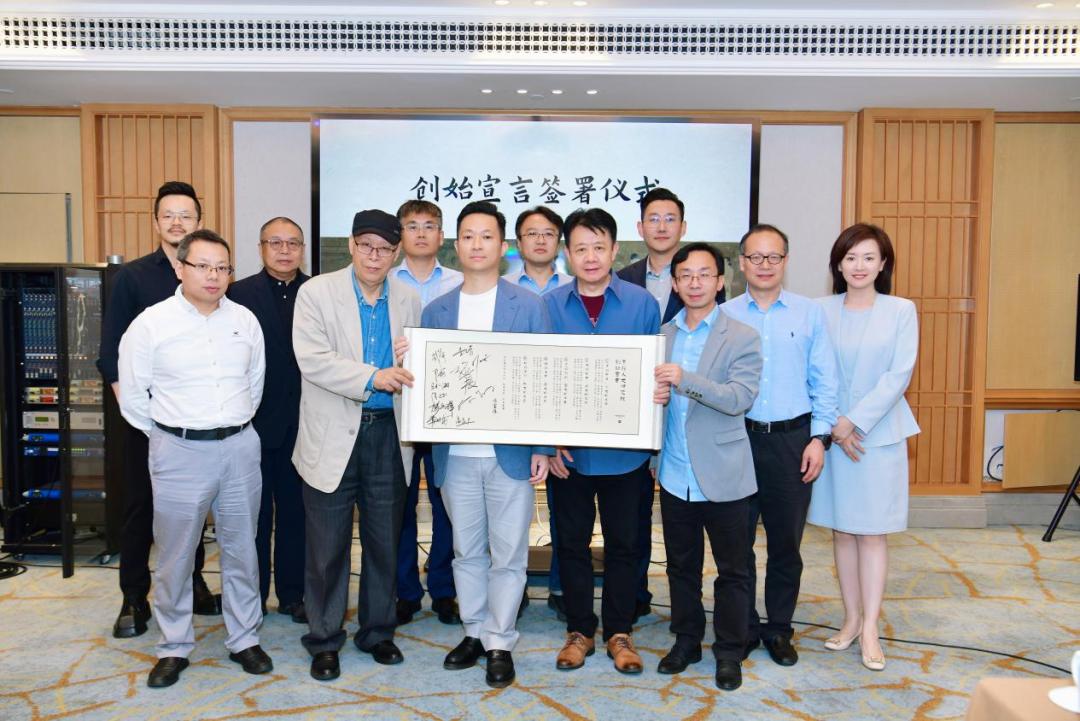
When "cooking and civilization" is officially listed as a research topic, the kitchen is reinterpreted in the cultural and social structure: It is no longer just a functional space to satisfy hunger but the core site for the continuation of civilization, the transfer of emotions, and the creation of life.

AI truly enters people's lives
Often starts from meals
From a more macroscopic perspective, the path of Robam is of sample significance not just because it has developed an AI application but because it has chosen a different path from most "AI + cooking" initiatives.
Currently, the Chinese AI kitchen appliance market presents a contradictory situation of "scale prosperity and experience fragmentation." On the one hand, the market is emerging and promising. The analysis report of China Merchants Securities points out that AI - empowered household appliances will promote the rapid development of smart homes. It is expected that the scale of the Chinese smart home market will reach 952.3 billion yuan in 2025, and the penetration rate of AI technology applications will exceed 50%. Kitchen appliances are one of the fastest - growing categories. According to the research results of GfK Consumer Life in