This extremely popular mini short drama reveals the truth behind "confidence in domestic milk".
The ceiling for cattle farming has reached such a high level!
Recently, the short drama "Reborn in the 90s: I'm Ranked First on the Rich List, and Steak is Second" has sparked a wave of popularity in the short - video world. In the drama, the highly intelligent female protagonist travels back to 1999 and is forced into marriage. However, she stages a counter - attack in life with an advanced "Cattle Farming Bible". While bringing an exciting viewing experience to the audience, the "black technology" of cattle farming mentioned in the drama has completely subverted the perception of this generation of netizens.
The "cattle farming" mentioned by the female protagonist, Yin Lili, is no longer the traditional extensive labor. Instead, it involves a whole set of systematic projects combining precise nutrition, animal welfare, data monitoring, etc. Cattle farmers are more like scientific and rigorous data engineers. On the surface, the short drama tells a story of a highly intelligent female protagonist's counter - attack through dairy cattle breeding technology. Behind it reflects a condensed history of the Chinese dairy industry's rapid development over the past two decades.
This short drama answers a key question in an unprecedentedly light - hearted way: After experiencing setbacks and reshaping, what enables the Chinese dairy industry to regain the confidence of the Chinese people? Where does the confidence in "domestic milk" come from today?
The Highly Intelligent Female Travels Back to 1999 and Strictly Controls the "Cattle Farming Methodology"
The female doctor wins back the autonomy of her life with a three - day bet, staging a desperate counter - attack starting from technological confidence.
In the popular micro - short drama "Reborn in the 90s", the female protagonist, Yin Lili, who was originally the chief livestock nutrition officer of Yili Group in 2025, unexpectedly travels back to 1999. She transforms from a dairy academic expert into a rural girl forced into marriage by her vicious aunt. To change her fate of being forced into marriage, a set of "China's Good Milk & Healthy Dairy Cow Nutrition Plan" from the future in her hands becomes the starting point of her counter - attack based on technology.
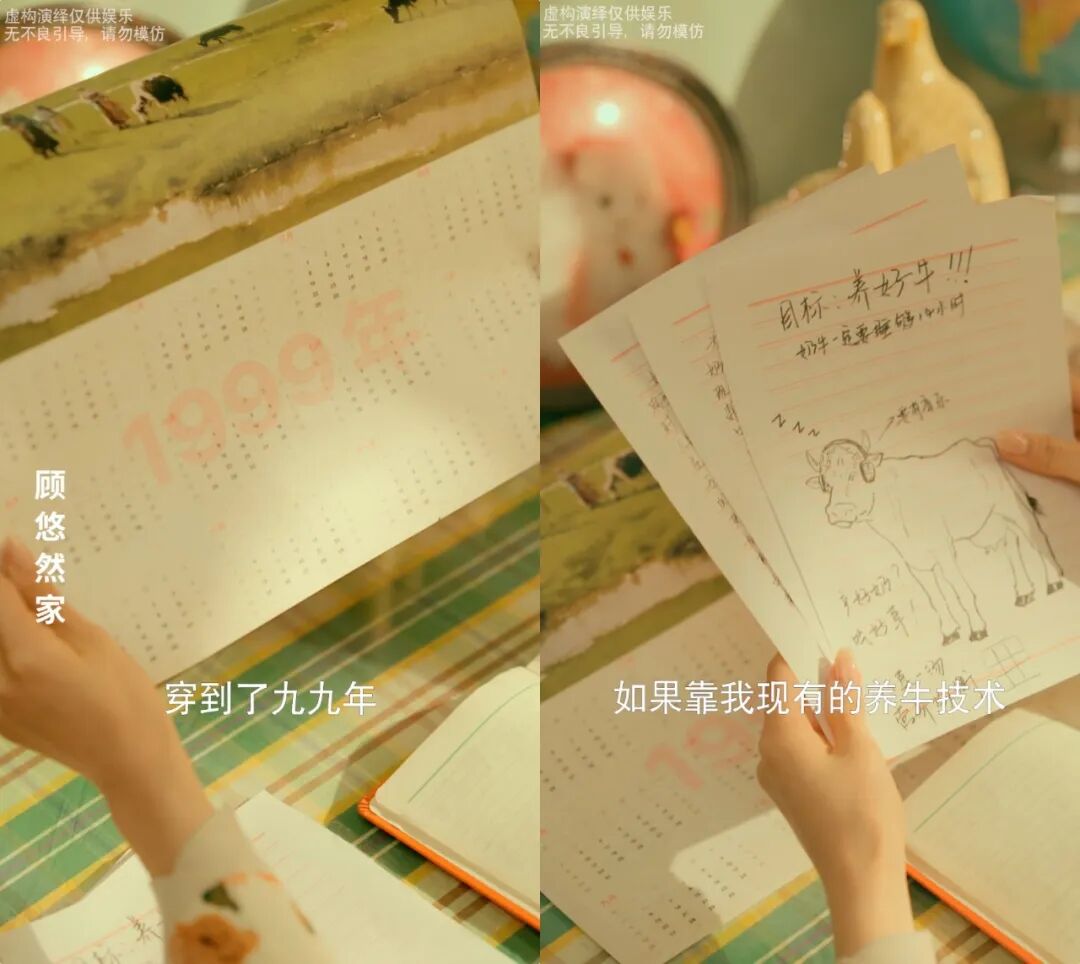
When the technician in the drama questions Yin Lili's plan of "cutting dozens of kilograms of feed for each cow into pieces as long as a little finger" as too cumbersome, Yin Lili insists on letting the cows eat a carefully - proportioned "eight - dish and one - soup" meal. She not only cares about the cows' diet but also their mood. She suggests playing music for the cows and scratching them regularly. In her eyes, cows are no longer just production tools but need to be pleased.
On Yin Lili's "Life Rich List", there are career, self, love... And without hesitation, she puts "career" at the top of the list. Cattle farming and career - building always rank high on her life list.
Fortunately, another character in the drama, Professor Wang, played by the veteran actor Wang Jinsong, becomes Yin Lili's mentor. He loves talent dearly. After seeing Yin Lili's nutrition plan, he changes from shock to ecstasy and immediately decides: "Money is not a problem! I can even give you a settlement allowance!" This almost instinctive respect for professionalism and the eager pursuit of innovation drive the industry to break through one cognitive ceiling after another.
From thinking that "cows can just fill their stomachs with straw" to understanding and accepting the "eight - dish and one - soup" nutrition package that requires precise measurement in grams for dairy cows, Yin Lili and generations of cattle - farming pioneers like Professor Wang have jointly carried out the relay, which has led to the subsequent innovation and iteration of the Chinese dairy industry.
It is worth noting that while setting serious topics, the drama also does not forget the essence of short dramas and sets many famous scenes, such as the female protagonist using professional knowledge to slap the villains in the face, giving cows SPA treatments, letting them listen to music and have big meals, the domineering CEO accidentally eating cattle feed, and the love - after - marriage plot between the female protagonist and the domineering CEO...
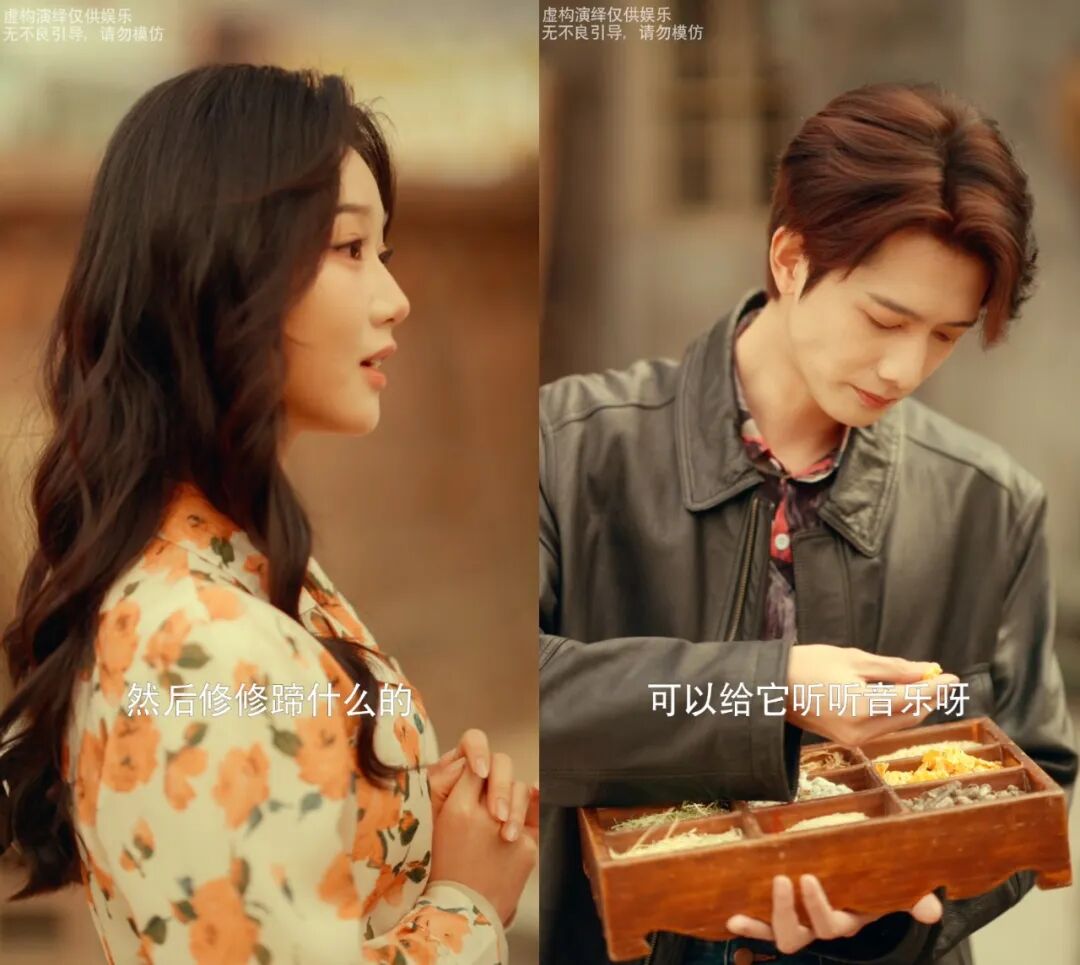
This is exactly where the brilliance of "Reborn in the 90s" lies. It transforms the boring animal husbandry science and the grand industrial transformation proposition into the dramatic conflict of the female protagonist slapping the villains in the face and counter - attacking in life, weaving high - energy exciting points, laugh points, and "high - sugar moments" that users love to watch.
It doesn't just talk about grand and distant words like "craftsmanship" or "animal husbandry science". Instead, through the ingenious setting of the plot, it allows the audience to truly feel the importance of technology and professionalism as the foundation for individuals and the industry while enjoying the pleasure of watching the drama. It also further makes people realize that the perseverance and breakthroughs of generations of technology pioneers have laid the most solid foundation for the dignity of an industry.
Perhaps this is the first story that Yili wants to tell through this micro - short drama: a simple truth about relying on technology, respecting laws, and believing in professionalism, which is still relevant today.
Twenty Years of Rapid Development: The Chinese Dairy Industry Raises the "Ceiling" for Cattle Farming
If Yin Lili's personal counter - attack is a micro - narrative of how technology changes fate, then her choice at the end of the story reveals the macro - picture of the Chinese dairy industry constantly raising the industry ceiling.
At the end of the short - drama story, the female protagonist, Yin Lili, decides to publicly disclose the dairy cows' nutrition formula to the industry for free and expresses the grand vision that "the success of an individual and the strength of an enterprise are just like potted plants. I hope they can grow into a forest". She hopes that cattle farmers across the country can use more scientific feed formulas, raise healthier cows, produce higher - quality milk, establish the country's own industry standards, and compete with imported milk.
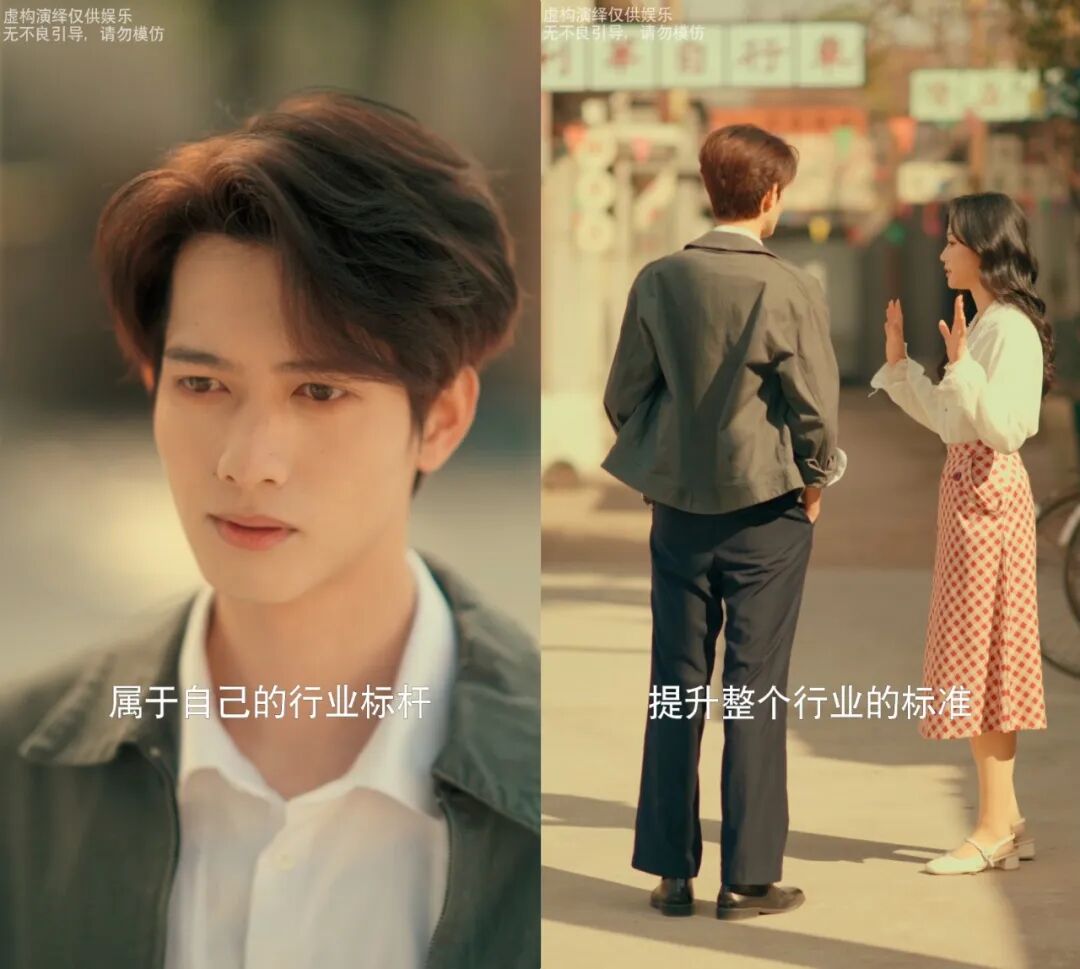
From here on, Yin Lili's "Life Rich List" becomes more meaningful. From pursuing personal career breakthroughs and changing her own fate to later wanting to drive farmers to common prosperity by publicly disclosing the technical plan, this decision means that the short drama is no longer just a simple story about personal wealth accumulation. Instead, it is a value - ranking that shoulders the industry's mission.
This ending elevates the plot from personal narrative to industry narrative. And this elevation precisely maps the real historical development trajectory of the Chinese dairy industry since around 1999.
At that time, there was still a large gap between the Chinese dairy industry and that of developed countries. The most intuitive manifestation was the output. At that time, the average annual milk yield per dairy cow in China was only about 2.6 tons, while in developed countries, it was generally over 8 tons. This means that we needed three to four cows to produce the same amount of milk as one cow in other countries. The deeper gap lies in the core indicators of milk quality: the four core indicators for measuring the quality of raw milk, namely protein, fat, total bacterial count, and somatic cell count, had a large gap compared with international advanced standards.
Around the turn of the millennium, Yili Group, as a leading enterprise in the industry, had been listed and began to lead the industry's development, gradually growing into the industry leader. At the same time, the Chinese dairy industry also began to realize that the leadership of a few enterprises was far from enough. The entire industrial chain must be upgraded collectively.
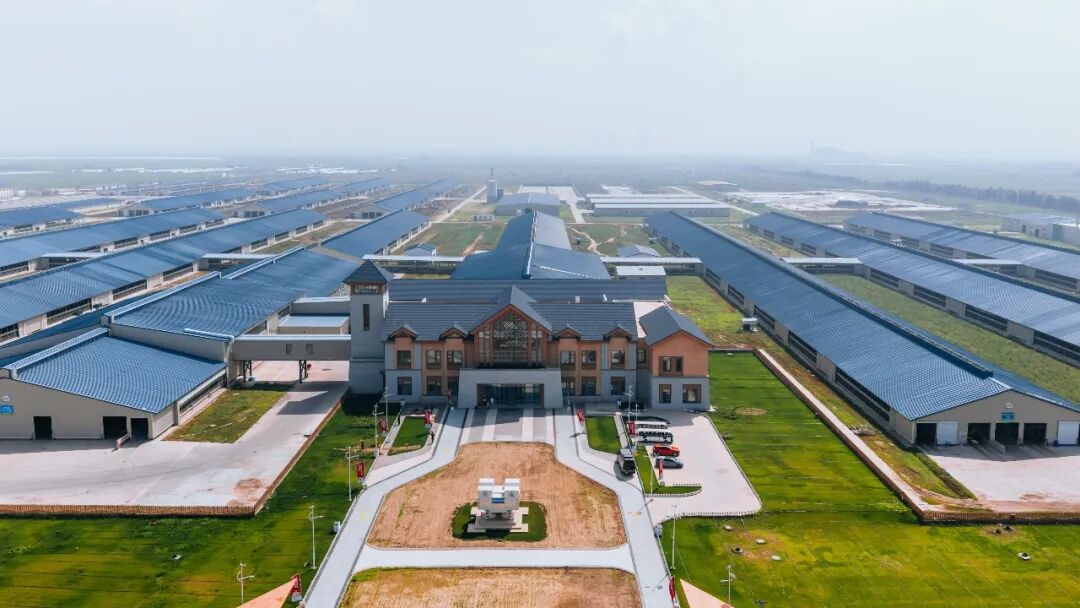
Around 2000, Yili launched the "Ranch Assistance Program", providing free automated and semi - automated milking equipment to ranches, helping individual farmers build milk stations and breeding communities, and implementing centralized breeding and milking. This made the safety and quality of raw milk controllable from the source and strived to consolidate the foundation of the Chinese dairy industry.
On the path of catching up, the Chinese dairy industry launched a long - term "eugenics and good parenting" project. In the process of cultivating high - quality dairy cows, technicians use gene - testing technology to lock in excellent individuals with high yield, disease resistance, and good milk composition, just like screening for "genius genes", and continuously optimize the genes of future generations.
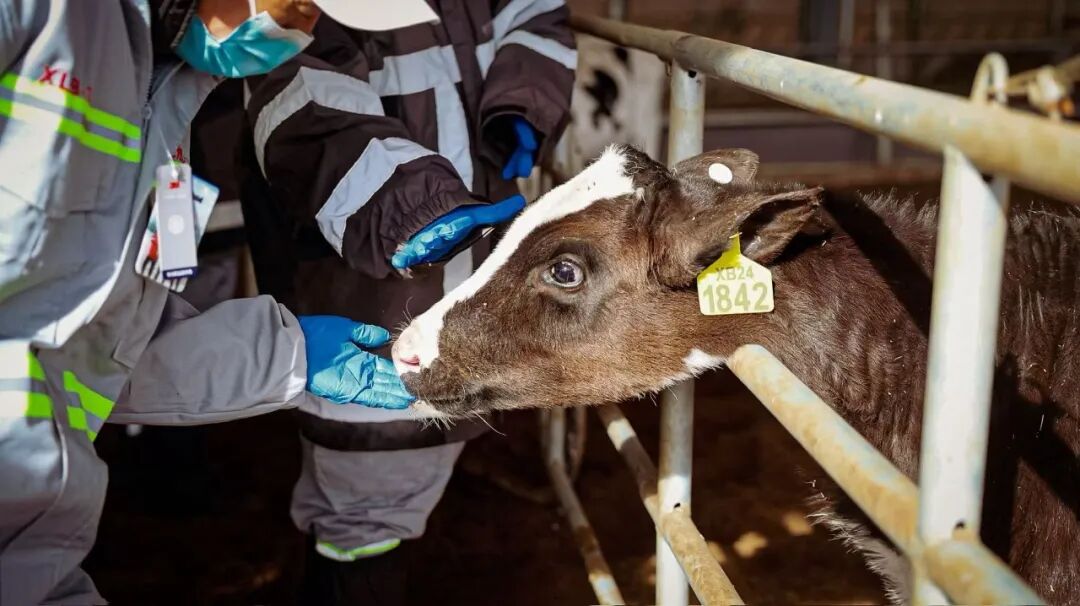
Having good cows alone is not enough. Good cows also need healthy and scientific breeding techniques. This is exactly the systematic nutritional science system behind the "eight - dish and one - soup" mentioned by Yin Lili in the drama. These carefully formulated mixed feeds also need to be cut and mixed into uniform particles using a TMR total mixed ration vehicle to ensure that each cow gets exactly the same nutritional content in every bite of feed.
At the same time, the quality of Chinese milk has been improving, and the hygiene standards have also made a qualitative leap. For example, Yili implements a full - process standardized milking "quality code" accurate to the second.
In addition, a 360 - degree all - round quality control system, including rapid low - temperature fresh - keeping of raw milk, strict cleaning of milk tankers, and adding GPS positioning to raw milk transport vehicles, has made the core indicators of raw milk from large - scale Chinese ranches, such as protein, fat, total bacterial count, and somatic cell count, better than the EU standards.
Taking the total bacterial count indicator as an example, the EU requires the total bacterial count in raw milk to be less than 100,000 CFU/mL. In 2023 and 2024, the average total bacterial count of Yili milk was far less than 10,000 CFU/mL for two consecutive years, significantly better than the EU standards.
After more than two decades of rapid development, the "Chinese standard" for a glass of milk has been established. The deepest source of the "confidence in domestic milk" we talk about today is precisely this firm trajectory that started from the turn of the millennium, achieved through technology popularization and industrial chain collaboration, and finally realized industry upgrading. It is also the goal of the value - ranking in the "Life Rich List" in the drama.
The ingenuity of "Reborn in the 90s" lies in that it uses the selfless choice of an individual to achieve a win - win path for an industry. Through a form full of internet sense, light - hearted and humorous, Yili has completed the narrative of the Chinese dairy industry's transformation from "potted plants to a forest".
In the 4.0 Era of Quality Communication, Yili Tells a New Story of "Confidence in Domestic Milk"
The story of the Chinese dairy industry not only requires hard work but also needs to be accurately understood and widely trusted. As the industry leader, Yili's exploration of quality communication itself constitutes a vivid history of communication evolution, which is the key path for the "confidence in domestic milk" to rise from industrial practice to social consensus.
From the earliest era of opening factories and ranches for visits, starting the 1.0 era of "transparent communication"; to later shooting brand documentaries and entering the 2.0 era of storytelling; and then to the 3.0 era of "online immersive experience" using VR, meta - universe technology in recent years. The core appeal has remained consistent: to make the quality of domestic milk, which cannot be directly perceived, tangible, understandable, and trustworthy.
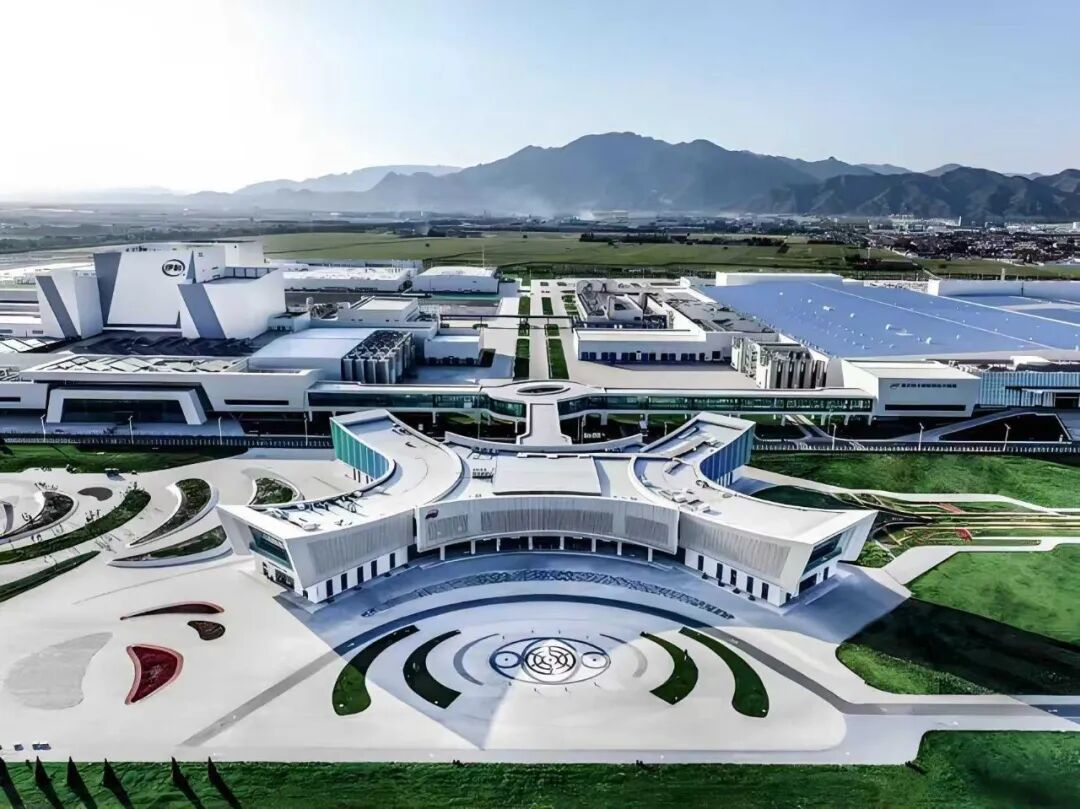
The birth of the short drama "Reborn in the 90s" marks the beginning of Yili's 4.0 era of quality communication. It takes the brand story as a blueprint, refines and summarizes it into a fictional film and television work, reflecting the more than two - decade struggle and achievements of the entire Chinese dairy industry. This vivid narrative strategy has completed an interesting interpretation of the "quality of domestic milk" and effectively lowered the cognitive threshold of the younger generation of consumers for the Chinese dairy industry. The brand is no longer a high - handed preacher but watches the drama, discusses, and plays with internet memes with the audience. Hard knowledge is conveyed in entertainment, and consumers gradually establish brand value recognition through emotional resonance while watching the drama.
More importantly, when telling the story of Chinese brands, we have got rid of the heavy - handed narrative of the past and made history lighter. In the past narrative path, we often carried a heavy historical burden when recalling the growth process. However, when looking back on the past now, we are no longer full of grievances and no longer indulge in the narrative of past sufferings. Instead, in a humorous light - comedy way, we focus on the achievements we have made and the expectations for the future.
And this light - heartedness in narrative actually comes from the profound hard power of the industry. It is the solid achievements of the Chinese dairy industry over the past two decades that give us the confidence. Just as Yin Lili in the drama firmly says that she wants to "establish the country's own industry standards, improve the quality of domestic milk, and compete with imported milk", this confidence is not an empty slogan but is supported by the reality of comprehensively surpassing international standards.
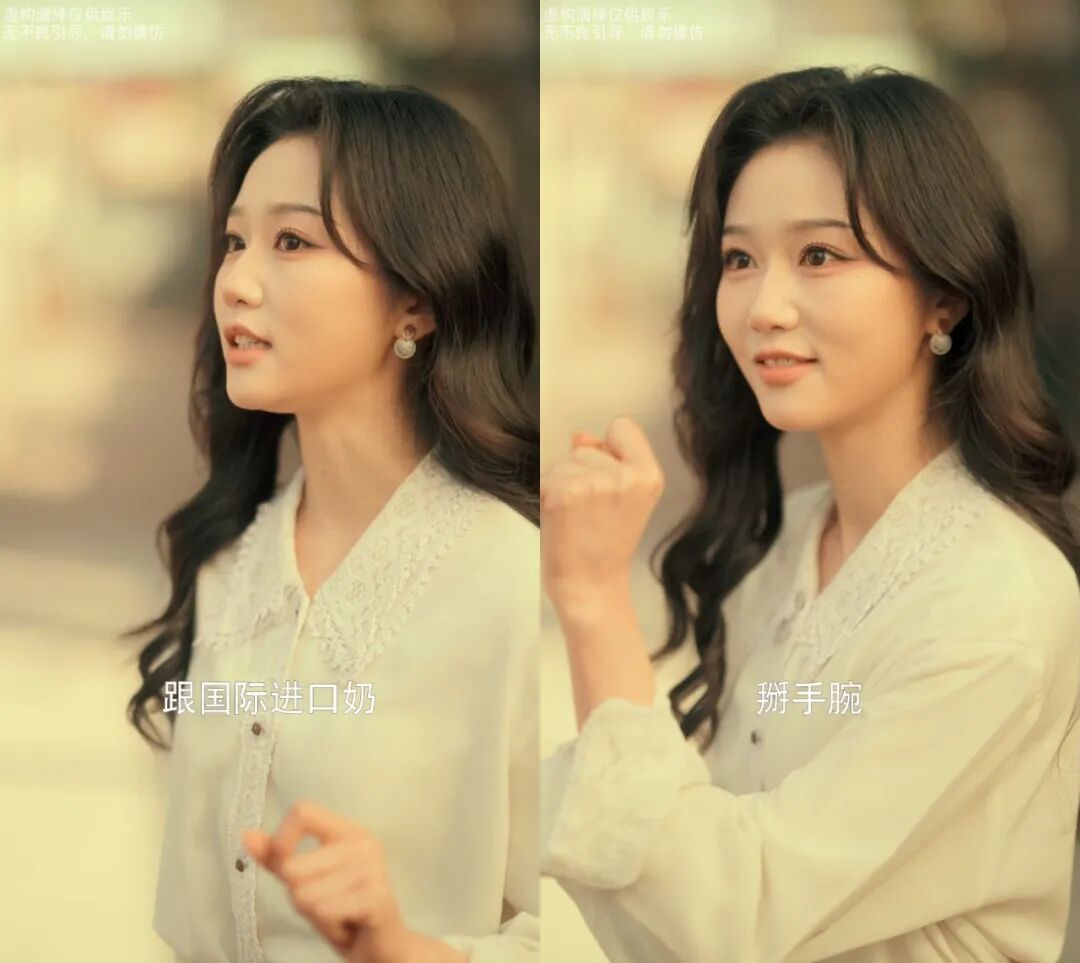
Therefore, the short drama "Reborn in the 90s" brings far more than a successful brand communication. It provides a new narrative of "confidence in domestic milk". And these "hardcore data" of the Chinese dairy industry constitute the most vivid, powerful, and contemporary - flavor narrative core of the "confidence in domestic milk".
At the same time, as an individual in the industry, Yili, by practicing the value - ranking of development, sharing, and responsibility in its "Life Rich List", has walked out a path where individual success is closely linked to industry prosperity, adding a warm touch to the industry's development.
Over the past two decades of rapid development, the Chinese dairy industry has walked an extremely difficult path. Today, it tries to use a light - hearted way of storytelling to carry this heavy history. Perhaps this is a signal: When traditional industries start to tell stories confidently in the most cutting - edge way, a new era of "confidence in domestic milk" truly driven by quality and innovation