Surpassing Zuckerberg, a 22-year-old becomes a billionaire. In 2025, the wealth creation speed of AI refreshes human cognition.
In 2025, AI not only took the center stage of discussions but also became a super wealth creator, propelling over 50 founders into the billionaire club. This article will review this unprecedented AI wealth frenzy and the top winners behind it.
In 2025, AI was undoubtedly the absolute center of discussion.
Empty talk harms the country, while practical work rejuvenates it. And the valuations of AI companies are real money.
This year, AI became a super wealth generator. From large - model construction, infrastructure deployment to application - layer implementation, it penetrated into daily life at an astonishing speed and also sent over 50 founders into the billionaire club.
The year started with a decisive battle.
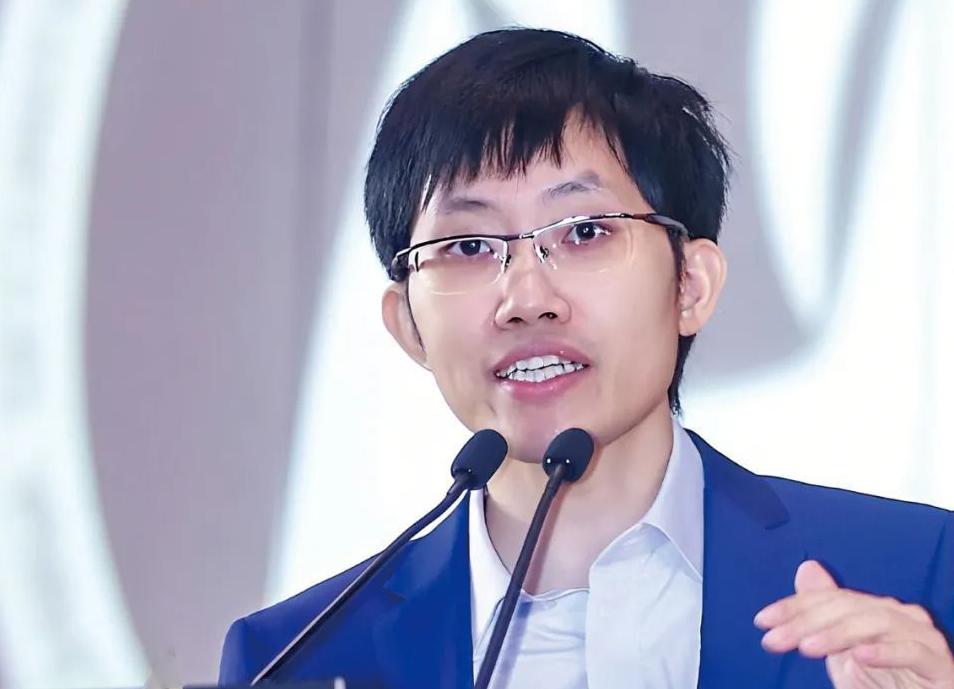
In January, China's DeepSeek released an open - source model. It trained a model with astonishing performance using only a fraction of the computing power of US giants. This not only shocked the financial market but also pushed the net worth of its founder, Liang Wenfeng, to approximately $11.5 billion, catapulting him into the ranks of super - rich.
Across the ocean, Anthropic was not to be outdone.
As the developer of Claude, this company completed a $3.5 billion financing round at a valuation of $61.5 billion at the beginning of the year. All seven of its co - founders were promoted to billionaires.
By September, with the injection of a new round of funds totaling $13 billion, its valuation soared to $183 billion.
This kind of large - scale financing was not an isolated case.
According to Crunchbase data, global investors poured over $200 billion into the AI field this year. This figure accounted for half of the global venture capital total, representing a year - on - year increase of over 75%.
The financing was fierce, and the spending was even more so. The giants were sparing no expense to build AI infrastructure.
In January, Trump announced that OpenAI, SoftBank, and Oracle would invest $500 billion in a data center project codenamed "Stargate".
This news triggered a chain reaction. Meta, Google, and Microsoft then followed suit. Each company promised to invest over $65 billion in AI infrastructure this year.
This gluttonous appetite for data centers created a group of "shovel sellers" — more than a dozen companies, including semiconductor network company Astera Labs, data center real - estate developer Fermi, South Korean PCB manufacturer ISU Petasys, transformer manufacturer Sanil Electric, and cloud - computing provider CoreWeave. The founders of these companies all made it onto the rich list this year.
In addition to competing for computing power, there was also a scramble for talent.
The talent war in Silicon Valley reached its peak in June. Meta spent $14 billion to acquire a 49% stake in data - annotation unicorn Scale AI and recruited 28 - year - old CEO Alexandr Wang to serve as its chief AI officer.
This deal valued Scale AI at $29 billion and skyrocketed the net worth of its 31 - year - old co - founder, Lucy Guo (although she left the company in 2018 but retained her shares), to approximately $1.4 billion, briefly making her the world's youngest self - made female billionaire.
Meta's entry into the market actually created space for other data - annotation companies.
According to Forbes estimates, Surge AI, a competitor of Scale AI, had a revenue of $1.2 billion last year, and its valuation soared to $24 billion. The approximately 75% stake held by its founder, Edwin Chen, was worth as much as $18 billion.
Another data - annotation company called Mercor also reached a valuation of $10 billion after a financing round in October. This made its three 22 - year - old co - founders the youngest self - made billionaires in history, with each having a net worth of approximately $2.2 billion.
In September, OpenAI's Sora 2 was released, and AI - generated images and videos instantly flooded social networks.
Billions of dollars in funds then flowed into multimodal AI startups in fields such as image, video, and audio.
The voice - generation company ElevenLabs completed a financing round at a valuation of $6.6 billion in October. The two co - founders, Mati Staniszewski and Piotr Dabkowski, thus obtained tickets to the rich club.
AI is evolving from a toy to a productivity tool.
According to a Gallup workplace survey, the proportion of people in the workplace using AI multiple times a week doubled from 11% in 2023 to 23% this year.
This proportion was even higher among developers.
Microsoft CEO Nadella (who also made it onto the rich list this year due to the rise in AI - related stock prices) revealed that 20% - 30% of the company's code was now written by AI.
The parent company of AI programming tool Cursor, Anysphere, achieved a valuation of $29 billion in November, and the net worth of its four co - founders skyrocketed.
In addition, the founders of companies deeply applying AI, such as Papergames, translation software TransPerfect, and machine - vision company Orbbec, also achieved financial freedom in this wave.
Some New AI Billionaires This Year
The following are some newly emerged AI billionaires worthy of attention this year (ranked by net worth):
Edwin Chen
Net worth: $18 billion | Source of wealth: Surge AI | Nationality: USA
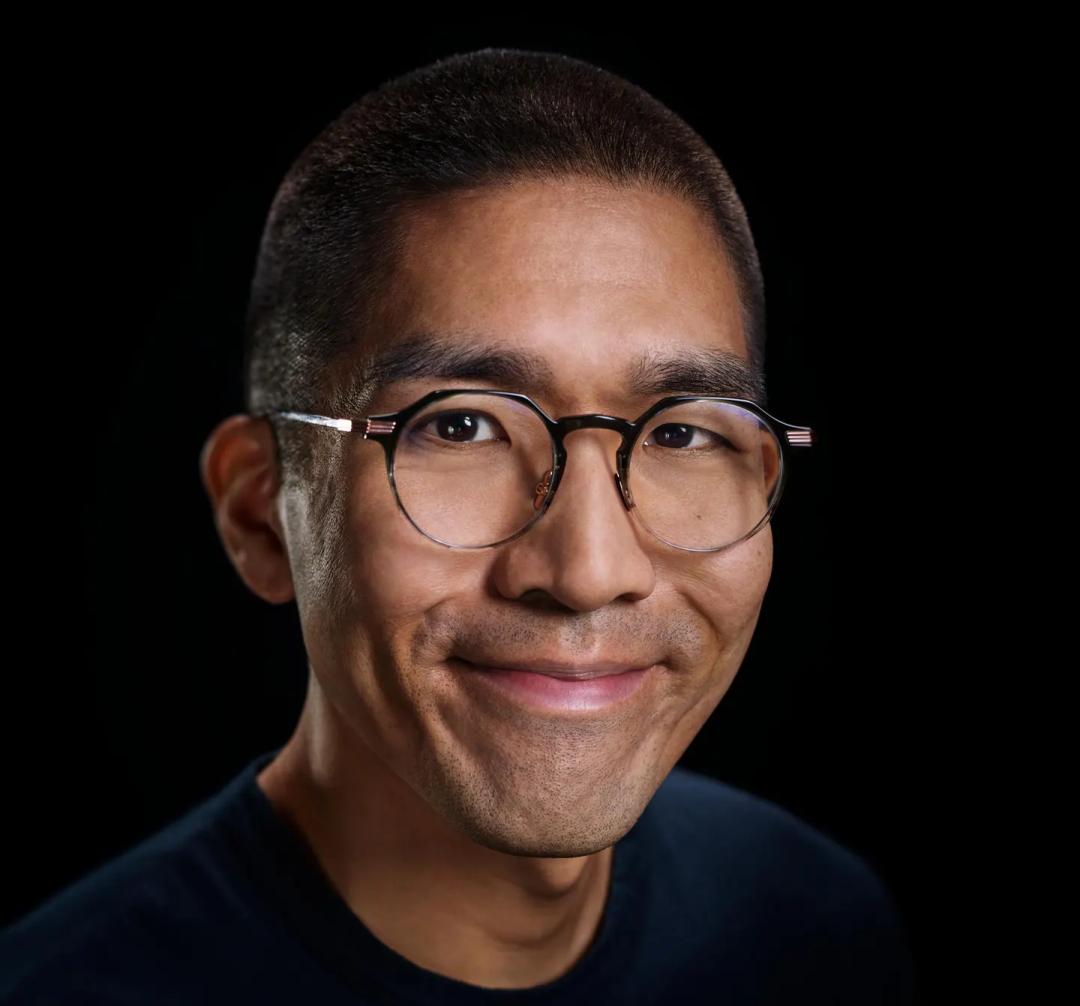
In less than five years, Edwin Chen built data - annotation company Surge AI into a data giant.
In 2024, without any public venture - capital support, the company generated a revenue of $1.2 billion.
With the support of customers such as Google, Meta, Microsoft, Anthropic, and Mistral, based on revenue alone, the company's valuation had reached $24 billion.
As the CEO, Chen holds approximately 75% of the shares, making him the richest new face on the Forbes 400 Richest Americans list this year and also the youngest member (37 years old) on the list.
Bret Taylor and Clay Bavor
Net worth: $2.5 billion (each) | Source of wealth: Sierra | Nationality: USA
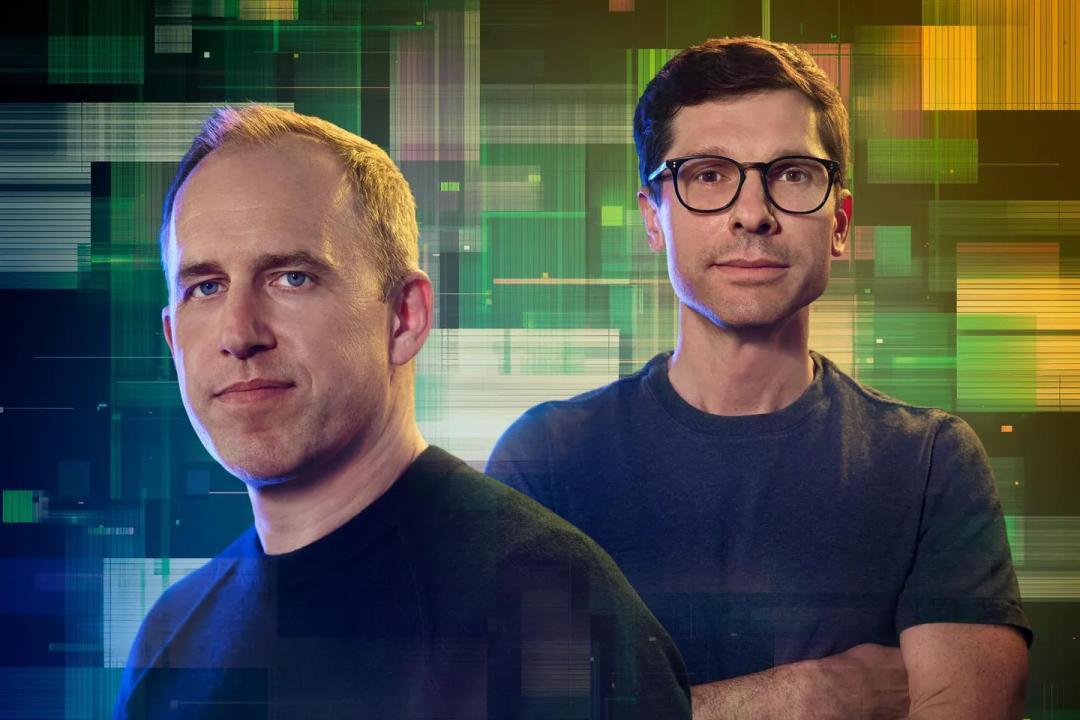
From left to right: Bret Taylor, Clay Bavor
In September, startup Sierra completed a $350 million financing round, reaching a valuation of $10 billion. This promoted Silicon Valley celebrities Taylor and Bavor to billionaires.
This pair founded Sierra in 2023, aiming to replace traditional customer service with AI agents. Its customers include hundreds of large enterprises such as The North Face and Rivian.
According to the company, more than half of its customers have revenues exceeding $1 billion.
Each of them holds approximately 25% of the company's shares.
Brendan Foody, Adarsh Hiremath, and Surya Midha
Net worth: $2.2 billion (each) | Source of wealth: Mercor | Nationality: USA
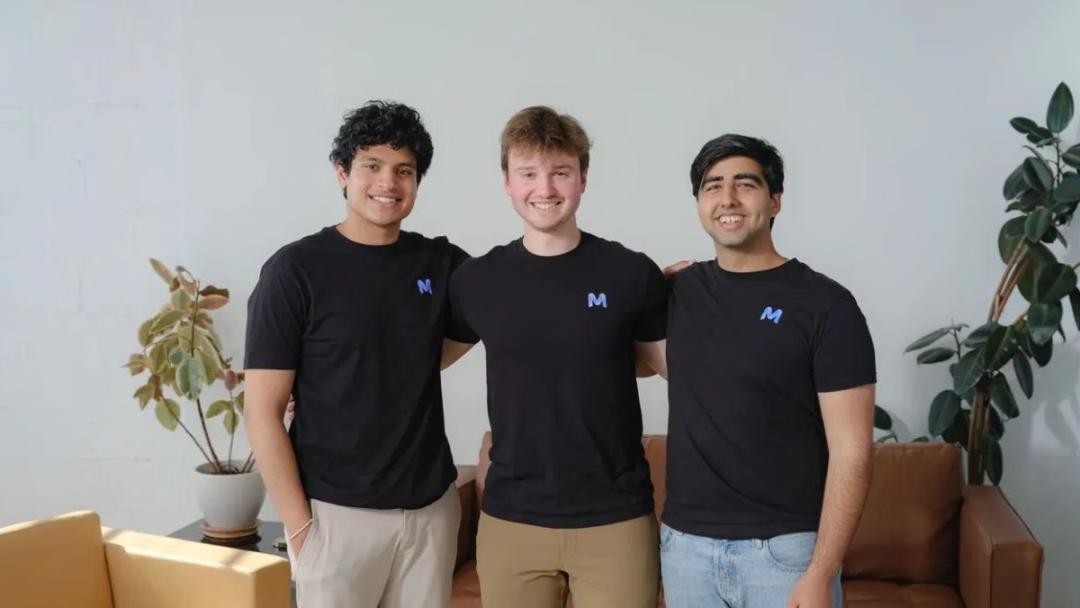
From left to right: Adarsh Hiremath, Brendan Foody, Surya Midha
In October, when startup Mercor raised $350 million and reached a valuation of $10 billion, its three 22 - year - old founders broke Zuckerberg's record (becoming a billionaire at 23) and became the youngest self - made billionaires in history.
Mercor was founded in 2023. Its main business is to recruit experts and doctors to evaluate and fine - tune data, assisting Silicon Valley giants such as OpenAI, Anthropic, and Meta in training models.
Each of the three founders holds approximately 22% of the shares.
Anton Osika and Fabian Hedin
Net worth: $1.6 billion (each) | Source of wealth: Lovable | Nationality: Sweden
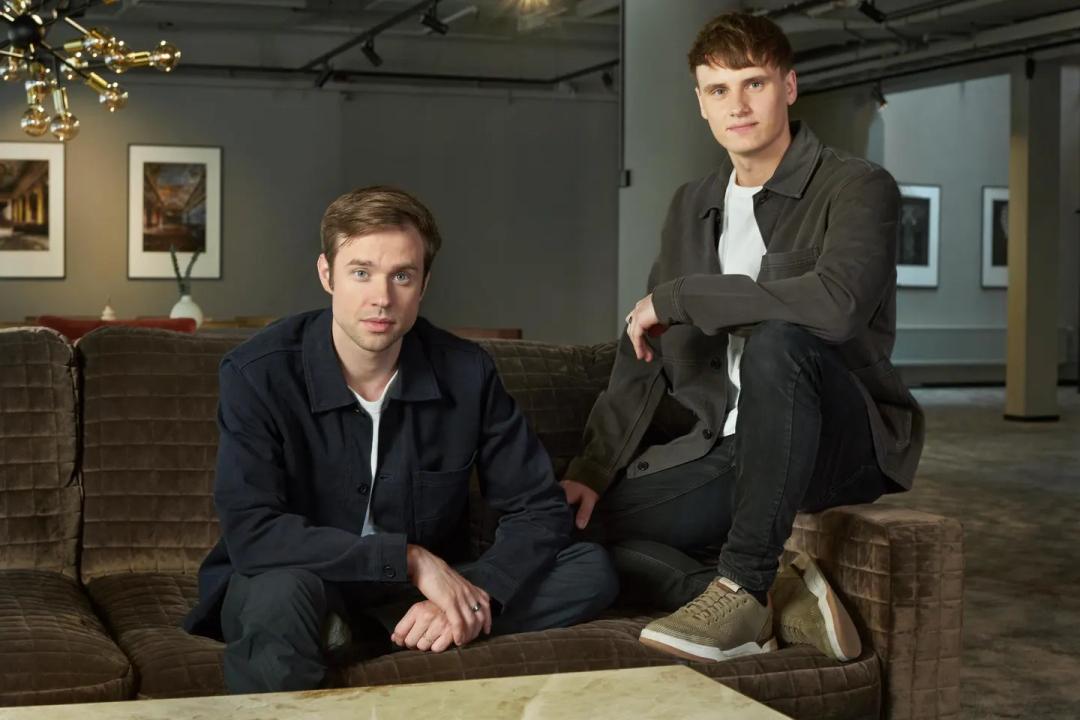
From left to right: Anton Osika, Fabian Hedin
In December, startup Lovable, which focuses on "vibe coding", raised $330 million at a valuation of $6.6 billion. Its two co - founders joined the ranks of the rich.
The company allows users without any programming experience to create websites and applications simply through text prompts. In just eight months, its annualized revenue exceeded $100 million, making it the fastest - growing software company in history.
Each of them holds approximately 24% of the shares.
Lucy Guo
Net worth: $1.4 billion | Source of wealth: Scale AI | Nationality: USA
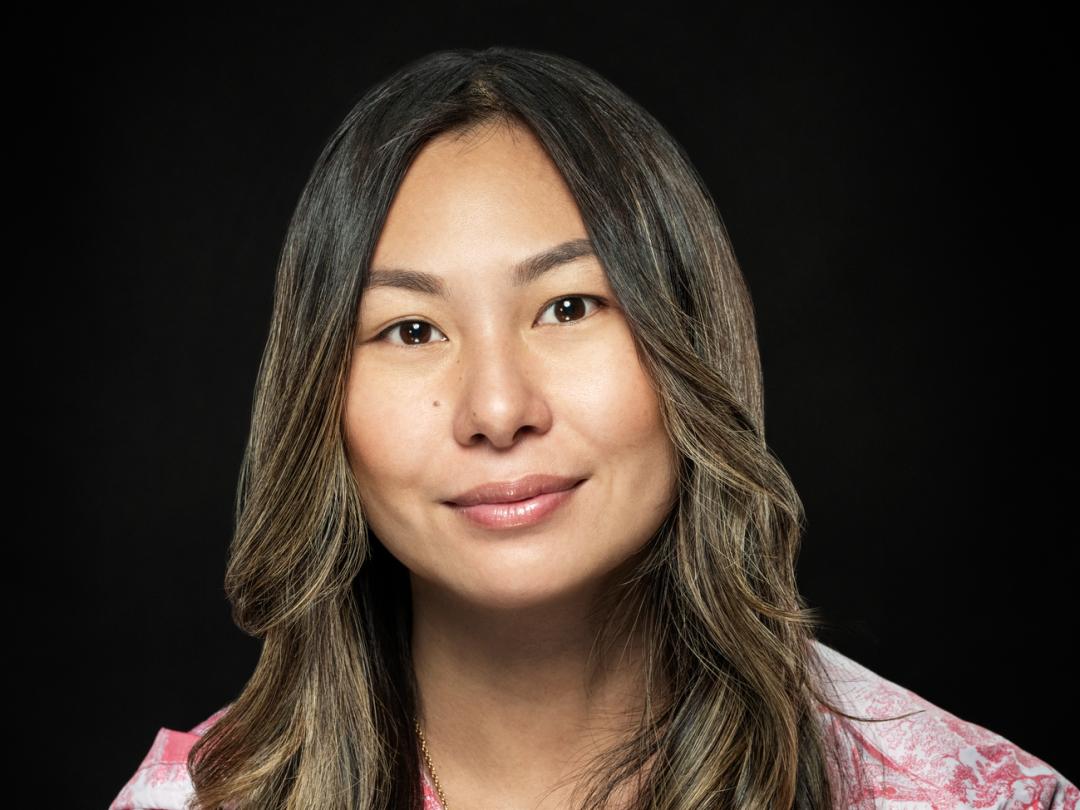
When Meta acquired a 49% stake in Scale AI, 31 - year - old co - founder Lucy Guo briefly surpassed Taylor Swift to become the world's youngest self - made female billionaire.
Although she left the company she co - founded with Alexandr Wang in 2016 as early as 2018, she retained her shares (approximately 3% after dilution).
Combined with her other Patreon - like app, Passes (valued at over $150 million), her net worth is approximately $1.4 billion.
However, in December, this title was taken away by 29 - year - old co - founder Luana Lopes Lara of prediction platform Kalshi.
Michael Truell, Aman Sanger, Sualeh Asif, and Arvid Lunnemark
Net worth: $1.3 billion (each) | Source of wealth: Cursor | Nationality: USA, Pakistan, Sweden
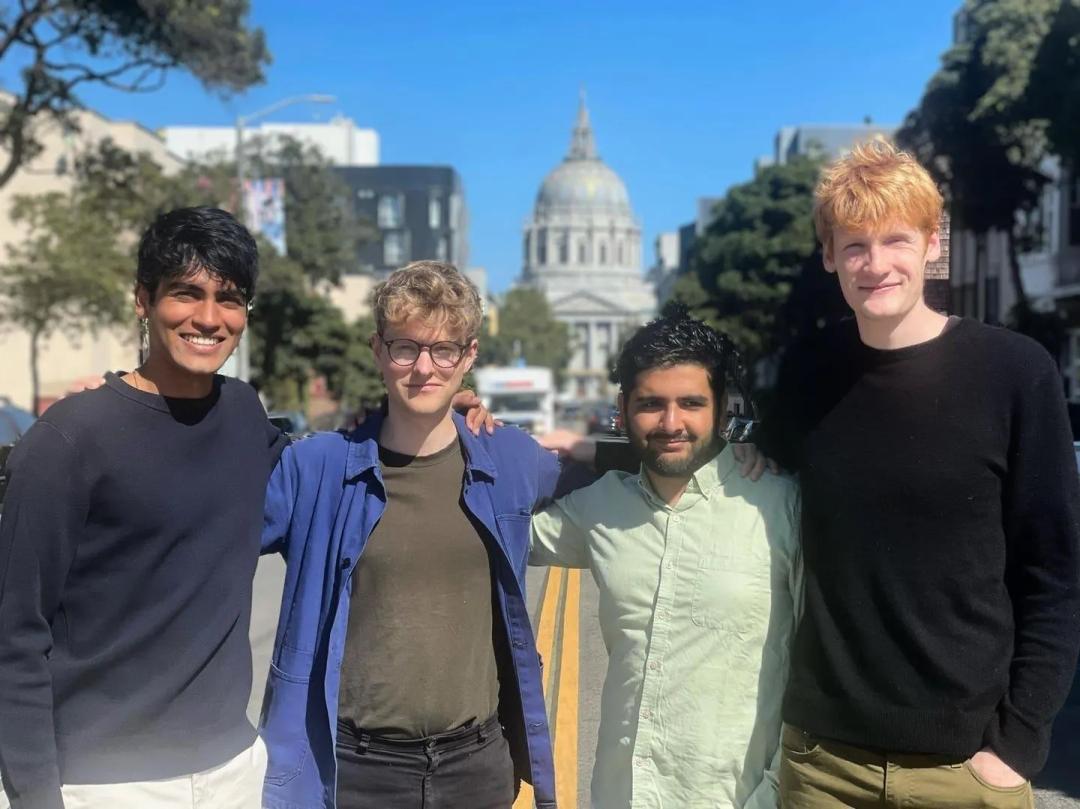
From left to right: Aman Sanger, Arvid Lunnemark, Sualeh Asif, Michael Truell
In November, AI programming tool Cursor raised $2.3 billion, and this three - year - old company reached a valuation of $29.3 billion.
The company announced that its annualized revenue had exceeded $1 billion, and its customers included NVIDIA, Adobe, Uber, Shopify, and PayPal.
Each of the four co - founders holds 4% of the shares.
Mati Staniszewski and Piotr Dabkowski
Net worth: $1.1 billion (each) | Source of wealth: ElevenLabs | Nationality: Poland
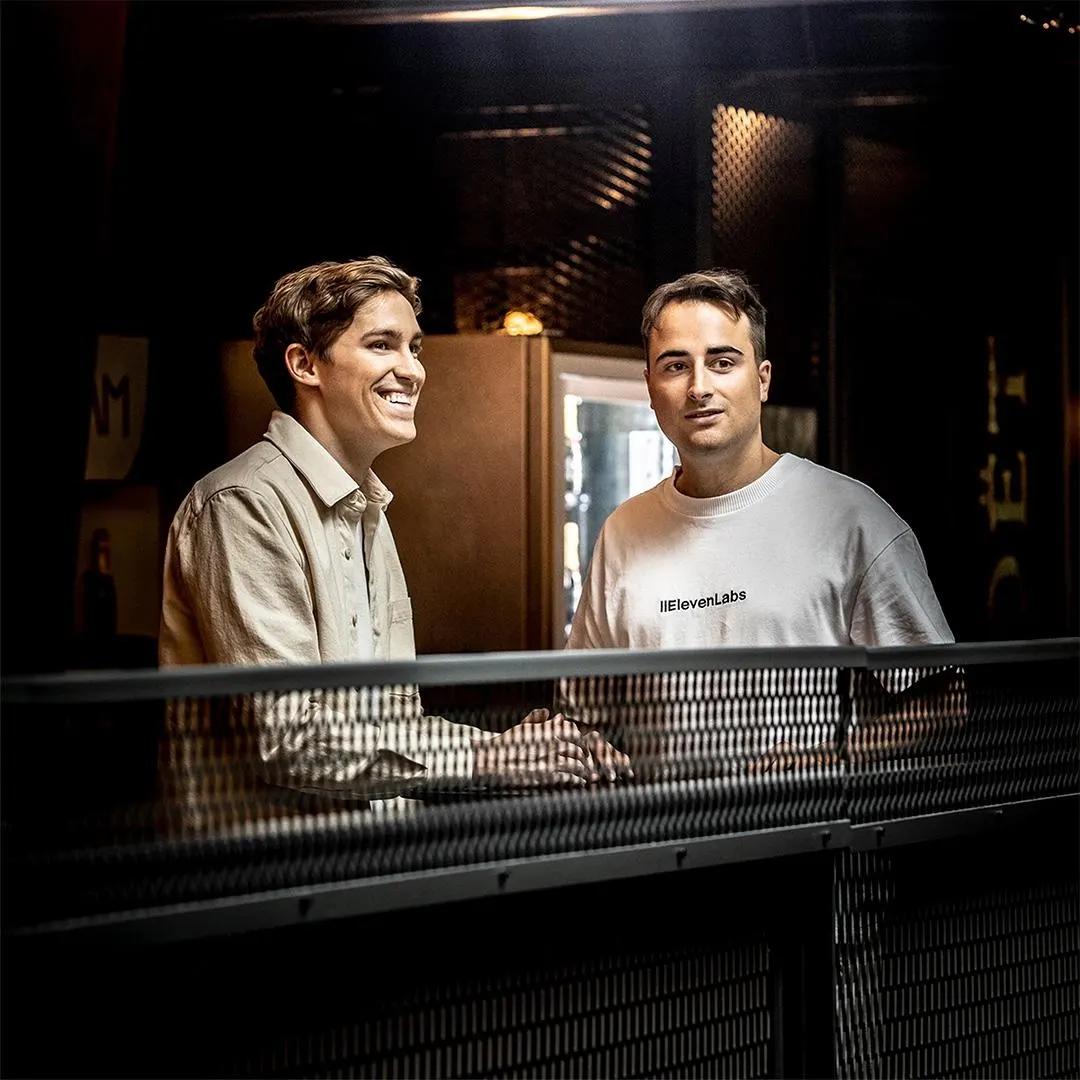
From left to right: Mati Staniszewski and Piotr Dabkowski
After raising a cumulative $300 million, ElevenLabs, which provides a realistic voice - generation model, reached a valuation of $6.6 billion in October, making its two co - founders wealthy.
As one of Europe's most valuable startups, its revenue in the past 12 months was close to $200 million.
According to the company, half of the revenue comes from large customers such as Cisco and Twilio for customer - service calls or interviews;
The other half comes from YouTubers, podcasters, and writers.
According to Forbes estimates, each of them holds 17% of the shares.
References:
https://www.forbes.com/sites/aliciapark/2025/12/25/ai-minted-more-than-50-new-billionaires-in-2025/
This article is from the WeChat public account “New Intelligence Yuan”. Author: Allen. Republished by 36Kr with permission.