There are no shortcuts in the ultra-luxury car market.
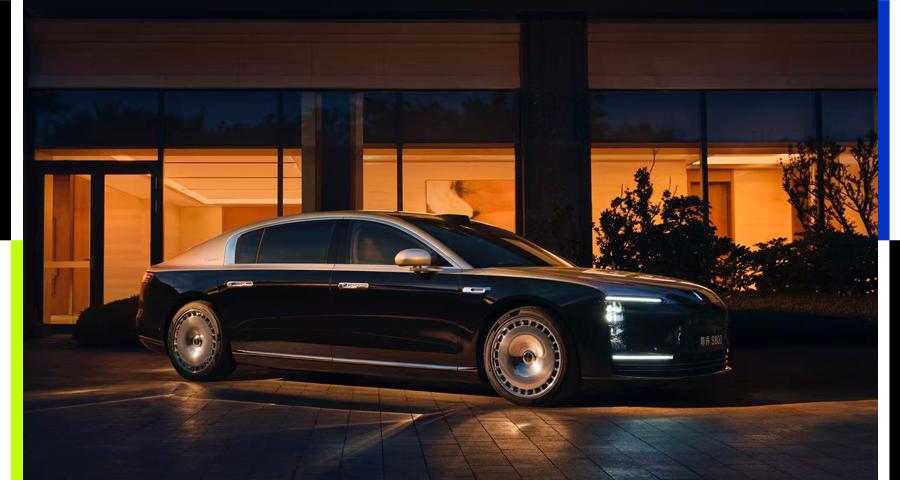
In the market for ultra-luxury cars priced over 700,000 yuan, sales volume alone is often not a decisive indicator. What truly deserves in - depth analysis are factors such as the stability of the delivery schedule, the reliability of the fulfillment capability, and whether customers are willing to continuously place their trust in the same system.
The performance of the Zunjie S800 is precisely reflected in these "non - obvious indicators". Since its launch in May 2025, the terminal delivery capacity of this domestic ultra - luxury new - energy sedan has been steadily increasing. In November, the monthly delivery exceeded 2,200 units, and it has ranked first in the sales of luxury sedans priced over 700,000 yuan for three consecutive months. As the year - end approached, its monthly delivery further increased to the range of 3,000 units, and the daily delivery capacity also exceeded 200 units for the first time on December 25th, setting a new historical delivery record.
In terms of the delivery schedule, there were no obvious peaks during the entire process, nor was there a rapid decline after a short - term surge. Instead, it resembled a curve that gradually ascended and quickly stabilized.
In a market with extremely high requirements for stability and almost zero tolerance for "trial - and - error", such performance is rare. The signal it sends is far more than just "good sales"; it points to a more fundamental question: Does the Chinese automotive industry have the ability to continuously and systematically produce products in the ultra - luxury segment?

A Growth Curve Different from Traditional Ultra - Luxury Cars
If we only look at the results, the market performance of the Zunjie S800 can easily be simply attributed to the "new - energy dividend" or the "technology label". However, in the real competitive environment of cars priced over 700,000 yuan, this explanation does not hold.
The reason is that sales in this price range are never solely determined by demand. Whether a customer places an order often depends on a comprehensive assessment of the brand's long - term accumulation, manufacturing system, and after - sales certainty. In other words, this is a market dominated by "trust costs" rather than completely driven by configuration, parameters, or price advantages.
From the terminal feedback, the user structure of the Zunjie S800 is undergoing significant changes. In addition to the early adopters, more and more customers who are trading in or adding a car from traditional ultra - luxury brand systems are emerging. The customer decision - making cycle has shortened, the proportion of repeat purchases and referrals has increased, and the focus of discussion has gradually shifted from "whether to dare to buy" to "whether it meets personal preferences".
This means that the Zunjie S800 is completing the crucial transformation from "being noticed" to "being accepted".
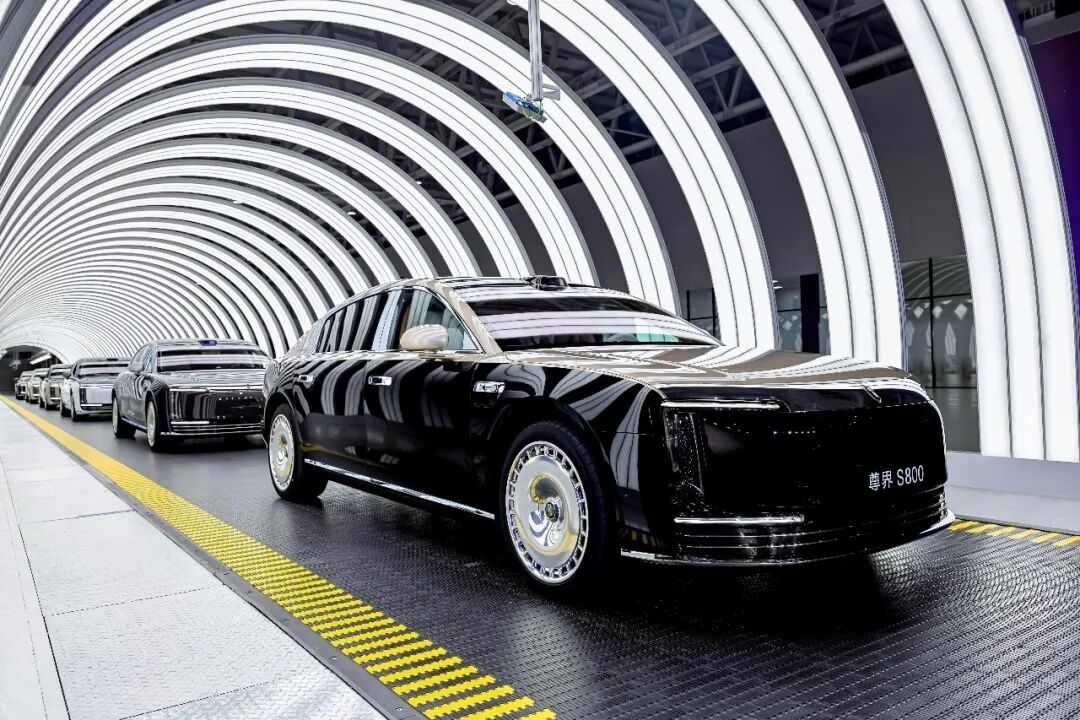
In this market, the real challenge has never been "whether there are orders", but rather the ability to complete high - quality deliveries consistently, stably, and according to the same high standards under the premise of extremely low tolerance for errors. The manufacturing of ultra - luxury cars is essentially a highly industrialized and systematic project that emphasizes consistency. Any quality fluctuation can quickly be magnified into a brand risk.
From the perspective of the delivery structure, the growth of the Zunjie S800 is not explosive but shows highly industrialized characteristics: stable order conversion, continuous production rhythm, and orderly delivery increase. Behind these indicators is a proven manufacturing and management system, rather than being driven by short - term marketing.
Notably, during this process, the Zunjie S800 did not sacrifice delivery standards for speed. Market feedback on both process consistency and overall vehicle quality fluctuations remained relatively low. For ultra - luxury cars, this is far more decisive than monthly sales.
What supports this stable output is the manufacturing logic represented by the Zunjie Super Factory. This is not a general production capacity system centered on scale efficiency but a small - batch, high - standard manufacturing system customized for million - level products. Its core goal is to ensure a high degree of consistency in process, quality, and performance for each vehicle.
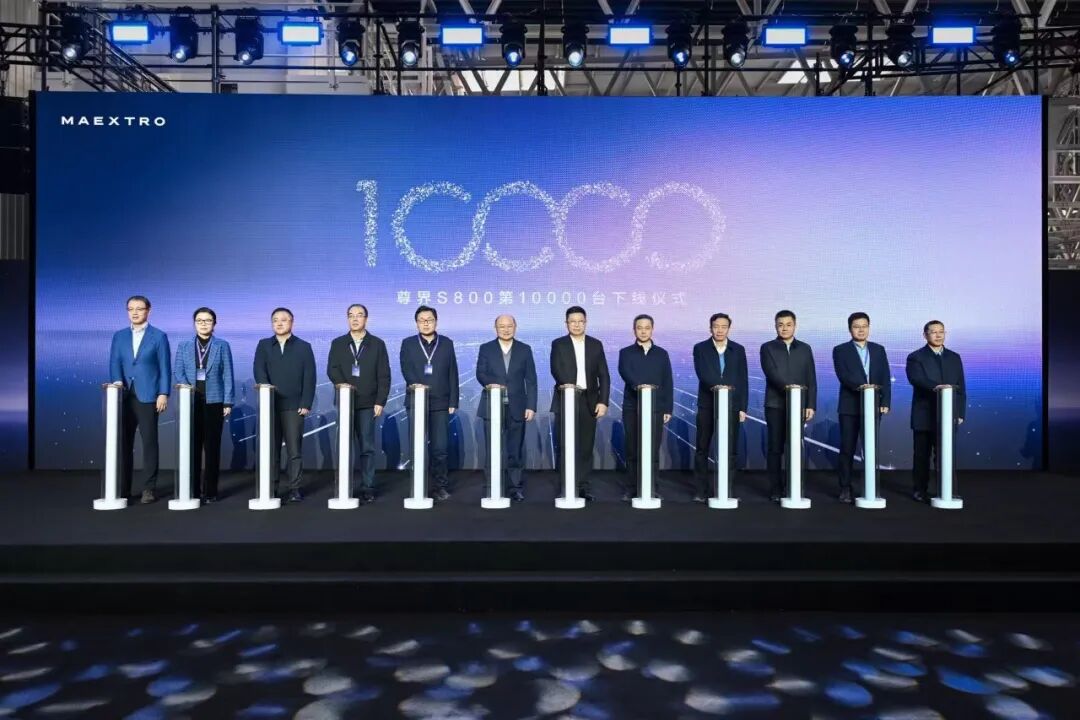
In traditional perception, when domestic brands enter the ultra - luxury market, it is often seen as a single - point breakthrough, relying on one product and a wave of publicity to achieve short - term success. However, the Zunjie S800 presents a more sustainable production track. When the 10,000th mass - produced vehicle rolled off the production line, it verified that this system has the ability to operate in the long term.

In the New - Energy Era, Safety is a Prerequisite for Luxury
If the manufacturing system addresses the question of "whether it can be delivered", then the technology system answers the question of "why it can be trusted".
After new - energy vehicles have entered the large - scale production stage, battery safety is no longer just a single - engineering problem but a systematic risk. The industry is not short of battery cells with leading parameters or protective designs for single scenarios. What is truly scarce is the ability to continuously deliver certain safety results in complex working conditions, extreme environments, and long - term use.
From the perspective of accident mechanisms, battery - related risks rarely result from the isolated failure of a single component. Instead, they often occur at the intersection of the battery cell, battery pack, and vehicle system: a bottom collision causes structural damage, which leads to thermal runaway; local overheating combined with an unbalanced charging and discharging strategy amplifies the risk chain. Therefore, the requirement for battery safety in the ultra - luxury market is not just "reducing the probability" but eliminating uncontrollable variables as much as possible.
The starting point of Huawei's Jujing Battery Platform 2.0 is to "combat extreme risks systematically" rather than just focusing on a single performance indicator. At the structural level, through the thermoelectric separation design with the positive terminal placed upright and the explosion - proof valve placed at the bottom, the high - voltage system is completely isolated from the thermal runaway release path in the physical structure, preventing a bottom collision from easily turning into a chain risk of electrical and thermal safety. Combined with full - wrap liquid cooling and multi - layer heat - insulating materials, it forms a closed - loop system of "heat insulation, heat conduction, and directional exhaust", upgrading the safety goal from traditional "flame retardancy" to more proactive "temperature control".
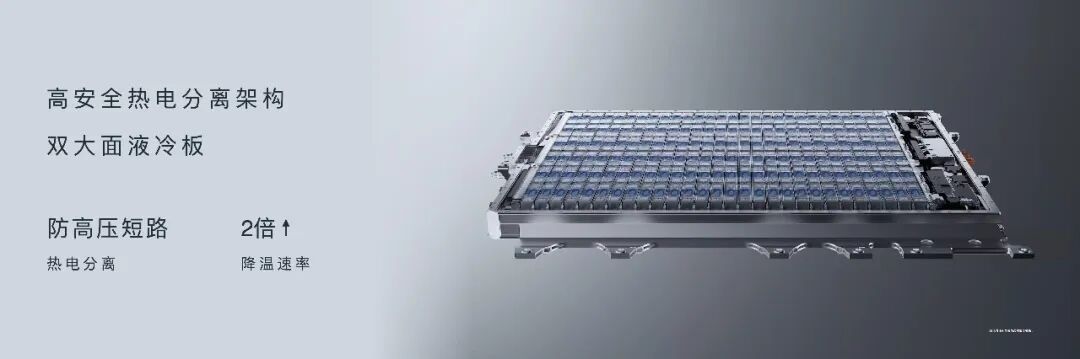
In terms of passive protection, Huawei's Jujing Battery Platform 2.0 does not rely on a single strength indicator but builds a redundant protection system based on real accident scenarios. The multi - layer bottom protection structure, thickened side beams, and front anti - collision beams aim to minimize the energy transfer path to the battery pack before an accident occurs. The IPX9K - level waterproof capability provided by more than 400 sealing protection points covers high - risk working conditions such as heavy rain, high - pressure flushing, and long - term water immersion. These designs do not pursue "extreme parameters" but serve the goal of minimizing the worst - case scenario in an inevitable accident.
What makes it more distinctive is the way Huawei's Jujing Battery Platform 2.0 balances performance, safety, and manufacturing consistency. Relying on Huawei's experience in miniaturized packaging and high - integration in the terminal field, the platform releases effective space and improves energy density. At the same time, by streamlining wiring harnesses, introducing FPC flexible connections, and multiple redundant designs, it reduces the risk of wear and failure during long - term use. The 100% X - ray inspection of battery cells and strict testing throughout the entire life cycle ensure that safety redundancy is not just a design concept but is solidified in the mass - production system in advance.
For the Zunjie S800, the significance of this system is not just "technological leadership" but providing a prerequisite for long - term trust for ultra - luxury customers: safety does not depend on luck or probability but is guaranteed by design, manufacturing, and verification.
When the battery becomes a "perceivable, predictable, and manageable" system, Huawei's Qiankun Intelligent Driving ADS and the Hongmeng Intelligent Cockpit installed in the Zunjie S800 are also incorporated into the same safety logic. The assisted driving system identifies complex road conditions in advance and makes detour decisions, raising the upper limit of vehicle safety before an accident occurs. In extreme situations, the cross - domain control system ensures the availability of door unlocking and personnel escape routes. The Hongmeng Cockpit provides a more stable and predictable interaction experience, which not only enhances the time and efficiency value for high - end customers but also reduces the cognitive burden and distraction risk during driving.
From this perspective, the "technological luxury" emphasized by the Zunjie S800 is not defined by a single technology but is composed of a set of coordinated systems. The battery ensures the safety baseline, Huawei's Qiankun Intelligent Driving ADS raises the upper limit of the experience, and the Hongmeng Cockpit reduces the friction in use, ultimately providing customers with stable and reliable results.


Behind the "Zunjie Effect" is a Collaboration Model More Suitable for the Ultra - Luxury Market
If we examine the Zunjie S800 from an industrial perspective, an unavoidable factor is the role played by Huawei.
In the current automotive industry, the mainstream cooperation models can be roughly divided into two categories: one is the procurement model oriented towards efficiency, which has clear boundaries but a limited upper - limit of capabilities; the other is the system integration model, which has stronger capabilities but may lead to dispersed responsibilities. Both models work in the mid - and low - end markets, but they each have their own ceilings in the ultra - luxury segment.
The Zunjie S800 adopts a collaboration approach closer to "in - depth co - creation". From product definition, architecture design to joint verification, Huawei does not just provide modules or technical support but is deeply involved in the decision - making of the entire vehicle system. This involvement not only improves efficiency but also reconstructs the responsibility boundaries - the technical capabilities are highly correlated with the final product results.
This model is highly consistent with the core needs of the ultra - luxury market. The essence of ultra - luxury products lies not in complex functions but in low tolerance for errors and high consistency. Huawei's long - term accumulated system engineering capabilities, verification methods, and quality control systems in the ICT and terminal fields are naturally suitable for this scenario. When these capabilities are systematically transferred to the vehicle level, their value is not reflected in a single parameter being leading but in a significant reduction in the overall failure rate.
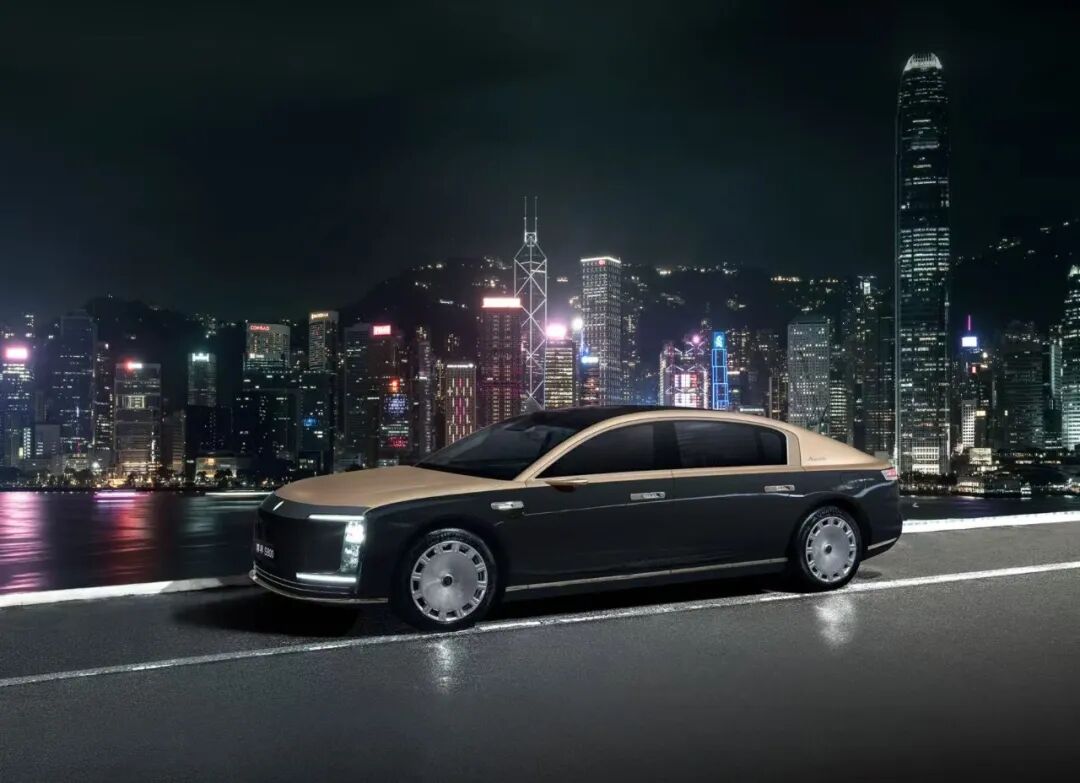
This is also an important reason why the Zunjie S800 was able to achieve stable delivery in a short period and gradually build customer trust. As time passed, the positive word - of - mouth resulting from high customer satisfaction began to spread naturally among customers and gradually evolved into a phenomenon clearly perceived by the market - the "Zunjie Effect".
This effect does not result from concentrated exposure or deliberate promotion but is more like a slow but continuous "person - to - person" process: it is repeatedly mentioned in different social occasions, actively recommended in private conversations, and gradually enters the decision - making scope of high - end customers. Compared with parameters and labels, this kind of sharing based on real usage experience is often more persuasive.
It is also during this process that the user structure of the Zunjie S800 has changed - from early adopters to a larger proportion of believers and recommenders. When a vehicle model is repeatedly discussed and verified among high - end customers and forms a relatively stable positive consensus, it has achieved not only sales success but also a consensus - based existence that can be safely chosen.
The formation of traditional luxury relies on brand history, cultural accumulation, and long - term premium ability. In the new - energy era, luxury is increasingly based on another foundation - trust in system engineering capabilities. Whether safety is controllable, manufacturing is stable, and long - term use is predictable - these capabilities that were once hidden behind the product are becoming prerequisites for luxury.
In this sense, the "Zunjie Effect" is not just a sales phenomenon but a signal: for the first time, the Chinese automotive industry is using system reliability rather than symbolic narratives as its core competitiveness in the ultra - luxury segment. When luxury no longer depends on historical endorsement but is proven by engineering and systems, Chinese brands have truly entered the stage of competing head - on with traditional luxury brands.
