The Year 2025 for Foldable Screens: The Pursuit of Slimness Reaches Its Limit, New Forms Are Brewing, and All Players Are Heading to New Battlefields
If we only look at the product launches, the buzzword for foldable phones in 2025 remains the same as in previous years: thinner and lighter.
First, OPPO Find N5 achieved the world's thinnest folding thickness of 8.93mm for foldable phones. Then, vivo X Fold5 reduced the weight to 217g. Subsequently, Honor Magic V5 further achieved a thickness of 8.8mm and a weight of 217g. Undoubtedly, these specifications have fully reached the upper limit of traditional smartphones.
A couple of years ago, these figures alone would have caused quite a stir in the industry. However, in 2025, they can hardly stimulate the foldable phone market.
IDC released an interesting report last month. After a 14% year - on - year decline in the second quarter, the domestic foldable phone market in the third quarter of this year recovered to a 17.8% year - on - year growth. However, Huawei alone accounted for 68.9% of the entire market, and its main sales models were the Mate X6 released at the end of last year and the Pura X released at the beginning of this year.
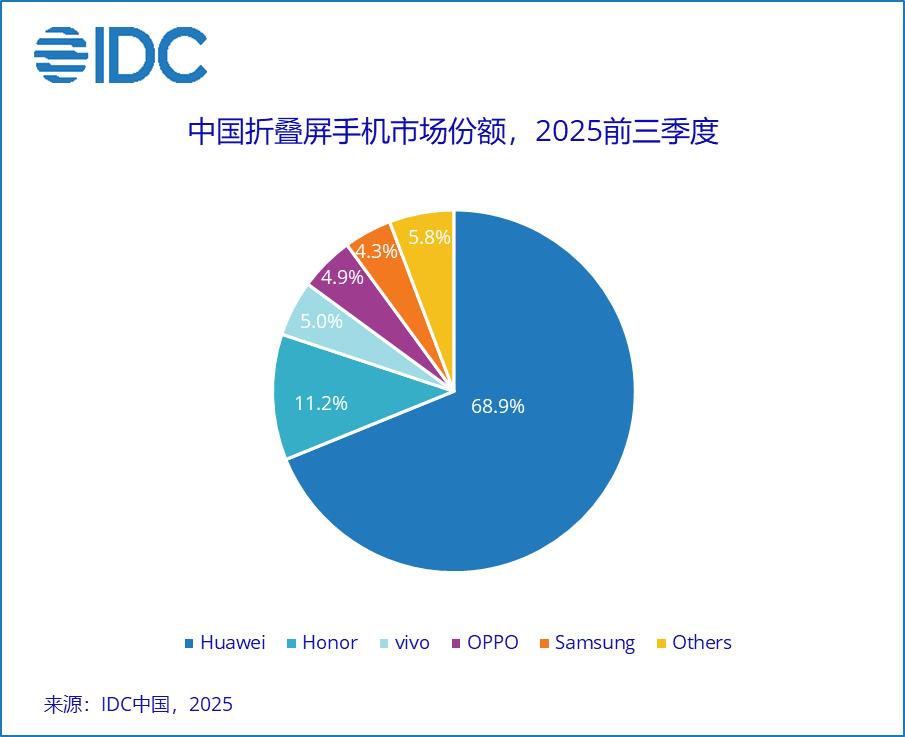
Image source: IDC
It's not that making phones thinner and lighter has no value. However, today, the other side of thinness and lightness is the relative "weakening" in aspects such as imaging. Considering that foldable flagship phones are several thousand yuan more expensive than traditional flagship phones, consumers' expectations for the imaging capabilities of foldable flagship phones are not unreasonable. However, enhancing imaging requires a certain amount of "component stacking", especially in the telephoto range, which has received the most attention in the past two years. This goes against the general trend of thinness and lightness.
Under this contradiction, in 2025, while the foldable phones continue on the "obvious path" of becoming thinner and lighter, they also seem to be opening up an "implicit path" of changing the mindset.
On the one hand, Huawei continues to launch the slightly improved triple - fold Mate XTs, Samsung has launched the Galaxy Z TriFold, and Xiaomi is also gearing up for its triple - fold phone. On the other hand, "screen ratio" has become a key factor. Huawei's Pura X has initiated the transformation from the small, cute but less - functional small - fold phones to the wide - fold phones. Apple and Samsung are also developing "wide - fold" phones with different ratios.
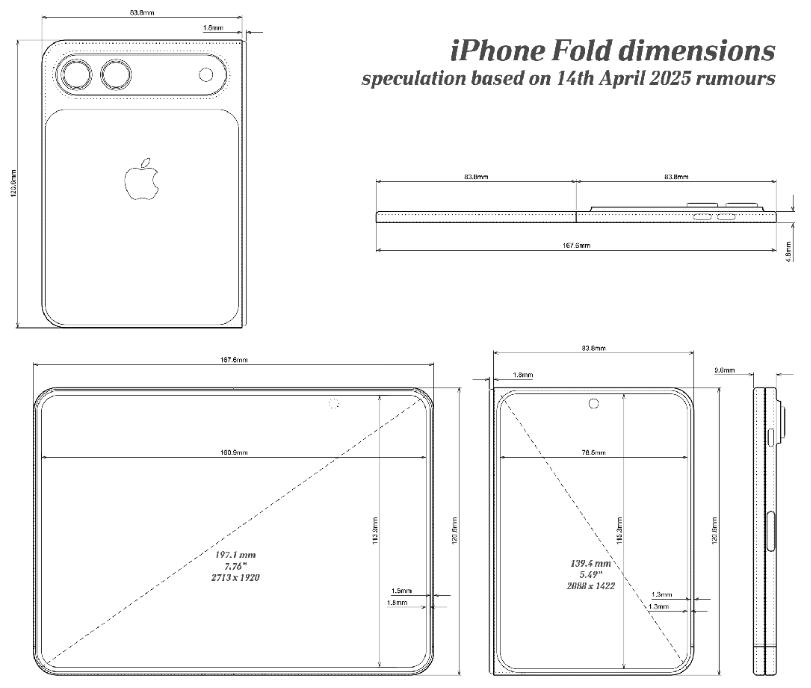
Image source: X
Six years have passed since Samsung's first - generation Galaxy Fold was launched in 2019. Foldable phones have undoubtedly achieved considerable success. However, if they want to make further progress, transformation may be inevitable.
When the "contradiction" reaches its peak, foldable phones need a new form
As a portable electronic device, users definitely hope that phones are as thin and light as possible. However, they also care about the "price" behind thinness and lightness. The same principle applies to foldable phones. Making phones thinner and lighter is not the problem with foldable phones. The problem is that when thinness and lightness become the only direction, it is eroding the foundation for foldable phones to be considered "high - end flagships".
The reason why foldable phones have long stood above traditional smartphones is not essentially because they "can fold". Instead, in the default context, they are regarded as a flagship phone form with a larger screen, better experience, and fewer compromises. However, in 2025, as foldable phones start to approach traditional flagship phones in terms of weight and thickness, they will inevitably have to pay a price in other aspects.
This price is first reflected in the trade - offs of hardware configurations.
Take the OPPO Find N5 as an example. It is undoubtedly one of the most successful and well - completed foldable phones in terms of thinness and lightness this year. However, if we look at it in the context of product generations, problems will emerge. For example, the core number of the Snapdragon 8 Extreme Edition has been reduced from the standard 8 cores to 7 cores, mainly due to the heat dissipation problem behind thinness and lightness.
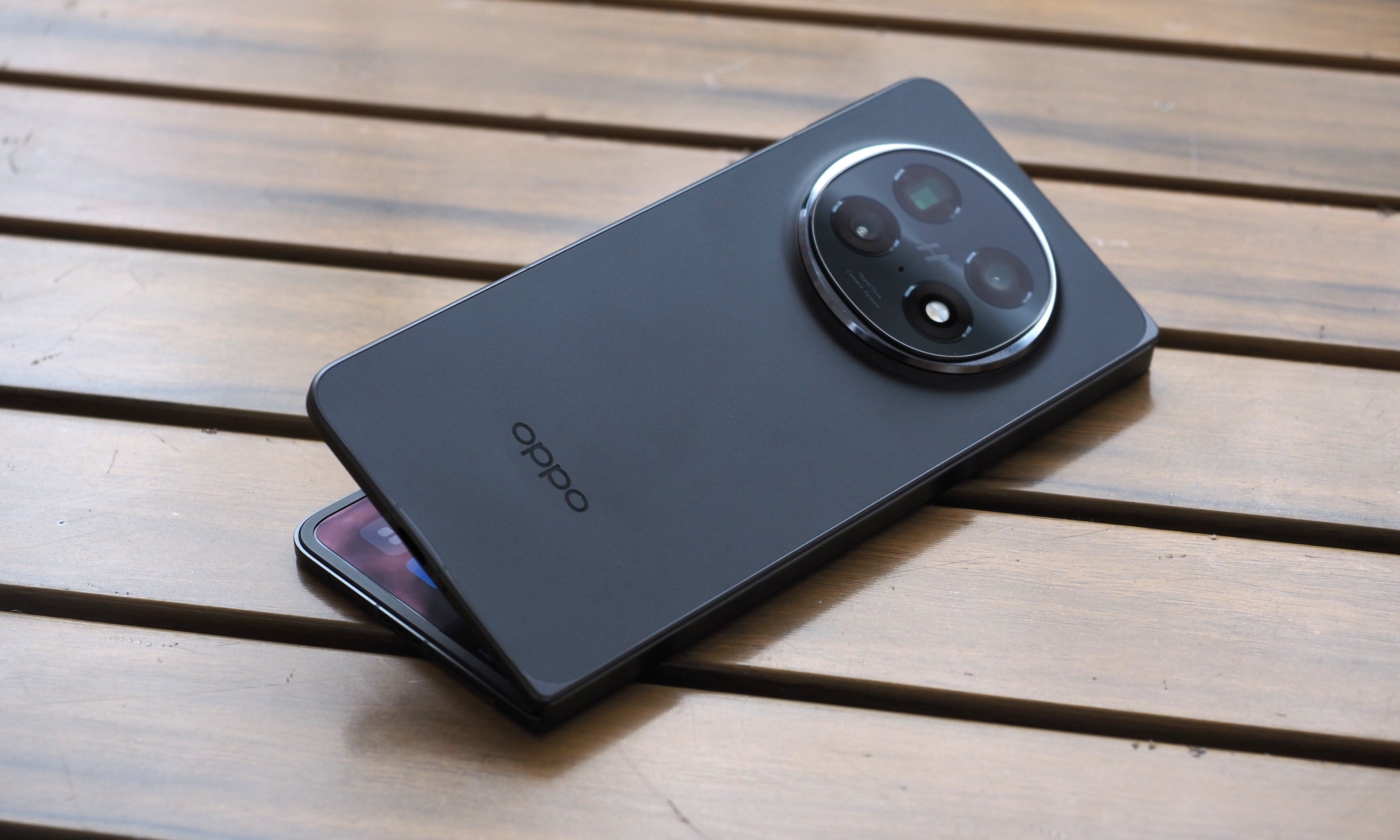
Find N5, Image source: Lei Technology
However, except in scenarios with continuous high loads such as gaming, this has a limited impact on the actual experience. Compared with the Find N3, the changes in the imaging specifications of the Find N5 are actually more prominent. The front - facing cameras of the inner and outer screens, the rear main camera, the ultra - wide - angle lens, and the telephoto lens have all been "downgraded" to a certain extent.
In addition, there are also changes in non - core experiences, such as the speakers changing from "triple speakers" to "dual speakers". For a high - end flagship phone, it is reasonable for consumers to care about these changes.
Of course, the OPPO Find N5 is actually an extremely successful thin and light foldable phone, as Lei Technology indicated in its hands - on experience at the beginning of the year. However, we cannot ignore the "price" behind the significant improvement in the thin and light experience. More importantly, this is not just OPPO's problem. It is a reality that almost all manufacturers will face after the collective push for thinness and lightness in 2025:
- If you want to use a periscope lens and a larger sensor for imaging, the phone's internal space won't allow it;
- If you want to install stronger heat dissipation and more aggressive performance release, the thickness won't permit it;
- When these things are forced to give way, the rationality of the "thousands of yuan more expensive" price of foldable phones starts to become delicate.
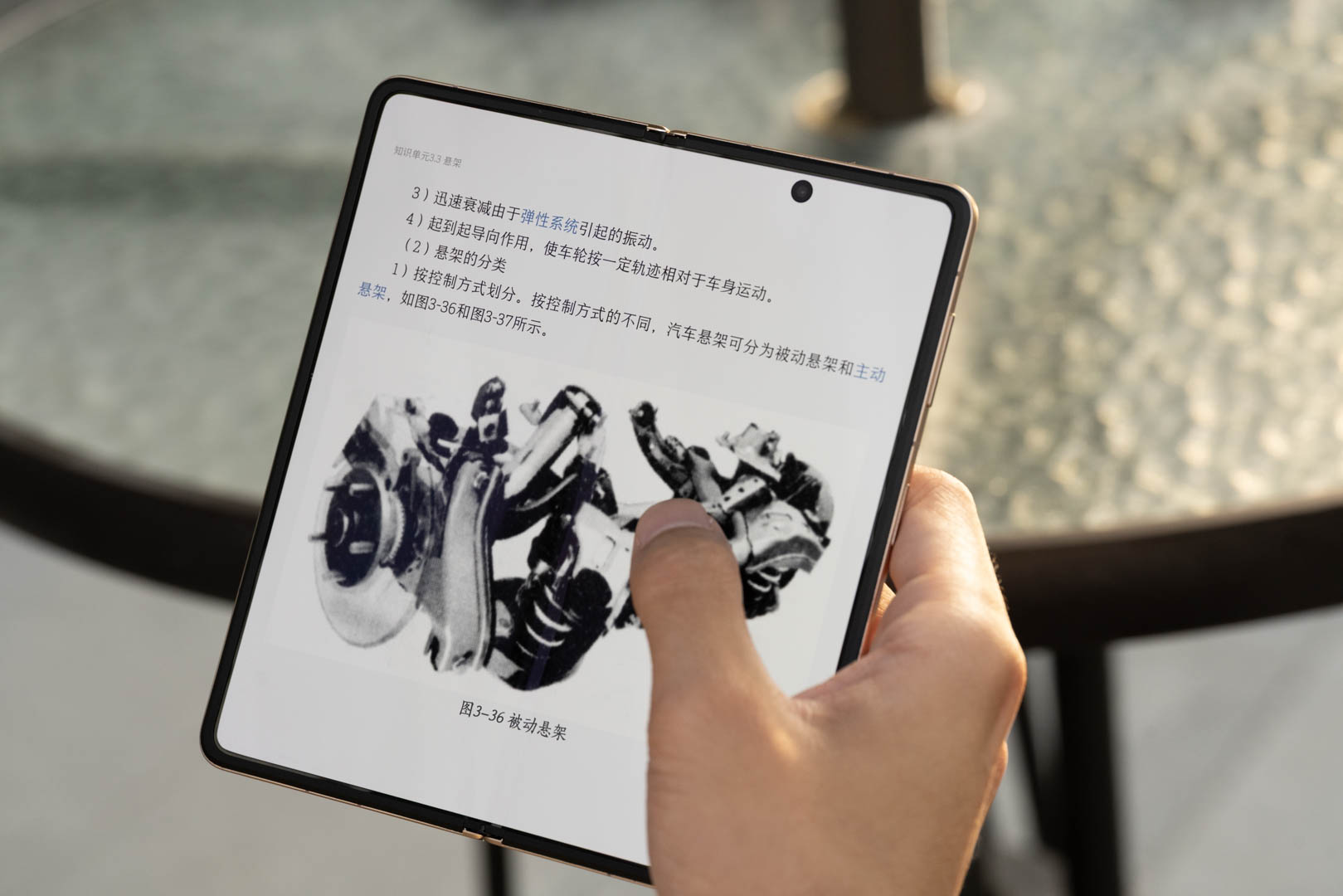
Image source: Lei Technology
Thinness and lightness have indeed significantly lowered the psychological threshold, but they have also magnified the impact of trade - offs in configurations. Lei Technology has almost tested and evaluated all the foldable phones launched this year. However, when a foldable phone is light enough for daily use without any burden, users' expectations for it will be closer to those for traditional flagship phones: The imaging should not be poor, the performance should not be weak, and details should not be compromised.
Once there is an obvious compromise in a certain aspect, the gap will be quickly magnified.
An interesting observation is that Xiaomi is the only foldable phone manufacturer that has not launched a large - fold phone this year. The absence of a new MIX Fold does not necessarily mean retreat. Xiaomi's decision to postpone the release of its new foldable phone originally scheduled for 2025 is more like a "brake". At a time when the industry has pushed thinness and lightness to a stage limit, continuing to follow the trend may only result in a product that is "similarly thin and similarly light".
Instead of that, it's better to rethink what new opportunities are left for foldable phones.
Triple - fold and wide - fold: Xiaomi, Apple, and Samsung are also heading for new battlefields
At the beginning of this month, a new Xiaomi product with the model number 2608BPX34C appeared in the GSMA certification database, which is generally considered to be the highly anticipated Xiaomi MIX triple - fold phone. According to previous rumors, the Xiaomi MIX triple - fold is expected to be released in the first half of 2026.
Earlier, Samsung had already launched its first triple - fold phone, the Galaxy Z TriFold. Lei Technology, as one of the first domestic users, conducted a hands - on experience in advance and pointed out the new experience brought by the new form.

Galaxy Z TriFold, Image source: Lei Technology
The triple - fold can be said to have pushed the "advantages" of foldable phones to a new extreme. After Huawei launched the Mate XT last autumn, which caused a stir in public opinion, it launched the slightly upgraded Mate XTs this year. However, the core upgrade is actually in the Hongmeng ecosystem and software, such as the support for PC versions of multiple applications. The triple - fold is not perfect and has quite a lot of controversy. However, it at least clearly sends a signal:
When thinness and lightness can no longer continuously raise the upper limit of the experience, the form itself must be redesigned.
However, Huawei's answer is not just the triple - fold. At the beginning of this year, Huawei launched the Pura X wide - fold phone, which is known as a "new species". When unfolded, the screen ratio is 16:10 and the size is 6.3 inches. When folded, the screen ratio is 1:1 and the size is 3.5 inches. Lei Technology mentioned in its first - release review:
"16:10 is the golden ratio for monitors. It has about 10% more display area than the traditional screen ratio, and it can bring a more comfortable visual experience when watching some videos and pictures in full - screen mode... The ratio similar to that of a tablet computer combined with a body weight of less than 200g makes the Pura X, in the eyes of Xiaolei, not just a phone, but more like a small - sized flagship tablet computer."
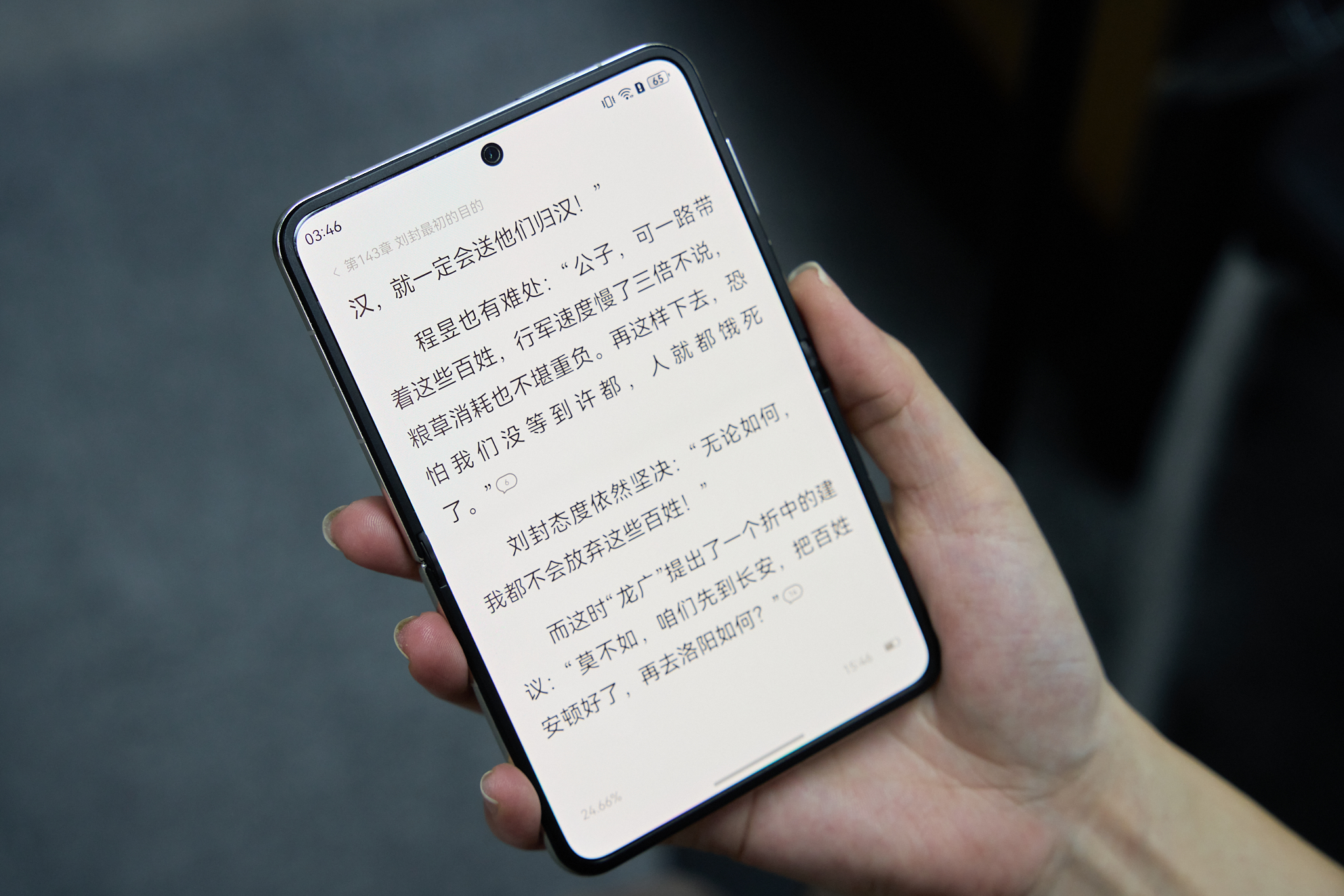
Pura X, Image source: Lei Technology
According to Sun Qi, the deputy general manager of CINNO Research, the activation volume of the Pura X in the first week of sales was close to 100,000 units, and the sales volume in two weeks reached more than 80% of the sales volume of the Pocket 2 in the same period. This also shows that users are accepting the new form and are even willing to pay a certain premium.
It's not just the Pura X.
Both Bloomberg and The Information have reported that the first foldable iPhone will have an internal screen with a ratio close to 4:3, about 7.7 inches in size, and an external screen of 5.3 inches. Simply put, the first foldable iPhone is a bit like a larger - sized Pura X.
At the same time, the South Korean media ET News has also reported that Samsung's "Wide Fold" plan will launch a wide - fold phone in 2026 before the iPhone. When unfolded, it will have a 7.6 - inch 4:3 ratio screen, and when folded, it will have a 5.4 - inch screen.
A wider ratio, an unfolded form more focused on content and productivity, and a correction of the existing folding logic. Regardless of the final market performance of the products, these changes themselves indicate that in the next - stage competition of foldable phones, the focus is no longer on having a form similar to a traditional smartphone when folded, but on a truly differentiated experience.
Conclusion
Foldable phones have proven that they are not a flash in the pan. Next, they need to prove what else they can become.
Looking back at the foldable phones in 2025, it's easy to be led by a series of numbers like "thinner and lighter". However, what is really worth remembering is not these numbers themselves. Making phones thinner and lighter solves the entry threshold. It makes foldable phones no longer seem bulky and no longer require repeated persuasion.
However, thinness and lightness cannot answer the uniqueness and advantages of foldable phones. This is precisely the proposition that has been most frequently avoided in the past year but can no longer be avoided.
From Xiaomi's decision to hit the pause button, to Huawei's continuous exploration of triple - fold and wide - fold phones, and to the rumored ratio adjustments and new form plans of Apple and Samsung, manufacturers are starting to rethink the meaning of folding itself. Perhaps future foldable phones will be more like a tablet in your pocket, or a personal terminal between a phone and a computer. There may also be more forms that are hard to define now.
What is certain is that what will truly determine the next - stage competition is not a 0.2 - millimeter difference, but a redefinition of the usage mode.
This article is from "Lei Technology" and is published by 36Kr with permission.