iRobot, the pioneer of robotic vacuum cleaners, has gone bankrupt, but it's not unjust at all.
In the current situation where global startup robot companies are queuing up to enter the capital market, a once-star company that profoundly changed the consumer-grade robot industry failed to survive 2025. It is the American company iRobot, known as the pioneer of the floor-cleaning robot.
The bankruptcy restructuring announcement recently released by the official shows that in order to reduce the company's asset-liability ratio, enable iRobot to continue normal operations, advance its product development roadmap, and maintain its global business layout, iRobot agreed to sell its 100% equity to its main OEM partner and largest creditor, Shenzhen-based Shanchuan Robotics Co., Ltd. from China.
Although iRobot's CEO still insisted later that this was not the old narrative of a major American technology giant suffering a huge performance setback and being acquired by a Chinese company, but rather a move to strengthen iRobot's financial foundation and support the company's long-term growth and innovation.

However, considering the company's consecutive years of performance losses, hundreds of millions of dollars in debt arrears, and the continuously declining market share, iRobot had long reached the brink of collapse. Compared with the tragic fate of having its various businesses and patents split and sold off one by one to pay off debts, being acquired in one package by a Chinese company might already be the best fate for iRobot.
01 Early Warnings
The downfall of iRobot seems sudden, but actually there were early warnings.
Looking through the company's financial reports in recent years, after iRobot's revenue reached a historical peak of nearly $1.57 billion in 2021, it began to experience continuous and significant declines. The revenues from 2022 to 2024 were $1.183 billion, $891 million, and $682 million respectively, and the company recorded huge losses in the same period. It can be said that this once-industry giant that occupied half of the market has gradually fallen into a financial crisis under the pressures of intensified competition, declining revenues, and increasing costs in recent years.
In order to relieve the financial pressure, iRobot approached the cash-rich Amazon in 2022, and Amazon also agreed to acquire iRobot at a price of $1.7 billion at that time. According to the original plan, this acquisition, the fourth-largest in Amazon's history, would not only further expand Amazon's smart home territory but also become a life-saving straw for iRobot to relieve its financial crisis and turn the situation around.
However, the U.S. Federal Trade Commission and the European Union intervened in the review one after another due to antitrust and privacy concerns. The transaction was finally officially rejected after a year and a half of regulatory tug-of-war. Amazon later paid iRobot a penalty of up to $94 million. However, this amount of money didn't mean much to iRobot at that time.
Because iRobot's original cash reserve had already run out. Considering a $190.7 million loan the company obtained from an institution related to The Carlyle Group and the $161.5 million in payment arrears to Shanchuan, iRobot had transformed from a star company that earned tens of millions to hundreds of millions of dollars annually in just a few years into a "down-and-out" company with a debt scale of up to $350 million.
In 2024, iRobot carried out successive rounds of layoffs. By the end of the same year, the company's global employee scale had shrunk by nearly half compared with the beginning of the year. By the end of September 2025, the company only had $24.8 million in cash on its books. As the company's debts were approaching the overdue date, iRobot's fate was no longer in its own hands.
Since the beginning of this year, iRobot has accelerated its search for potential acquirers, but all the talks eventually broke down due to price issues. The revaluation of iRobot's value in the trading market has been continuously declining, which ultimately led to the current acquisition case that is comparable to a "counterattack story". That is, Shanchuan, which originally only served as iRobot's OEM, has taken over 100% of iRobot's equity in one fell swoop. Apart from the original payment for goods, the only cost is to take over the $190.7 million loan that iRobot owed to The Carlyle Group.
On the surface, this seems to be a passive move by Shanchuan to preserve its assets and cut losses in time by choosing to take over the brand through "debt-to-equity swap". However, from the current operations, Shanchuan doesn't seem to be just a simple acquirer.
Although iRobot currently lags far behind domestic brands in terms of market share and technological iteration, after all, it is an authentic American company with 35 years of brand history, more than 2,000 patents in reserve, and a large sales channel in the U.S., Japan, and Europe. Once this bankruptcy restructuring plan is completed, the currently circulating common stocks of iRobot will be written off. What Shanchuan will take over will be a brand-new company without the rights and interests of the old shareholders, achieving a truly painless bottom-fishing.
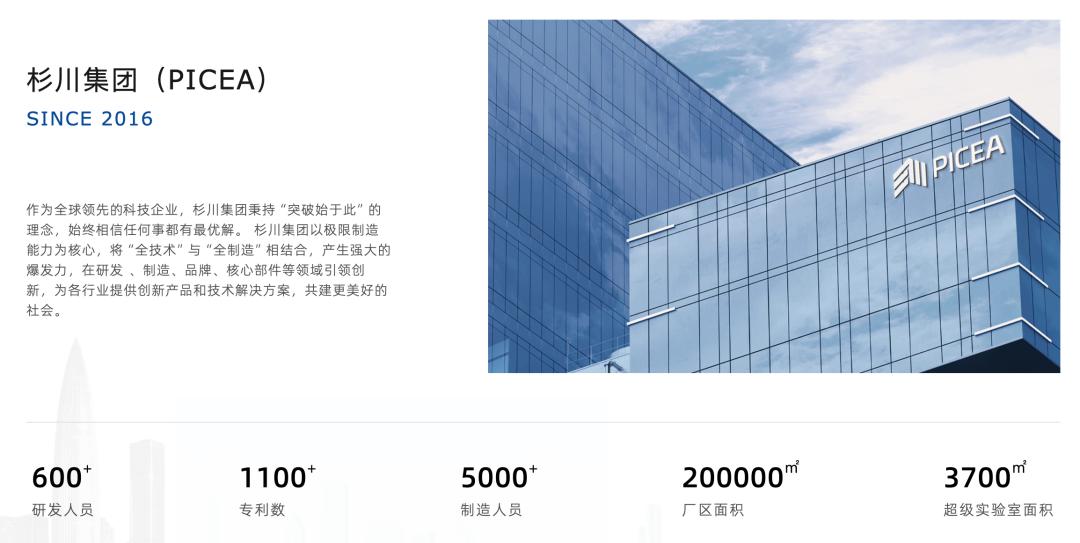
But what's the meaning of a seemingly ordinary Shenzhen OEM factory spending 2 billion RMB to acquire a declining international floor-cleaning robot brand? We have to talk about the background of Shanchuan.
For the general consumers, Shanchuan may sound unfamiliar, but from the perspective of the global cleaning appliance supply chain map, it is an undisputed giant.
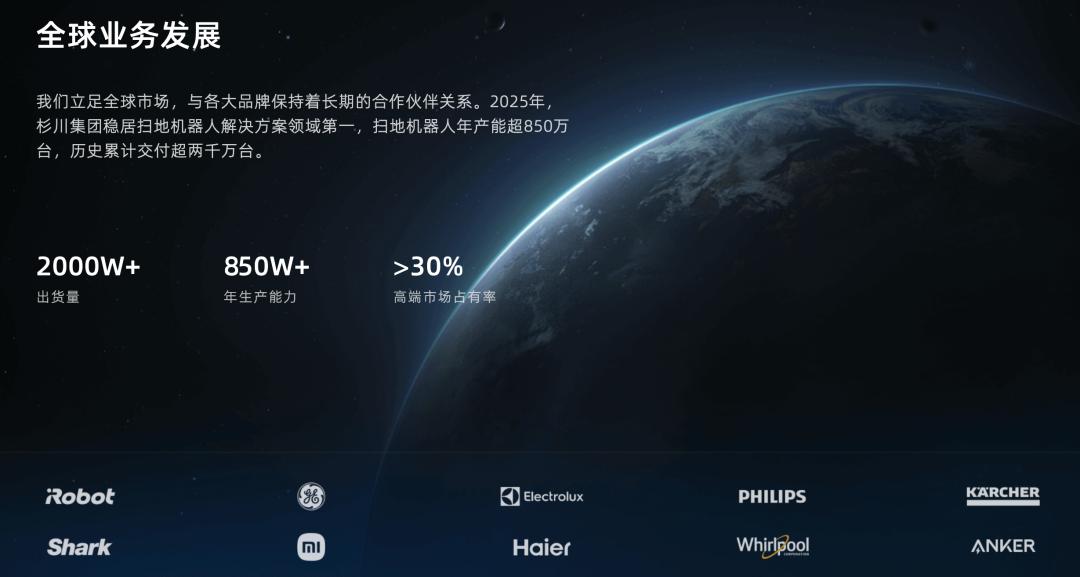
This company, incubated by Han's Laser and with Haier Group as a strategic shareholder, has long been the leader in the OEM field of floor-cleaning robots. There is a saying in the industry: Three out of every ten high-end floor-cleaning robots in the global market come from Shenzhen Shanchuan. According to the official website data, Shanchuan achieved a shipment volume of 4 million units in 2024, with a revenue of 4.06 billion RMB, an annual production capacity of over 6.5 million units, and a cumulative historical delivery of over 20 million units.

In addition to providing production and manufacturing services for iRobot for a long time, Shanchuan's customer list also includes Kärcher, Vorwerk, Philips, Xiaomi, Haier, etc.
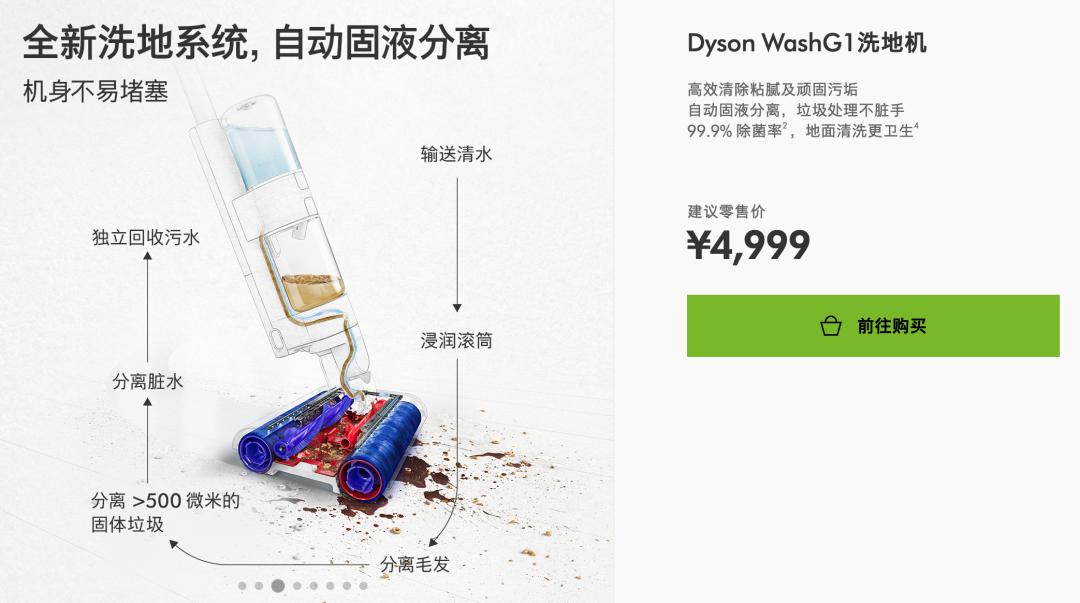
Interestingly, the core cleaning logic of Dyson's WashG1 handheld floor scrubber released in 2024 was once suspected to directly adopt the floor cleaning station solution of Shanchuan's own brand 3i, that is, using a mechanical roller + water circulation mode to replace the traditional vacuuming technology.

As for Dyson's recently released so - called first all - in - one base station type AI floor - cleaning robot, the OEM behind it is also Shanchuan.
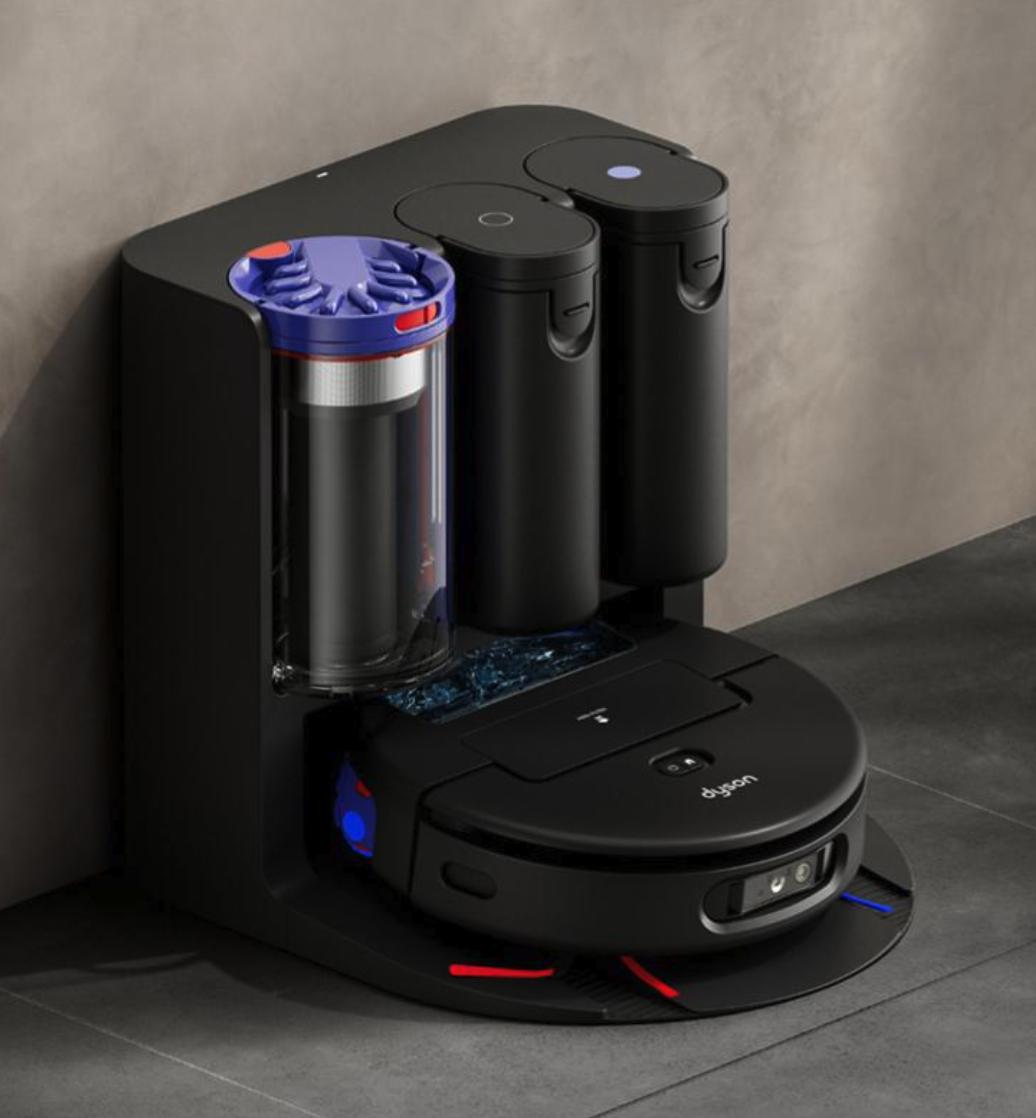
From the perspective of the depth of production participation, Shanchuan's technical strength has gone beyond simple assembly and manufacturing and penetrated into the core link of R & D and design. Through the acquisition of iRobot, Shanchuan is expected to implement a dual - track parallel strategic expansion similar to TCL's OEM + brand model.
In the most ideal situation, Shanchuan can combine its advantages in large - scale R & D and manufacturing, full - link technology, and cost control with iRobot's advantages in patents, brand, and channels to achieve a comprehensive upgrade of "Made in China product strength + Pass to the European and American markets".
You know, in order to compete for the overseas market, domestic brands have spent a lot of energy in recent years building overseas channels, bypassing international patent restrictions, and customizing products for different markets. And the seemingly harmless Shanchuan has spent only 20% of the price that Amazon offered back then to acquire iRobot, which has been deeply involved in the international market for decades. It has directly turned the overseas market into its home court.
In fact, a relevant person in charge of Shanchuan recently stated externally that the acquisition of iRobot is not a helpless move or a sudden idea as speculated by the outside world, but an active layout in Shanchuan's globalization strategy. He also revealed that after taking over, Shanchuan will introduce its mature technologies in fields such as laser navigation, base station integration, and AI algorithms to revitalize the once - glorious iRobot.
02 The Once - Star Company
iRobot's current sad situation is in sharp contrast to its past glory.
In 2002, iRobot launched its first household floor - cleaning robot, Roomba, pioneering the household cleaning robot market. Ten years later, when the cumulative global sales of iRobot's floor - cleaning robots exceeded 10 million units, its competitors were still traditional home appliance groups such as Samsung, LG, and Panasonic. Most of the domestic brands we see today hadn't even been established at that time.
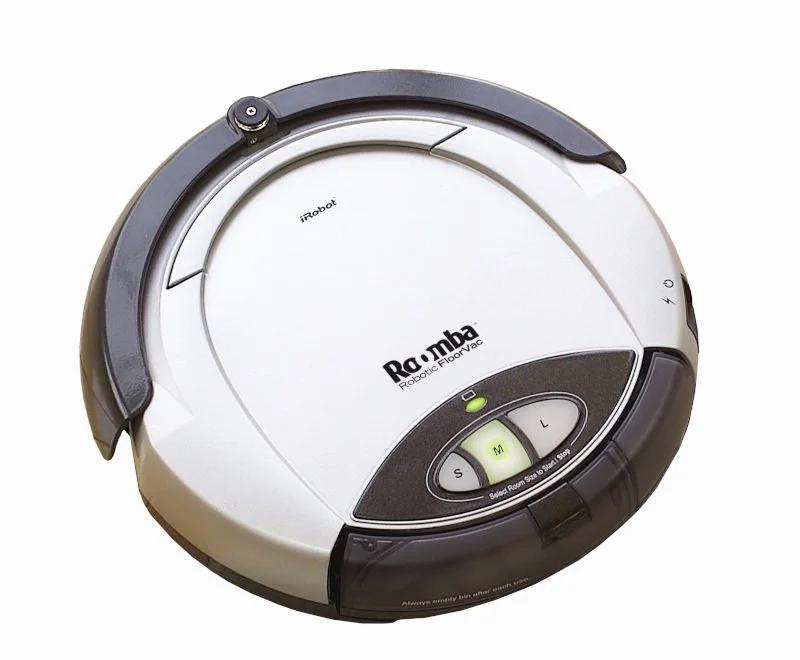
As the global leader that had long occupied more than 60% of the market share, at that time, the brand recognition in the floor - cleaning robot market was only iRobot and others. The popularity of Roomba established multiple standards for the early stage of the industry, such as product pricing, form, and user experience, and was almost synonymous with floor - cleaning robots.
However, looking at the development history of iRobot, the floor - cleaning robot was originally just a small branch of the company's large - scale practical robot matrix. The popularity of Roomba mainly satisfied the American consumers' fantasy about future life and smart home at that time. Before that, iRobot was originally a real geek - oriented innovation company and a symbol of American innovation spirit.
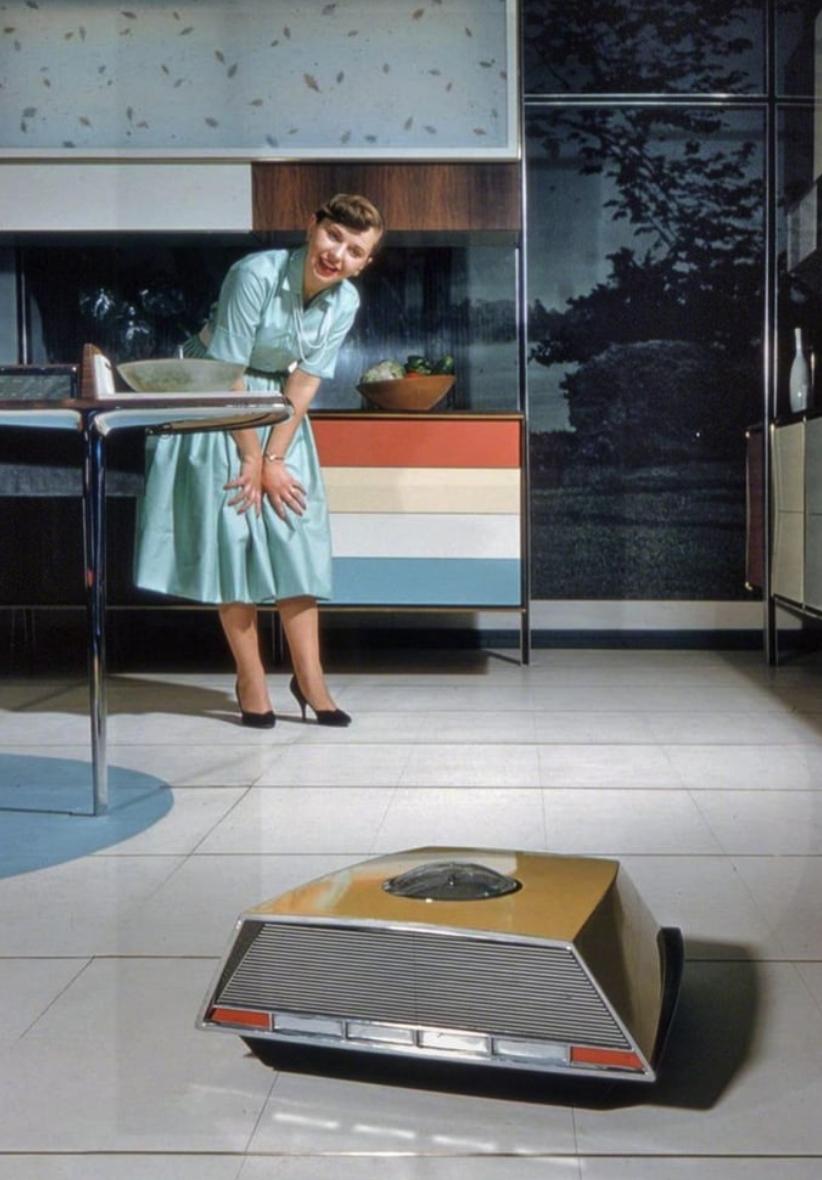
iRobot was founded in 1990. The founding team was mainly composed of members of the Artificial Intelligence Laboratory at the Massachusetts Institute of Technology, including Rodney Brooks, one of the founders of the field of embodied intelligence and known as the "Father of Modern Robots". Naturally, the vision of founding iRobot was not to create the world's best - selling floor - cleaning robot, but to apply robot research to the real world.

In the early days of its establishment, the company focused on developing robots for government and defense purposes. Its most famous PackBot robot had played a key role in military and disaster - relief fields. It could not only help American soldiers scout caves and bunkers in Afghanistan and Iraq and assist in urban combat but also identify and defuse improvised explosive devices (IEDs). After the collapse of the World Trade Center in the 9/11 incident and during the Fukushima nuclear disaster in Japan, the PackBot was also used for disaster exploration missions.
