The Outdoor Imaging Scene in 2025: The Intense Competition in Performance Subsides, Seamless Experiences Surge, and DJI and Insta360 Battle for Supremacy
When it comes to imaging this year, mobile phones are still the stars of the show. However, what many people truly regret is surprisingly simple: it's not that mobile phones can't take good enough pictures, but that you simply miss the moment.
For example, when cycling, both hands are on the handlebars, and during sports, you don't have the time to take out your phone. When you suddenly spot an interesting scene and pick up your phone, it's already too late. Even if you manage to take a shot, the picture is often blurry and shaky. Therefore, for users, "being able to record" has always been more important than "being clear."
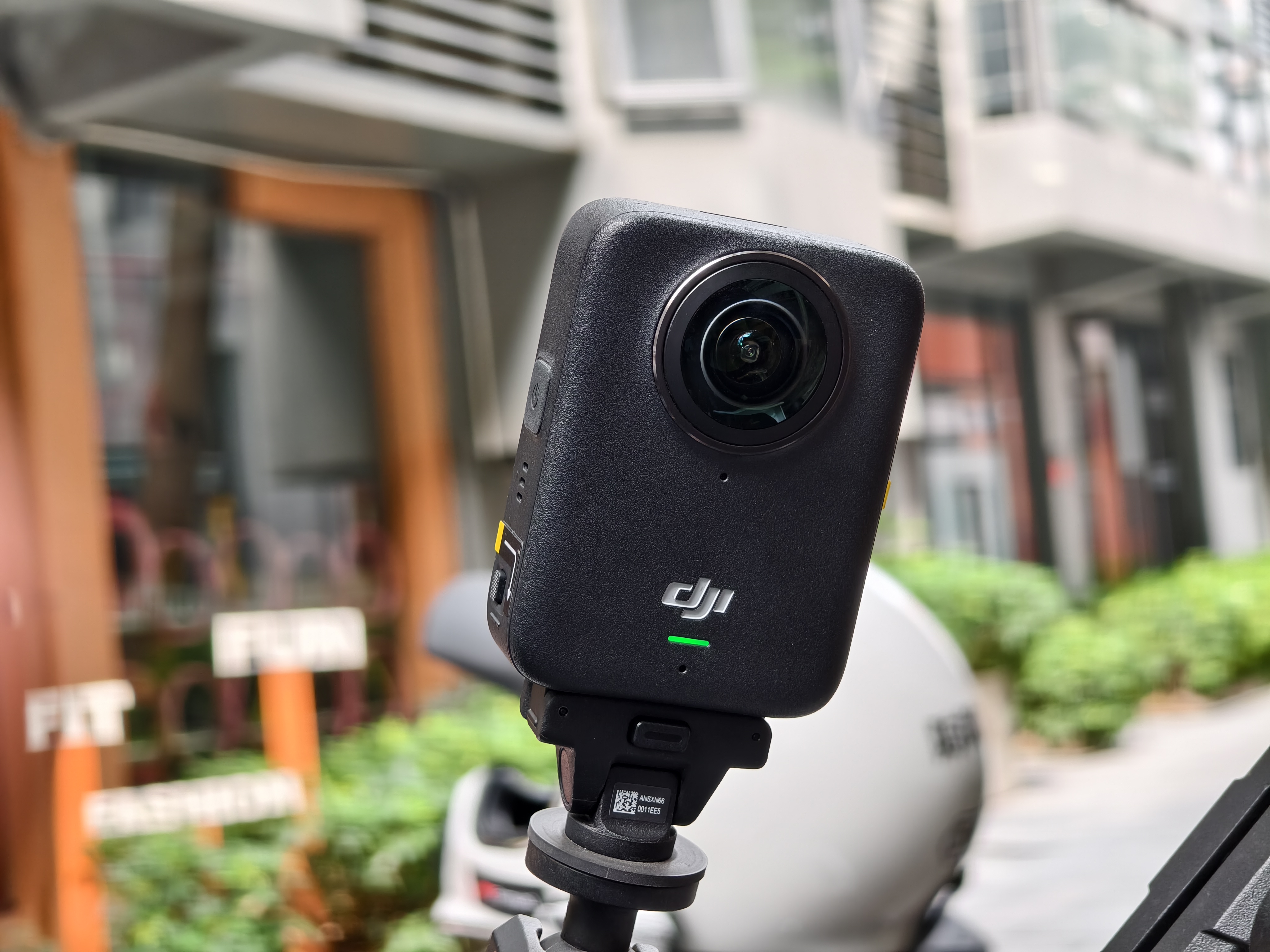
(Photo source: Captured by Lei Technology)
That's why the boom of outdoor imaging equipment in 2025 is no surprise. From follow - up drones that are like personal photographers to panoramic drones that can capture the whole space, and to thumb cameras that free your hands, they all aim for the same thing: you just enjoy yourself, and let the equipment handle the rest.
Why has outdoor imaging suddenly become so popular?
According to data from consulting firm QYResearch, the global sports camera market sales reached $2.292 billion in 2024 and are expected to reach $3.449 billion in 2031, with a compound annual growth rate (CAGR) of 6.1% (2025 - 2031).
In a nutshell, the success of outdoor imaging lies in the change in users' understanding of "getting good shots."
Previously, users defined "getting good shots" as preparing equipment, finding the right position, planning the composition, starting the recording, and then making post - production adjustments. Now, "getting good shots" is more about "a sense of life": while cycling, camping, accompanying children, or running, when something exciting happens, the equipment is already working.
Compared with mobile phones and traditional cameras, sports/panoramic/thumb cameras have three main advantages: no need to hold, continuous recording, and extreme durability. The idea is not to make every video amazing but to ensure that users have available footage at critical moments. Due to this shift in demand, sports/outdoor imaging equipment has seen an obvious improvement in reputation this year. They are no longer just toys for extreme sports enthusiasts but are starting to become the "second imaging system" for ordinary people's daily recording, just like mobile phones.
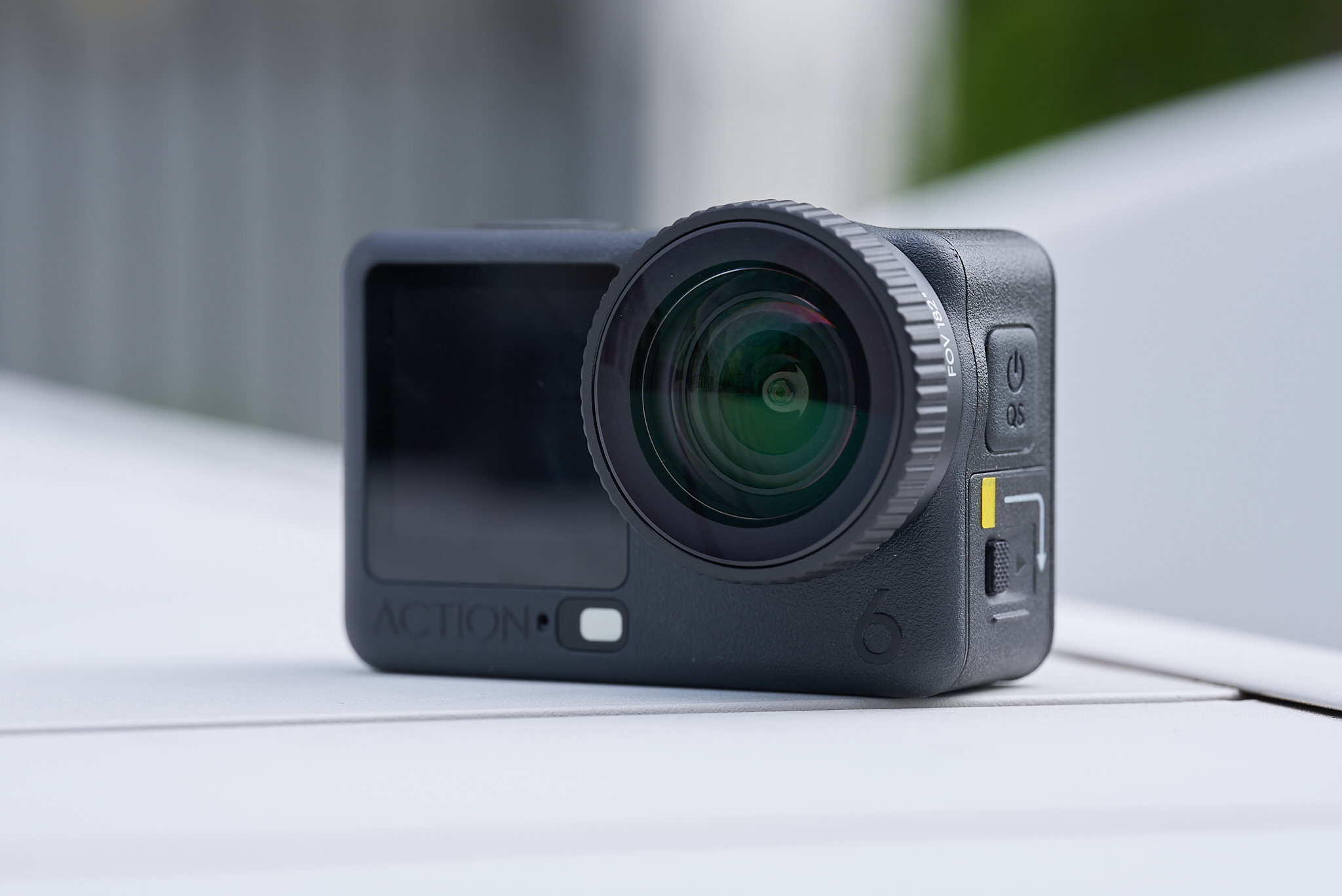
(Photo source: Captured by Lei Technology)
That's why one of the trends in outdoor imaging is to be lighter, smaller, and simpler, making users hardly notice its presence.
An interesting development is the evolution of the role of drones. In the past, drones were mainly used for "aerial landscape photography." This year, more and more users are buying drones not for grand scenery but for a stable and natural third - person perspective.
It sounds simple, but in reality, it's not easy for users. You need to know how to fly, compose, avoid obstacles, and select the subject.
Therefore, the most core improvement in drone experience in 2025 is to make flying more user - friendly. You don't need to master complex controls or constantly watch the remote control joystick and the video transmission interface. Most of the time, you just need to select a mode, specify an object, and let the machine handle the shooting.
The most typical example is DJI's Neo 2, which takes the concept of a "personal photographer" to the next level. With one - key takeoff, more intuitive triggering methods like gestures and voice, more reliable obstacle avoidance and following, and the ability to control with a mobile phone or watch, this "zero - learning - curve" interaction eliminates users' concerns about "complex operations."
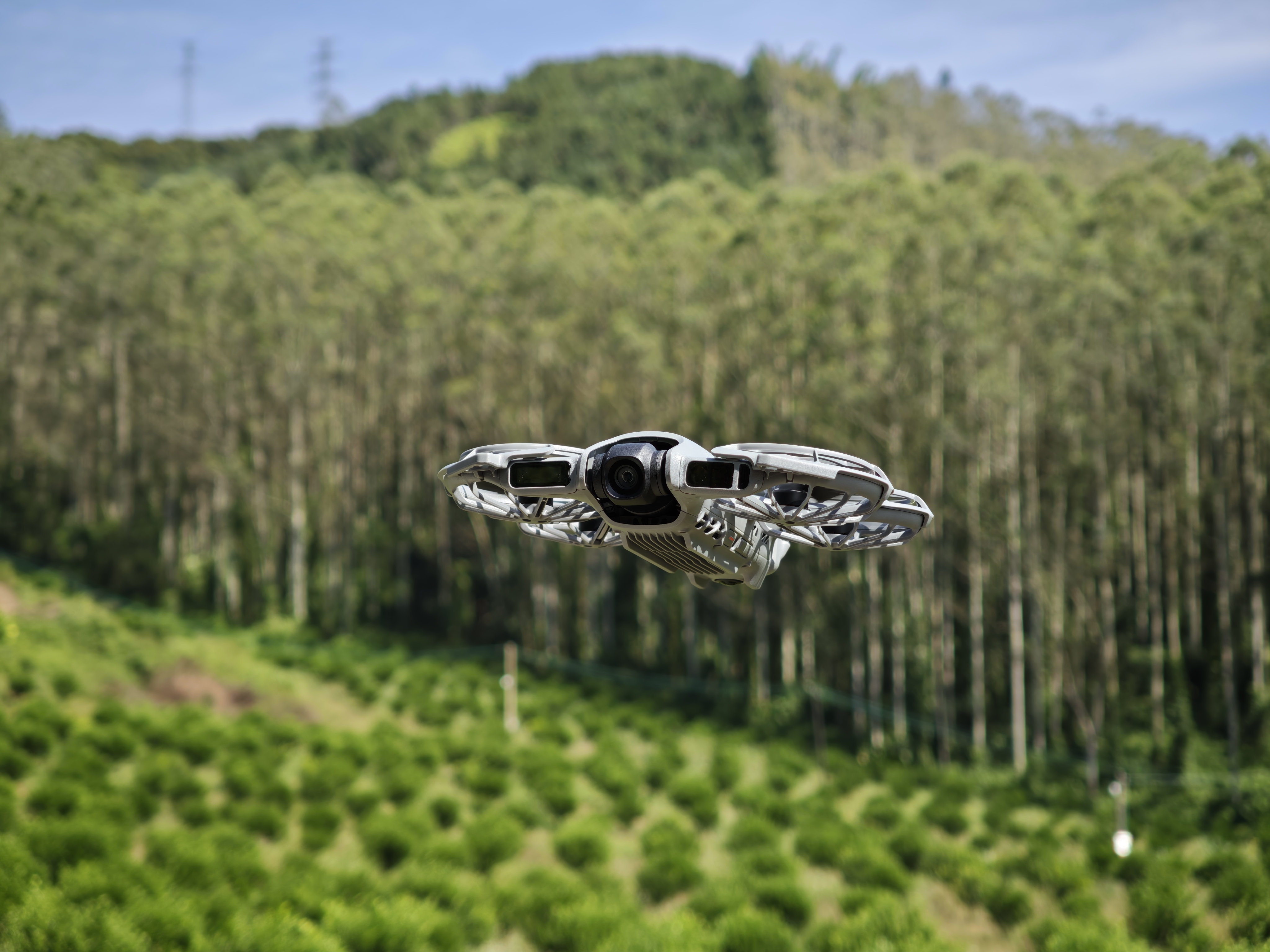
(Photo source: Captured by Lei Technology)
Insta360's Antigravity A1 takes a different approach to lower the threshold. If ordinary users don't want to decide on the composition on the spot, the panoramic drone offers a more hassle - free solution. You just let the drone fly around the area you want to shoot, without having to worry about "what angle looks good." Everything can be handled in post - production.
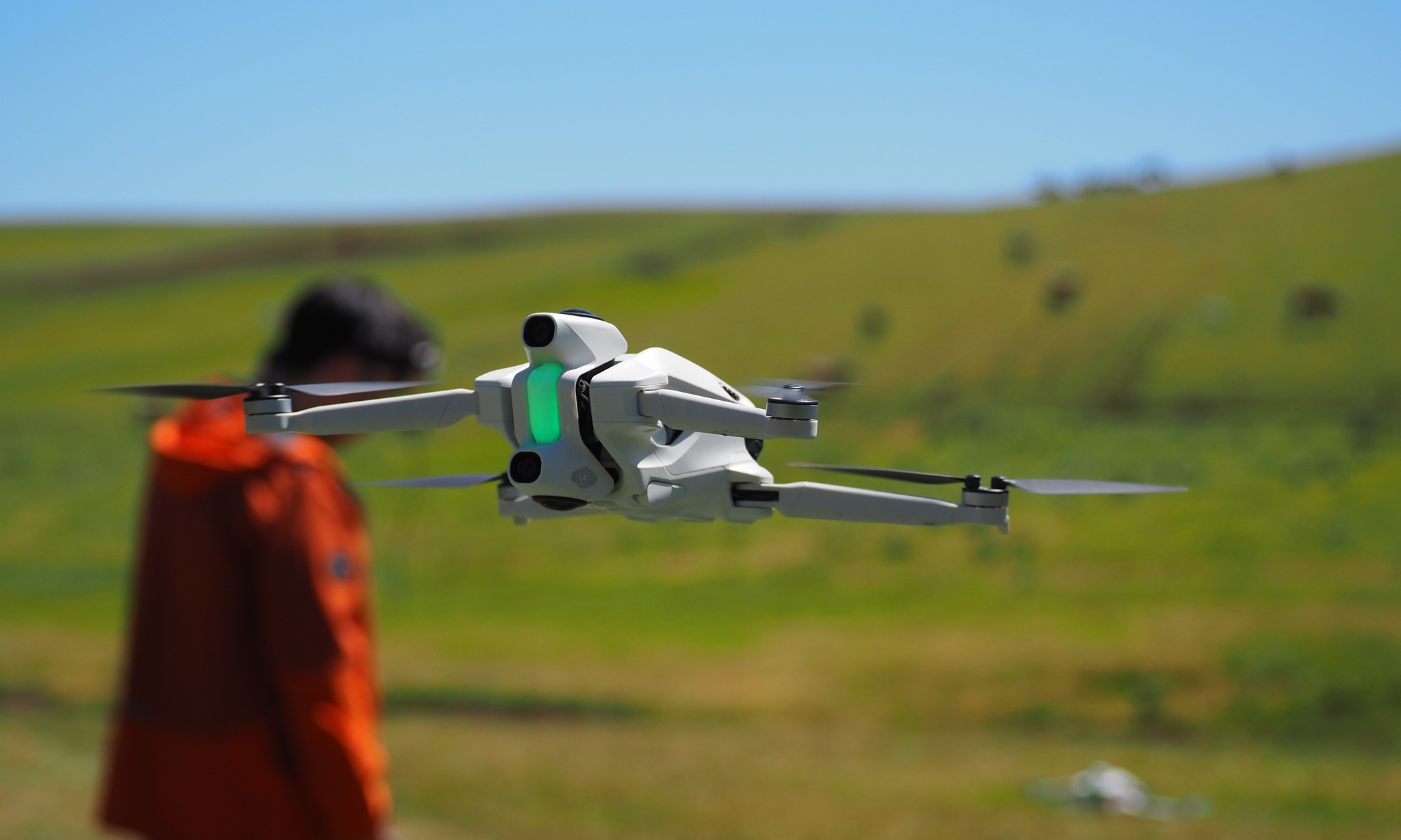
(Photo source: Captured by Lei Technology)
Although the two products are positioned differently, they both point to the same trend: simplicity and minimal operation. This means that the focus of the experience has shifted from "how skilled you are at operating" to "how stable the system is." What determines success is no longer just image quality but "reliability": will it lose the target when following, panic in complex environments, have a reliable return flight, and offer "fool - proof" and safe functions?
This is why this year you can clearly feel that discussions about drones are no longer limited to "pixels, focal lengths, bitrates, and dynamic range." Instead, more and more attention is on "usability and stability." When users are willing to let drones handle the entire shooting process, drones will truly evolve from niche tools to products widely accepted by the public.
Record everything first, then select the highlights
Another key trend in outdoor imaging this year is to "record first, then decide how to edit." The reason why panoramic cameras and panoramic drones have attracted wide attention this year is that they are essentially solving a long - standing but underestimated problem: In outdoor scenarios, how can you complete composition and shooting in the shortest time?
Traditional photography requires you to make the right decisions on the spot: where to point the lens, where to place the subject, what the proportion should be, and whether there are any obstructions. However, both Insta360's X5 and DJI's OSMO 360 eliminate half of these requirements. You first capture the whole space, and then select the best shots from the footage.
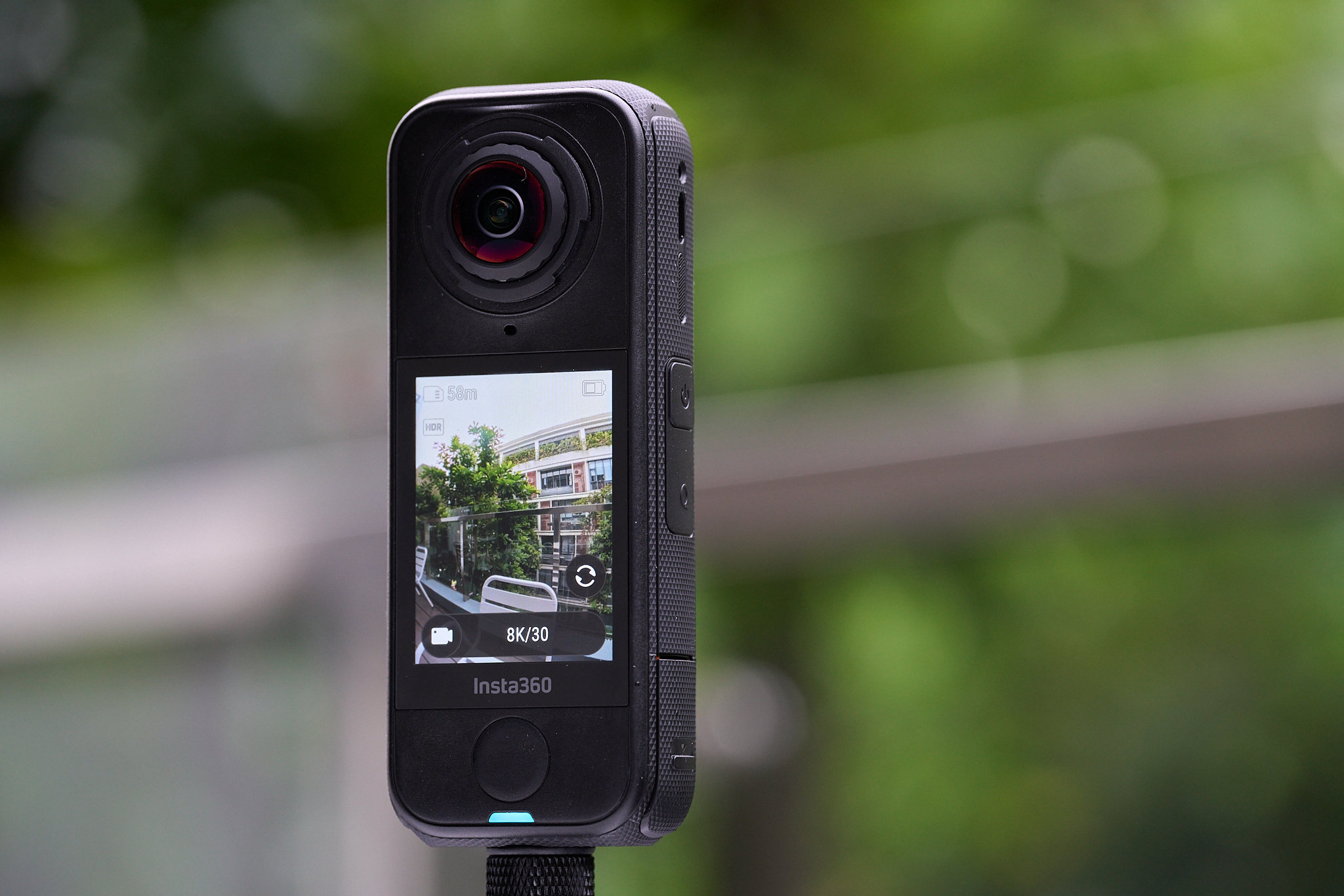
(Photo source: Captured by Lei Technology)
For ordinary users, this experience is almost a "game - changer" because it turns shooting from a "on - the - spot problem" into a "post - event choice," greatly increasing the margin for error.
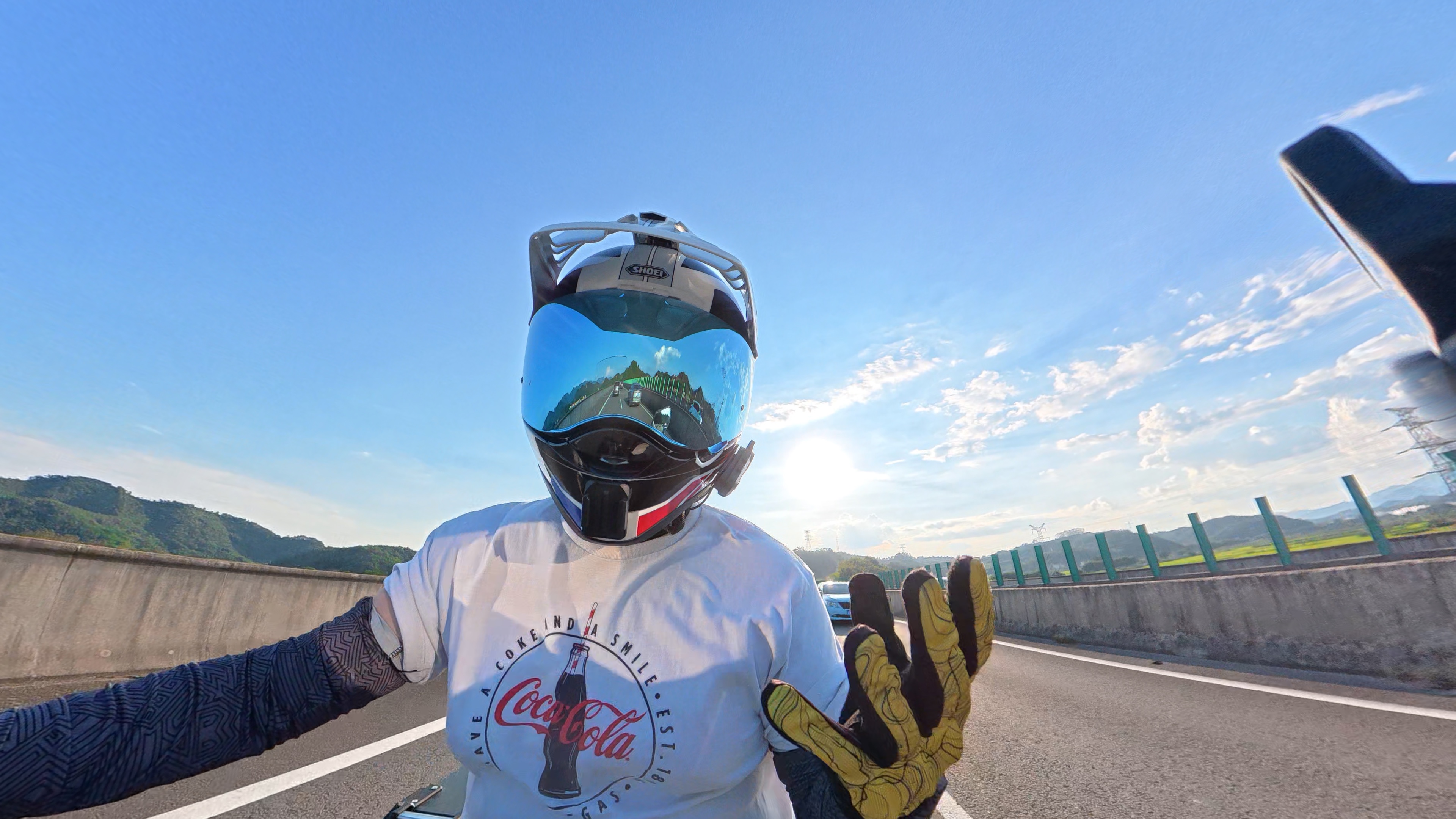
(Photo source: Captured by Lei Technology)
However, the increase in the margin for error means that users have to deal with more and more fragmented footage. Therefore, Insta360 and DJI are working on functions such as AI automatic editing, automatic highlight detection, automatic subject following, and automatic platform - ratio adaptation. In addition to basic image quality and shooting experience, software experience, footage management, automated editing, and templated shot language have also become key factors in determining reputation. The one who can help users go from "recording" to "sharing" faster will be more popular among consumers.
This is why the role of panoramic cameras this year is much clearer than in previous years. It is no longer just a synonym for "asteroid effects" but has become a "negative tool" to solve composition anxiety and increase the success rate of getting good shots. Insta360 continues to perfect the features of "portability, ease of use, and good editing," encouraging users to use panoramic cameras to record the whole environment in more scenarios. DJI, on the other hand, tries to integrate panoramic imaging into a more complete imaging system with its mature anti - shake, color correction, and ecosystem.
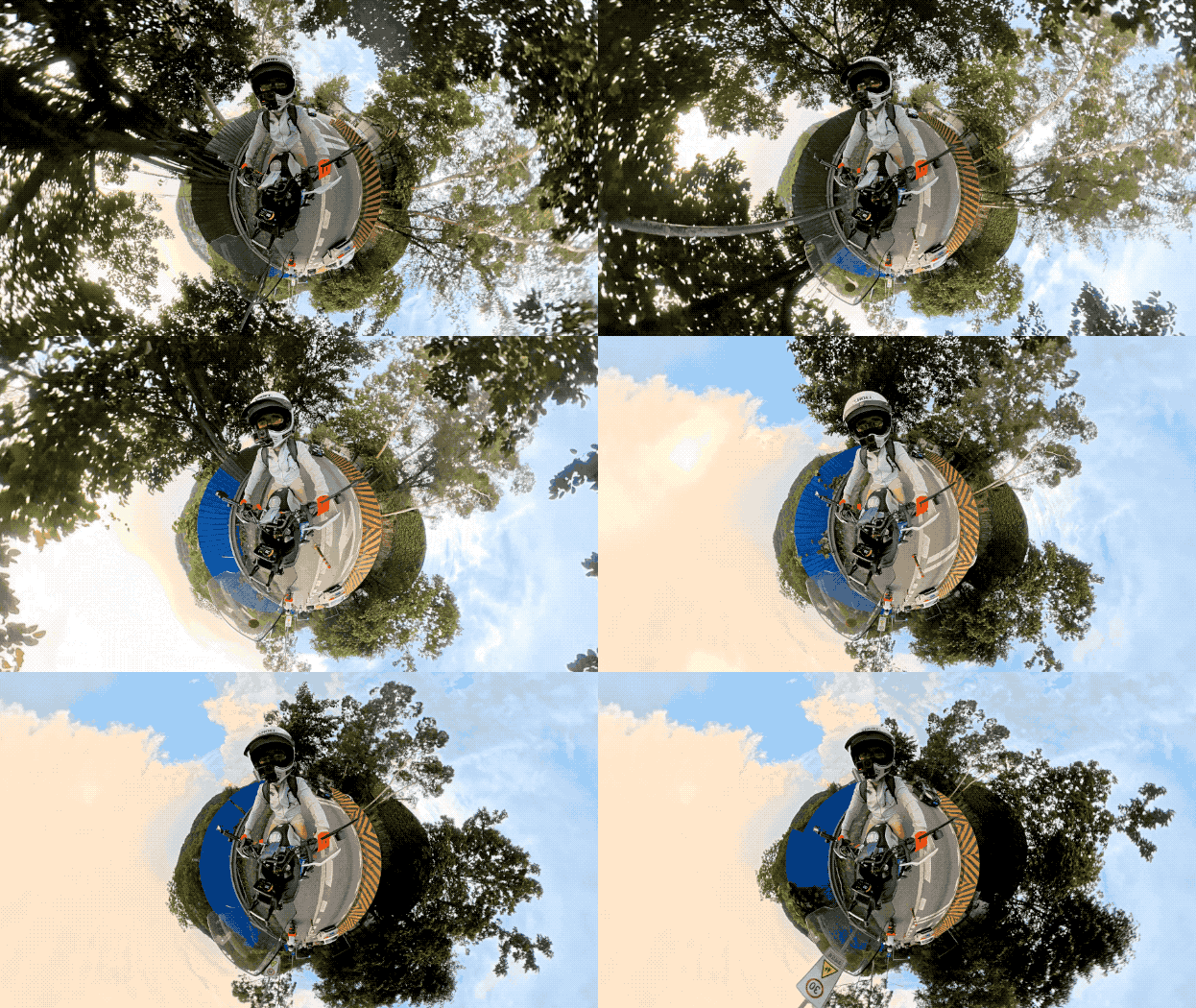
(Photo source: Captured by Lei Technology)
As a result, panoramic cameras have evolved from "a new and cool category" to a key part of the outdoor imaging system. You may not always use it to shoot cool shots, but when you don't know what will happen next and don't want to think about composition on the spot, the panoramic camera is your "insurance." It captures people and the environment first, and then the software and time will help you select the best moments.
If drones solve the problem of the "third - person perspective" and panoramic cameras solve the problem of "composition and editing," then the product closest to "daily shooting" in 2025 is the thumb camera. It perfectly solves the problem of first - person perspective recording.
Some readers may question why they should buy a thumb camera with shorter battery life and slightly lower image quality when sports cameras also offer a first - person perspective. As a frequent user of sports cameras, Lei Technology's evaluation is: I know it's good, but I'm too lazy to set it up.
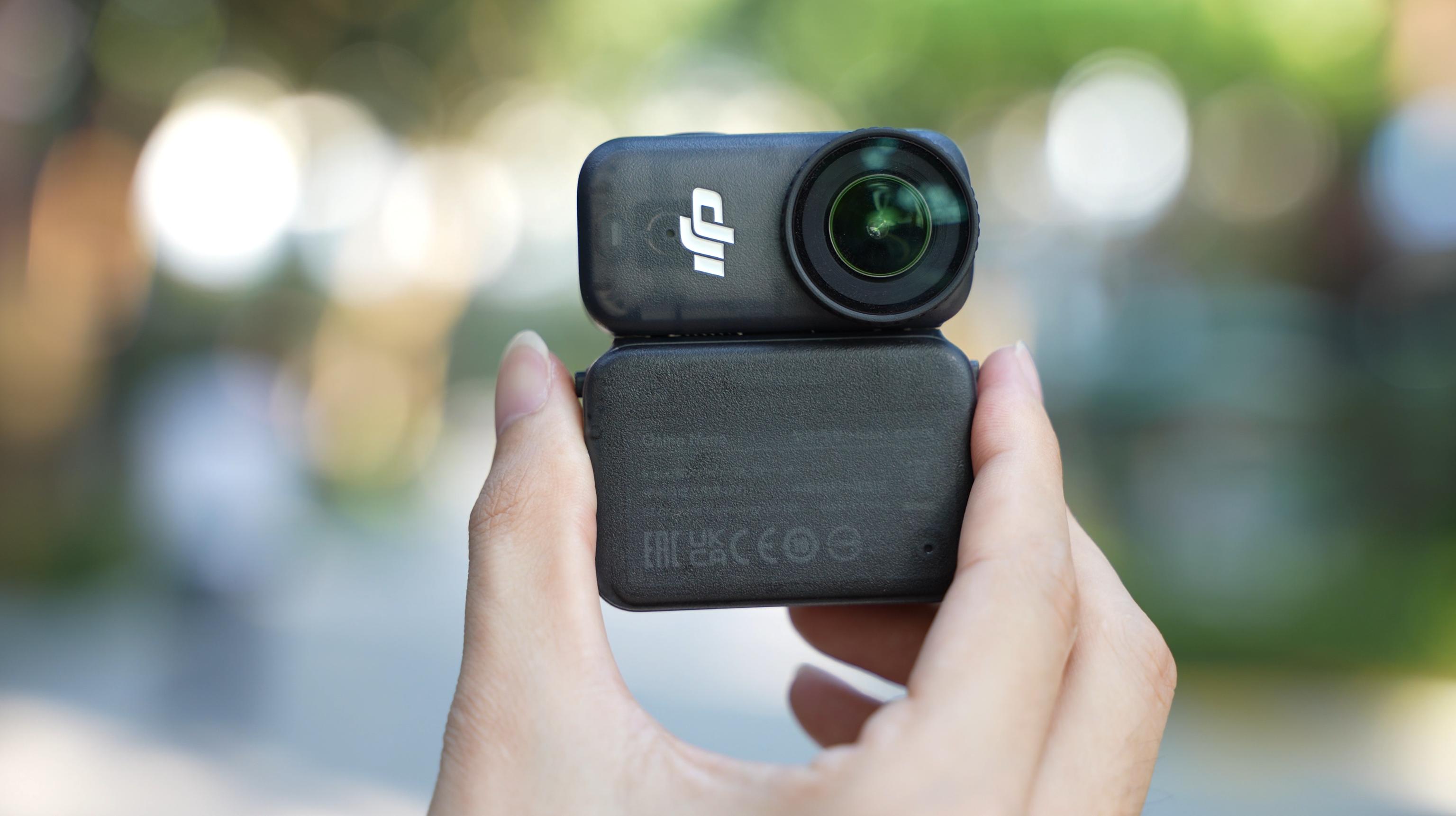
(Photo source: Captured by Lei Technology)
Due to their product features, sports cameras sacrifice some advantages. For better waterproof and shock - resistant performance, most sports cameras are thick and black, which means they usually need special mounts and straps to be worn or fixed. The wearing process is relatively cumbersome.
When users are just going out for a walk with their kids, commuting by bike, taking a stroll in the city, or playing with pets, a sports camera can seem like a hassle. The value of the thumb camera is to turn "cumbersome" into "convenient." It is lighter, smaller, easier to magnetically attach or clip, less intrusive, and can be triggered more intuitively, making recording as natural as wearing headphones.
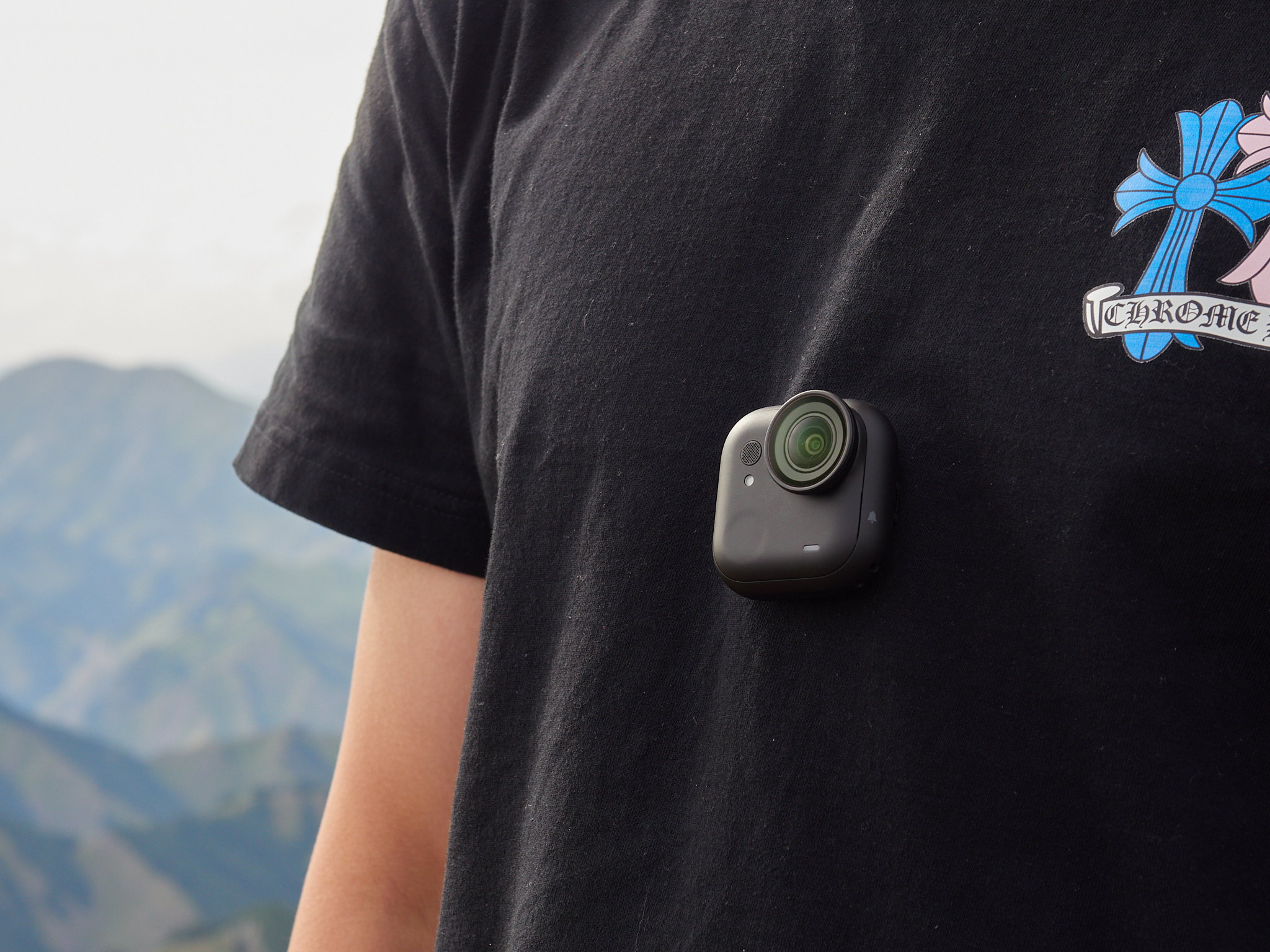
(Photo source: Captured by Lei Technology)
Both Insta360 and DJI are strengthening this product line this year, launching Insta Go Ultra and OSMO Nano respectively. However, their underlying goal is the same: to make "image recording" a habit for more users.
In short, it changes the way of recording from "should I bring a camera out specifically" to "just clip it on when going out." Once you get used to this almost imperceptible wearing method, sports cameras can handle more extreme scenarios, drones can provide more dramatic perspectives, panoramic cameras can take care of composition and error - tolerance, and thumb cameras can record the most trivial and daily moments.
More importantly, it will change users' judgment of "the value of imaging." Not every piece of footage needs to be amazing, but it allows users to record every bit of their lives in a more unobtrusive way.
Meanwhile, traditional sports cameras are not "standing still" this year. Instead, they are consolidating their positions.
For example, DJI continues to improve the Action series in terms of "durability." The new Action 6 still focuses on anti - shake, heat dissipation, and reliability in extreme environments, making extreme operations like attaching it to a handlebar, diving into waves, or hanging it on the side of a helmet more like routine tasks. Insta360, on the other hand, integrates its best - in - class algorithms and ease of use into the traditional sports camera form with the Ace Pro 2. It combines intelligent automatic editing and AI recognition with user - friendly operation logic. Coupled with various photography kits launched by Insta360, users are starting to treat the Ace Pro 2 as a "serious camera."
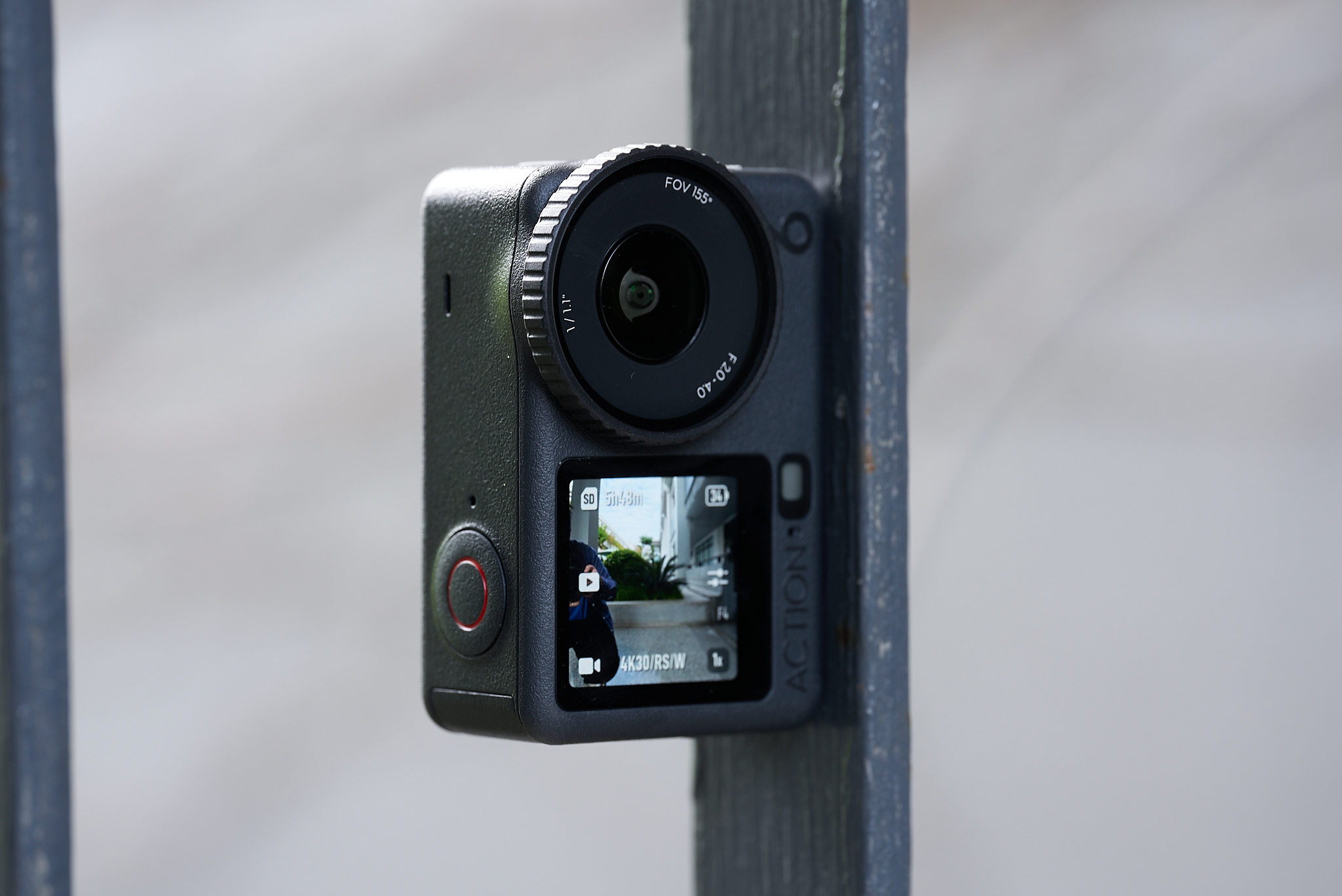
(Photo source: Captured by Lei Technology)
Although their approaches are different, the end - goals are similar. For many people who are used to bringing cameras out, the value of sports cameras is not about "having an extra perspective." Instead, when they decide to shoot high - quality footage during skiing, cycling, or diving, sports cameras will always have a place.
The durable body, sufficient battery life, good image quality, and versatile mounting positions provide a unique "sense of reliability." This is why sports cameras can still hold their ground in the face of new trends like drones and panoramic cameras.
The real winner is the one who lets users do less
If you combine the strategies of DJI and Insta360 in 2025, you can clearly see the industry trend: outdoor imaging is gradually simplifying what used to be a "troublesome" task.
Previously, when users wanted to "shoot some footage" outside, it meant checking guides, calculating the number of batteries needed, finding shooting positions, and carrying a lot of equipment. Now, more and more users