Xiaomi to scrap standard version of SU7, next-gen model to start with Pro version, price may rise by 20,000 yuan
Two years after its launch, the Xiaomi SU7 is about to reach the most critical turning point in its life cycle.
As Xiaomi's first foray into the automotive market, the SU7 delivered an impressive report card in 2025: cumulative sales exceeded 250,000 units, firmly placing it in the first echelon of the pure - electric sedan market priced over 200,000 yuan. In most months, it outperformed the Tesla Model 3.
However, after entering the fourth quarter, this once - "traffic king" began to show signs of fatigue. In the just - past November, the sales of the SU7 dropped from the peak of 29,000 units per month to 12,500 units.
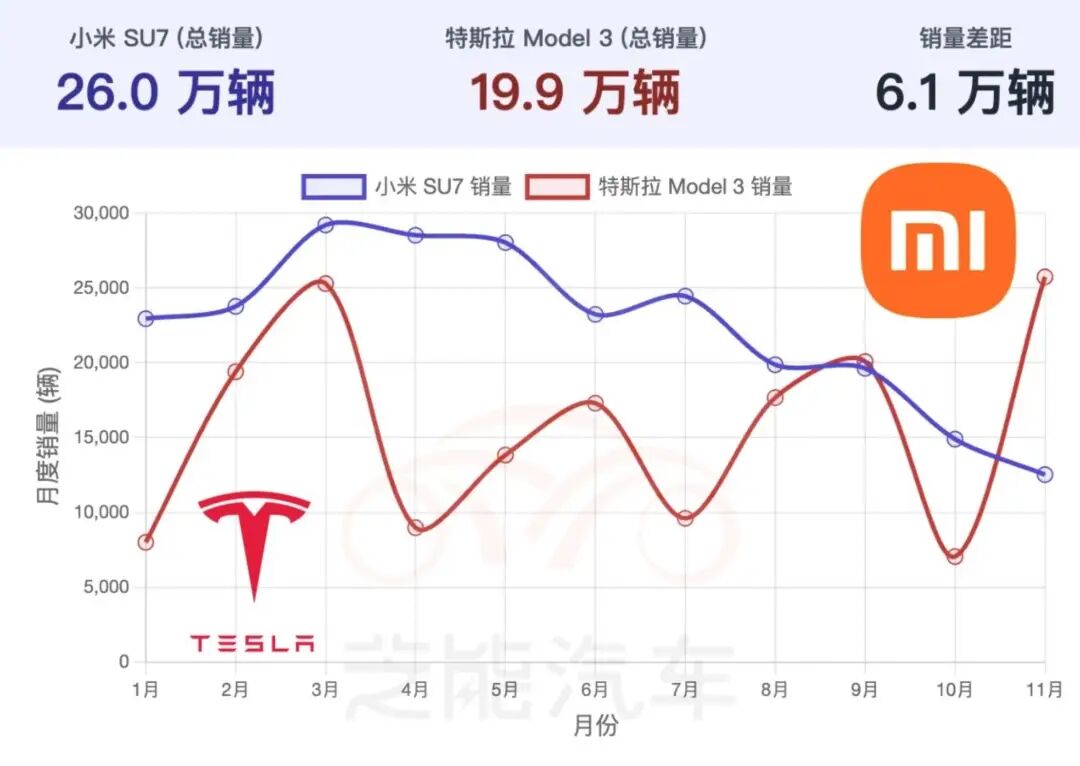
Charting: Zhineng Automobile
Behind this, there is indeed the impact of the diversion of customers by its own new model, the YU7. However, the more core issue is that - looking back at the end of 2025, this product launched two years ago has already fallen a bit behind the times in terms of product definition.
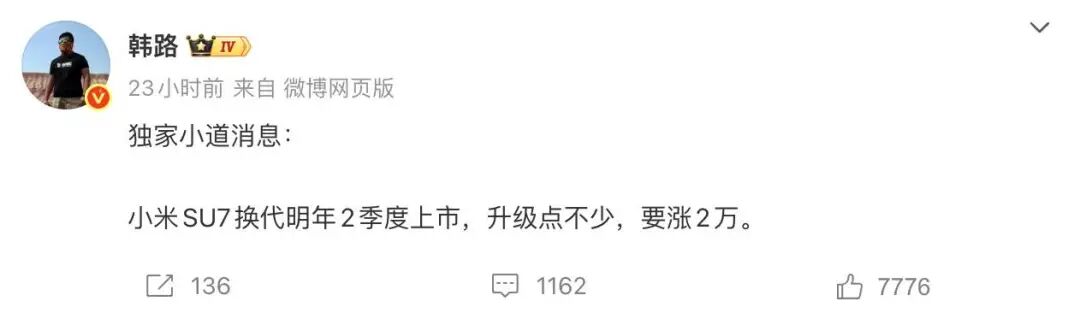
On December 17th, well - known automotive blogger Han Lu revealed that the replacement model of the Xiaomi SU7 will be launched in the second quarter of 2026. The new car will not only have a significant upgrade in configuration but also its price is expected to increase by about 20,000 yuan.
If the revelation is true, the starting price of the replaced SU7 may increase from 215,900 yuan to around 235,900 yuan, and the high - end version will exceed the 300,000 - yuan mark.
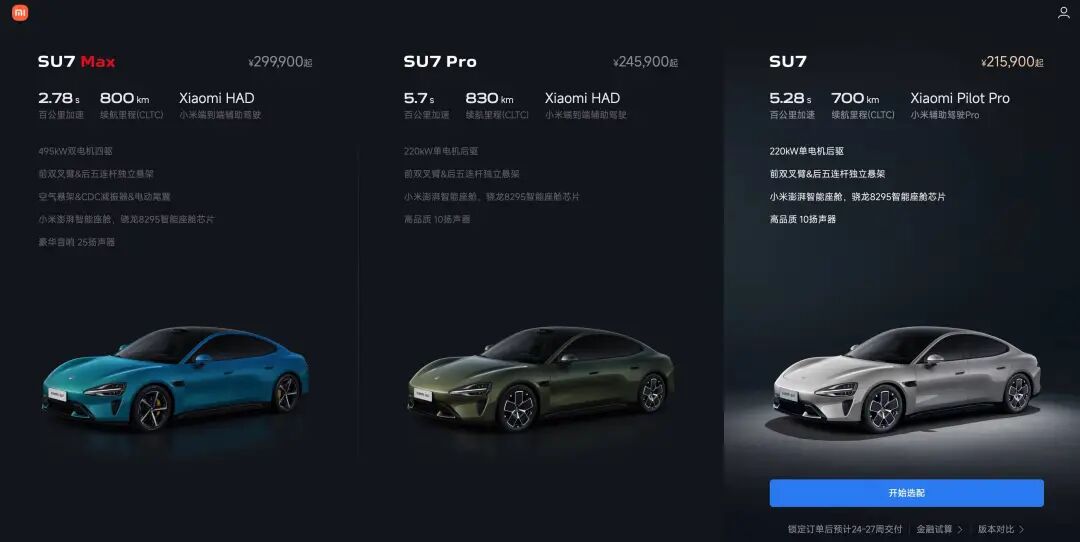
Current price of the Xiaomi SU7
Although a nearly 10% price increase is rare in the industry, a price hike does not necessarily mean a collapse in sales. Whether consumers will buy it depends on whether the "sincerity of the upgrade" is sufficient to cover the "price increase".
A recent successful example is the AITO M7. In September this year, the replaced M7 chose to increase the price by 30,000 yuan. However, it still delivered over 30,000 units within 57 days thanks to a powerful upgrade, which proves that as long as the product strength is strong enough, the market is still willing to pay for high - value products.
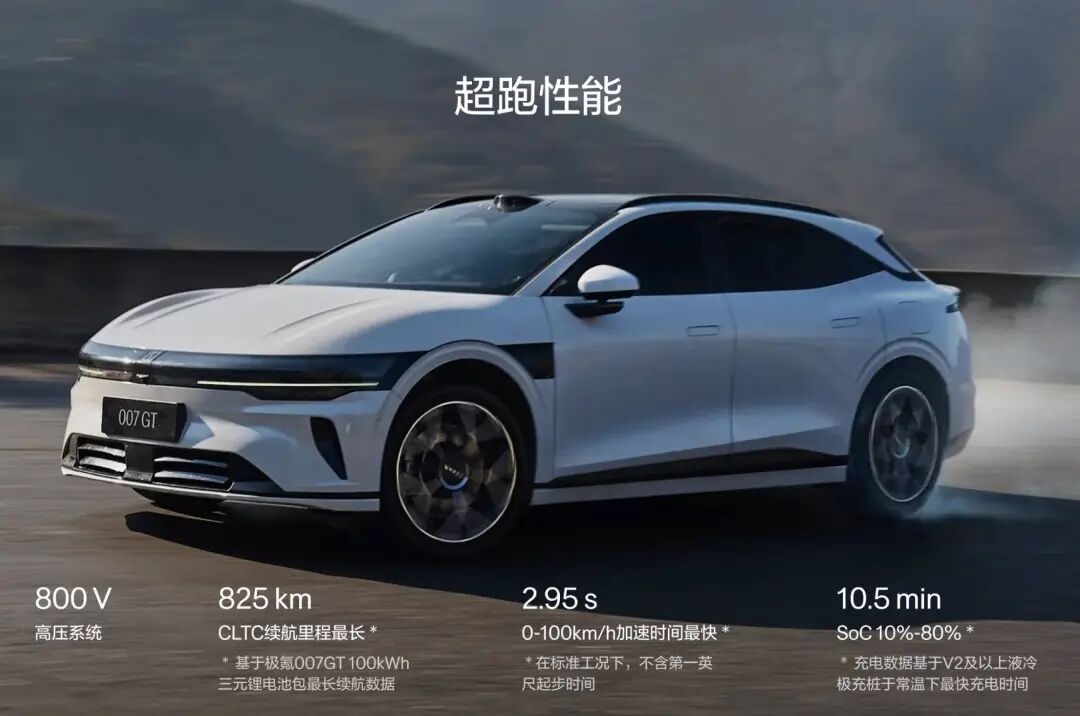
When the SU7 was launched in March 2024, with its exterior design and ecological connectivity, it was the most competitive model in the 200,000 - yuan sedan market. However, now that competitors such as Zeekr and XPeng have introduced the 800V high - voltage platform to models priced under 200,000 yuan, the 400V architecture still used in the standard and Pro versions of the SU7 has become a major drawback in terms of parameters, directly discouraging some consumers who value charging efficiency and energy consumption.
In addition, the lack of lidar in the entry - level model and the non - support for high - order urban NOA in the differential configuration also make the SU7 a bit passive in the increasingly competitive intelligent driving field.
Therefore, according to information from the supply chain, the core of the upgrade of the 2026 Xiaomi SU7 lies in "fixing weaknesses" and "going beyond specifications".
First of all, the high - voltage platform will be fully popularized. The new car is expected to be standard with an 800V high - voltage architecture across the entire range, and the entry - level model will also have a 5C - level super - charging capacity, completely eliminating the gap with competitors in terms of energy replenishment efficiency.
Secondly, various intelligent hardware will also be standard across the entire range. The replaced model will no longer distinguish between high - and low - end versions in terms of assisted driving capabilities. Instead, it will be standard with lidar across the entire range and upgrade the intelligent driving chip to NVIDIA Thor. The computing power far exceeds that of the current Orin - X, so as to uniformly provide Xiaomi's high - order assisted driving capabilities (HAD) across all models, whether high - end, mid - range, or entry - level.
In terms of the three - electric system and the chassis system, the replaced SU7 will introduce the same second - generation Kirin battery as the SU7 Ultra, add an electromagnetic adjustable shock absorber, and the Max version will be upgraded to a dual - chamber closed air suspension.
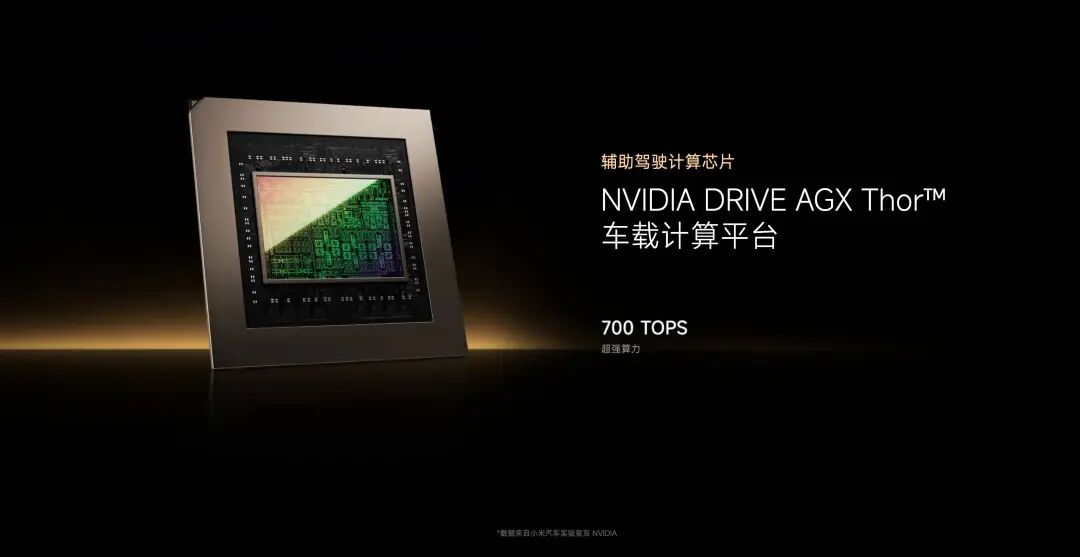
NVIDIA Thor chip installed on the Xiaomi YU7
If the replaced SU7 indeed has lidar, an 800V high - voltage platform, and a high - computing - power intelligent driving chip across the entire range as rumored, it is actually equivalent to eliminating the current standard version. The hardware specifications of the entry - level model will directly match the current Pro version, and the product lineup will essentially start from the "Pro - level".
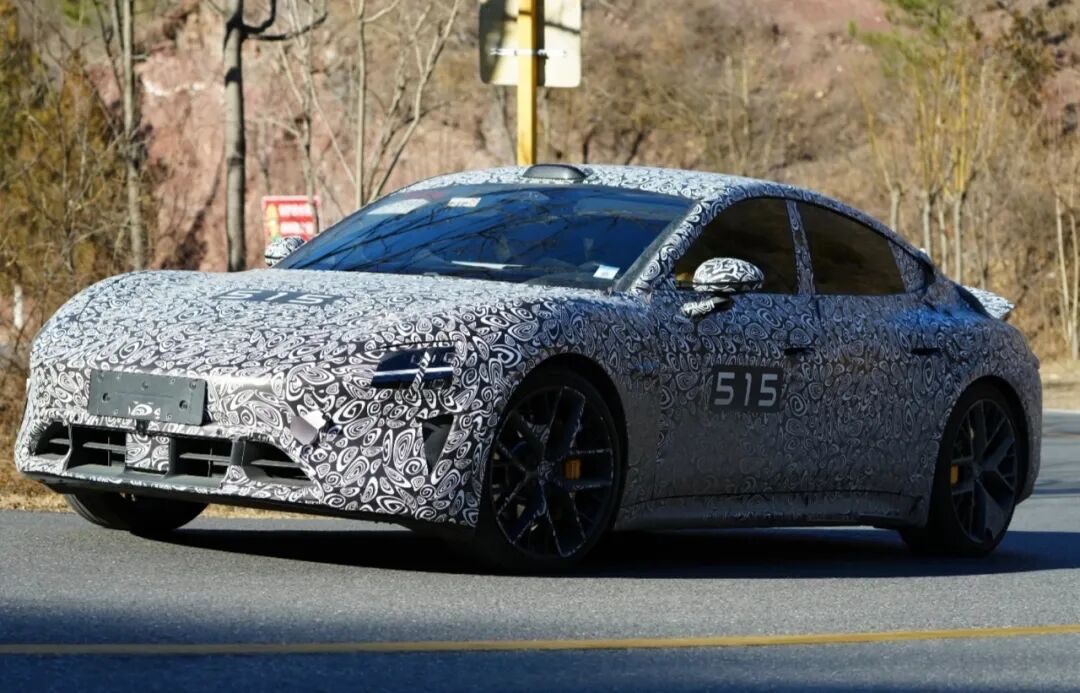
Spy photo of the replaced Xiaomi SU7
In addition to the cost increase brought about by the product's own upgrade, the change in the external supply chain environment is also an important factor promoting the price increase.
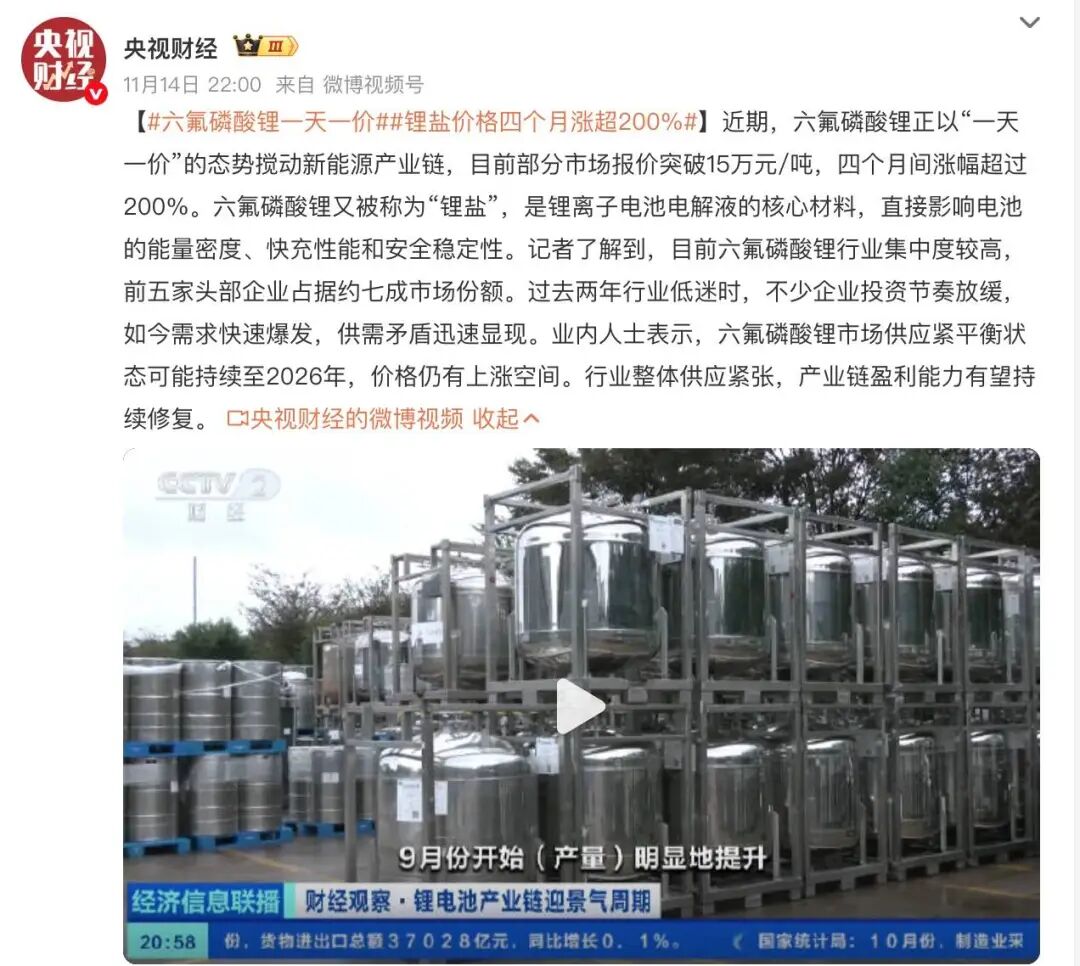
In the second half of 2025, the long - dormant lithium - battery raw material market experienced a structural increase. The price of lithium hexafluorophosphate doubled in two months, the price of lithium cobalt oxide increased by more than 150%, and the price of battery - grade lithium carbonate approached the 100,000 - yuan/ton mark again. For Xiaomi, which has not yet achieved the scale of vertical integration like Tesla and BYD, the impact of raw material price fluctuations on profit margins is more direct.
Against the background of rising cost thresholds and compressed low - price competition space, supporting a higher ASP (average selling price) through configuration upgrades may be the only solution for Xiaomi to maintain a healthy business operation.
This may also indicate a new trend in the automotive industry in 2026. During the period of rising raw material costs, car - makers will gradually move away from the simple strategy of "trading price for volume" and instead seek to increase the value of each vehicle.
In addition to the regular model replacement, Xiaomi is also expanding the SU7 product line. The recently exposed long - wheelbase version, the SU7 L, has an increased wheelbase and vehicle length, aiming to improve the rear - seat space and target the niche market with higher requirements for riding comfort.
Combined with the upcoming new models such as the YU9 (family SUV) and YU7 GT (performance SUV), Xiaomi is trying to cover the three major scenarios of family, performance, and luxury through multiple product lines.
Under this layout, the positioning of the SU7 will also change subtly. It no longer needs to bear all the sales pressure alone but can focus more purely on the young group that pursues handling and technological innovation.
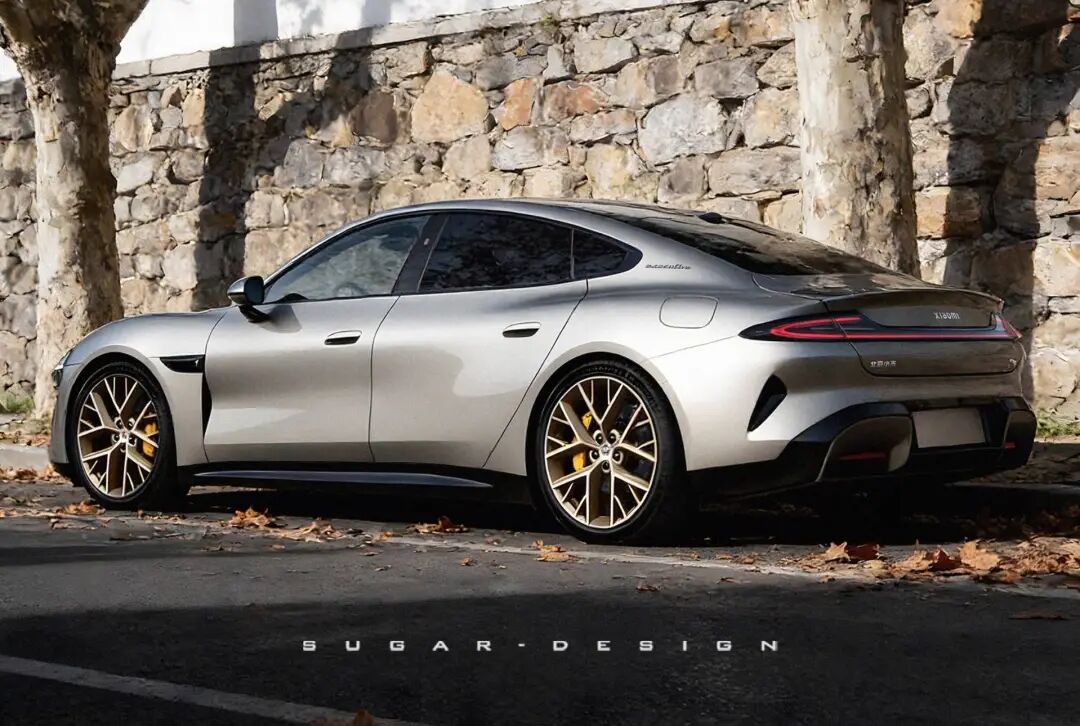
Rendering of the Xiaomi SU7 L, Image source: @SugarDesign
The current external environment is not optimistic.
Data from the Passenger Car Association shows that in the first two weeks of December 2025, the average daily retail sales of passenger cars nationwide decreased by 32% and 17% year - on - year respectively. With the phasing - out of the purchase tax incentive policy and the wait - and - see attitude of consumers, the passenger car market is under significant pressure.
Xiaomi's recent actions such as shortening the delivery cycle and opening up the option of in - stock vehicle selection have also been interpreted by some dealers as defensive measures to cope with the slowdown in demand.
From the perspective of the industry rhythm, launching a replacement model in 21 months is still within the scope of a mid - cycle facelift for traditional car - makers. However, in the current Chinese new - energy vehicle market, most brands iterate once a year or even upgrade every six months, making Xiaomi seem a bit conservative.
Under the triple pressure of the fading policy dividends, the siege of competitors, and the high costs, Xiaomi must use this model replacement to prove that the SU7 is still the top choice in the 200,000 - yuan pure - electric sedan market.
This article is from the WeChat official account "Dong Che Hui", author: Jiemo. Republished by 36Kr with permission.