A 50-fold price increase in one year: Does yttrium, a rare earth element, hold the United States back?
It's skyrocketing!
This year, the price of yttrium oxide, a strategic rare - earth metal raw material, has soared.
From $6 per kilogram at the beginning of this year, it rose to $11 per kilogram by mid - June.
By the end of November, the CIF price of 99.999% pure yttrium oxide in Europe skyrocketed to $220 - $320 per kilogram.
In less than a year, the price has increased by up to 50 times!
Will the United States, which imports over 90% of its yttrium oxide, be "choked" this time?
01 Rare but Important
Yttrium is a silvery - white metal with an atomic number of 39 and the element symbol Y.
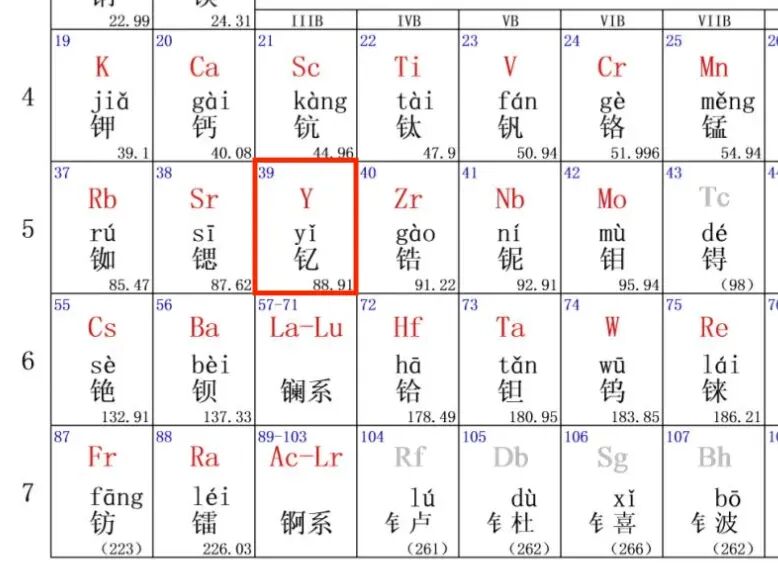
Yttrium's position in the periodic table of elements
It is the most abundant heavy rare - earth element in the earth's crust and was the first to be discovered.
As early as 1787, Sweden discovered gadolinite, and two years later, yttrium oxide was also discovered.
Since yttrium is associated with other rare - earth elements and its powder is unstable in the air, it wasn't until 1828 that elemental yttrium was first isolated.
Yttrium oxide (Y2O3) has excellent physical and chemical properties such as high temperature resistance and a high melting point. It is indispensable in fields such as metallurgy, medicine, optics, and batteries.
In common optical materials such as LED lighting, plasma display panels, and fluorescence spectroscopy (FL), the phosphors that play a role are all doped with yttrium oxide.
Because the yttrium - 90 isotope of yttrium is radioactive, has a half - life of 64 hours (neither too long nor too short), and has a radiation range of only 2.5 millimeters, yttrium - 90 is an ideal radioactive nuclide for clinical treatment.
Through radioactive precision guidance, yttrium - 90 can trigger a "self - implosion" of tumors.
Through vascular intervention, microspheres loaded with yttrium - 90 can be precisely delivered to the hepatic artery to treat tumor lesions accurately.
The "needle" made of yttrium - 90 is more precise than a scalpel and can be used to cut pain nerves in the spinal cord. In the treatment of rheumatoid arthritis, yttrium - 90 can also be used in synovectomy of inflamed joints.
In June this year, after being irradiated by the "Hefu No. 1" of Qinshan Nuclear Power Plant, the yttrium - 90 glass microspheres were successfully taken out of the reactor and passed relevant tests, marking that China has successfully mastered the technology of producing yttrium - 90 in commercial reactors and can achieve mass production.
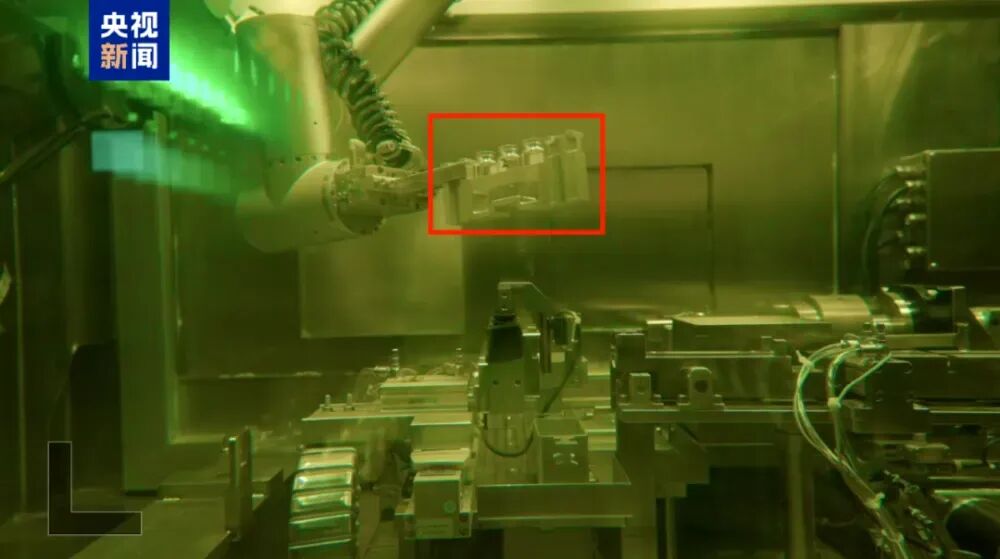
"Hefu No. 1" is irradiating yttrium. Image source: CCTV News
In addition, yttrium isotopes also have great application prospects in medical fields such as antibacterial and antivirus, drug delivery, and biological imaging.
In the metallurgical industry, adding a small amount of metallic yttrium to non - ferrous metal alloys such as magnesium, aluminum, and titanium can significantly purify the melt, improve the microstructure of the alloy, and enhance the alloy's strength, high - temperature resistance, and corrosion resistance.
These alloys are widely used in high - tech fields such as aerospace, military, and robotics.
For example, yttrium - magnesium alloys are used to manufacture the turbine blade bases of aircraft engines and the load - bearing structural parts of spacecraft.
Alloy components can reduce weight by up to 15% while maintaining excellent mechanical properties.
Adding 6% yttrium oxide and 2% aluminum to silicon nitride ceramics can be used to manufacture high - performance ceramic components for high - temperature engines.
In the welding processes of the military and aerospace industries, the yttrium - tungsten electrodes used can produce arcs with large penetration and slender arc beams during medium and high - current welding, meeting the welding requirements of special materials.
The YBCO second - generation superconducting material is a high - temperature superconducting laminated material with a yttrium - barium - copper - oxygen (YBa2Cu3O7) structure. It has a high critical transition temperature above 77K (about - 196.15 degrees Celsius), as well as a high irreversible magnetic field and high current - carrying capacity. It is the core material of the "super magnet" in China's controllable nuclear fusion device, the "EAST".
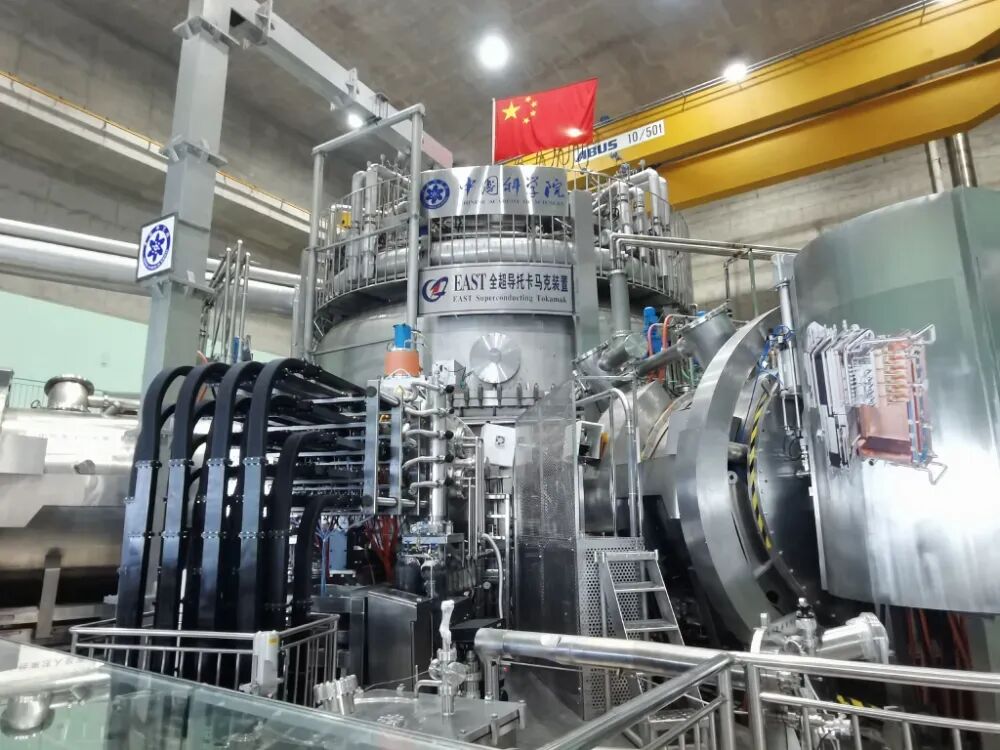
EAST
In addition, the development of a new type of lutetium yttrium oxyorthosilicate crystal has been successful, and significant breakthroughs have also been made in the research of laser - transparent ceramics doped with neodymium - lanthanum - yttrium oxide.
From heat - resistant alloys for aerospace engines, to precision anti - cancer weapons in the medical field, to superconducting magnetic field materials, yttrium has a wide range of uses, mostly in emerging technology fields.
The high - tech products related to it and the core materials in cutting - edge equipment reflect the strategic value of yttrium.
02 Tightening Supply
Yttrium oxide has a wide range of uses, so the market is naturally large.
According to a survey by Growth Market Reports, the global yttrium oxide market size was approximately $4.13 billion in 2024 and is expected to reach $7.09 billion in 2033, with a compound annual growth rate of 6.2% from 2025 to 2033.
The market is an invisible hand, and prices are determined by supply and demand. Price increases are usually due to scarcity.
In response to the "tariff stick" waved by the United States, on April 4, 2025, China's Ministry of Commerce and General Administration of Customs announced export controls on seven categories of medium - heavy rare - earth related items, including samarium, gadolinium, terbium, dysprosium, lutetium, scandium, and yttrium.
According to the Regulations on Export Control of Dual - Use Items, exporters of relevant items need to declare the use and end - users, and the competent authorities will review the applications within 45 working days.
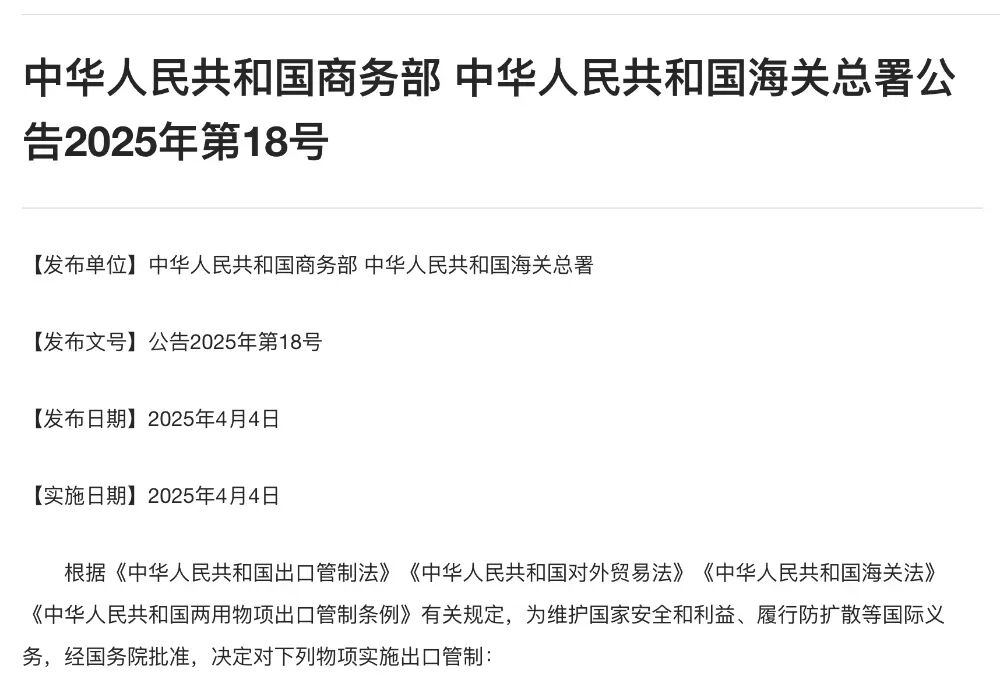
Export control announcement
As the world's largest producer of yttrium oxide, China accounts for over 93% of the global market capacity. After the policy was implemented, the export volume of yttrium oxide in the first half of the year was only 120 tons, a year - on - year decrease of 78%, directly cutting off the global market's supply source.
In sharp contrast, according to data from the U.S. Geological Survey, in the four years before 2024, over 90% of the yttrium oxide in the U.S. market came from China; Europe does not produce yttrium oxide, and over 80% of its imports last year came from China.
As China maintains its stance, the inventory of yttrium oxide in the hands of overseas traders has decreased rapidly.
Although the global yttrium market is opaque and the inventory seems unevenly distributed, the industry generally estimates that the yttrium raw materials outside China can last for one to twelve months.
A rare - earth trader said that their inventory has plummeted from 200 tons to only 5 tons, while other traders reported having no materials at all.
Yttrium is widely used and irreplaceable in fields such as semiconductors, aerospace, and medicine. It's reasonable that the global "scramble for yttrium" has driven up the price.
The shortage and price surge of yttrium directly threaten two crucial sectors in the United States.
The Aerospace Industries Association of America (AIA) has expressed deep concern about the yttrium shortage. Yttrium is indispensable for the production of the world's most advanced jet engines.
Special alloys for manufacturing aircraft engines and high - temperature - resistant coatings for turbine blades both require the addition of yttrium.
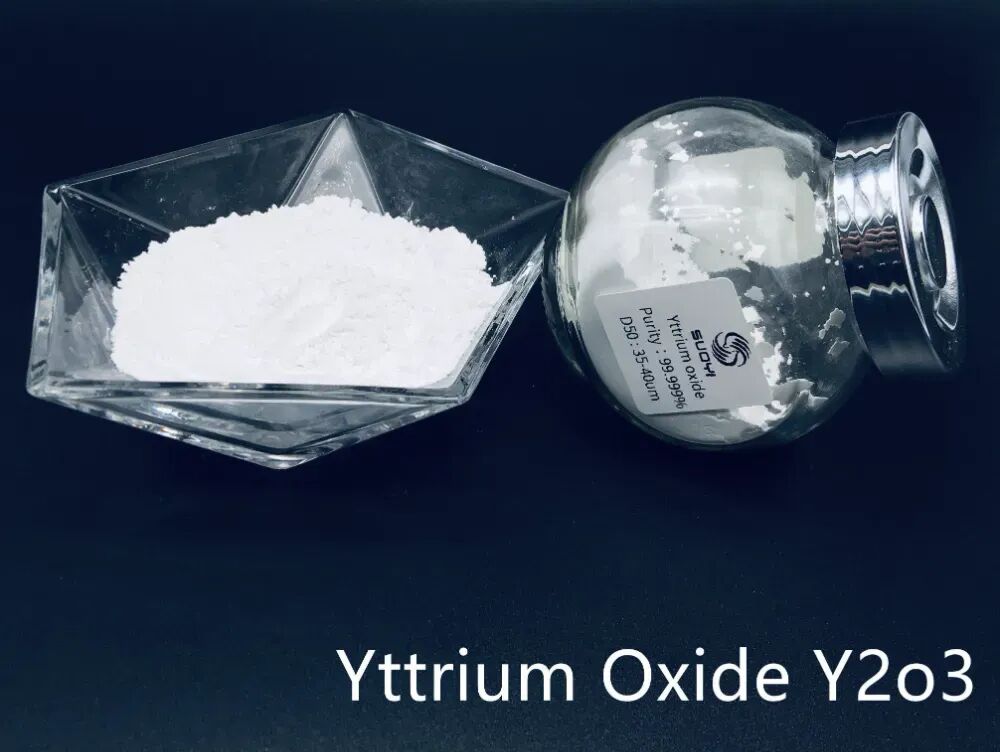
White powder of yttrium oxide
In semiconductor manufacturing, yttrium oxide thin films are high - performance dielectric layers in certain wafer processes.
An anonymous person in the semiconductor industry rated the current severity of the yttrium shortage as 9 out of 10, vividly illustrating the tightness of the supply chain.
Although factories have not shut down immediately, longer delivery times and higher costs are inevitable.
If export controls can be regarded as a "stranglehold", the suffocating feeling in these two major U.S. industries is now all too obvious.
In fact, not only yttrium but also the prices of all rare - earth products under China's export control have soared in the past six months.
China is the country with the richest rare - earth resources in the world. In 2024, its proven reserves were about 44 million tons, accounting for nearly half of the world's total proven reserves. At the same time, China is the only country with a complete rare - earth industrial chain and can provide all 17 rare - earth metal products.
China is also the world's largest rare - earth producer. In 2024, the world's total rare - earth output was 390,000 tons, and China's output reached 270,000 tons, accounting for nearly 70% of the global output.
China's rare - earth products are exported to 64 countries and regions. Japan and the United States are the largest buyers, purchasing 28% and 25% of China's exported rare - earths respectively.
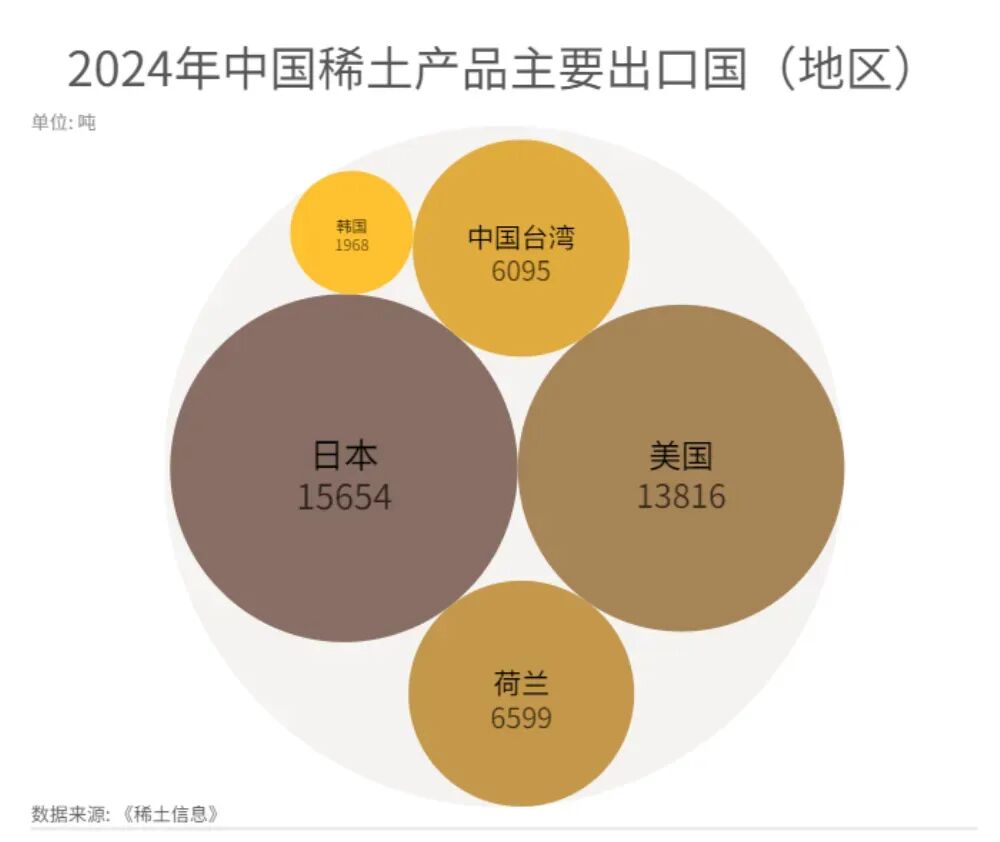
Major export destinations of China's rare - earth products in 2024
This wave of price increases, although triggered by the Trump administration's tariff policy, also happens to be an opportunity for China to strengthen export controls on medium - heavy rare - earths and a return of the value of China's rare - earth raw materials.
03 The U.S. Tries to Save Itself
To cope with the price fluctuations and supply - chain risks of critical minerals including yttrium, the United States and its allies are taking a series of measures to save themselves.
In July this year, the U.S. Department of Defense acquired 15% of the preferred shares of MP Materials, the largest rare - earth producer in the United States, for $400 million, becoming the company's largest shareholder.
After taking control of MP, the Department of Defense immediately expanded the scale of yttrium mining at the Mountain Pass mine on the border between California and Nevada.
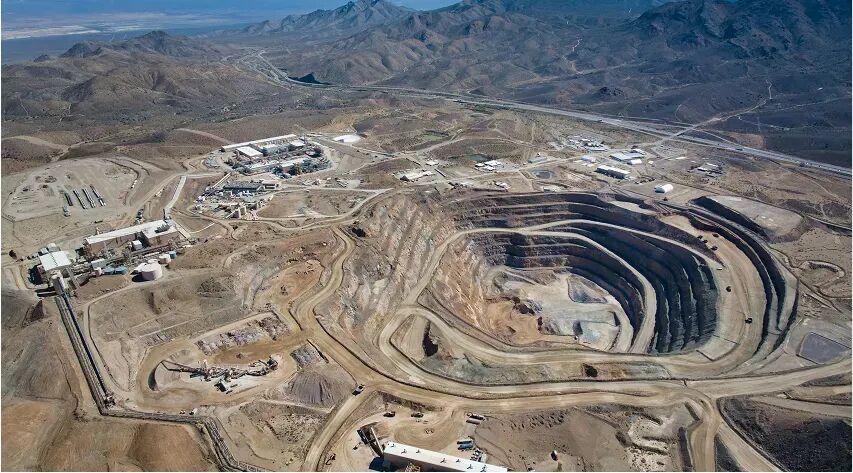
The panorama of the Mountain Pass mine, taken in 2024
As a purchaser, the Department of Defense also signed a ten - year purchase agreement with a guaranteed floor price with MP.
The price offered in July was $110 per kilogram, which seemed high but has already been exceeded.
However, this move implies that the United States clearly regards rare - earth resources as strategic assets in the escalating geopolitical competition with China.
In terms of refining, ReElement Technologies in the United States plans to expand the scale of its super - factory in Marion, Indiana, this year, with the annual output of yttrium oxide expected to reach 200 tons. On this basis, it will double next year.
Australia, an ally of the United States, is one of the major producers of yttrium, with production areas mainly in Western Australia, the Northern Territory, and New South Wales.
Lynas Rare Earths claims to be improving the beneficiation and smelting process at its Mount Weld mine in Western Australia to increase the output of high - purity yttrium oxide, but the specific production capacity is unknown.
Companies such as Northern Minerals and Alkane Resources are also following suit, and their production capacities are also unknown. However, according to the prediction of the U.S. Geological Survey, the annual output in areas such as Mount Weld and Browns Range in Australia is dozens to hundreds of tons.

The Mount Weld mine pit of Lynas
In addition to stimulating production, the United States is also directly intervening in the market by stockpiling critical minerals on a large scale to ensure the demand for rare - earth products in its core sectors such as national defense.
In October 2025, the U.S. Department of Defense announced a strategic mineral reserve procurement plan worth up to $1 billion.
This plan is specifically for purchasing a variety of critical metals including scandium oxide. Since scandium has similar properties and applications to yttrium, this clearly shows the United States' emphasis on such metals.
By using national power for large - scale stockpiling, the U.S. government is sending a strong signal to the market that it is committed to reshaping the global resource supply chain "from mine to end - product" and weakening the dominance of a specific country (i.e., China) in the field of critical metals.
To this end, the Americans are even considering