The Sino-European automobile trade deficit stands at 19 billion yuan. Who would still dare to claim that Chinese automobiles are not competitive?
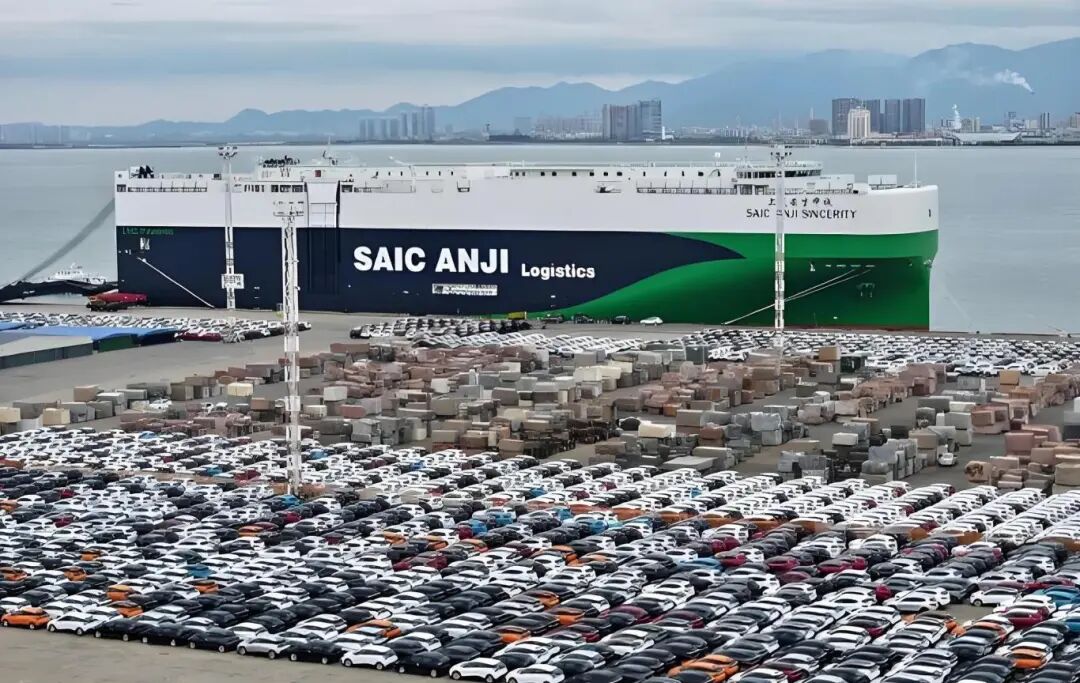
With the development of the industry and the improvement of technology, Chinese cars are gradually making their way into overseas markets, integrating with the global automotive landscape. In this process, the influence of Chinese cars has also been gradually strengthening. However, it's truly astonishing to discover just how powerful the influence of Chinese cars has become. Reports indicate that by the end of this year, the number of cars imported by EU member states from China may exceed the number of cars exported for the first time.
It's important to note that in our traditional perception, although the overseas expansion of Chinese cars has been in full swing, especially with sales records being continuously broken in recent years, Europe, as the cradle of the automotive industry, has always been an exporter of automotive products and technologies, sending advanced products and technologies around the world and earning substantial "price differentials," that is, the so - called trade surplus.
Take 2022 for example. There was a surplus of 15 billion euros in European car exports to China. However, in just three years, the situation has undergone a fundamental reversal. Reports suggest that for the first time, there will be a trade deficit in the China - EU automotive trade, with the value of EU car imports from China expected to exceed exports by 2.3 billion euros (approximately 19.09 billion yuan).
Don't underestimate this shift in the balance of power. This turning point is not only a clear sign of the rise of the Chinese automotive industry but also a landmark event in the restructuring of the global automotive industry's power structure. In the future, the trade surplus of European car exports to China may become a thing of the past. In this context, who can still claim that Chinese cars are not strong?
Relying on the New Energy Revolution, the Power Balance in China - EU Automotive Trade Shifts
For a long time, the European automotive industry has been almost synonymous with automotive civilization.
The exquisite craftsmanship of German engineers, the dynamic aesthetics of Italian design, and the unique charm of French cars have formed an unshakable brand perception in the minds of global consumers. Although the Chinese automotive market is huge, it has long played the role of a "student" - exchanging the market for technology and production capacity for experience.
Looking back to the early 2000s, almost all mid - to high - end cars on Chinese roads were European brands. German cars such as Volkswagen, Mercedes - Benz, BMW, and Audi dominated the high - end car market in China. In contrast, Chinese domestic brands were squeezed into the low - end market, struggling to survive. At that time, the European automotive industry had full confidence in the Chinese market: technological leadership, strong brands, and a mature supply chain, forming a comprehensive competitive advantage.
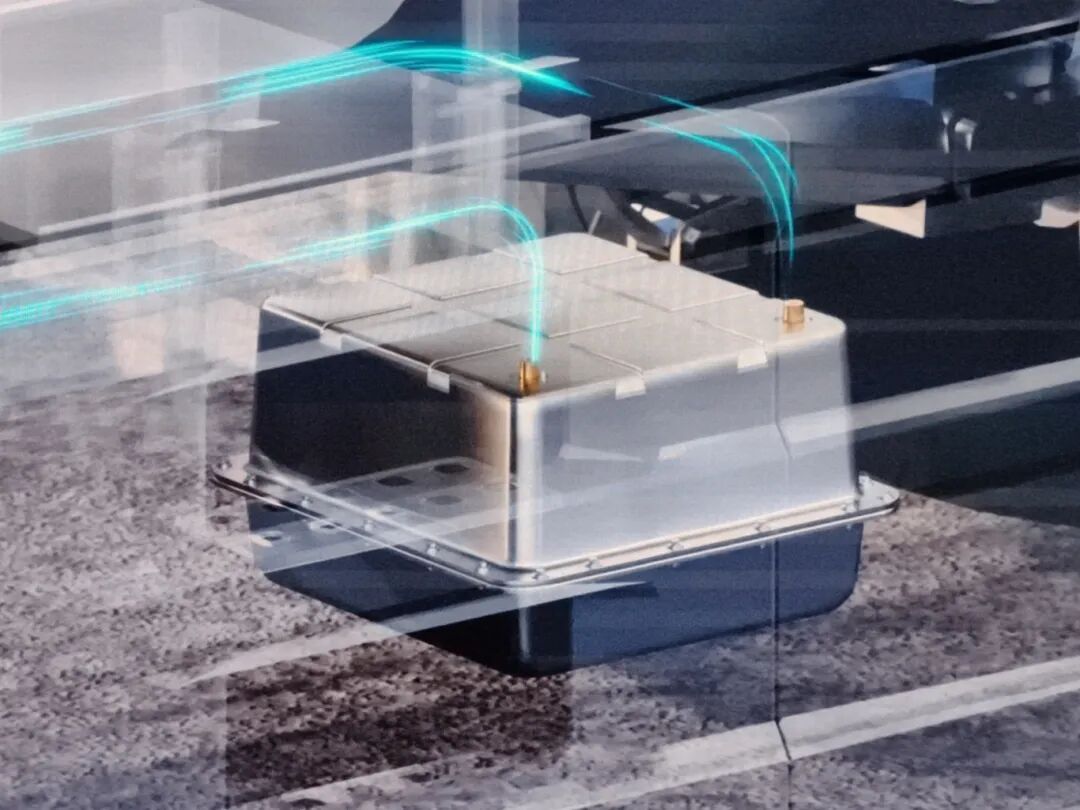
The turning point came with the wave of the new energy revolution. While traditional automotive giants were still fine - tuning internal combustion engines, Chinese car manufacturers keenly grasped the historical opportunity of energy transformation. With the support of policies, capital investment, technological innovation, and market cultivation, the Chinese new energy vehicle industry has achieved leapfrog development. Now, the balance of power has shifted.
The rise of the Chinese automotive industry is not accidental but is based on technological breakthroughs. These breakthroughs have jointly constituted a "dimensionality - reduction strike" against the traditional advantages of Europe.
Among them, the breakthrough in Chinese battery technology is the cornerstone of the rise of the new energy vehicle industry. Companies such as CATL and BYD not only dominate the global battery market but also have made early arrangements in next - generation technologies such as solid - state batteries and sodium - ion batteries. The average cruising range of Chinese new energy vehicles has increased from less than 200 kilometers a decade ago to over 600 kilometers today, and some high - end models have even exceeded 1000 kilometers. This indicator has comprehensively surpassed most European counterparts.
If electrification is the first half of the automotive industry, then intelligence is the key to winning the second half. Chinese car manufacturers have invested more and innovated more in areas such as intelligent cockpits, autonomous driving assistance technologies, and vehicle - to - everything (V2X) than their European counterparts. Companies represented by Huawei, XPeng, and NIO have transformed cars from simple means of transportation into "mobile intelligent spaces," achieving a qualitative leap in the human - vehicle interaction experience. This comprehensive intelligent experience precisely meets the core needs of young consumers.
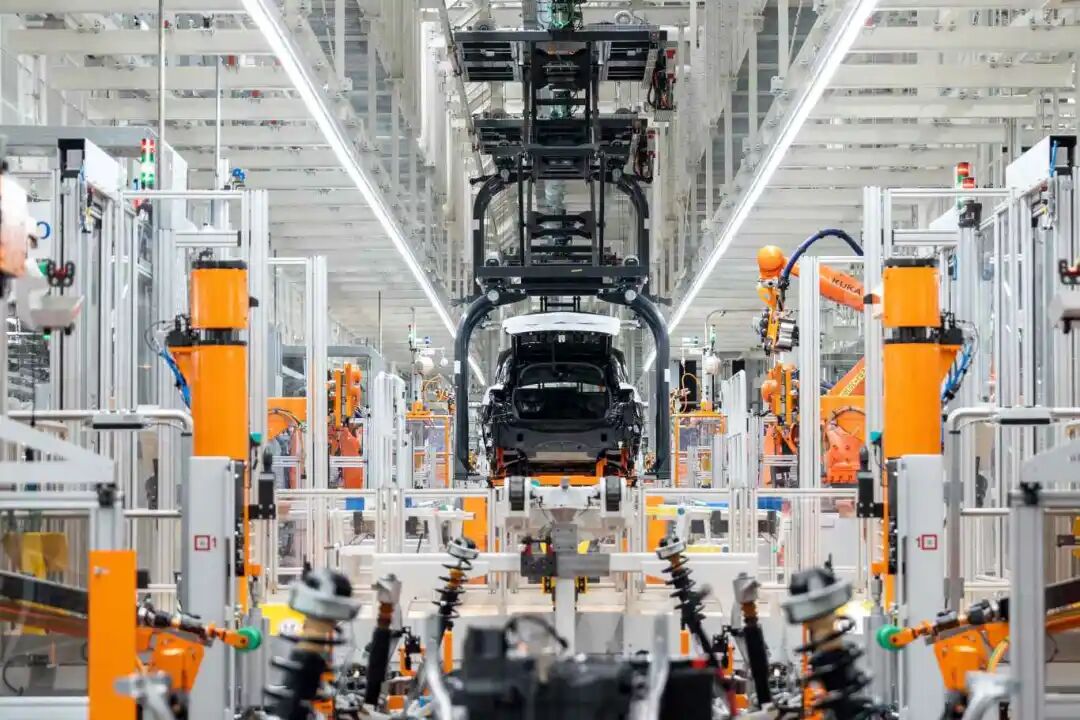
Meanwhile, Chinese new energy vehicles not only lead in technology but also have significant cost - control advantages. Through vertical integration of the industrial chain, large - scale production, and innovative business models, Chinese car manufacturers have successfully brought down the prices of high - end electric vehicles to a level acceptable to ordinary consumers. The pricing strategies of BYD's Dolphin and Seal series in the European market have put unprecedented price pressure on European domestic car manufacturers.
Of course, the rise of the Chinese automotive industry cannot be separated from a large and efficient new energy vehicle industrial chain. From upstream lithium mining and battery materials, to mid - stream battery manufacturing and electric drive systems, and then to downstream vehicle manufacturing and charging facilities, China has formed the most complete and dense new energy vehicle industrial cluster in the world.
The advantages brought by this cluster effect are multi - faceted: first, R & D collaboration, where enterprises in each link of the industrial chain can quickly respond to technological changes; second, cost advantages, as the industrial cluster reduces logistics and collaboration costs; third, accelerated innovation, as the complete industrial chain provides rich application scenarios and iteration opportunities for technological innovation.
In contrast, although the European new energy vehicle industrial chain is also under construction, its scattered industrial layout, high labor costs, and inconsistent technical standards make it difficult to form a cluster effect comparable to that of China. European car manufacturers have to rely heavily on batteries, electric drive systems, and even intelligent cockpit solutions from China, further increasing their dependence on the Chinese supply chain.
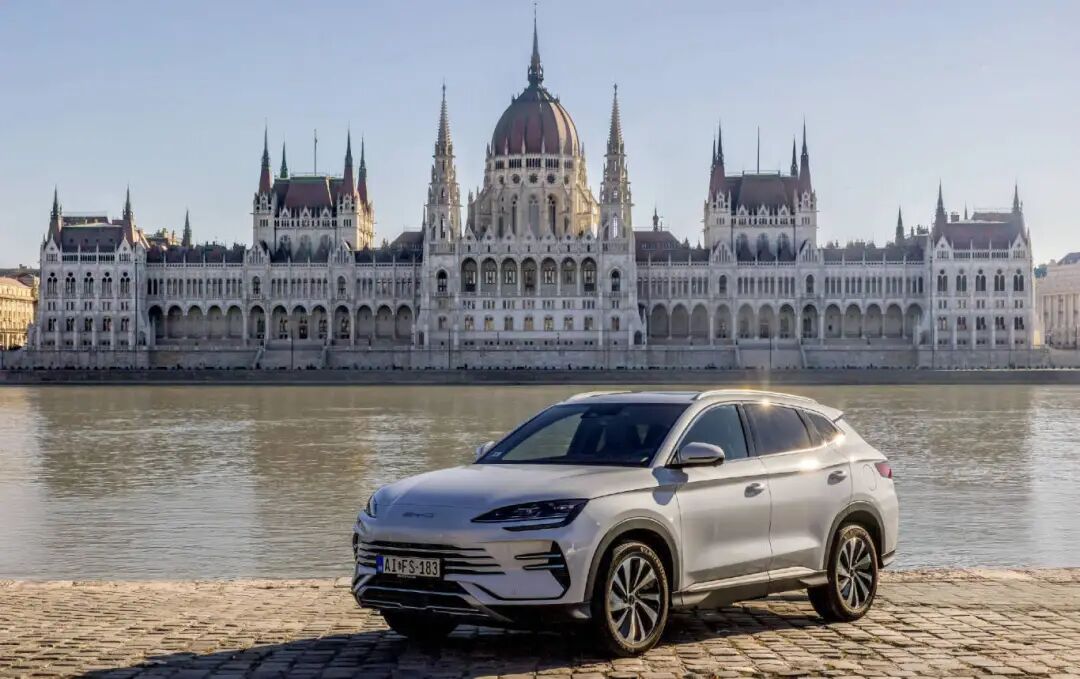
Of course, the success of Chinese car manufacturers in the European market is not only due to product strength but also to precise market strategies. Different from the early impression of "low - price, low - quality" Chinese manufacturing, the new generation of Chinese automotive brands has adopted a completely different strategy in Europe, including the localization of service networks, differentiated competition in brand positioning, and brand storytelling through cultural integration. These have jointly woven a large industrial net, successfully capturing the European cradle of the automotive industry in a respectful way.
European Anxiety: Can Protectionism Reverse the Decline?
Facing the strong rise of Chinese cars, the European automotive industry has shown obvious anxiety.
A recent report released by the German Association of the Automotive Industry (VDA) shows that the proportion of European technology patents in the field of electric vehicles has dropped from 50% in 2015 to 35% in 2024, while China's has risen from 15% to 40% during the same period. This change in data intuitively reflects the transfer of technological advantages.
Driven by anxiety, Europe's countermeasures show two trends: on the one hand, some European enterprises are calling for more stringent protectionist measures, such as the "Made in the EU" labeling system (requiring a local content rate of over 80% for complete vehicles), trying to protect domestic industries through trade barriers; on the other hand, European car manufacturers are also accelerating the integration of resources. The cooperation plan between Renault and Ford is a typical example, aiming to reduce R & D costs and speed up the electrification transformation through alliances.
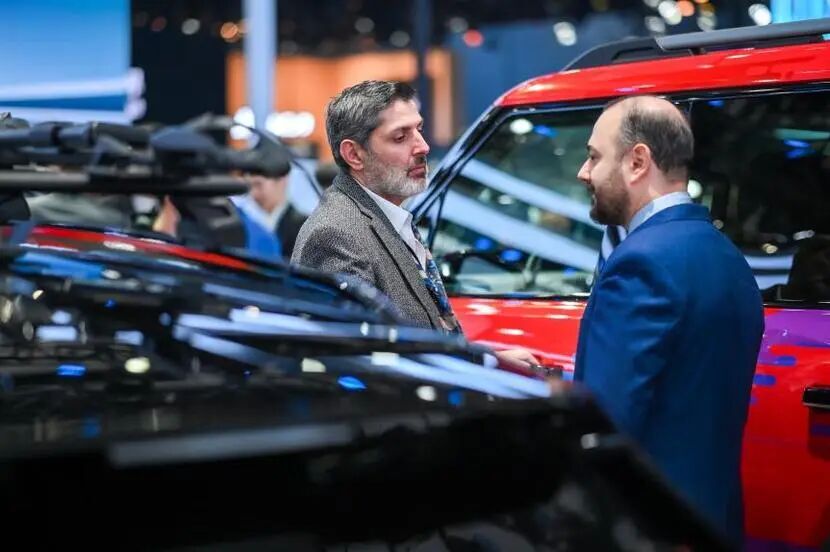
However, protectionist measures may be a double - edged sword. Overly strict localization requirements will drive up production costs and weaken the price competitiveness of European electric vehicles. While alliances between enterprises can share costs, they also face challenges such as cultural integration and decision - making efficiency. More importantly, it remains a big question whether European consumers will pay higher prices to "protect domestic industries."
Overall, the emergence of the China - EU automotive trade deficit reflects the deep - seated trend of the global new energy vehicle transformation. Behind this change is the competition between two different industrial development paths.
The transformation path of the European automotive industry is "gradual." While maintaining the advantages of traditional fuel vehicles, it is gradually transitioning to electrification. The advantage of this path is stability, but the drawback is that the transformation speed is slow, and it is easily restricted by vested - interest groups.
The path of the Chinese automotive industry is "leapfrog." By leveraging the new energy vehicle track, it has achieved a curve - overtaking of traditional automotive powerhouses. This path is riskier, but once successful, it can establish new industrial advantages and competitive barriers.
Looking deeper, the China - EU automotive trade deficit is a microcosm of the global supply - chain reconstruction. The past global division - of - labor system with developed countries at the core and developing countries at the periphery is changing. Through independent innovation and industrial upgrading, China is transforming from an "executor" to a "designer" and "leader" in the global supply chain. This transformation is not only happening in the automotive industry but also simultaneously in multiple high - tech fields such as semiconductors, artificial intelligence, and biotechnology.
However, the emergence of the China - EU automotive trade deficit does not mean the beginning of a zero - sum game. Instead, it may give rise to a new balance of cooperation and competition. The electrification and intelligent transformation of the global automotive industry require huge R & D investment and market cultivation, which a single country or region can hardly bear all the costs and risks. Complementarity still exists between China and Europe in the automotive industry.
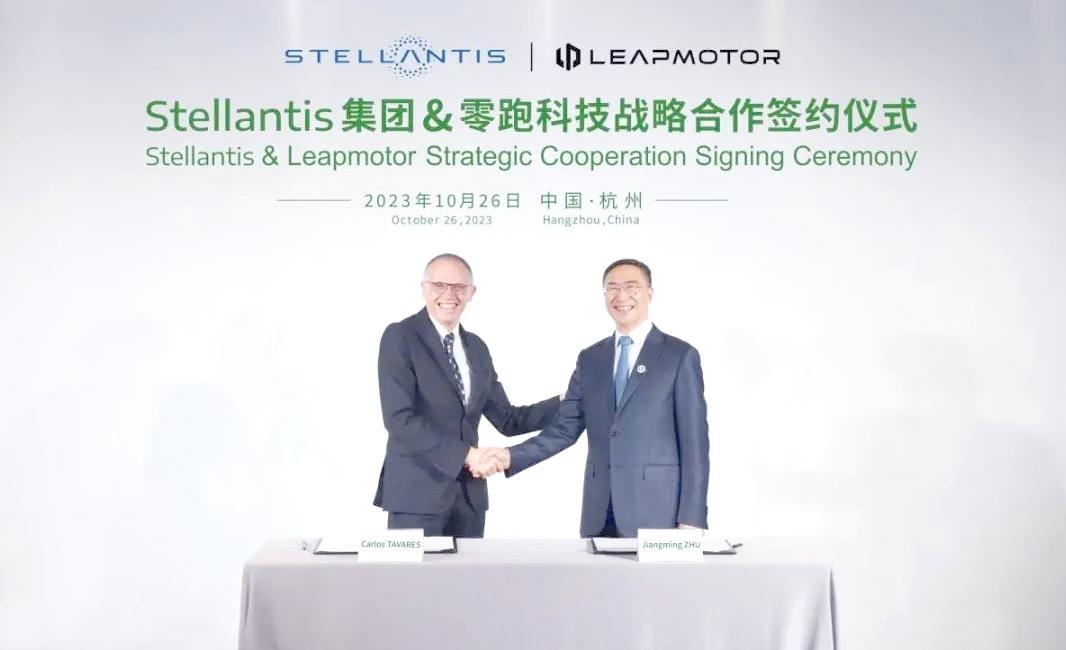
For example, Europe still has advantages in automotive design, chassis tuning, and brand operation, while China leads in electrification technology, intelligent experience, and cost control. The potential for cooperation between the two sides is far greater than the space for confrontation. In fact, many European car manufacturers have carried out in - depth cooperation with Chinese enterprises in areas such as battery technology and intelligent cockpits.
For the Chinese automotive industry, the emergence of a trade surplus is just a new starting point, not an end. Chinese car manufacturers need to face up to the challenges in the European market: strict safety standards, complex cultural environments, and mature consumer preferences. These are all issues that Chinese brands need to learn and adapt to in the long term. At the same time, Chinese car manufacturers also need to be vigilant against the risks of trade protectionism and achieve a truly global layout through local production and technological cooperation.
The first - ever China - EU automotive trade deficit is a historic moment for the Chinese automotive industry as it moves from a "big manufacturing country" to a "strong manufacturing country." Behind this change is the perseverance and accumulation of Chinese enterprises in technological innovation and industrial upgrading over decades; it is the unremitting pursuit of the "dream of becoming a powerful automotive country" by countless engineers, designers, and industrial workers.
The temporary difficulties of the European automotive industry remind us that no industrial advantage is eternal. Only by continuous innovation and embracing change can an industry maintain its vitality in the fierce global competition.
Therefore, for the Chinese automotive industry, today's achievements are worthy of pride, but the future challenges are equally arduous. In the unprecedented changes in the global automotive industry in a century, Chinese car manufacturers need to maintain strategic focus, adhere to open cooperation, and jointly promote the green and intelligent transformation of the automotive industry with global partners.
The rise of the Chinese automotive industry is transitioning from a follower to a leader, and this is just the beginning of a new round of global industrial transformation.
This article is from the WeChat official account "Automotive Community" (ID: iAUTO2010), author: Li Sijia. Republished by 36Kr with permission.