Zhou Hongyi: Doubao Phone Hits the Vital Point of Big Tech Companies. Tencent, Which Has No Intention to Make Phones, May Need to Consider It.
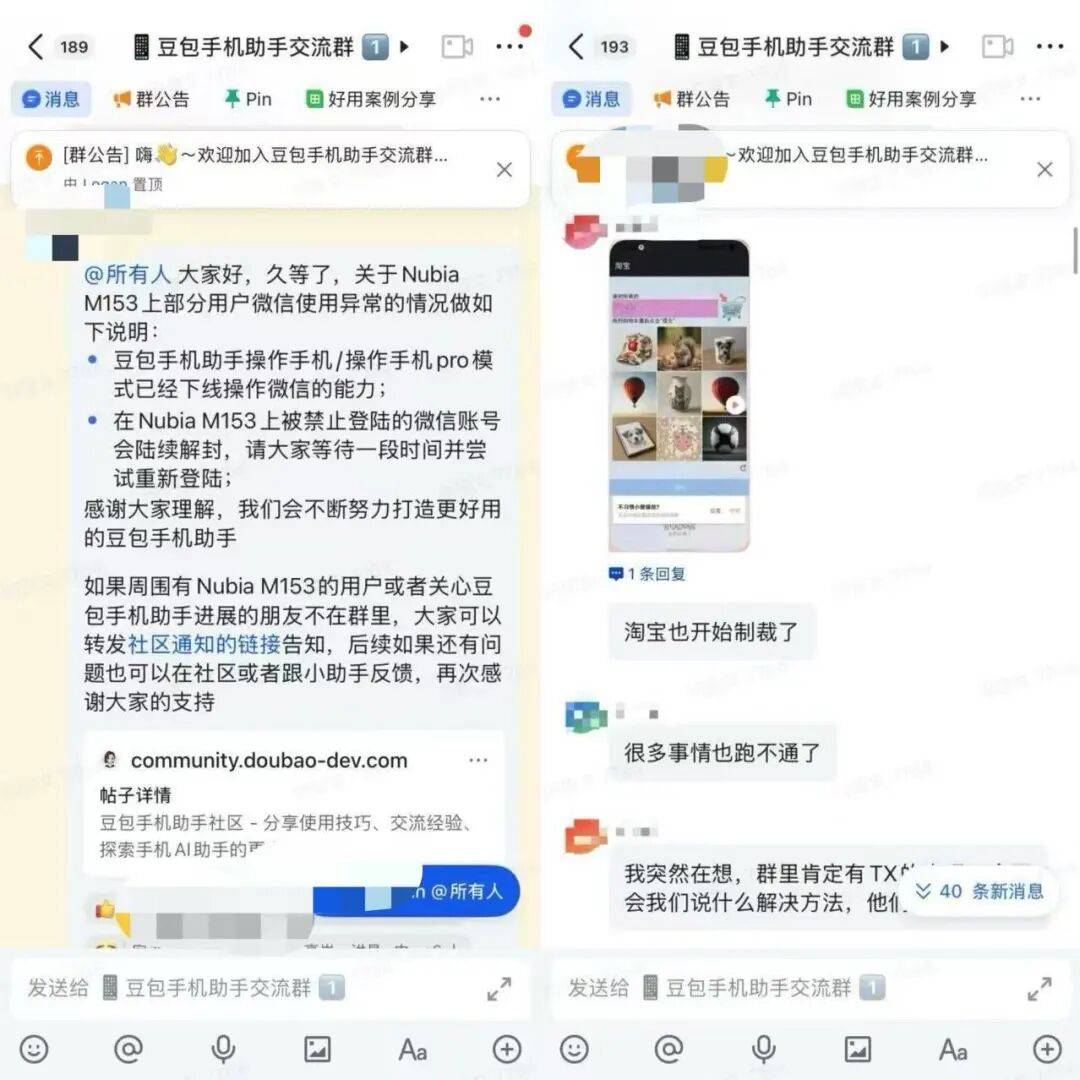
The Doubao phone has recently attracted wide attention in the industry. In particular, WeChat's ban on Doubao has sparked a lot of discussions and is considered a replay of the 3Q War. In essence, it is a struggle for power and status in the user terminal. Many industry leaders believe that the Doubao phone may subvert the existing game rules.
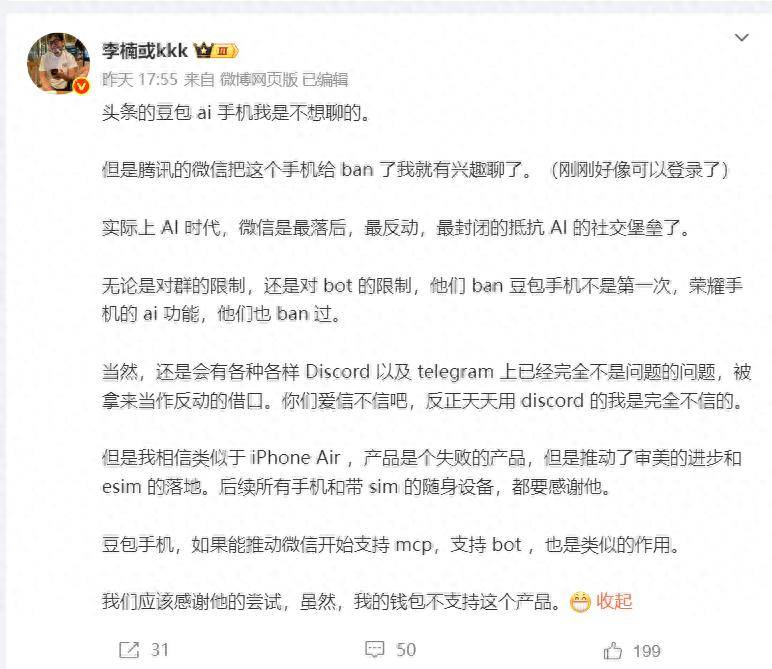
In the view of Li Nan, the former vice - president of Meizu, in the AI era, WeChat is the most backward and closed social fortress resisting AI. Whether it is the restrictions on groups or bots, it is not the first time they have banned the Doubao phone. They also banned the AI function of Honor phones. In Li Nan's view, we should thank Doubao for its attempt. However, Li Nan also emphasized the most important point: My wallet does not support this product.
On December 4th, Zhou Hongyi, the founder of 360, posted a video saying: The way of operating mobile phones is about to change. ByteDance doesn't make phones, but it is going to take away the soul of all phones. Once the Doubao phone assistant came out, the executives of Meituan and Taobao may have to hold an emergency meeting overnight.
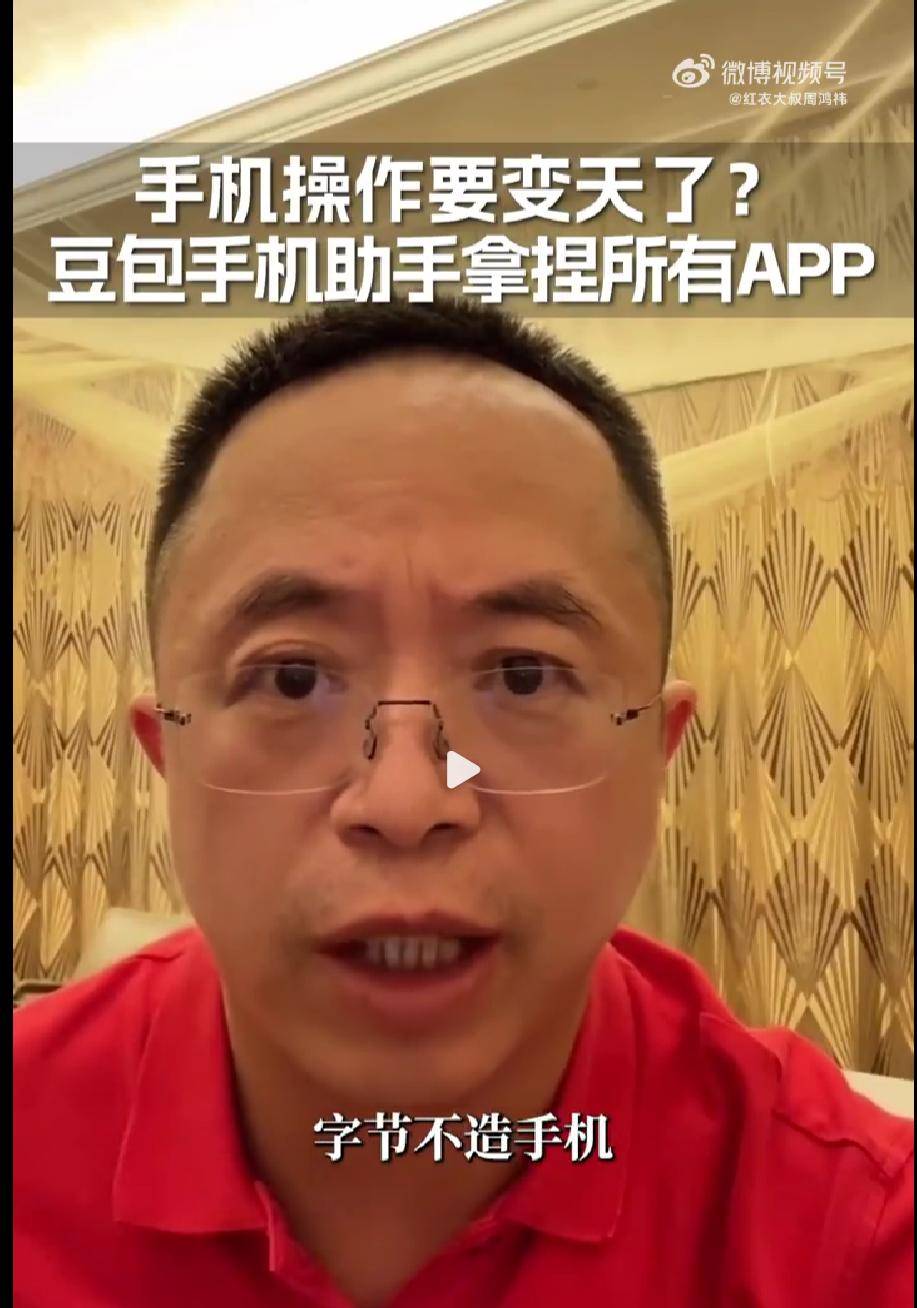
"Because this AI can help users complete all operations without clicking on their apps. The core highlight is not the phone, but this assistant. It is not a separate app but is directly embedded in the phone system, which means it can take over your phone."
Zhou Hongyi said that this will directly break down the moats of Internet giants. Their original advantage, which was built on the fact that users had to open apps to enjoy services, may need to be redefined.
For example, Taobao and Meituan make money from user retention and advertising. Now, the AI can directly help users complete tasks without them having to watch ads or browse the home pages. The core KPIs of the apps are completely invalidated, and the traditional traffic logic is on the verge of collapse.
Tencent, which doesn't want to make phones, may need to seriously consider making phones.
Zhou Hongyi's words are addressed to Internet giants and also to himself. Because if users' behaviors can be accurately completed through voice commands, the advertising business of Internet platforms will be directly abolished.
Therefore, the giants will surely not sit idly by. Next, we may see a technological offensive and defensive war. Each major app will try to restrict the AI from reading information or third - party access to services, or hide key information in more complex interactions.
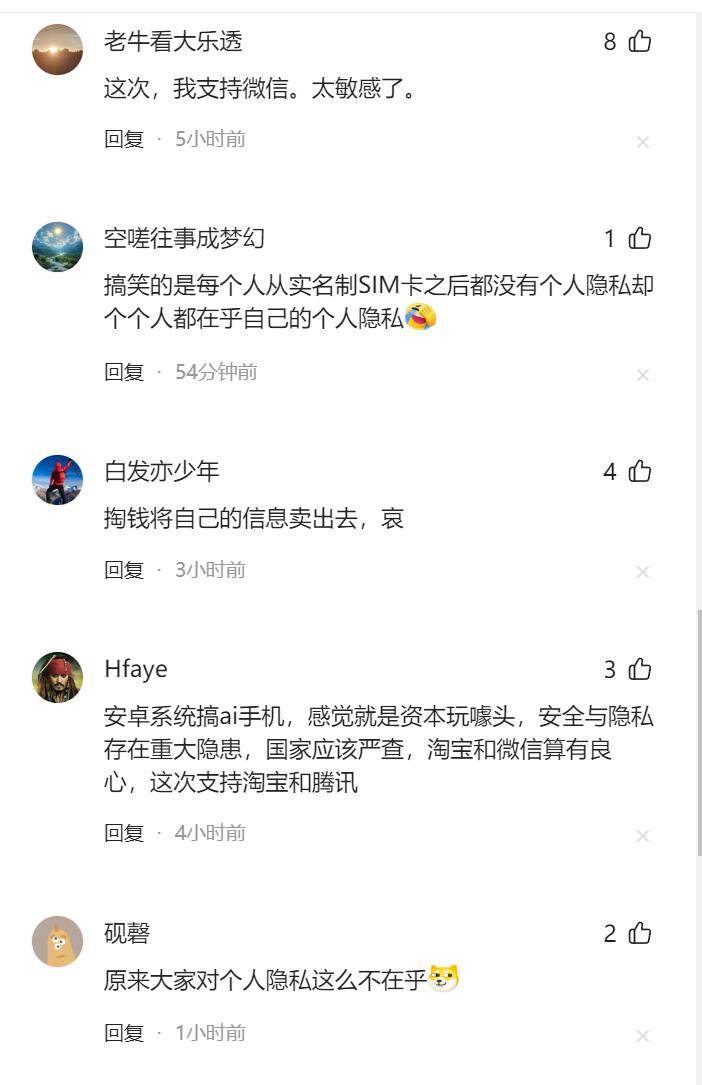
Because not only do the giants worry about the impact on their businesses, but users also worry about their wallets. Actually, as Li Nan mentioned, the wallet does not support this phone.
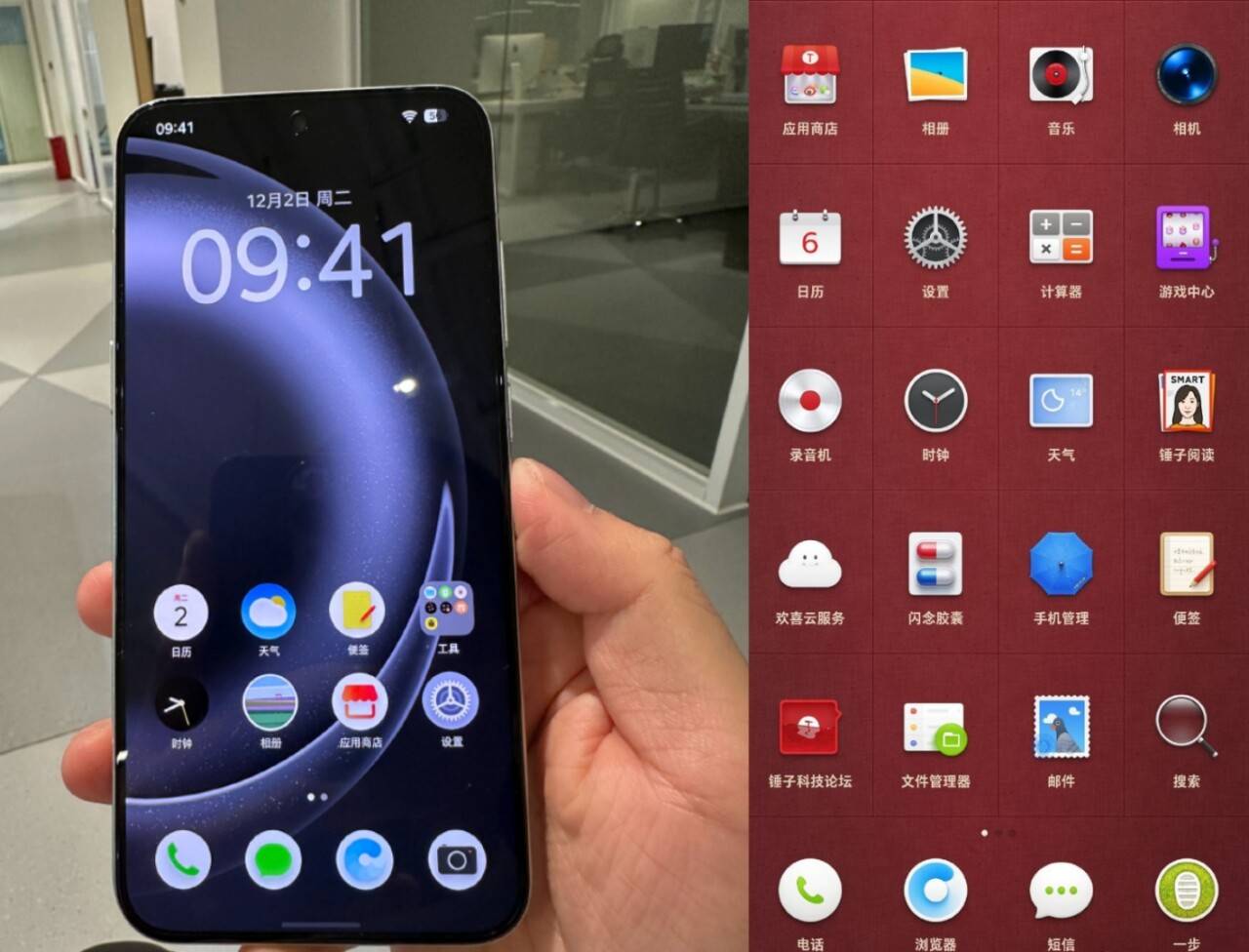
From the perspective of the Doubao phone, Doubao can perform screen reading, recognition, clicking, and sliding operations. What's more controversial is that Doubao also "listens in real - time" to users' conversations and "recognizes the words spoken before clicking the button", leaving no privacy in the phone content.
This means that all the content on your screen, such as chat records, transfer records, and payment codes, which are highly sensitive information, may be uploaded to the cloud, including the privacy information of yourself or third - parties such as chat partners.
In addition, if the phone assistant is hijacked, due to its high - level permissions, it may also lead to other security risks, such as controlling the account to send malicious messages and stealing funds.
This is the reason why WeChat will never open its underlying system permissions to the Doubao phone.
WeChat's status is equivalent to that of the system. If Doubao wants to obtain system - level permissions, and an AI takes over your WeChat and learns when you enter your password, the consequences will be unimaginable. If the AI connects to WeChat, the cost of fraud will be incredibly low. If funds, property, and privacy security can be manipulated and stolen by the AI, with over a billion users on WeChat, Tencent simply cannot bear such a cost.
But the problem is that AI phones seem to be a trend. The key is how to set the boundaries for AI operations and how to build a secure fortress for privacy and fund security.
The emergence of the Doubao phone also means that Elon Musk's words are coming true: In the future, mobile phones will become just terminals that receive various expressions from people. Whether you have a phone or not doesn't make much difference as everything is done through cloud computing.
In this trend, Tencent, which once resisted making phones and suffered losses because of it, should also consider this issue now.
The reason why we say Tencent suffered losses because it didn't make phones can be seen from the current situation of Tencent's MyApp.
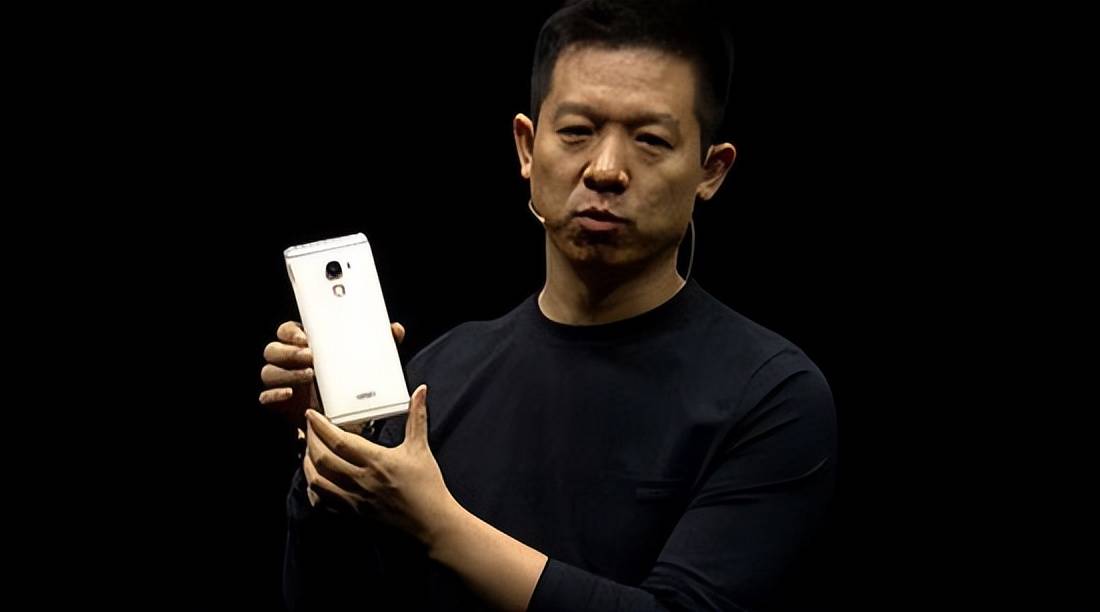
Around 2012, with the maturity of the domestic mobile phone industry chain, besides Lei Jun, Internet companies such as LeEco and 360 also entered the mobile phone market.
Tencent holds two major social tools, QQ and WeChat, and has a large amount of cash flow from games. Later, there were also phenomenon - level hit games like Honor of Kings and Peacekeeper Elite. It has great advantages in making phones and can build a strong hardware moat for its software empire.
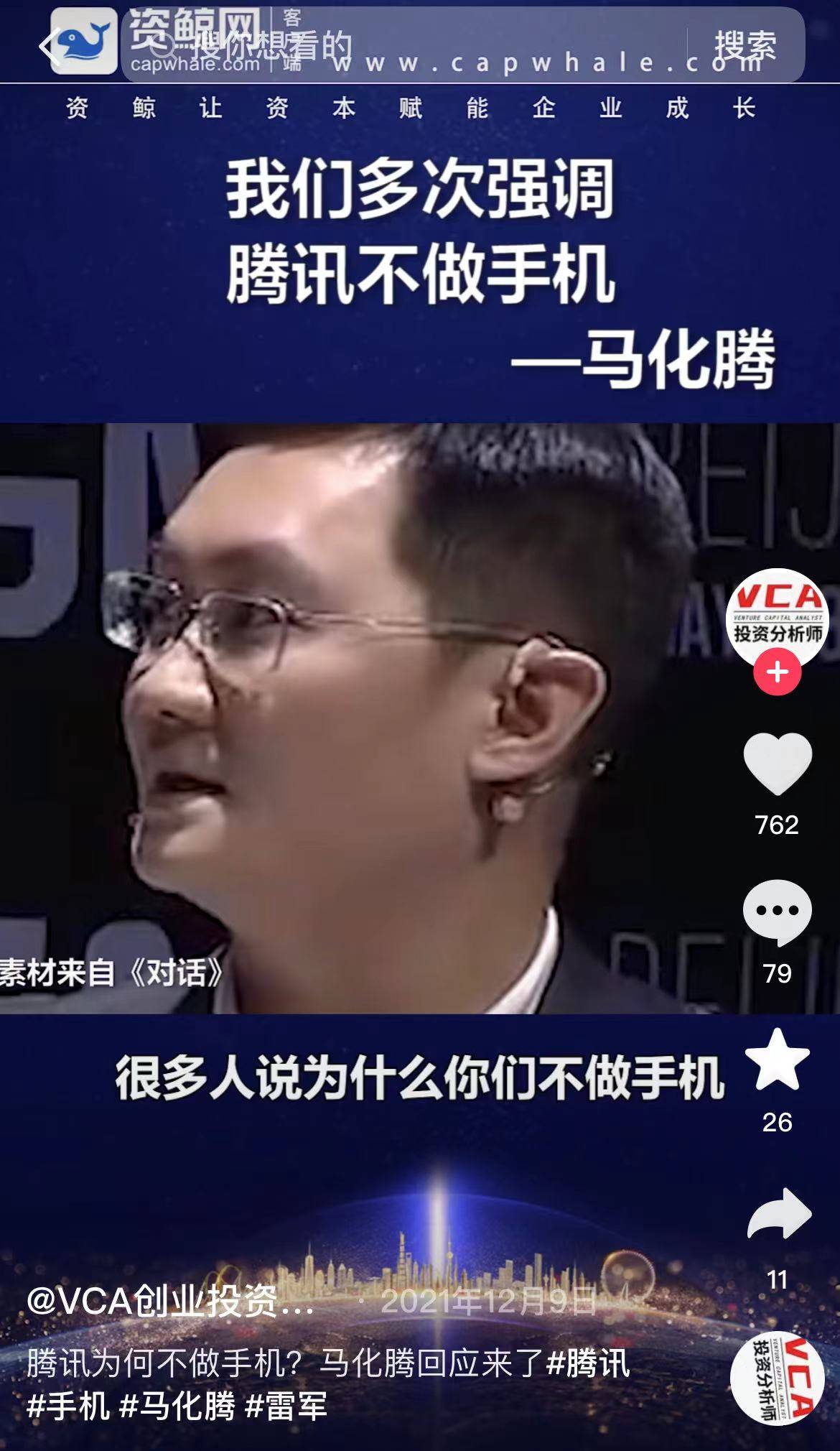
For a long time, many people have suggested that Tencent make phones. Later, Ma Huateng also responded publicly to why Tencent doesn't make phones. He said Xiaomi has been very successful in making phones, and making phones is not Tencent's specialty. Tencent focuses more on the services inside the phones and how to use hardware devices to provide unique experiences.
In short, in the past, Tencent always believed that there were clear boundaries between software and hardware, and it was good at software rather than hardware. But in fact, it was precisely because it didn't make phones that Tencent lost its trump card, MyApp, which was the number - one app store.
The position of the number - one app store channel is very important to Tencent.
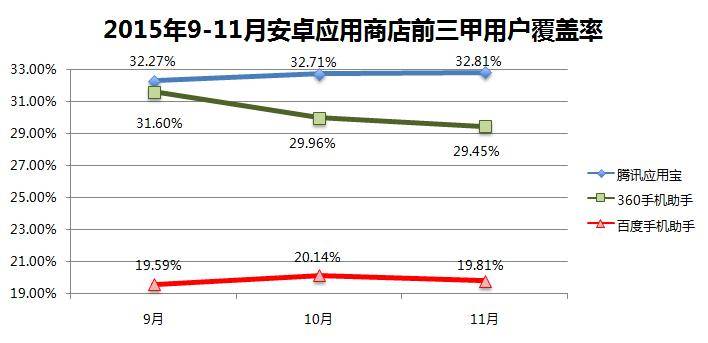
Because this ensures that Tencent doesn't have to be restricted by other app store channels and pay commissions. Tencent has a large number of apps and is the number - one game and social giant. Maintaining the position of the number - one app store channel is equivalent to ensuring that its profits won't be largely taken away.
But as the pattern of mobile phone giants was established, Xiaomi, OPPO, VIVO, Huawei, and Honor all have their own app stores. Users directly download software through the app stores of mobile phone manufacturers, and all third - party app stores have basically lost their living space. MyApp declined rapidly.
Later, domestic Android phone manufacturers jointly established the "Hardcore Alliance" and took over more than 60% of the app distribution channels in China, directly charging a 50% commission for mobile games. Based on Tencent's annual game revenue of over 100 billion, more than 30 billion in commissions are taken away each year.
This is the limitation of Internet companies. They never control the hardware entry. Once the rules of the hardware entry change, their software revenues will be affected.
Currently, based on the dispute between WeChat and Doubao, some people think this is the 3Q War of the new era. Luo Yonghao spoke up for ByteDance, saying that technological revolutions cannot be stopped.
The strategy of the Doubao phone is to directly target the Achilles' heel of Internet giants. Previously, we had to click on apps one by one, browse the home pages, and watch ads when using mobile phones. Giants made money from user retention time and advertising. But Doubao can be directly embedded in the phone system and help you order takeaways and compare prices for shopping without opening apps, which is equivalent to bypassing the traffic entrances of giants and directly threatening their livelihoods.
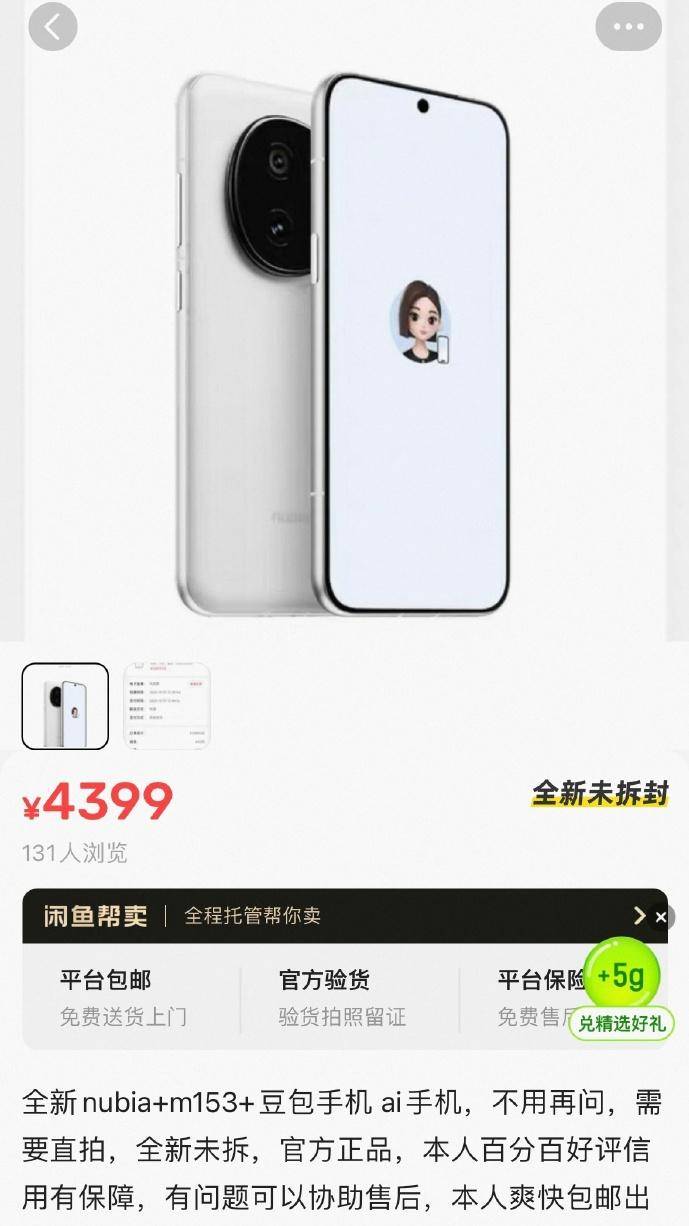
Some industry insiders believe that AI phones will surely become widespread, not just limited to Huawei, Xiaomi, OPPO, and VIVO. Many people suggest that Tencent launch the Yuanbao phone.
Obviously, the Doubao phone will definitely make giants feel a sense of crisis. Giants such as Alibaba, Tencent, and Meituan will probably join forces to restrict AI's cross - app access. Mobile phone manufacturers will not give up the control of the home screen and may promote their own assistants to squeeze out Doubao.
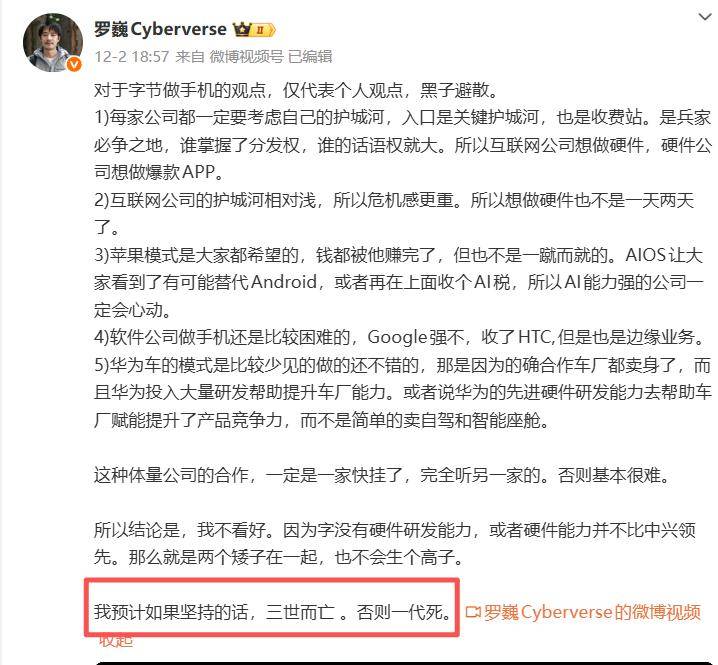
If AI phones are an irresistible trend, in order to protect their app ecosystem profit models and underlying permissions, it is not ruled out that new Internet giants will launch new phones. By controlling all permissions from hardware to software, they won't be afraid of the subversive power of the AI revolution. They can directly pre - install their own AI assistants and better control security boundaries and risks.
Tencent suffered great losses in the past because it didn't make phones. The commissions taken away by various app store channels each year may amount to tens of billions. Even if Tencent uses a quarter of its annual game revenue to make phones, based on the game revenue in the third quarter of 2025, it would be more than 60 billion. Whether it is for price wars, hardware R & D investment, factory construction, or supply - chain building, it is enough. Even if Tencent offers various software memberships, gold coins, skin props, and various privileges in price wars, its phones will not have trouble selling.
If Tencent is not willing to invest money to build its hardware moat, its business model may be impacted under the development trend of AI phones. Perhaps, having suffered losses for not making phones in the past, and now facing the possibility of a new round of impact in the AI era, Tencent, which doesn't want to make phones, should consider this issue.
This article is from the WeChat official account "Hotspot Micro - review". Author: Wang Xinxi. It is published by 36Kr with authorization.