The world's first space AI is born, and H100 is trained in orbit. Elon Musk gives high praise.
Witness history! Today, the first large language model (LLM) trained by the H100 space GPU has been born. It is trained based on Karpathy's nano - GPT. Moreover, Google's Gemma has also successfully run in space, sending the first greeting to the world: Hello, Earthlings.
"Hello, Earthlings!"
This is the first message sent by Google's open - source Gemma model from outer space.
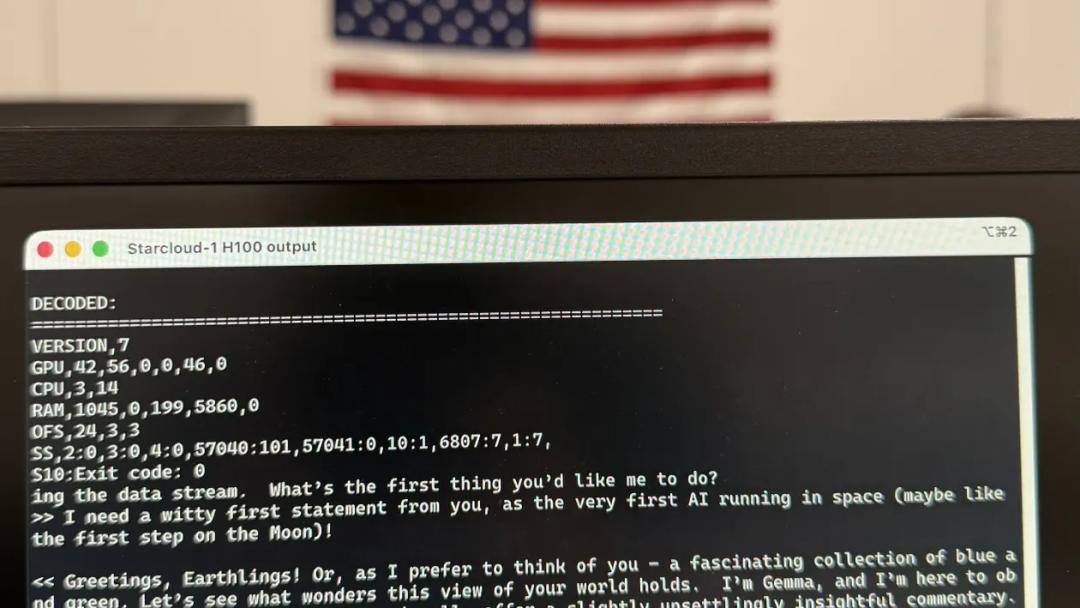
Today, NVIDIA's space GPU has trained the first AI model, completely detonating the entire network.
Based on the Starcloud - 1 satellite powered by the H100, a startup company completed the training on Karpathy's nanoGPT using Shakespeare's corpus.
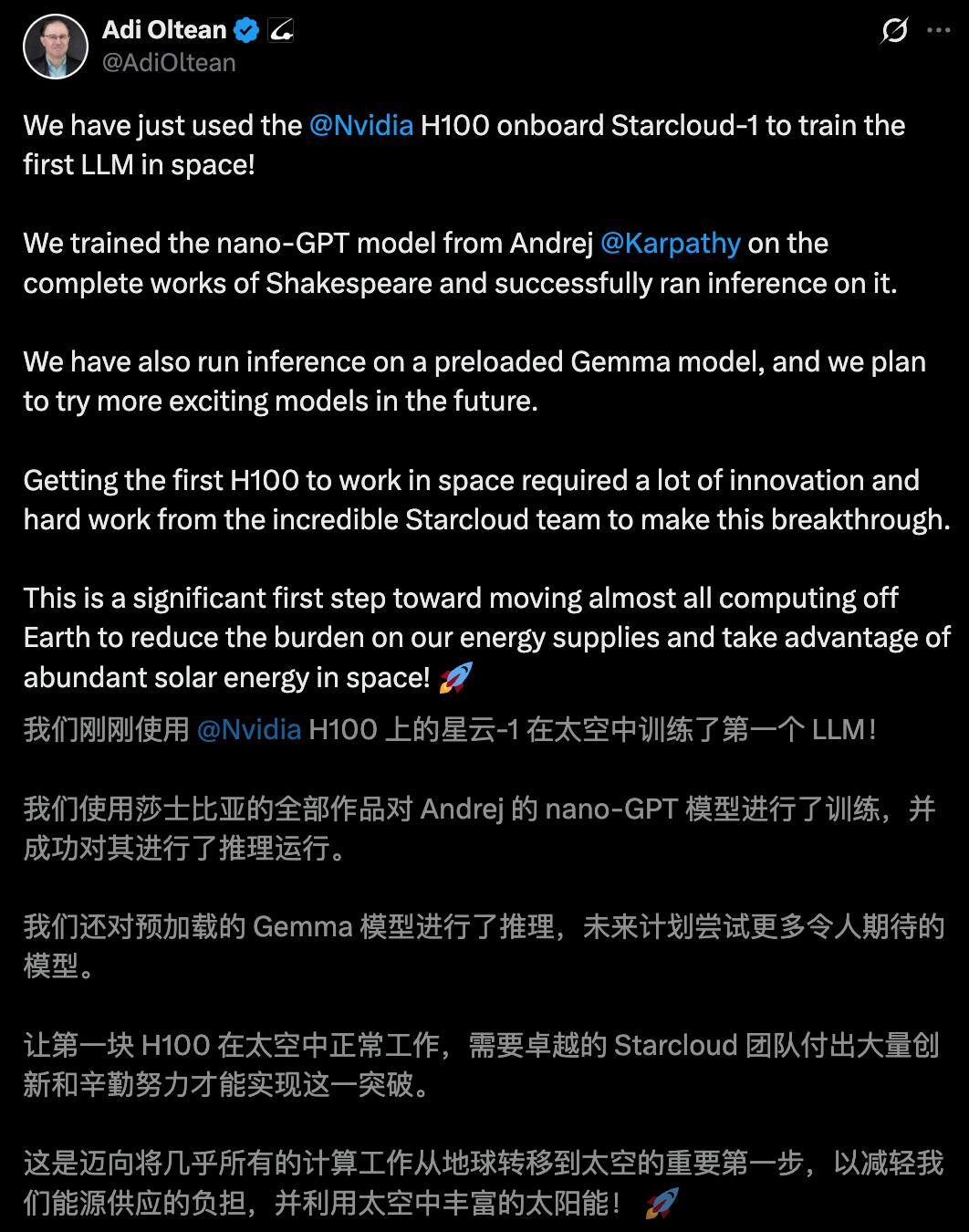
The most crucial thing is that it can chat with people in Shakespeare's tone -
our way
To the earthless and his foe to make him wish you.
LADY GREY:
They can it like you from me speak...
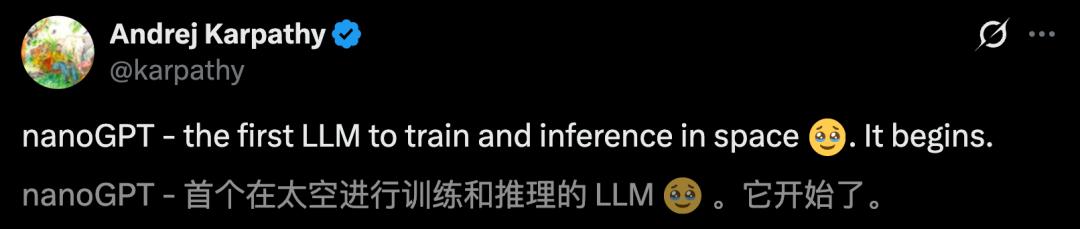
Karpathy himself said excitedly that nanoGPT is the first model to be trained and inferred in space. A new journey has just begun.
"One small step for nanoGPT, one giant leap for AI."

Moreover, tech giants in the AI field, such as Elon Musk and the former CEO of Google, have all praised this historical achievement.



At this moment, science fiction is becoming a reality.
The first space LLM is born, trained by the H100
At the beginning of November, an unremarkable satellite quietly lifted off, leaving a glorious mark in the history of human technology.
The Starcloud - 1 satellite, launched by the startup company Starcloud in Washington State, is equipped with an H100 GPU.
Its computing power is 100 times stronger than any GPU that has ever entered space!
To everyone's surprise, within just one month, it successfully ran and trained an LLM in space.
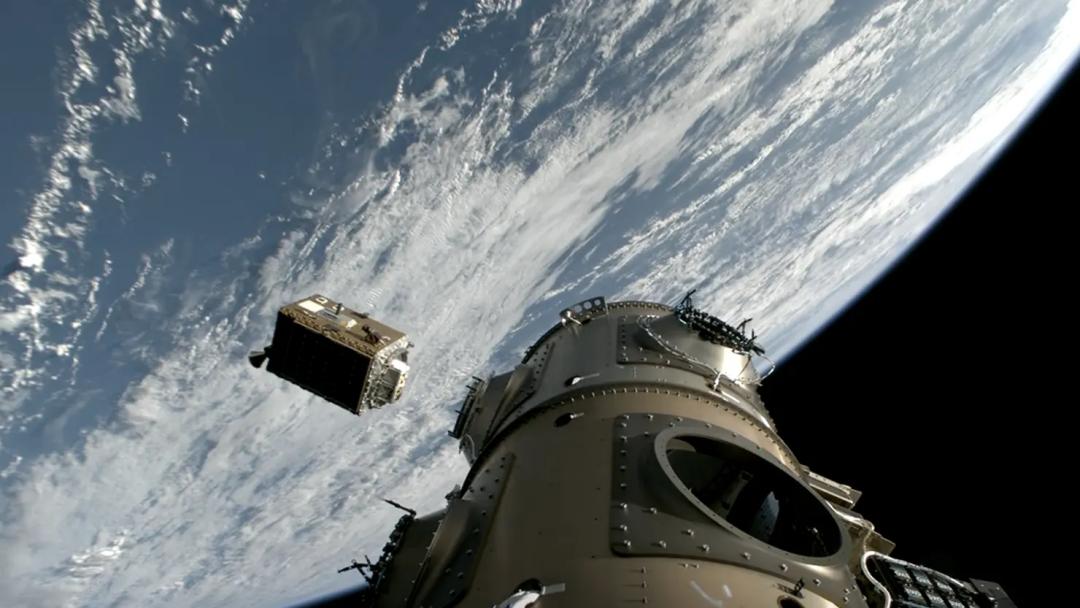
In space, the Starcloud - 1 satellite has done two things in total.
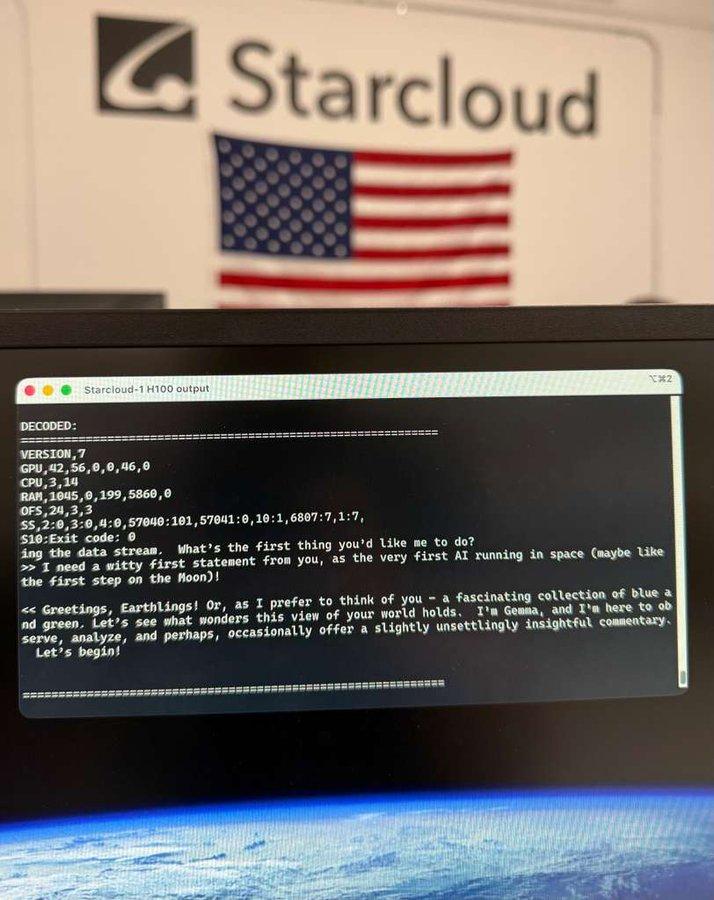
First, it successfully called Google's Gemma and sent a friendly greeting -
Hello, Earthlings! Or, to put it in a way I prefer - a beautiful planet intertwined with blue and green.
Let's see what kind of wonderful scenery your world will show when viewed from this height.
I'm Gemma. I'm here to observe, analyze, and occasionally give some slightly strange but quite insightful comments. Let's start!
When it said the first sentence "Hello, Earthlings", it seemed like a real extraterrestrial intelligent life.


Moreover, judging from the complexity of Gemma's feedback, it is no different from what we get when asking questions on Earth.
This marks the first time in human history that a high - performance NVIDIA GPU has been used to run an LLM in space.
The second thing is that based on the open - source project nanoGPT of AI guru Karpathy, the model was trained with the complete works of Shakespeare and the inference was completed in space.
As shown above, this LLM can answer questions in the language style of the Renaissance.
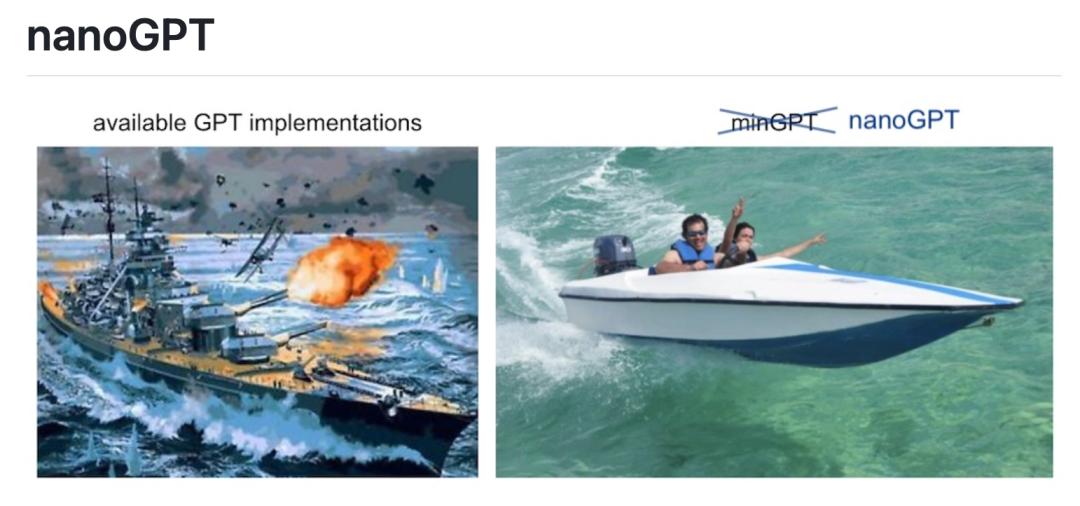
GitHub project address: https://github.com/karpathy/nanoGPT
Even more amazing is that Starcloud - 1 can also conduct real - time intelligence analysis, such as instantly identifying wildfire signals and immediately notifying emergency personnel.
All real - time data of sensor information, such as altitude, attitude, position, and speed, are connected to the model.
Therefore, it can read its own sensor data in real - time and give interesting answers -
Q: Where are you now?
A: I'm flying over Africa and will reach the Middle East in 20 minutes.
Q: What's it like to be a satellite?
A: It feels a bit strange...
The Earth can't hold the GPUs anymore
Founded in 2024, Starcloud aims to prove that space can also be an ideal location for data centers.
Why move data centers to space?
There is only one answer: the Earth can hardly bear the burden anymore.
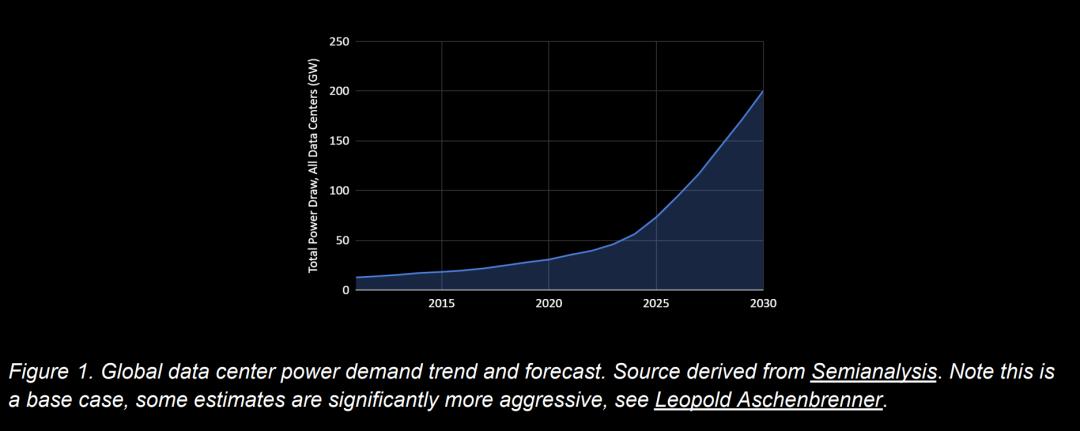
Especially when data centers on Earth are putting pressure on the power grid, consuming billions of gallons of water every year, and emitting large amounts of greenhouse gases.
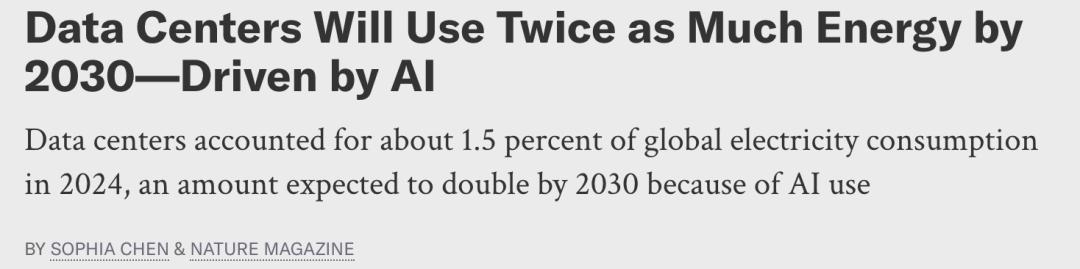
The International Energy Agency predicts that by 2030, the electricity consumption of global data centers will more than double that of today.
Powered by unlimited solar energy, Starcloud's space supercomputer can cut the cost to one - tenth of that of ground - based data centers.
Philip Johnston, the CEO of Starcloud, firmly believes that "anything you can do in a ground - based data center, I believe can be done in space in the future."
Ultimately, Starcloud aims to build a 5GW orbital data center equipped with solar panels and cooling panels about 4 kilometers wide and high.
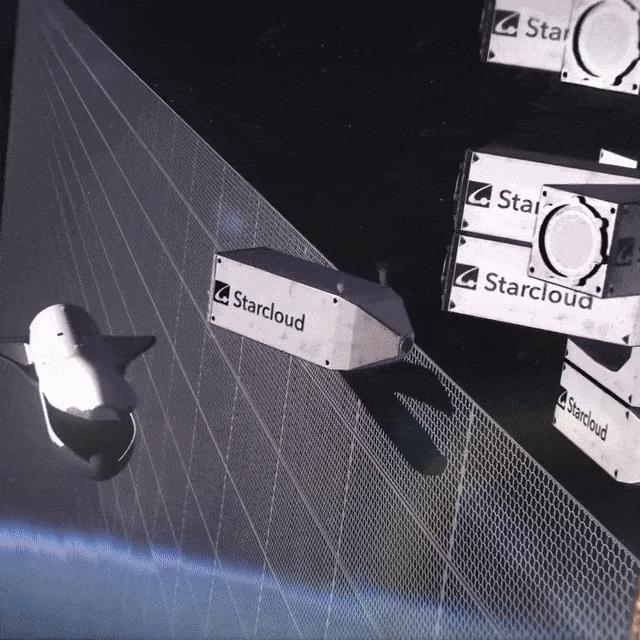
The white paper points out that the space computing power cluster is more powerful than the largest power plant in the United States, but its land occupation and cost are much lower than those of a ground - based solar farm of the same scale.
The lifespan of the Starcloud satellite is about five years, which is exactly the same as the usage cycle of NVIDIA chips.
Currently, Starcloud has announced its roadmap for the next stage -
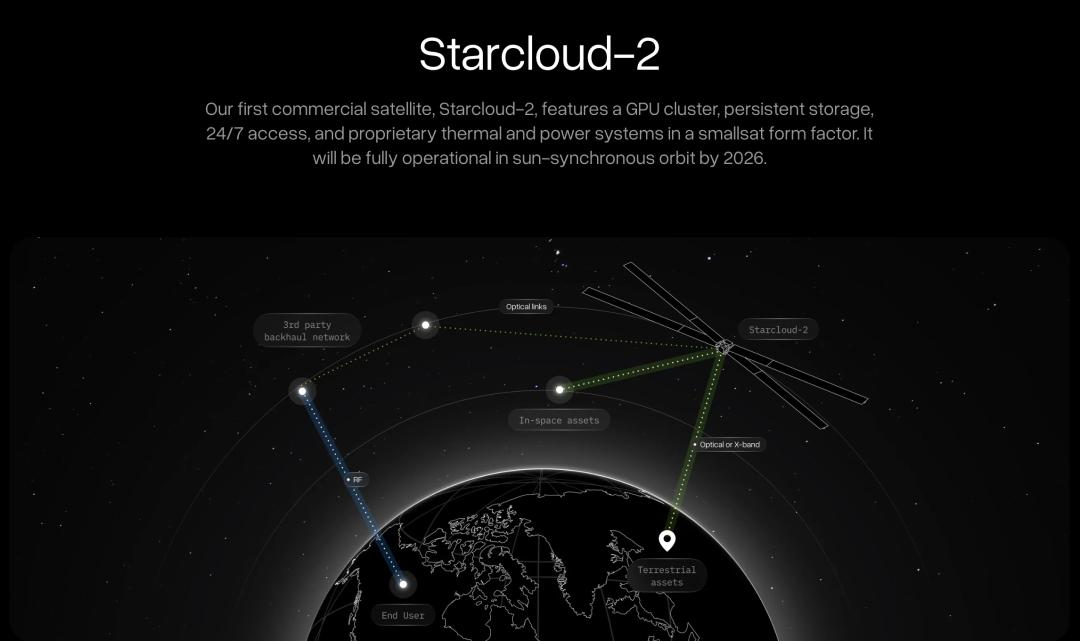
In October 2026, the next launch will carry multiple H100 GPUs at once and integrate the Blackwell platform to improve AI performance.
It will also integrate the modules of the cloud infrastructure company Crusoe, allowing customers to directly deploy and run AI workloads from space.
The space computing power competition is out of control
In the space race, in addition to players like Starcloud, Google, SpaceX, and Blue Origin are emerging.
Also at the beginning of last month, Google officially announced Project Suncatcher, aiming to send its self - developed GPU solar satellites into space.

It is connected through high - throughput free - space optical communication technology to form a distributed computing cluster above the Earth.
In an interview, Google's CEO, Sundar Pichai, called it a "moonshot project".
He said that Google's goal is to utilize the continuous solar energy at the perihelion. It plans to conduct early tests using small server cabinets on satellites in 2027 and hopes to achieve mainstream application within a decade.
Today, an exclusive report in the Wall Street Journal revealed that Elon Musk and Jeff Bezos are competing to send their data centers into space.
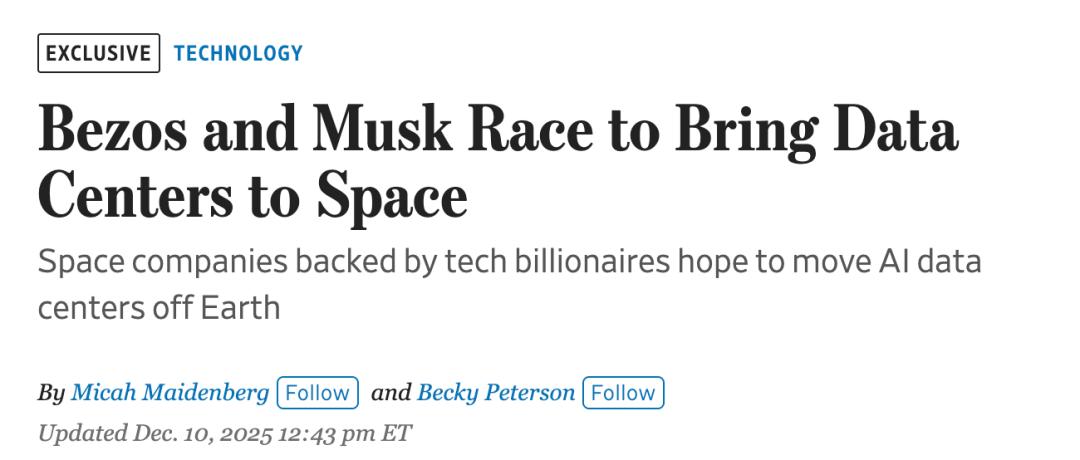
SpaceX will use the next - generation Starlink satellites to build an orbital data center and become the most cost - effective AI computing power solution in the next five years.
Elon Musk said that the Starlink V3 satellites are expected to be expanded to become the backbone network of the orbital computing power infrastructure.

The "Starship" is expected to transport solar - powered AI satellites with a power equivalent of 300 gigawatts to orbit every year, and it