Tesla Bot was caught again: It allegedly fell while "removing the headset" under remote control, creating a memorable scene.
The end of humanoid robots might be a human wearing a VR headset.
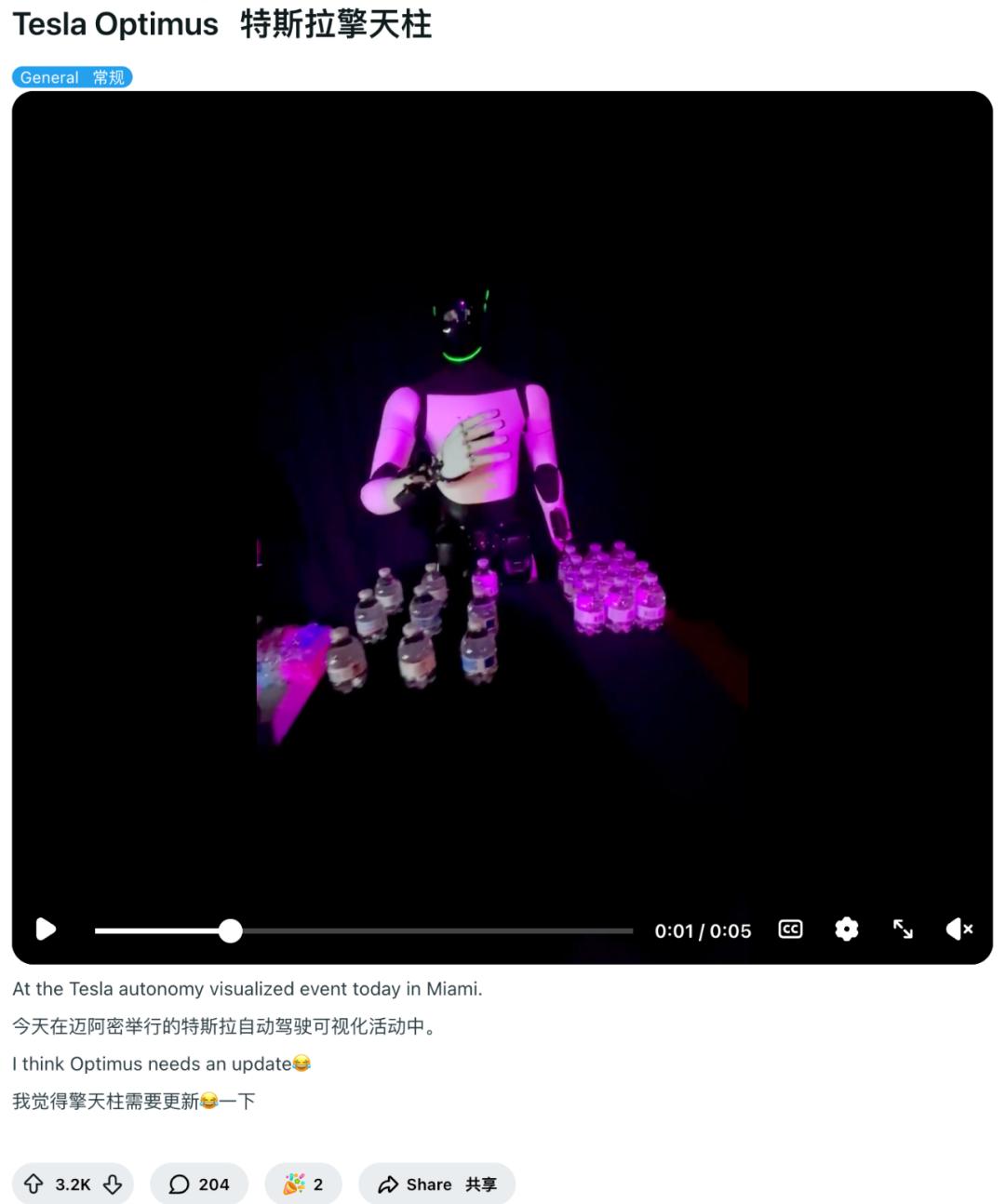
Recently, Tesla held an event named "Autonomy Visualized" in Miami. A Tesla humanoid robot, Optimus, stood behind a table full of water bottles, seriously handing out water to the audience, looking quite professional.
Then, a dramatic scene occurred.
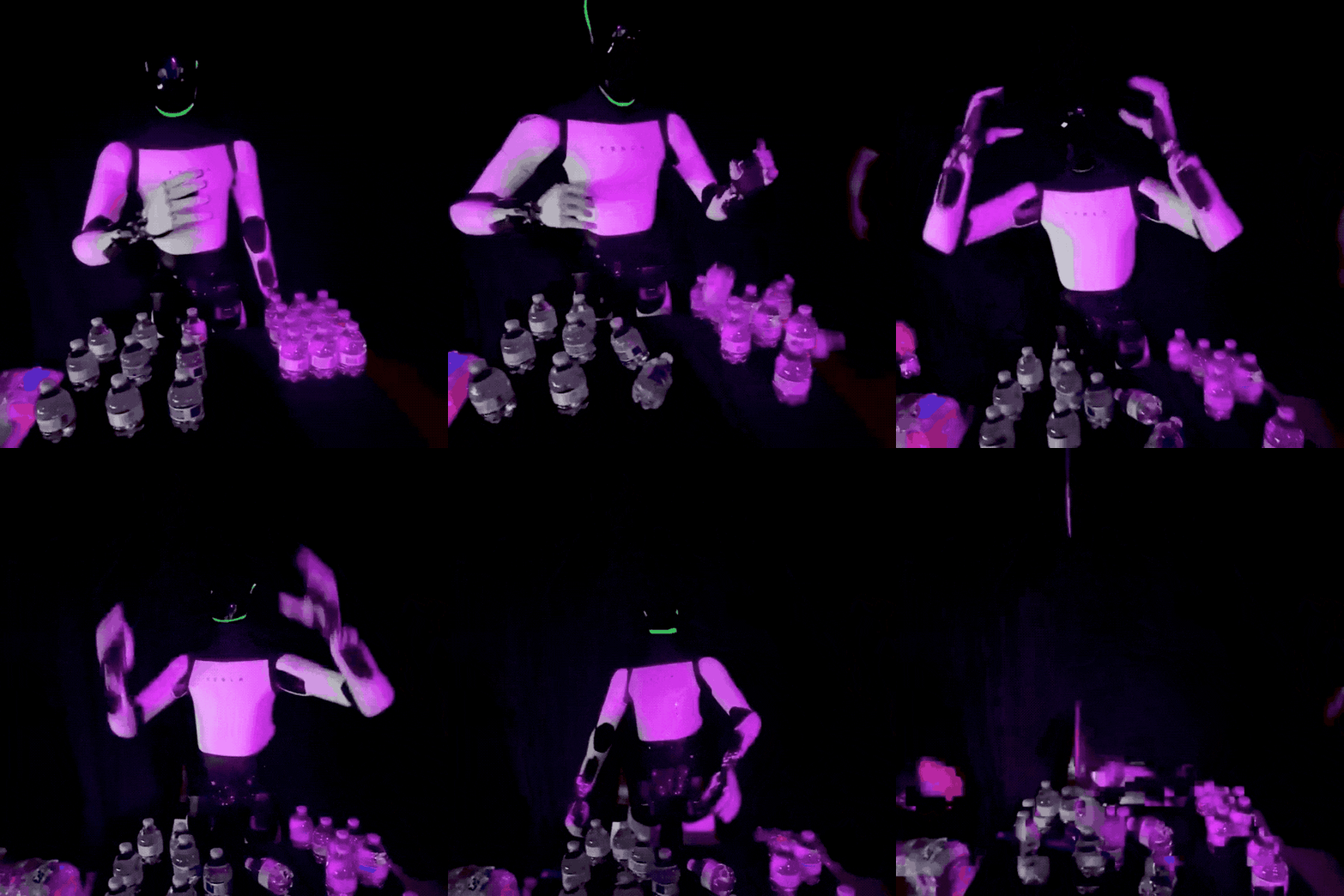
Suddenly, Optimus raised both hands, much like the gesture of a human quickly taking off a VR headset. Immediately afterwards, the robot staggered backwards as if the power had suddenly been cut off, and finally fell flat on its back with a thud, scattering the water bottles everywhere.
This action sparked a lot of discussion because it was so distinctive - when we take off a headset, we do swipe along the sides of our faces, and Optimus' movement trajectory was almost identical.
So, netizens quickly came to a reasonable yet eye - catching speculation: There is someone remotely controlling it behind the scenes.
Yesterday, this video quickly went viral on major overseas social platforms, and the comment section exploded.
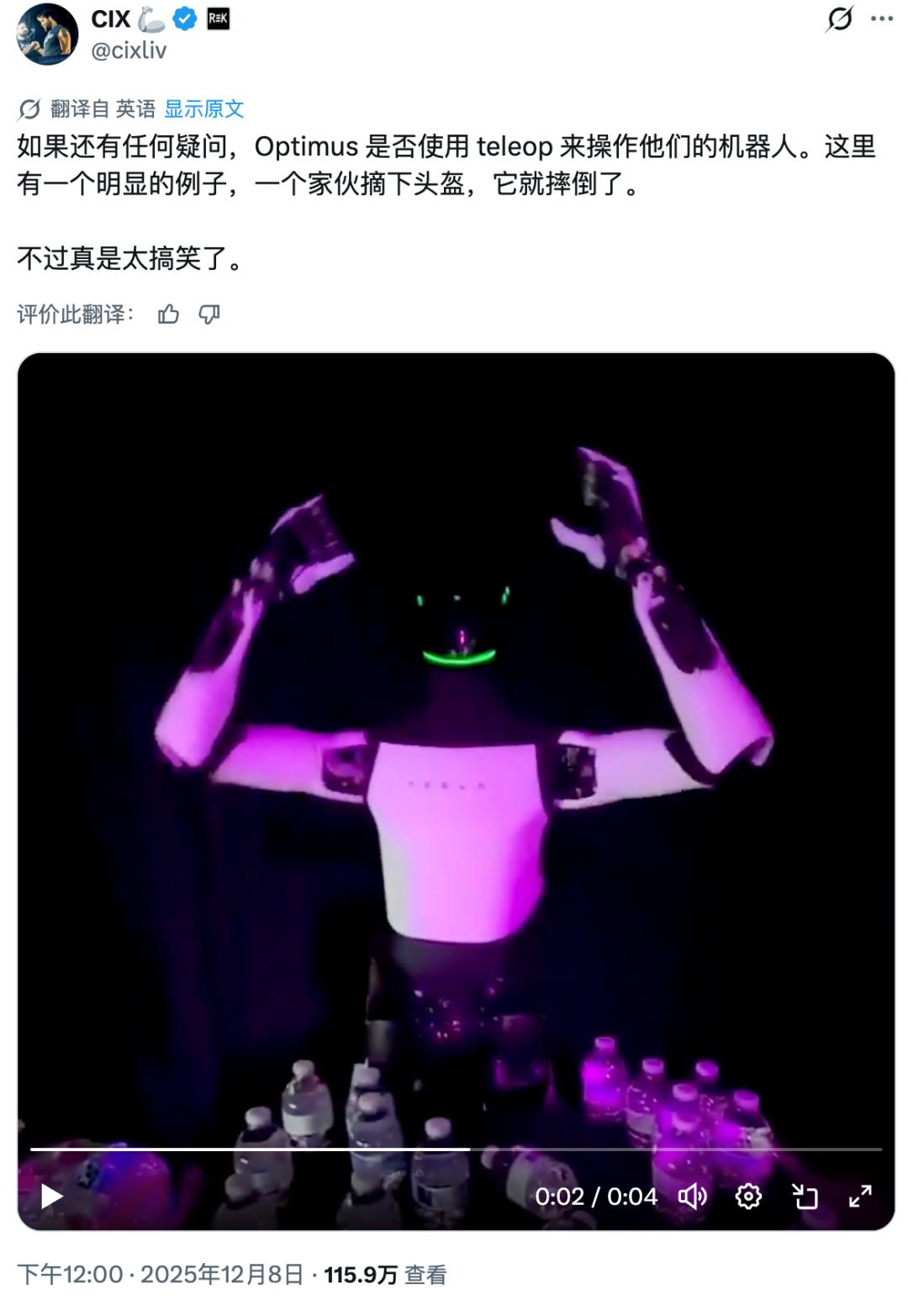
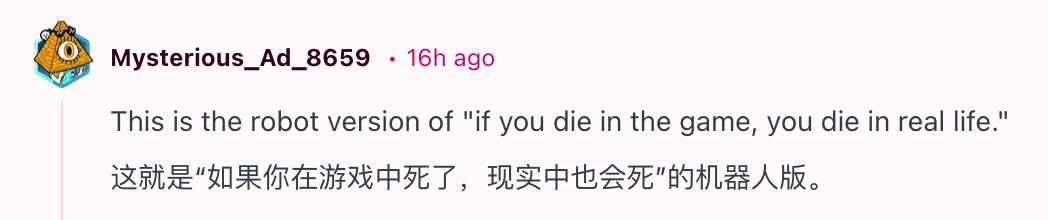
A large number of netizens associated this incident with works like "RoboCop" and "Sword Art Online", mocking that reality is becoming more and more like the sci - fi movie scenario where robots "shut down when the line is unplugged".
Some people said that the operator was probably really tired and forgot to power off the robot before taking off the headset himself; others started to do the math: If Musk wants to mass - produce one million robots, does he need to equip one million operators? Otherwise, who will come to the rescue?
The netizens' teasing makes sense. It is said that robots can replace human jobs. Now it seems that it's as if the technology tree has been misdirected, and instead, humans have to play the role of robots in a reverse way.

In fact, this is not the first time Tesla's humanoid robot has been "caught in the act".
In January 2024, Musk posted a video on X of Optimus folding clothes, with the caption "Optimus can fold shirts now". In the video, the robot took a T - shirt out of the basket and slowly folded it neatly on the table, looking very smooth in its movements.
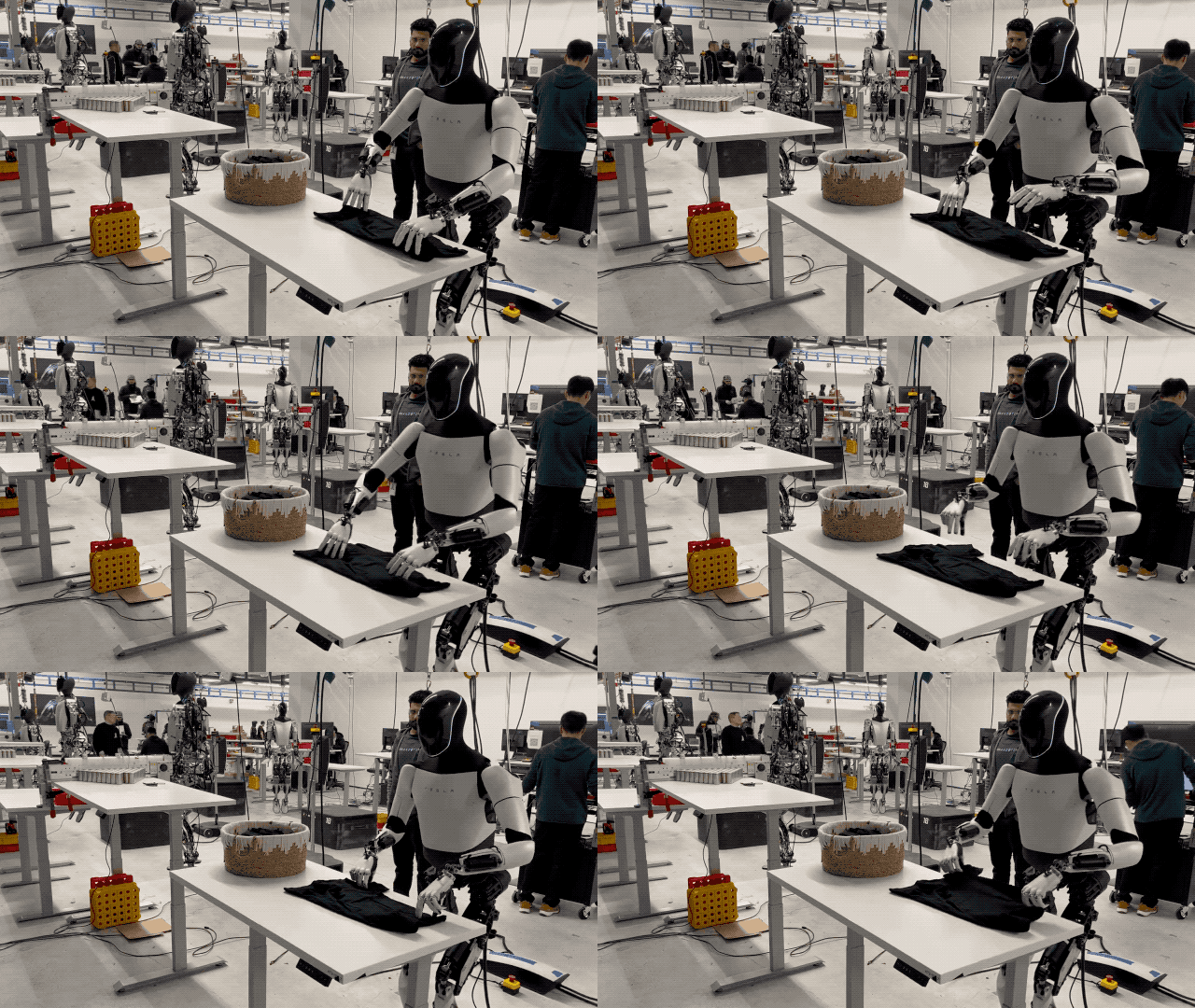
Keen - eyed netizens zoomed in on the video and found that the shadow of a robotic arm briefly appeared in the bottom - right corner of the screen, with a movement trajectory completely synchronized with Optimus' actions. Later, Musk himself came out to pour cold water on it, admitting that the video "was not completed autonomously".
Then there was the "We Robot" event last October.
Multiple Optimus robots appeared in cowboy costumes, serving drinks to guests, playing ball - throwing games with the audience, and even having conversations with people. However, subsequent exposures showed that the conversations and actions of these robots were mainly remotely controlled and assisted by behind - the - scenes engineers, and Tesla did not take the initiative to explain this.
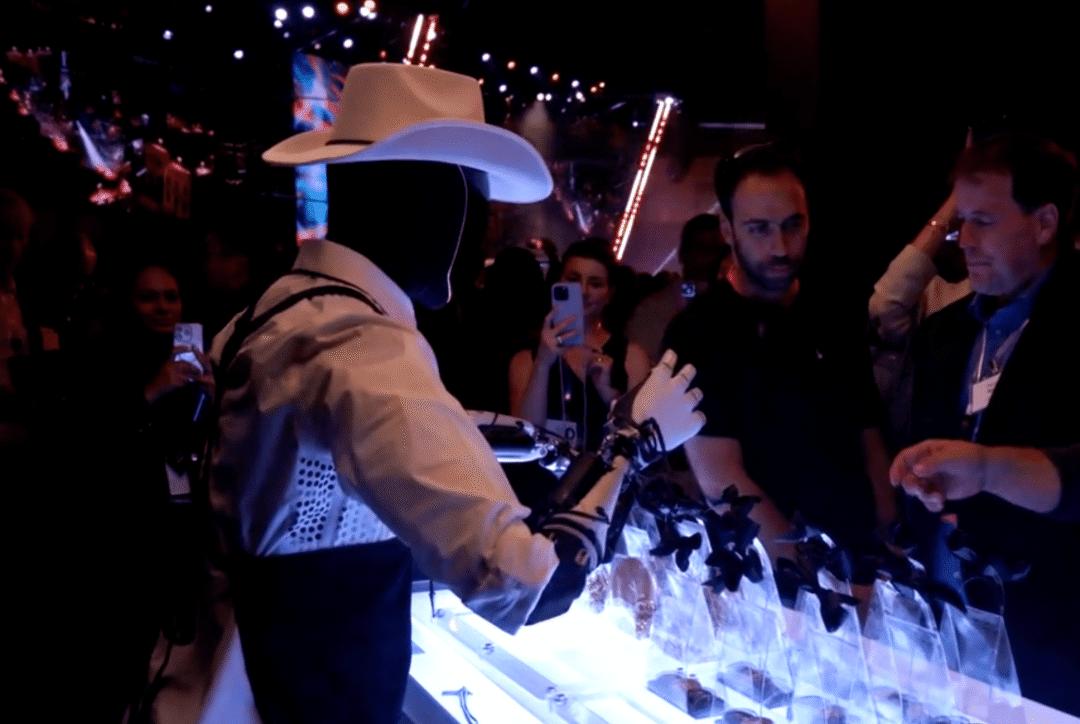
Technology blogger Robert Scoble learned after asking questions on - site that the robots were controlled by human "remote assistance". Even one Optimus robot admitted in a clumsy electronic voice on the spot: "I have human assistance today and am not fully autonomous yet."
Despite the frequent controversies, Musk's belief in Optimus has never wavered.
He has elevated this project to the level of "changing the world" on multiple occasions. At the 2024 "We, Robot" press conference, Musk boasted that Optimus would be a general - purpose robot with extremely wide applications.
"It can do anything you ask it to do. It can be a teacher and take care of your kids; it can walk the dog, mow the lawn, and go grocery shopping; it can also be your friend and bring you tea and water. Whatever you can think of, it can do it."
At last month's general shareholders' meeting, he even said excitedly: "Once AI and robots are mature, we can even expand the global economy ten - fold or even a hundred - fold. The large - scale application of Optimus is the secret to that infinite gain. Maybe by then, the concept of'money' will become redundant."
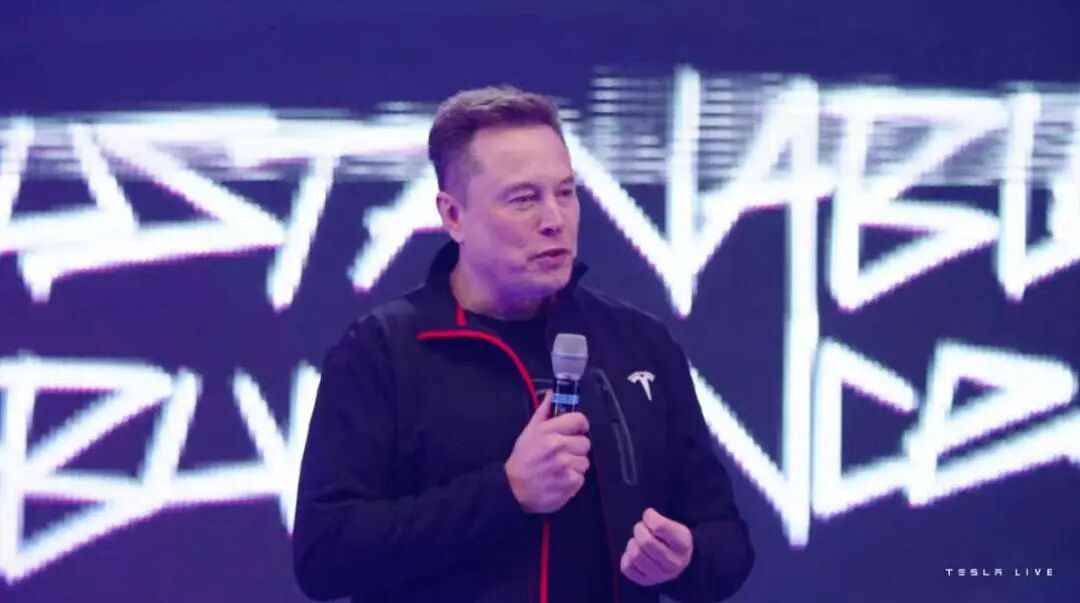
He predicted that Optimus would make future work an option.
Most people can receive "universal high income" from the labor of robots and enter an "era of abundance", in which the cost of goods and services will approach zero, and poverty will cease to exist.
If someone else said this, they would probably be regarded as having a severe case of second - rate syndrome; but when Musk says it, people will hesitate and wonder if they have a narrow vision.
In terms of commercial value, Musk does not hide his ambition at all.
He has repeatedly proposed that Optimus will bring Tesla revenue opportunities in the trillions of dollars in the long run. He also predicts that the future market demand may reach 10 to 20 billion units, exceeding the total human population, accounting for more than 80% of Tesla's market value, and even driving the company's market value to reach $25 trillion.
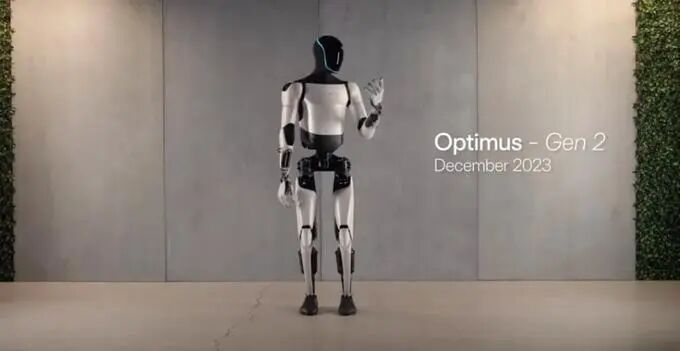
Of course, there have indeed been progress in Tesla's robot technology.
From the concept show with a human in costume in 2021, to the prototype that could walk slowly in 2022, to the Gen 2 with dexterous hands that could fry eggs in 2023, and the Gen 3 version with 22 degrees of freedom in each hand, a 2.3 - kWh battery, and an end - to - end neural network with 8 cameras and an FSD chip, these are all real engineering accumulations.
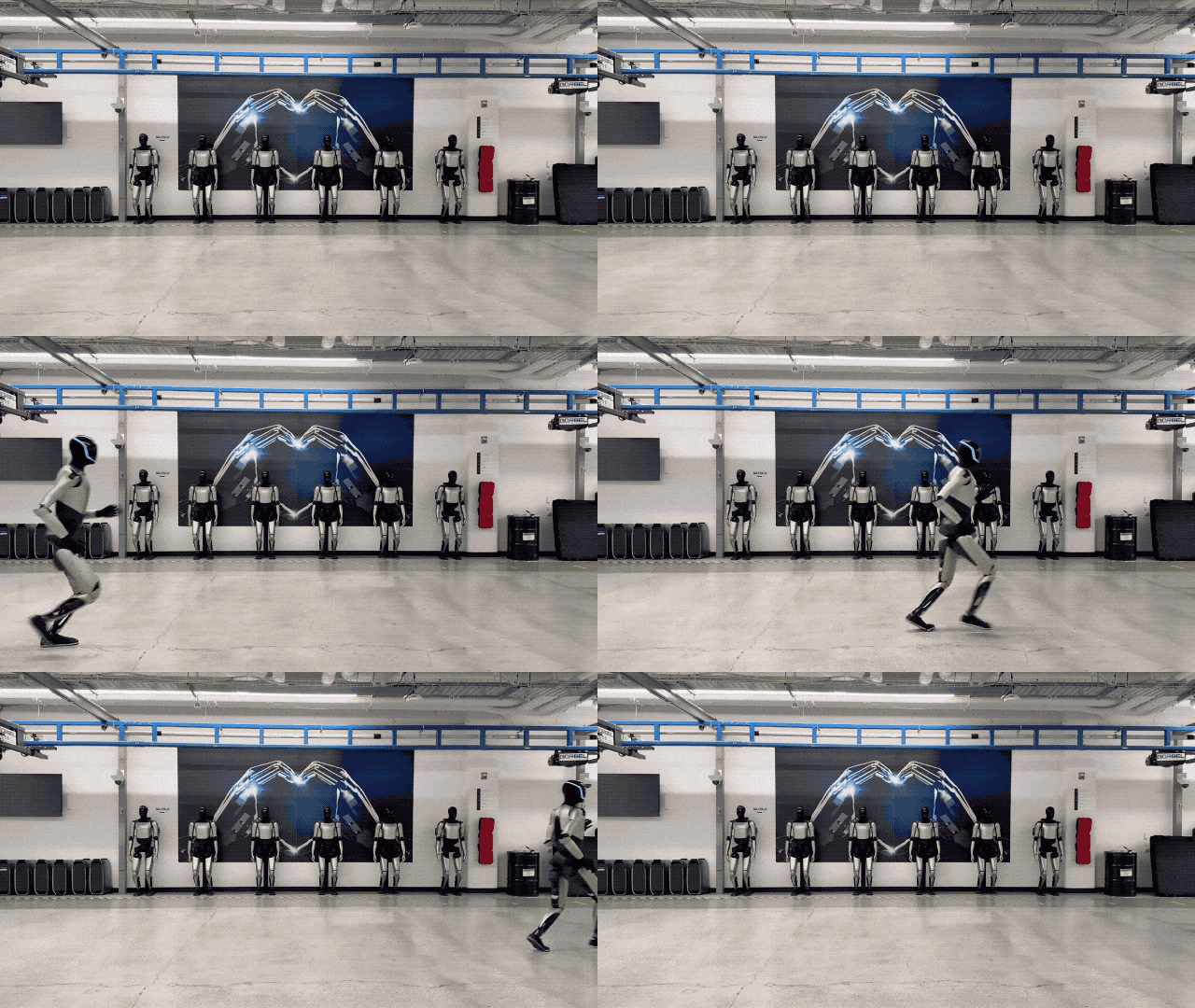
Currently, Optimus can walk independently, maintain balance, recognize objects, stand on one leg, pick up and carry things, and even adjust its posture in time to prevent falling when it slips. The video of it running smoothly last week was quite impressive.
Moreover, we can't completely dismiss remote control.
After all, in industrial scenarios, remotely operating humanoid robots can still meet real - world needs, such as in dangerous environments or for repetitive labor. As long as the price is right and the stability is high enough, there is still market space.
And remote control of humanoid robots is itself a technical challenge. Operators use VR devices to control the robot's movements, which requires precise force feedback, low - latency signal transmission, and complex posture mapping.
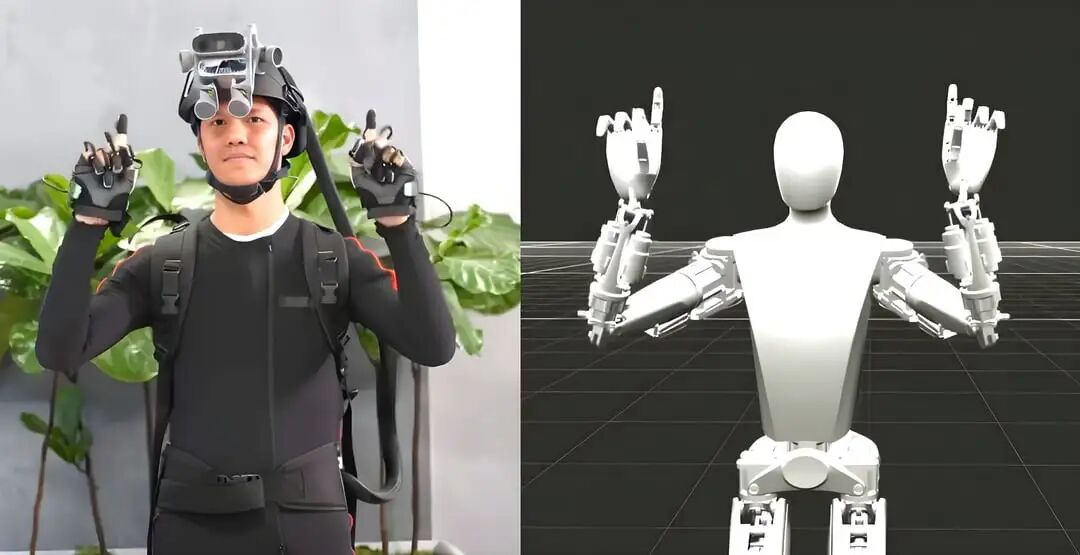
It is quite difficult for this system to make the robot's finger dexterity, body balance, and environmental perception ability keep up with the operator's intentions. Many humanoid robots can run, jump, and do backflips, but many of those high - difficulty actions are achieved only after countless adjustments in specific scenarios.
The entire industry is still working hard on achieving true full - autonomy intelligence.
Before that, Tesla's Optimus, like Musk himself, is always vacillating between "having changed the world" and "about to change the world"; like Schrödinger's cat, as long as the box is not opened, there will always be a day when it will come true.
This article is from the WeChat official account "APPSO". Author: Discovering Tomorrow's Products. Republished by 36Kr with permission.