A group of robots go to the outdoors in Hong Kong for an extreme challenge. Dogs are better than humans.
Usually, whenever people see a robot competition, they always talk about remote operation. Well, today, the event that encourages "self - reliance" is here!
At the just - concluded ATEC2025 offline challenge last weekend, the organizers not only encouraged robots to complete tasks autonomously but also, for the first time, took the robots out of the laboratory and into the outdoors without remote operation.
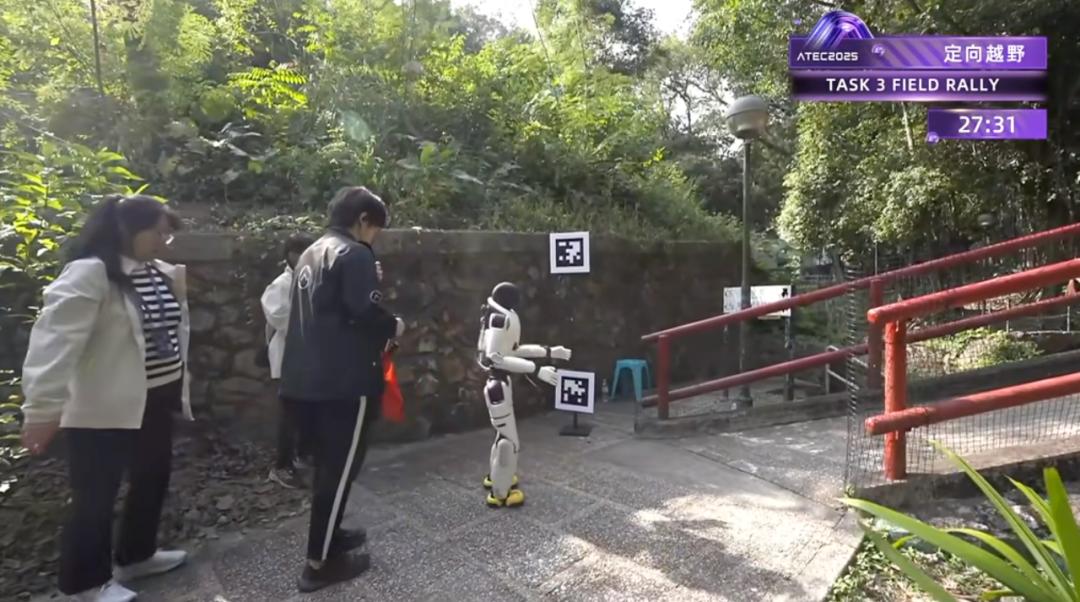
Arches, mountains, gentle slopes, suspension bridges, and playgrounds. The robots relied entirely on AI to navigate through these challenges autonomously, and it was all done in one shot.
Regarding the difficulty of this competition, the organizers, as the "question - setters", were quite confident. Even before the competition started, they revealed in advance:
This might be a competition with numerous flops!
However, exciting competitions always have unexpected twists.
Originally, it was thought to be a flop as predicted by the organizers, but the contestants were full of tricks and managed to break the situation.
After two days of intense competition, the top three teams emerged: Team Wongtsai from Zhejiang University won the championship, followed by Team IRMV from Shanghai Jiao Tong University and Team CyberPrime from Beijing Institute of Technology, taking the second and third places respectively. (All are robotic dog solutions)

△
Even more surprisingly, after winning the championship, the Zhejiang University team "showed off humbly" by saying that they actually had more difficult contingency plans.
So, what kind of "robot competition" is this exactly?
Pre - race warning of flops? Contestants: No way
This Fifth ATEC Technology Elite Competition Offline Event was hosted by The Chinese University of Hong Kong and co - organized by the ATEC Frontier Technology Exploration Community, Peking University, Beijing Normal University, and Ant Group. It was held at the Lingnan Stadium of The Chinese University of Hong Kong and the "Small Bridge and Flowing Water" ecological area on the weekend of December 6 - 7.
The expert review panel for this event included many internationally renowned robotics scholars such as Liu Yunhui, Xie Lihua, and Masayoshi Tomizuka.
The offline competition set up four real - world challenges: garbage sorting, autonomous flower watering, orienteering, and suspension bridge crossing, covering everything from basic operations to cross - terrain movement:
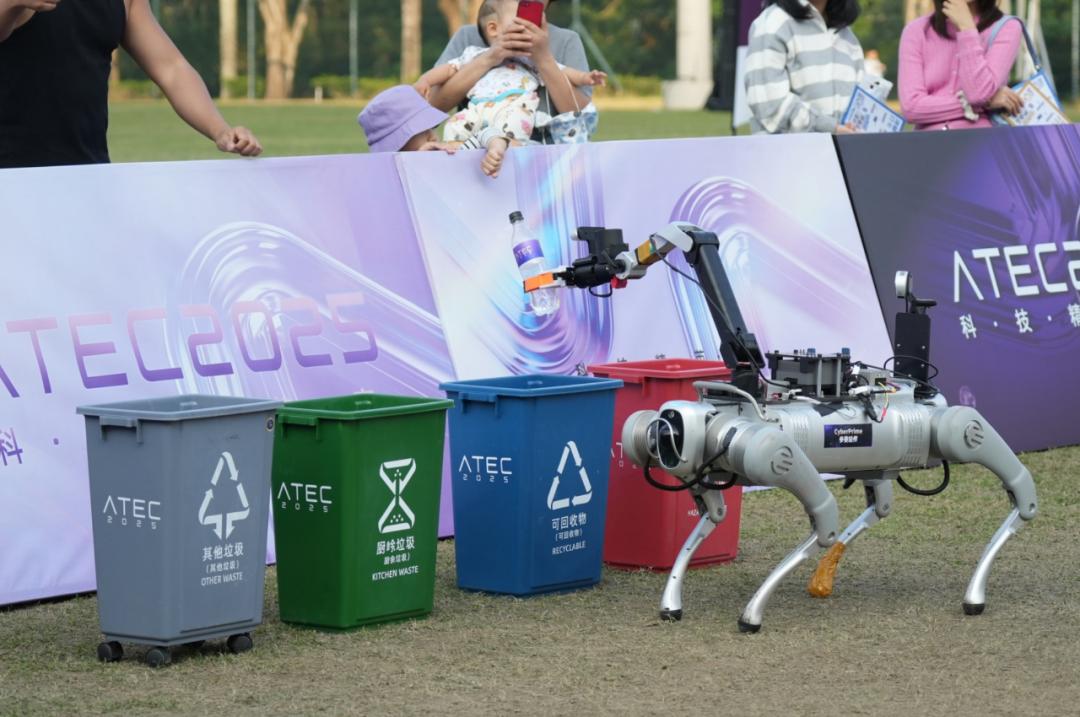
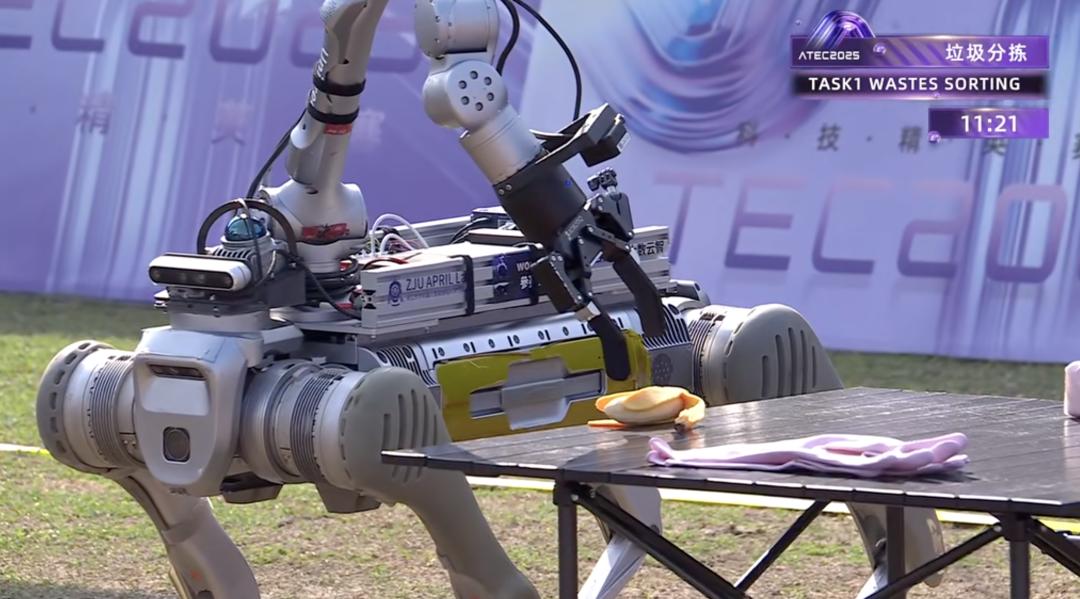
Garbage sorting: The robot starts from the initial position (the same below), identifies banana peels, transparent plastic bottles, and cartons, grabs them, moves them, and puts them into the corresponding colored trash cans. This task aims to test the robot's visual perception, target recognition, movement operation, and long - range task - handling abilities.
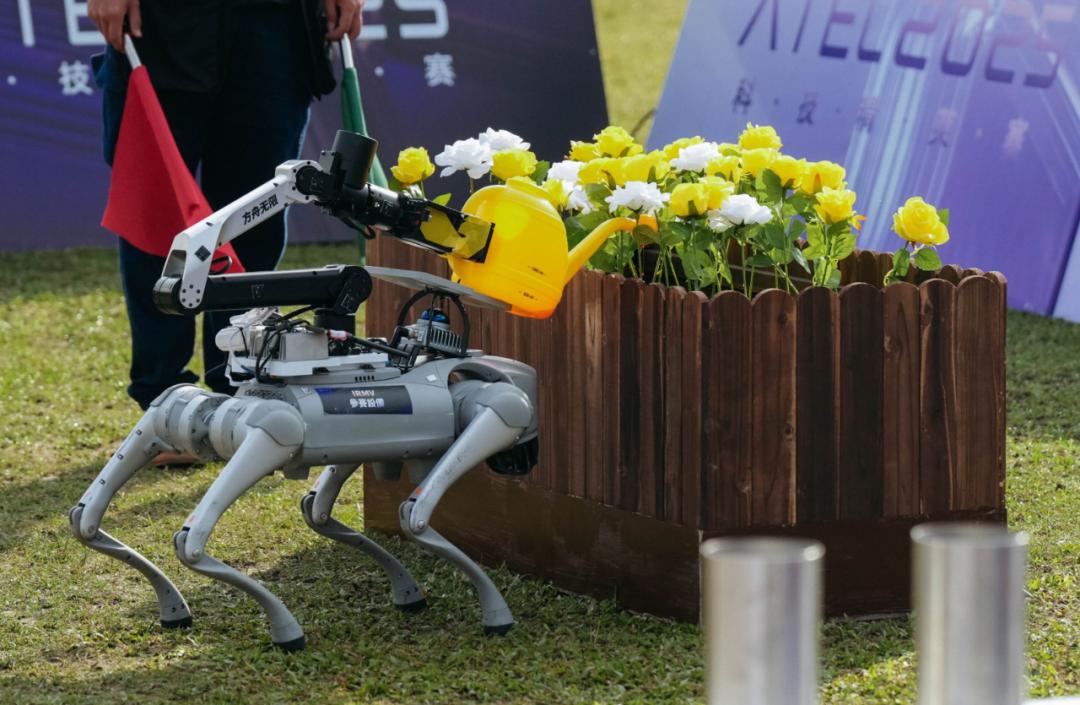
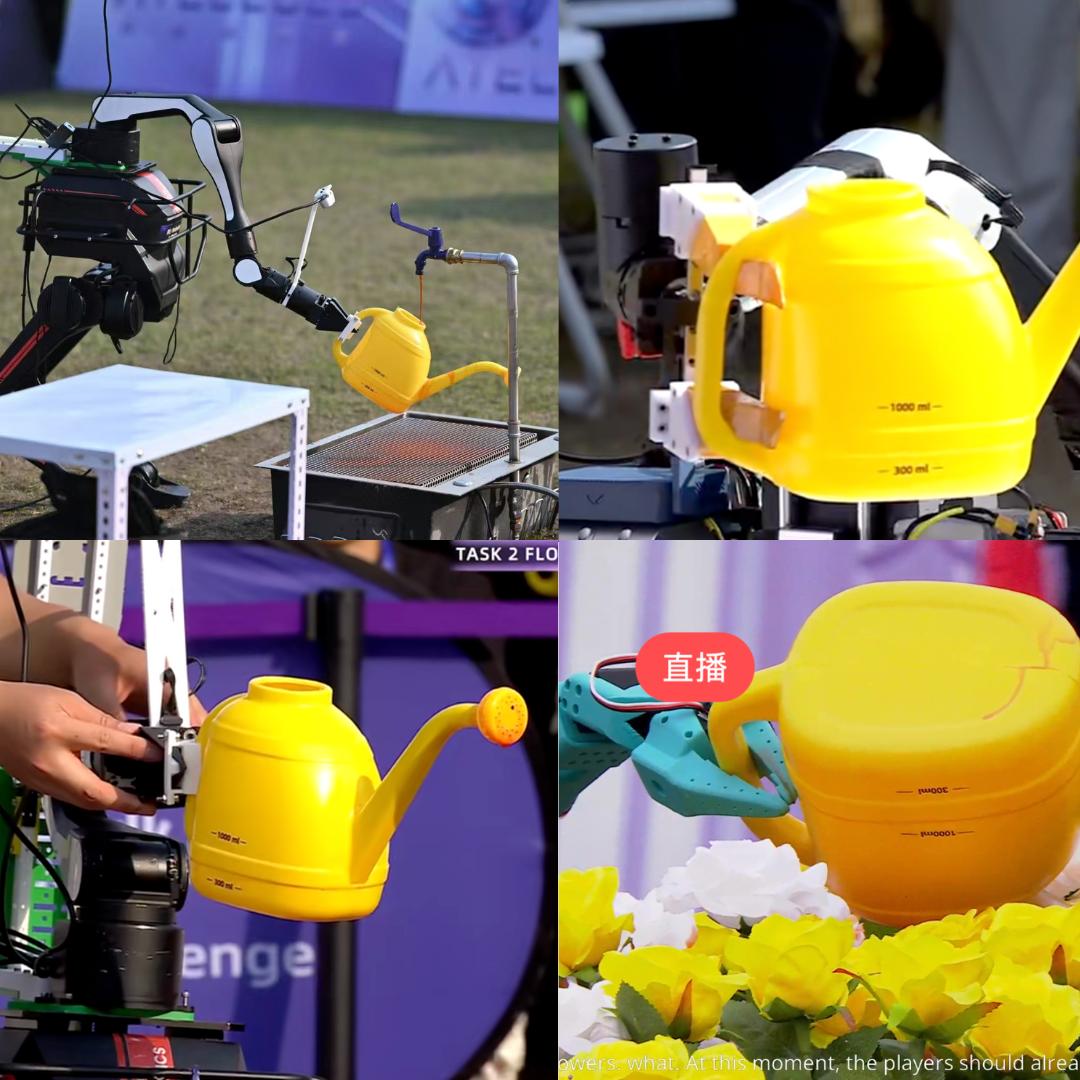
Autonomous flower watering: The robot needs to complete a series of operations such as picking up a kettle, filling it with water, finding a flower basket, watering the flowers, and putting the kettle back in place. This is a test of the robot's spatial positioning, stable grasping, and fine - operation abilities.
Orienteering: The robot needs to autonomously traverse complex outdoor routes such as arches, mountains, and steep stairs. The key here is global planning, terrain understanding, and long - range stable walking.
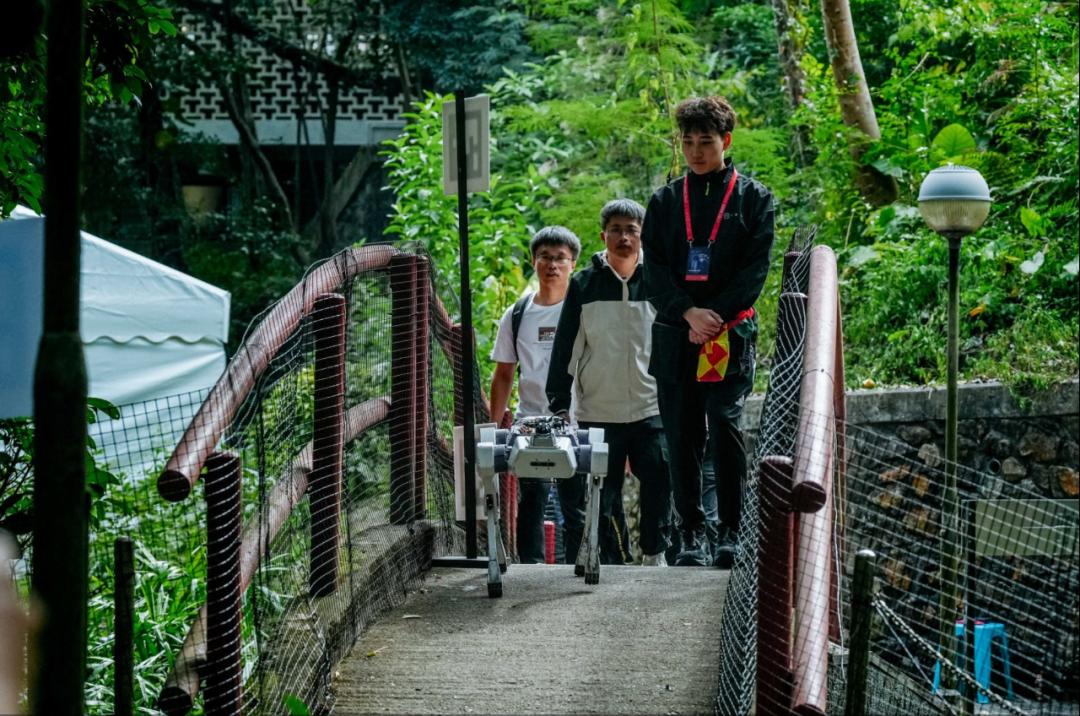
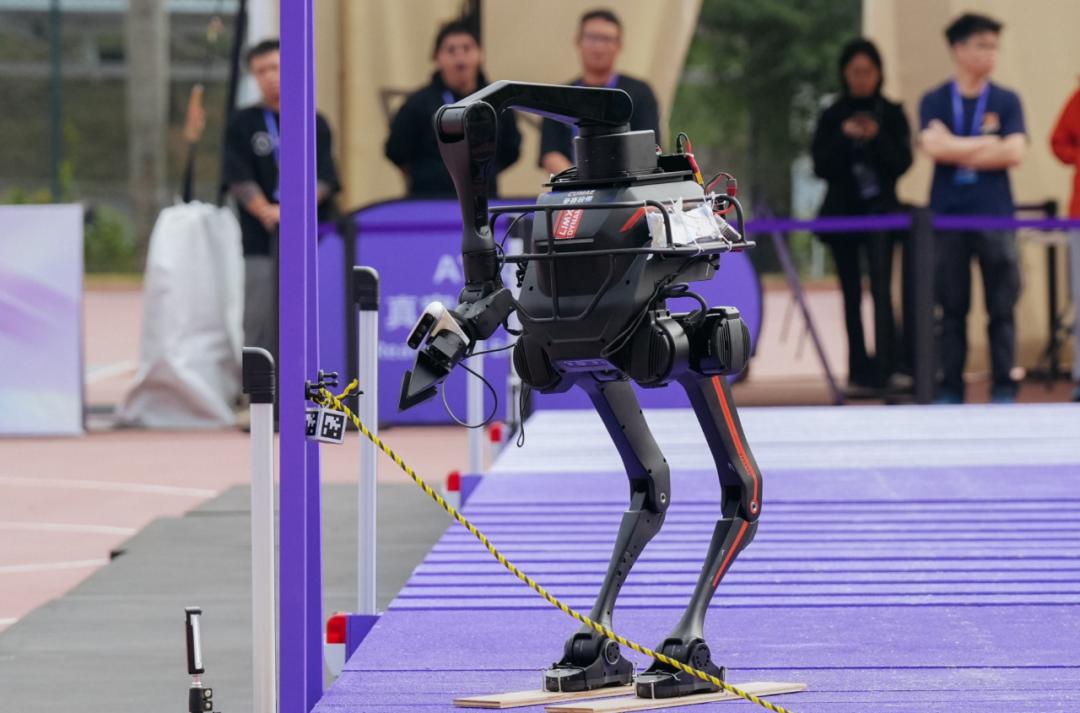
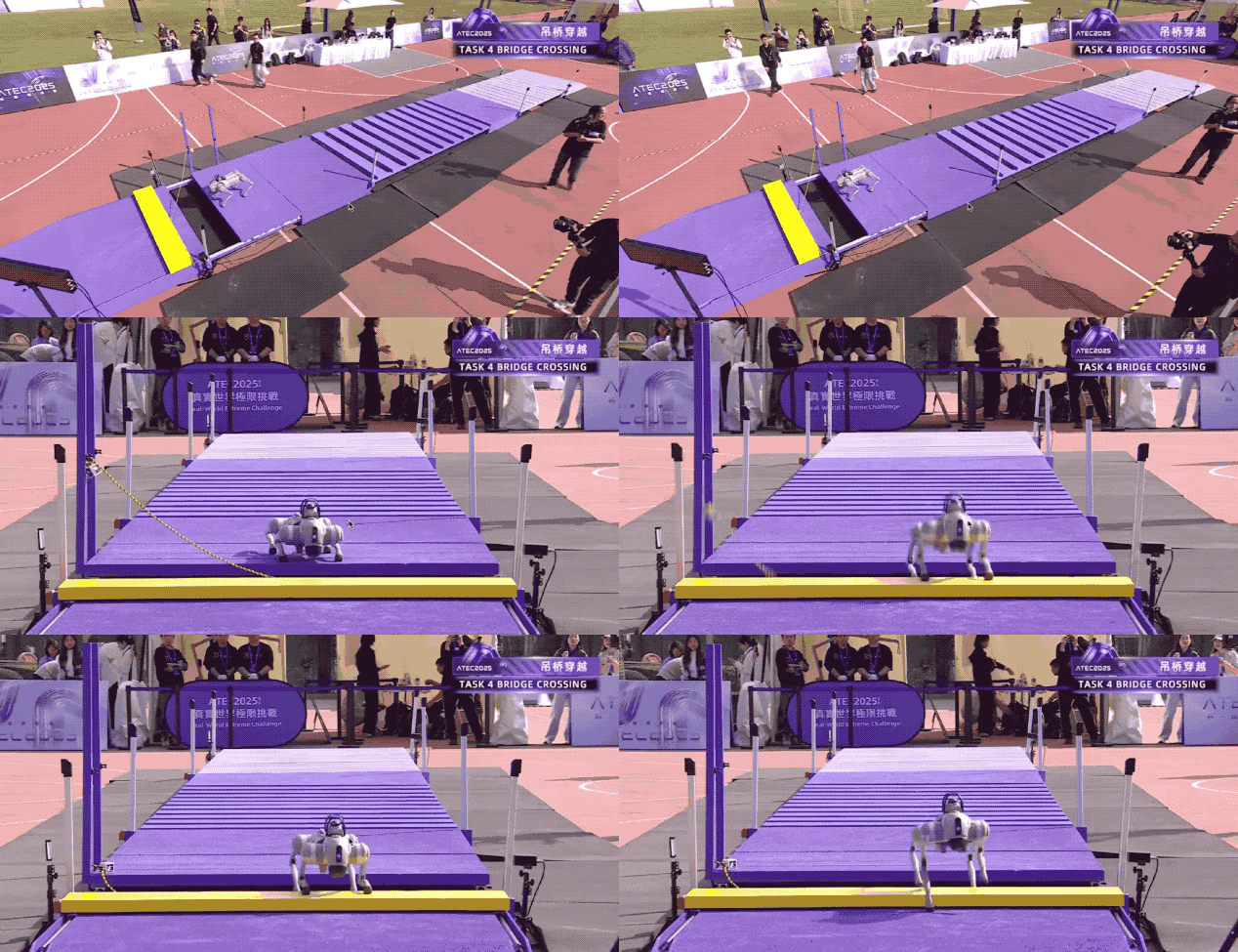
Suspension bridge crossing: The robot needs to cross three sections of suspension bridges with unequal intervals and pull a rope to build a bridge on the third section to make the broken part passable. This task aims to test the robot's robustness when walking on different road surfaces and its tool - using ability.
Generally speaking, the competition rules emphasized encouraging autonomy and restricting intervention: the less remote operation and the more autonomous completion, the higher the score.
In response to this rule, contestants generally adopted the strategy of using remote operation as a guarantee first and then striving for high scores autonomously in the actual competition. In specific projects, they showed their creativity and came up with all sorts of tricks.
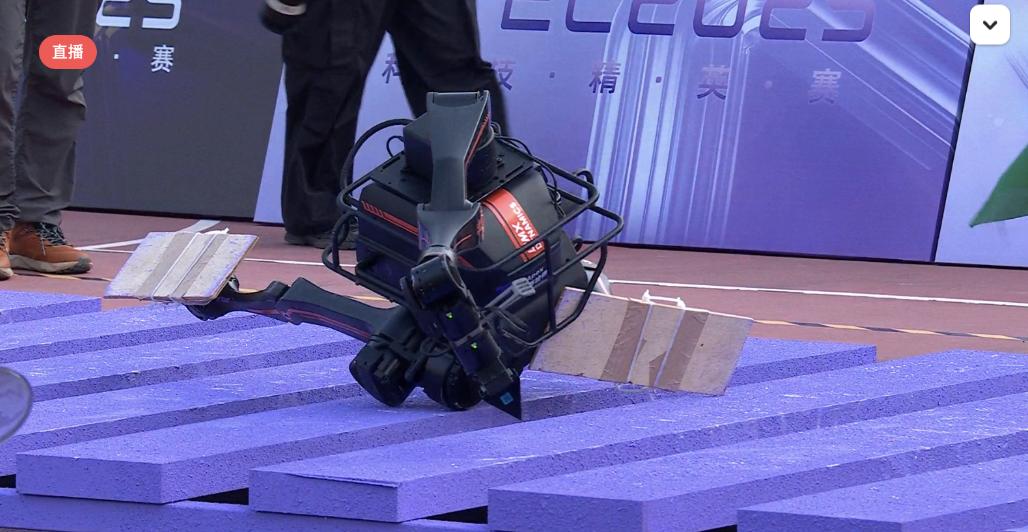
For example, to get through the suspension bridge, contestants installed "big feet" and "sleds" on the robots to prevent the robot's feet from getting stuck in the gaps.
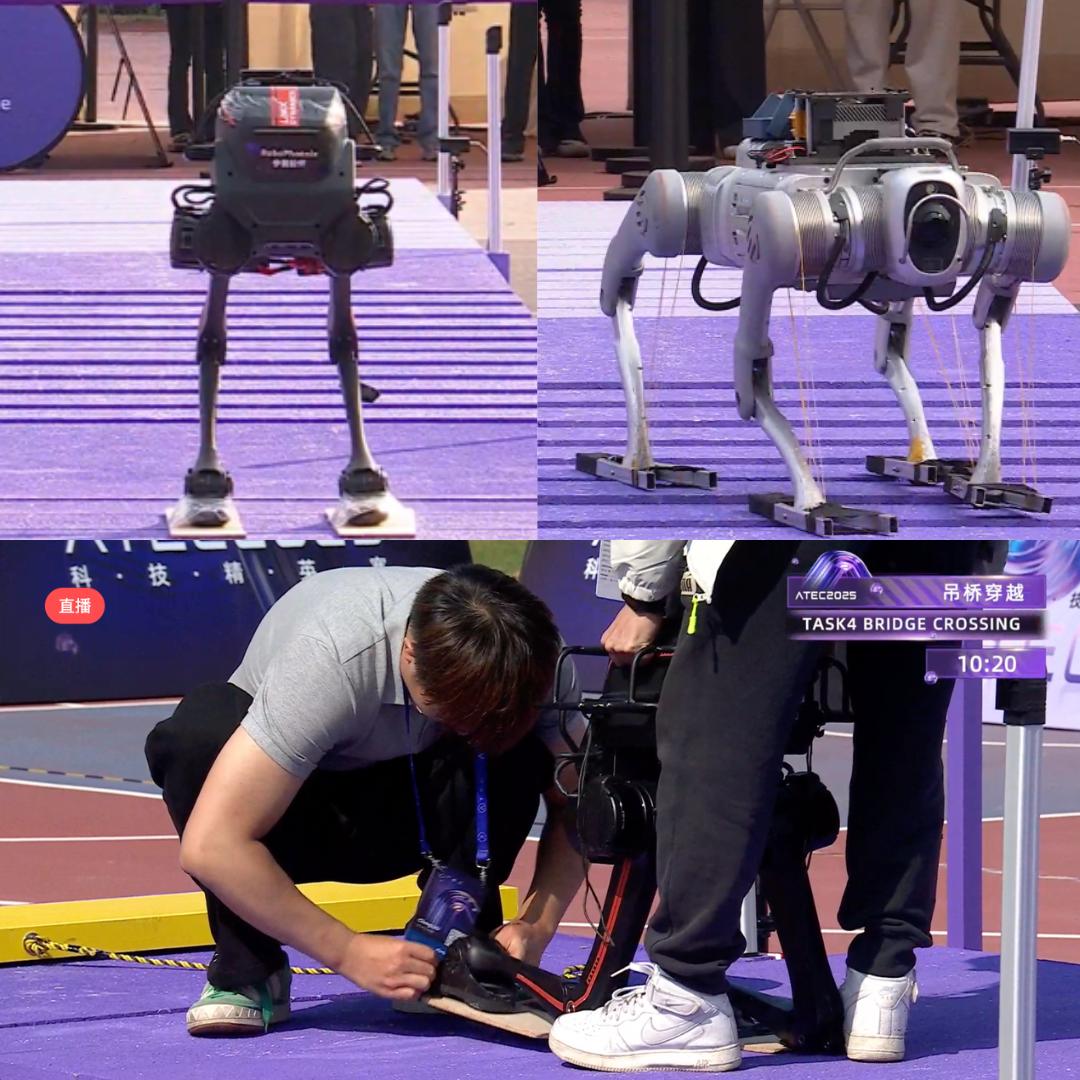
The IRMV team from Shanghai Jiao Tong University even skipped the step of pulling the rope to build a bridge and let the robotic dog jump over a 50 - cm gap.
The flower - watering task also showed a wide variety of methods: holding the kettle horizontally, grasping it upside - down, clamping it, spreading it... All kinds of "kettle - holding postures" were quite interesting.
In the garbage - sorting task, the champion and runner - up teams, Wongtsai and IRMV, showed strong dominance. Their robotic dogs completed the task entirely through autonomous modules and steadily won the extra points for no remote operation.
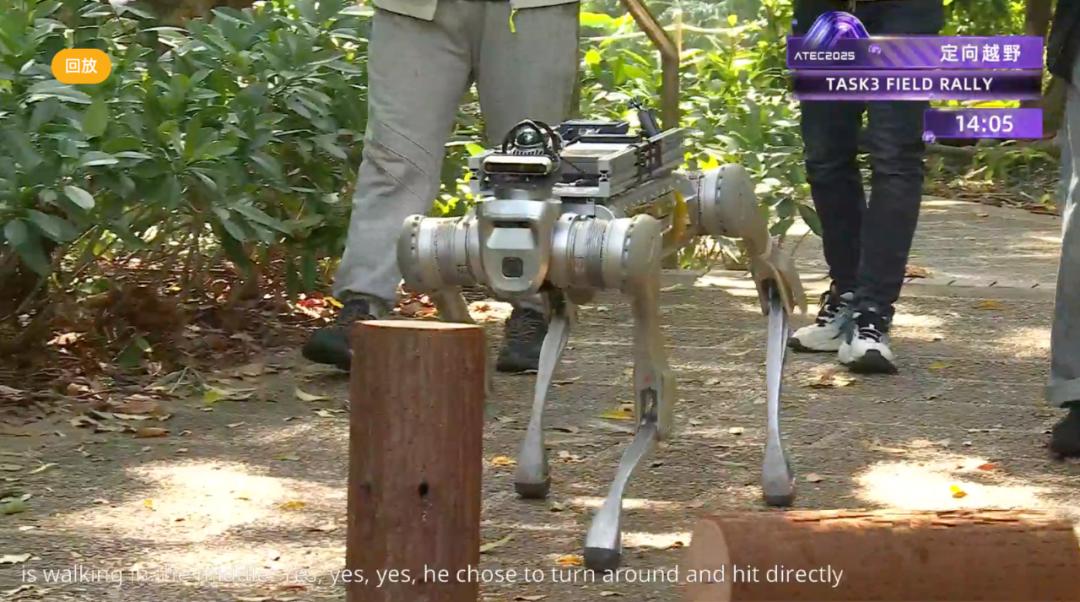
In outdoor orienteering, Wongtsai continued to lead and became the first quadruped robot team to complete the orienteering task entirely autonomously in the competition.
Finally, Wongtsai won the $150,000 championship prize with its excellent performance in the full - autonomous intelligence of robots.
It's not a dark history but the path of embodied intelligence
In addition to the contestants' excellent on - the - spot performance, as the world's first AI and robotics competition focusing on real - world extreme environments, the competition content also exposed many problems that are not easily seen in the laboratory environment, mainly concentrated in the following four aspects:
Body - significant gap between humanoid and quadruped robots
If judged by this single event: quadruped robots (robotic dogs) performed significantly better than biped (humanoid) robots in all tasks.
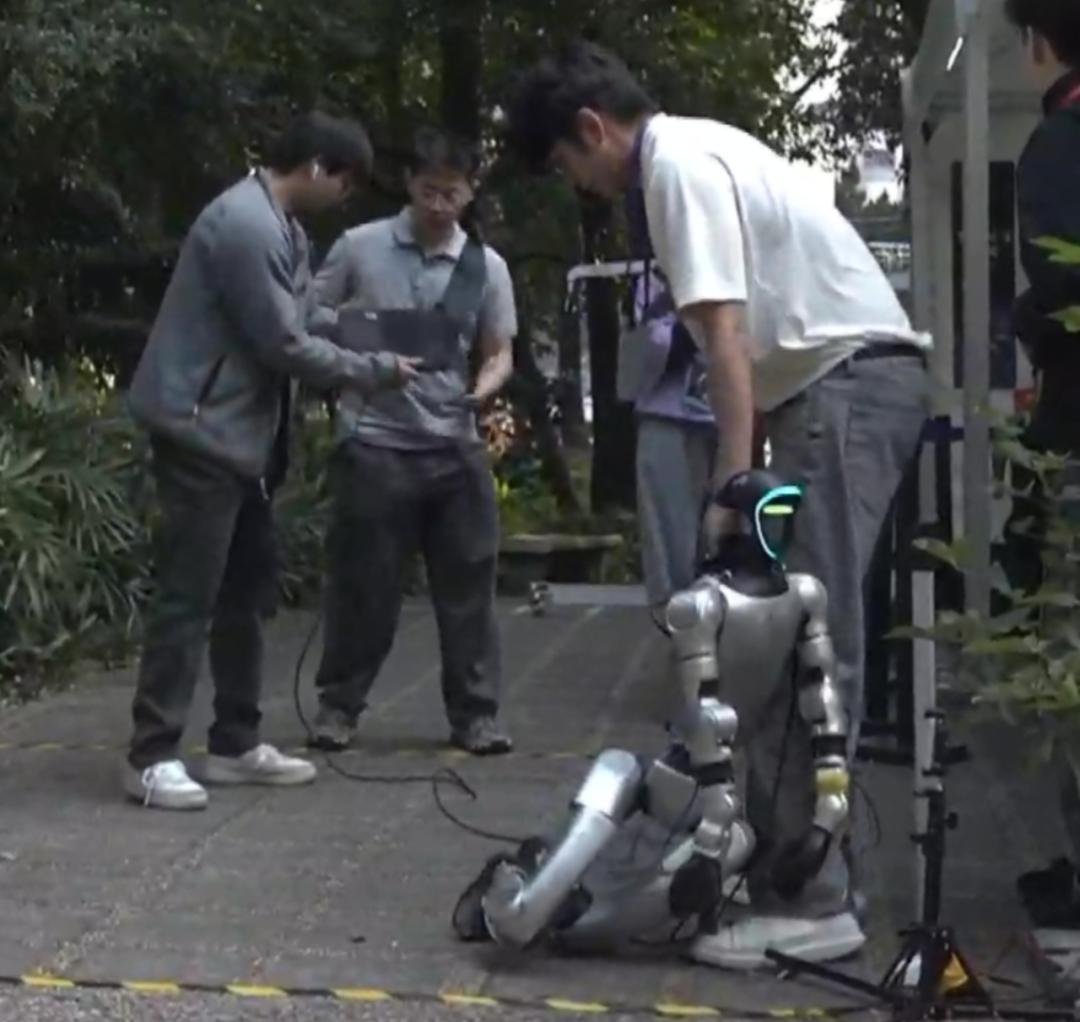
In the orienteering project where humanoid robots "failed" the most, the commentator said: Humanoid robots have a high center of gravity and few contact points, which put them at a disadvantage on complex terrains. They struggled on uphill slopes, steep stairs, and gravel roads.
In projects such as flower watering and garbage sorting that require stable grasping and fine operations, humanoid robots also performed poorly -
With a complex structure and a long control chain, once the positioning is inaccurate or there is a slight deviation in hand adjustment, it is difficult to complete effective grasping. Even with remote - operation assistance, they are still prone to failure.
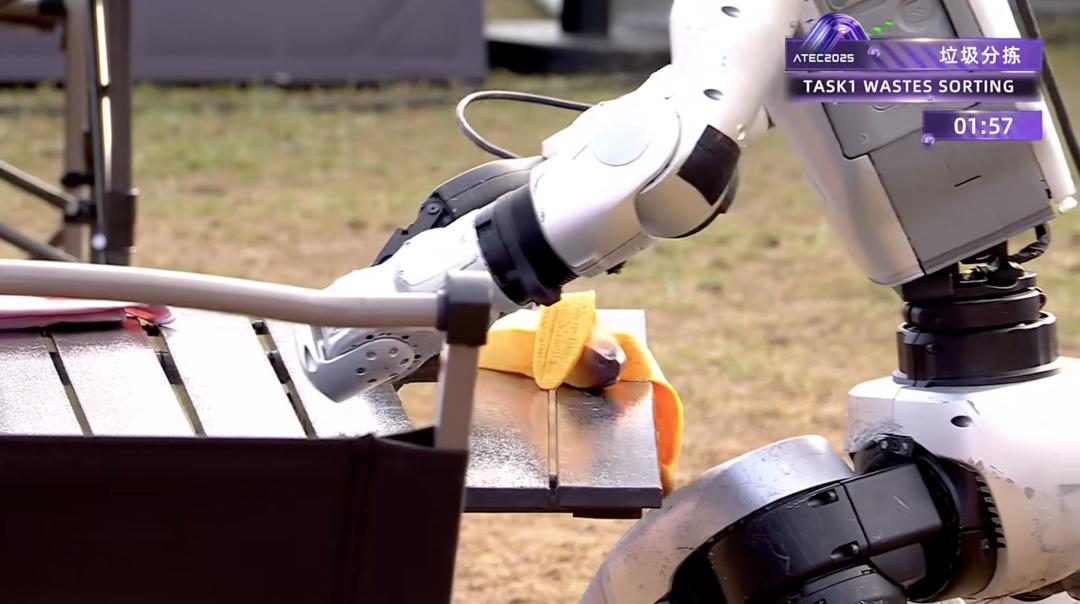
In contrast, quadruped robots were much more stable. They could complete tasks with the claws on their backs in tasks such as flower watering and sorting and showed dominant performance in outdoor orienteering and suspension bridge crossing.
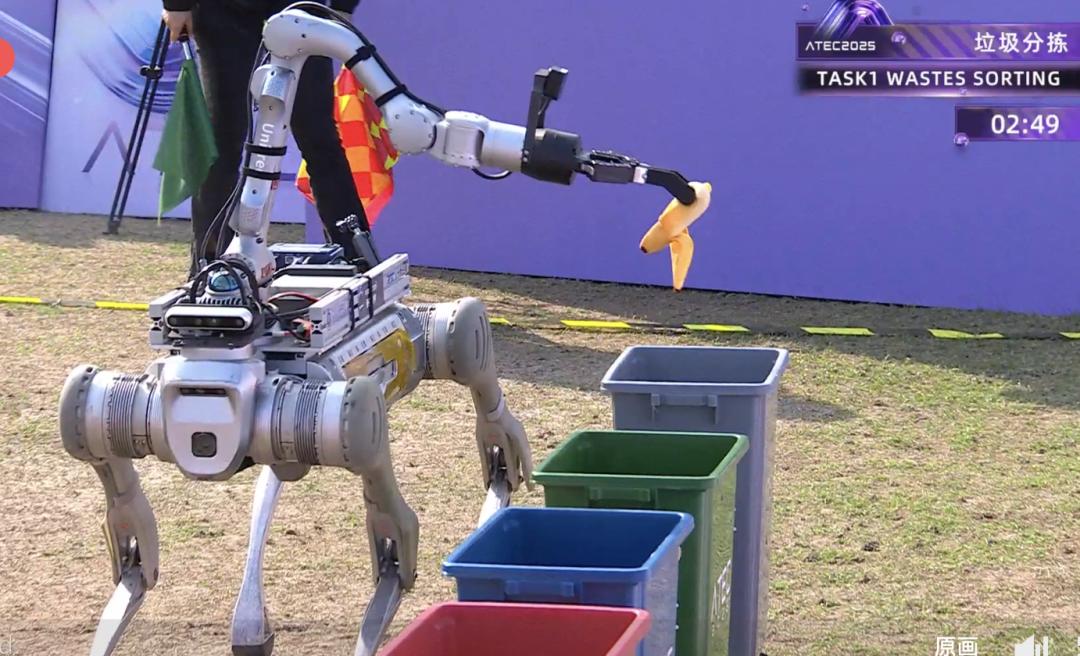
Most surprisingly, the robotic dogs of Wongtsai and CyberPrime even achieved fully autonomous garbage - sorting tasks.
Moreover, in the competition, not all teams' "temporary modifications" had positive effects. The "physical add - ons" mentioned above also led to co - design problems in software - hardware collaboration.
For example, some teams widened the robot's feet temporarily to improve stability, but this actually caused an imbalance in the robot's perception and gait control, resulting in the robot getting its feet stuck and falling.
Perception - the non - linear increase in difficulty brought by the outdoor environment
This all - outdoor environment also posed a significant challenge to the robots' perception ability: disturbances from subtle environmental changes such as light, wind, and shadows would accumulate into errors, becoming a key variable affecting the task success rate.
In the garbage - sorting task, due to factors such as reflection and background, transparent plastic bottles outdoors often led to recognition failures for the robots.
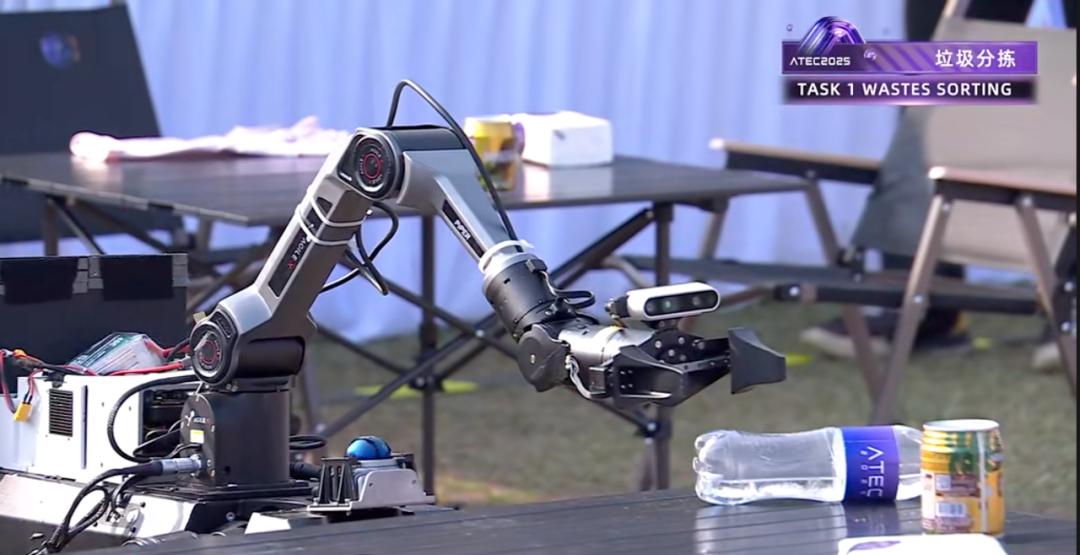
In the outdoor orienteering task, the alternating strong and weak light under the tree shade increased the difficulty for the robots to perceive the external environment.
Even a slight "movement" could affect the position of objects, thereby changing the graspable postures and forcing the affordance estimation to be updated in real - time.
In the competition, the position of the banana peel was accurate one second, but when the robot was about to grab it, a gust of wind blew the banana peel away, disrupting the perception instantly.
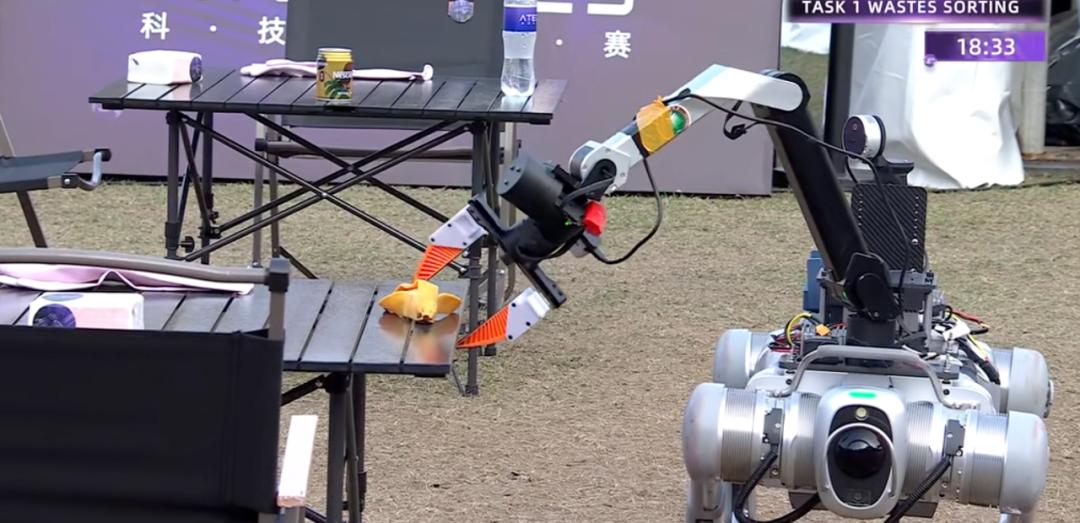
Moreover, compared with indoors, in the wild with weak signals, robots rely more on their own IMU (Inertial Measurement Unit), lidar, and local reasoning ability, which further increases the difficulty.
Planning - able to perform actions but not knowing what to do next
At the planning level, a common phenomenon exposed on the field was that even if the robots could complete individual actions, they often had the problem of "not knowing what to do after picking up a banana".
In the suspension bridge task, although most teams could cross the discontinuous wooden