New vehicles in the 402nd batch announced by the Ministry of Industry and Information Technology: Domestic brands are going all out, and joint ventures are also pulling out all the stops.
In the last month of 2025, when everyone thought that car manufacturers were busy with their year - end battles and would not be as enthusiastic about next year's product planning as usual, the latest list of products released by the Ministry of Industry and Information Technology has caused quite a stir.
From domestic brands to joint - venture car manufacturers, and from hybrid vehicles to pure - electric new cars, the new car offensive presented to us this time is full of vigor. We thought that when the entire industry was struggling to find a way out due to policy fluctuations, car manufacturers would control the pace of new car launches. However, the comprehensive product matrix makes people have more imagination about the fierce competition in the car market at the beginning of 2026.
Looking back at the past year, the market impact caused by the combination of price wars and public opinion wars has made almost every car manufacturer deeply anxious. Especially when many car manufacturers fell in the pre - dawn of the new energy industry's sustainable development stage, it seems difficult for anyone to come up with a perfect response plan for future development.
It can only be said that after the market has re - educated the leading car manufacturers, by the end of this year, for most car manufacturers, the basic framework for future development has been established. Facing the competitive trend of numerous players vying for the market, making no mistakes may be the best solution.
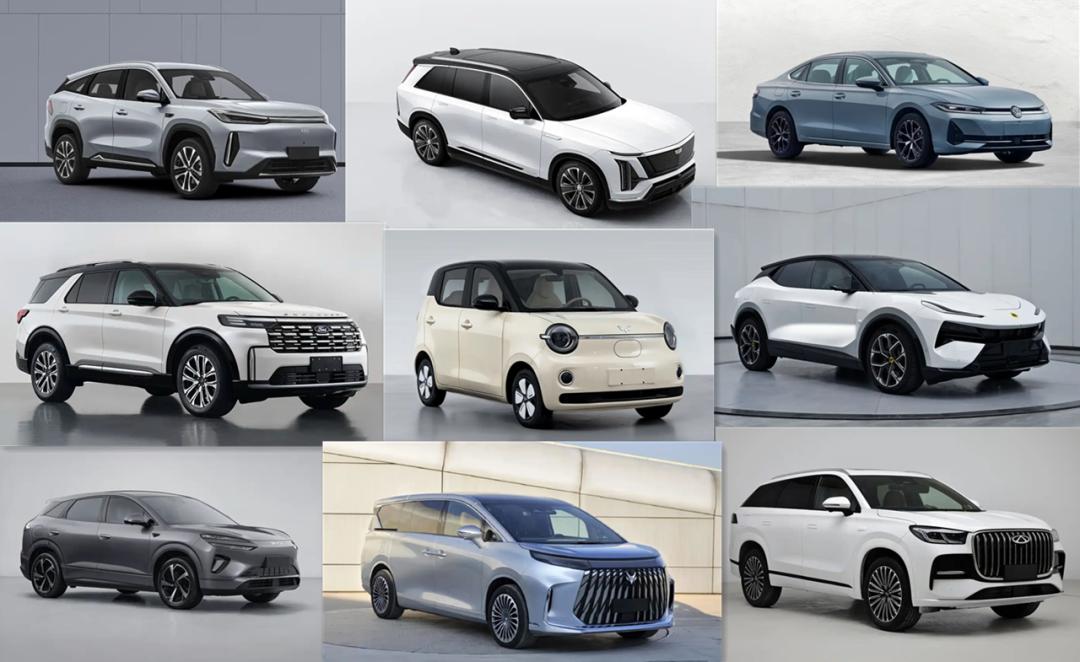
Therefore, when looking through the list of the 402nd batch of new car applications, it is obvious that those out - of - the - ordinary or unremarkable products have almost disappeared. The products presented to consumers are all competitive and capable of standing on their own.
Whether it is a joint - venture company or a domestic car manufacturer, in order to achieve some results in various market segments, it can be said that this moment has kicked off a new round of product carnival for the entire Chinese automotive industry.
Chinese Technology Fully Feeds Back to Foreign Brands
If we rewind the time to this time last year, many people had a clear view that starting from 2025, the dominance of the Chinese car market would be completely handed over to Chinese car manufacturers. Whether in terms of technology or products, joint - venture car manufacturers would gradually lose their advantages and be marginalized by the market.
Interestingly, seeing joint - venture new energy vehicles such as GAC Toyota's bZ3X, Dongfeng Nissan's N7, and Changan Mazda's EZ - 60 turn the tables beautifully, the Chinese car market in 2025 did not follow the set script. And today, against this background, the newly exposed joint - venture new energy vehicles are more and more eye - catching.
At the beginning of this month, as the latest product of Dongfeng Nissan, the N6 was launched at a highly competitive price. After joining forces with the N7 to become the key fulcrum for Nissan's new energy transformation in China, it makes the outside world see the long - lost shining points of Nissan since the departure of former CEO Carlos Ghosn.
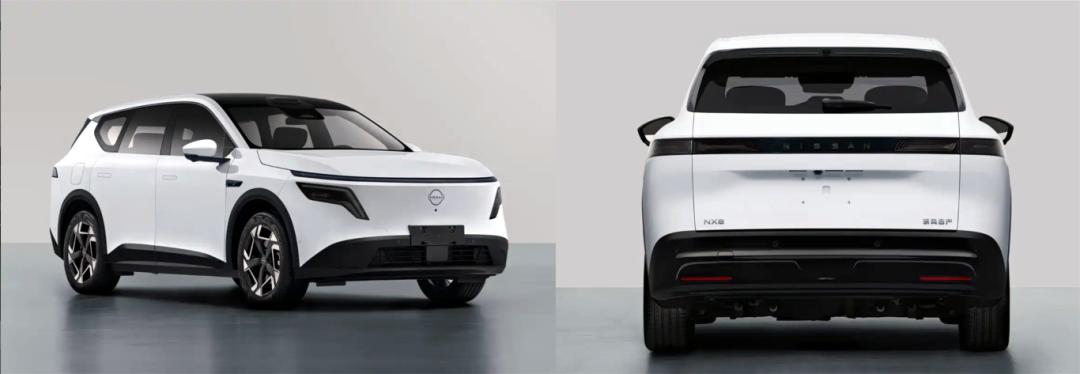
In this round of new car exposure, when the Dongfeng Nissan NX8 made its debut with more remarkable product parameters, it seems that the long - lost title of "Technological Nissan" is making a comeback.
Built on Dongfeng Nissan's Tianyan architecture and first equipped with an 800V high - voltage platform and CATL's 5C ultra - fast charging technology, the NX8 outperforms its potential competitors in terms of product strength.
Moreover, judging from Dongfeng Nissan's determination to complete local development of new cars in China, it is estimated that when the NX8 is officially launched, it will still maintain the high - cost - performance offensive in the Chinese market like the N7 and N6. In the current environment, this will pose a great challenge to many potential competitors.
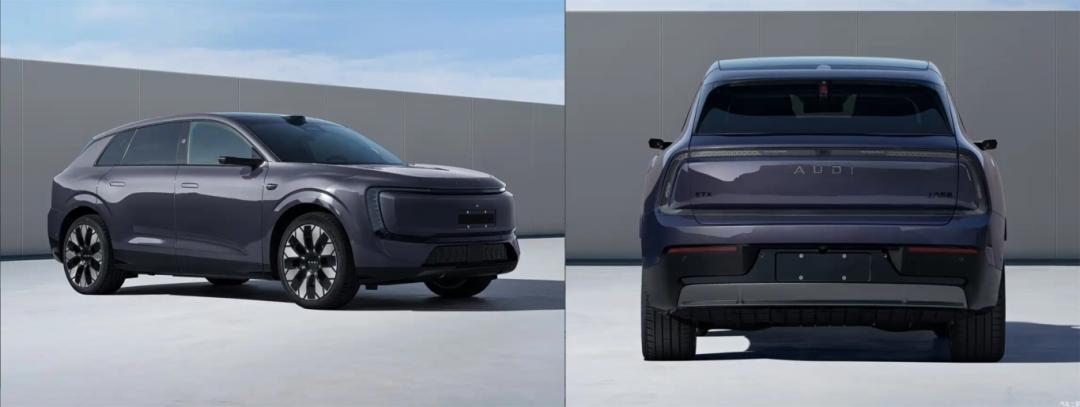
Similarly, due to the pressure of new energy transformation this year, not only ordinary joint - venture companies but also luxury brands led by BBA will not slack off during this collective showdown. After the AUDI E SUV concept car made its debut at the Guangzhou Auto Show, SAIC Audi officially released its second model, the E7X, a mid - to - large - sized new energy SUV, and completed the application with the Ministry of Industry and Information Technology.
Although the previously launched SAIC Audi E5 did not achieve outstanding sales in the terminal market, from the E5 to the E7X, we can clearly feel that Audi is well - prepared for competing with Chinese enterprises.
If Audi hopes to convey its purest understanding of the new era to Chinese users through the FAW - Audi platform with its e - tron series in the electrification transformation, then at SAIC Audi, all the new cars that have been unveiled or are in the planning stage aim to show an attitude: Audi does not turn a deaf ear to the development of the Chinese new energy industry and the consumption habits of new energy vehicles.
Based on the known information, it is highly likely that the E7X and the E5 come from the same origin and maintain a high degree of consistency in core product strength. But still, as long as the Chinese car market plays a crucial role globally, there is no need to underestimate traditional luxury brands like BBA.
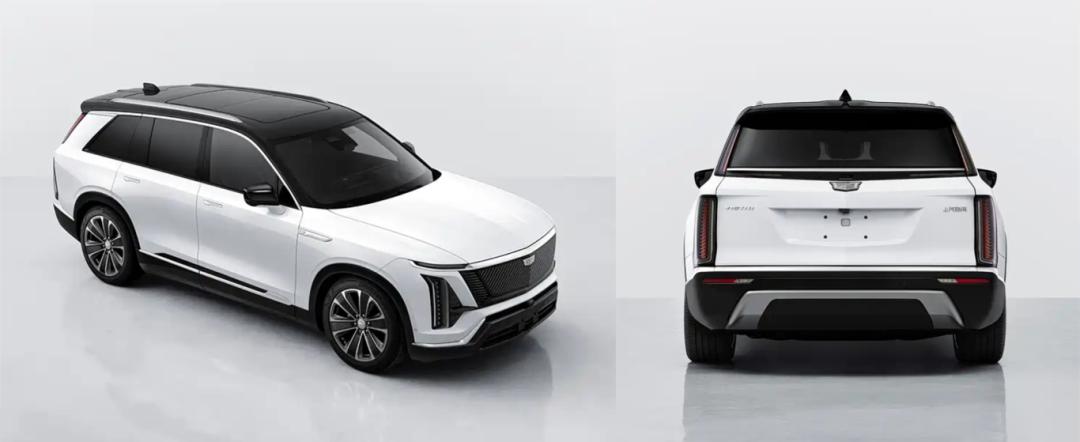
Even if products with strong brand characteristics such as the Cadillac VISTIQ and the Volkswagen Passat ePro appear in this batch of new car application lists, the entire industry cannot withstand the counter - attack of all joint - venture car manufacturers after they have recognized the situation.
Indeed, given the Chinese government's support for the new energy industry, global automobile enterprises have no reason not to learn from China. Then, let alone those foreign brands with Chinese investment backgrounds, such as smart.
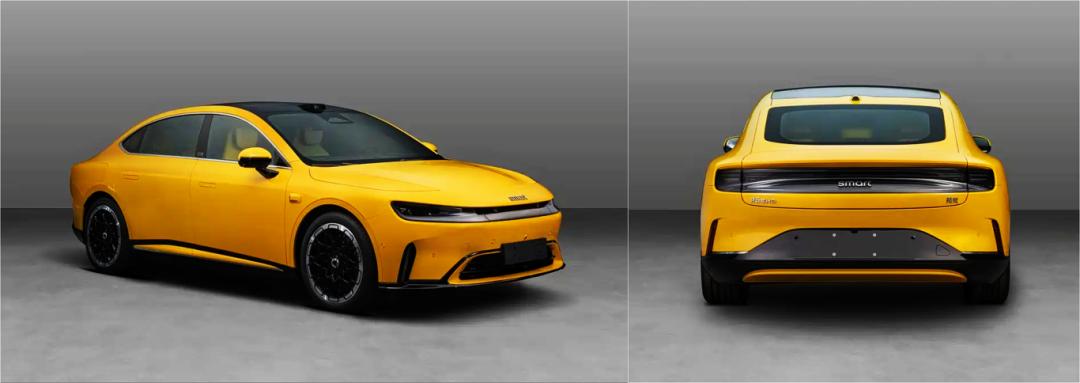
After the successive launches of the smart #1, #3, and #5, smart finally presented its first new energy sedan, the smart #6 EHD.
Judging from the 1.5T plug - in hybrid system and the vehicle platform of this car, the influence of Geely on the smart #6 is quite obvious. Undoubtedly, as a mid - sized new energy sedan, the smart #6 has moved away from the niche market of smart. Facing the largest new energy market in China, like the #5, the smart #6 EHD aims at the vast number of young and family users in China.
There Is No Such Thing as a Blue Ocean Market
Looking at the development of the Chinese automotive market, we know very well that this industry has never been dominated by one single player. This is especially true as the market volume has gradually climbed to an annual sales level of over 25 million vehicles.
No matter how down - on - their - luck the once - glorious joint - venture brands are, in the face of changing circumstances, giants like Toyota and Volkswagen can always reinterpret the new era. For Chinese car manufacturers, since the market share is there, instead of engaging in a life - and - death struggle, why not give full play to their advantages in the markets they are good at?
This year, in addition to the awakening of joint - venture companies, there is also an obvious product trend: the markets for "large - sized" new energy SUVs and entry - level electric vehicles are extremely lively. In this batch of new car applications, even the most obscure brands have launched a large number of similar products.
Not long ago, in the "Battle of the 9 Series", the IM LS9 and the Voyah Taishan can be regarded as the final offensive against the Wenjie and Li Auto series in this round of competition. But it hasn't been long, and the sibling models of these two flagship SUVs have appeared.
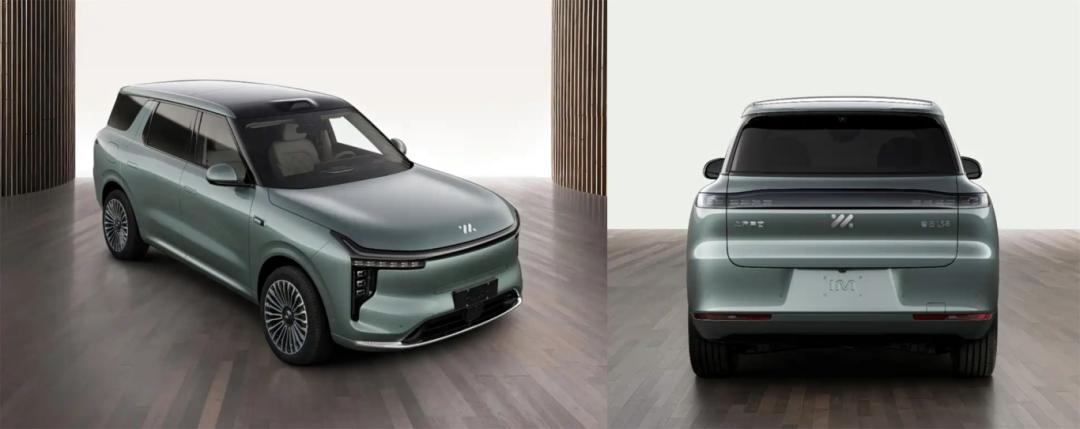
Like the IM LS9, the newly exposed IM LS8 is also a large - sized product. With a length of 5085mm and a wheelbase of 3060mm, it is clearly designed to fill a market gap and compete with models like the Wenjie M8, the Li L8, or the popular Lynk & Co 900.
Compared with the Taishan, the Taishan 8, which focuses on a large five - seat layout, has a wheelbase 120mm shorter and a length 30mm shorter than the current Taishan. The purpose is self - evident.
In the current situation where mid - to - large - sized new energy SUVs are flooding the market, launching a large number of models is not only a cost - effective method but also meets the daily needs of most non - large families, as these products, although seemingly different in positioning, are highly similar in nature.
So, if you want to further control the car - buying cost, it's time for Wuling to step in.
It is said that the currently "aggressive" Leapmotor achieved consecutive sales growth with a mindset of offering products at half the price of Li Auto. But when seeing the Wuling Xingguang L, to be honest, it has truly grasped the essence of Li Auto. Especially when the star - ring - style headlights appear on the Xingguang L, the feeling that a real disruptor is about to enter the market becomes even more profound.
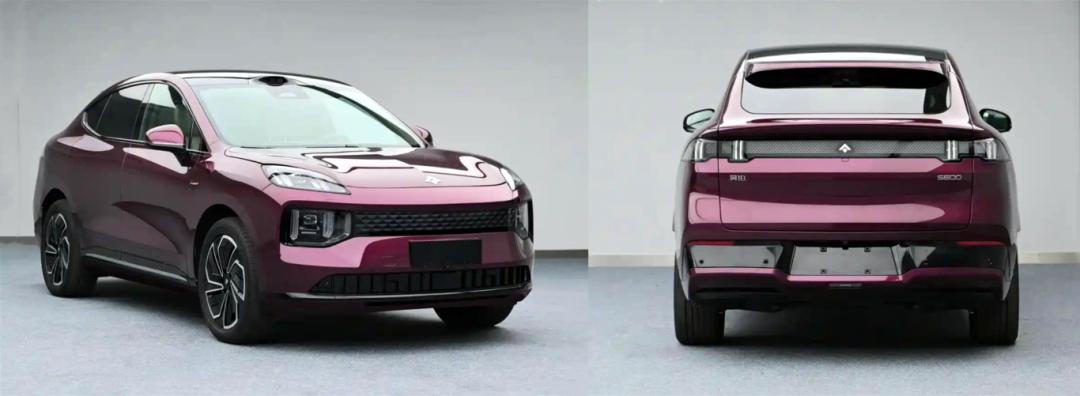
In contrast, the newly launched Hyper S600 from GAC Aion seems less aggressive. Whether it is a replacement for the HT or not, at least its body shape is less homogeneous. Since this new car will be available in range - extended and pure - electric versions, its potential market in the future will be larger than that of the current Hyper HT.
After the Wenjie series dominated the market, the outside world once thought that the market would calm down. However, it seems that Chinese car manufacturers have plenty of ways to prevent this trend from intensifying. On the other hand, when the replacement models of the Wuling Hongguang MINI and the Bingo Pro jointly defend their market positions, competitors including Changan will surely not sit idly by.
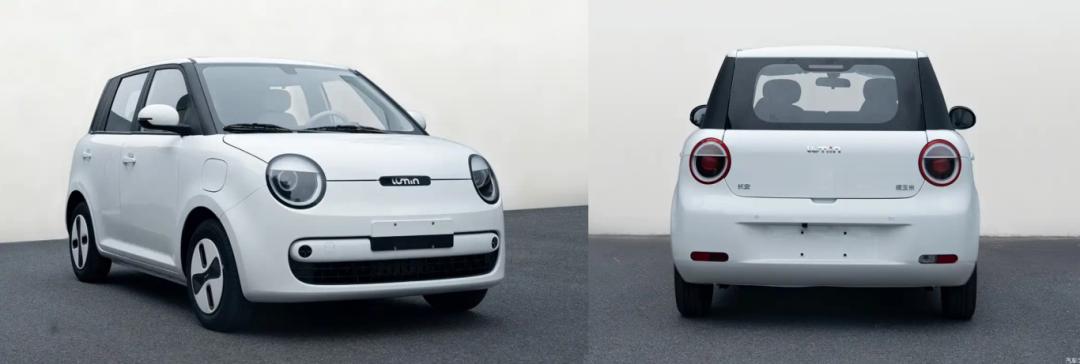
The Chery Lumin unexpectedly launched a four - door version, simply because it doesn't want Wuling to monopolize the entry - level electric car market.
As the second new car under the brand's new naming system, the Aion N60 will not only play the role of upgrading the Aion Y but also help the Aion UT consolidate its product matrix in the 100,000 - yuan pure - electric vehicle market, thus putting more pressure on other competitors.
In short, when we take a closer look at the 402nd batch of new car lists from the Ministry of Industry and Information Technology, we can strongly feel that car manufacturers are brewing big moves. In addition to the new cars mentioned above, many new cars from Geely Galaxy, Chery Tiggo, and BYD are also ready to be launched.
This means that even before 2025 ends, the intense competition in the Chinese car market next year is clearly in front of us. Any enterprise that wants to survive, regardless of its origin, has no reason to slow down. "Taking up the sword towards the future" is not only required by the current industry situation but also the only solution during the self - transformation stage.
This article is from the WeChat official account “Automobile Commune” (ID: iAUTO2010), author: Cao Jiadong, and is published by 36Kr with permission.