Real experience after one month of eSIM deregulation: China Mobile is aloof, China Unicom is amiable, and both are disappointing offline?
Seeing the title, you all know who the protagonist is today. It's the biggest and most long - awaited invention in the Chinese communication industry in 2025 -
The mobile phone eSIM.
Just the month before last, an official approval from the Ministry of Industry and Information Technology finally came into effect. China Unicom, China Mobile, and China Telecom have officially received approval to conduct commercial trials of mobile phone eSIMs. This also means that the era of "eliminating the SIM card slot", which people have been talking about for years, has finally begun in China.
Along with this, a series of questions arise.
Why did we have to wait until 2025 to lift the ban on a technology that has long been popular abroad? Is it very troublesome to apply for an eSIM? What new experiences will this communication card directly integrated inside the mobile phone bring to consumers? Is there a chance that it will completely replace physical SIM cards in the future?
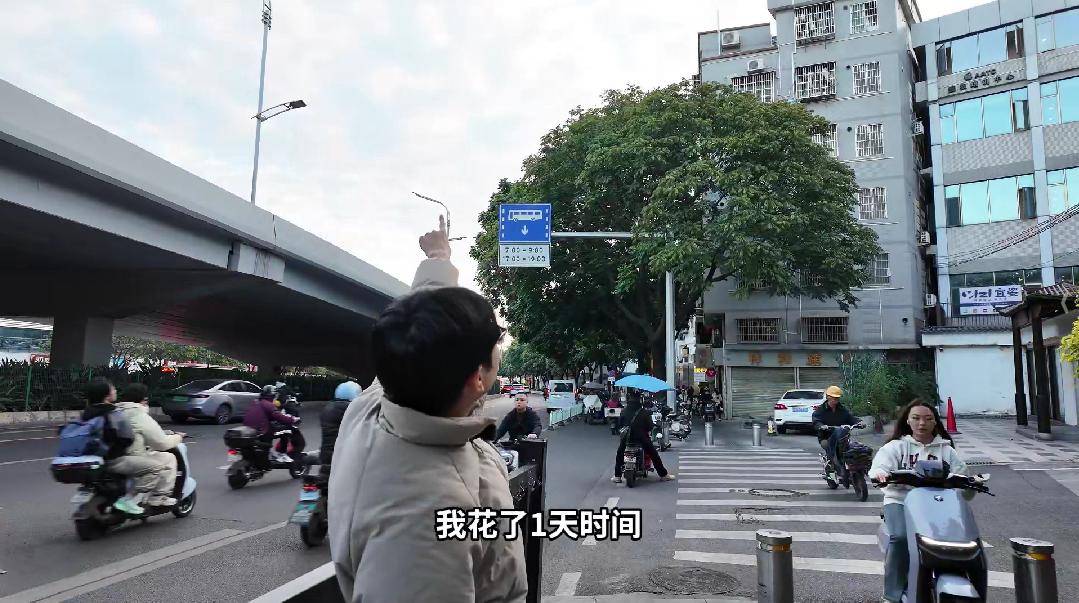
To answer these questions, within a month after this notice was issued, our Lei Technology team spent a whole day experiencing the entire eSIM card - opening process of the three major domestic operators at multiple business halls in Guangzhou with the newly released domestic version of the iPhone Air.
(Image source: Lei Technology)
Of course, we also had a series of conversations with the on - site business staff and specifically asked about several key questions that everyone is most concerned about.
If you're still hesitating about whether to buy the domestic version of the iPhone Air because of the eSIM in December, or simply want to try something new, I strongly recommend that you read this article.
The Long - awaited eSIM
Before officially starting the experience, I think it's necessary to talk to you about what this thing is and why we've waited for it for so long.
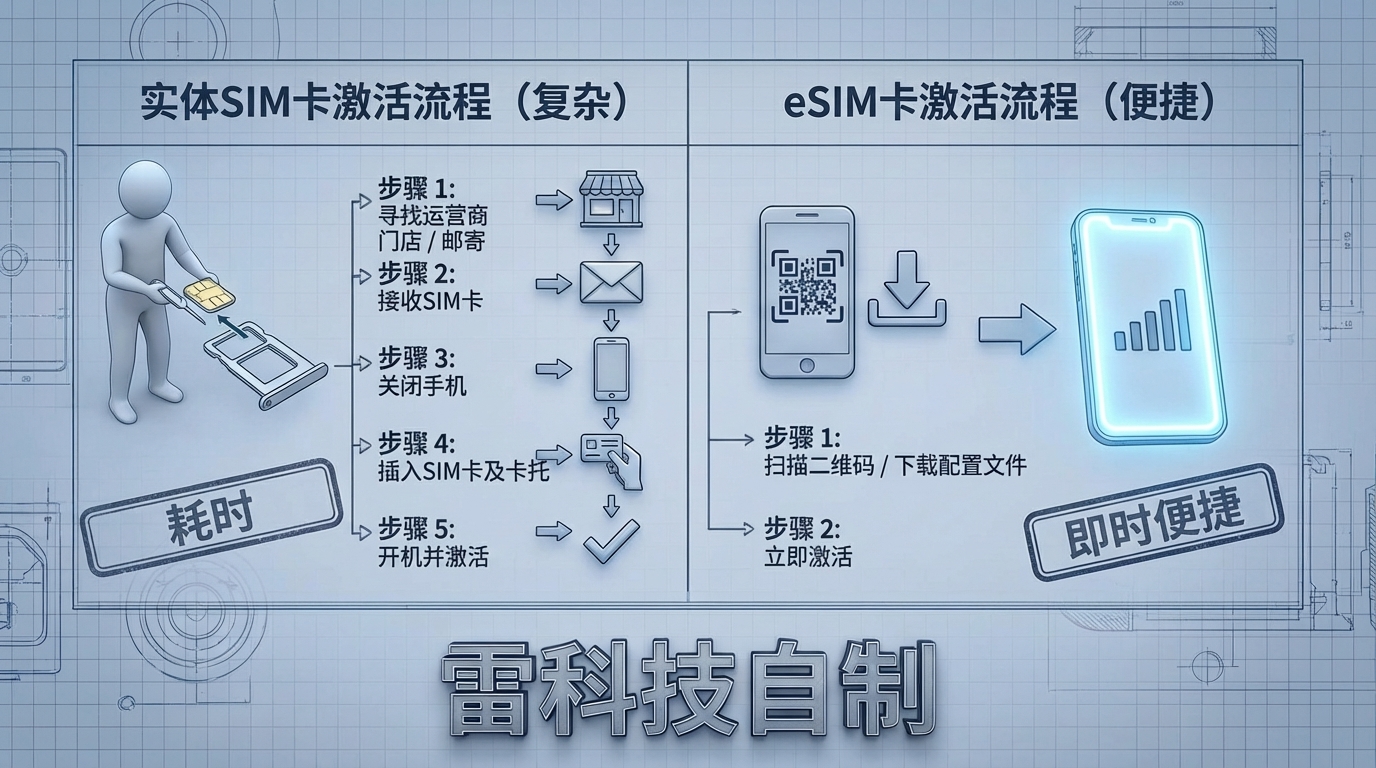
Simply put, eSIM stands for "embedded SIM card".
In the past, when we bought a mobile phone, we had to use a SIM card ejector to open the card slot and insert that small plastic card. With eSIM, this card is directly made into a chip and soldered onto the phone's motherboard. Theoretically, you don't need to insert a card. You just need to scan a QR code on your phone or click a few times in the app, and the operator's signal data will be "written" in.
(Image source: Self - made by Lei Technology by Nano Banana Pro)
This technology isn't actually new. It has been popular on Apple Watches and various Android smartwatches for several years, and later, iPads could also use it.
Only on mobile phones did the domestic market hit the pause button for nearly five years.
Why did it stall? The core reason boils down to two words: Security.
As we all know, telecom fraud was extremely rampant in the past few years. Although physical SIM cards are troublesome, when you apply for or replace a card, you'll probably have to go to a business hall, or at least receive a card by mail. Operators can control the flow of cards through physical means.
eSIM features "over - the - air provisioning". If the technology isn't mature, fraudsters overseas can register domestic numbers in batches as long as they get through the verification process, which poses a huge challenge to the relevant regulatory authorities. Therefore, before the identity verification technology and anti - fraud risk control system were fully mature, the regulatory authorities chose the safest option - to postpone.
So why was the ban lifted now?
(Image source: Lei Technology)
On the one hand, the technology is now in place. The current live facial recognition, NFC ID card reading, and the operators' big - data risk control are very strict, basically ensuring that "the number is opened and used by the same person".
On the other hand, it's the "forceful" push from hardware manufacturers.
Look at this year's iPhone Air. To achieve an ultra - thin 5.6mm thickness, Apple directly removed the physical SIM card slot. Subsequently, the satellite communication version of the OPPO Find X9 Pro and the Huawei Mate80 RS Ultimate Design Edition also followed this design. If the operators didn't open up, these flagship phones couldn't be sold in China.
The market demand forced the policy to loosen up. This is the real logic behind the breakthrough of eSIM in 2025.
Online Appointment: China Mobile is "Cold", China Unicom is "Friendly"
Now that the background is clear, let's move on to the practical part.
First of all, whether you're handling phone services or other services, I suggest you get into the good habit of making online appointments and getting online queue numbers.
(Image source: Lei Technology)
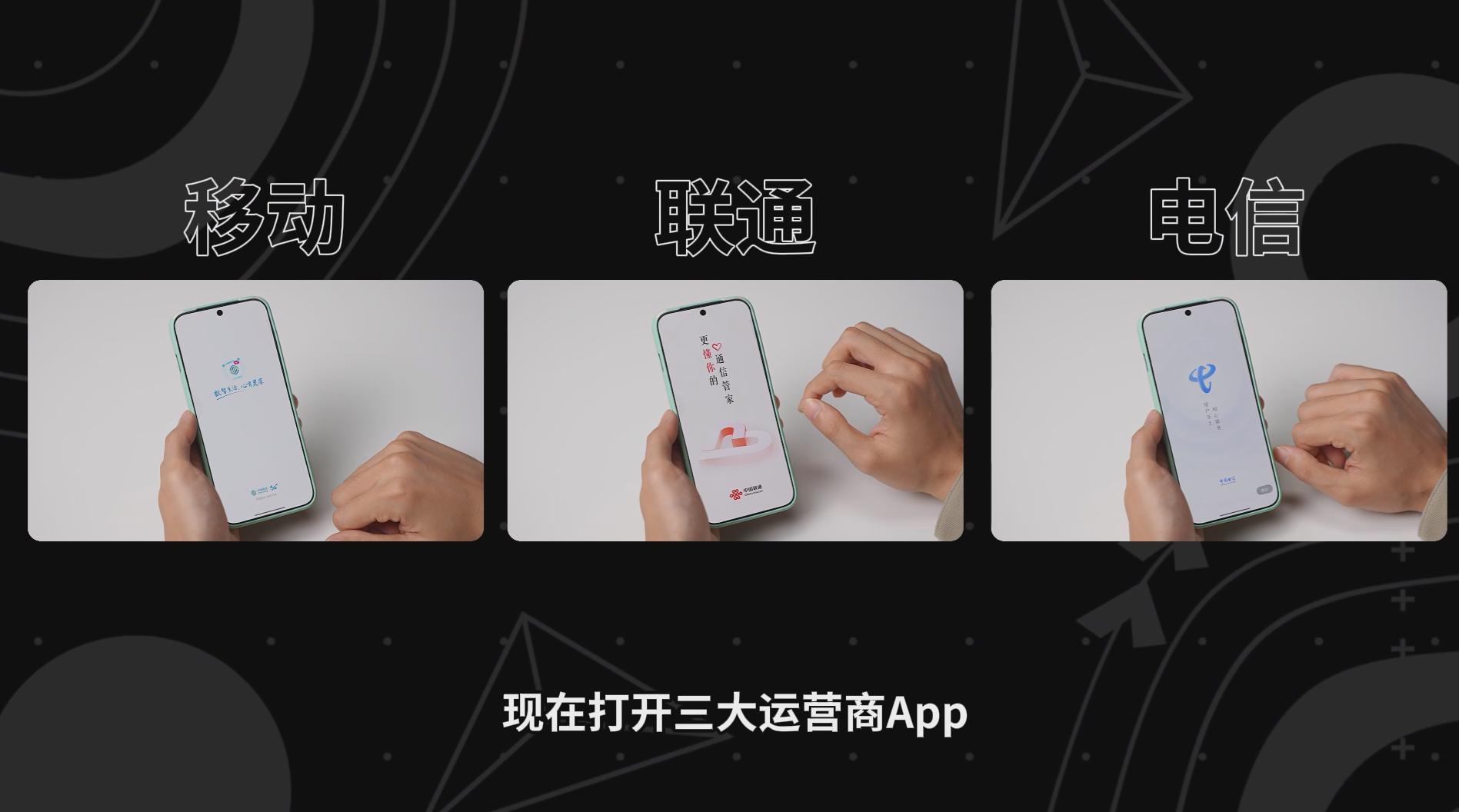
Since eSIM is a "digital" service, how well do the apps of the three major operators perform?
To find out, I opened the apps of China Mobile, China Unicom, and China Telecom respectively and simulated three states: not logged in, logged in with a number from another operator, and logged in with my own number.
Let's start with China Mobile.
The China Mobile app, when not logged in, gives an impression of "keep your distance". No matter where you click, even if you click on the search bar to search for "eSIM", it will redirect you to a login page. It forces you to log in.
Even the splash screen ads don't give you a break. If you want to click in to see the details, sorry, log in first.
So, what if I log in with a China Unicom number? As it turns out, China Mobile will redirect you to a separate webpage where you can only handle some extremely basic services. You can't even find an entry for eSIM appointments.

(Image source: Lei Technology)
In other words, if you don't have a China Mobile number and want to "port your number" or open a new number to try eSIM, you'll be discouraged right at the app stage.
Even if you log in with your own China Mobile number, finding the eSIM entry is like a treasure hunt. I searched the entire service hall and the business handling area but couldn't even find the letter "e". Finally, I found the eSIM handling page through the search function and successfully got an online queue number.
Now, let's look at China Unicom.
Compared with China Mobile's coldness, China Unicom seems much friendlier.
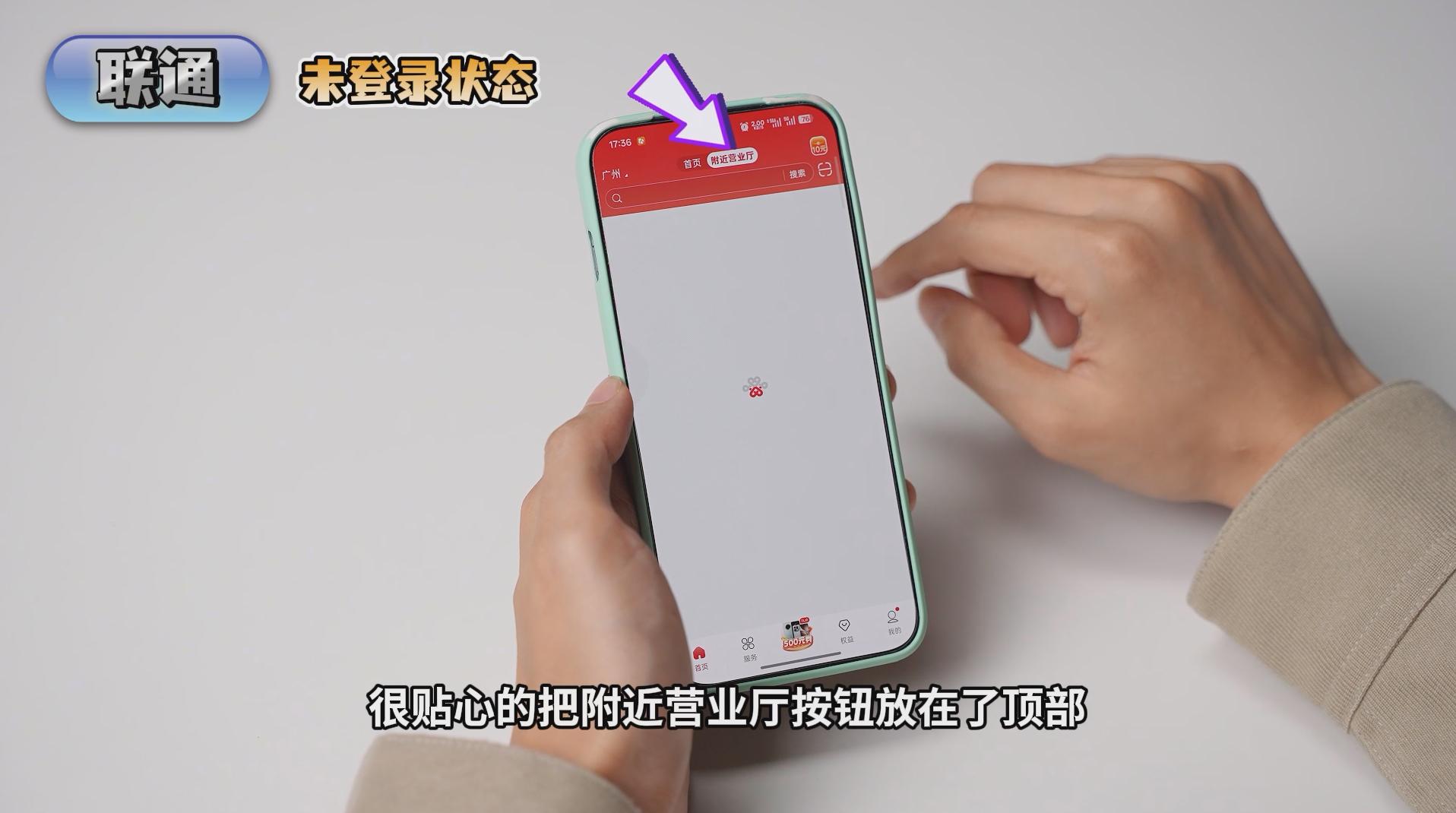
(Image source: Lei Technology)
It very considerately places the "nearby business halls" button at the top. You can quickly find out which nearby places can handle eSIMs without logging in. This is very user - friendly for those who want to check the distance first.
When you click to make an appointment, although you need to log in, it supports logging in with your own number or a number from another operator. That is to say, if you register for a China Unicom app with a China Mobile number, you can still successfully make an eSIM appointment. Moreover, the interface guidance is clearer than that of China Mobile's own app.
Finally, there's China Telecom.
The China Telecom app shows "good intentions but not enough". It does place the popular eSIM service in a prominent position on the home page, indicating that it attaches importance to this new service.
But as soon as you click, it will pop up a login window.

(Image source: Lei Technology)
When not logged in, the experience with China Telecom is quite similar to that of China Mobile.
Thankfully, after logging in with a number from another operator, although it also redirects you to a webpage, you can at least find the eSIM service area through the search function. You won't be completely lost.
I'll just present the test results here for you to check.
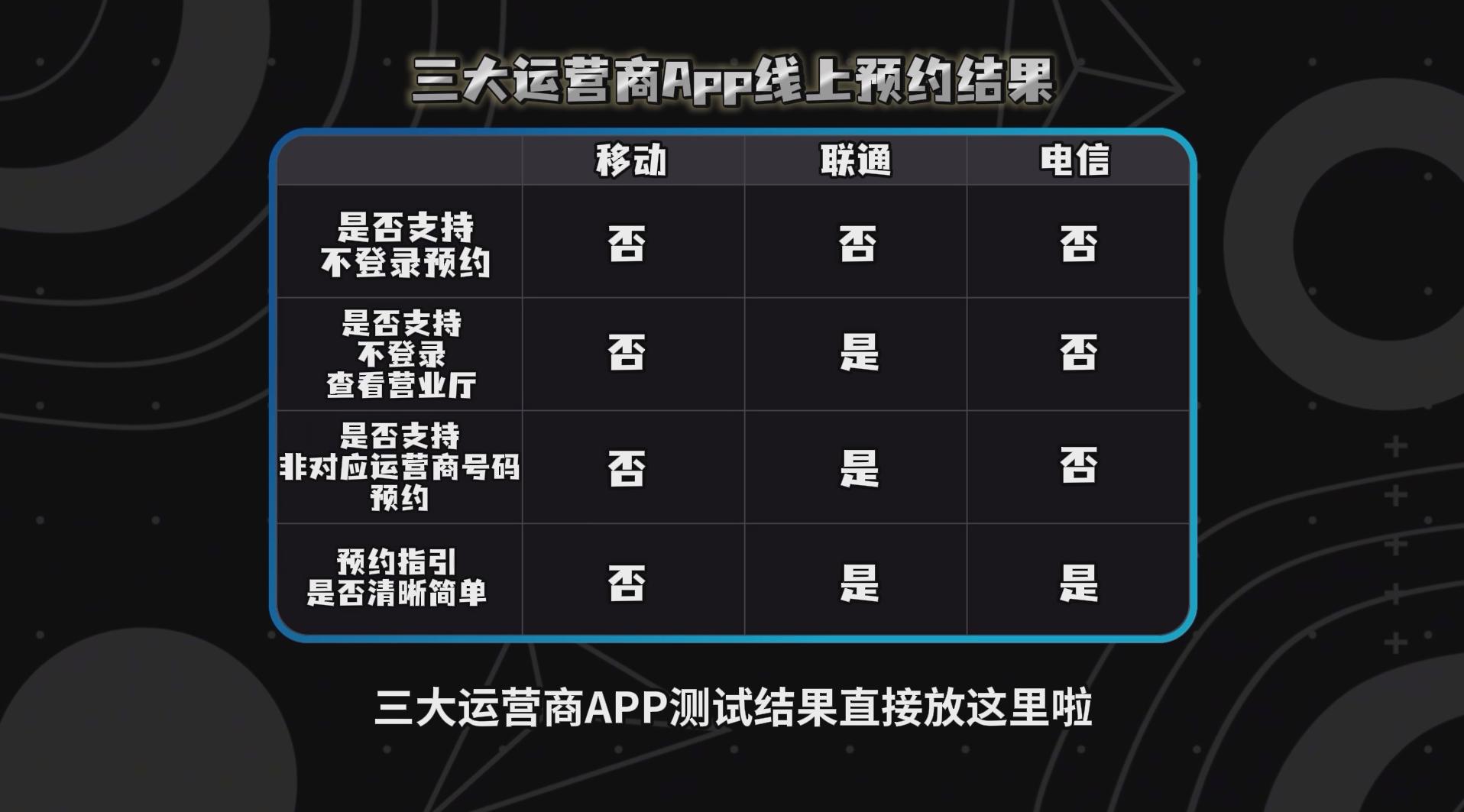
(Image source: Lei Technology)
As shown in the picture, although they are all established operators, sometimes the differences between them are quite significant.
In my opinion, in the online appointment stage, China Unicom > China Telecom > China Mobile. It's not hard to see that China Unicom is really working hard on the mobile - end service experience. China Telecom is just average, while China Mobile seems a bit complacent, relying on its large user base.
The Offline Experience is Terrible: Running Around for an "Electronic" Service
Before going to the business hall, remember to check if you meet the requirements for handling this service. After all, there are still some thresholds at this stage.
We've also prepared a list of things to note for you. Just check it before you go out.

(Image source: Lei Technology)
Here's a detail that many bloggers haven't mentioned: Arrears.
During the application process, the salesperson checked and found that I had a small number that I registered years ago with an arrears of more than ten yuan. The system froze, and I had to clear this old debt before I could apply for the eSIM. So, before you go, it's best to check if you have any forgotten numbers with arrears.
Next comes the most ironic part: To apply for an eSIM that doesn't require a physical card, I have to go to a physical store in person.
I spent a whole day visiting three flagship business halls in Tianhe District, Guangzhou.

(Image source: Lei Technology)
Excluding human factors such as the professionalism, proficiency, and service attitude of the staff, the eSIM activation processes of the three operators are almost identical, basically following a "seven - step process":
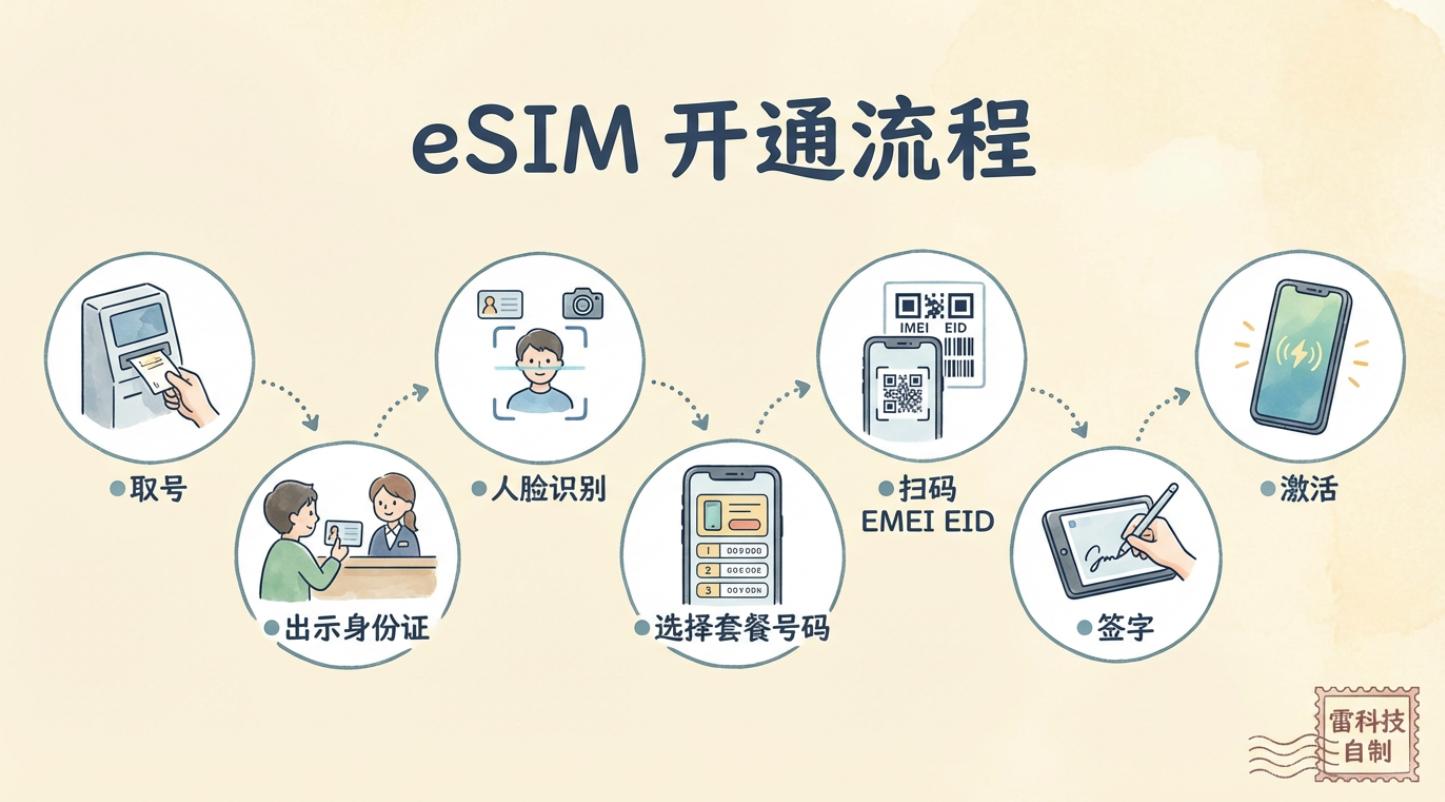
(Image source: Self - made by Lei Technology by Nano Banana Pro)
Compared with activating a physical SIM card, the only difference is the process of scanning the phone's IMEI code and connecting to Wi - Fi to download the configuration file.
In the actual experience, the handling speed of each operator largely depends on the proficiency of the employees. Among the salespersons we met, the China Telecom salesperson seemed to be the most familiar with eSIMs. The entire handling process was smooth, and they could even offer preferential packages, but unfortunately, we didn't meet the requirements.
In addition, the China Mobile salesperson didn't make any mistakes during the process. Only the China Unicom salesperson seemed not very familiar with eSIMs. They had to look up information on their phones while handling the service, which really made us worried.
As for the handling speed, take a look at the table:
