Just now, the list of the 2026 NVIDIA Scholarship was announced, with Chinese doctoral students dominating the list, accounting for 80%.
The annual NVIDIA Scholarship has been announced.
For 25 years, the NVIDIA Graduate Fellowship Program has been providing support for outstanding work related to NVIDIA technologies for graduate students.

Today, the program announced the 10 doctoral students who won the 2026 fellowship. Each of them will receive a grant of up to $60,000 to support their research in all areas of computational innovation.
Their research focuses on the frontiers of accelerated computing, including autonomous systems, computer architecture, computer graphics, deep learning, programming systems, robotics, and security.
This year, 8 out of the 10 winners are Chinese. Last year, 7 Chinese doctoral students were selected, including alumni from Shanghai Jiao Tong University, University of Science and Technology of China, and Zhejiang University.
Next, let's learn about the information of this year's winners.
Jiageng Mao
University of Southern California. Reason for winning: Solve complex physical artificial intelligence problems by leveraging various prior knowledge from Internet-scale data, thereby achieving robust and generalizable intelligence for embodied agents in the real world.
Data shows that Jiageng Mao is a doctoral student at the University of Southern California. His research direction is physical artificial intelligence, with the goal of applying artificial intelligence to the real world by developing algorithms in fields such as robotics, computer vision, and natural language processing. It is understood that he is particularly interested in intuitive physics, large vision - language (- action) models, and world modeling.
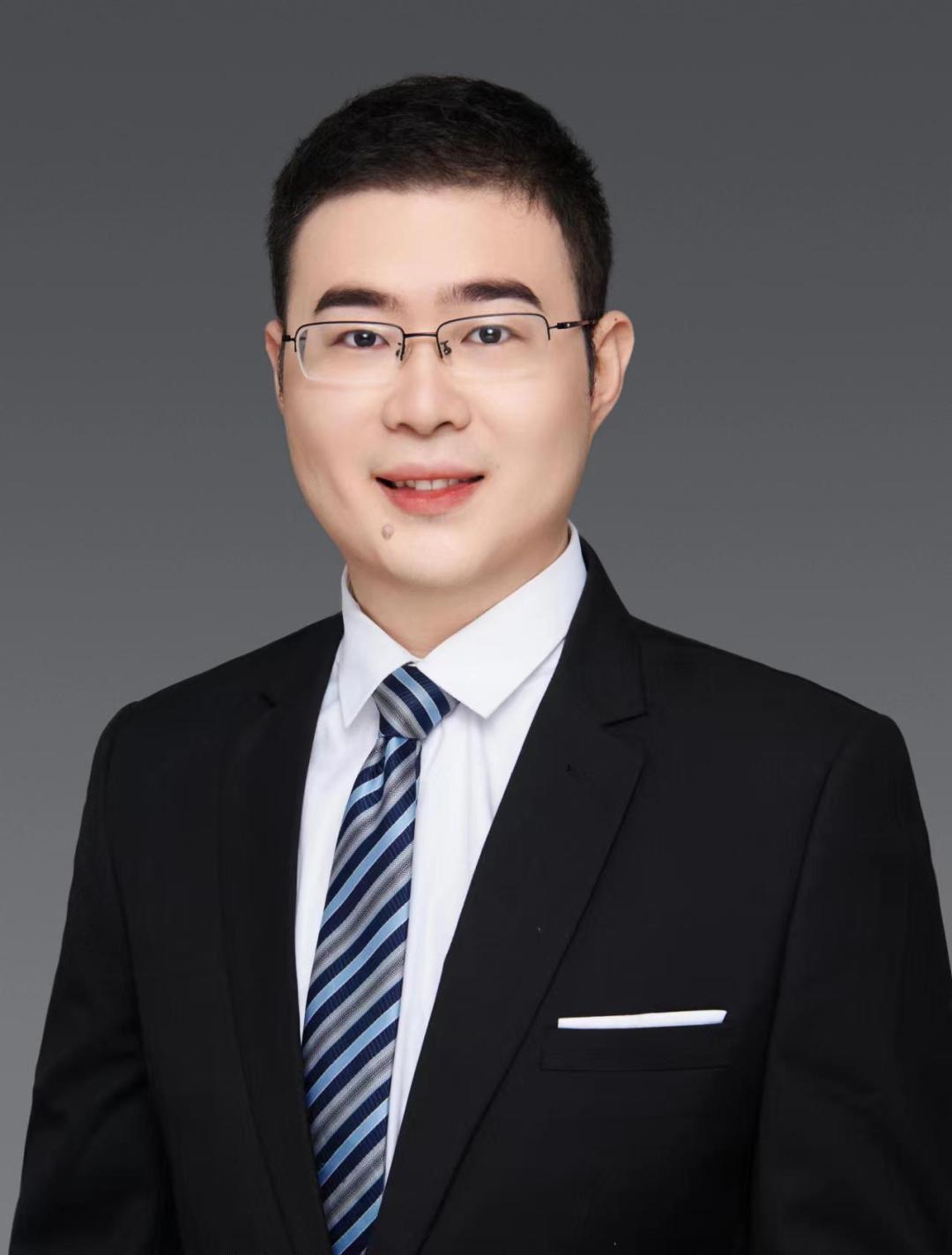
Liwen Wu
University of California, San Diego. Reason for winning: Use neural materials and neural rendering to improve the realism and rendering efficiency of physically based rendering.
Liwen Wu is a doctoral student in the Department of Computer Science and Engineering at the University of California, San Diego. Previously, he obtained a master's and a bachelor's degree in computer science from the University of Illinois at Urbana - Champaign. His research areas are computer graphics and 3D vision, and he is particularly interested in neural rendering, inverse rendering, (neural) appearance modeling, and 3D reconstruction.
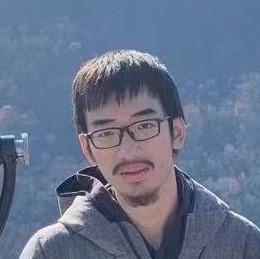
Sizhe Chen
University of California, Berkeley. Reason for winning: Committed to ensuring the safety of AI in real - world applications. Currently, the focus is on protecting AI agents from prompt injection attacks through general and practical defense measures without compromising the functionality of the AI agents.
Data shows that Sizhe Chen's current main research direction is the security issues of AI in practical applications. He previously obtained a master's and a bachelor's degree in engineering from Shanghai Jiao Tong University. In his view, prompt injection attacks are the primary threat to AI agents, which have caused actual damage to multiple artificial intelligence systems of companies such as Google, OpenAI, and Anthropic. To promote the wider application of LLMs in AI agents, he has developed a principled, general, and practical defense mechanism against prompt injection.
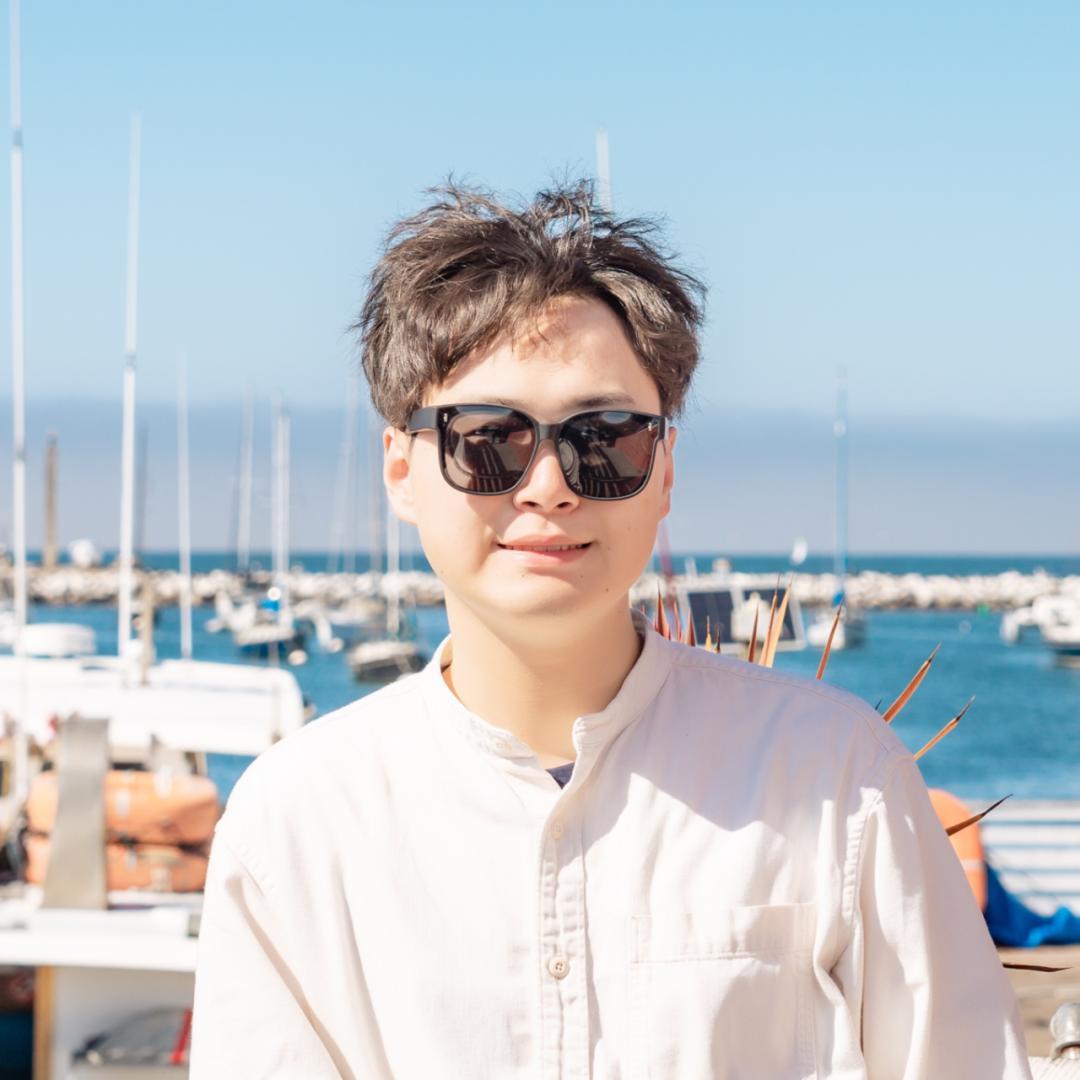
Yunfan Jiang
Stanford University. Reason for winning: Develop scalable methods to build general - purpose robots for daily tasks through a hybrid data source that covers real - world whole - body operations, large - scale simulations, and Internet - scale multimodal supervision.
Data shows that Yunfan Jiang is a third - year doctoral student in the Department of Computer Science at Stanford University. He is supervised by Professor Fei - Fei Li and belongs to the Stanford Vision and Learning Laboratory. His research direction is the intersection of machine learning and robotics. Previously, he obtained a master's degree from Stanford University and has also served as a research intern at NVIDIA GEAR and the Boston Dynamics AI Institute.
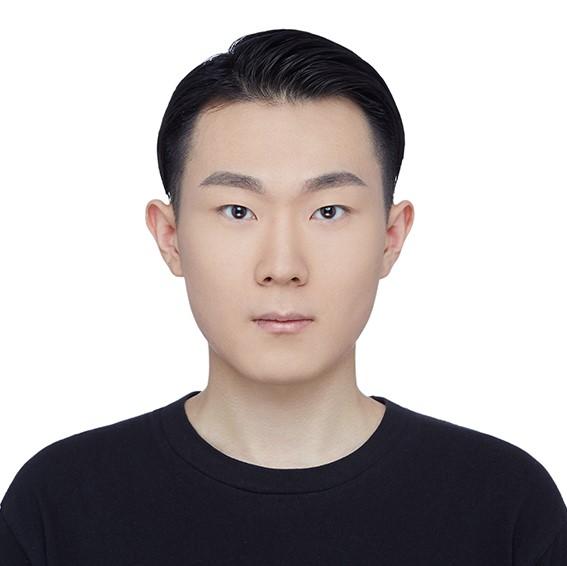
Yijia Shao
Stanford University. Reason for winning: Research human - machine collaboration, develop AI agents that can communicate and coordinate with humans during task execution, and design new human - machine interaction interfaces.
Data shows that Yijia Shao is a doctoral student in natural language processing at Stanford University. She graduated from the Yuanpei College of Peking University with a major in data science. She started researching machine learning and natural language processing at that time and has interned at institutions such as Microsoft Research Asia and the University of California, Los Angeles.
Currently, her research interests lie in machine learning and natural language processing, and she is committed to integrating natural language processing models (such as LLMs) into larger systems.
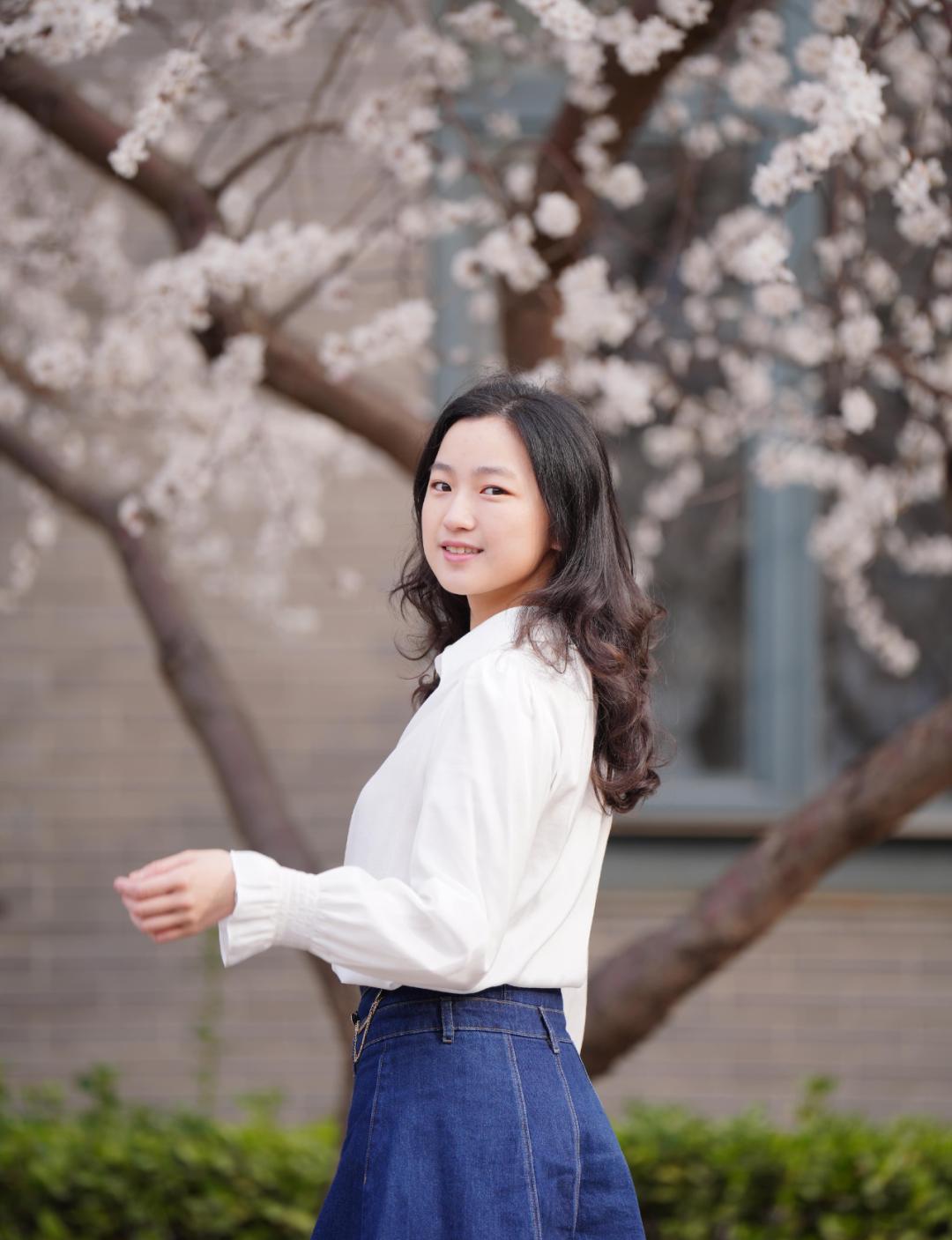
Shangbin Feng
University of Washington. Reason for winning: Advance model collaboration, enabling multiple machine learning models trained by different people on different data to collaborate, combine, and complement each other to achieve an open, decentralized, and collaborative future AI.
He entered the University of Washington to pursue a doctoral degree in 2022. His research directions include model collaboration, social natural language processing (NLP), networks, and structures. He graduated from Xi'an Jiaotong University with a bachelor's degree in computer science and technology and from the University of Washington with a master's degree in computer science and engineering.
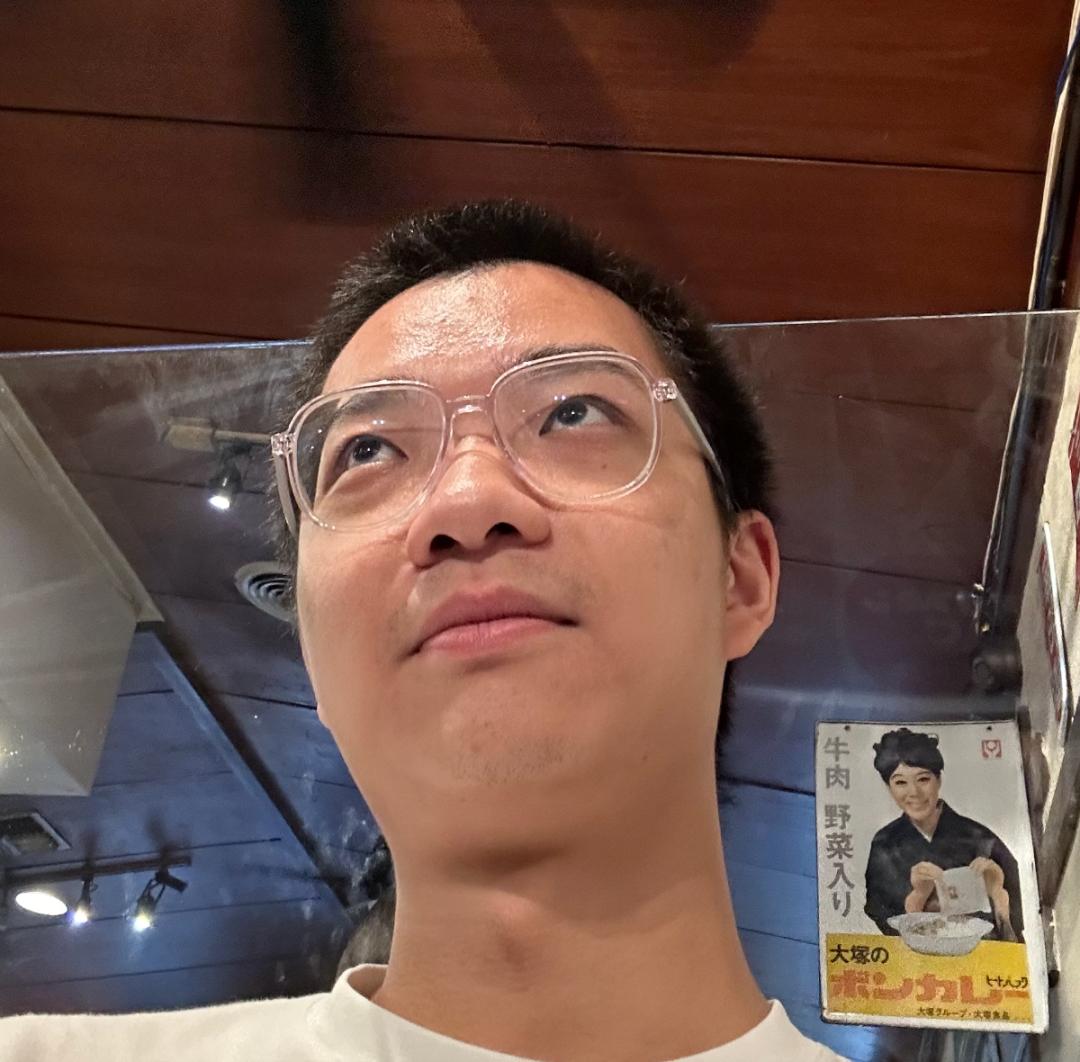
Irene Wang
Georgia Institute of Technology. Reason for winning: Develop an integrated co - design framework that integrates accelerator architecture, network topology, and runtime scheduling to achieve large - scale, energy - efficient, and sustainable AI training.
She is currently a third - year doctoral student at the Georgia Institute of Technology, supervised by Professor Divya Mahajan. Previously, she obtained a bachelor's degree in computer engineering from the University of British Columbia.
Currently, her research interests cover a wide range of machine learning systems and computer architecture, with a focus on optimizing distributed deep - learning infrastructure.
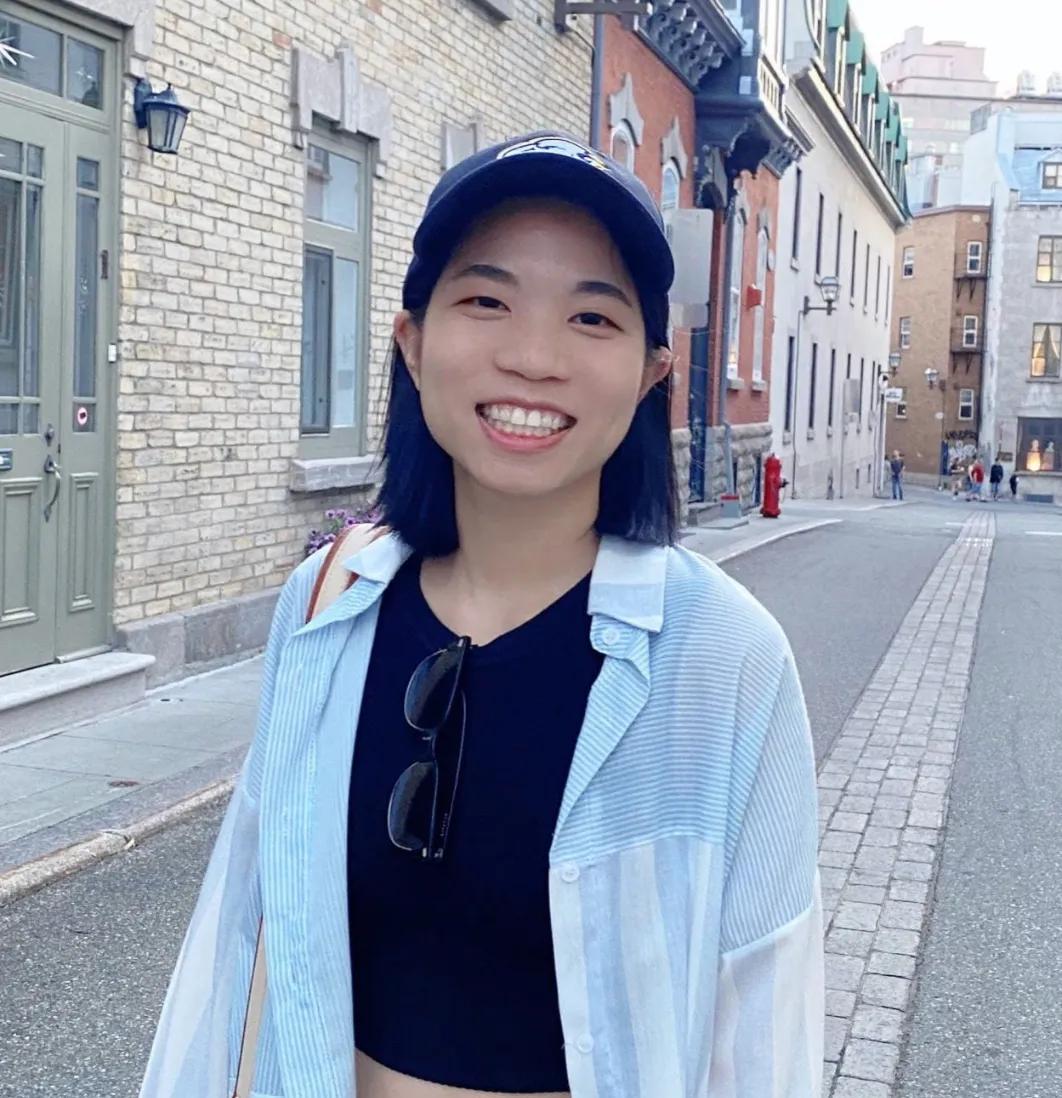
Chen Geng
Stanford University. Reason for winning: Use scalable data - driven algorithms and physics - inspired principles to model the 4D physical world, thereby promoting the development of physics - based 3D and 4D world models in robotics and scientific applications.
He is currently a doctoral student in computer science at Stanford University, supervised by the well - known scholar Jiajun Wu. In 2023, he obtained an academic degree in computer science from Zhejiang University.
His research focuses on the intersection of 4D computer vision, graphics, and machine learning, with a wide concern for data - driven modeling of the physical world and the application of such models. He is currently enthusiastic about developing a neural - symbolic graphics engine for (inverse) modeling of macro - mechanical systems.
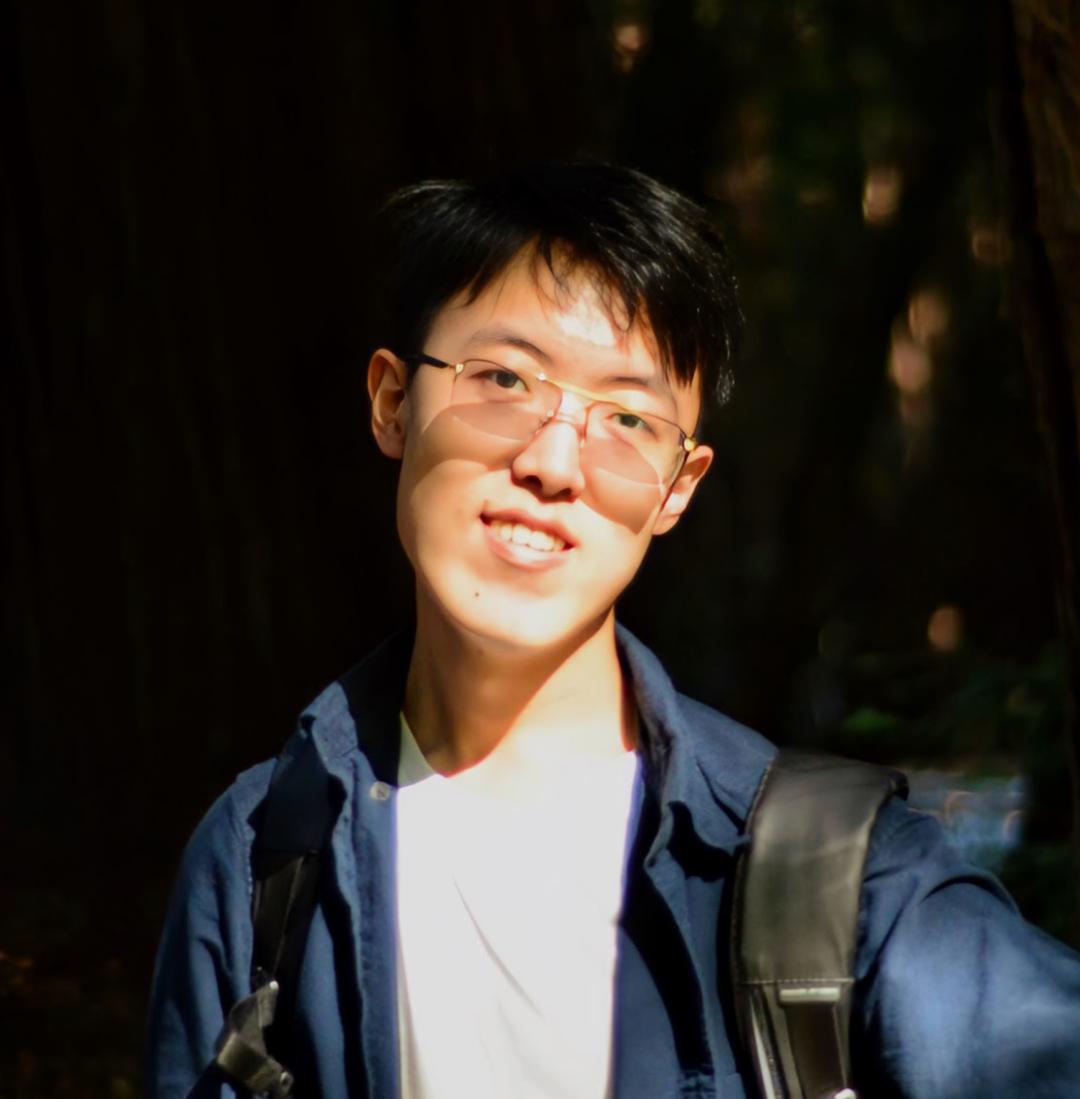
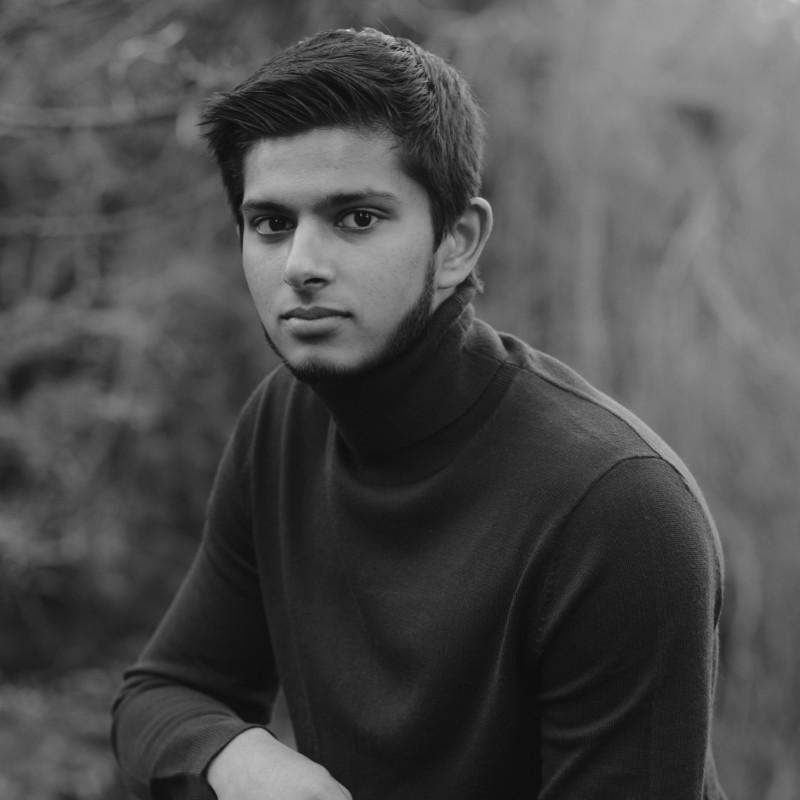
Shvetank Prakash
Harvard University. Reason for winning: Build AI agents using new algorithms, carefully selected datasets, and agent - first infrastructure, and advance hardware architecture and system design.
He graduated from the Fu Foundation School of Engineering and Applied Science at Columbia University. He entered Harvard University to pursue a doctoral degree in computer science in 2021. His research interests include ultra - low - power machine learning systems, computer architecture, and machine learning in the system domain.
Manya Bansal
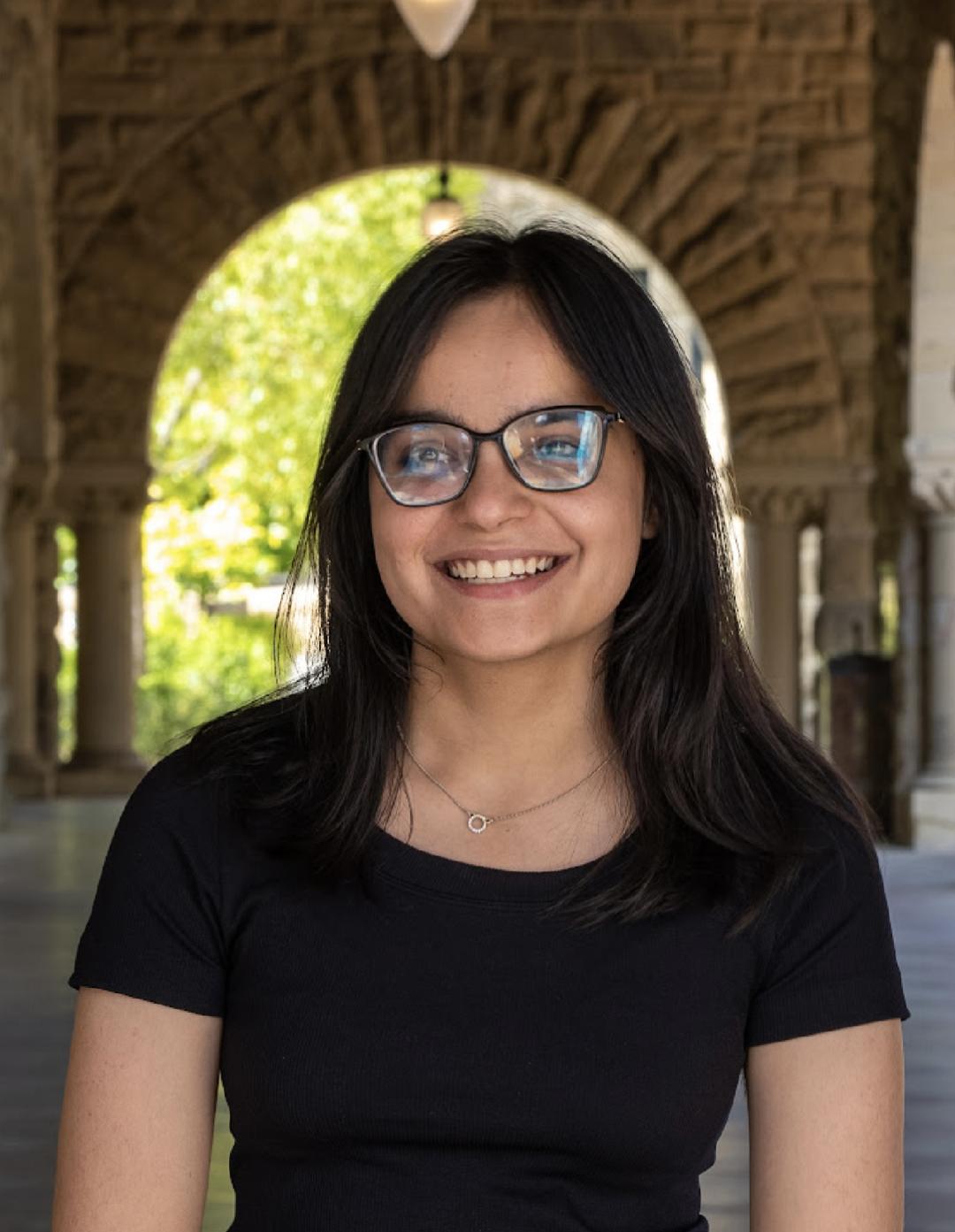
MIT. Reason for winning: Design programming languages for modern accelerators, enabling developers to write modular and reusable code without sacrificing the low - level control required to achieve peak performance.
She is currently pursuing a doctoral degree in computer science at MIT. She graduated from Stanford University with a bachelor's degree. Her research interests include tools for designing scalable and efficient languages for heterogeneous systems.
In addition, there are 5 finalists for the 2026 NVIDIA Scholarship. They are:
- Zizheng Guo, Peking University
- Peter Holderrieth, MIT
- Xianghui Xie, Max Planck Institute for Informatics
- Alexander Root, Stanford University
- Daniel Palenicek, Technische Universität Darmstadt
Official website link:
https://blogs.nvidia.com/blog/graduate-fellowship-recipients-2026-2027/
This article is from the WeChat official account “Almost Human” (ID: almosthuman2014). Author: Someone concerned about AI. It is published by 36Kr with authorization.