The era of getting a computer for free when buying memory has arrived, but you may not even be able to afford the memory.
It's earnings season again recently. In the earnings reports of almost all major enterprises, a similar warning appears:
Affected by the rising costs in the global storage industry, product prices will be increased next year.
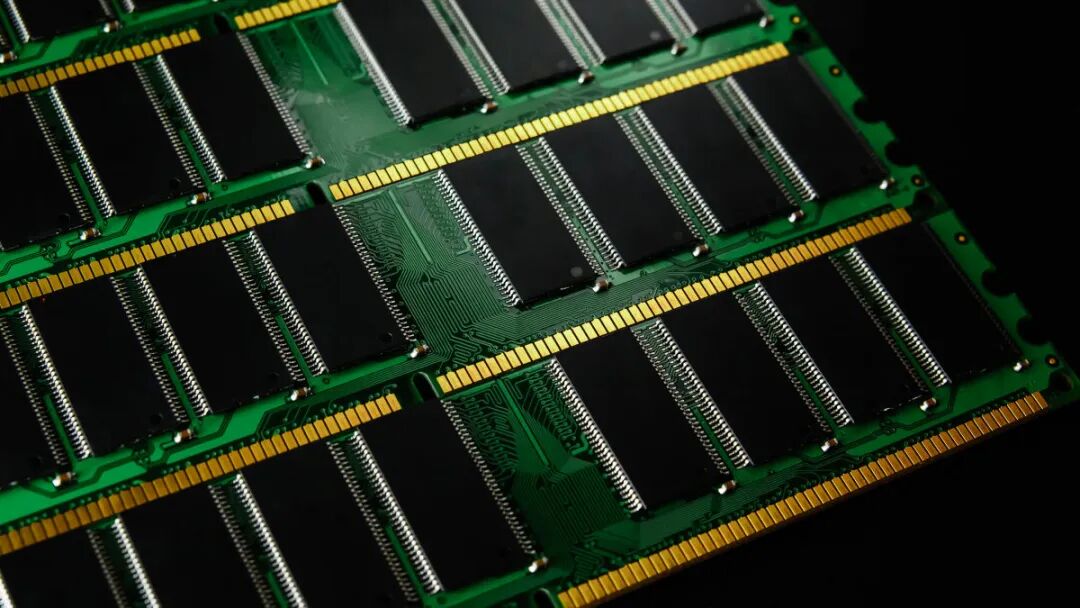
Image | GIGAZINE
The scope affected by this round of price hikes is wider than what was mentioned in an article by ifanr last month about the memory price increase. Now, not only your mobile phones and computers are affected, but also upstream graphics card and motherboard manufacturers have not been spared.
This is undoubtedly bad news for the already shaky DIY PC community.
Next year is originally the node when the process technology of CPUs and GPUs steps from 3nm to 2nm. If combined with the memory price increase, the cost of "assembling a computer" will become unbearable.
What's even worse is that if calculated based on the current memory prices, buying a Mac Studio with 512GB of memory is equivalent to only paying for the memory, and the M3 Ultra processor, the casing, the Thunderbolt 5 controller, and even the hard drive and other parts are all free.
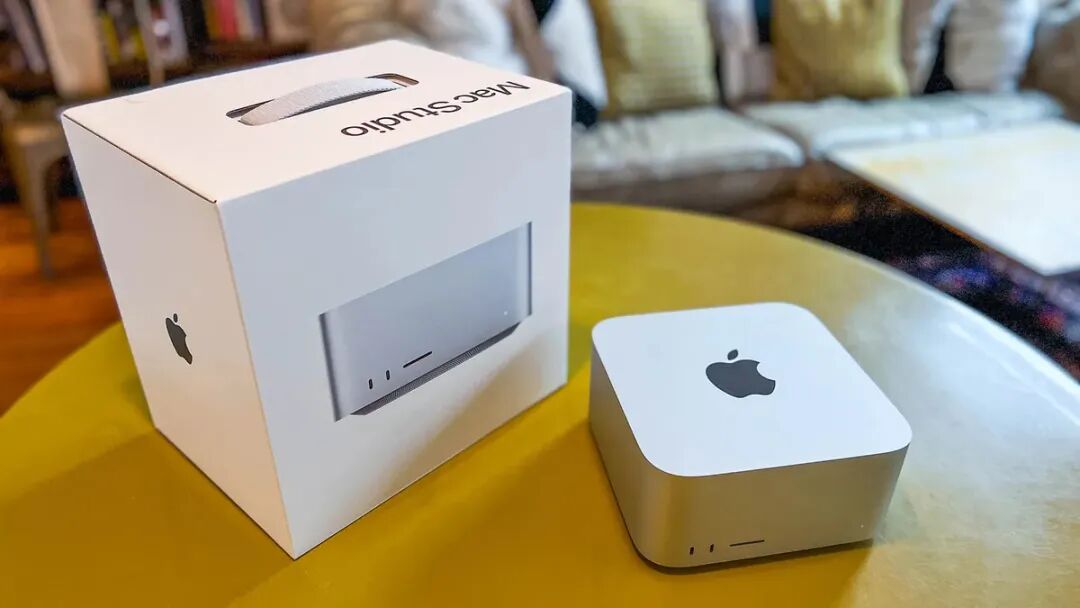
Really, buy memory and get a computer for free
In other words, what awaits us ahead is a long and arduous battle.
The storage price increase is inevitable
In previous articles, ifanr has detailed the reasons for the recent price increases of mobile phone SKUs, memory sticks, and solid-state drives.
However, we didn't expect that the magnitude and speed of the price increase would be so exaggerated.
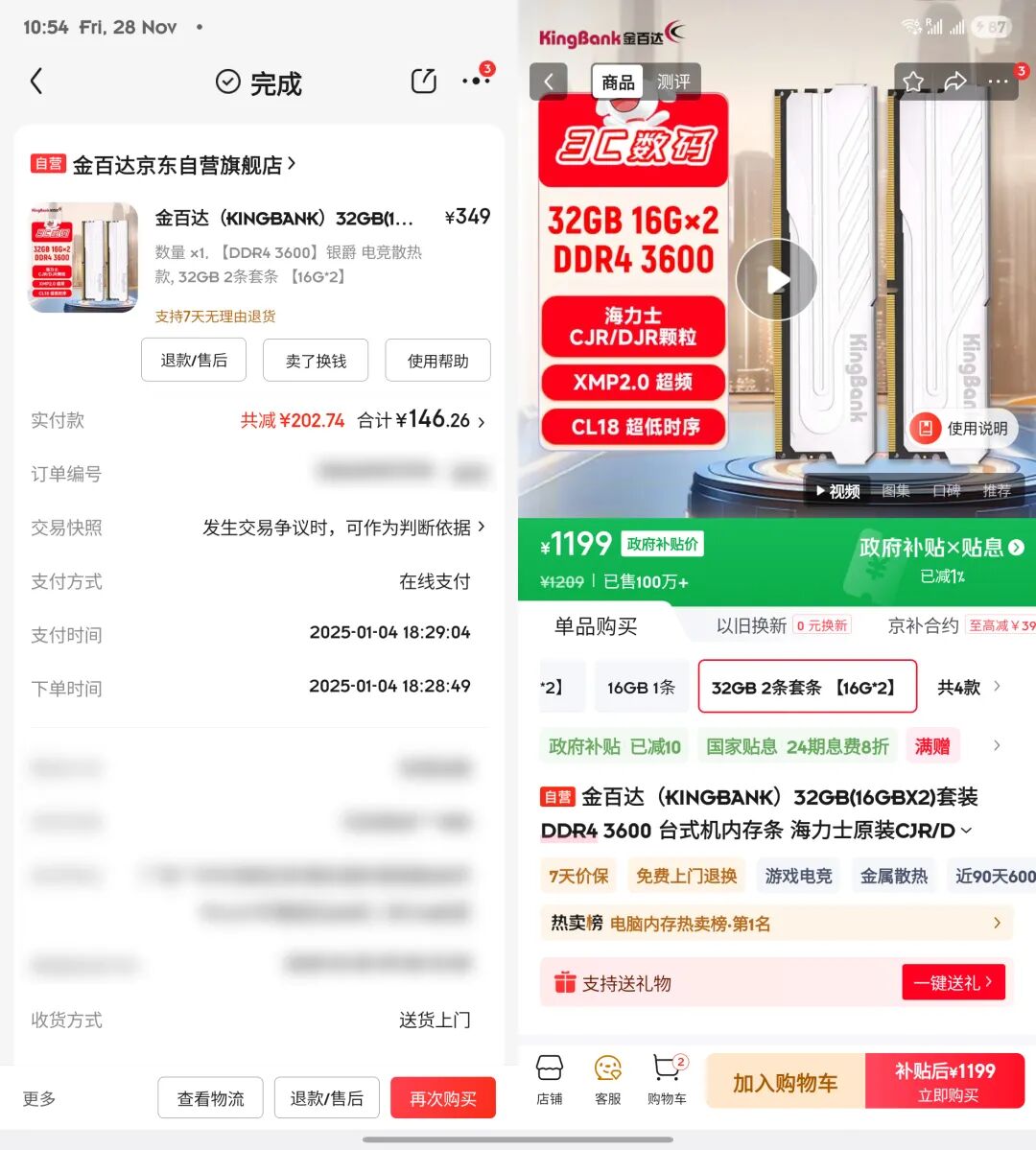
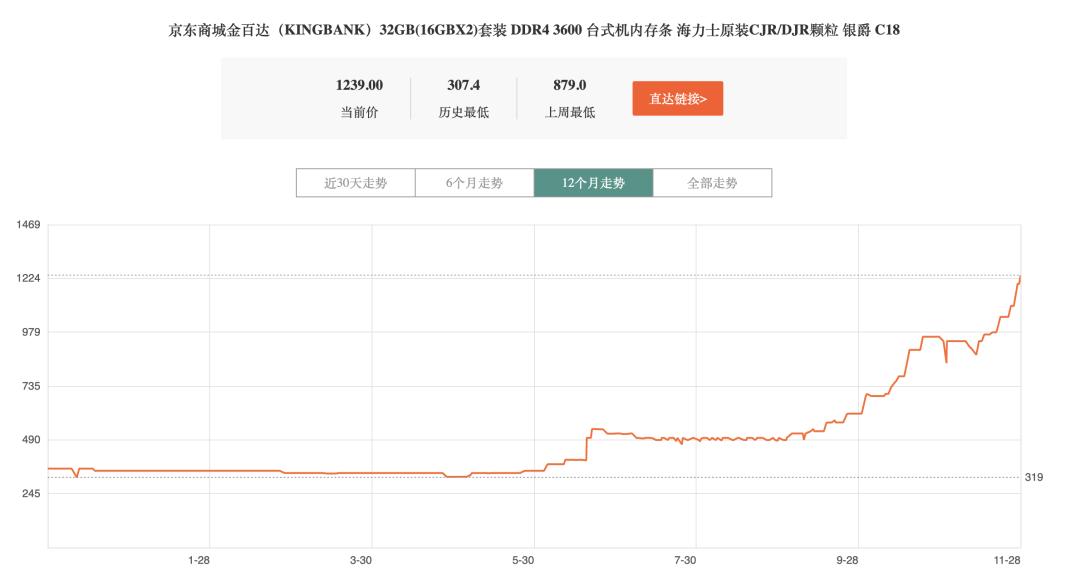
Similar to the editorial colleagues in the previous article, the author also rebuilt their computer at the beginning of the year and chose a set of KingBank's DDR4 3600 dual 16GB memory, which was priced at 349 yuan in January.
When checking the price today, it has tripled compared to the beginning of the year:
As we mentioned before, the initial trigger for the collective price increase in the storage industry in the second half of 2025 was the rapidly growing AI industry.
Whether it's OpenAI's "Three-Trillion-Dollar AI Infrastructure Plan" Stargate, or the new data center construction projects that Microsoft, Amazon, and Apple are accelerating, they all rely on specialized enterprise-level High Bandwidth Memory (HBM).
Looking globally, there are only three monopoly giants capable of large-scale production of HBM - or more broadly, DRAM products: Samsung and SK Hynix from South Korea, and Micron from the United States.
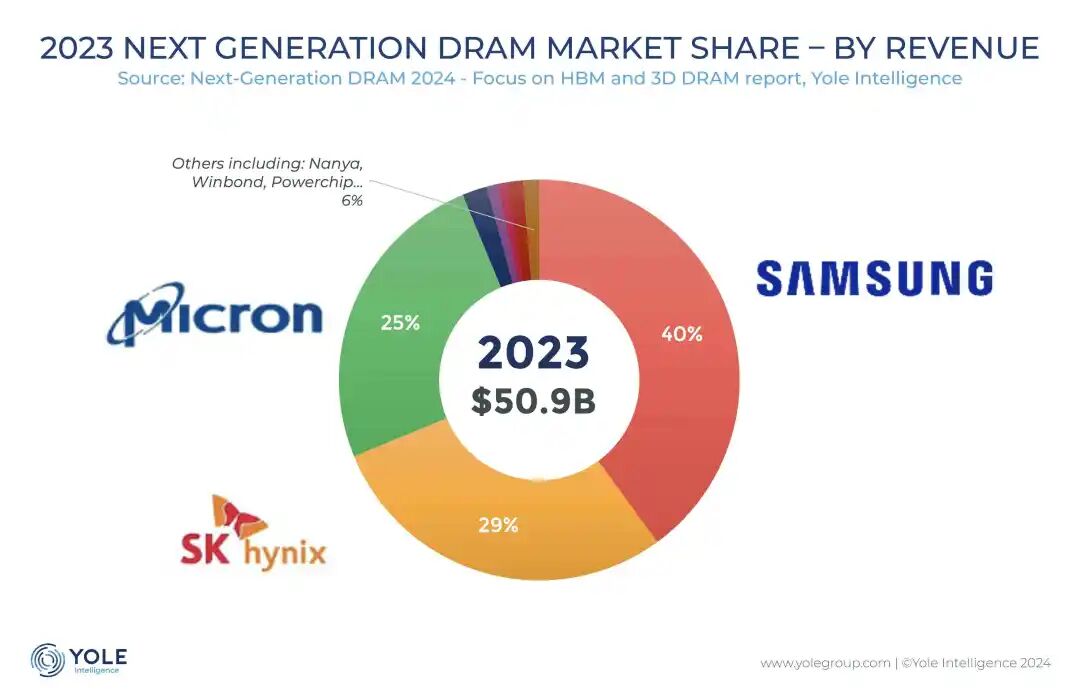
The global DRAM market share in 2023. The three companies have long maintained a market share of around 95%, almost a complete monopoly | YOLE Intelligence
Meanwhile, the technology model of AI + data centers shows no sign of slowing down. Instead, it has become more prosperous with the normalization of AI applications.
Even if we consider AI a bubble, it's an extremely resilient one.
In this environment, the three giants at the top of the DRAM supply chain don't need to play the "burning the granary" trick. They can easily earn much more profit by diverting their existing production capacity and expansion targets to enterprise-level products than by forcibly controlling the supply in the consumer market.
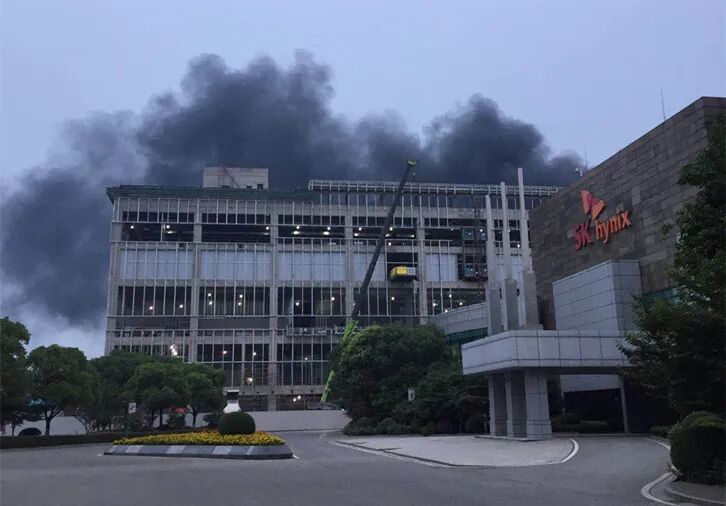
In 2018, the SK Hynix factory in Wuxi caught fire, and the prices immediately increased
The result of this adjustment in production strategy is what we mentioned above -
The current storage shortage is no longer limited to personal computer memory such as DDR4 and DDR5. It has also spread to high-speed memory like GDDR6 and GDDR7 used in graphics cards.
Facing this situation, even a powerful company like NVIDIA has to take measures.
According to a recent leak, NVIDIA has negotiated with motherboard manufacturers that produce non-reference graphics cards (such as ASUS, Gigabyte, Colorful, etc.) to adjust the sales model. NVIDIA will no longer sell the GPU core and video memory together. Instead, it will only sell the core, and the motherboard manufacturers need to purchase the memory chips themselves:
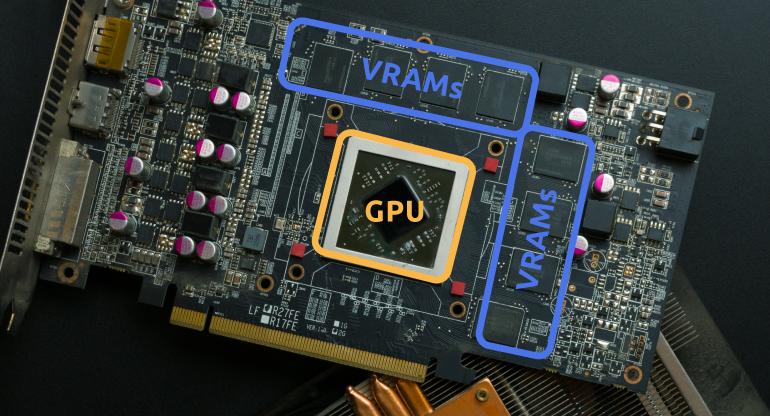
Image | NiceHash
Although this leak has not received an official response from NVIDIA or the motherboard manufacturers, it is completely reasonable and possible from a business strategy perspective. In addition to transferring inventory risks, NVIDIA itself also needs these memory chips more.
Because it not only has consumer-grade products like the reference RTX series but also has businesses such as the A800, H800, and DGX. These enterprise-level products with up to 80GB of video memory are the real big-ticket items. One reason for this adjustment is to reserve the flash memory inventory in its hands for its own AI products.
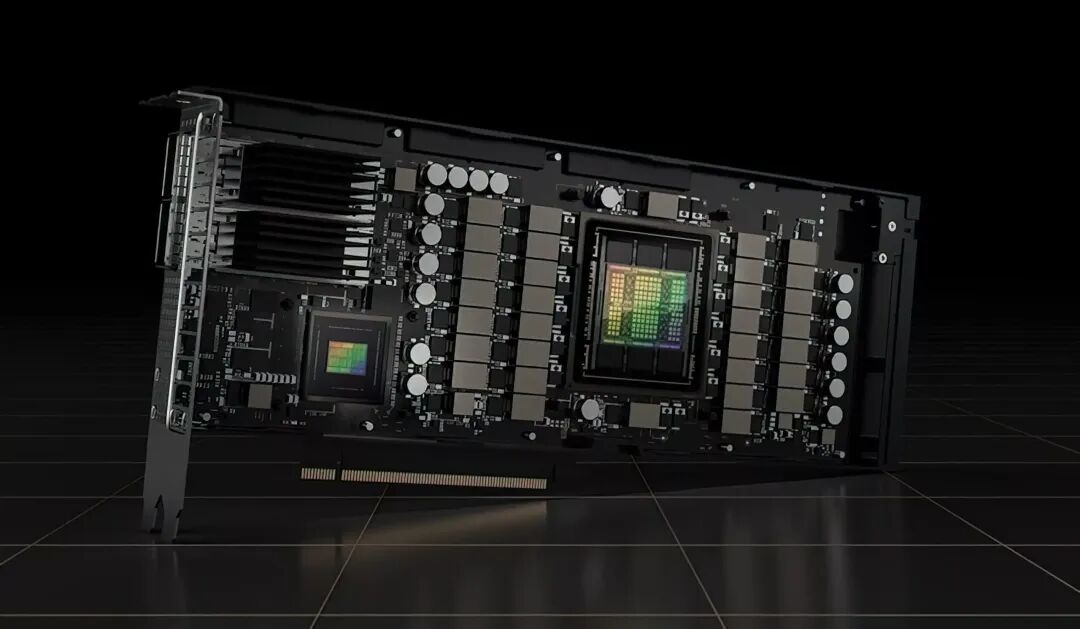
Image | Nvidia
On the other hand, the latest AMD Radeon RX 9000 series, like the RTX 50 series graphics cards, are customers of GDDR6 and GDDR7. Although there is currently no news or reports indicating that AMD will also change the motherboard sales model, the possibility is quite high against the background of the overall price increase in the storage industry.
Therefore, on one hand, AI giants and data centers are increasing their procurement volume, and on the other hand, storage manufacturers are reducing the production capacity of consumer-grade products. The combination of these two factors has led to the crazy phenomenon that the prices of mainstream consumer-grade memory products have increased by 100% - 200% in a single month:
So far, this shock has spread from the three DRAM manufacturers that monopolize the global market to mid - and upstream enterprises like NVIDIA, and then affected OEM manufacturers and DIY enthusiasts in the consumer - grade PC market. Ultimately, it will also affect the mobile phone industry, which is also a major consumer of DRAM.
Good times are only today
According to a survey report by Trend Force, the contract prices of DRAM in the fourth quarter of this year have increased by more than 75% compared with the same period last year, and both DRAM (memory) and NAND Flash (hard drives) have seen price increases.
Against this background, Trend Force estimated in the report that the Bill of Materials (BOM) cost of mobile phones in 2026 will increase by about 5% - 7% compared with this year, and it may even reach around 10%.
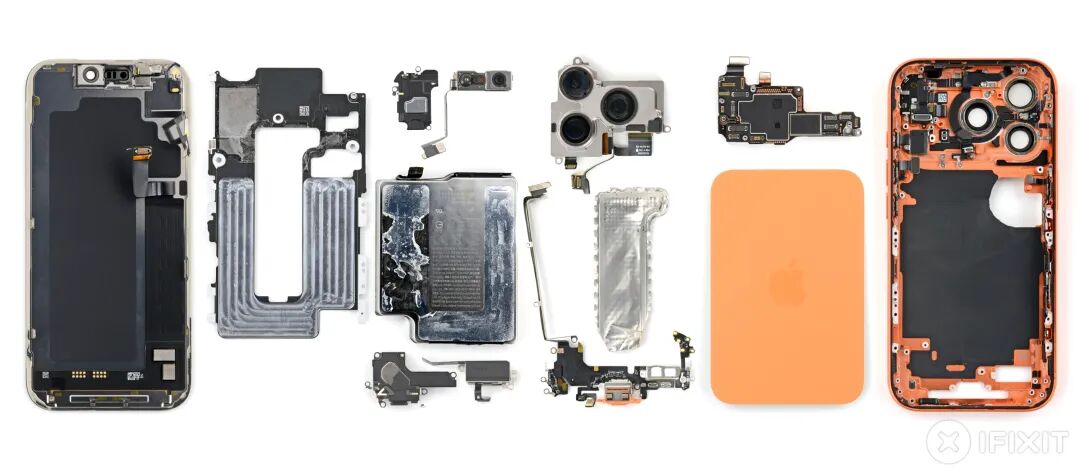
Image | iFixit
For example, for a mobile phone priced at 5,499 yuan, the total cost of memory + hard drive accounts for about 15% of the total BOM cost. If the flash memory price doubles, the price increase will not be directly transferred to the selling price. Instead, combined with profit requirements, the selling price will ultimately increase by about 500 - 700 yuan.
This price increase may be digestible for flagship mobile phones originally priced at around 6,000 yuan. However, for mid - to high - end mobile phones priced at 3,000 - 4,000 yuan, which compete fiercely on parameters, a price increase of 500 yuan is completely unacceptable.
In other words: The era when mobile phones in the 3,000 - 4,000 - yuan range could have 24GB + 1TB may be gone forever.
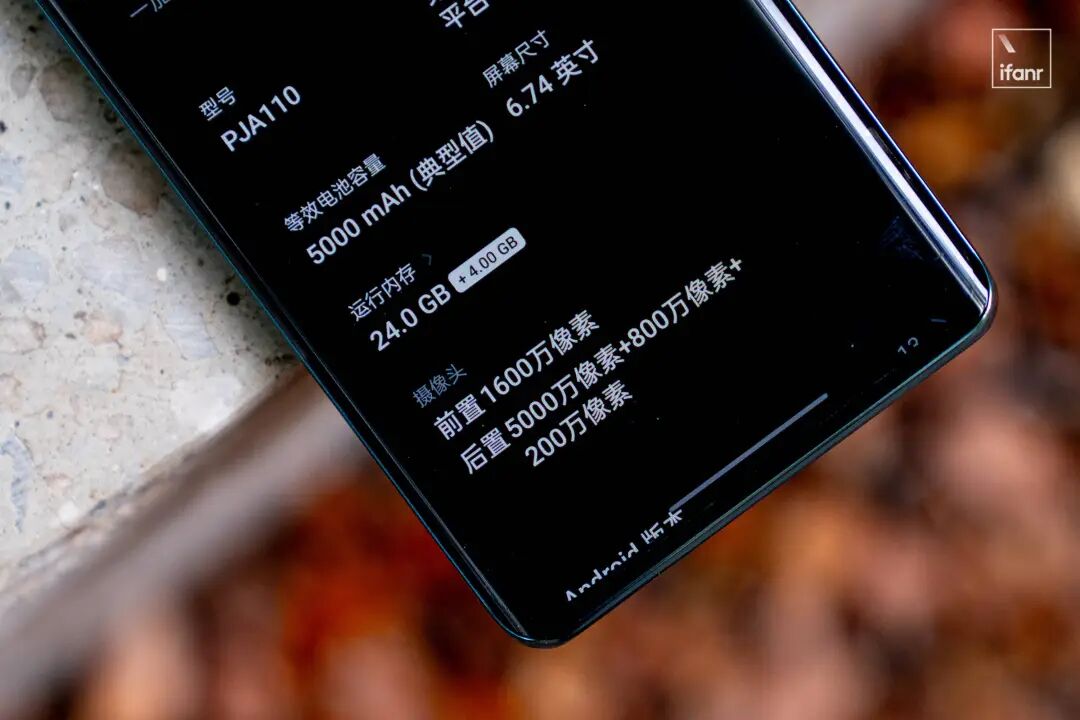
Meanwhile, the high - end mobile phone market is not immune to the storage price increase. Although the proportion of high - specification storage in the BOM may still be within control at present, it cannot be underestimated in the face of the current price increase speed.
Moreover, similar to the problems faced by PCs, 2026 is also a crucial node for mobile phone processors to upgrade from 3nm to 2nm.
The quoted price of TSMC's 2nm processors has already skyrocketed. Even more surprisingly, the first - launch customer of 2nm chips may not be Apple, which has been the long - standing customer, but OpenAI -
Yes, now AI not only competes with you for memory but also for processors.
Facing both internal and external difficulties, the question of whether mobile phones will increase in price next year is no longer "yes or no" but "how much". Judging from the current trends in the storage industry, it will become a consensus among mainstream mobile phone brands in 2026 to "reduce the configuration of mid - and low - end models" and "increase the prices of mid - and high - end models".

However, there are a few special cases in this wave of price increases.
For example, although the newly released Mate 80 standard version was launched during the price - increase wave, its price is actually lower than last year's model. This is closely related to Huawei's tendency to sign one - year "long - term agreements" with storage suppliers. Its ability to cope with price shocks is significantly longer than that of other brands that sign quarterly agreements.
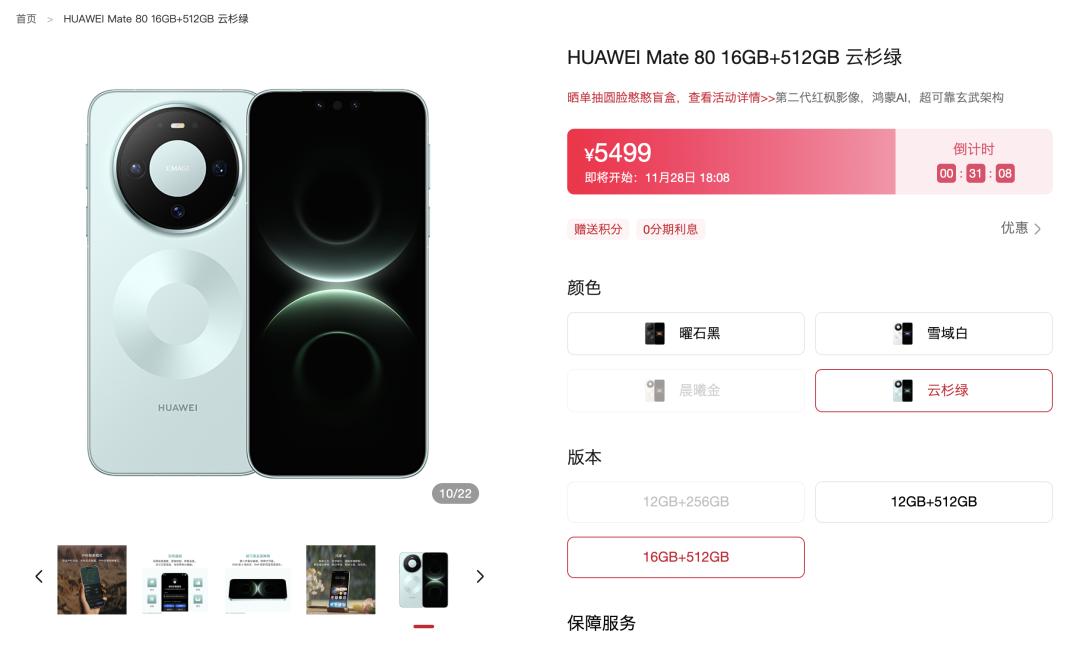
Image | Huawei official website
On the other hand, Samsung's own products are less affected by the year - end storage price - increase storm due to its advantage of being close to the source. It is generally predicted that the price increase of the upcoming S26 series of new mobile phones will be around $50, which is barely acceptable.
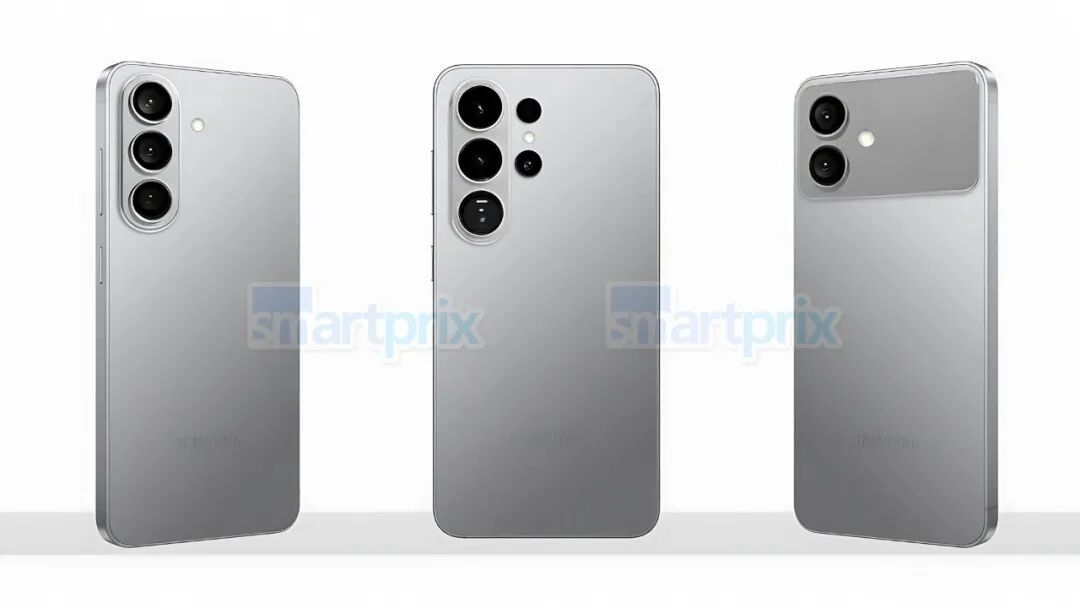
Image | Android Authority
The news from Apple is not so good. Although Apple has strong bargaining power in the supply chain, it is also helpless in the face of this "near - monopoly" supply - chain situation.
It is rumored that the standard 12GB of memory for the entire Apple Intelligence series is likely to be the main reason for the price increase of the iPhone 18 series.
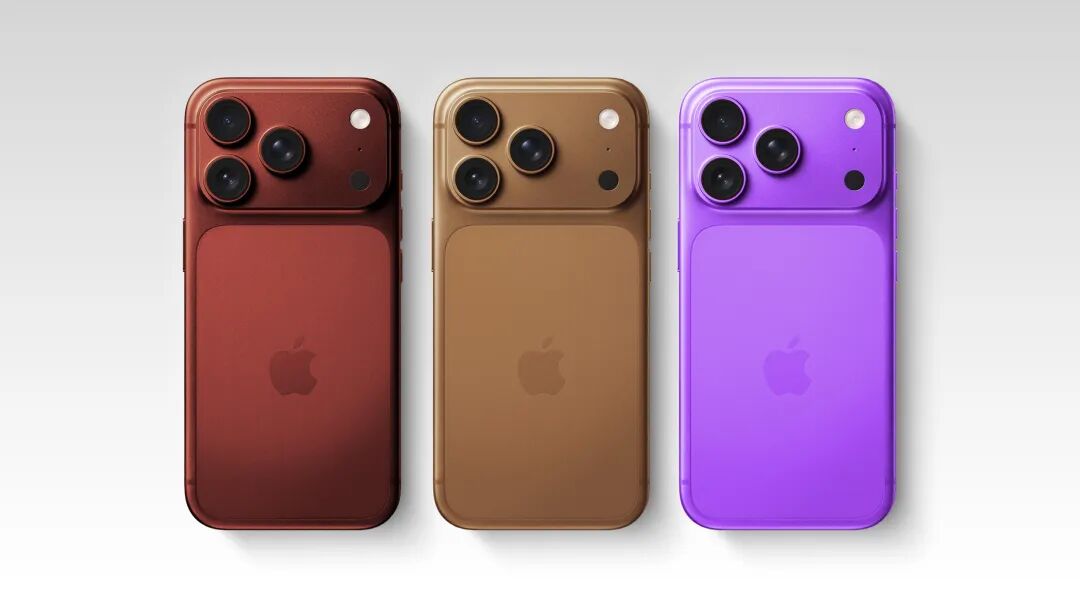
Image | MacRumors
To make matters worse, there are also reports that in addition to the price increase of 2nm products, TSMC also plans to raise the prices of products below 5nm to cover the R & D costs of the 2nm process. The most direct impact will be on Apple's A20 Pro processor. In a word -
The new iPhone 18 series of mobile phones are likely to increase in price by about 1,