The new national standard is coming. You may never be able to buy a power bank for just 9.9 yuan again.
Goodness, is the 3C certification rule for power banks going to be updated so soon??
Then, can the 3C power bank I just bought not long ago still be taken on airplanes and high - speed trains? Won't I have to buy a new one again?
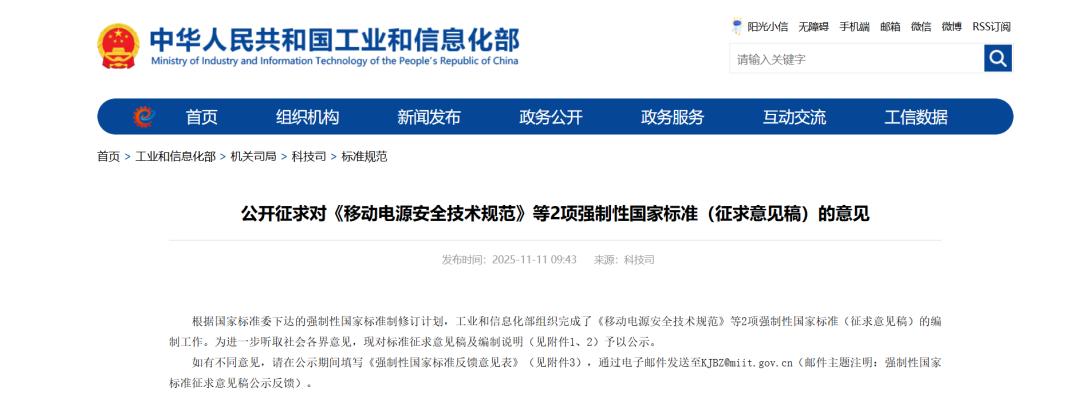
Just last month, the Ministry of Industry and Information Technology released a draft for soliciting opinions on a national standard specifically for mobile power sources on its official website - Technical Specifications for Mobile Power Source Safety.
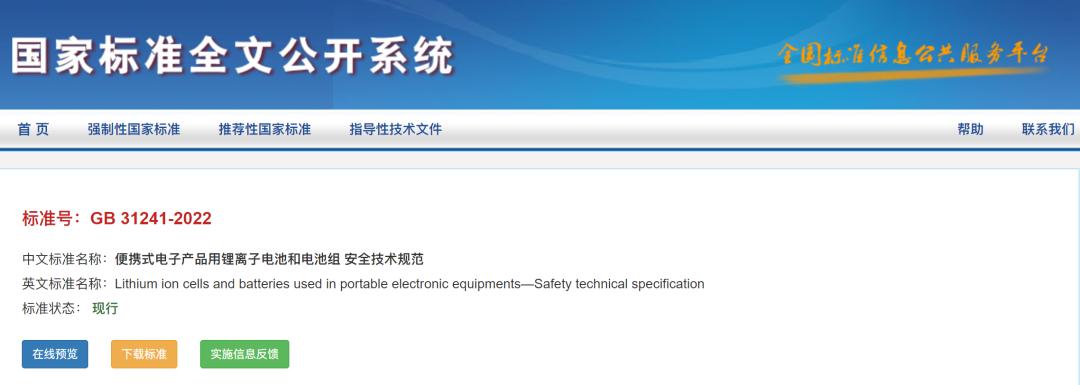
Previously, the implementation specifications for power banks mainly referred to two documents introduced in 2022, GB 31241 - 2022 and GB 4943.1 - 2022.
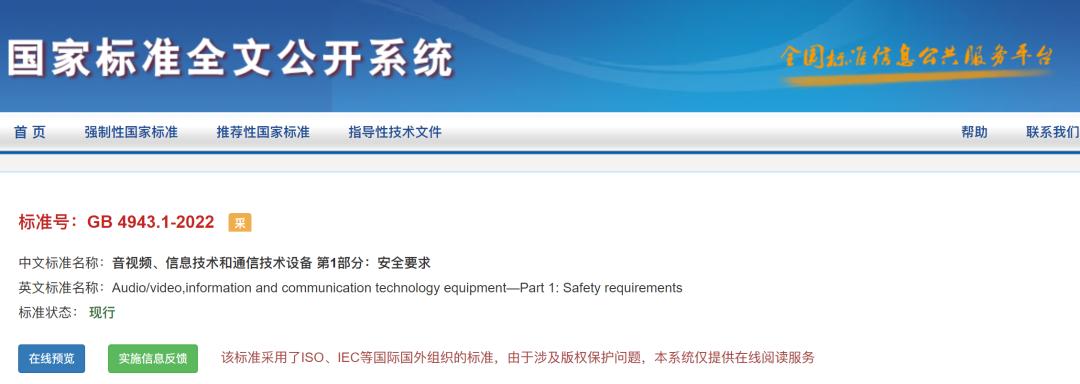
However, as you can tell from the names, these two documents are standards for the batteries of portable electronic products. The scope of the objects they cover is too broad, including mobile phones, computers, and even razors.
This results in many parameters not being targeted and strict enough for products like power banks.
And this new national standard is specifically formulated for mobile power source products. At the same time, it makes stricter requirements in three aspects: the whole machine, the circuit board, and the battery cells. This means that it will be more difficult for future power banks to obtain 3C certification.
However, don't worry yet. This upgrade will not make the products with 3C certification you currently have useless. Instead, it is to make it more convenient for you to buy safe and reliable power banks in the future.
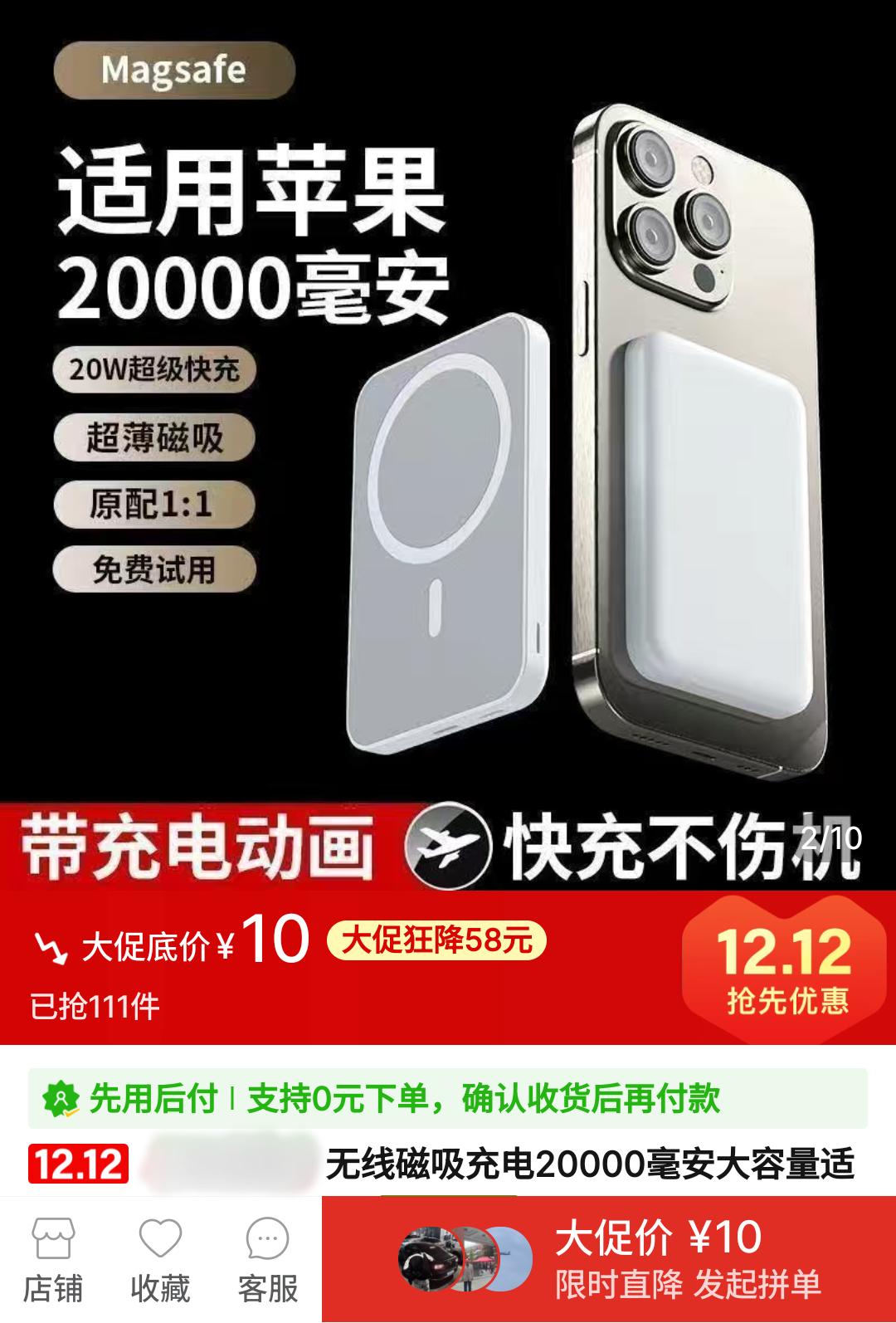
In other words, after the new national standard is implemented in the future, it will basically be impossible to buy a 9.9 - yuan power bank online.
Some of our friends may be wondering. Since it doesn't affect the use of my previous power bank, why bother to introduce this new national standard? Just to eliminate small workshops?
Yes, but not entirely. On the one hand, it is indeed to raise the entry threshold for the industry, strengthen supervision, and eliminate some backward enterprises.

Image source: Kankan News - Second - hand batteries flowing into small power bank production workshops
On the other hand, technology is developing too fast, but the corresponding rules haven't caught up. In the past two years, as the charging power and energy density of power banks have skyrocketed, the probability of accidents has naturally increased. So, this new rule has been introduced.

So, what has been updated in this new rule?
It can be said that this new national standard strictly regulates mobile power sources in almost every aspect you can think of, from raw materials, design, protection testing, to service life.
Let's start with the overall form of the power bank. The most obvious change is that the new national standard requires power banks to be equipped with a screen to display status information in the future. If there is no screen, the information should also be presented on the mobile phone through Bluetooth or other means.
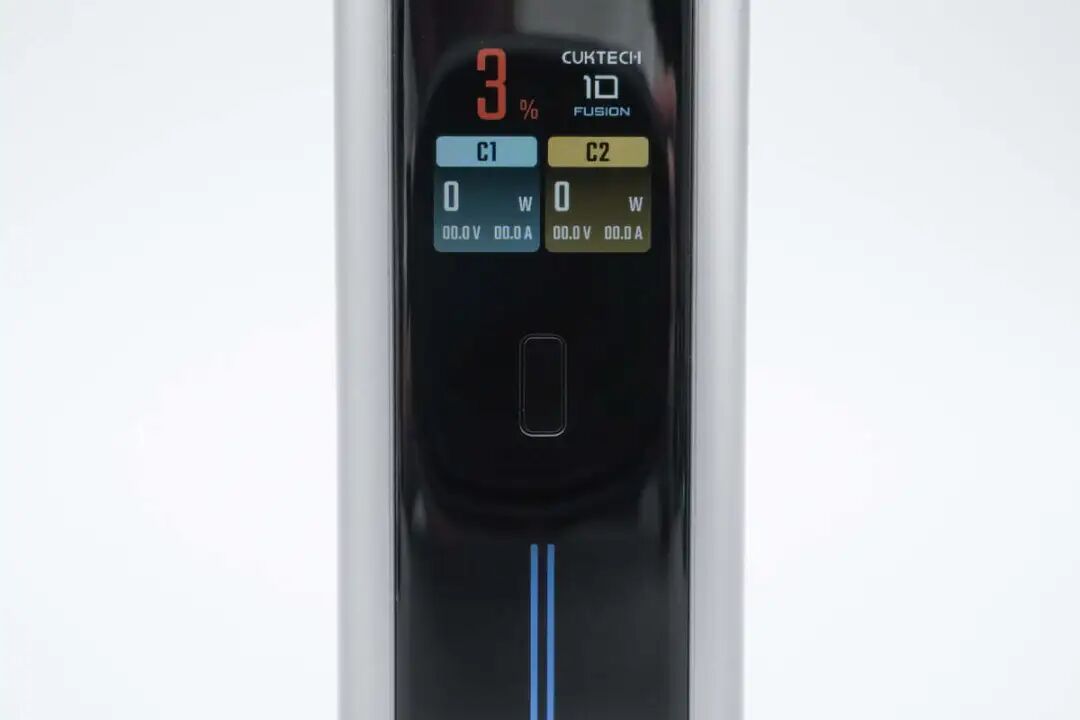
Image source: Charging Head Network. The image is for illustration only.
This information not only allows you to monitor the charging status at any time but also provides the power bank with a "battery safety detection function" similar to that of new energy vehicles.
In addition, the new rule also requires manufacturers to clearly mark detailed information such as the production date and battery material composition on the power bank.
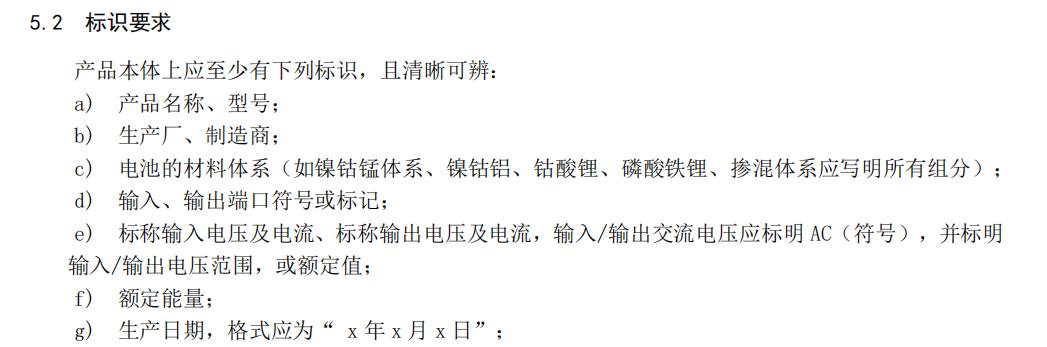
Specific requirements for identification information in the new national standard
I wonder if you have ever bought out - of - stock products when shopping. Especially for products like power banks, if you buy an out - of - stock item, the battery capacity will probably be affected to some extent.
However, after the new national standard is implemented, when we buy power banks in the future, we can directly check the production date to avoid problems. It can also force the elimination of old and out - of - stock power banks, forcing manufacturers to improve their product quality.

In addition to the external changes of the whole machine, the new rule also strictly regulates the internal material design of the power bank.
Let's take the battery cell, the most expensive component of the power bank and the one most likely to cause accidents, as an example.
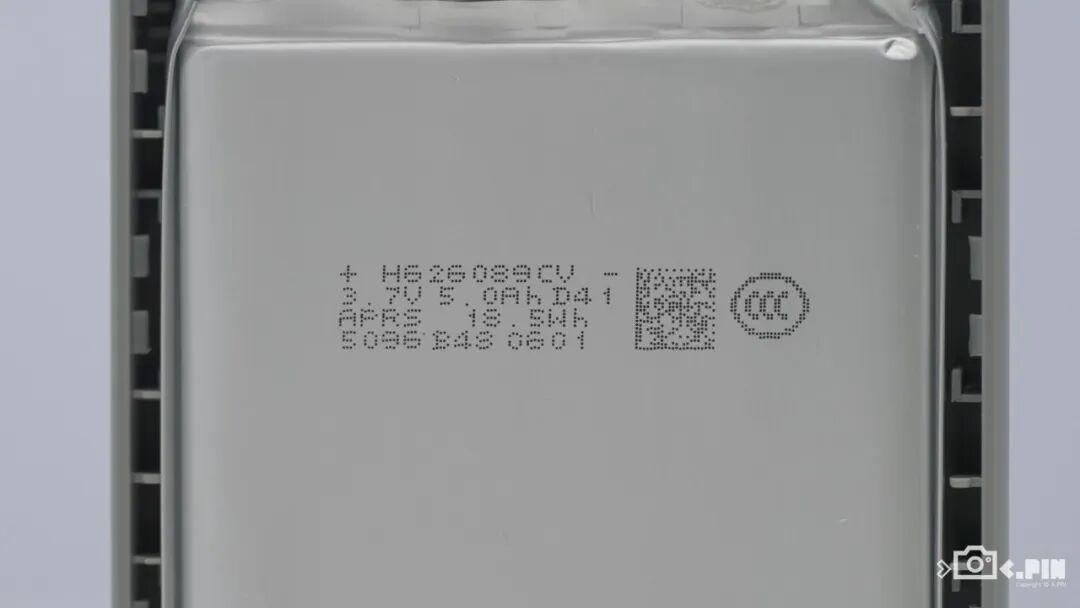
For the battery cell part, two important requirements are mainly put forward this time: Recycled batteries should not be used in mobile power sources, and the proportion of each material component in the battery cell should be clearly defined.
This means that we won't buy power banks with "second - hand battery cells" in the future, and the quality of power banks will be greatly improved.

Specific requirements for samples and product batteries in the new national standard
Take the newly added "requirement for electrolyte purity" as an example.
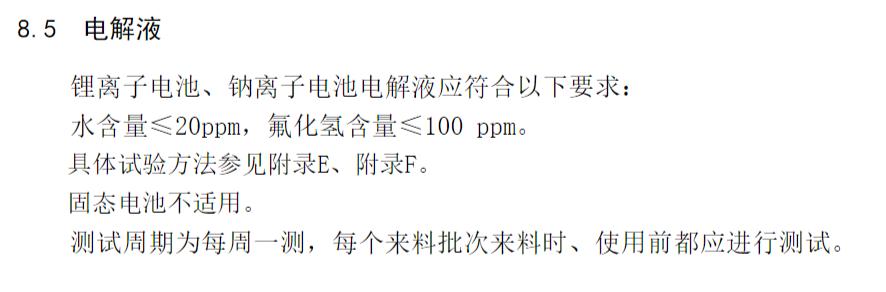
Specific requirements for electrolyte in the new national standard
The power banks or mobile phone batteries we usually use are lithium - ion batteries with non - aqueous electrolytes. There is a substance called hexafluorophosphoric acid in the electrolyte of this kind of battery. Water is more like an impurity to it.
LiPF₆ + H₂O → LiF↓ + 2HF↑ + POF₃↑
It's not hard to see from the reaction formula we learned in the second grade of primary school that once this substance comes into contact with enough water, it will start to produce gas (such as POF₃), which will eventually lead to battery swelling.
Controlling the water content can effectively solve this problem.

In addition, the new national standard not only retains the previous traditional test items such as extrusion and over - charging but also significantly strengthens some individual test items. For example, it has learned a lot from the "battery cell abuse test" of new energy vehicles.
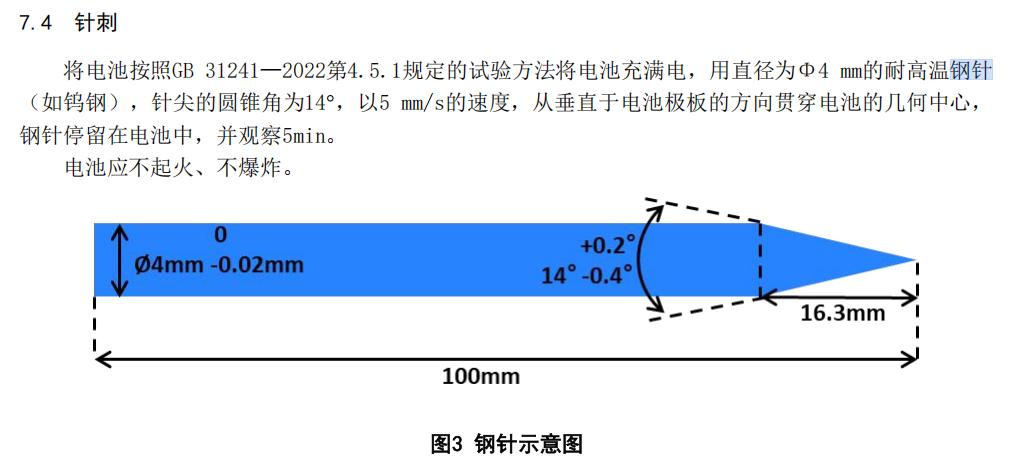
Specific requirements for the acupuncture test in the new national standard
For example, the classic test operation of piercing the battery cell with a steel needle, which was previously only for other products, is now also applied to power banks.
Manufacturers must ensure that their battery cells do not catch fire or explode after being pierced by a 4 - mm - diameter tungsten steel needle before they are eligible to enter the next high - temperature test stage.
The high - temperature test has also been significantly upgraded this time.
Compared with the previous requirement of testing the battery cell at a temperature of 130° for 30 minutes, the new national standard not only slightly increases the temperature by five degrees but also extends the constant - temperature time to one hour. This is very beneficial for scenarios such as high - temperature in the car during summer.
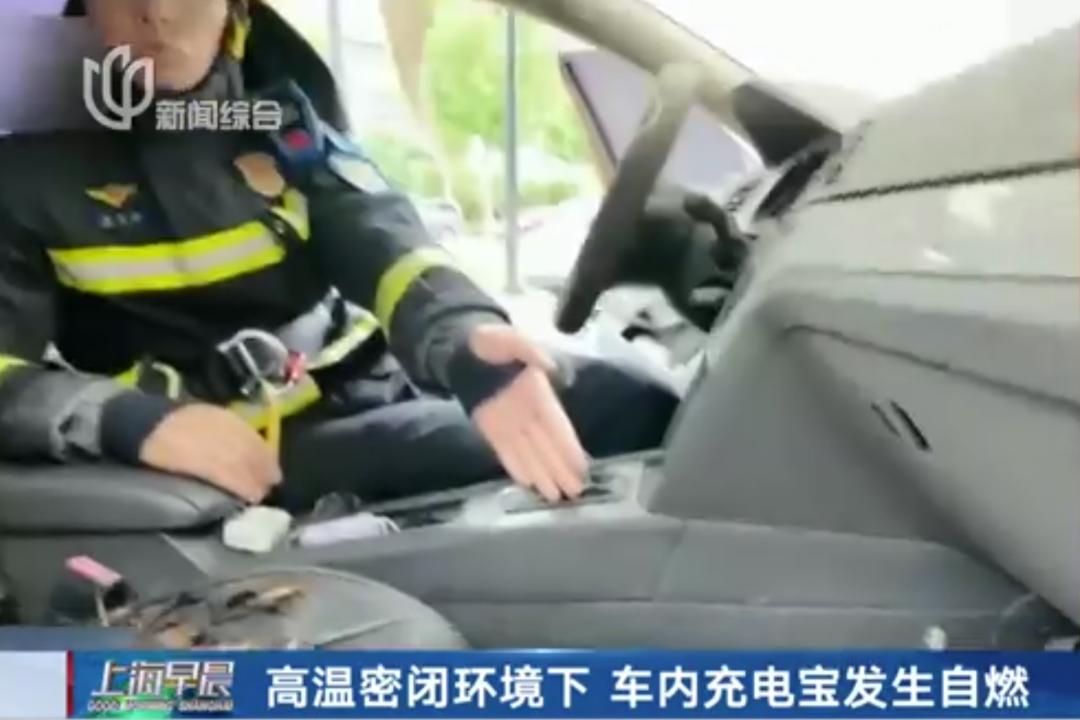
Image source: Shanghai News (The image is for illustration only. Don't put the power bank in the car in summer.)
In addition to the battery cell, the new national standard is also more stringent in terms of circuit board protection than before.
A few months ago, Tony disassembled a batch of shared power banks. At that time, it was found that although these power banks had corresponding protection circuits as required, they only had first - level protection.
However, for products with frequent rentals and complex usage scenarios, it is difficult to ensure that the previous renter did not accidentally damage the internal protection circuit.
Therefore, to prevent short - circuits and overloads, it is necessary to add an additional level of protection circuit.
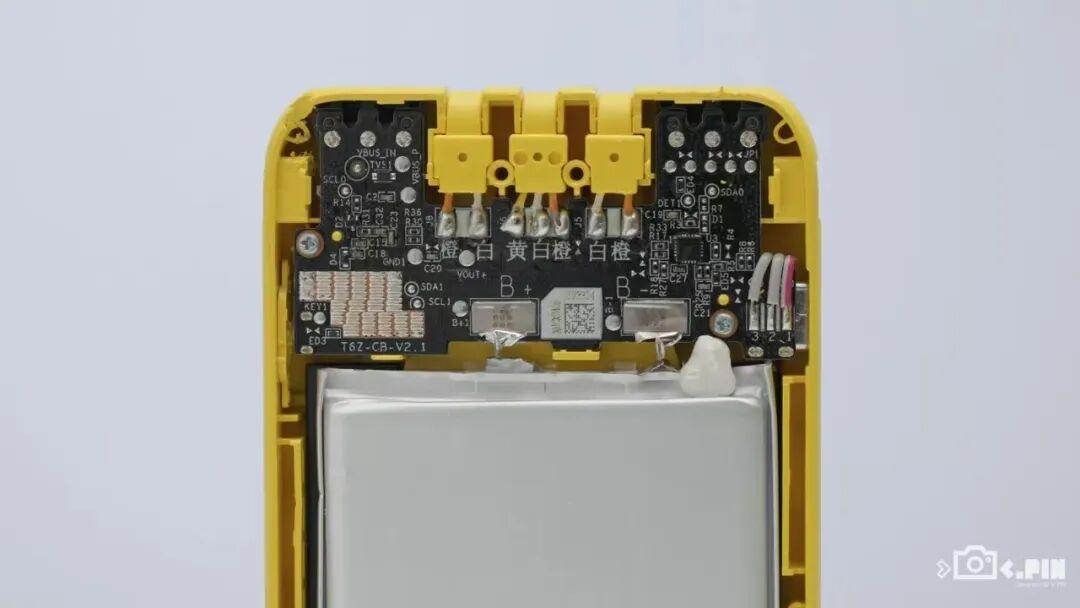
Therefore, in this new national standard, it is specifically emphasized in the circuit protection part that "the circuit board should have two - level independent protection functions". That is to say, as long as it belongs to the category of mobile power sources, an additional redundant protection mechanism should be added.
In addition, Tony thinks there