Don't fear AI taking your jobs! The president of Y Combinator reveals the economic paradox of "the more advanced the technology, the busier humans become"
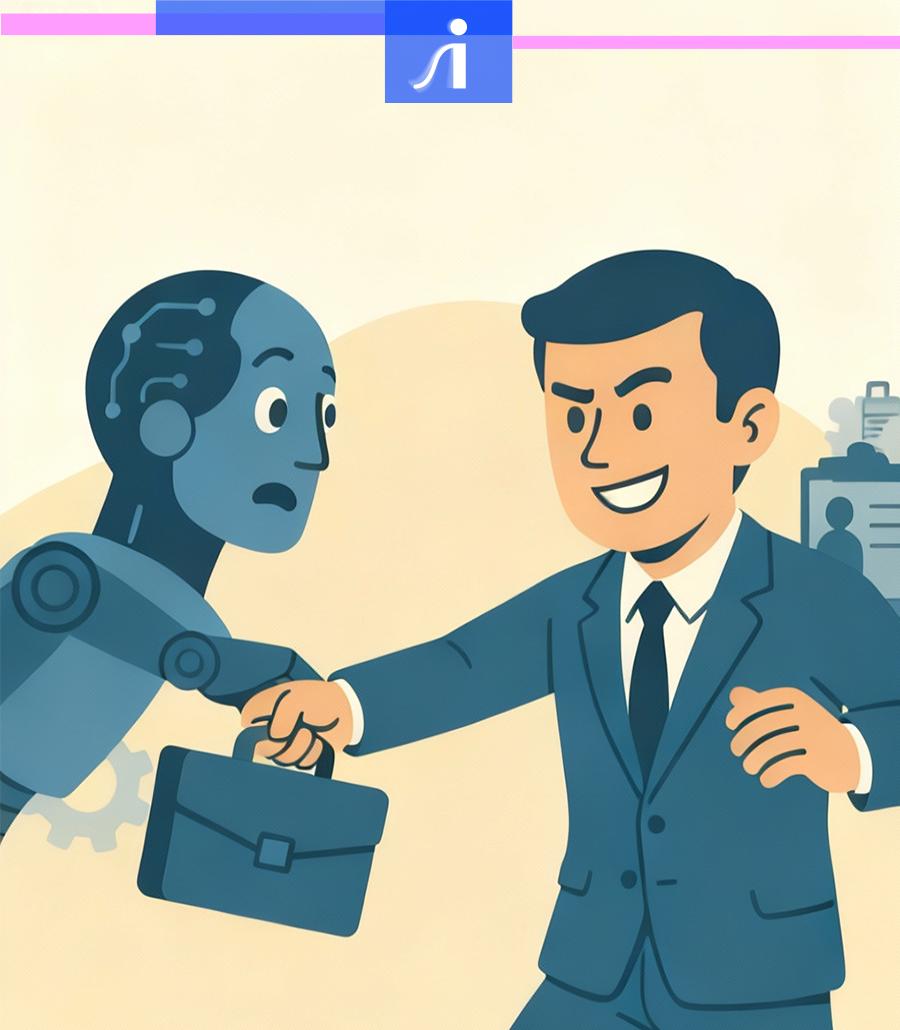
When AI takes over repetitive work,
the true value of human wisdom begins to be unleashed

In discussions about AI, two extreme voices are often heard: one claims that AI will replace a large number of white-collar jobs, triggering an unprecedented wave of unemployment; the other asserts that this hype is overblown and not to be feared. In fact, the truth may be more complex and full of hope.
Garry Tan, the President and CEO of Y Combinator (YC), shared his views on this issue in the latest video: AI will have a profound impact on labor and innovation. But from radiology to software engineering, history has repeated the same pattern - when technology makes certain tasks cheaper and more efficient, the market demand for human creativity and judgment actually increases. Technology doesn't destroy jobs; it continuously reshapes what humans can do.
As one of the world's top investment firms and startup incubators, YC has supported star companies like Airbnb, Stripe, and Dropbox since its establishment in 2005. It is committed to helping early-stage entrepreneurs overcome the challenges in the initial stage of entrepreneurship and turn their ideas into viable products by providing seed funding and intensive guidance. Garry Tan became the President and CEO of YC in 2022, succeeding Paul Graham, Sam Altman, and Geoff Ralston as the fourth-generation leader. He is not only a well-known entrepreneur (founder of Posterous, which was sold to Twitter) but also one of the most respected investors in Silicon Valley.
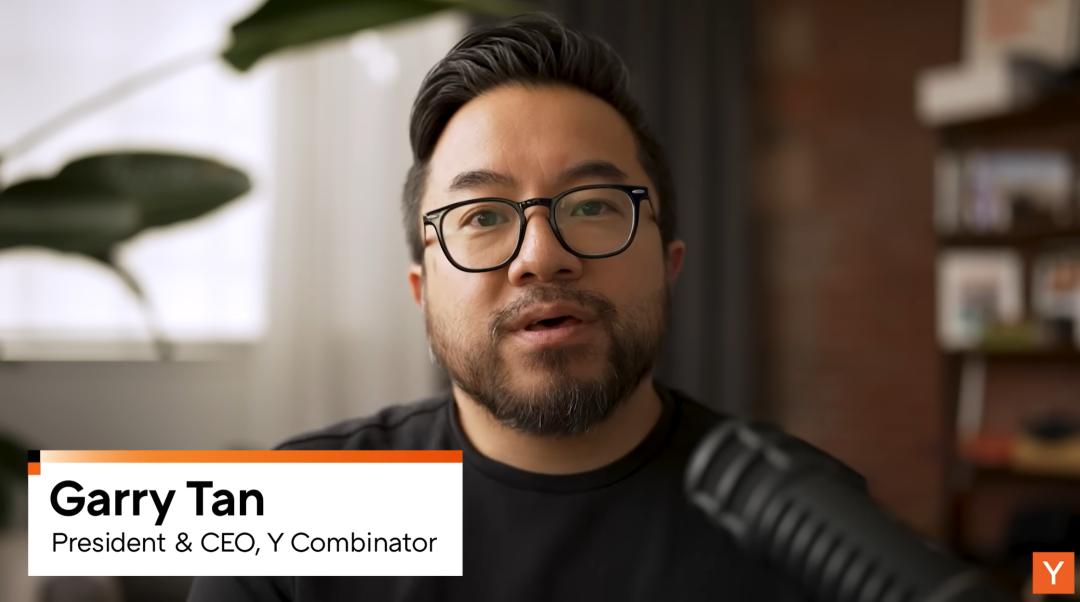
●Garry Tan, President and CEO of YC
In Garry's narrative, he not only talks about the economic logic of AI but also reminds entrepreneurs: the real revolution is never the technology itself but the people who dare to redefine the future.
The following is the essence of the video content, compiled and translated by "Future Human Laboratory" -

Panic or opportunity?
The truth behind the theory of AI-induced unemployment
Will AI make human labor obsolete? Currently, in the debate about the impact of artificial intelligence on employment, the most extreme voices on both sides seem a bit hysterical.
On the one hand, "doomsayers" firmly believe that we are only a few years away from near-universal unemployment, and half of the entry-level white-collar jobs will disappear by then. In the next five years, the unemployment rate may soar to 10% - 20%. That is to say, we may face a world with an unprecedentedly high unemployment rate.
●
On the other hand, some people think that AI is just an overhyped phenomenon and will not fundamentally change the economic landscape. For years, Sam Altman has been saying that we know how to build Artificial General Intelligence (AGI), but the current AI is far from being AGI. We won't achieve AGI next year, and it's very likely that we won't save as much cost in various workplaces as previously expected.
The fact is that both views are flawed. All the most reliable conclusions we've drawn from history, industry practices, and common sense indicate that artificial intelligence will change the economy but not destroy it.

The efficiency revolution will give rise to a new wave of industries
Let me explain why. First, I'd like to tell you a story about radiologists. As early as 2016, Geoffrey Hinton, a Turing Award winner and one of the founders of the artificial intelligence field, declared that people should stop training radiologists. He believed that within five years, AI deep learning would outperform human radiologists in radiological diagnosis because deep learning could accumulate more "experience," which seemed obvious at that time. Hinton is a pioneer in the field of neural networks and has a deeper understanding of the potential of this emerging technology than almost anyone else.
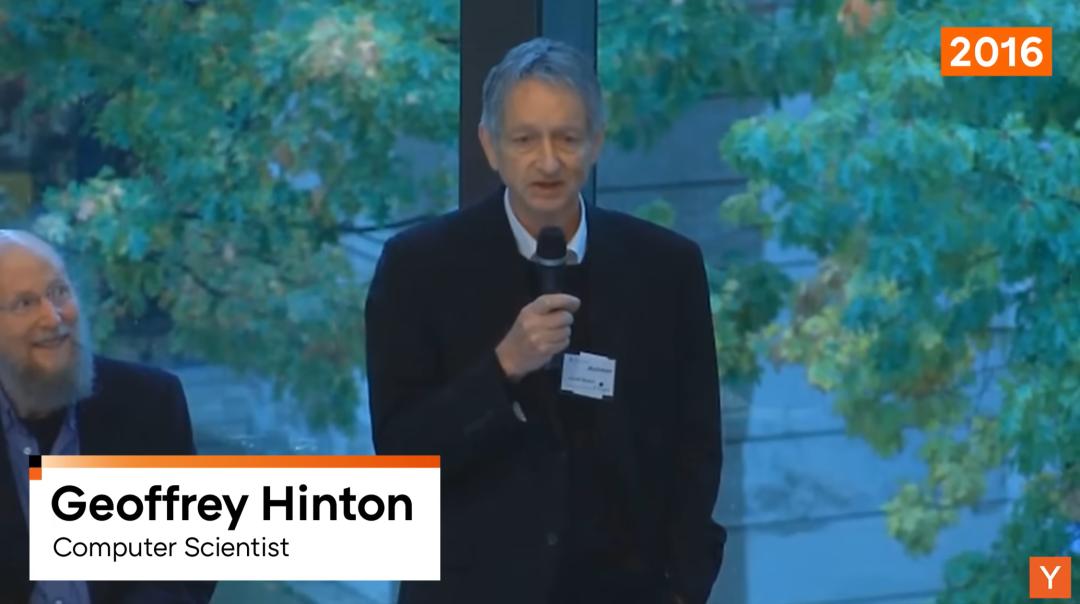
●Turing Award winner
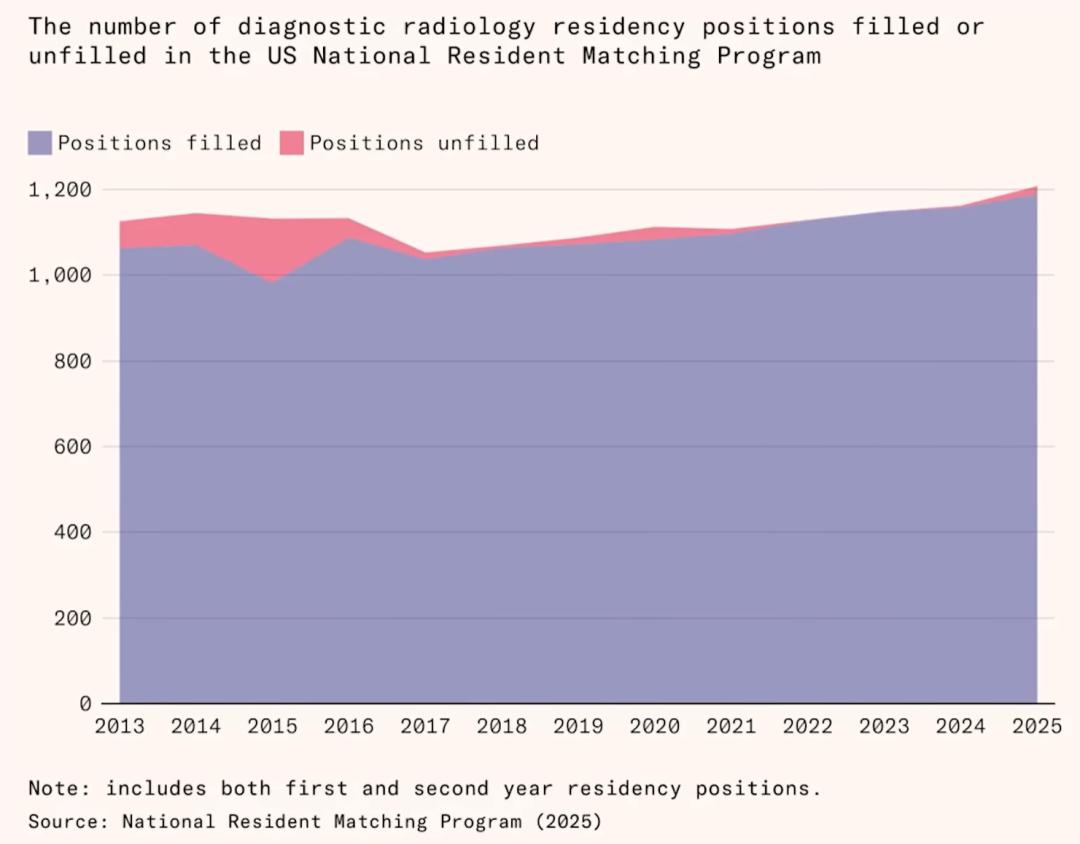
But he was wrong. Nearly a decade later, the demand for radiologists has not only not dropped to zero but has reached an all-time high - despite the launch of dozens of state-of-the-art AI products that can detect and classify hundreds of diseases much faster and more accurately than humans. Of course, there are some special factors in the medical industry, such as liability disputes over medical accidents and insurance regulatory requirements for human involvement in the process. But the more fundamental reason is that, as it turns out, when we provide radiologists with tools to improve their efficiency in one aspect of their work, the overall demand for their services has increased exponentially.
●
A decrease in scanning costs means an increase in the number of scans; an increase in the number of scans means a further increase in the demand for radiologists in complex diagnosis and treatment plan formulation. In other words, when we use technology to reduce the cost of using a certain resource (in this case, magnetic resonance imaging (MRI) and other imaging technologies), the demand for this resource and its related services will increase sharply.
This is what economists call the "Jevons Paradox." In the mid-19th century, British economist William Stanley Jevons first proposed this paradox. He found that technological innovations that improved the efficiency of coal use actually led to an increase in coal consumption in multiple industries. This was the opposite of the assumption held by many people at that time that "efficiency improvement would reduce consumption." In fact, Jevons' research shows that the improvement of technological efficiency often releases potential demand, which in turn can give rise to brand-new professional categories.
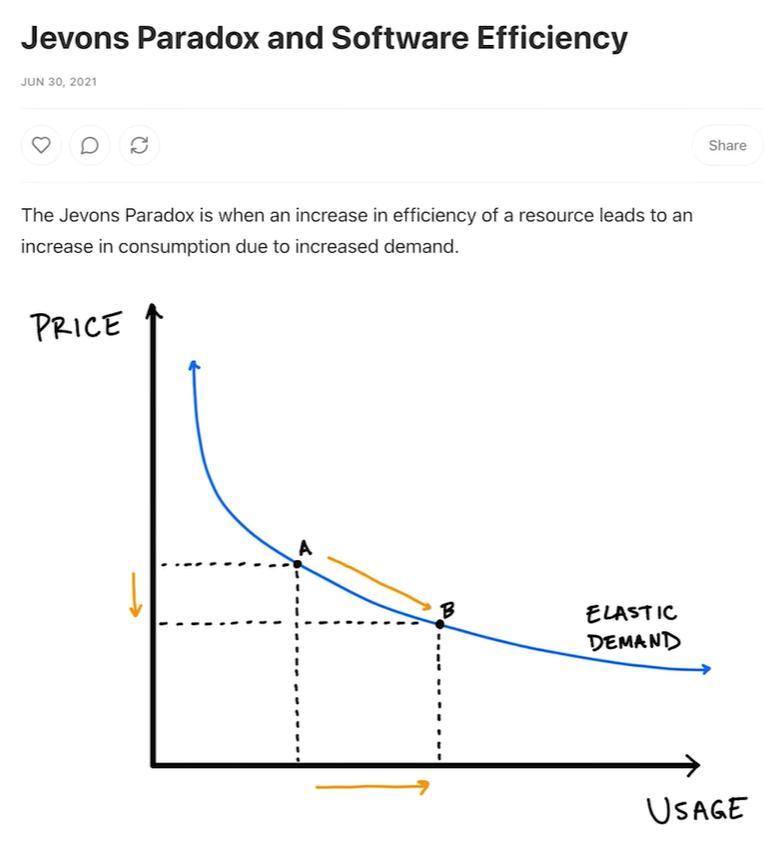
●Illustration of the Jevons Paradox, image from the video
There are many such examples in history. In the 1960s, container shipping technology reduced shipping costs by 90%. Initially, some dock workers were indeed laid off, but global trade then experienced an explosive growth, giving rise to multi-billion-dollar business empires and the emergence of new industries such as freight forwarding, logistics distribution, and warehousing.
Similarly, in the 2010s, cloud computing technology reduced infrastructure costs by 90% (i.e., the cost was only 1/10 of the original). Traditional information technology (IT) jobs also underwent transformation: server administrators became DevOps engineers and cloud architects, responsible for managing infrastructure on a scale that was unimaginable in the past. Recently, with the improvement of algorithms reducing inference costs, the demand for graphics processing units (GPUs) has increased significantly, rather than decreased. The stock price of Nvidia has also reached a record high recently.
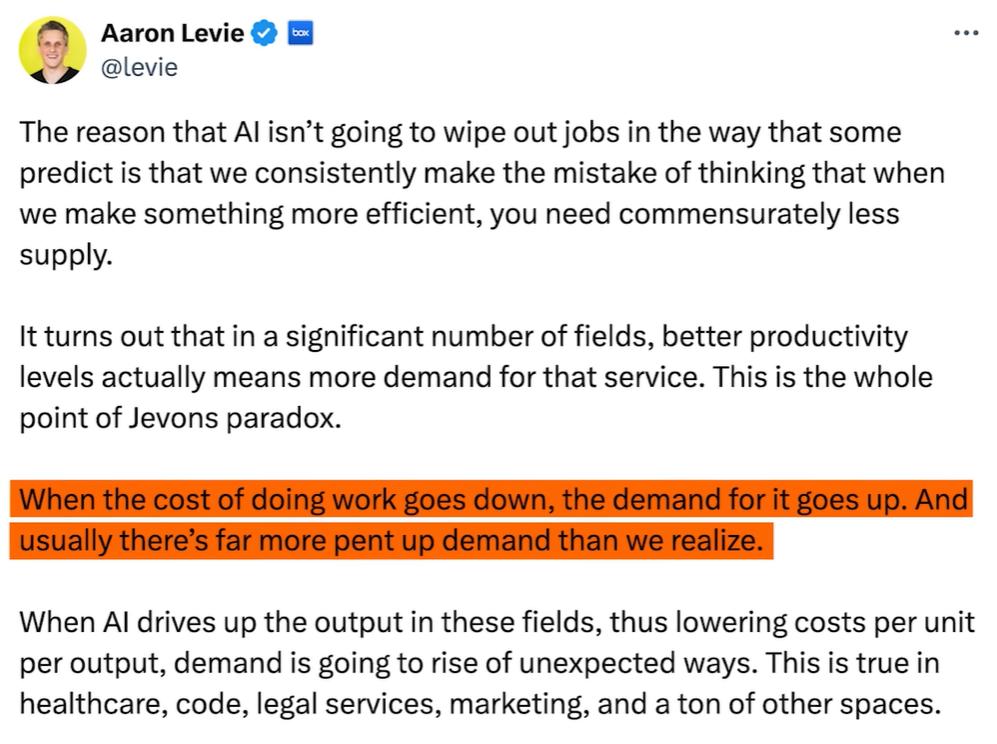
So, what insights does this provide for us to understand how AI will affect the labor economy? As Aaron Levie, the CEO and co-founder of Box, recently wrote, we should expect that the improvement of efficiency will actually mean an increase in service demand in more (rather than fewer) fields.
●
He wrote: "When the cost of completing a certain task decreases, the demand for this task will increase. And, usually, the scale of potential demand will far exceed our imagination." In other words, as AI makes tasks like analyzing MRI scans, drafting legal documents, and writing code cheaper, faster, and easier, we have reason to expect that the demand for professional diagnosis and treatment plan formulation by radiologists, legal advice from lawyers, and the professional skills of engineers will generally increase, rather than decrease.
This doesn't mean that future jobs won't change or that some jobs won't disappear. Many jobs that required manual labor in the past may be transformed into the supervision of "intelligent agent teams" in the future. Humans will still be an indispensable part of the process.
Andrej Karpathy, one of the co-founders of OpenAI, also holds a similar view. He believes that AI will first change jobs that are repetitive, require little background knowledge, and have a high tolerance for errors, such as customer service representatives and data entry clerks. But even so, he thinks that most of these jobs won't disappear completely but will be restructured into management or supervision roles.
We've already seen this trend in companies like Avoca, which YC has invested in: Avoca is an AI sales agency that provides services for industries such as plumbing and HVAC. It is helping customer service representatives free up from basic tasks and engage in more valuable work; another company, Tennr, is transforming administrative jobs from data entry to patient care coordination and complex case management by automating the document flow process among medical service providers.
Generally speaking, these jobs were originally very boring, but when you start managing an "AI agent team," the work suddenly becomes much more interesting. Many tasks that AI automates for these employees - such as handling inquiries from Intel customers or filling out routine forms - are themselves boring. Although some of these jobs will disappear, just like in past technological revolutions, we have reason to believe that more attractive new jobs will take their place.

Your judgment is the scarce resource in the AI era
So, if you're considering starting an AI-related startup, what insights can you gain from these trends?
First, the transformation brought about by artificial intelligence is real and still advancing as we speak. Don't be like Paul Krugman, who, in 1998, compared the impact of the Internet to that of a fax machine, seriously underestimating the transformative power of the Internet. We can't underestimate the changes brought about by AI either.
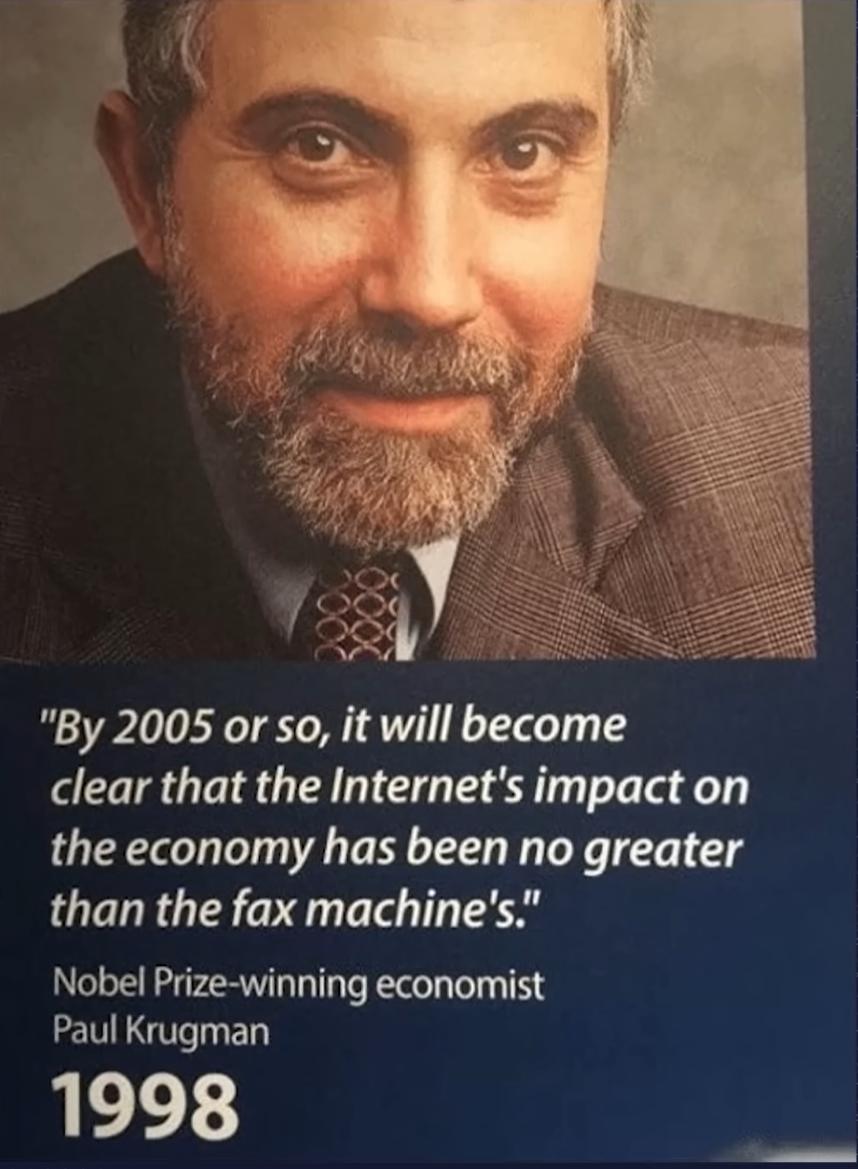
●Nobel laureate in economics
Second, this is not the time to indulge in the fantasy of "fully automated luxury communism" or worry about the impending collapse of the human economy. Don't just sit on the couch waiting for the arrival of Universal Basic Income (UBI). Remember, AI will be at least as influential as the Internet itself and will become the next-generation transformative force.
The future you want to create won't wait for some "permission" to start. At this moment, those who can see opportunities that others can't are building this future with their own hands, and maybe you can be one of them. Every great company starts with a founder who dares to take the first step and firmly believes in their own judgment. The only real question is: Will you be one of them?
Thank you for watching. See you next time.
