Humanoid robots kick off the mass production challenge
The development of robots has been so rapid that it has inevitably raised people's doubts. Not long ago, XPeng's humanoid robot was suspected of being played by a real person. Immediately afterwards, Ubtech was suspected of being fake by its counterparts across the ocean.
Brett Adcock, the founder of the American humanoid robot company Figure, publicly questioned the delivery of 10,000 units of Ubtech, the so - called "first humanoid robot stock" in China, on social media. A blurry video screenshot accompanied by the words "most likely computer special effects" quickly caused a stir in the industry.
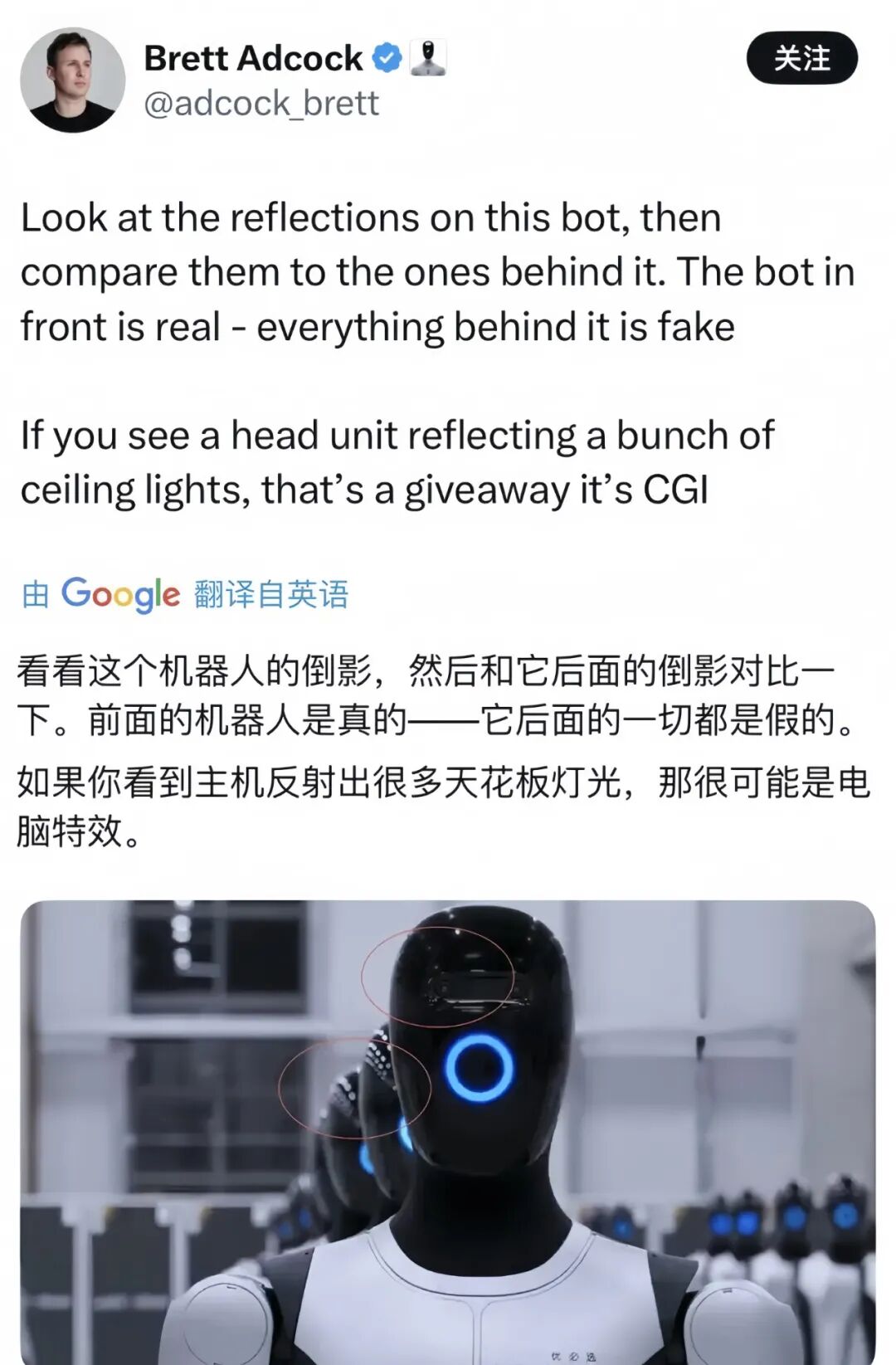
In response to the "smear campaign", Ubtech responded quickly and firmly: it released video materials shot in one take at the original speed with the original sound, clearly restoring the real situation on - site. The passive public relations crisis turned into a powerful "muscle - flexing" moment.
In fact, this long - distance confrontation is not simply a case of commercial opportunism. It is more like the "starting gun" for the mass - production competition of Chinese and American robots, revealing that the competition paradigm of the entire industry is undergoing a fundamental transformation.
While the elites in Silicon Valley are still arguing about the technical routes of "hydraulic drive" and "motor drive", Chinese players have changed their course, shifting the finish line of the race from the "press - conference PPT" to the "factory assembly line". For the global humanoid robot industry, the decisive battle around large - scale delivery and commercial implementation has quietly begun.
Collective Rush for IPO: Difficult to Conceal Delivery Challenges
The capital market is the best indicator of industry popularity. From 2024 to 2025, the Chinese robot track witnessed an unprecedented wave of IPO rushes. The core of this wave is the new force of "embodied intelligence" represented by humanoid robots.
The players rushing for IPO each have their unique genes and strategic focuses, which together form the vanguard matrix of the Chinese humanoid robot ecosystem:
As an undisputed pioneer, Ubtech has the most humanoid robot patents globally since its establishment in 2012. As of 2024, the total number of its globally authorized patents is 2,680, with invention patents accounting for more than 57%.
From early educational and consumer - grade robots to now fully betting on the industrial - grade humanoid robot Walker series for scenarios such as automobile manufacturing, Ubtech has full - stack technical capabilities for humanoid robots. Its strategic core is "scenario implementation", aiming to open up a large - scale commercial application entry point in the industrial field.
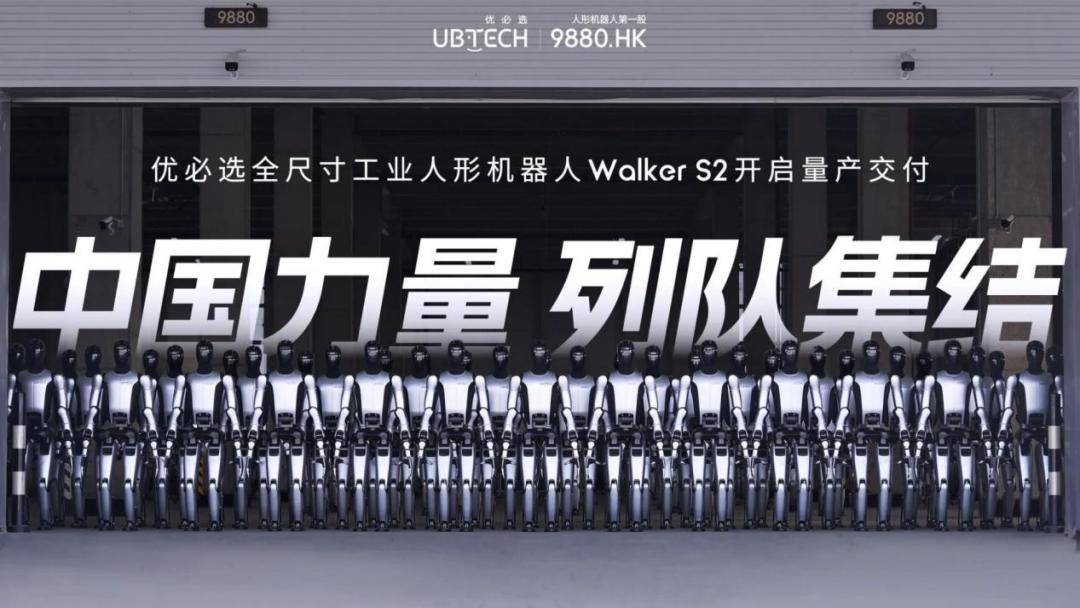
▲ Note: The picture is from Ubtech.
Unitree Robotics is a technology geek known for its hardware strength. In 2024, the company sold 23,700 quadruped robots globally, accounting for 69.75% of the global market share. With its absolute leading position, Unitree has accumulated a deep technical moat and cost - control ability in core components such as motors and controllers.
Although the humanoid robot H1 was a latecomer, its mature supply chain and technical accumulation enabled it to quickly gain a foothold. It focuses on cost - effectiveness and sports performance. Meanwhile, H1 quickly became popular through its amazing performances on the Spring Festival Gala stage and in marathons.
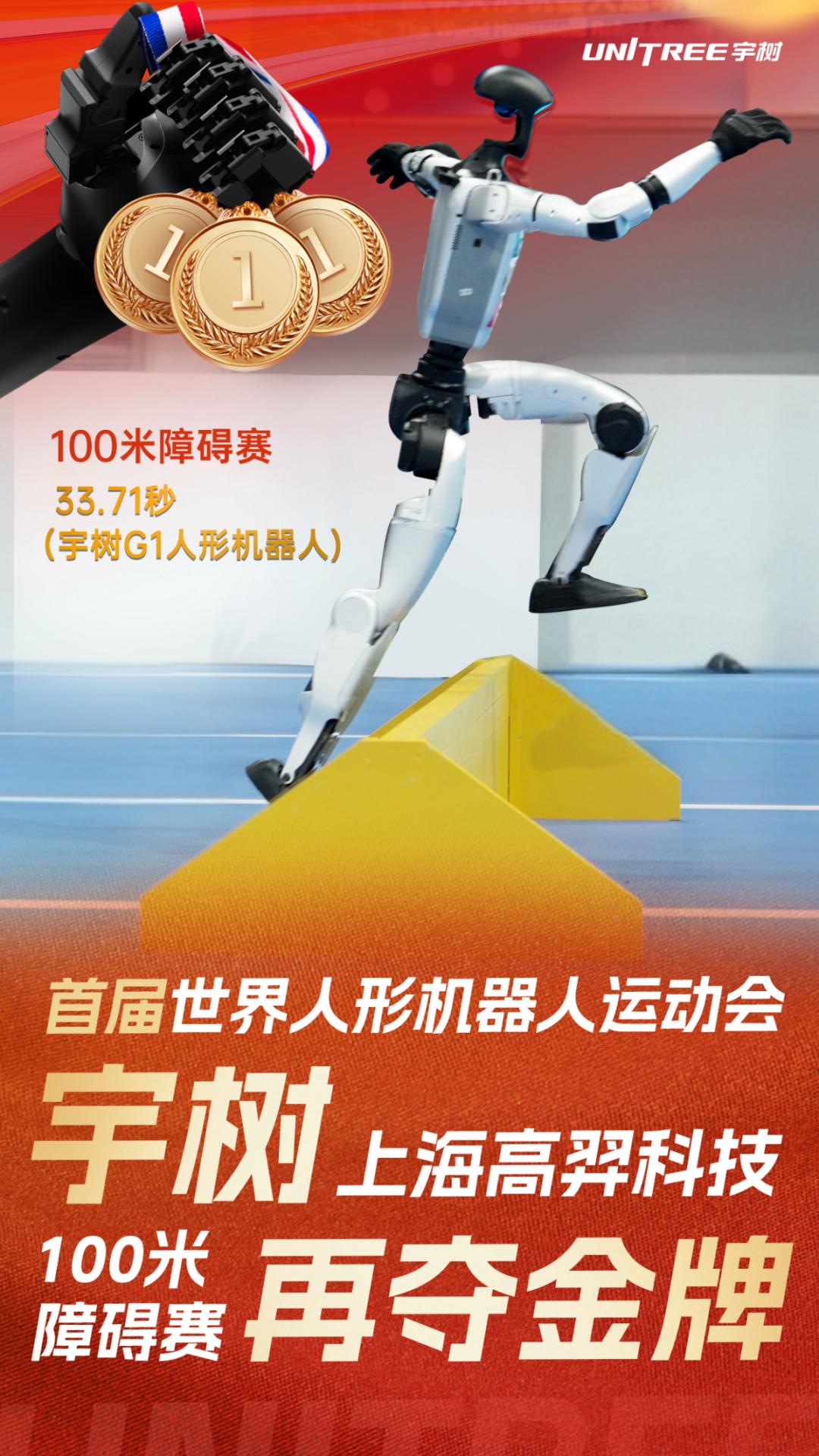
▲ Note: The picture is from Unitree Robotics.
ZhiYuan Robotics is a "AI brain" school with star - studded aura. From its birth, it has taken "embodied intelligence" as its core label. So far, ZhiYuan Robotics has developed three major series: Expedition, Elf, and Lingxi, covering various commercial scenarios such as interactive services and industrial manufacturing.
It is committed to building the "brain" of robots, believing that a smart "brain" is the key to detonating applications. Therefore, its robots have stronger environmental perception, task - understanding, and autonomous decision - making abilities.
Leju Robotics is a "vertical expert" deeply involved in specific scenarios. It was the first to propose the whole - body momentum control algorithm, covering multiple scenarios. It also stabilizes the robot's performance through the technical iteration of "hardware - control - perception". The full - size humanoid robot Kuafu produced by it has now been delivered to FAW Hongqi's car factory.
These players outline the vitality of the Chinese humanoid robot industry. However, behind the prosperity is a common dilemma that all players cannot avoid - delivery.
Although frequently mentioned, the current delivery of humanoid robots still has more symbolic meaning than actual commercial value. Even though Unitree Robotics' H1 showed synchronized dances on the Spring Festival Gala stage, in essence, it is still a small - scale "exhibition match" for technology demonstration in the capital market, rather than large - scale value creation in the production process.
Similarly, although Ubtech announced its entry into automobile factories, which is a crucial step, the robots initially deployed are limited in number and mainly play the roles of "demonstration posts" and "data collectors".
The fact that no humanoid robot has found a mass - production path that can be replicated on a large scale and bring a clear return on investment to customers is the core pain point of the current industry. From the laboratory to the exhibition and then to the demonstration production line, robots have taken the crucial first step, but there is still a long way to go before they become tireless "employees" working "7x24 hours" in the factory and truly integrate into the production rhythm.
Breaking the Deadlock under Pressure on Traditional Business: Betting on the Second Growth Curve
In this delivery race, Ubtech is undoubtedly a fast - running and indispensable player. To understand its almost obsessive pursuit of delivery, we must first examine its financial reality.
Before becoming the "first humanoid robot stock", Ubtech was better known as the "giant in educational robots". For many years, the vast majority of its revenue has been contributed by its To B and To C educational robot businesses represented by the Alpha and Jimu series. In the first half of 2025, Ubtech's educational intelligent robots and solutions achieved a revenue of 240 million yuan, accounting for 38.6% of the company's total revenue.
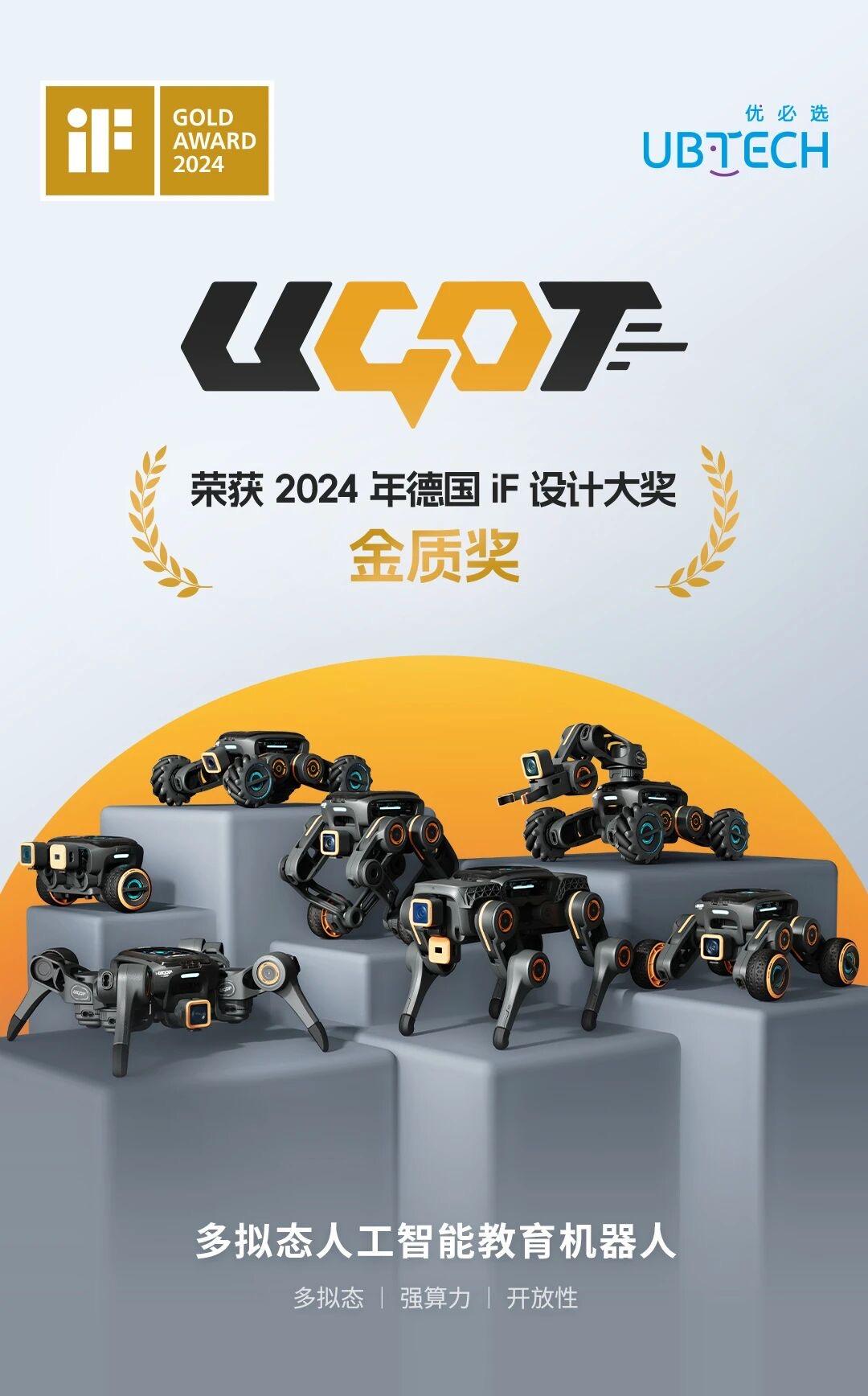
▲ Note: The picture is from Ubtech.
This business line helped Ubtech accumulate market and brand influence in the early stage, but its "ceiling" is also obvious: the market scale is limited, the products are highly homogeneous, the gross profit margin is low, and the growth is gradually weakening.
Meanwhile, its R & D expenses have remained high for a long time, and the R & D expense ratio once exceeded 50%, meaning that for every 1 yuan of revenue, the company had to invest more than 0.5 yuan in R & D. Even though this figure dropped to 35.1% in the first half of 2025, it still remains at a relatively high level in the industry.
As a result, Ubtech's financial report shows that its revenue reached 1.35 billion yuan in 2024, but the net loss exceeded 1.124 billion yuan.
This "bleeding" - style R & D has indeed built its leading advantage in full - stack humanoid robot technology, but on the other hand, it has also put continuous pressure on the company's financial situation.
For the capital market, a company supported by low - margin educational products and with continuous huge losses obviously cannot support the high valuation of the "first humanoid robot stock". Ubtech urgently needs an exciting new chapter in its story, and fully betting on industrial humanoid robots represented by Walker S has become an inevitable choice for Ubtech.
This is not only a technological upgrade but also a strategic gamble related to survival. It carries Ubtech's infinite hope of exploring the "second growth curve". Every move in the race for delivery on this new curve is of great significance.
Delivery proves to the market that Ubtech's humanoid robots are not "futures" staying at the conceptual stage but "spot goods" that can enter the factory. This can not only stabilize the stock price and boost confidence but also completely get rid of the dependence on traditional business with a new grand narrative and reshape the company's valuation logic.
So, it is not surprising that Ubtech responded firmly when its American counterparts questioned its delivery ability. After all, this touches not on the issue of face but on the cornerstone of its entire business strategy. For Ubtech, which is already in the spotlight of the capital market, the delivery progress bar is its lifeline.
Capital Cooling Down: Commercial Implementation Becomes the Ultimate Goal
If Ubtech's dilemma is an individual portrait of a listed company, then looking at the global humanoid robot industry, the entire industry is undergoing a profound re - evaluation of value. A prominent trend is that capital is gradually "cooling down", and investors' patience is becoming increasingly limited.
In the past few years, with a cool technology demo or a star - studded founding team, robot companies could easily obtain tens of millions or even hundreds of millions of dollars in financing. At that time, most investors were chasing technological dreams and disruptive possibilities.
However, when the tide receded and countless "concept robots" failed to leave the laboratory, investors began to return to the essence of business, and their questions became more and more practical: "What can robots do?", "Why are customers willing to pay?", "How long will it take to recover the cost?"
Ubtech's situation as a listed company is a microcosm of the industry's pressure. Every move of it is under the magnifying glass of the market. Delivery progress, customer orders, gross profit level, and profit expectations - every figure may cause violent fluctuations in the stock price. Therefore, it must find a balance between "continuous money - burning R & D" and "self - sufficiency as soon as possible".
The industry's evaluation criteria have shifted from technological advancement to commercial feasibility, and there are two clear signals for the arrival of this turning - point "big exam".
The collective rush for IPO by Chinese robot companies is in itself evidence of the increasing caution of capital. Whether it is Unitree, ZhiYuan, or Leju, their choice to go public, although with the consideration of seizing the first - mover advantage, is also due to the increasing difficulty of financing in the primary market.
Facing the long R & D cycle, high hardware cost, and huge investment required for large - scale production of humanoid robots, entering the secondary market through IPO and having a large - scale "blood transfusion" is almost the only option to ensure survival until the "final round". Only in this way can they "stockpile supplies" to cope with the more brutal "money - burning" war and market expansion in the future.
The appearance of "negative examples" across the ocean has also sounded the alarm for practitioners. In April 2025, the American AI companion robot company Embodied officially shut down. In November, the Silicon Valley humanoid robot company K - Scale Labs, which was founded only one year ago and once valued at $50 million, announced its closure.
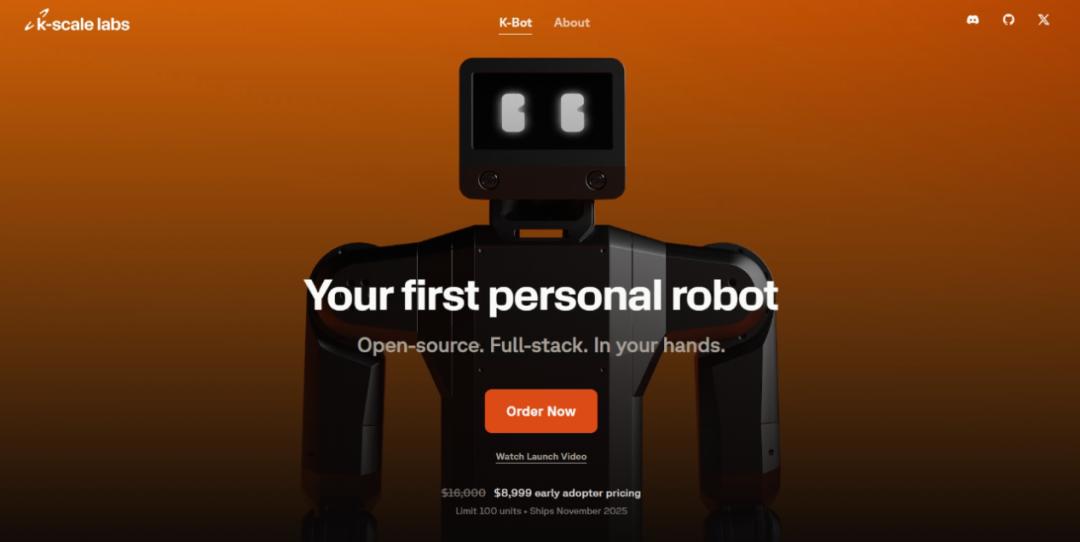
▲ Note: The picture is from K - Scale Labs.
From the IPO rush of Chinese enterprises to the decline of star companies in Silicon Valley, these landmark events announce that globally, the era of financing only with technology stories is over, and large - scale delivery is the way out: Elon Musk recently announced that he will build a factory in Fremont to produce one million robots annually; German Agile Robots SE will start the serial production of industrial - grade humanoid robots from early 2026; the American Figure AI company has launched the humanoid robot Figure 03 and plans to produce 100,000 units in four years.
In China, XPeng Motors recently announced that it plans to achieve large - scale mass production of the humanoid robot IRON by the end of 2026; relying on the mature industrial chain system in the Yangtze River Delta, ZhiYuan Robotics plans to achieve a deployment of 100,000 units in the next three years; the annual production of Leju's humanoid robots is expected to reach 200 units, with an annual mass - production target of 1,000 units.
In Ubtech's delivery storm, the questioning from its American counterparts is less of a disdain for Chinese technology and more of an inner anxiety about China's mass - production speed.
After all, the ultimate battlefield of humanoid robots is no longer on the spotlight of press conferences and the comparison of technical parameters. Whoever can first run through the commercial implementation path of "technology - product - commodity" will survive this century - long gamble and define the rules of the next era.
This article is from the WeChat official account "Yidu Pro". Author: Yidu Pro. Republished by 36Kr with permission.