How difficult is it to turn 50-micron metal powder into a watch case?
Reports from well - known teardown websites and official disclosures appeared almost simultaneously
On November 19, 2025, the well - known device repair website iFixit published a blog post claiming that they had "dug deep" into the production process of the USB - C port of the iPhone Air and finally confirmed that it was produced using the "metal 3D printing" process. Regarding this, iFixit stated that this marks that the metal 3D printing technology has officially entered the stage of mass production.
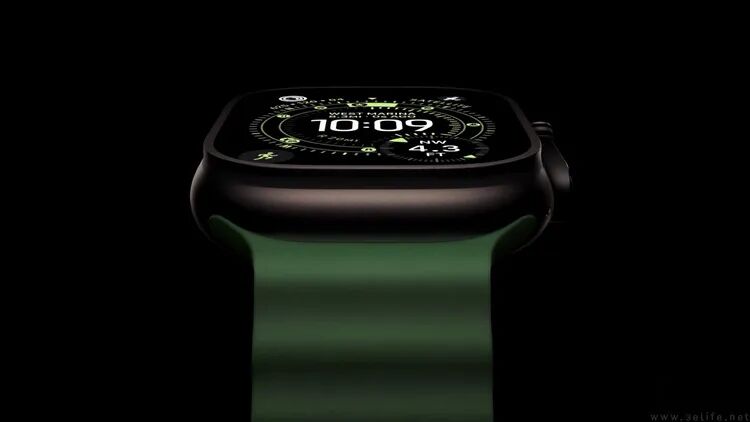
At first glance, this seems like an ordinary product analysis. However, what makes it unusual is that in fact, Apple had already posted detailed content on its official website the previous day, November 18, 2025, introducing the 3D - printed titanium process used for the cases of the titanium - made Apple Watch Series 11 and Apple Watch Ultra 3, as well as the USB - C port of the iPhone Air.
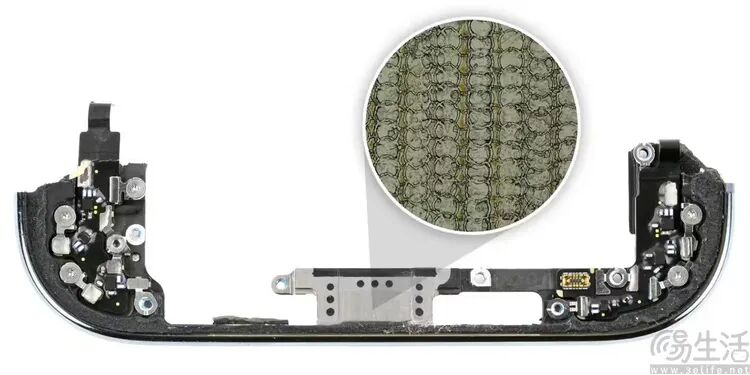
Image from iFixit
This is a bit comical, because it's like an expert using all kinds of measurement methods on an unopened bottle and then concluding that "it contains water", while in fact, there is a product label on the bottle clearly stating "drinking water".
So, did iFixit make a fool of itself? Not necessarily. After all, on the one hand, iFixit might have started researching the unusual material and process of the USB - C port on the iPhone Air a long time ago. It's just that they took longer to finish the article and happened to be one day later than Apple's official disclosure of the relevant process information, thus creating a sense of "inversion" in information dissemination.
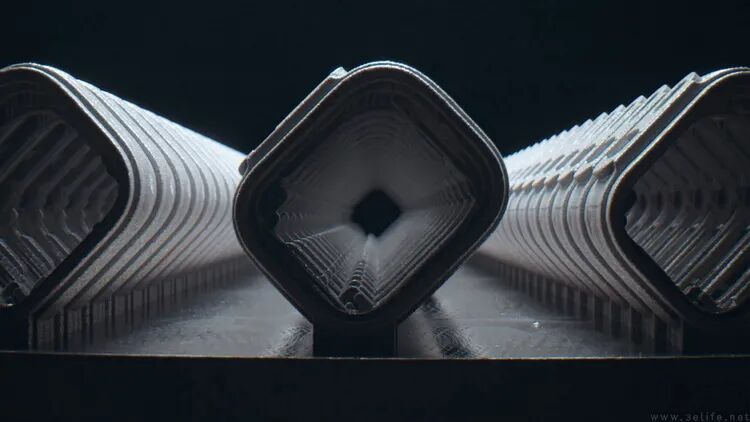
On the other hand, this is indeed closely related to the specific details of the process used by Apple this time. Simply put, although it's all called "3D printing", their titanium 3D printing process this time has some truly special features in its specific implementation.
What exactly are the difficulties in titanium 3D printing?
What's so special about the titanium 3D printing process used by Apple this time? First of all, according to the official information, the raw material used is not a whole titanium ingot, but pure titanium powder with a diameter of about 50 microns.
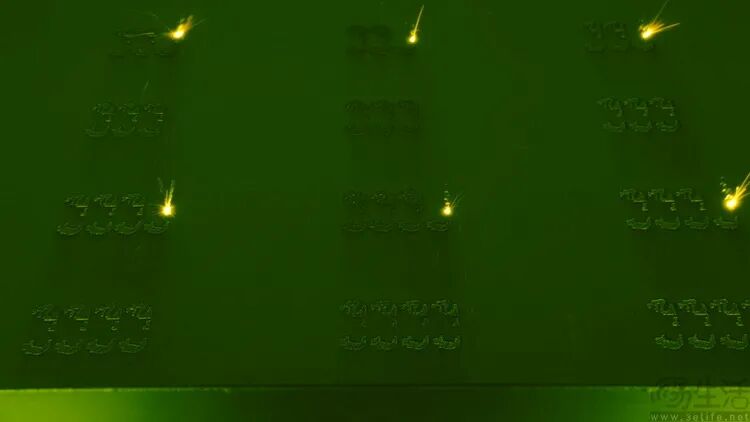
That is to say, Apple doesn't use a laser to "carve" a formed shell from a whole piece of titanium. Instead, it uses a laser to "melt" the originally powdery metal bit by bit and make it "solidify" into the desired overall shape during the process, which is the so - called "additive manufacturing". Compared with the previously used CNC cutting, its greatest advantage is that it can significantly reduce the waste of "scrap materials". In Apple's words, this allows them to use 100% recycled titanium materials and reduce the raw material usage by 50%.
However, this doesn't necessarily mean that the manufacturing cost will be reduced. Because titanium powder is prone to oxidation, and once oxidized, when exposed to high - temperature laser, these materials won't melt normally and may even explode directly. So, controlling the entire production environment to be a low - oxygen environment is the first difficult problem in titanium 3D printing.
Secondly, friends who have used 3D printers must have some "concerns" about the accuracy of 3D printing. People often see obvious "layer lines" on the surface of some 3D - printed parts, which is an inevitable result of the low accuracy of traditional, consumer - grade 3D printers.
Obviously, this is unacceptable to Apple. As they said, although the purpose of switching to titanium 3D printing is to save raw materials, achieve 100% recyclability, and reach the environmental goal of complete carbon neutrality by 2030, this cannot be achieved at the cost of sacrificing performance. "The raw materials produced by 3D printing must be of the same or higher quality as the original ones", and "the polished mirror - like appearance of the Apple Watch Series 11 must be as smooth as new, and the Apple Watch Ultra 3 must maintain its durability and lightweight form".
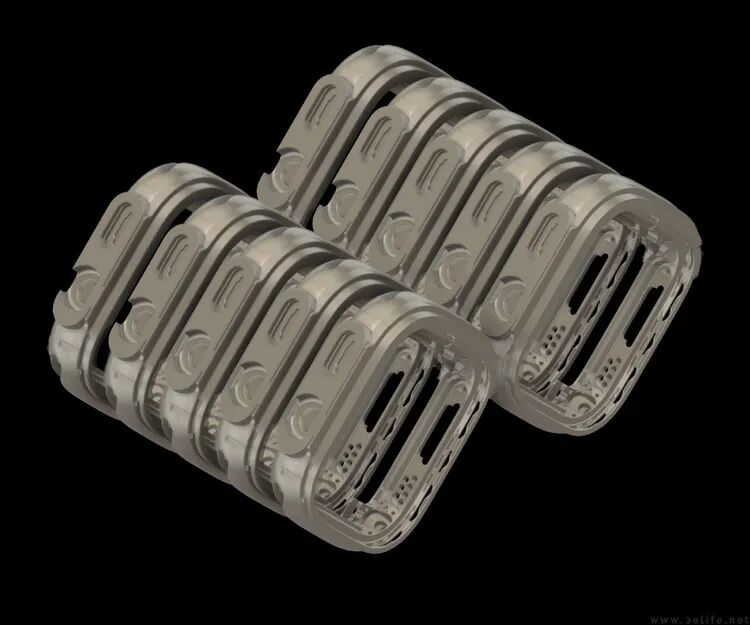
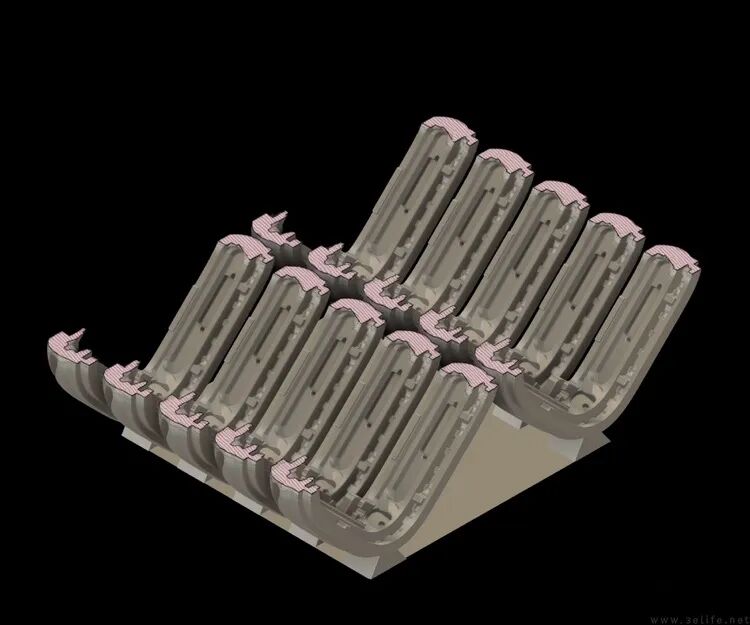
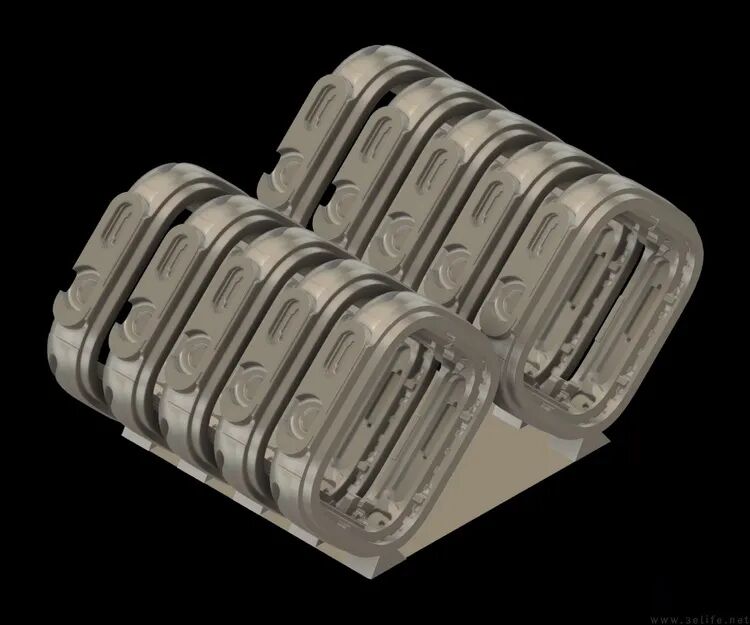
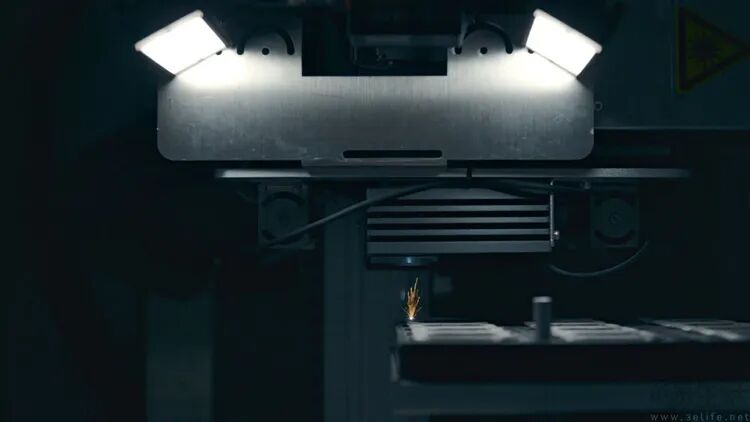
So, how did Apple solve the problem of 3D - printing accuracy? On the one hand, the micron - level titanium metal raw material powder stored in a low - oxygen environment, as mentioned above, lays the foundation of "high - precision raw materials" for Apple's metal 3D - printing process. On the other hand, each metal 3D printer is equipped with a galvanometer system containing six lasers, which operate simultaneously. Each layer printed is only 60 microns thick, and it takes more than 900 layers of printing to form a complete watch case structure. Then, these structures have to go through two "powder - removing" processes, automatic cutting, and automatic optical inspection before finally becoming a complete metal part with the same quality as those made by traditional CNC or casting processes.
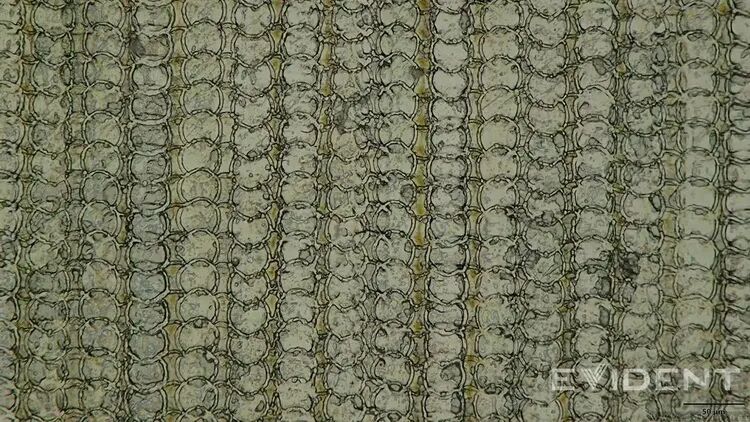
Moreover, during the teardown analysis, iFixit found that micron - scale chain - like textures are formed on some surfaces of Apple's metal 3D - printed parts. Since this kind of texture has never appeared in previous 3D - printing processes, they suspect that Apple may have implemented the "pulsed laser ablation technology" mentioned in an industry paper six years ago. It is reported that this technology was initially developed to form a special antibacterial structure on the titanium surface, but it can also be used to increase the bonding strength between 3D - printed metal parts and other materials (such as injection molding).
Since the technical specification document released by Apple does mention this process detail, this seems to explain from the side why iFixit's previous process analysis was "difficult to produce" and even "late". Because the processing technology used by Apple is "too new" at the academic level, even professional analysis institutions can't be 100% sure of their inferences, so they have to wait for the official disclosure of relevant information before daring to publish these speculations.
Will the industry follow suit? Yes, but not now
Looking at the development history of the entire smartphone industry, it's not difficult to find that in many cases, new designs and processes adopted by Apple are quickly "paid tribute to" by other manufacturers in various ways. So, it makes people wonder whether the titanium 3D - printing technology used by Apple on the Apple Watch and iPhone Air this time can also promote the popularization of this process in smartphones?
In the view of our SanYi Life, it's probably difficult.
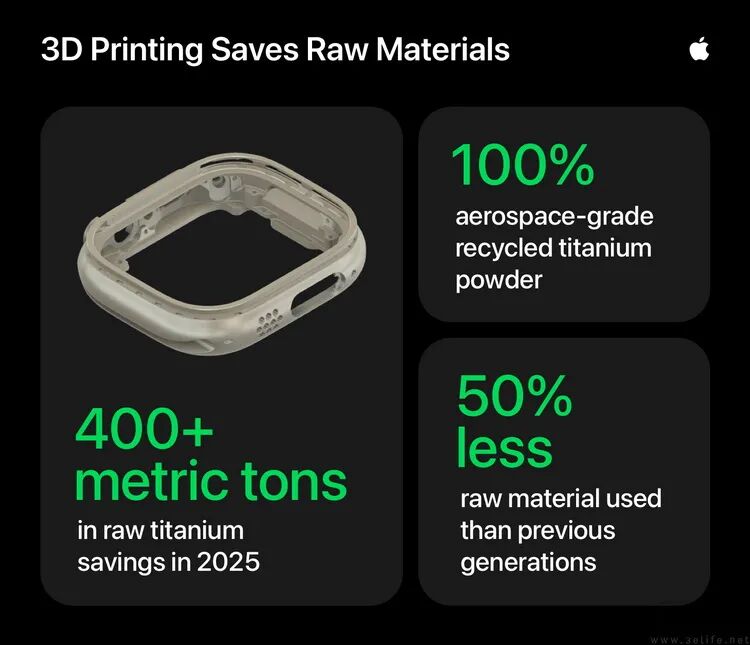
The reason is simple. On the one hand, Apple's exploration of the titanium 3D - printing process doesn't mean that traditional methods (such as CNC) can't produce structural parts of the same size and accuracy. It's because traditional processes cause too much waste, which doesn't meet their environmental protection goals. In other words, when other manufacturers don't have such a heavy "environmental protection burden" and metal 3D printing itself is so difficult, they may not have the motivation to actively switch to the new process.
On the other hand, if Apple's large - scale use of titanium 3D - printing technology in "this generation" of products is "just" for environmental protection, what about the next generation? After all, the fact that 3D printing can create more complex and delicate structures has actually been confirmed by some extremely subtle designs in this generation of products.
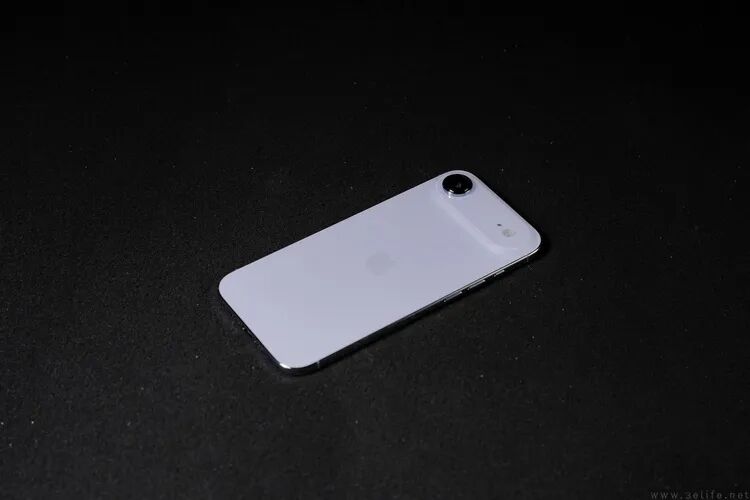
Therefore, we can fully expect that titanium and even more types of metal 3D - printing processes are expected to play a greater role in Apple's future product lines, creating structures and designs with much higher precision than the current ones. For the entire mobile phone industry, perhaps it won't be until then that everyone will "rush in" and start embracing this new technology and process that is already changing the industry.
This article is from the WeChat public account "SanYi Life" (ID: IT - 3eLife), author: SanYi Jun, published by 36Kr with authorization.