Will adapting to the Android system be a new way out for "Snapdragon laptops"?
Friends who have been following our San Yi Life for a long time may remember that we are quite early and loyal users of "Snapdragon laptops". Although we didn't start "trying out" in the era of Snapdragon 820 and Snapdragon 835, we did use laptops based on the first - generation Snapdragon 8cx platform for a long time. In the past two years, a Surface Laptop 7 equipped with Snapdragon X Elite has been a must - have for every long - term business trip.
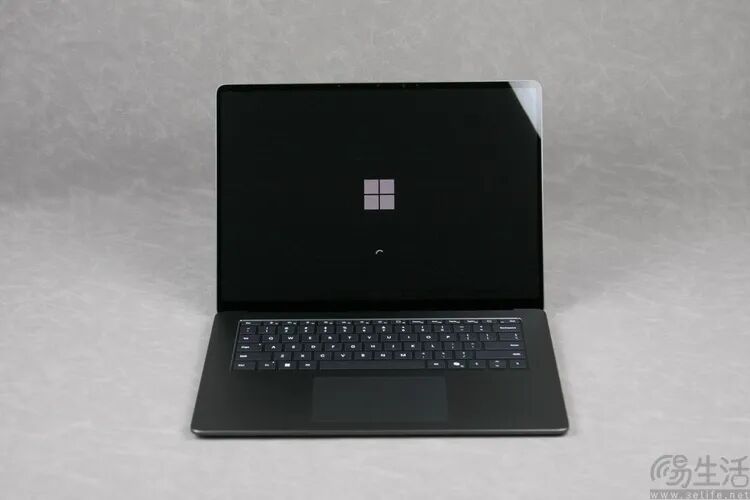
To be fair, there are still many drawbacks to "Snapdragon laptops" at this stage. For example, the 5G cellular network models of each generation often don't have the "first - release", which will disappoint consumers who are attracted by Qualcomm's brand.
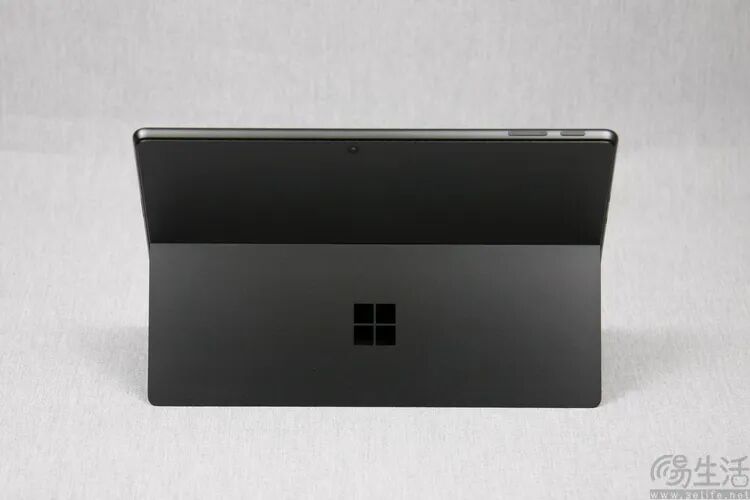
In addition, the "Snapdragon laptop" platforms up to the Snapdragon X Elite generation still lag behind flagship mobile phones of the same era in terms of hardware architecture. Although looser power consumption and more "big cores" result in decent CPU (multi - core) performance, there is still a significant gap in GPU specifications compared with the integrated graphics of high - end x86 platforms of the same period. Therefore, the gaming performance is naturally hard to satisfy users.
Of course, the most important thing is that "Snapdragon laptops" are based on the ARM instruction set. This means that unless software optimized specifically for it is used, the "code translation" process of the operating system is necessary, resulting in non - negligible performance loss.
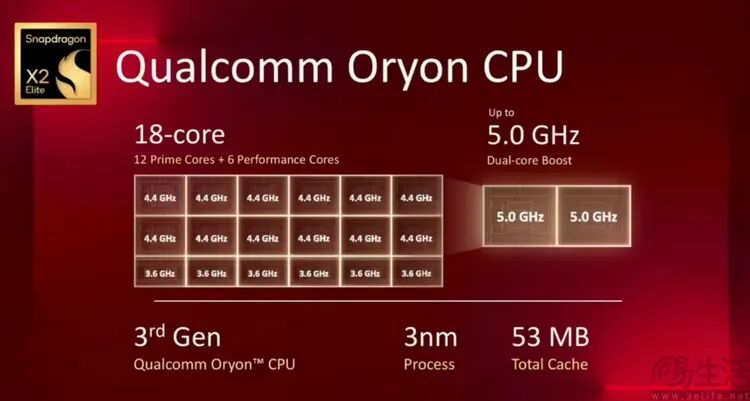
So how to solve the above problems? On the one hand, in September this year, Qualcomm released the new Snapdragon X2 series platform. Its CPU and GPU architectures have been upgraded to the same generation as smartphones of the same year for the first time. That is to say, it has crossed at least two generations of architectural "gaps" compared with its predecessors.
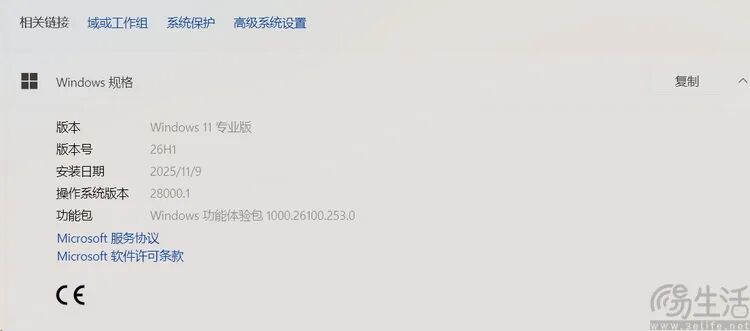
On the other hand, recently, Microsoft pushed Windows 11 26H1 with Build number 28001 to Windows users in the developer channel. There are reports that this version is likely to pave the way for the new generation of "Snapdragon laptops". It is reported that it will enable the new platform to simulate the AVX2 instruction set through software, thus solving the problem that the previous Snapdragon X series platforms had insufficient support for the x86 floating - point instruction set, and some heavy - load productivity software couldn't even start.
But besides the new hardware and new system version, it's even more commendable that Qualcomm seems to be trying to find a way out for their current platforms.
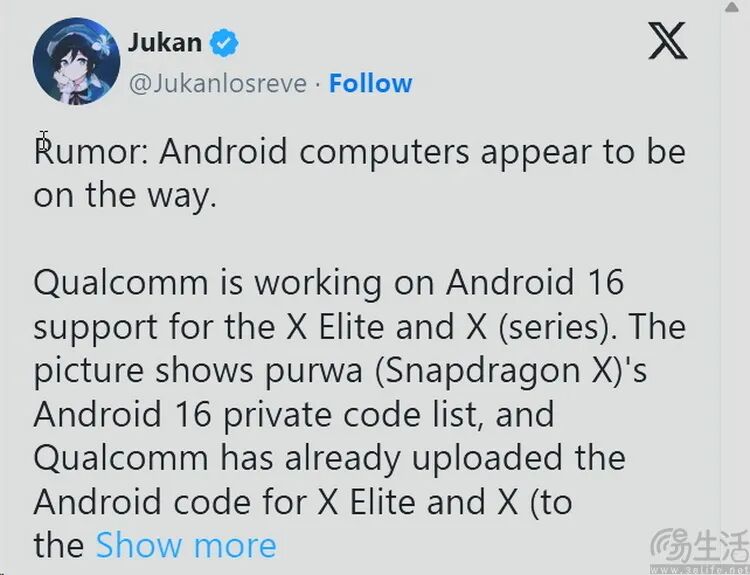
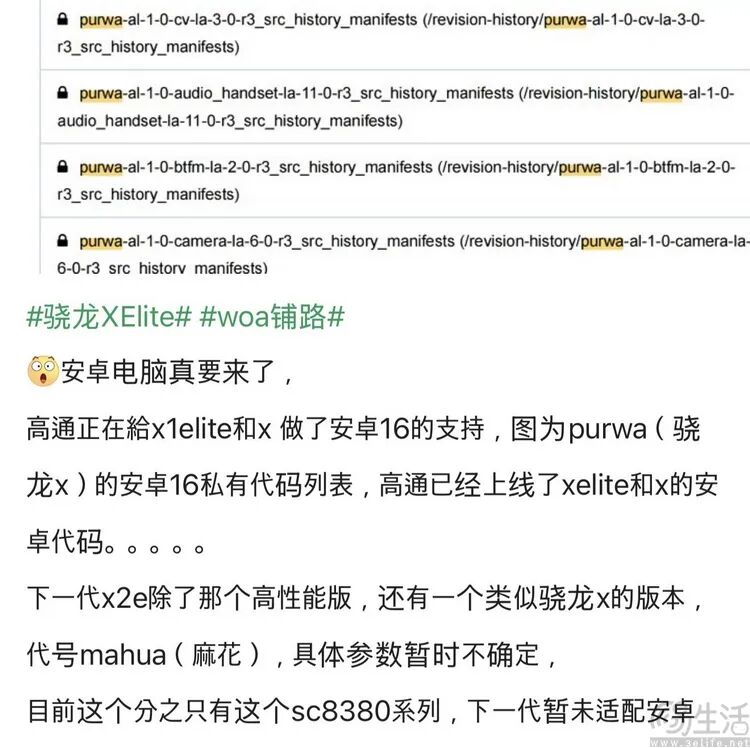
According to the latest leaked information, Qualcomm has uploaded some code for Snapdragon X Elite and Snapdragon X to be compatible with Android 16 in its internal code library. This is also interpreted by the outside world as Qualcomm's response to Google's upcoming "Android PC".
To be honest, if we understand it in this way, we are a little worried. This may mean that after launching the Snapdragon X2 series, Qualcomm intends to let the new products continue to be the Windows "Snapdragon laptop" platform, and "degrade" the previous Snapdragon X and Snapdragon X Elite to the lower - positioned Android PC ecosystem to meet the needs of the overseas education market.
But is there any other possible product implementation direction for Qualcomm's operation of making the current Snapdragon laptops compatible with the Android system? Of course, there is.
One possibility that is easy to think of is that they are expected to bring a switchable dual - system of Windows + Android to the current "Windows Snapdragon laptops". You know, Intel is still making its x86 mobile processors compatible with the Android system, and some terminal manufacturers have already produced "dual - system tablets" based on Intel processors, which have even attracted quite a lot of attention.
So if the existing "Windows Snapdragon laptops" can be updated to a dual - system in the future, it will obviously greatly increase their playability and may help with their sales.

Of course, besides upgrading the "Snapdragon laptops" to a dual - system, we can't rule out the possibility that Qualcomm intends to push the current Snapdragon X series platforms into the high - end Android tablet market. After all, although some manufacturers are "generous" enough to use previous - generation or even current flagship SoCs for high - end Android tablets, these platforms derived from smartphones still have a certain gap with "Snapdragon laptops" in terms of CPU multi - core performance and memory bandwidth. To put it more bluntly, the current "high - end Android tablets" often focus too much on games and entertainment and lack "confidence" in productivity performance.
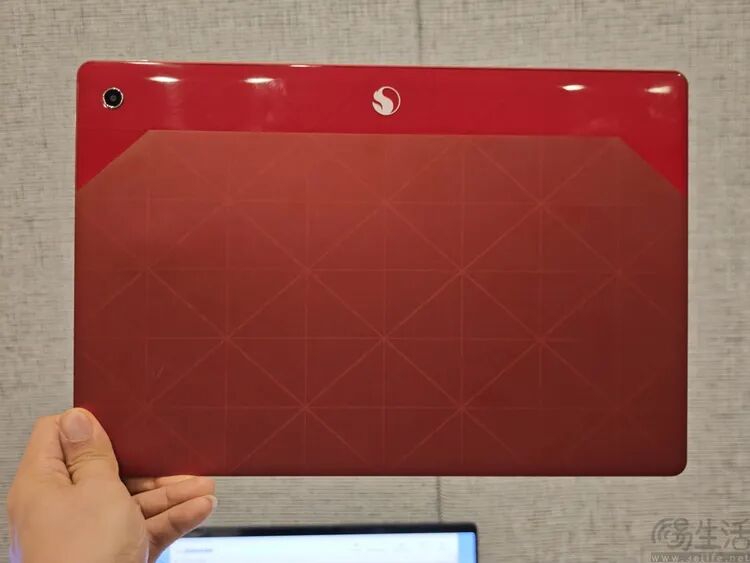
Of course, we can't forget that some system adaptation work done by Qualcomm on their developer websites and open - source platforms may not necessarily be implemented in real mass - produced products. For example, they have actually been making the Snapdragon X platform compatible with the Linux system, but have you ever seen a "Snapdragon laptop" that comes with Linux pre - installed?
This article is from the WeChat official account "San Yi Life" (ID: IT - 3eLife), author: San Yi Jun. Republished by 36Kr with permission.