New-style "road vigilantes" hit the road, and driverless logistics vehicles speed ahead.
The unmanned logistics vehicles promoted by express delivery companies are becoming new traffic enforcers on the roads.
For decades, an elderly rural woman has been drying peanuts on the road without anyone daring to interfere. However, this four - wheeled, somewhat clumsy unmanned vehicle, insisting on driving in the slow lane, moved forward against the old woman's brute force, regardless of the risk of being falsely accused of causing an accident.
When the inflexible technology meets the most unreasonable situation, it creates this iconic scene of cutting - edge technology in unmanned express delivery vs. the traditional farming civilization of open - air grain drying. This has also made the unmanned logistics vehicles, which have been frequently seen on urban and rural roads across the country recently, gain wide popularity.
People have discovered that these high - tech vehicles, with the aura of autonomous driving and unmanned delivery, seem to have a calm yet crazy vibe once on the road. They know traffic rules well and are also inherently good at dealing with unexpected situations. Any random shot of them could be worthy of being featured on the traffic program "Tan's Traffic Talk".
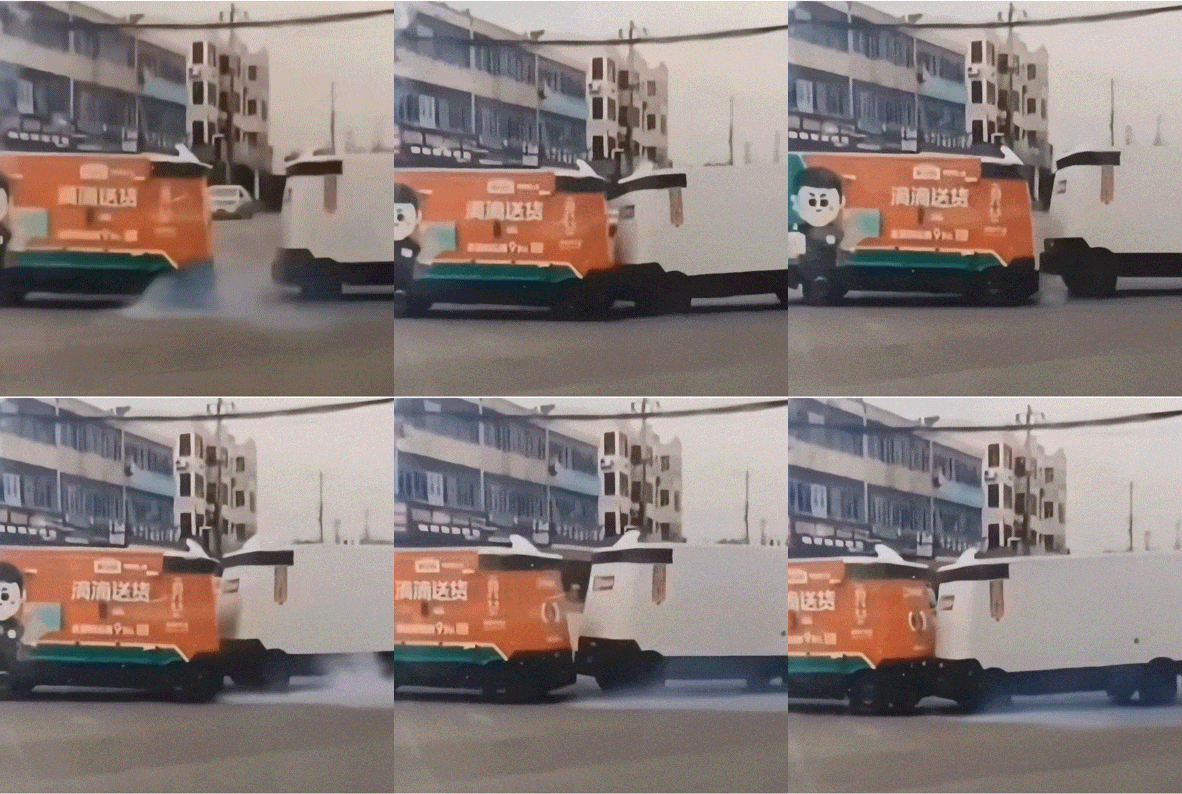
What a thrilling business battle!
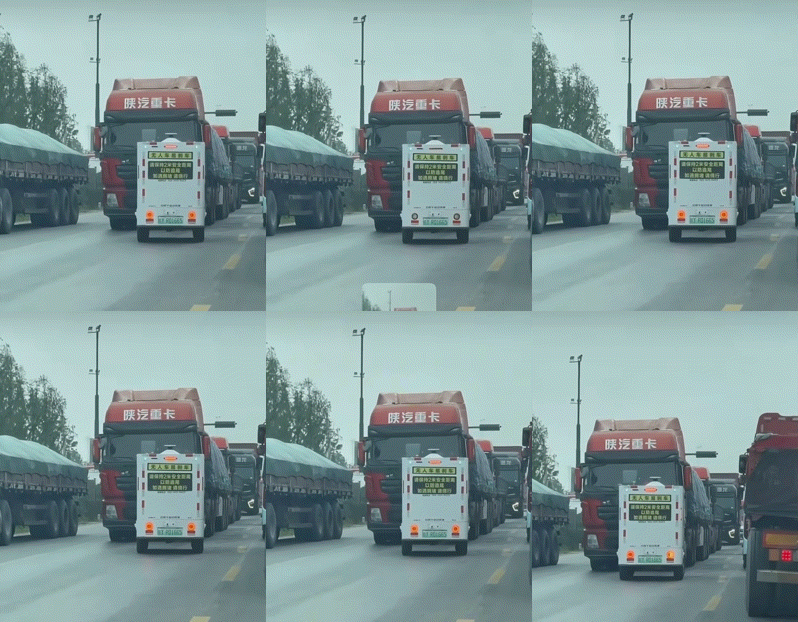
The heavy trucks that ordinary people avoid have become the aspiration of unmanned logistics vehicles.
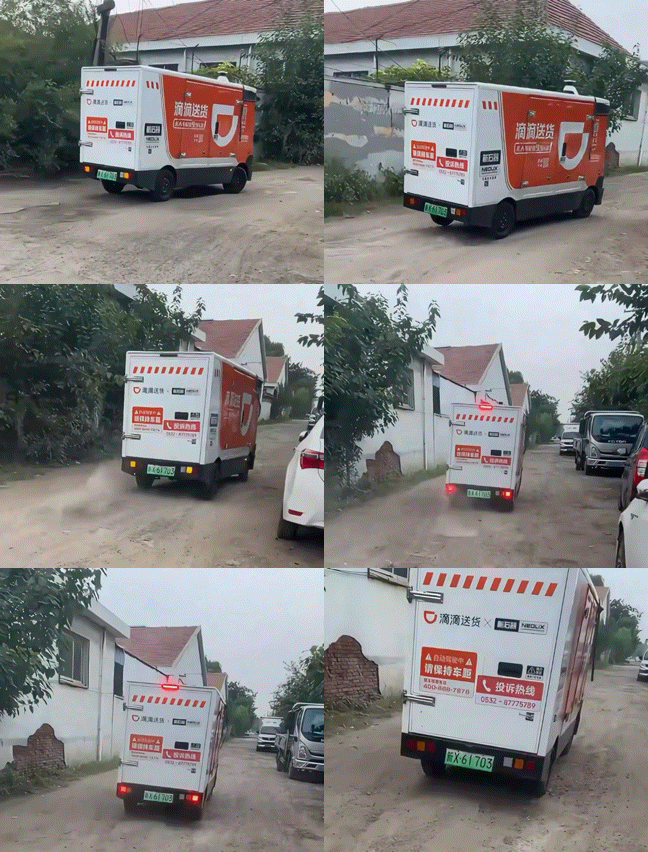
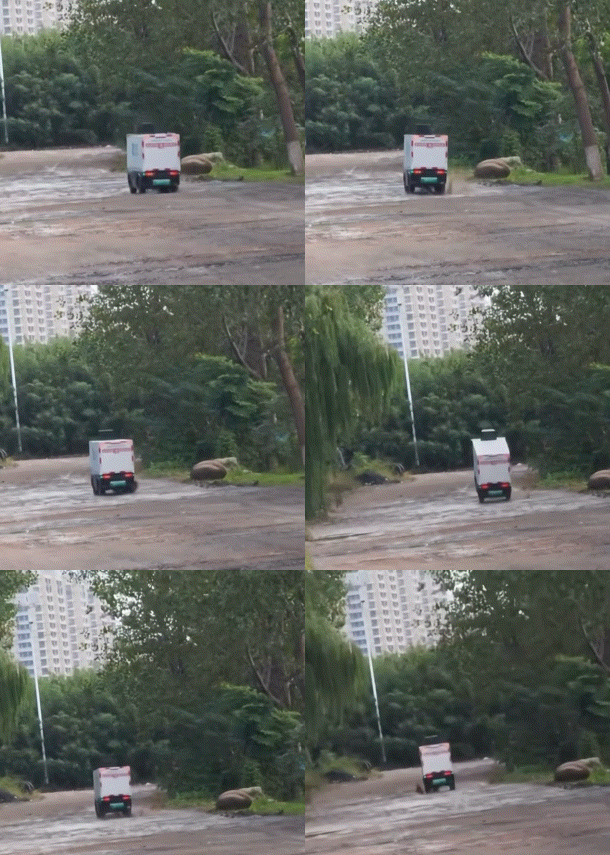
Behind every punctually delivered express package, there is an unmanned logistics vehicle speeding forward regardless of the road conditions.
Seeing these iconic road scenes, many people are puzzled about how these vehicles have become so widespread overnight.
01 Explosion of Demand
Actually, unmanned logistics vehicles are not something new. In terms of form, this clumsy vehicle now roaming on urban and rural roads is just a mobile cargo warehouse equipped with an intelligent driving system.
As early as 2016, JD.com launched its first civilian unmanned logistics test vehicle and completed the first public - road automatic package delivery mission at Renmin University of China. This marked the official entry of China's unmanned logistics vehicles into the stage of technological maturity and commercialization trials. Shortly after, Suning, which was then a leading e - commerce company in China, also launched an unmanned delivery vehicle called "Wolong No.1".
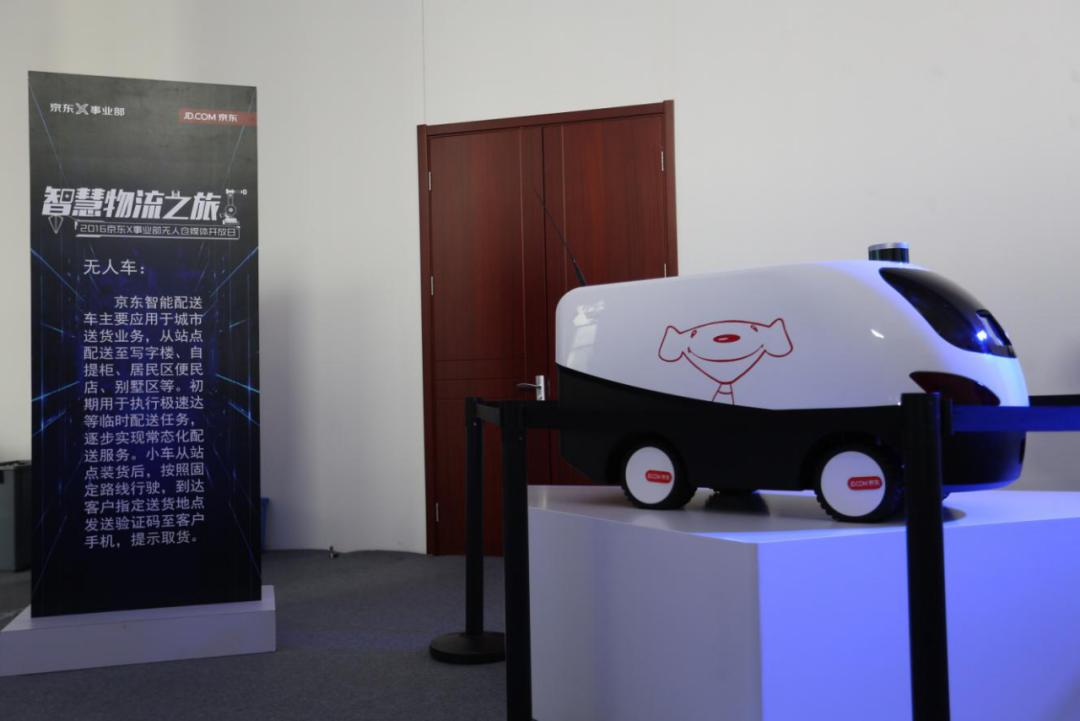
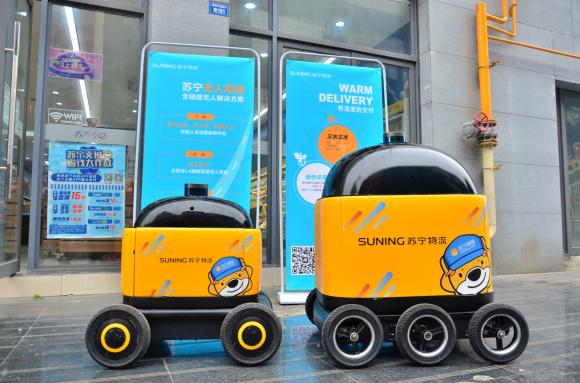
It can be seen that both JD.com and Suning, which have their own logistics systems, showed great enthusiasm for unmanned logistics technology. However, limited by the overall level of early autonomous driving technology, the related products seemed very conceptual and could only be tested in a small - scale and specific environment. There was still a long way to go before they could be truly used on the road independently.
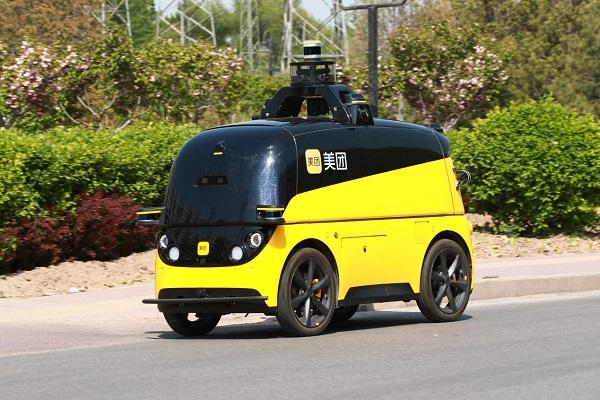
This situation continued until April 2021, when Meituan launched an L4 - level autonomous driving unmanned delivery vehicle called Magic Bag 20 and started large - scale pilot applications in Shunyi District, Beijing. Residents in Beijing became the first customers to receive deliveries from these cyber delivery guys. Compared with the express delivery logistics applications that focus on comprehensive network layout, the takeaway orders that emphasize point - to - point delivery seem to be able to release the transportation capacity of unmanned logistics vehicles more quickly.
From then on, unmanned logistics vehicles began to move out of the laboratory and join the "crowdsourcing army".
Subsequently, the sudden pandemic brought more unexpected application scenarios for unmanned logistics vehicles.
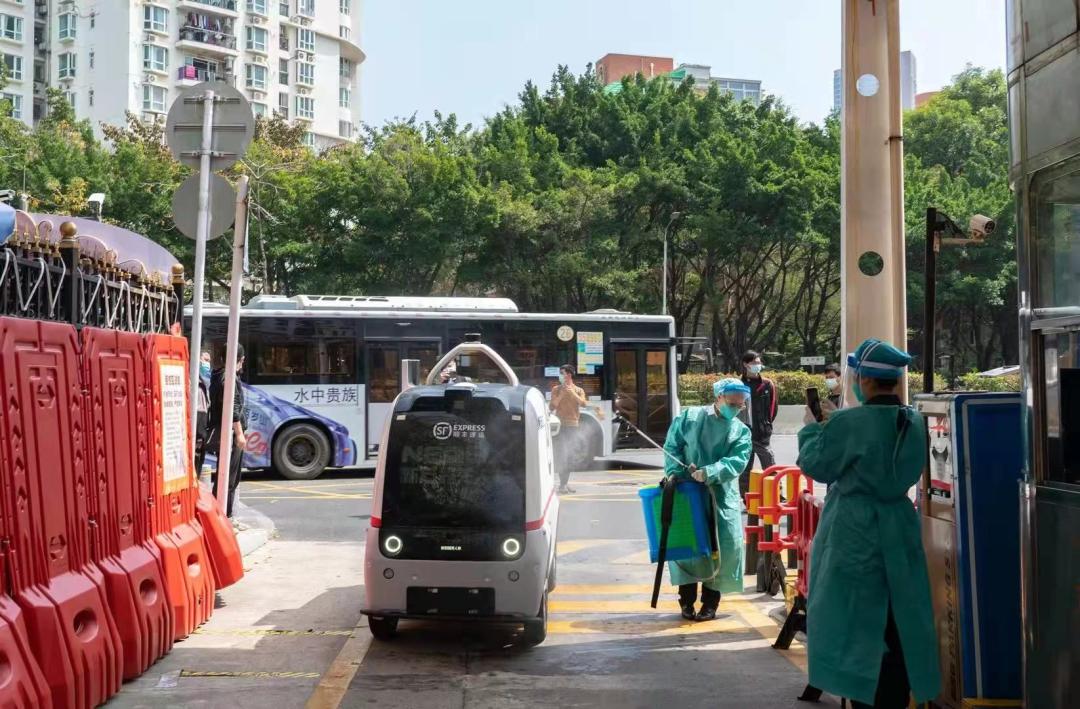
Facing challenges such as a shortage of personnel and contactless social needs, unmanned logistics vehicles suddenly became the ideal choice for community delivery. Meituan and SF Express successively joined the fray, gradually realizing unmanned delivery of daily necessities and epidemic - prevention supplies in communities through technical debugging, site configuration, and map information collection.
Unmanned logistics vehicles became well - known overnight. Besides gaining popularity, they also made investors see more commercial prospects in this technology. China Merchants Securities believes that unmanned logistics vehicles will be a trillion - yuan market. With technological progress and the expansion of application scenarios, unmanned logistics vehicles will be widely used in fields such as industrial manufacturing, medical delivery, and cold - chain logistics. Guojin Securities pointed out that currently, unmanned logistics vehicle products are being iterated rapidly, and prices have dropped significantly. The monthly usage cost is gradually becoming lower than that of traditional delivery vehicles.
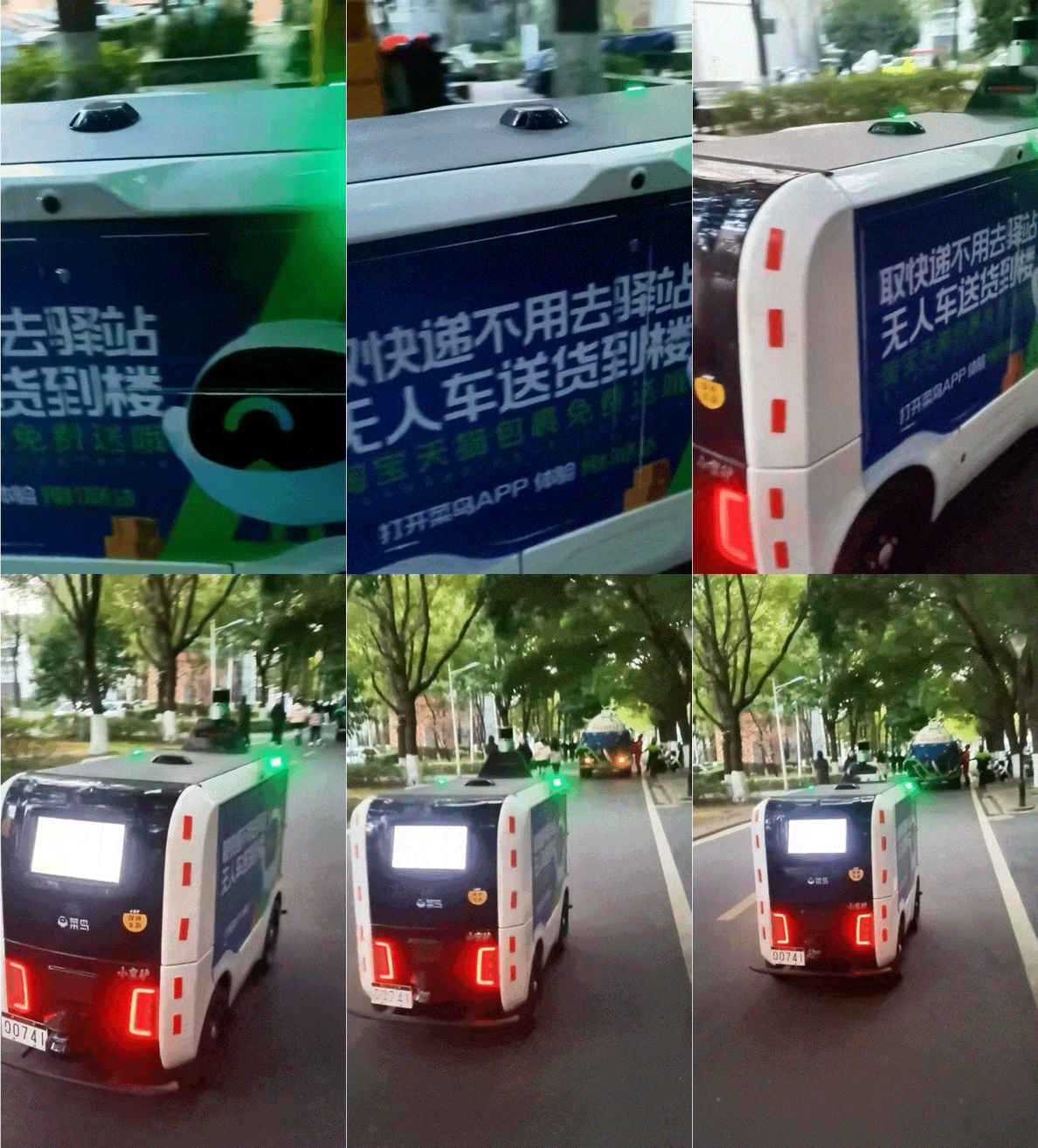
In fact, with the popularization of L4 - level autonomous driving, the "science - fiction" product of unmanned logistics vehicles, which was initially dominated by large companies, has started to accelerate large - scale application. The overall narrative logic has gradually shifted from technological feasibility to commercial feasibility. A large number of unmanned logistics and express delivery vehicles have already entered universities.
The combination of low - speed autonomous driving and relatively closed campus road scenarios makes university campuses the best test field for unmanned logistics vehicles. Just like the traffic enforcers on the roads, campus unmanned logistics vehicles also contribute many iconic scenes. Undoubtedly, from the initial closed - campus applications to the more crowded and complex campus roads, unmanned logistics vehicles have basically shed the label of "artificial stupidity".
Technology is advancing, and policies are also being relaxed.
In 2020, the Ministry of Transport issued relevant guiding opinions, encouraging the implementation of autonomous driving cargo demonstration applications in relatively closed areas such as ports, airports, logistics stations, and construction sites of transportation infrastructure, as well as in scenarios such as last - mile postal and express delivery. Based on production and operation needs, these applications can be promoted to highway freight and urban delivery scenarios after proper risk assessment and contingency planning, aiming to create a safe, efficient, and intelligent logistics and transportation service.

After that, many regions including Beijing, Shanghai, and Guangdong successively introduced relevant regulations for the operation of unmanned delivery vehicles on the road. In 2023, Beijing managed unmanned delivery vehicles as non - motor vehicles, requiring them to run on non - motor vehicle lanes at a speed of less than 15 kilometers per hour. Other regions mainly manage unmanned logistics within the scope of artificial intelligence and industrial upgrading.
Under such overall favorable conditions, the demand from major express delivery and logistics companies has been released.
From the procurement project announcement of China Post in 2025, it can be seen that the procurement scale of unmanned vehicles is as high as 7,000 units. JD Logistics recently announced that it will deploy 1 million unmanned vehicles in the next five years. SF Express's financial report shows that the company has already put more than 800 unmanned vehicles into use across the country, mainly in cities with strong e - commerce consumption such as Suzhou and Hangzhou, and the main application scenario is the last - mile delivery in closed campuses. Cainiao adopted the strategy of "encircling the cities from the countryside" and launched a solution of "automated sorting + unmanned vehicles" for county - level express co - distribution centers, aiming to improve the efficiency of express sorting and delivery in counties.
Meanwhile, major express delivery companies are also joining the battle for unmanned logistics vehicle layout. More than 170 franchisees of YTO Express across the country have used more than 500 unmanned vehicles and plan to add 1,500 unmanned delivery vehicles this year. Yunda Express has put more than 500 unmanned vehicles into use in the first half of this year, and the application scenarios for last - mile delivery have been extended to high - value - added fields such as medical supplies and fresh cold - chain logistics. STO Express clearly stated that it will put 2,000 unmanned vehicles into use by the end of the year. A senior executive of ZTO Express revealed that the company's number of unmanned vehicles has exceeded 2,000.
For the e - commerce, logistics, and express delivery industries, the layout of unmanned logistics vehicles is not only an important part of automated transportation. The more important reason is that this product form will fundamentally change the traditional transportation mode of "connecting points + sorting + secondary transfer" in the express delivery industry. By sorting at large transfer stations and then directly transporting and delivering parcels using unmanned logistics vehicles, a new logistics mode with lower labor costs and shorter transportation time is taking shape.
02 The Industry's Inaugural Year
From the perspective of industry development, 2025 may become the inaugural year of unmanned logistics vehicles. This is not only because of the concentrated explosion of industry procurement demand, but also due to the large amount of capital flowing behind leading enterprises.
A rough statistics in the past year or so shows that China's leading unmanned logistics vehicle companies have received nearly 10 billion yuan in financing in total.
Since its angel - round financing in 2018, Neolix has gone through more than seven rounds of financing, with a total financing amount of more than 6.3 billion yuan. Just in two rounds of financing this year, it reached about 5.2 billion yuan, including 1 billion yuan in the C+ round in February and 600 million US dollars (about 4.2 billion yuan) in the D round. Jiushi Intelligence has also been raising funds vigorously. Since its establishment, it has completed five rounds of financing, with a total of 3.77 billion yuan. The total financing amount this year alone reached 400 million US dollars (about 2.8 billion yuan).
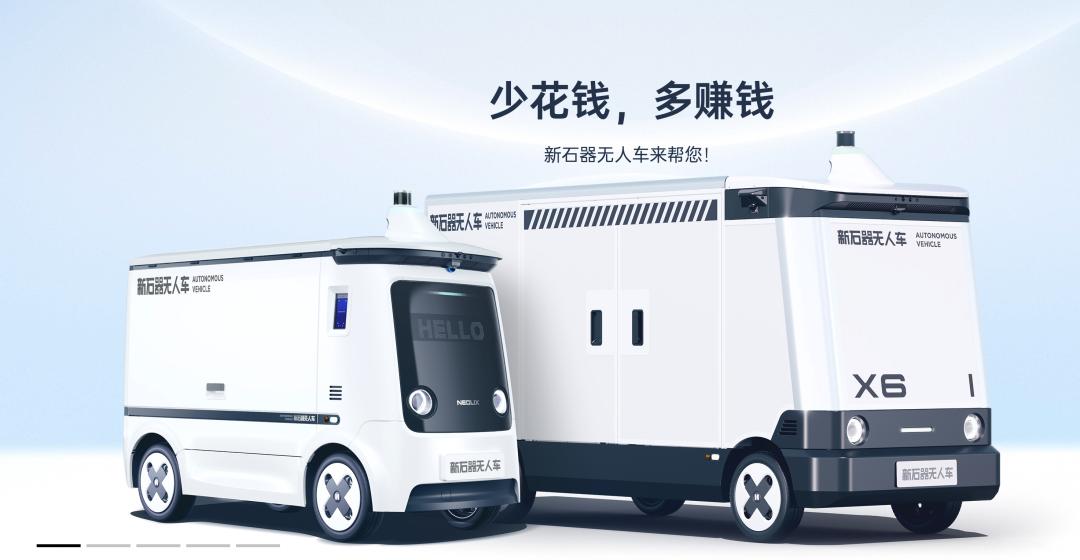
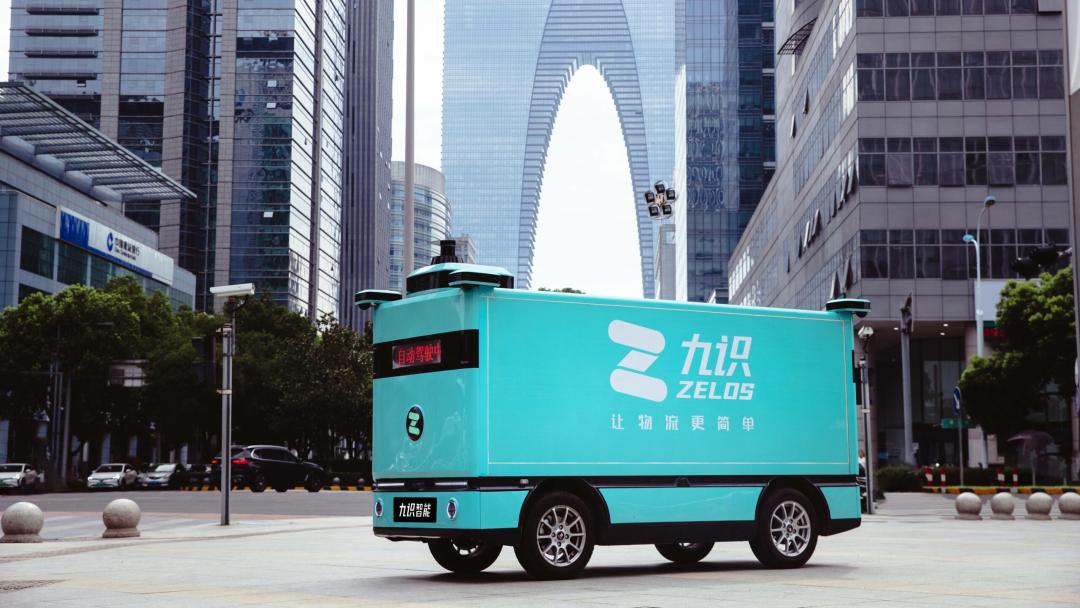
After completing the B+ round of financing in August, the total B - round financing of White Rhino, another leading player, has accumulated to nearly 500 million yuan.
According to media reports, as leading enterprises in the industry, the shares of Neolix and Jiushi Intelligence are very popular. Only leading institutions or those with relevant industrial resources can participate in the investment. In short, they are not short of money.
In addition, in September this year, Desay SV and Youjia Innovation, two listed companies in intelligent driving technology supply, both announced their official entry into the unmanned delivery vehicle market. This has added more variables to the industry competition pattern.
With the accelerated entry of capital and the participation of giants, after years of development in the autonomous driving field, unmanned logistics vehicles have finally achieved widespread popularity.
In 2015, the State Council issued the "Made in China 2025" document, elevating the development of intelligent connected vehicles to the national strategic level. Autonomous driving was listed as one of the important directions for the future transformation and upgrading of the automotive industry. After that, central ministries and commissions such as the Ministry of Industry and Information Technology, the National Development and Reform Commission, and the Ministry of Science and Technology successively issued relevant policies, listing autonomous driving vehicles as one of the key tasks and proposing to accelerate the construction of the legal system for autonomous driving vehicles.

Overnight, sectors such as urban road autonomous driving and Robotaxi (unmanned taxis) with a strong sense of science - fiction and commercial narratives exploded. Old and new car companies and Internet giants all invested in autonomous driving R