Facing a collective siege from the Android camp, can the iPad be saved by an OLED screen?
In the past few years, Apple has been somewhat "restrained" in its approach to display technology. The iPhone's regular series didn't feature high - refresh - rate screens until the latest iPhone 17. The iPad mini only got a fully laminated screen after a redesign of its mold. Even the LCD screen of the core product, the MacBook Air, doesn't support HDR.
However, this "conservative" approach is about to end soon.
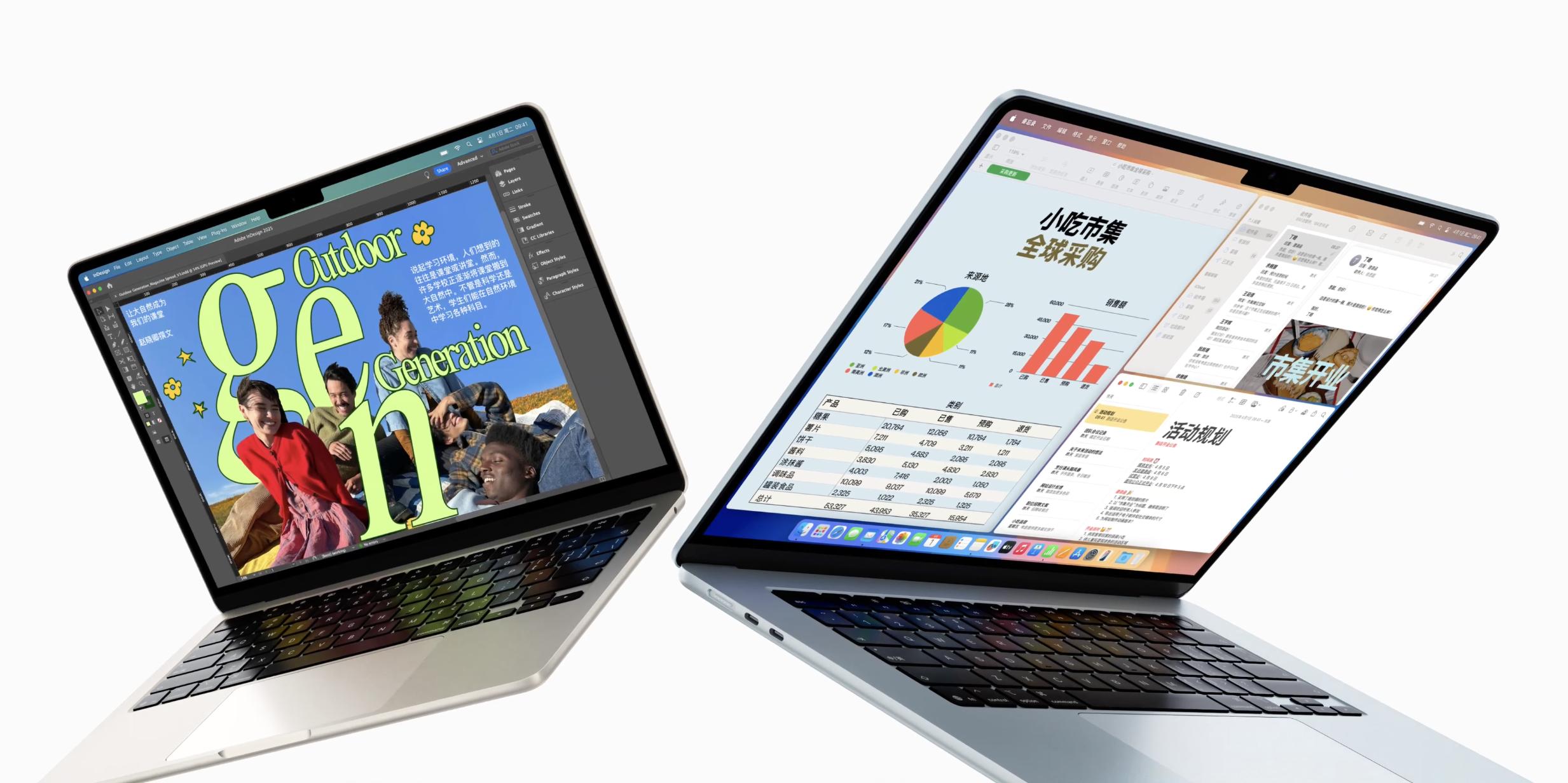
Image source: Apple
According to the latest scoop from Bloomberg reporter Mark Gurman, Apple is developing OLED - screen versions of the iPad Air and MacBook Air, which means Apple will include entry - level devices in the OLED camp. It is reported that the iPad Air version will be launched as early as spring 2026, while the OLED version of the MacBook Air will have to wait until 2028. By then, except for the most basic iPad (the regular version), all of Apple's major product lines will have completed the transition to OLED.
In the view of Lei Technology, switching from LCD to OLED is not just a simple change of the screens of iPads and Macs.
Pressure from competitors is making Apple more receptive to advice
In fact, Apple's move towards OLED is a change forced upon it.
In the tablet category, Android manufacturers have been very aggressive. Ten years ago, Samsung was the first to popularize SUPER AMOLED in high - end models. Brands like Xiaomi, Huawei, and OPPO have also successively launched tablet products with high - refresh - rate screens and flagship chips, which are comparable to the iPad Air in audio - visual performance and game response. More importantly, the prices of Android tablets generally range from 2000 to 4000 yuan, making Apple's mid - range product line less competitive.
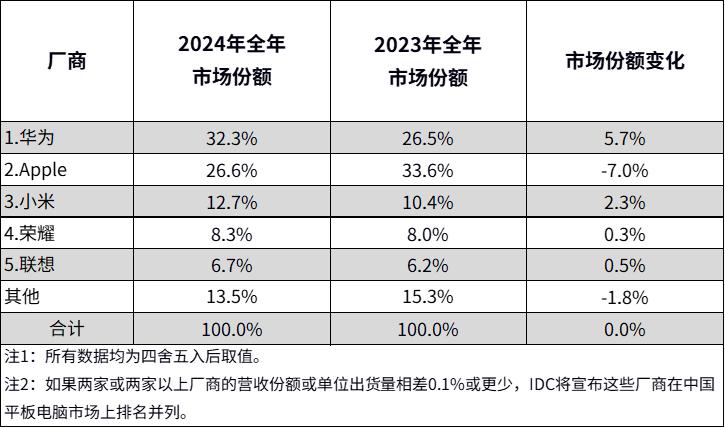
Image source: IDC
According to IDC data, the shipment volume of China's tablet market increased by 4.3% year - on - year in 2024, and Huawei topped the annual list. Meanwhile, iPad's annual market share dropped by 7%. This trend of "one rising while the other falling" has forced Apple to re - evaluate the competitive barriers of the iPad.
Under the pressure of external competitors, switching to OLED not only represents an upgrade of the iPad's screen but also a way for Apple to respond to the market. Whether looking at product sales or user reviews, iPad users are no longer satisfied with the logic of "LCD is good enough". Even though Apple emphasizes "experience first" and tries to enhance the iPad's competitiveness with the app ecosystem of iPadOS and the powerful performance of the M - series chips, competitors are also constantly improving.
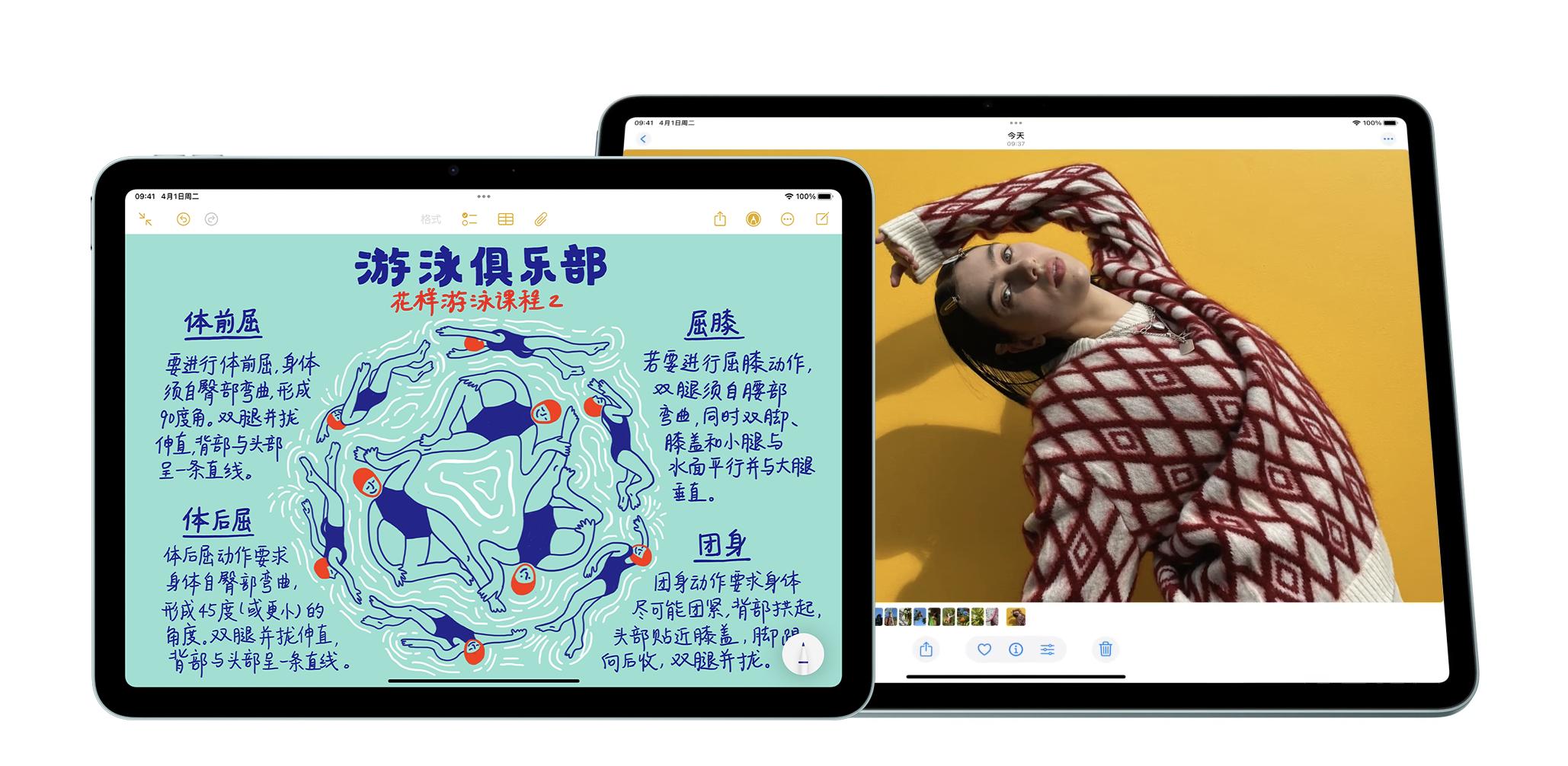
Image source: Apple
In the view of Lei Technology, it has always been just a matter of time for the iPad Air to switch to OLED. However, this "matter of time" doesn't refer to the development time of OLED screen technology, but the time it takes for the cost of OLED screens to decrease - after all, switching the iPad Air to an OLED screen is a matter that will have a far - reaching impact on the iPad ecosystem.
How will the iPad product hierarchy change after adopting OLED screens?
In Apple's current product system, there are four models in the iPad series: the regular version, the mini, the Air, and the Pro.
In the past, these four models were clearly distinguishable in terms of size, performance, and price. However, with the introduction of the M - series chips to lower - end models, the performance gap between the iPad Air and the Pro has been greatly reduced. Now, the actual experience of the M2 - equipped Air can cover most creative and office scenarios, and the addition of OLED will make its display experience even closer to that of the Pro.
In other words, the emergence of the OLED - equipped Air will prompt Apple to re - define the hierarchy of the iPad family.
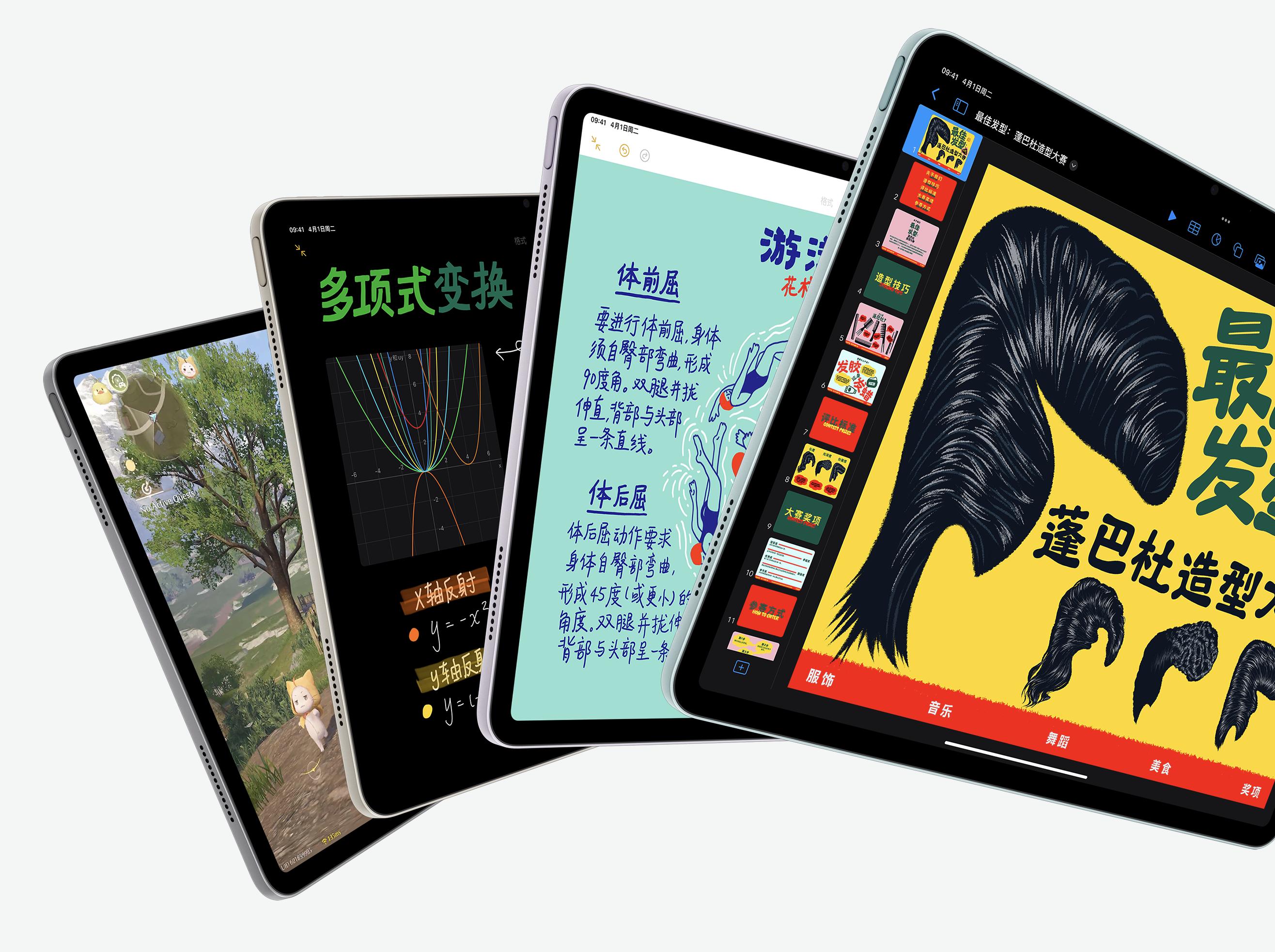
Image source: Apple
Lei Technology predicts that in the future, the regular iPad will continue to use LCD screens to control costs; the Air will become the mainstay with "high - quality screen + mainstream performance"; while the Pro will continue to target professional users, featuring higher refresh rates, brighter panels, and exclusive creative functions.
By then, Apple will change the product positioning of 75% of the iPad product lineup at once. From the perspective of both "workload" and market impact, this will be the biggest change in the history of the iPad product line.
Facing strong competitors, how can the iPad regain its glory?
However, in the view of Lei Technology, even if Apple switches to OLED screens across the board and re - defines its products, it won't be able to solve the problem of the iPad's declining market share. After all, the current problems of the iPad stem not only from its own hardware specifications but also from other competitors in the market.
Let's first talk about the external threats - today's Android tablets are no longer what they used to be. In terms of performance and interaction, they are approaching laptops. Recently, the OPPO Pad5 that Xiaolei (a reporter) experienced has achieved its own "productivity" from four aspects: hardware, accessories, system, and ecosystem, thus challenging the high - end tablet market that has long been dominated by the iPad.
Meanwhile, Apple's own product line is also squeezing the survival space of the iPad. The M - series chips in the MacBook Air give it enough battery life and performance to cover light - office scenarios. It is rumored that the new model may even support touch operation; the concept of the foldable iPhone is also gaining momentum. If these products are launched, the iPad's original role of "combining the functions of a phone and a computer" will become extremely ambiguous.
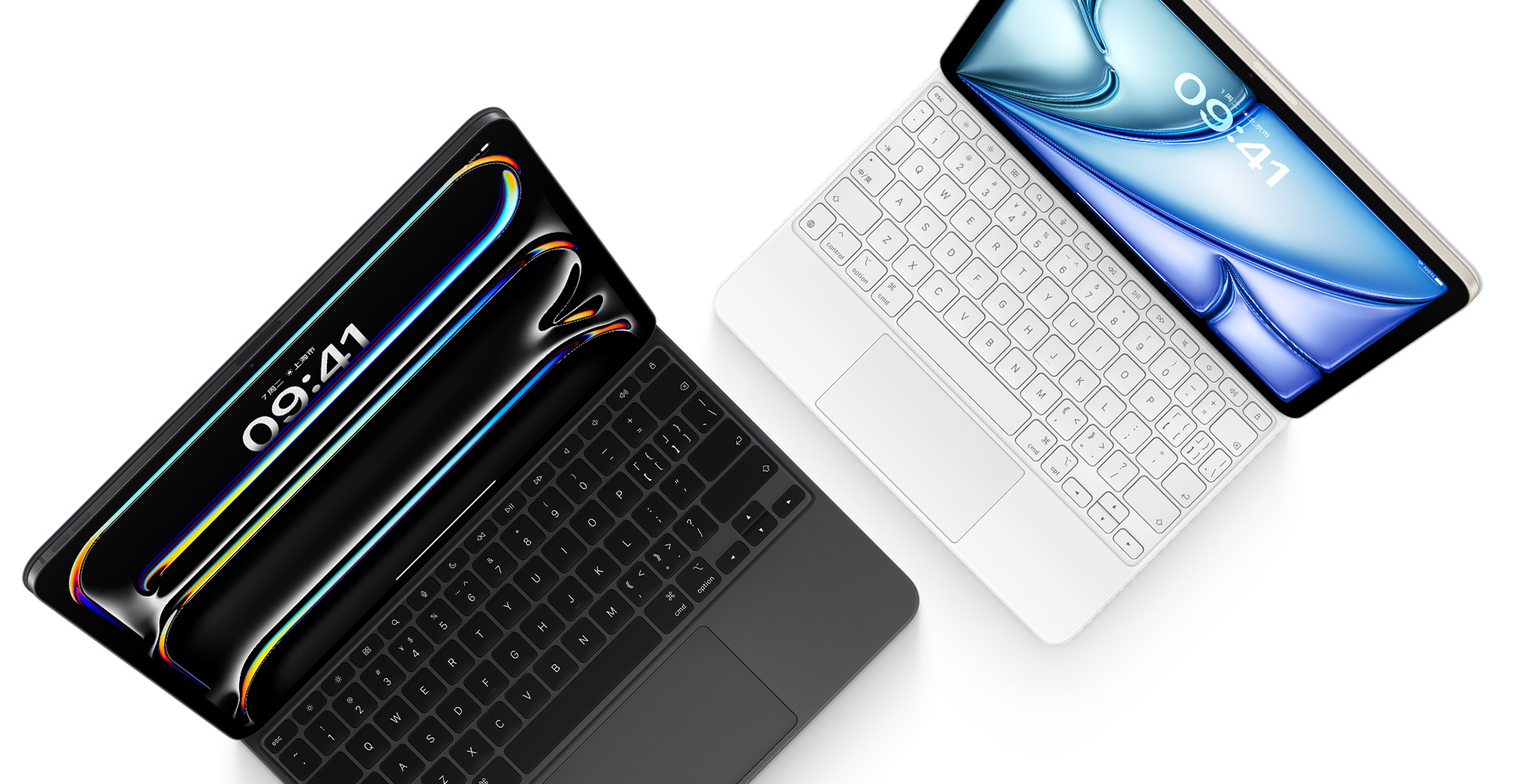
Image source: Apple
This puts Apple in a delicate dilemma: if it makes the iPad more like a computer, it will compete with the Mac internally; if it maintains the tablet positioning, it may be surpassed by Android tablets and foldable devices in terms of productivity.
Judging from the evolution in the past few years, Apple has chosen an "avoidance" strategy. It has improved performance with the M - series chips and enhanced functions with iPadOS, but it has never crossed the line of merging with the Mac. Whether it's Stage Manager, external display support, or large - screen cursor interaction similar to macOS, Apple is strengthening the "extensibility" of the iPad to make it "look" like a Mac; then it uses the app ecosystem to make a distinction so that the iPad can never become a computer.
But how much time can this "avoidance" strategy buy for the iPad?
Beyond display, the iPad needs to continue evolving
In the view of Lei Technology, OLED is more like a starting point for Apple to "re - define the experience of mid - range products". It can free products like the iPad Air and MacBook Air from the "good - enough" positioning and narrow the gap with the Pro series in terms of visual performance. Higher contrast, lower power consumption, and a thinner and lighter structure have opened up new possibilities for the form factor of these devices.
However, the real problem that Apple needs to face is not the replacement of screen materials but how to find new growth logic in the overlapping product lines. As the boundary between the iPad and the Mac becomes increasingly blurred, only by making more radical innovations in ecosystem integration, interaction forms, and productivity experience can these "Air series" devices stop being just upgraded hardware and play a key role in Apple's future product matrix.
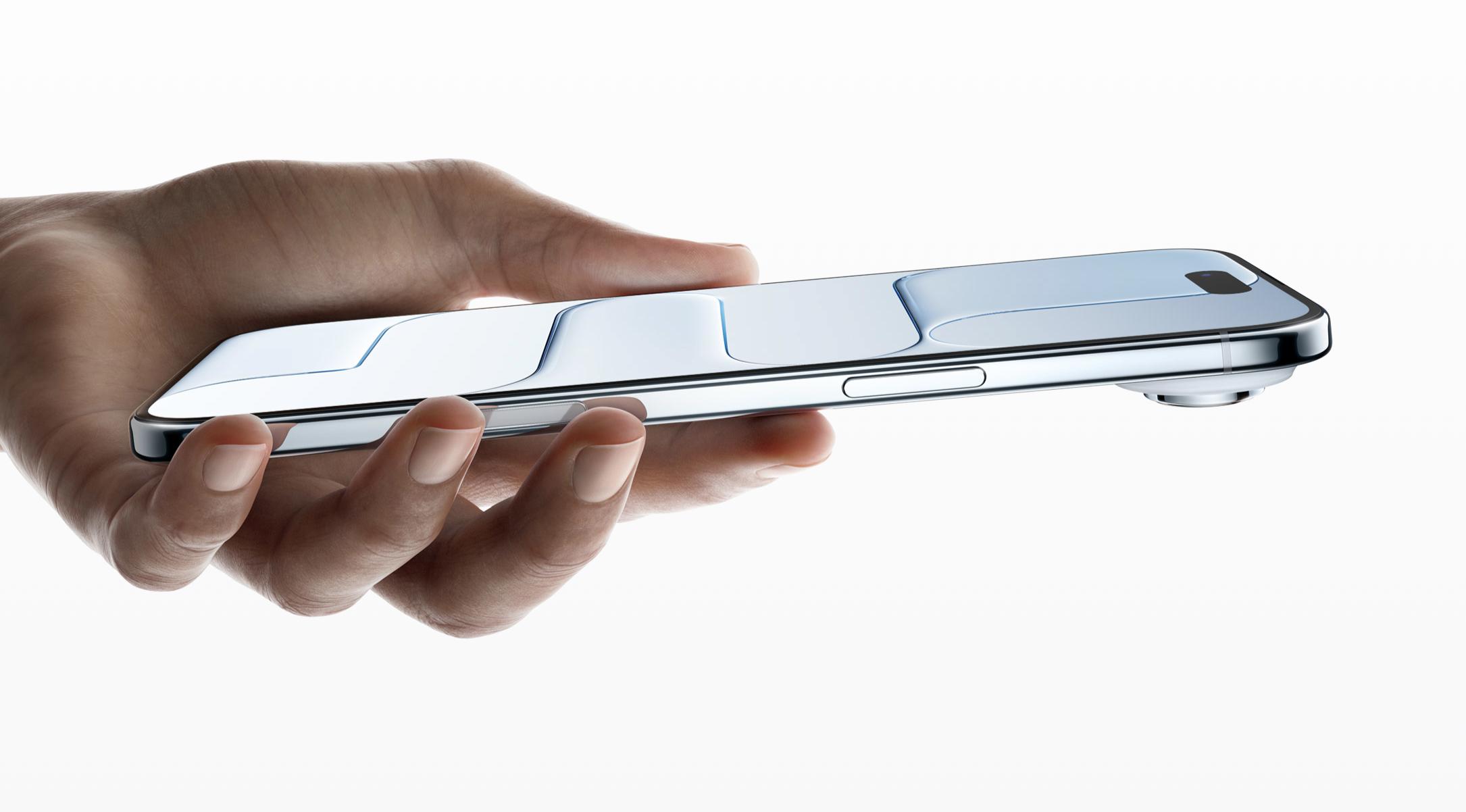
Image source: Apple
It's certain that Apple will continue to add macOS - like desktop features such as mouse and keyboard optimization to iPadOS in the future, but it won't abandon the tablet logic centered around touch, and it definitely won't break the moat of the app ecosystem.
After all, in Apple's calculation, blurring the boundary is more cost - effective than real integration, and this "ambiguity" may be the optimal solution for the coexistence of the iPad and the Mac.
This article is from "Lei Technology" and is published by 36Kr with permission.