Why is the moto Air phone priced at 1,999 yuan more appealing than the iPhone Air?
The hottest buzzword in the mobile phone circle this year is undoubtedly "Air".
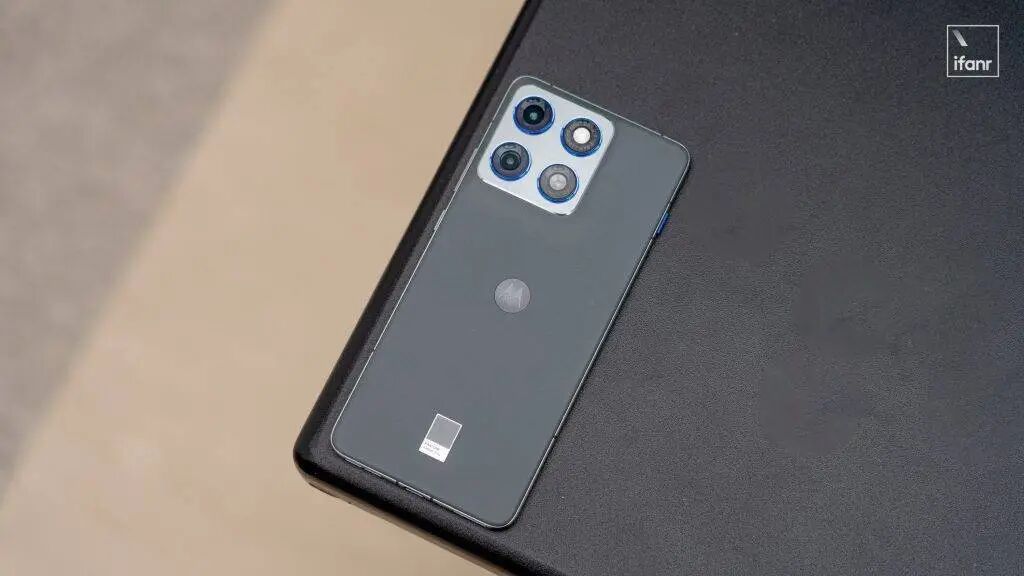
After experiencing the lightweight and thin craftsmanship of Apple and Samsung, and trying out Huawei's large - screen phones, unexpectedly, the phone that left the deepest impression on me was the moto X70 Air, a device from a relatively small manufacturer with moderate popularity.
After experiencing these four "Air" phones, we found that although they all seem "light and thin", each manufacturer has its own unique understanding of how to make an "Air/Edge" phone. As a result, these four phones present quite different forms.
moto X70 Air: Price is the Winning Card
"Light and thin" seems to be inherently associated with "high - end", but moto has delivered what I consider the most ideal Air phone with a mid - range device.
The official price of the moto X70 Air is only 2,599 yuan, and with national subsidies and channel discounts, the price can drop as low as 1,999 yuan. There are even unopened new units on Xianyu for around 1,800 yuan.
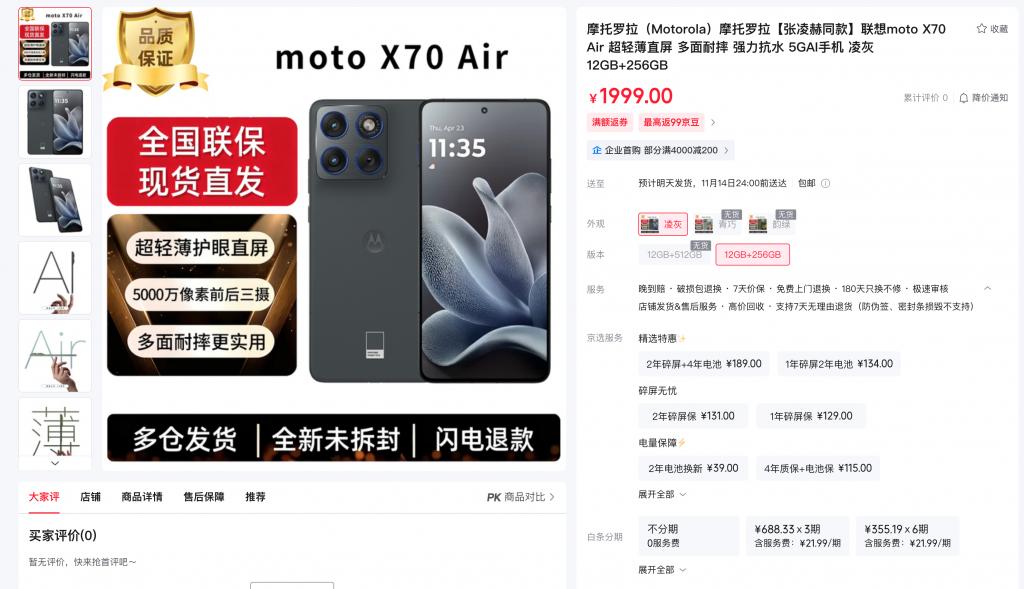
With the Qualcomm Snapdragon 7 Gen 4 chip and a configuration of a 50 - megapixel ultra - wide - angle lens and main camera, we can only say that it "meets the basic needs". The real highlights are concentrated on the phone's body and feel.
The moto X70 Air is only 5.9 millimeters thick. Thanks to its plastic body, its weight is kept under 160 grams. Keep in mind that this is a 6.7 - inch large - screen phone with a dual - SIM card slot and a 4,800mAh battery.
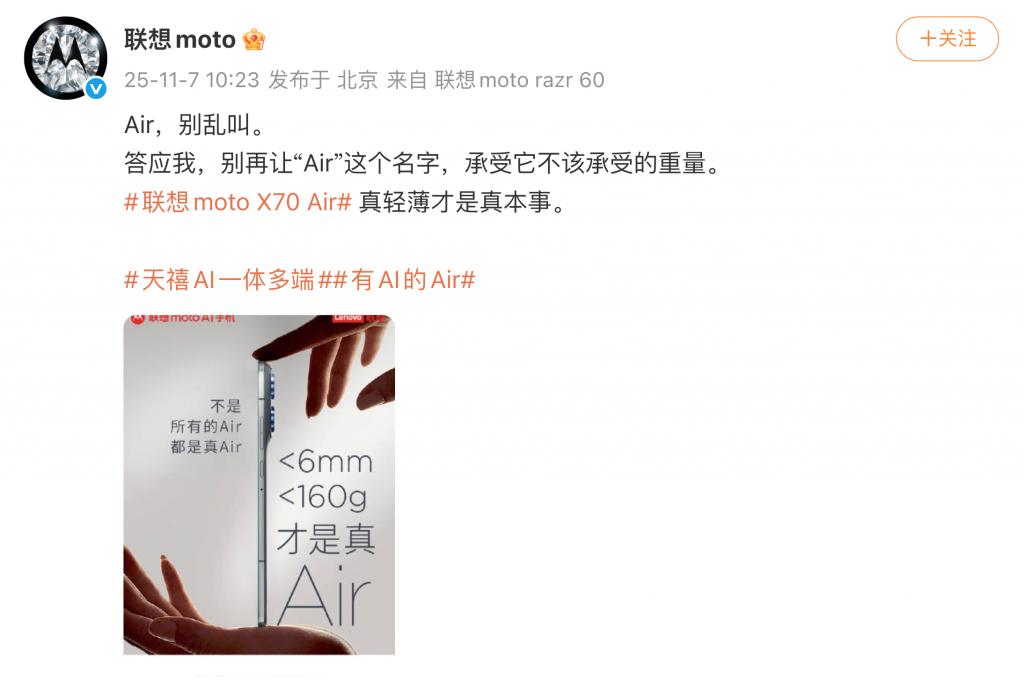
moto is also quite satisfied with the size and weight of the X70 Air
While a plastic body might seem out of place on flagship phones from Apple and Samsung, it is quite reasonable for the mid - range moto X70 Air. Although its texture is slightly inferior to titanium and glass, the result is that the moto X70 Air has a light and large - sized feel, and its frosted back panel is also comfortable to hold.
I always believe that the "second phone" is the most suitable position for current Air phones, and the moto X70 Air is a great backup phone.
Especially with its 159 - gram body and 6 - millimeter thickness, you can hardly feel it when you put it in your pocket. It's the ideal state for using two phones.
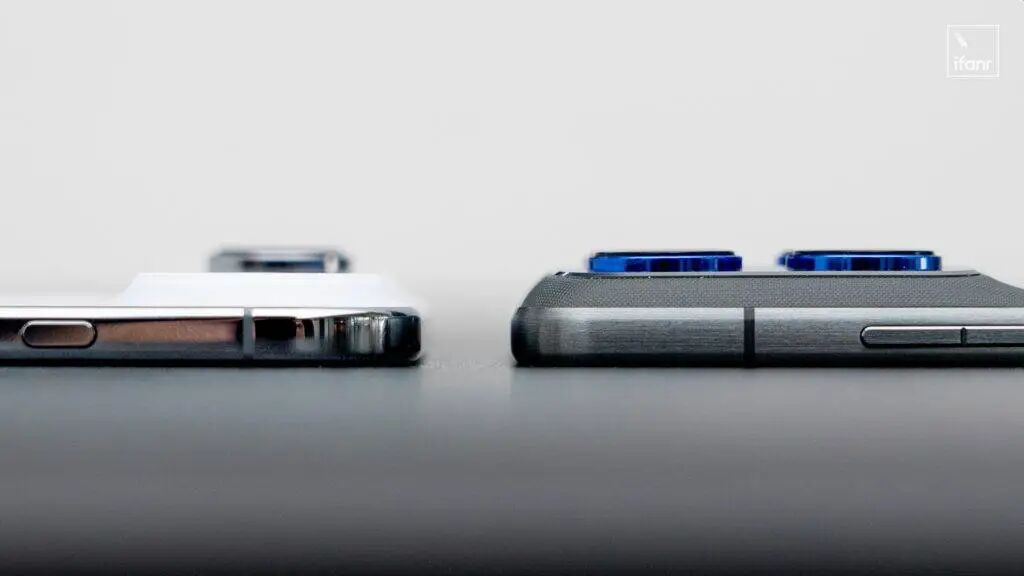
Left: iPhone Air, Right: moto X70 Air
The lightweight body and Qualcomm Snapdragon 7 Gen 4 chip make the moto X70 Air heat up easily during daily use. Although it is generally smooth, frame drops are inevitable, and it is not recommended for heavy - duty scenarios like gaming.
As an ultra - thin phone with a 6 - millimeter body, the moto X70 Air is equipped with an amazing 4,800mAh battery, far exceeding those of Apple and Samsung. It can last about a day and a half under normal use.
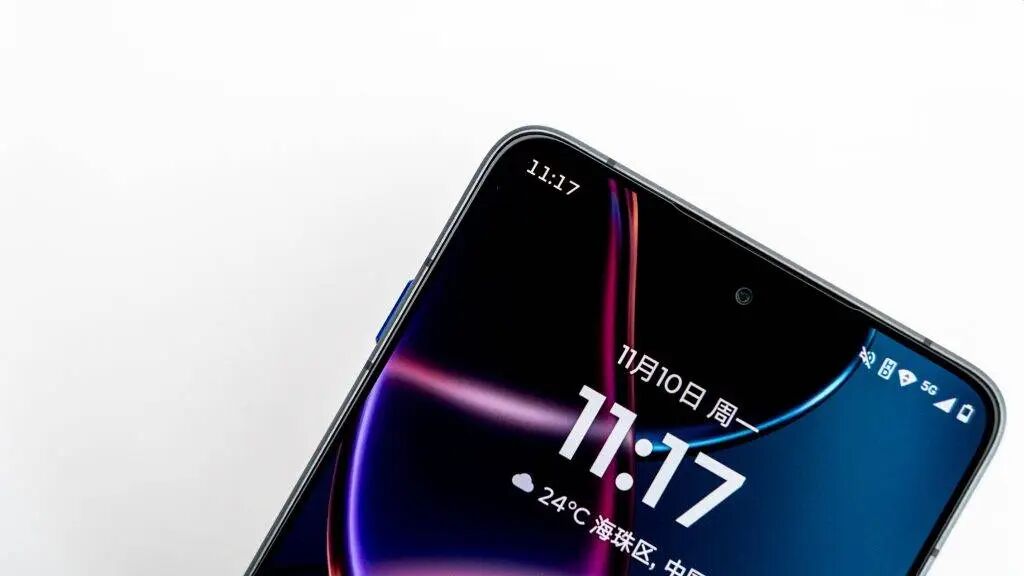
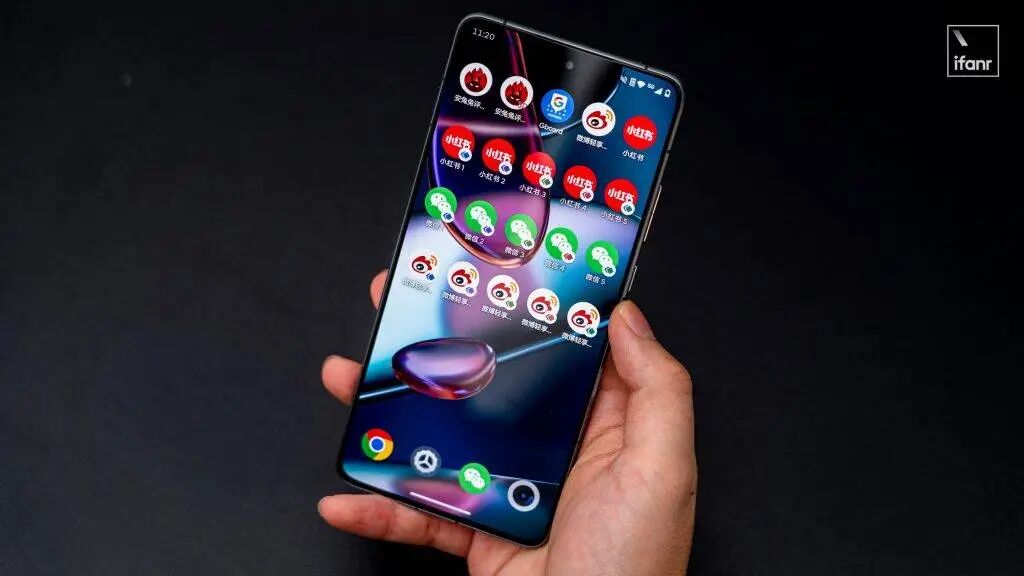
The moto X70 Air runs on the MyUI 8 system, a near - stock Android UI. Naturally, it is not as feature - rich as domestic Android UIs in terms of integration and functionality, but it has its own unique playability.
For example, it might be the phone that allows you to run the most WeChat accounts simultaneously - up to 6 WeChat accounts.
Even for apps that do not support multi - account functionality, you can force them to open multiple instances. You can create 5 clones, making a total of 6 instances including the original app. For some professions that require multiple accounts, the moto X70 Air is truly a work - friendly device.
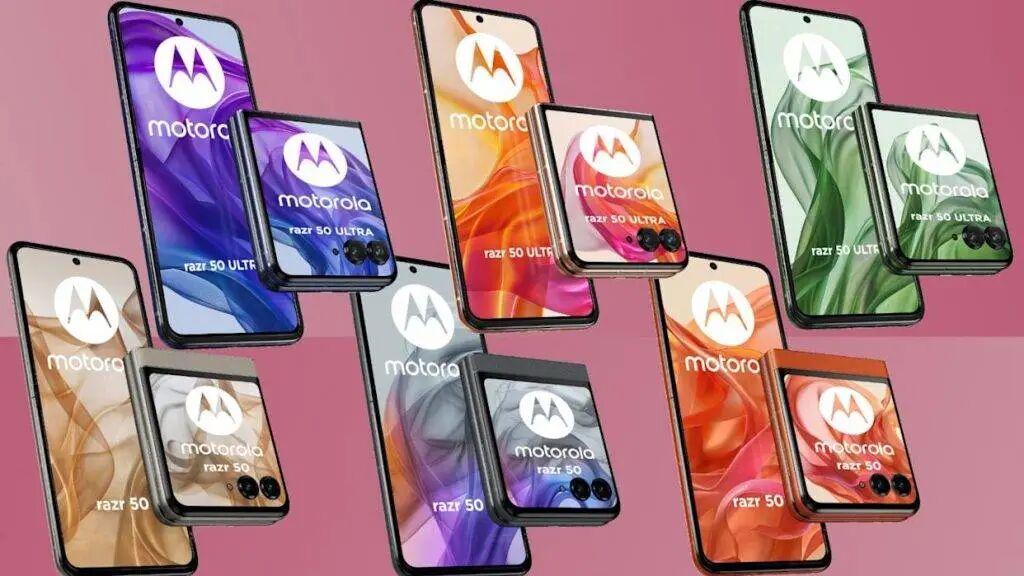
In the past two years, moto has taken a relatively unique path in the global mid - range mobile phone market: transforming high - end phone forms into affordable mid - range devices that more people can purchase without hesitation. This is true for its foldable phones and ultra - thin phones, truly enabling "everyone to enjoy the fun of technology".
The moto X70 Air also makes us think: Instead of aiming for a high - end flagship position, the ultra - thin "Air" form might be more suitable for the mid - range price segment.
In the mid - range market where phone designs are generally homogeneous, a lighter, thinner, and more distinctive phone can itself be a reason for consumers to choose it. Moreover, it is difficult to achieve a "fully top - spec" configuration with an ultra - thin body, which actually fits better with the mid - range product positioning of "not needing to use all the best materials".
Huawei Mate 70 Air: Large Screen > Light and Thin
Huawei's understanding of "Air" is the most unique.
The Mate 70 Air doesn't pursue extreme lightness and thinness like the iPhone Air. Instead, it features a rare 7 - inch screen.
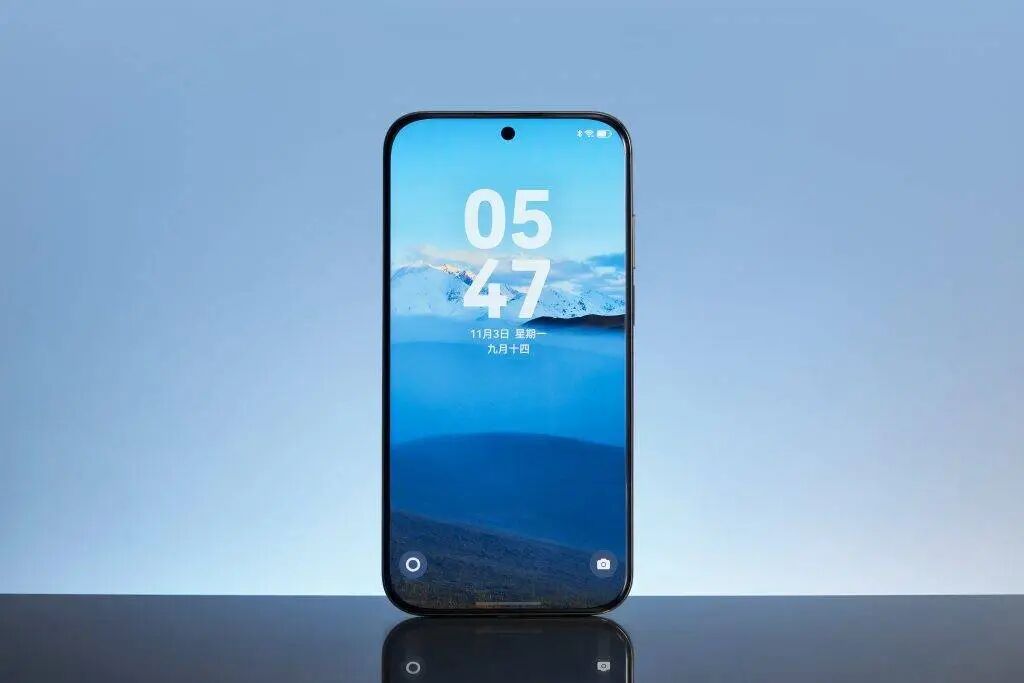
Therefore, even though the Mate 70 Air is 6.6 millimeters thick and weighs 208 grams, its rounded edges and large - screen design give people an illusion of "lightness and thinness" when you hold it.
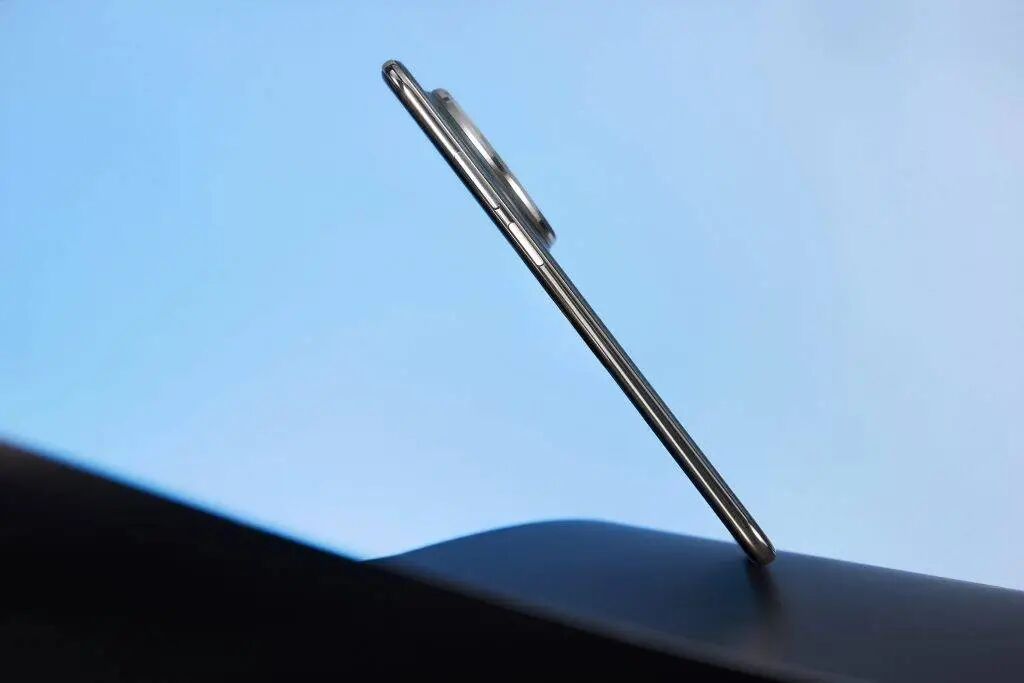
Compared with other Air models, the Mate 70 Air is more like a "small tablet", similar to Huawei's MatePad mini released in the middle of this year.
With an 18.8:9 aspect ratio, the Mate 70 Air makes it easier to view documents. Its support for a stylus also gives it the ability to annotate. In short, it is a very suitable phone for business scenarios.
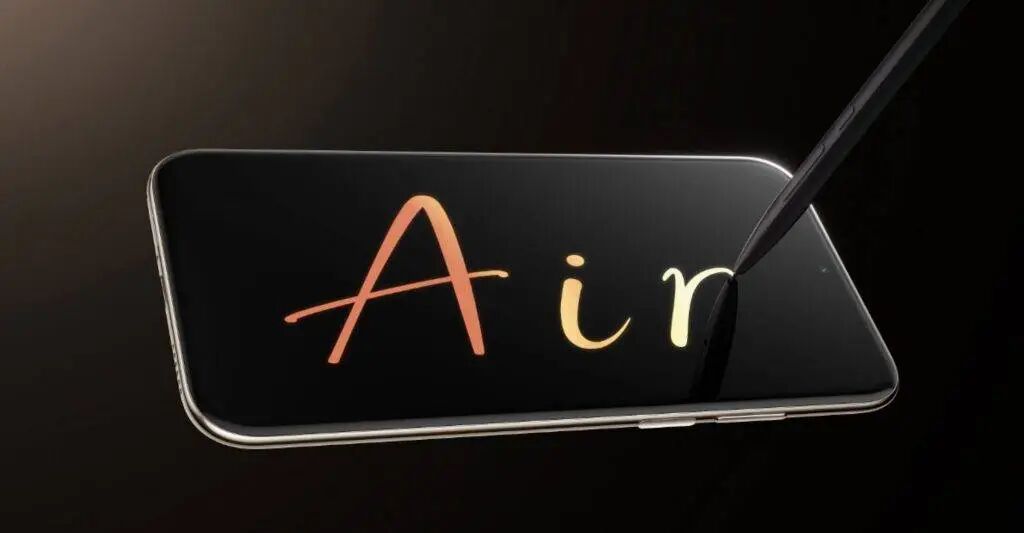
Yes, compared with the similarly - positioned MatePad mini, the biggest advantage of the Mate 70 Air is that it is still a phone that you can hold with one hand and put in your pocket, rather than a tablet that is not easy to carry and inconvenient for making calls.
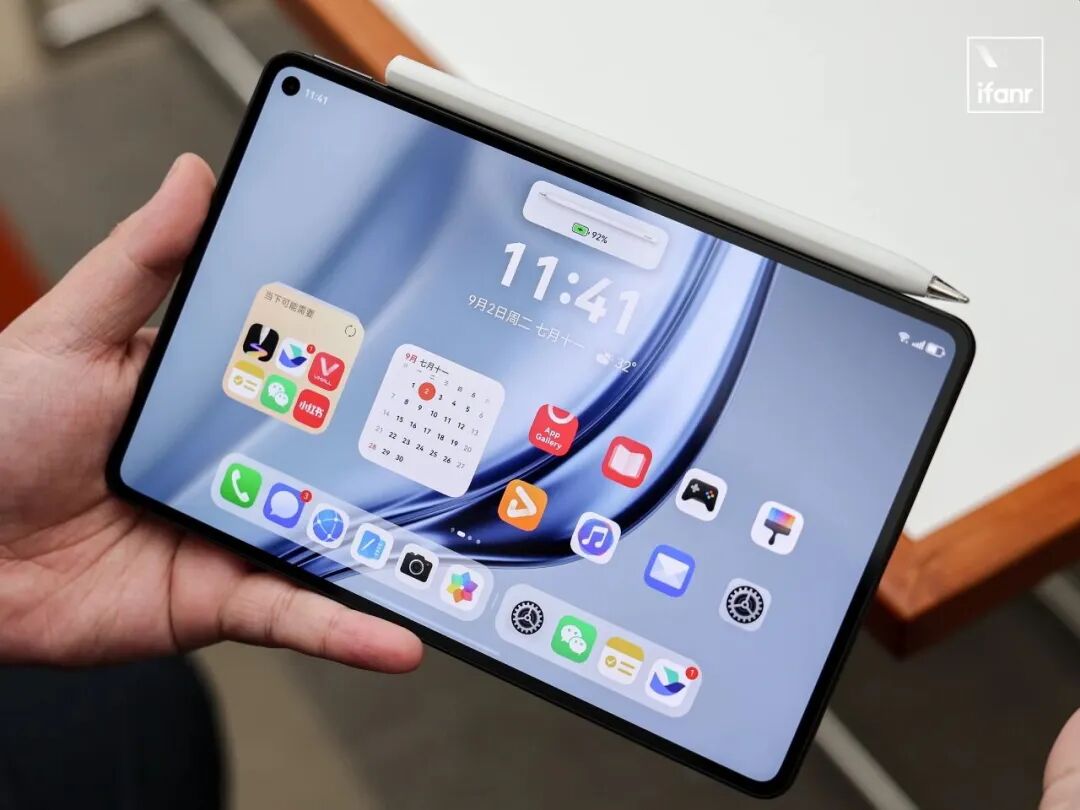
MatePad mini
Even though it bears the classic flagship brand "Mate", the Mate 70 Air is essentially a mid - range phone.
Huawei's goal is similar to moto's: it is very suitable as a user's second phone, especially for business people who are often on the move.
Not pursuing an extremely light and thin body allows the Mate 70 Air to be equipped with a full - spec imaging system including an ultra - wide - angle lens, a main camera, and a red - maple lens. Coupled with a body texture comparable to the Mate 70 series, the Mate 70 Air is also completely suitable as a primary phone. In fact, due to its "extra - large screen" selling point and a price of 3,699 yuan after national subsidies, the Mate 70 Air is more recommended than the standard Mate 70.
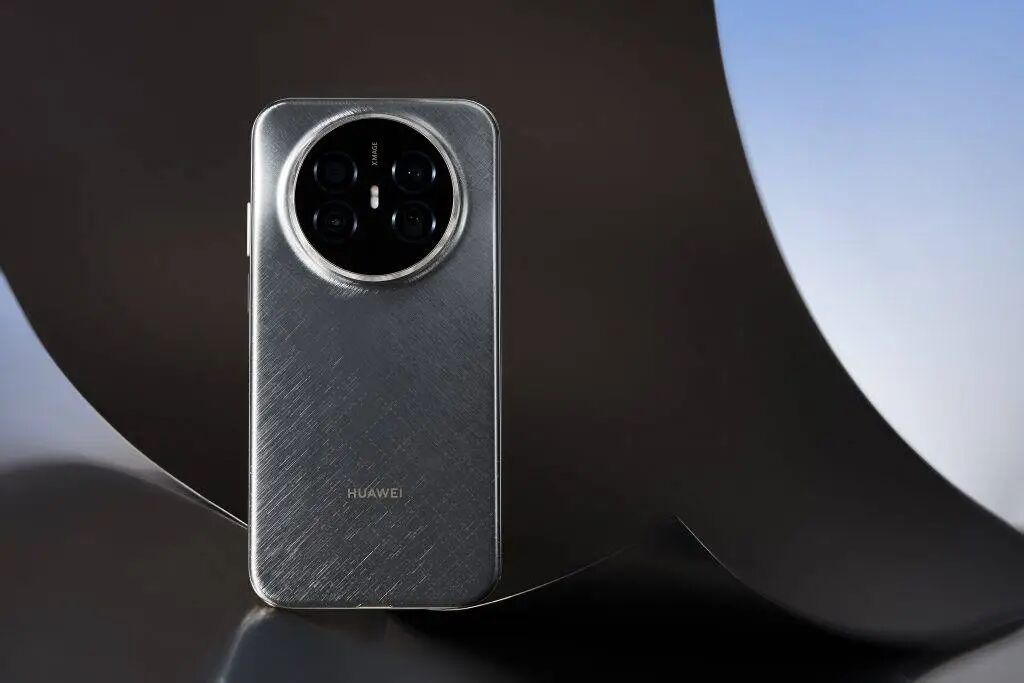
The two domestic Air phones mentioned above have achieved good product competitiveness through their special positioning and pricing.
The following two overseas lightweight flagship phones, however, seem a bit awkward.
iPhone Air: Apple's Precision
In my imagination, this is how Apple made the iPhone Air:
Apple's engineers had an iPhone 17 motherboard and a bunch of components in hand, and an extremely light and thin mold in front of them. They picked up a carving knife, trimmed these components to make them smaller, and removed some parts. Finally, they successfully stuffed these components into the 5.6 - millimeter - thick body of the iPhone Air.

In this process, Apple clearly gave high priority to the "battery" component and tried not to reduce it - although consumer electronics technology is advancing, battery life and user experience are still constrained by the battery.

The SIM card slot, ultra - wide - angle camera, and one speaker had to be sacrificed.
After ensuring the minimum user experience, the iPhone Air can instantly make users addicted with its light feel, like holding a pure screen.
I highly recommend that you go to a physical store to experience the iPhone Air in person. After using traditional heavy phones, this 165 - gram iPhone will first make you doubt its authenticity and then make you love it.
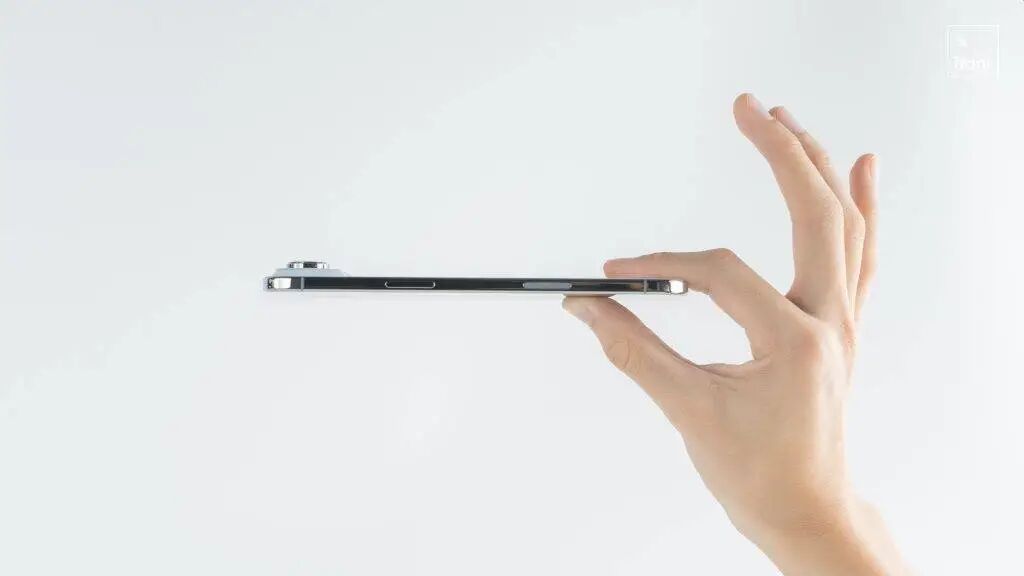
However, just touching it is fine. If you really want to buy it, it's better to think twice.
Although the iPhone Air tries its best to ensure the minimum user experience, the lack of very basic configurations like dual speakers is indeed an unavoidable pain point.
Heat dissipation is still a pain point that all ultra - thin phones cannot avoid, and the iPhone Air is no exception. Even though the A19 Pro processor has fewer cores compared to the iPhone 17 Pro series, the overall power consumption doesn't change significantly, and it heats up more easily during use.
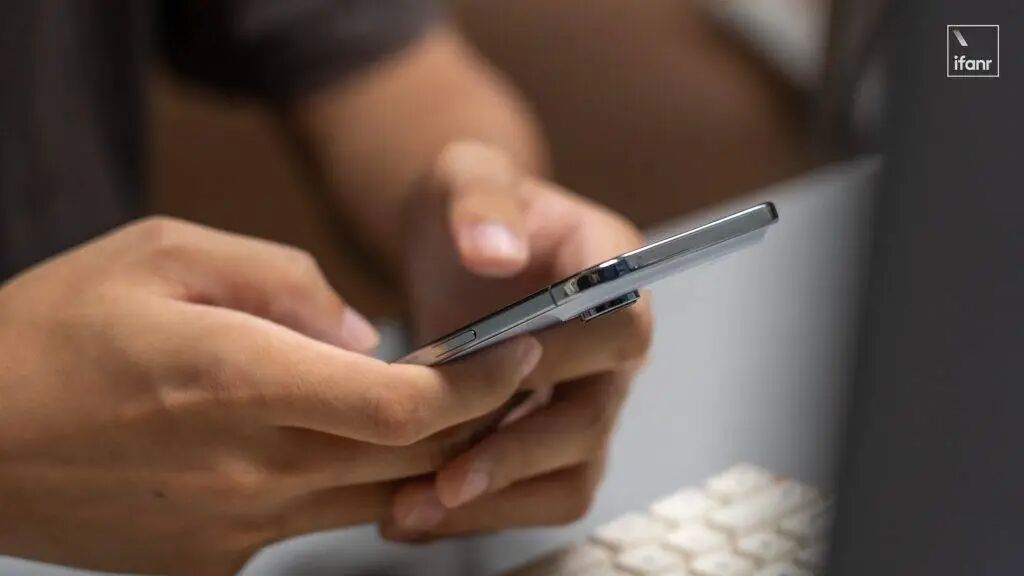
With so many compromises, the iPhone Air is more suitable as a user's "second phone". However, its high price of 8,000 yuan is not the best option for most consumers as a backup phone.
Apple clearly never regarded the iPhone Air as a "sales champion". Just like domestic foldable phones, its main purpose is more to "show its presence" and "demonstrate its strength", serving as a test bed for Apple's technology.
As the saying goes: the iPhone 17 is Apple's answer to the market, but the iPhone Air is Apple's answer to itself.
If you have extremely high requirements for the feel of a phone or