First impression of the iPhone Air: Apple has turned the phone into a work of art this time.
Among the four new iPhones released this year, the iPhone Air is undoubtedly the most "dreamy" one.
Its dreaminess stems from two aspects: Firstly, it is extremely thin and light. It seems to bring the mobile phone experience back to a decade ago, offering a feeling of holding a phone with no pressure in hand and a gentle and smooth touch when playing with it. Secondly, it collaborates with telecom operators to promote eSIM technology, pushing the mobile network into a brand - new era.
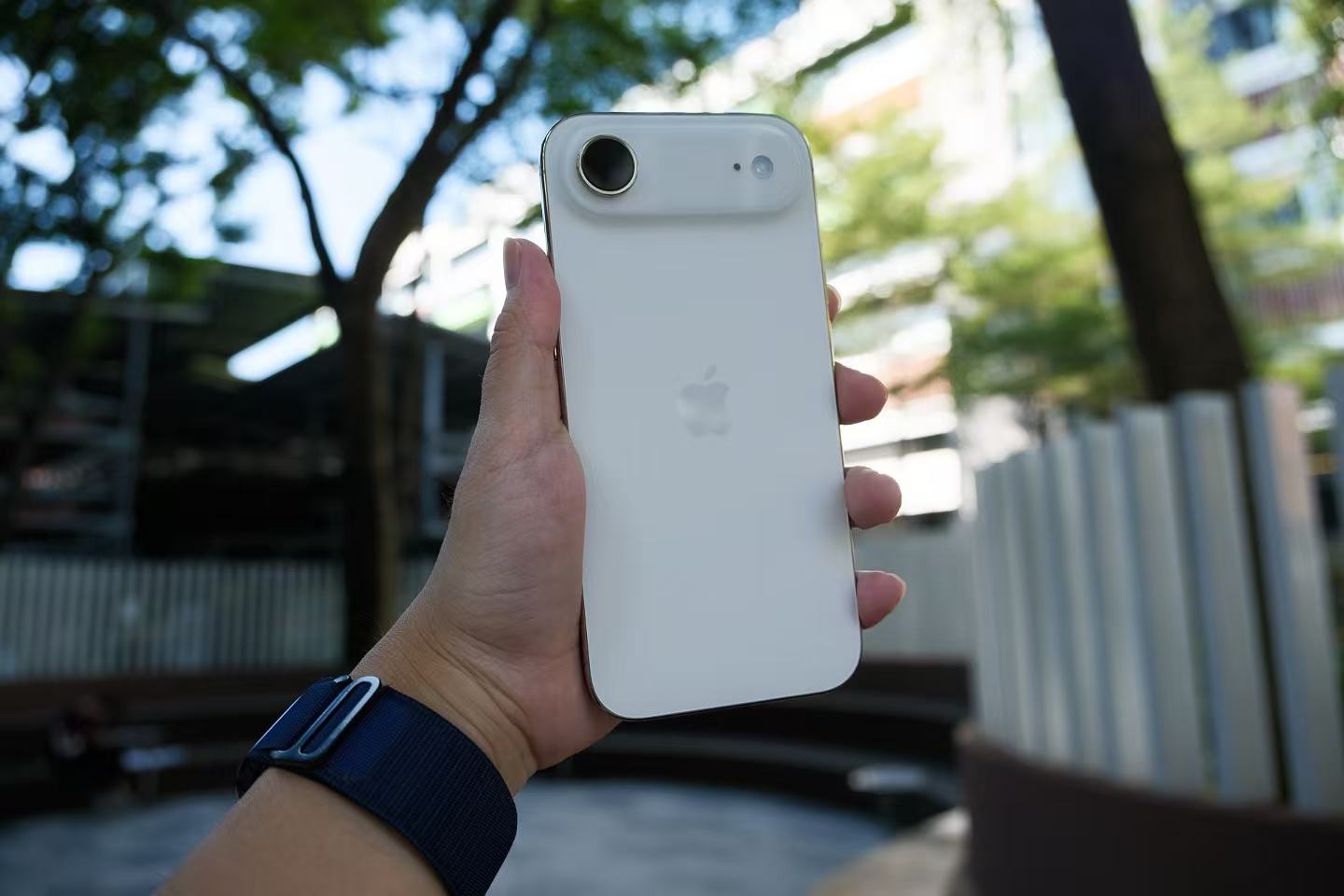
(Image source: Captured by Lei Technology)
Anyway, the iPhone Air is a highly controversial iPhone. There are both positive and negative comments, as well as exclamations and doubts. So, after all the controversies, what kind of phone is the iPhone Air to use? Is it really suitable as a primary phone? Lei Technology will answer these questions in today's hands - on review of the iPhone Air.
The iPhone Air hardly has any "heaviness" feeling
Although you may have visually perceived the thinness and lightness of the iPhone Air from the official promotion, it is only when you actually hold the real device in your hand that you'll understand why Apple named it "Air".
The iPhone Air, with a total weight of only 165g, hardly gives any feeling of heaviness when held in hand. Even though Apple has added a horizontally - placed "expansion platform" at the top this time, the weight at both ends is well - balanced, without the problem of being top - heavy. This is really praiseworthy.
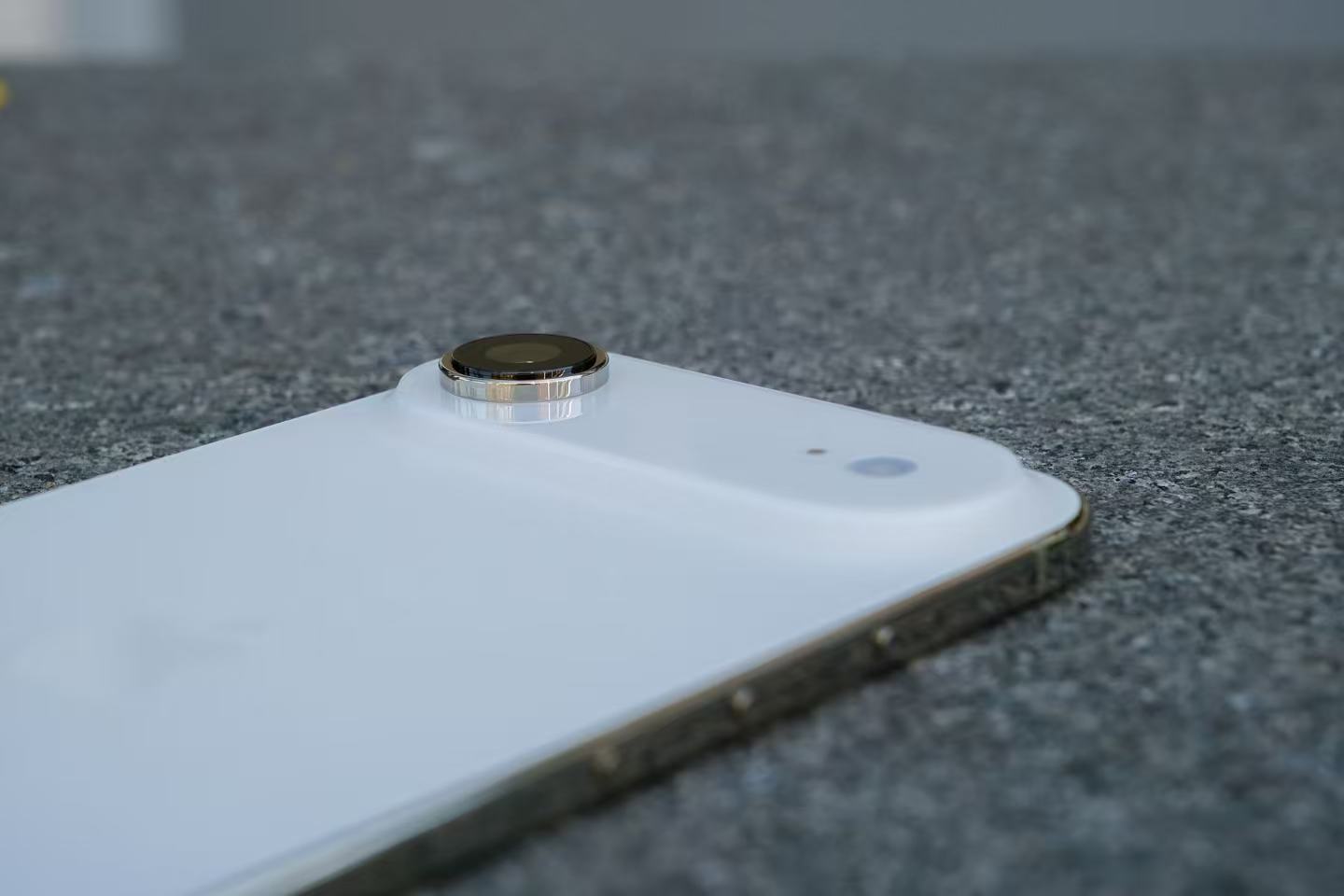
(Image source: Captured by Lei Technology)
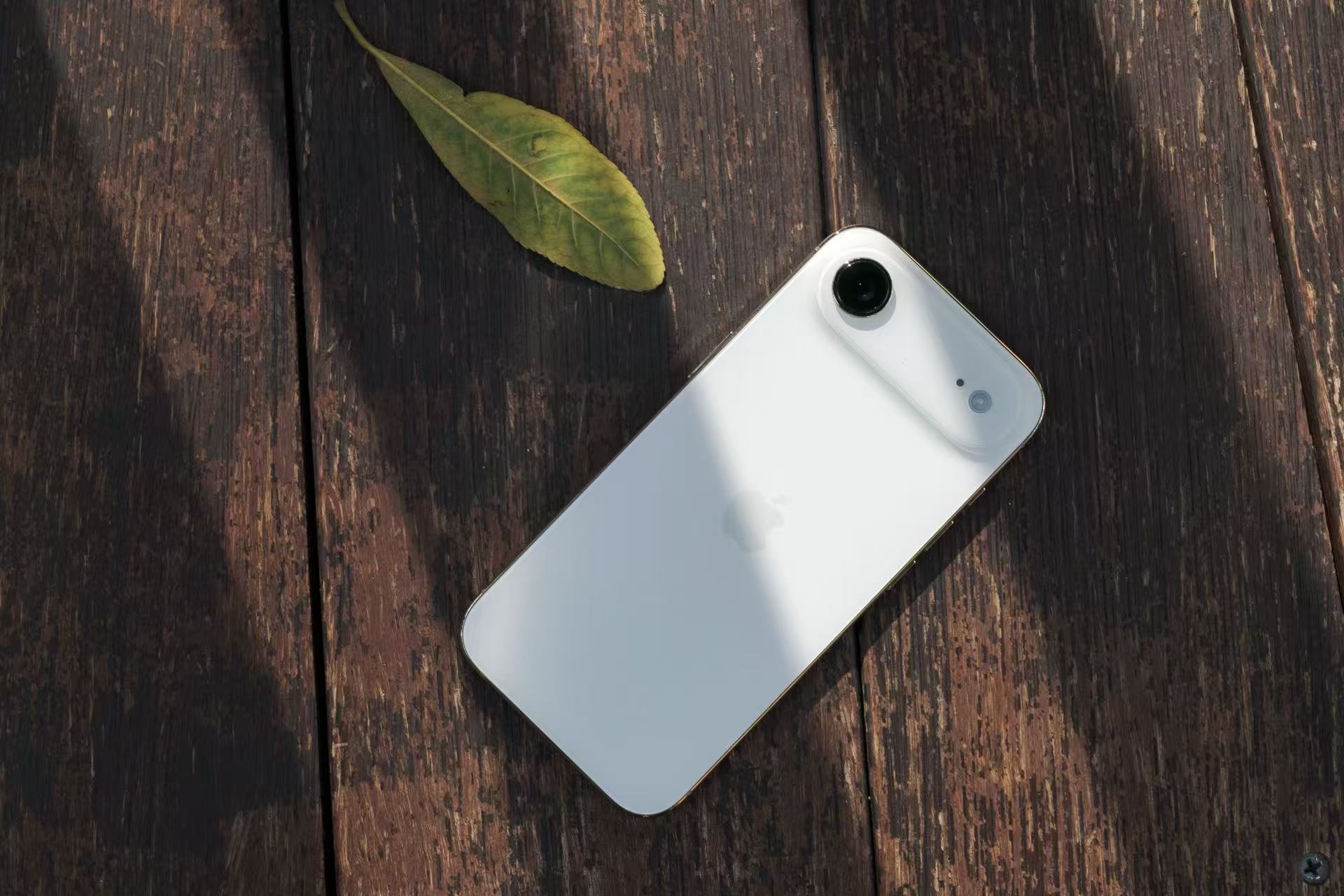
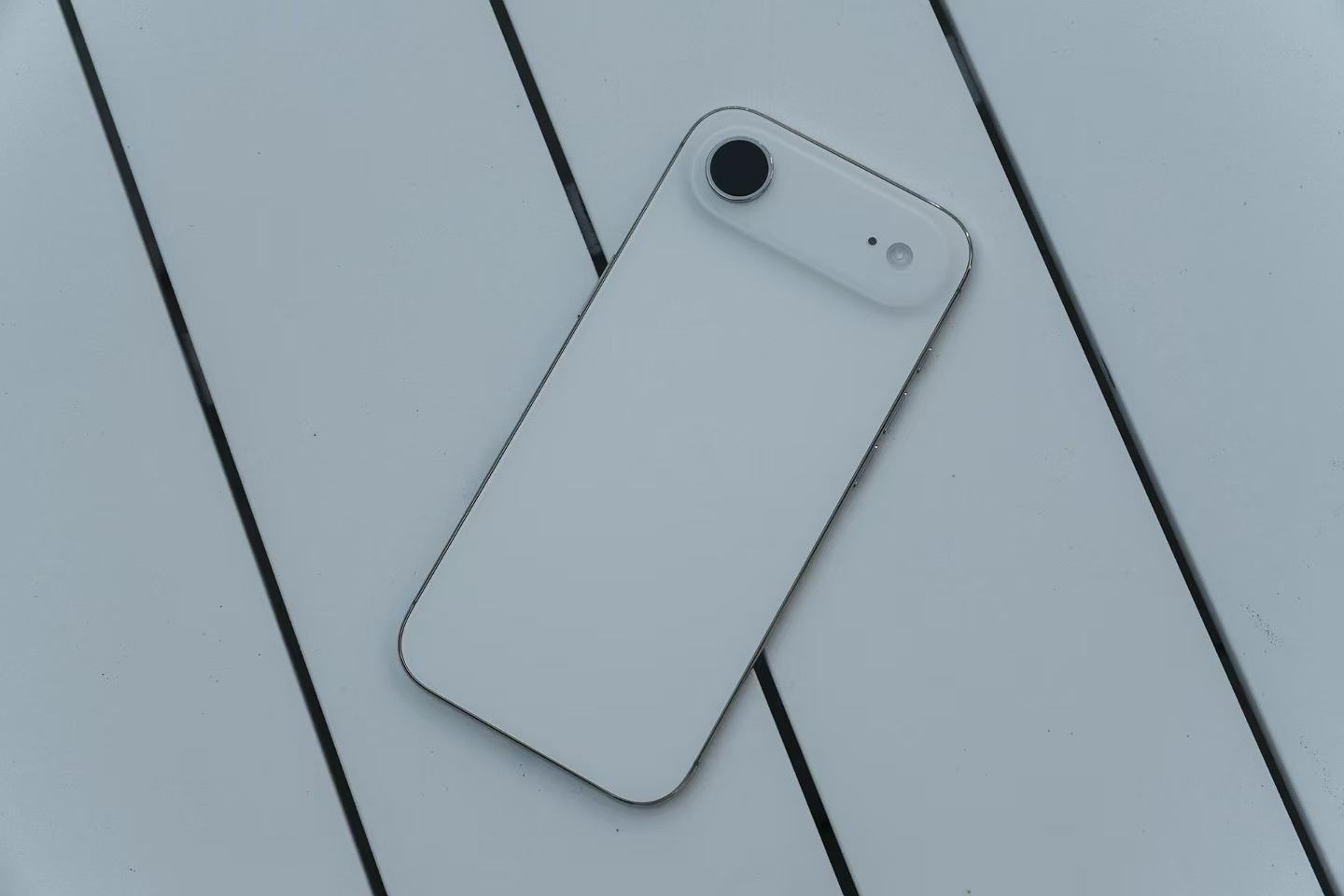
The color of the iPhone Air that Lei Technology got for hands - on is "light gold". The whole body is translucent white, but different from the cold white of the iPhone 15 Pro, the color of the iPhone Air is a bit warmer. Combined with the gold color of the lens and the middle frame, it takes you back to the era of the iPhone Xs.
Speaking of which, the touch feeling of the iPhone Air is quite similar to that of the iPhone Xs, especially the middle frame. Although the iPhone Xs uses stainless steel, the polished titanium metal of the iPhone Air is also prone to getting fingerprints. It has to be said that the sense of luxury brought by the shiny middle frame is almost instantly recognizable.
In terms of the treatment of the back glass, the iPhone Air is divided into two parts: the "expansion platform" uses a shiny finish, while the rest uses a matte finish. In terms of touch, the back of the iPhone Air has stronger friction. Even without a protective case, it hardly gets dirty.
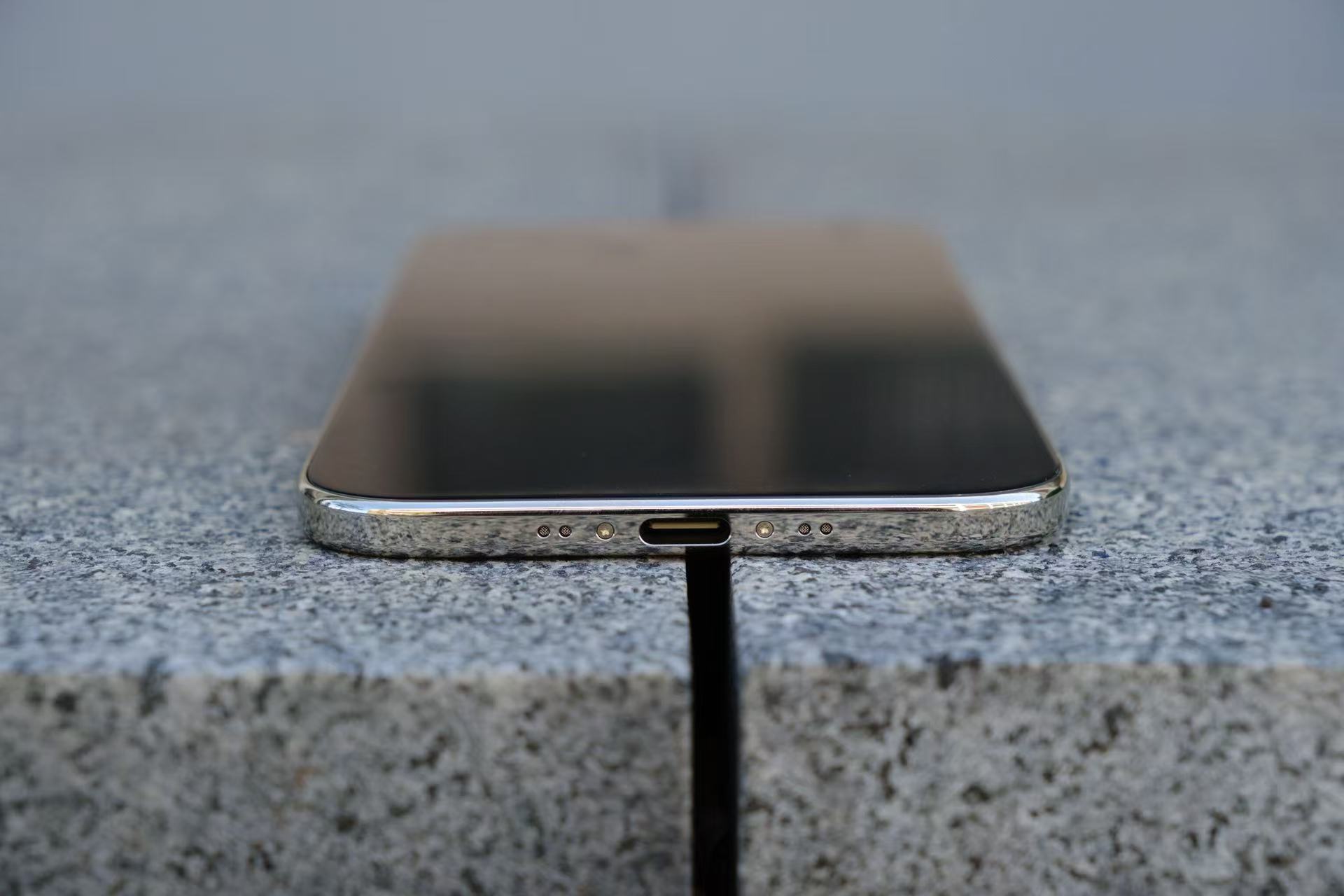
(Image source: Captured by Lei Technology)
On the middle frame, the iPhone Air retains the control button, volume keys, power button, and camera control button. There are two symmetrical openings on both sides of the USB - C port at the bottom, plus a fixing screw, making a total of six. Apple's almost obsessive - compulsive symmetrical design, which seems to have disappeared from the bottom for a long time, has made a comeback on the iPhone Air, which is very friendly to those with obsessive - compulsive disorder.
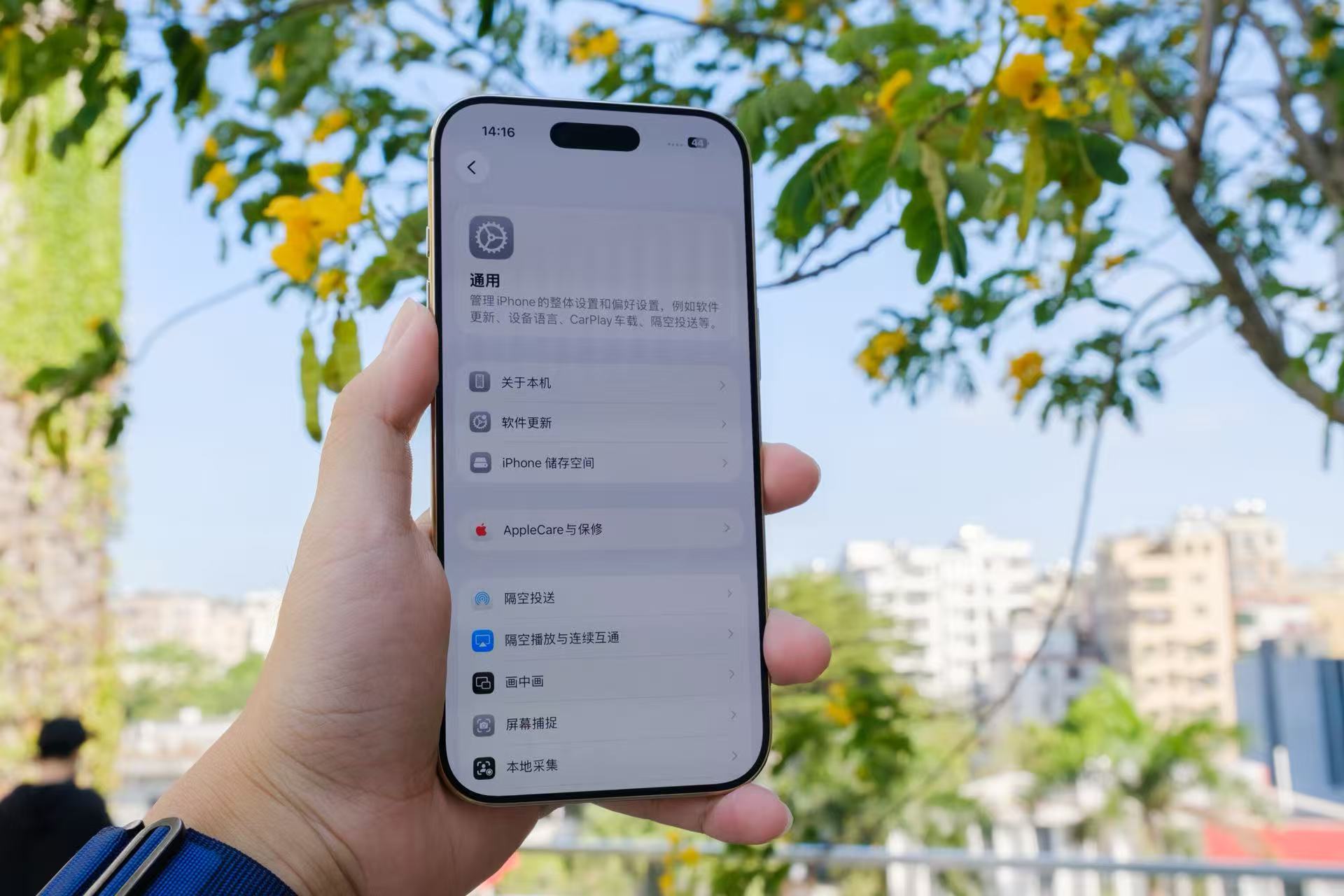
(Image source: Captured by Lei Technology)
Looking at the front, the iPhone Air is Apple's first attempt at a 6.5 - inch mid - sized screen model. With a peak brightness of 3000 nits, support for ProMotion adaptive refresh rate, and the same anti - reflection panel as the iPhone 17 series, these luxurious parameters ensure a decent experience. If I have to point out a flaw, I'd hope that the screen bezel of the iPhone Air could be narrower.
Reduced configuration in imaging and sound, but it's sufficient
When the iPhone Air was first exposed, many media thought it was a thin and light iPhone that would replace the original Plus models. However, the fact proves that the iPhone Air is not a thinner "Plus", but a comprehensively streamlined "Pro".
In terms of performance, the iPhone Air is equipped with the A19 Pro chip. Although its GPU has one less core compared to the iPhone 17 Pro, with only a 5 - core graphics processor, its performance still exceeds the public's perception of thin and light phones. Lei Technology conducted a benchmark test on the AnTuTu platform and got a final score of 2.05 million; on GeekBench 6, it scored 3442 in single - core and 8978 in multi - core, which is relatively close to the iPhone 17 Pro Max.
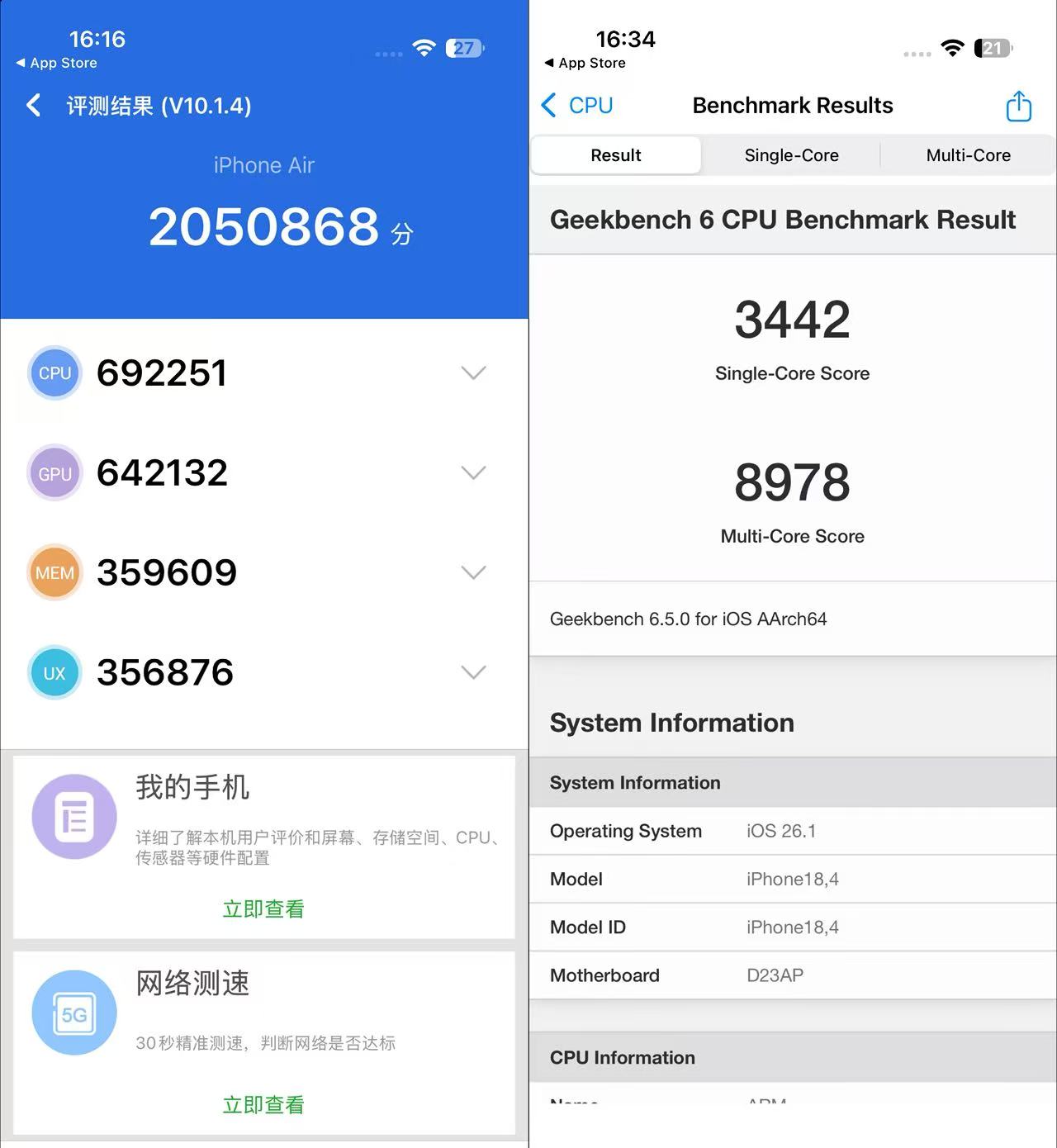
(Image source: Charted by Lei Technology)
In League of Legends: Wild Rift, the iPhone Air can maintain a 120 - frame rate throughout the game, even in 5V5 team battles without any frame drops. The heating area is below the right of the lens. The temperature is slightly higher than that of the iPhone 17 Pro, but lower than that of the iPhone 16 Pro.
Of course, the bigger controversy about the iPhone Air actually comes from the single camera and single speaker. However, based on the actual experience, I don't think these two issues are very significant.
The iPhone Air is only equipped with a single camera, with a 48 - megapixel sensor and a 1/1.56 - inch size, and a native focal length of 26mm. It supports three focal length crops: 1.1X, 1.4X, and 2X, corresponding to 28mm, 35mm, and 50mm respectively.
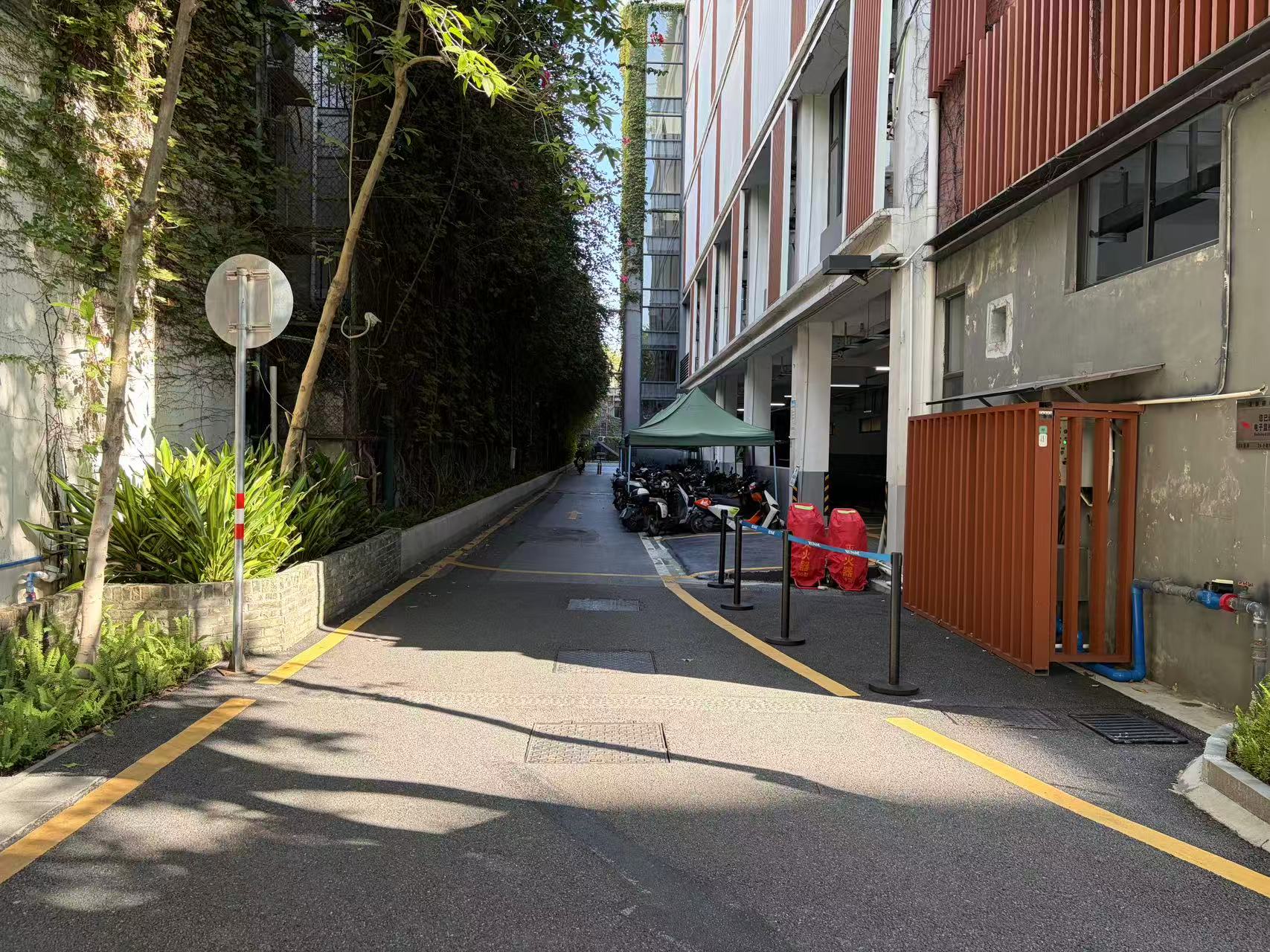
(Image source: Captured by Lei Technology)
At the native 26mm focal length, the main camera of the iPhone Air retains many light and shadow details, perfectly restoring the sunny atmosphere. The highlight suppression of the distant sky is quite good, but the imaging style is still relatively natural and soft.

(Image source: Captured by Lei Technology)
When shooting zinnia at the 35mm focal length, the color hierarchy is very rich. Even when the flowers were under the scorching sun, the iPhone Air could control the highlight part well without overexposure.
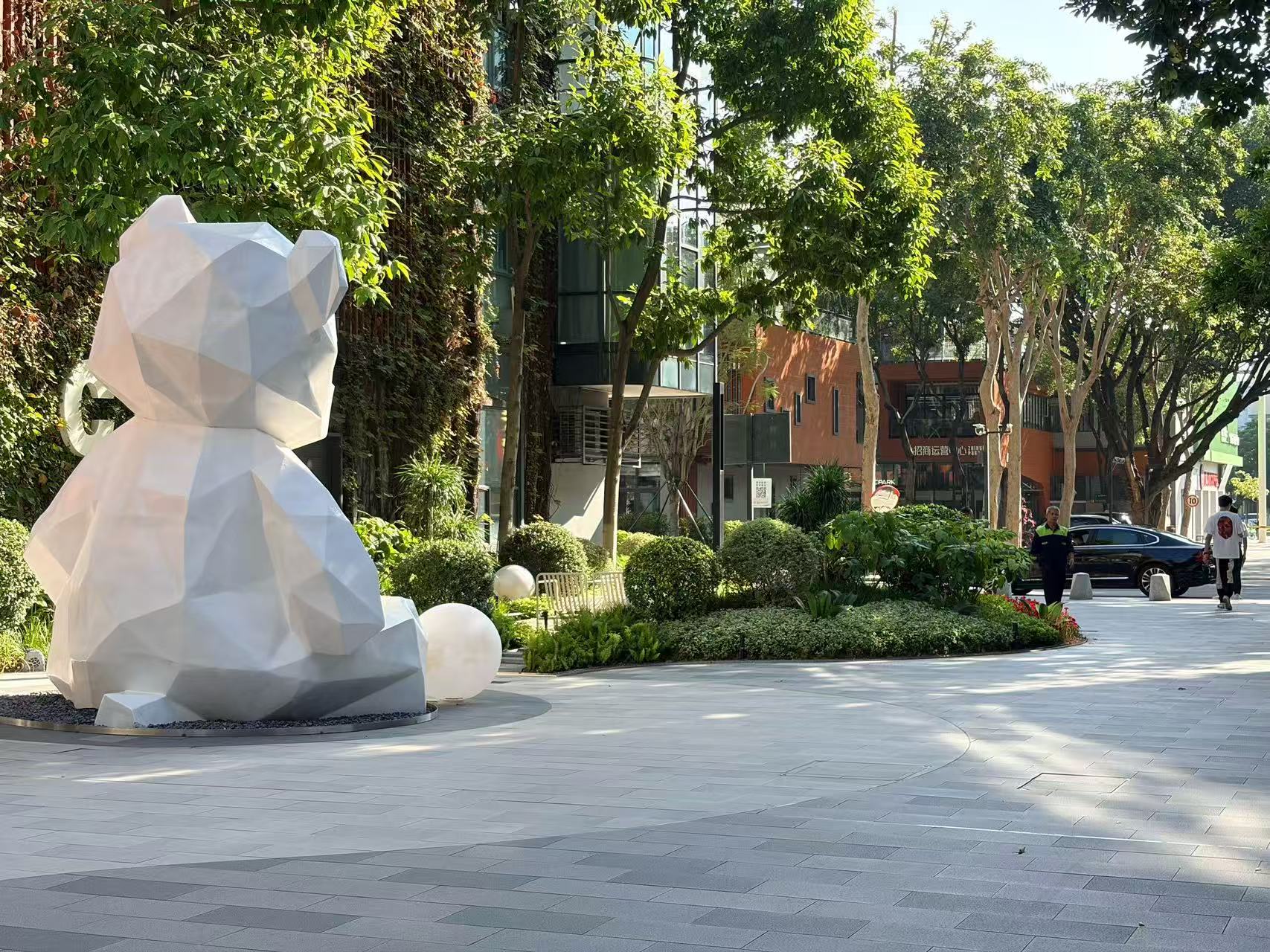
(Image source: Captured by Lei Technology)
Even though Apple has exclusive optimization for the 2X zoom of this main camera, which the official calls "optical zoom", it can be seen that the iPhone Air has already applied sharpening to the picture at this time. The clarity is better than that at 35mm, but the highlight suppression algorithm for the sky has malfunctioned.
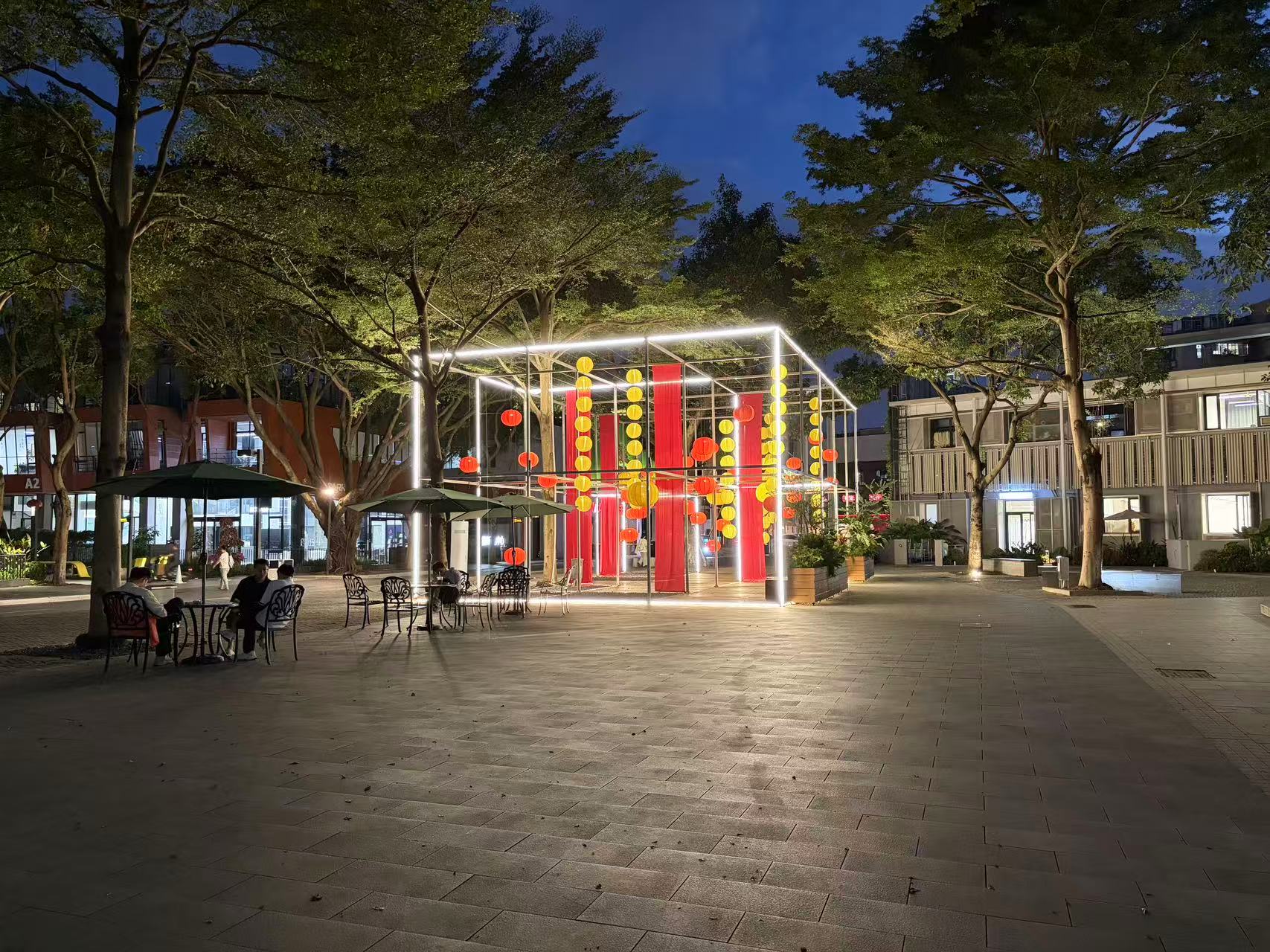
(Image source: Captured by Lei Technology)
The performance of the main camera at night is a bit of a pleasant surprise. The night - scene algorithm is softer, the highlight suppression is reasonable, and the "ghosting" is not obvious, but the overall picture is still a bit sharp.
The imaging of the iPhone Air is indeed not the strongest. After all, a single camera almost loses the ability of high - magnification telephoto shooting, and without an ultra - wide - angle lens, it's difficult to shoot pictures that require a wide field of view. However, it can't be said that the imaging level of the iPhone Air is poor. It can only be said to be just adequate.
Since a large amount of internal space of the phone is reserved for the battery, the iPhone Air is only equipped with a single speaker at the top. In terms of actual sound quality, the volume of the iPhone Air is acceptable. You won't feel that the volume is too low when watching short videos or short dramas on a daily basis. The drawback of the single speaker is only slightly noticeable when watching movies in landscape mode.
(Image source: Captured by Lei Technology)
Although the internal space of the iPhone Air is almost filled with the battery, the actual battery capacity is only 3149mAh. A ten - minute game of League of Legends: Wild Rift consumes about 4% of the battery, so the battery life is relatively average. Fortunately, the charging speed is not slow. It only takes 17 minutes to charge from 50% to 80%.
For consumers who are looking for a "perfect" flagship phone, the iPhone Air is indeed full of "imperfections". It doesn't have a luxurious imaging configuration, a powerful external speaker, and its battery life is even slightly worse than that of the iPhone 17 Pro. However, the iPhone Air also has unique advantages: an extremely thin and light body, a design like a work of art, and a unique sense of refinement. From the perspective of its positioning, I'd rather call the iPhone Air a phone that is "easy to use".
Is the iPhone Air suitable as a primary phone?
I think that for most people, the first hurdle when considering whether to buy the iPhone Air as a primary phone is the eSIM.
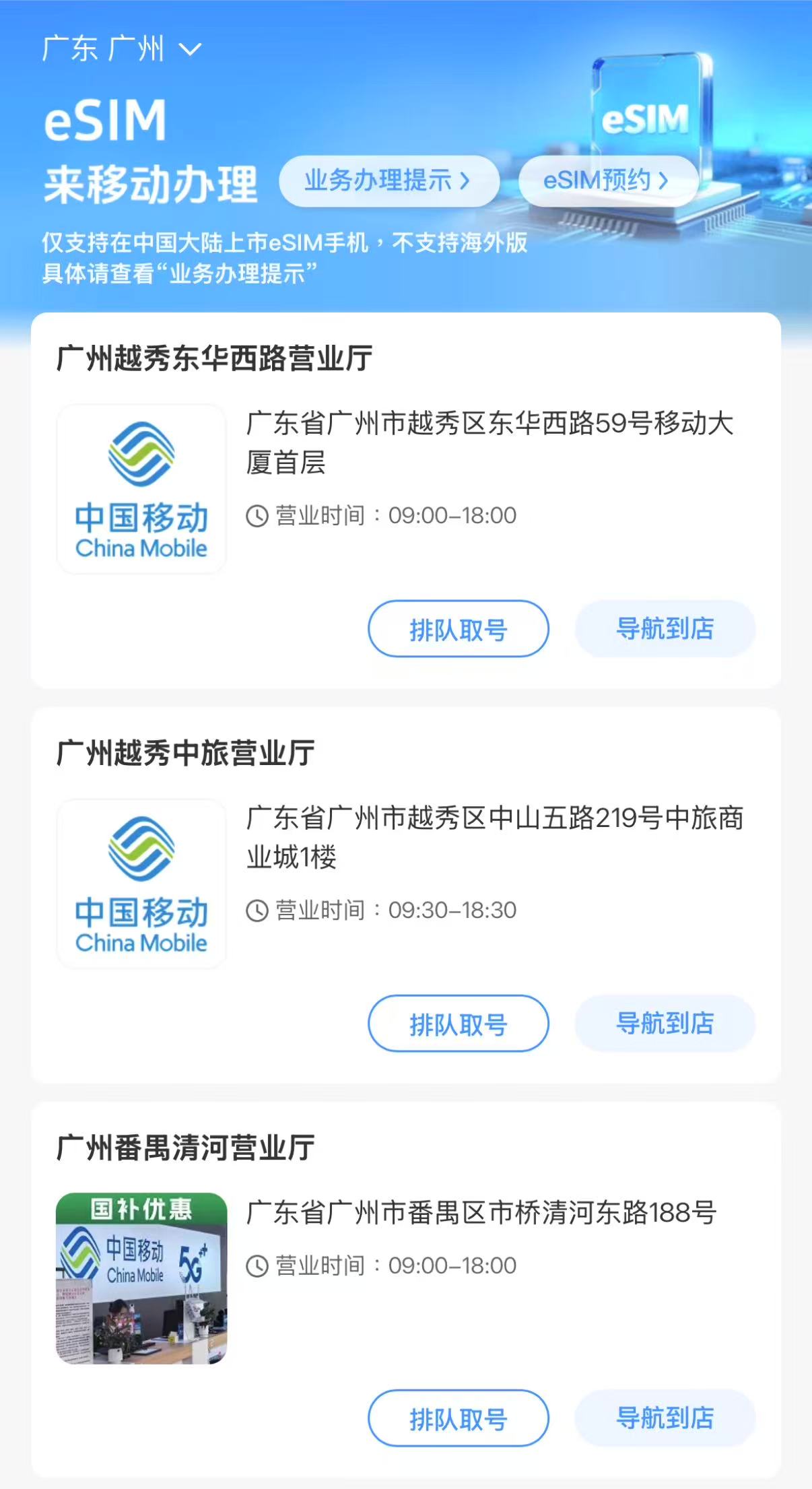
Currently, China Mobile, China Telecom, and China Unicom all support the activation of eSIM services. Taking China Mobile in Guangzhou as an example, there are quite a few offline business halls that offer eSIM services. You can simply search for "eSIM" on the Guangdong Mobile App to view the stores and their addresses.
The activation process is not complicated either: first, make an appointment for a nearby business hall on the App, then go to the site with your ID card and wait for the activation. However, the staff at the business hall will remind you to transfer the data from your old phone to the iPhone Air in advance.
(Image source: China Mobile Guangdong App)
It's worth noting that currently, only the China - mainland version of the iPhone Air can activate the eSIM service. If you convert a physical SIM card to an eSIM, the physical SIM card will be immediately invalidated after successful activation. Of course, if you want to switch back from an eSIM to a physical SIM card, you also need to go to the business hall.
If you're interested, Lei Technology will also publish a detailed hands - on tutorial on activating the eSIM for the iPhone Air later. Welcome to subscribe and follow our subsequent reviews.
(Image source: Captured by Lei Technology)
When the eSIM is no longer a concern for you, then you need to think about whether the iPhone Air is suitable for you. The iPhone Air is not very suitable for those who need long - lasting battery life, or those who often use the external speaker or have requirements for the telephoto ability of the phone. These are determined by the hardware. However, if you're looking for a lightweight phone with a high - end sense of refinement, then the iPhone Air will be very suitable