Weighing 152g, this Japanese company has launched a new small-screen LCD phone. Is it the spring for eye-friendly phone enthusiasts?
OLED or LCD? That's a question.
It's already the end of 2025. When you open a shopping app and browse for a long time, it's hard to find a mobile phone with an LCD screen. Basically, it can be said that LCD has been abandoned by various manufacturers.
But there is still a group of people firmly holding up the banner: LCD will never be a slave!
They post on social media and video platforms. Even in the middle of the year, they organized an "LCD self - rescue movement". They created groups, invited people, and filled out questionnaires, preparing to petition mobile phone manufacturers with the signatures of thousands of people.
Maybe there is good news for these LCD die - hards.
Recently, a Japanese manufacturer, Mode1, announced that it will release a new mobile phone called Mode1 Pocket on November 11. What's most eye - catching about it is that in an era when OLED screens dominate the market, it stubbornly uses an LCD screen. Moreover, it is a small - screen mobile phone weighing only 152 grams.
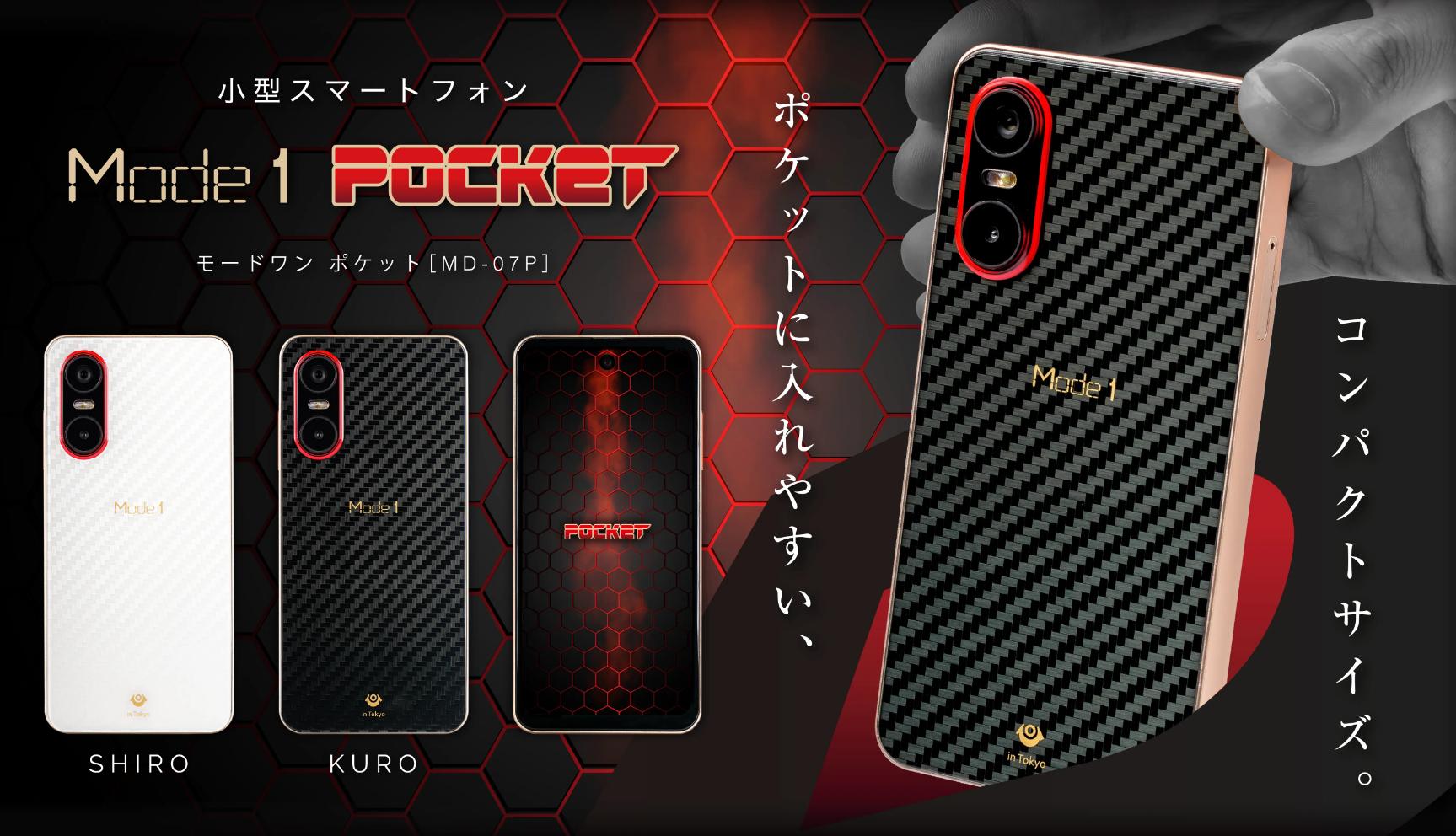
(Image source: Mode1)
Users who hold high the banner of LCD seem to have finally waited for their "Renaissance".
But the question is, is this long - awaited new LCD mobile phone really the long - awaited dawn or just an illusion? Today, Xiaolei will take you to have a good chat about this.
Is there an LCD in a small - screen phone?
Before talking about the mobile phone, we need to get to know the brand Mode1.
Different from those well - known giants with annual sales of hundreds of millions, Mode1 is a mobile phone brand under the Japanese telecommunications company P - UP World, focusing on personalization and differentiation.
Although their production volume is not high and they don't pursue the mainstream, they can always come up with something special in some strange aspects. Some of the mobile phones they previously launched were mainly for hardcore three - proof features, looking like an armored vehicle; some were for extreme simplicity, with functions so streamlined that you'd doubt your life.
For example, the well - known clamshell phone in the niche circle in China, Mode1 Retro 2, is their work.
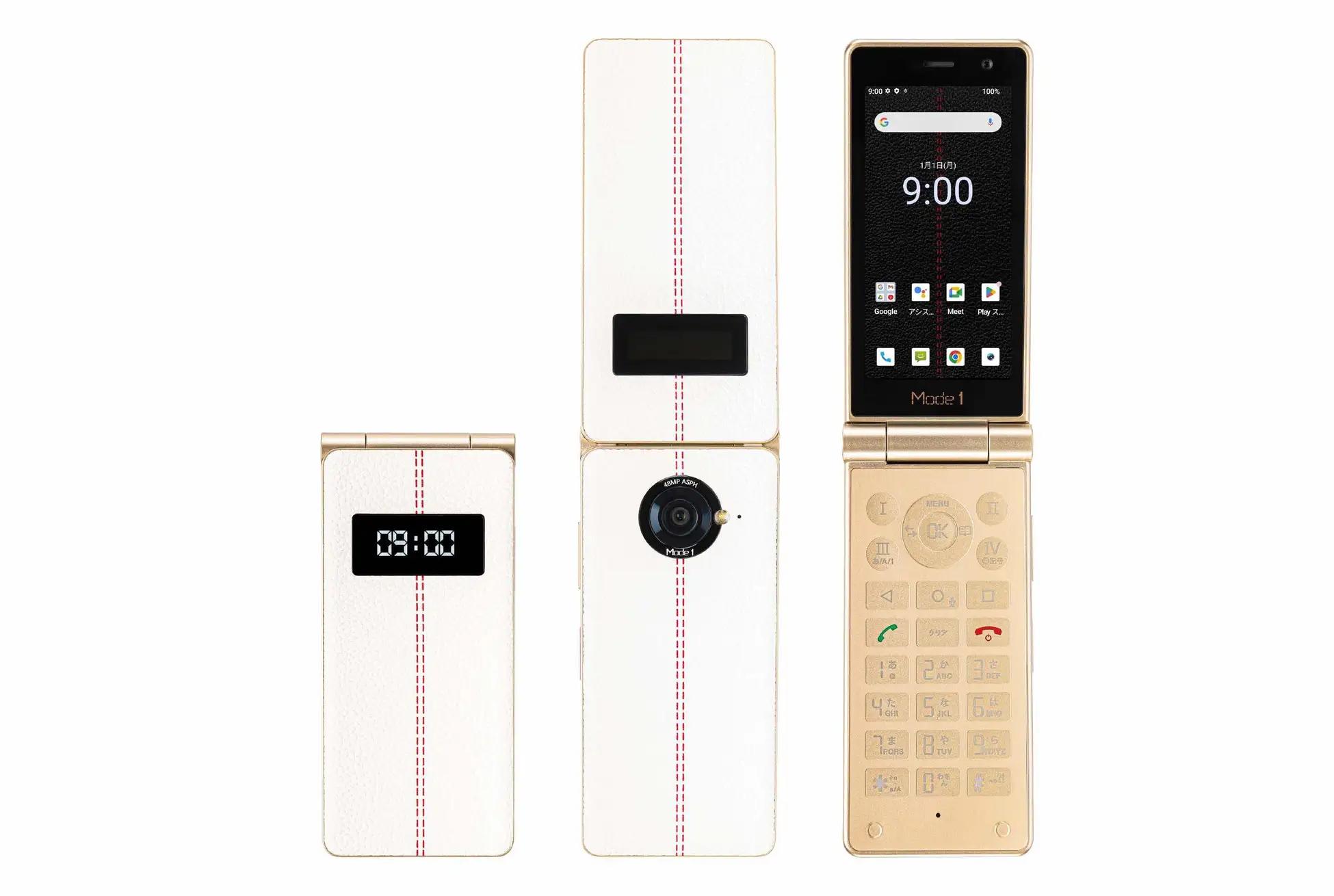
(Image source: Mode1)
This Mode1 Pocket also continues this style.
Well, in an era when mobile phones often weigh half a catty and screens are almost as big as tablets, it chooses to be small. Weighing 152 grams and with a 5.3 - inch screen, it should feel refreshingly light in your hand. For users who miss the feel of small - screen phones, this is indeed quite a temptation.
But when you light up the screen, this good first impression may be discounted.
(Image source: Mode1)
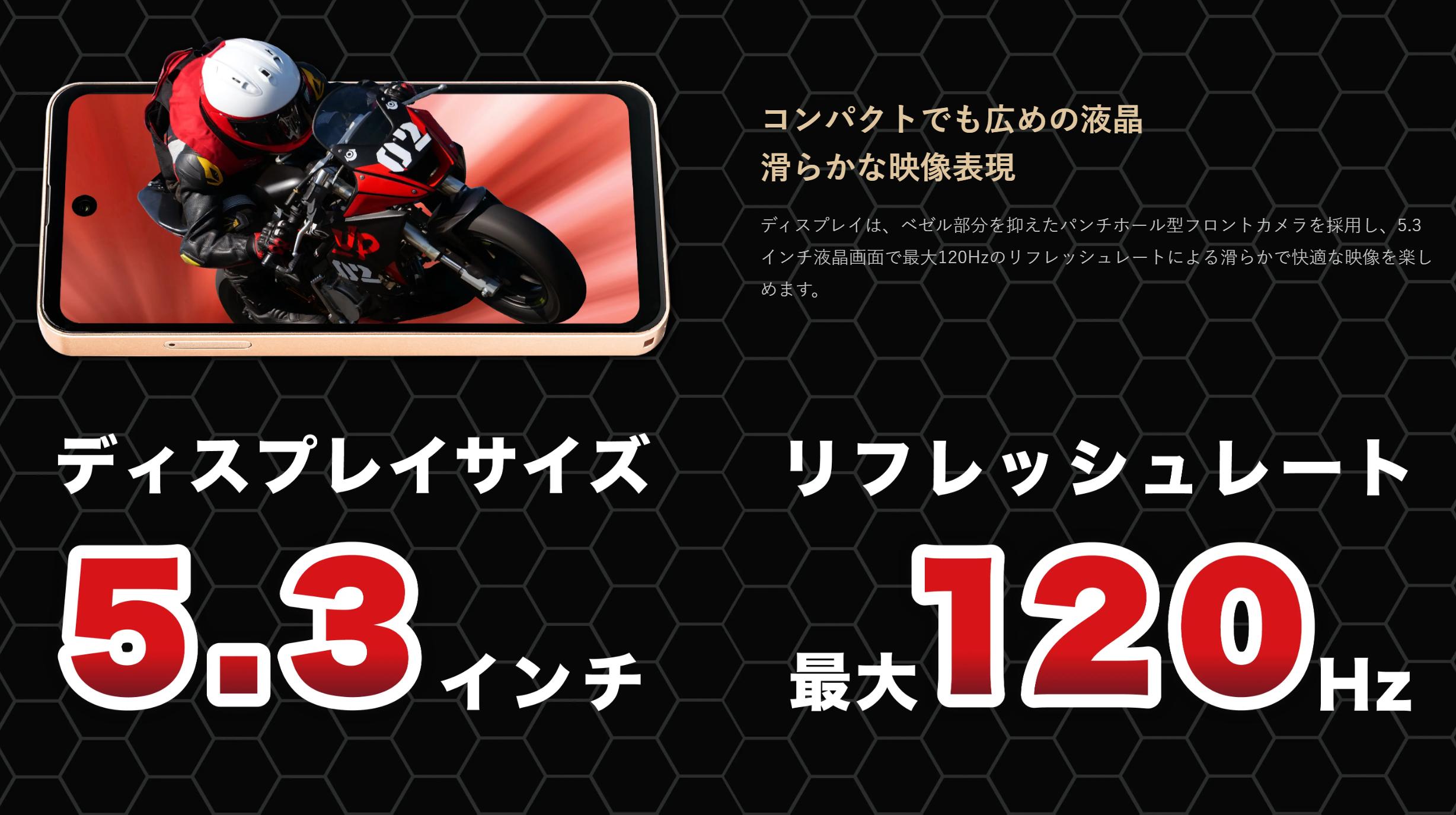
Yes, it uses an LCD screen, 5.3 inches with a 120Hz refresh rate, but the resolution is only 1560x720, which is what we usually call 720P.
To be honest, this resolution is really not up to par in 2025.
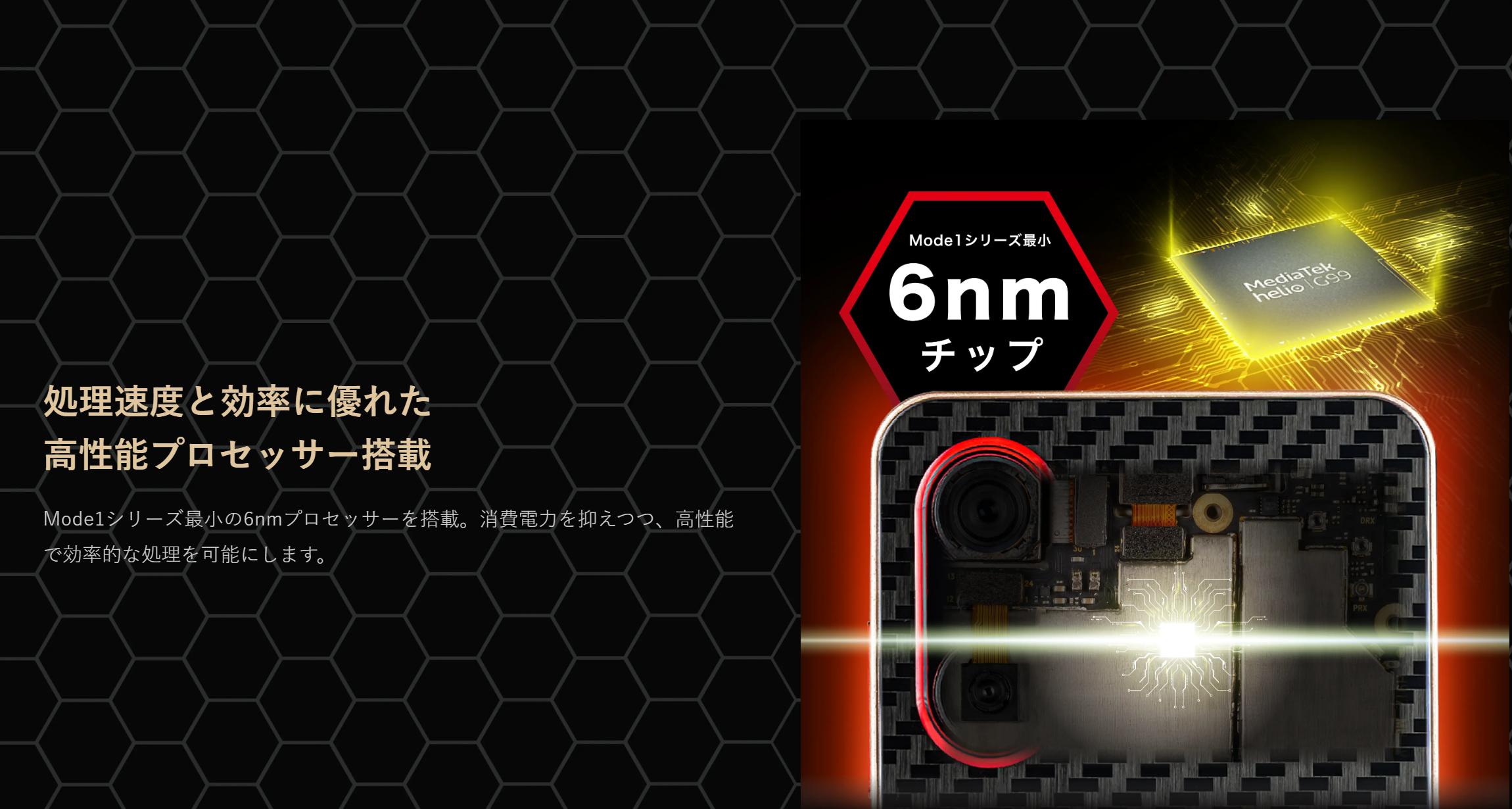
What's even more ridiculous is its performance. The Mode1 Pocket is equipped with MediaTek's Helio G99 processor, which is similar to the Dimensity 700, using TSMC's 6nm process technology. It has 2 2.2GHz A76 big cores and 6 2.0GHz A55 small cores.
This chip, well, maybe it could find its place in the entry - level mobile phone market two or three years ago. But in 2025, when domestic budget phones are popularizing the new generation of mid - range chips, using the G99 does seem a bit old - fashioned.
(Image source: Mode1)
It's almost a luxury to play large - scale games with it, and the smoothness of daily use is just barely enough.
The battery is not large, only 2900mAh. It supports a maximum of 15W wired charging. Due to the relatively weak processor, low power consumption, combined with a near - stock system and a small screen, the battery life won't be too bad actually.
In other aspects, it supports IP65 waterproofing, NFC, has an extremely advanced 3.5mm headphone jack, supports FM radio, short - focus fingerprint recognition, and supports TF card expansion up to 1TB.
The only pleasant surprise is that it supports 7.5W wireless charging.
So, the conclusion is clear. The Mode1 Pocket is just a product tailored to the specific needs of the Japanese domestic market, focusing on extreme portability and differentiation. The 720P LCD screen it is equipped with is more for cost control and product positioning than for eye - protection.
As for the price... Referring to previous products, it probably won't be very attractive.
Is the hope of LCD in BOE and others?
Although the news from overseas is a bit disappointing, it doesn't mean that the flame of LCD is extinguished. In fact, the real variable may be happening in the supply chain that we can't see.
Recently, some new rumors have started to spread in the tech circle.
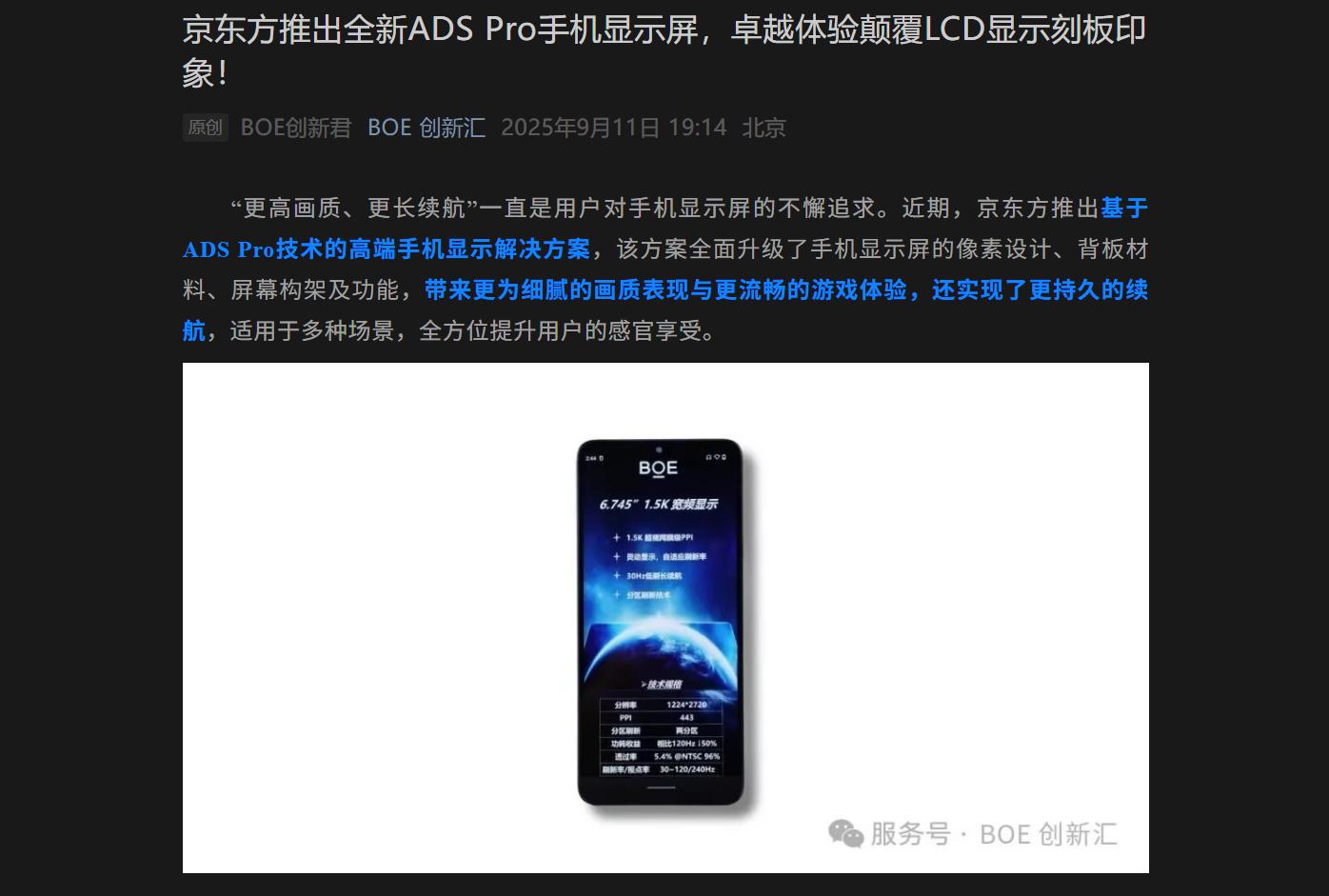
In mid - September, BOE posted an article on its official WeChat account "BOE Innovation Hub", introducing a newly launched high - end mobile phone display solution based on ADS Pro technology.
This solution claims to significantly improve the LCD experience through multiple technological upgrades. Its new pixel design further enhances clarity, with a brightness of up to 1500 nits; the upgraded backplane material enables a smooth 144Hz high - refresh rate; the core "Flexible Display" architecture can intelligently refresh in zones, reducing the overall power consumption by 20%; the first - of - its - kind under - screen integrated light - sensing sensor can not only automatically adjust the display according to the environment but also makes it possible for ultra - narrow bezels and a thin design.
(Image source: BOE)
On the other hand, according to the news from the Digital Chat Station, a domestic screen manufacturer is preparing to produce samples of a flagship - level 1.5K LCD screen.
Judging from the rumors, the specifications of this screen are quite attractive. It not only has a high resolution of 1.5K, comparable to a 600+PPI OLED in clarity, but also supports an adaptive refresh rate of 144Hz or even higher. More importantly, through new packaging technology, the screen bezels can be made narrower, and the overall visual effect will far exceed those "thick - bezel" LCD phones in our impression.
If these rumors are true, it will undoubtedly be a shot in the arm for LCD enthusiasts.
Because it means that technically, there is no obstacle to manufacturing an LCD flagship phone with an experience comparable to that of an OLED phone.
Everything is ready except the east wind. Now the question is, who will be the first to take the plunge?
Judging from the product line layout of various manufacturers at present, Honor and Motorola may have the greatest possibility.
(Image source: Honor)
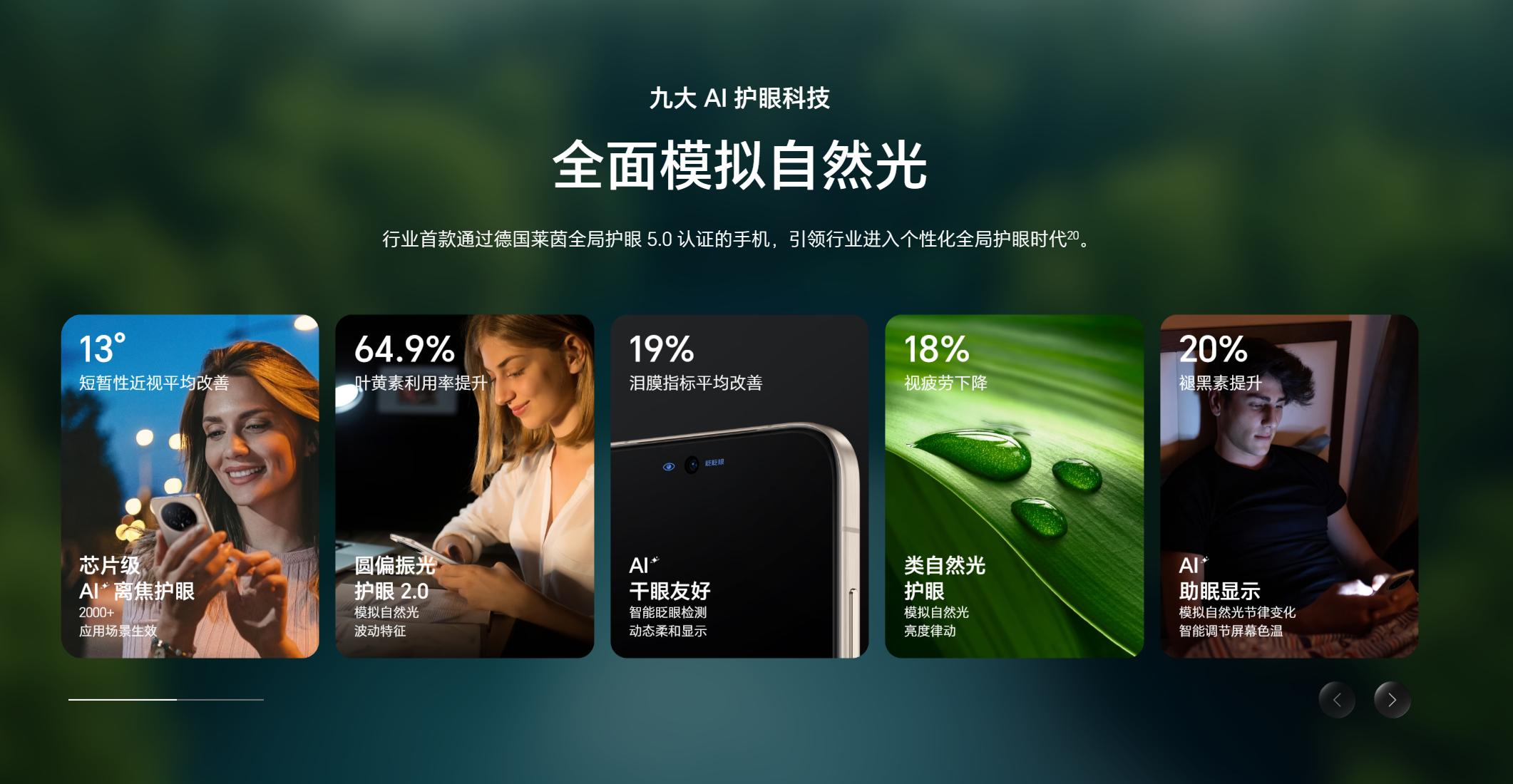
Honor has always had relatively in - depth accumulation in mobile phone eye - protection technology. From the early "Eye - protection Mode" to the later high - frequency PWM dimming, they have always placed great importance on users' visual health. If they can launch a mobile phone equipped with a top - level LCD screen, it will undoubtedly form a sharp contrast with the all - OLED mobile phones on the market. This is a card worth playing for Honor, which is seeking a breakthrough in the market.
Motorola, on the other hand, has always played the role of a "troublemaker" in the market. They are willing to try some non - mainstream technologies and designs, such as indestructible anti - drop designs, retro wooden backs, or unique color schemes in cooperation with Pantone. Taking a different path and using a top - level LCD screen to create a mid - to high - end "miracle phone" fully conforms to Motorola's unconventional brand image.
Anyway, when new possibilities emerge in the upstream of the supply chain, the downstream terminal products will always have an opportunity for change.
Does a real eye - protecting mobile phone only exist in fantasy?
At this point, we seem to be able to draw a portrait of an ideal LCD mobile phone.
It should have a top - level LCD screen with a 1.5K resolution and a 144Hz high - refresh rate, providing a delicate and smooth display; be equipped with a powerful flagship or sub - flagship processor to ensure a good experience in daily use and gaming; have a large battery of over 7000mAh to completely eliminate battery - life anxiety; and come with a decent imaging system and a simple and user - friendly system.
Sounds great, right? But reality is often harsher than ideals.
(Image source: Redmi)
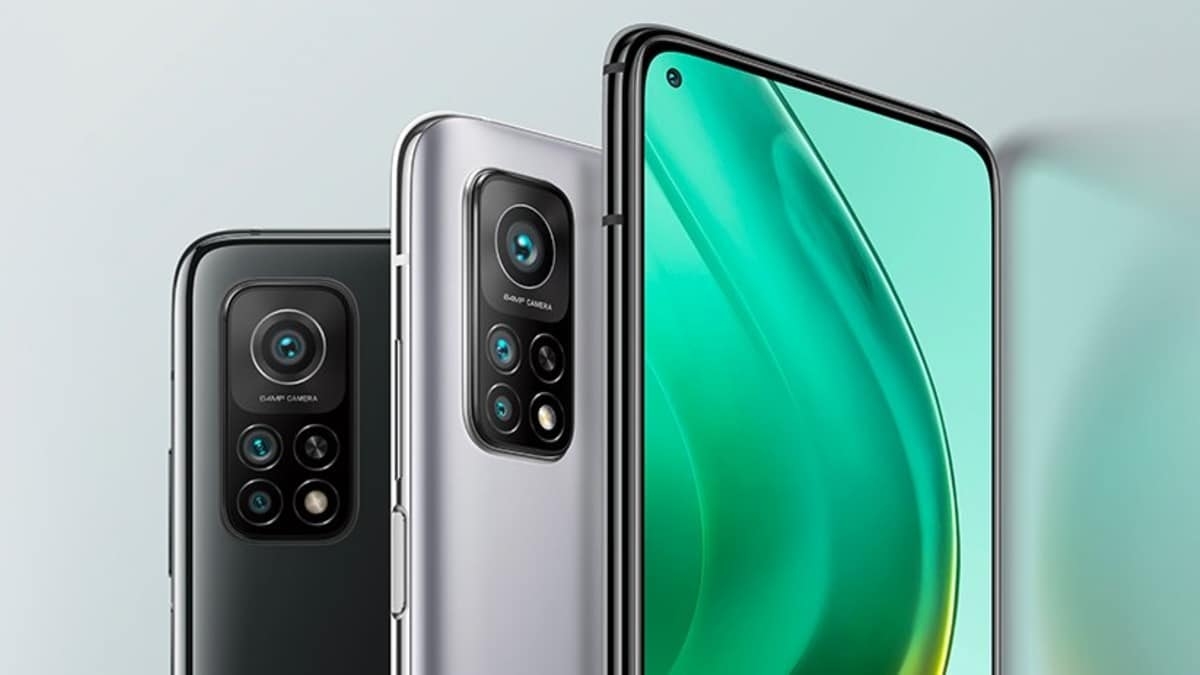
Do you want to make a top - level LCD phone? Sure. But even when the supply chain is ready, you still have to accept that it may be thicker and heavier than an OLED phone of the same specifications because space needs to be reserved for the backlight module. You have to give up under - screen fingerprint recognition and return to the side or back physical fingerprint solution, which will make your product seem less "flagship" in design.
Building an LCD flagship against the current means uncertain market risks. It's a business gamble that most manufacturers are reluctant to take.
Meanwhile, the issue of "eye - protection" is not simply a matter of DC and PWM dimming. Nowadays, mainstream manufacturers have adopted low - blue - light, natural - light - like, and ambient - light - adaptive technologies. The high - frequency PWM dimming technology has significantly improved the stroboscopic problem of OLED screens, and what really affects visual health is the result of multiple factors such as usage time and usage habits.
Therefore, the real victory for LCD supporters may not be waiting for a perfect mobile phone, but their continuous voices have successfully pushed "eye - protection" to the forefront of the industry. The pressure brought by this outcry has forced all screen technologies to iterate in a healthier direction, ultimately benefiting consumers.
In my opinion, this is far more important than the material of the screen itself.
This article is from the WeChat official account "Lei Technology", and is published by 36Kr with authorization.