Mid-range mobile phones in a mediocre position are caught in a "dilemma".
In October, major mid - range smartphone brands successively launched new models: iQOO 15, Redmi K90, OnePlus 15... Three new models were released within a week.
In the past two years, the global smartphone market has started to rebound and grow. According to data from Canalys and Counterpoint, sales increased by about 4% to 7% year - on - year. However, the growth is mainly concentrated at the two extremes of high - end and low - end. The mid - range smartphones, which once accounted for half of the entire mobile phone market, seem to have long lost their growth opportunities.
However, the user base in this segment is the largest.
Public data shows that among nearly one billion users in the Chinese smartphone market, 500 million users use mid - range smartphones priced between 2,000 and 4,000 yuan. Brands like Realme, OnePlus, iQOO, Redmi, and Honor are all competing fiercely in terms of high performance and cost - effectiveness.
While top manufacturers are pursuing high - end strategies, they also continue to hold their ground in the mid - range market.
Since the OPPO Reno14 was launched in May this year, the Huawei nova 14 series, Xiaomi Civi 5 Pro, and vivo S30 series have taken turns to enter the market. Although domestic mobile phone manufacturers have been striving to reach the level of Apple, in fact, most of the new models launched in the domestic market last year were mid - range smartphones.
As more and more mid - range smartphones are launched, the pressure in this segment has never been greater.
"Cost - effectiveness" is no longer the driving force for growth
An inescapable reality is that currently, the Chinese smartphone market has shifted from the incremental era to the stock era. The contradiction between the high - end trend and consumers' price sensitivity has become increasingly prominent. On the one hand, in the global mobile phone market, the market share of smartphones priced above $600 has increased from 11% to 28%.
On the other hand, the latest report from Counterpoint shows that the average selling price of global smartphones in 2024 was $356, approximately 2,594 yuan. A survey by Sina Technology shows that up to 70% of users clearly stated that they would not accept price increases for mobile phones.
The performance in the consumer market is even more obvious. Data from the JD platform shows that in Q4 2024, the sales of flagship smartphones decreased by 8% year - on - year, while the sales of mid - range models (priced between 2,000 and 3,500 yuan) increased by 12%.
On one hand, high - end mobile phones are continuously expanding their market share. On the other hand, the upgrade of consumers' mobile phone consumption has not been truly realized. This rather absurd contrast has forced manufacturers to focus their competition on the mid - range market priced between 2,000 and 3,500 yuan. This has also indirectly led to the gradual ineffectiveness of cost - effectiveness, which was the main driving force for the growth of mid - range smartphones.
Taking 2024 as an example, as many as 396 new models were launched in the Chinese market, with most of them being mid - range smartphones. From November 25th to December 5th alone, there were the vivo S20 series, REDMI K80 series, OPPO's Reno13 series, Honor 300 series, iQOO Neo10 series...
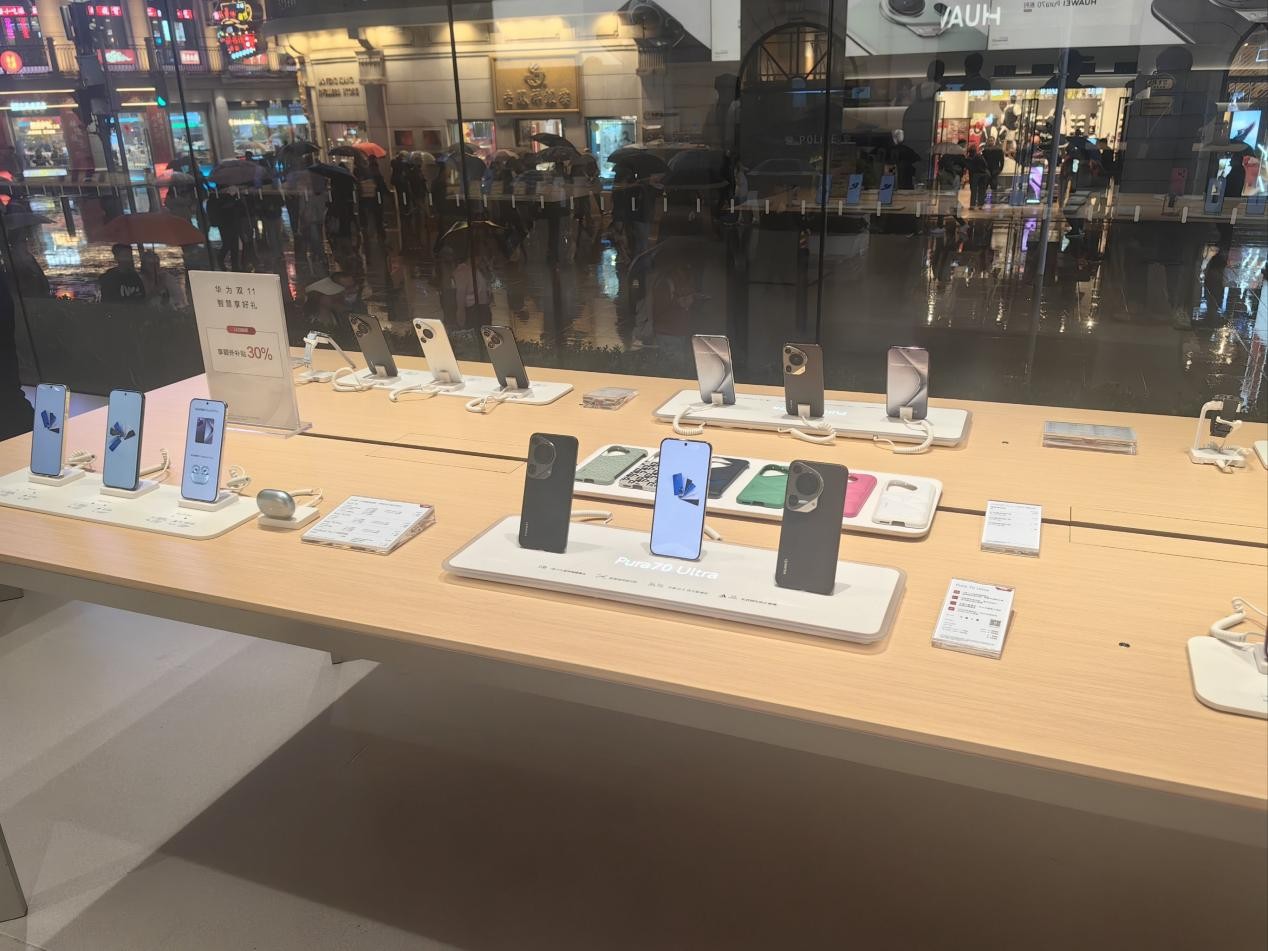
However, the intensive product iterations have not brought about real differentiation. Instead, they have led to serious performance over - capacity and homogenization.
It is reported that as of now, features such as slim design, satellite communication, AI eye - protection, and capabilities for photography, music, and gaming, which were once core selling points in the 2,000 - plus yuan price range, have basically become standard features for mid - range smartphones. Even price "differentiation" no longer exists. For example, in the 2,599 - yuan price range this year, there are the Redmi K90 standard version, OnePlus Ace 6, and iQOO Neo11.
When mid - range smartphones from all brands have similar parameters and functions, and there is no significant price difference, it is obvious that consumers will find it difficult to make a choice through comparison.
Secondly, the intensifying price war has further weakened the cost - effectiveness advantage of mid - range smartphones.
To date, the mid - range smartphone market has shown a trend of "price - cut competition". Initially, the starting prices of the Honor 300 series, vivo S20 series, and iQOO Neo10 Pro decreased by approximately 400, 300, and 200 yuan respectively compared to the previous generation. Coupled with the wave of national subsidies, the cost - effectiveness competition has been unprecedentedly fierce.
Data shows that during the first phase of the Tmall 618 promotion in 2025, more than 2,000 mobile phones were eligible for both Tmall 618 discounts and national subsidies. With double subsidies, prices dropped to as low as 50% off, covering mainstream mobile phone brands such as Huawei, Xiaomi, OPPO, vivo, Honor, Samsung, and OnePlus. The prices of some mid - range models were far from their launch prices.
During the Double 11 promotion, subsidy - driven consumption continued. It is reported that models such as the vivo X200 series and iQOO Neo series are expected to have a price cut of 10% - 20% during the "Double 11" period. The price of cost - effective models like the iQOO Neo10 dropped to 1,571 yuan during the 618 promotion. All these signs have put mid - range smartphones in an embarrassing competitive situation.
In addition, the price cuts in the high - end camp have dealt a crucial blow to mid - range smartphones.
Mid - range smartphones, which originally relied on cost - effectiveness, have seen their core competitive advantages further eroded after high - end smartphones lowered their price thresholds. Consumers can access high - end configurations without paying a high price, which naturally diverts potential users of mid - range smartphones and makes the already pressured mid - range market even more difficult.
For example, flagship models such as the Huawei Mate 70 series and Pura 70 series are expected to have a price cut of more than 1,000 yuan during the "Double 11" period. Some models, such as the Mate X3 foldable phone, have a maximum price cut of up to 4,000 yuan. The iPhone 16 Pro was included in the national subsidy scope for the first time during this year's 618 promotion, which directly led to a nearly 200% surge in Apple's transaction volume in May compared to the previous month.
During the Double 11 period, the previous - generation iPhone 16 series from Apple had a price reduction of more than 20%. The starting price of the iPhone 17 standard version remains at 5,999 yuan (256GB storage), and after the national subsidy, the price drops to 5,499 yuan. Undoubtedly, this price directly encroaches on the territory of domestic manufacturers, affecting both mid - range and high - end segments to varying degrees.
As early as the third quarter of last year, Apple's price cuts led to a 7% quarter - on - quarter decline in the shipments of domestic manufacturers' main models priced between 3,000 and 5,000 yuan. According to Counterpoint data, in the first two weeks of October 2025, the sales of Chinese smartphones increased by 11% year - on - year. Among them, the sales of Apple iPhones increased by 29% year - on - year.
In the stock era, the cost - effectiveness foundation of mid - range smartphones has been undermined by multiple factors.
Homogeneous competition makes it difficult for products to form unique value; the disorderly price war compresses profit and value space; coupled with the downgrade of consumer demand, users tend to choose low - priced and practical products or are attracted by the price - cut high - end smartphones... The interaction of these three factors has made the situation of mid - range smartphones increasingly difficult.
Beyond gaming, competing in various demand segments
To be honest, even without the influence of various complex factors, the situation of mid - range smartphone brands in the entire mobile phone market would not be very good. The consumer group in this price range generally lacks brand loyalty. Their core demands are both cost - effectiveness and "ultimate satisfaction" at the same price level.
From brands like Redmi, Honor, iQOO, and Realme starting with a large - scale product strategy and cost - effectiveness to creating "sub - flagship" models by introducing flagship technologies, the original competitive logic of mid - range smartphones has been exhausted. Now, brands in this market need to focus on and amplify their individual strengths.
For example, in October this year, iQOO 15, Redmi K90, and OnePlus 15 all focused the highlights of their new models on gaming.
There has been intense competition among mobile phone brands in the gaming segment.
Since 2017, driven by a series of popular national games such as "Honor of Kings" and "PlayerUnknown's Battlegrounds", mobile phones such as the Razer Phone from Razer, the Black Shark invested by Xiaomi, the Red Magic from ZTE, the ROG from ASUS, the iQOO from vivo, the Realme from OPPO, and the Legion gaming phone from Lenovo have been successively launched.
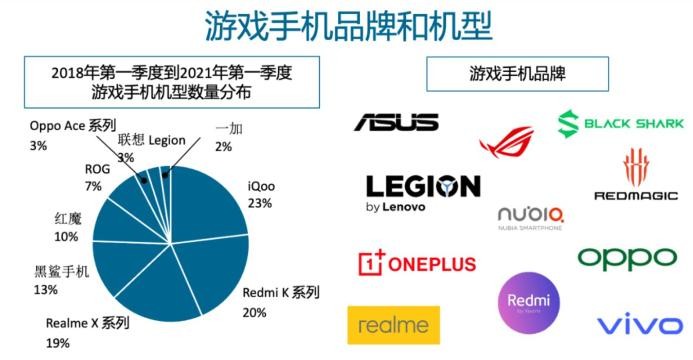
However, dedicated gaming phones have not been able to gain a firm foothold. It is worth noting that mid - range smartphones generally incorporate gaming - related configurations such as e - sports optimization and flagship - level performance. Some brands have achieved fairly good results. For example, the Honor GT Pro focuses on the e - sports segment and won the sales championship in the 3,000 - 5,000 - yuan range on all platforms during its first sales period.
Similarly, on October 27th, OnePlus announced that it would continue to focus on the gaming performance segment. Data shows that OnePlus' sales in the first three quarters increased by 36.7% year - on - year, making it the brand with the fastest growth rate. A large number of users are from other brands, and it is estimated that OnePlus' overall growth rate within the year is expected to reach 50%.
The "2024 China E - sports Industry Report" shows that the scale of China's e - sports user base has reached 490 million, with a relatively high proportion of "Generation Z" (those born between 1995 and 2010). Gaming phone users are characterized by youthfulness (over 72% are between 18 and 35 years old) and high activity. Their average mobile phone replacement cycle is only 18 months, significantly shorter than the 24 - month cycle of ordinary smartphone users.
Currently, domestic mobile phone manufacturers are fiercely competing for young users. As of June 2025, the proportions of users under 24 years old for Xiaomi, OPPO, and vivo have reached 35.2%, 32.8%, and 40.7% respectively, with year - on - year increases of 5.3%, 3.2%, and 4.8% respectively...
Specifically, OnePlus has targeted the highly active gaming user group aged between 18 and 35 and successfully promoted the migration of users from other brands. This also implies that mobile phone manufacturers need to extend their segmented functions to more demand scenarios, and achieve in - depth binding with target users by amplifying corresponding strengths, thus breaking out of the homogeneous competition.
Beyond gaming, what kind of mid - range smartphones do young people need? Social imaging, long battery life, and practical AI features... These all seem to be the answers.
Interestingly, the introduction of flagship technologies has enabled most mobile phone manufacturers to develop their strengths. The popularization of technologies such as photography algorithms, flagship processors, and high - silicon batteries has allowed mid - range smartphones to break away from the previous performance limitations. While pursuing all - around performance, focusing on a single segment is also a viable option.
More importantly, the streamlining of edge - side models and the upgrade of chip computing power will further promote the penetration of AI - enabled mobile phones into the mid - range price segment.
Data released by Counterpoint shows that starting from 2025, Gen AI functions will gradually be popularized in mid - range models. 59% of people plan to upgrade to Gen AI smartphones within a year. By 2027 - 2028, even entry - level smartphones will be equipped with generative AI technology.
However, what is worrying is that the window of opportunity opened by segmented functions for mid - range smartphones has quickly become an arena for a new round of competition. As Gen AI technology accelerates its penetration into the mid - range price segment and imaging optimization and long battery life become standard competition points, brands are flocking to popular segmented segments, and the once - unique strengths will quickly be copied and caught up by competitors.
Just like the "all - rounder" smartphones in the past, mid - range smartphones have quickly fallen into a new cycle after breaking out of the old one.
How to get out of the "profit dilemma"?
According to the report from the China Report Hall Network, as of the end of the third quarter of 2025, the Chinese electronic information manufacturing industry has continued its steady growth trend. The mobile phone industry, as a core area, has shown particularly prominent performance. In the first three quarters, the production of smartphones in China reached 881 million units, a 1% year - on - year increase.
However, this growth has not translated into market profit dividends. Specifically, in the first half of 2025, the profits of many mobile phone manufacturers plummeted:
In July, Samsung Electronics released its financial report, showing that its revenue from April to June reached 74 trillion won, basically flat year - on - year and a 6.49% quarter - on - quarter decline. During the same period, the company's operating profit decreased by 55.94% year - on - year. In China, Huawei's net profit in the first half of the year was 37.195 billion yuan, a 32% year - on - year decline.
Looking at a broader scope, the profit fluctuations in the mid - low - end segment are even more significant:
Xiaomi's gross profit margin for smartphones decreased from 12.1% in the same period last year to 11.5%, and the gross profit margin in the previous quarter was 12.4%. Transsion achieved an operating revenue of 49.54 billion yuan from January to September this year, a slight 3.3% year - on - year decline; its net profit attributable to shareholders dropped significantly to 2.15 billion yuan, a 44.97% year - on - year plunge; the non - recurring profit after deduction further declined to 1.73 billion yuan, with the decline rate expanding to 46.71%.
Since OnePlus was incorporated into OPPO, only its sales volume is known, and its profitability has always been a mystery. As early as 2022, OnePlus even publicly stated that for the next three years, in order to produce good products, the comprehensive net profit margin of hardware could be 0. It seems that only Apple has been consistently making money. In the fourth fiscal quarter, Apple's net profit was $27.466 billion, an 86% increase compared to $14.736 billion in the same period last year.
Why did the profits of mobile phone manufacturers decline significantly in 2025?
Lu Weibing, the president of Xiaomi Group, further explained the reason for the decline in gross profit margin, saying that the price increase in the entire memory market this year was much higher than expected, coupled with the export control of building materials. At the same time, Li Jie of OnePlus also said that the current mobile phone industry is facing rising costs of upstream components: "Currently, the price of memory has increased significantly, while other components show periodic fluctuations."
This is indeed the case.
A report from the Beijing News shows that the price increase of storage chips has covered all categories of