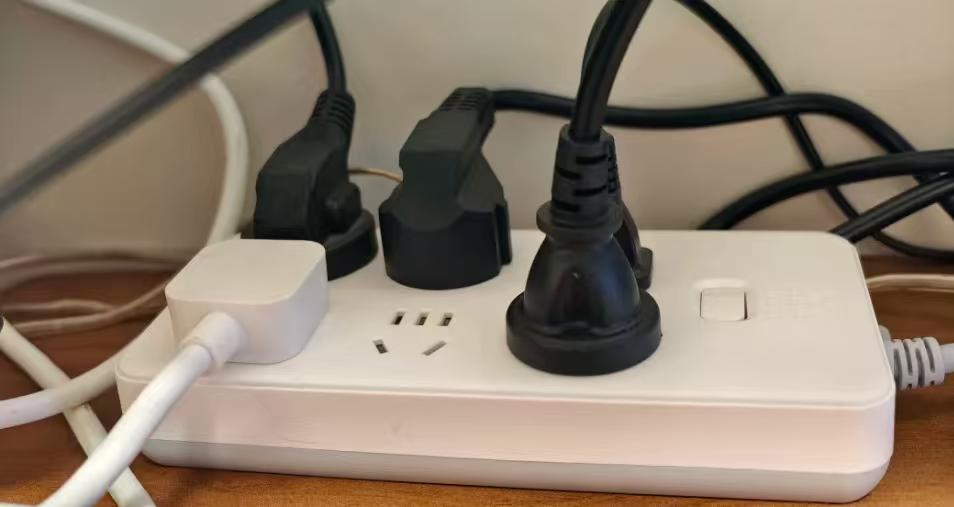
Those who still have this kind of power strip at home can replace it.
Computers, fans, washing machines, ovens, microwaves, kettles... There are more and more household appliances. When using them, people often plug multiple electrical devices into a single power strip at the same time. Some people even use a fully - plugged household power strip to charge their electric scooters.
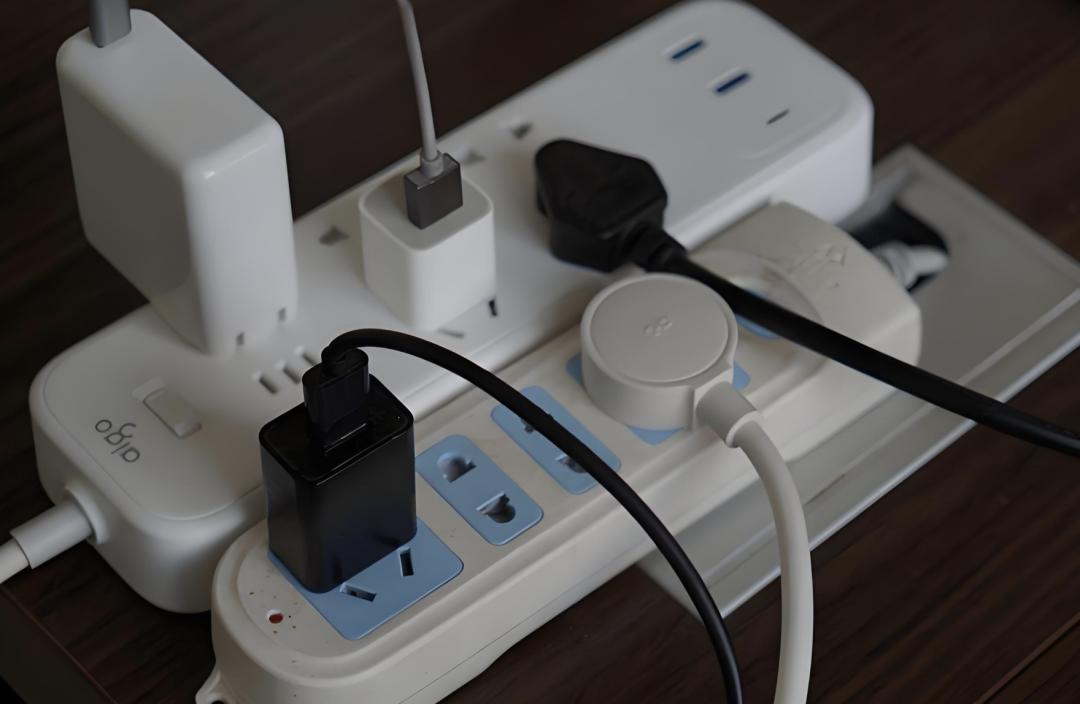
Behind this seemingly convenient operation, there are often many hidden dangers. Once the power exceeds the load, the power strip may heat up rapidly in a short period. After the internal contact pieces overheat, a fire is likely to break out at any moment.
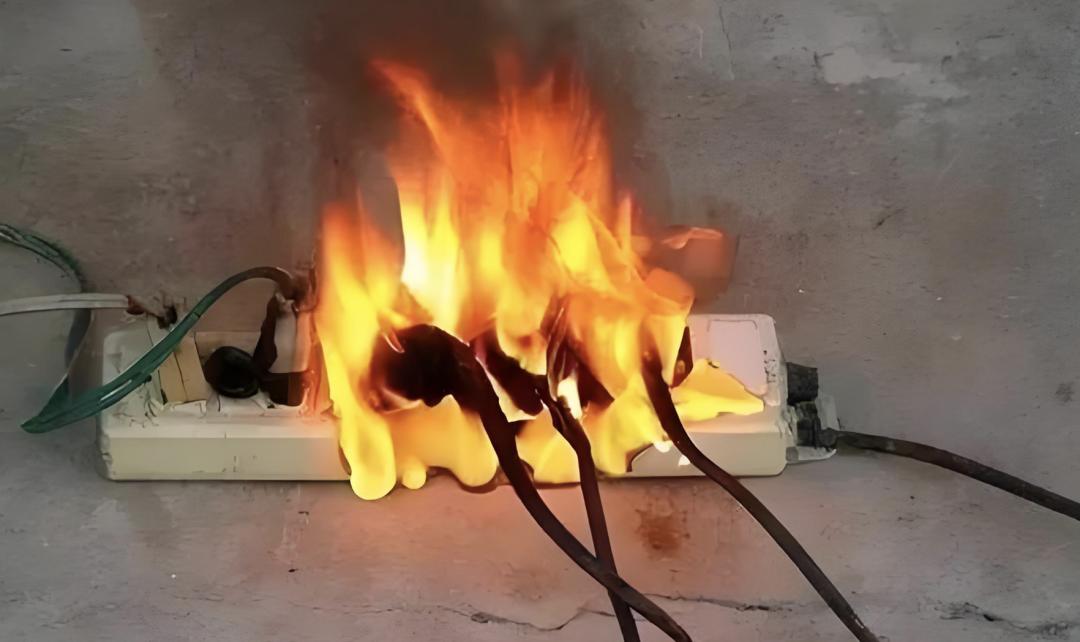
In this way, people's safety is naturally not guaranteed. However, there is now a new solution to this problem.
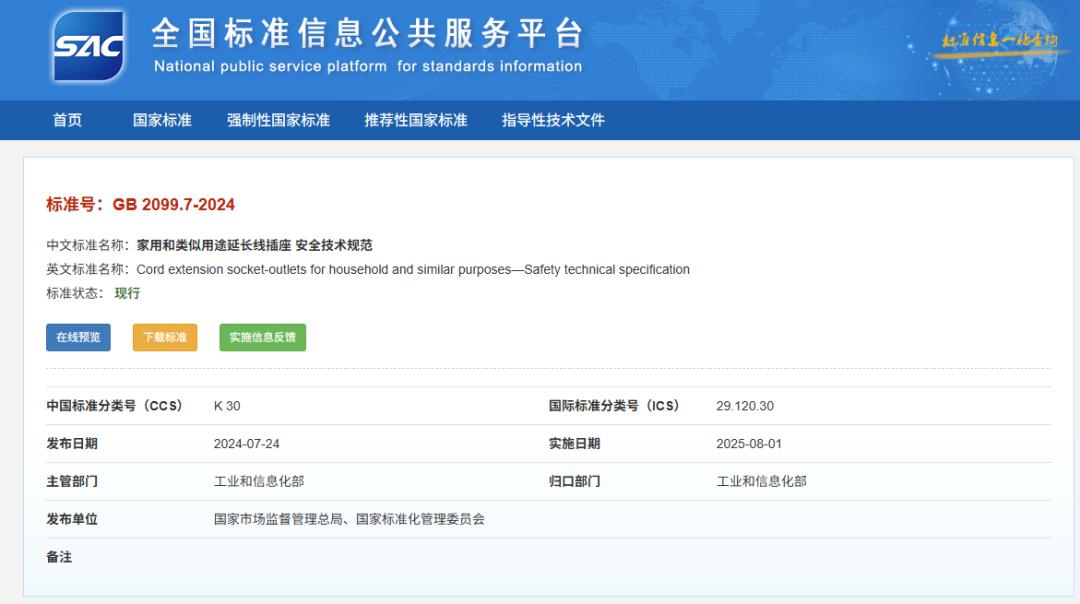
In other words, from now on, the production of power strips in this field will be subject to stricter regulations.
So, what exactly are the changes between the new national standard for household DC sockets and the previous one?
Is the emergence of the new national standard really a good thing for ordinary people?
Someone Guards the Safety "Bottom Line"
When it comes to the new national standard for power strips, many people may be most interested in knowing the differences between it and the old one.
So, which standards have been updated in the new national standard? Specifically, the updated parts mainly involve electrical safety.
Two types of outdoor - specific products, the charging socket for electric bicycles with extension cords and the discharging socket for electric vehicles, which were not included in the old national standard, have been added to the new one. At the same time, it is also emphasized that they must have functions such as waterproofing, anti - rolling, anti - vibration, and over - charge protection.
It has to be said that these regulations are very detailed.
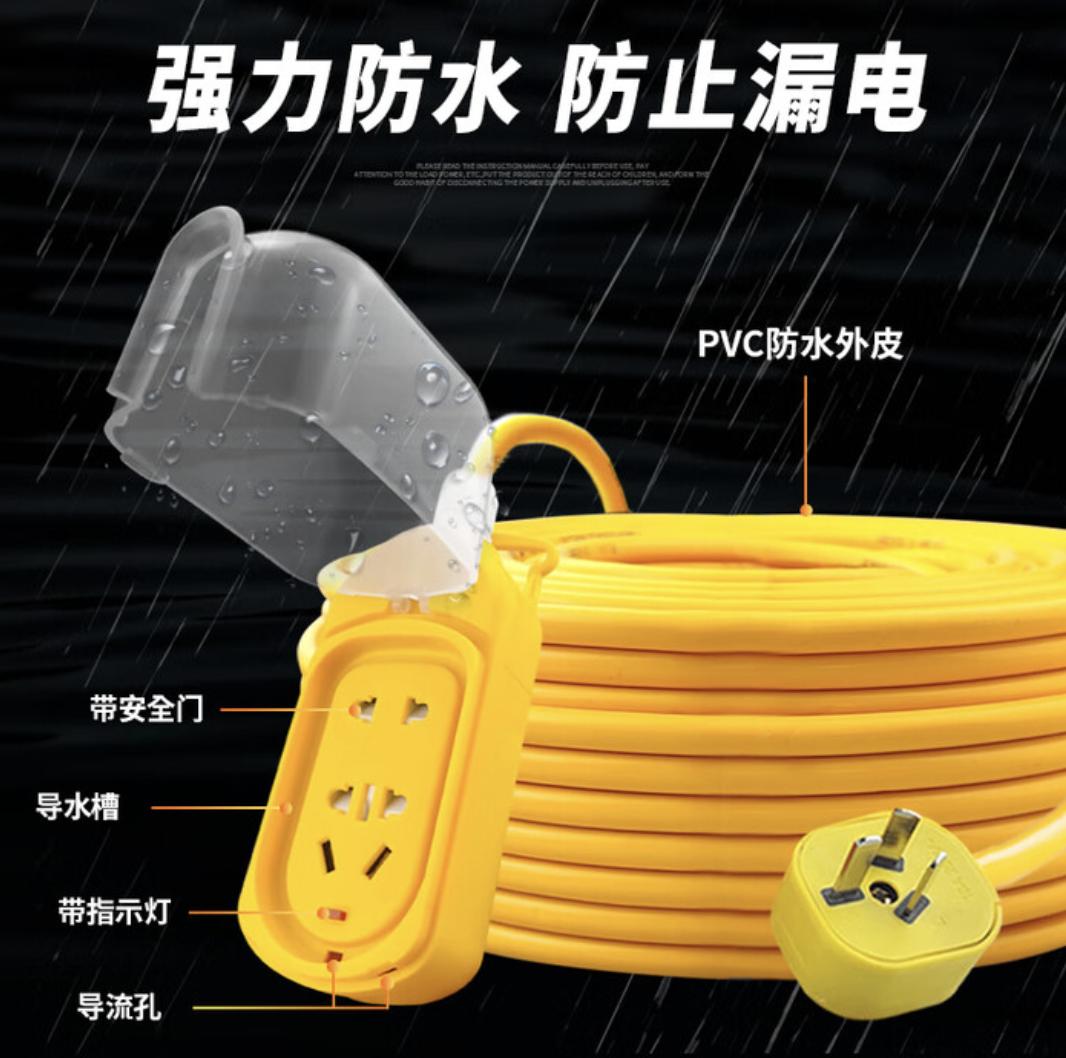
In addition to outdoor use, there are more and more household appliances nowadays, and some furniture even comes with power strips.
Before the new national standard was introduced, many people did not consider the safety of power strips in such scenarios. This time, the new national standard has added several categories for indoor power strips, such as furniture - mounted power strips and power strips with cable reels.
The new national standard has taken into account issues such as heat dissipation and stability that people didn't think about before.
For example, for power strips used in furniture, new requirements for mechanical stability and heat dissipation have been added; for power strips with cable reels, it is stipulated that the length of the flexible cable shall not exceed 3 meters, etc.
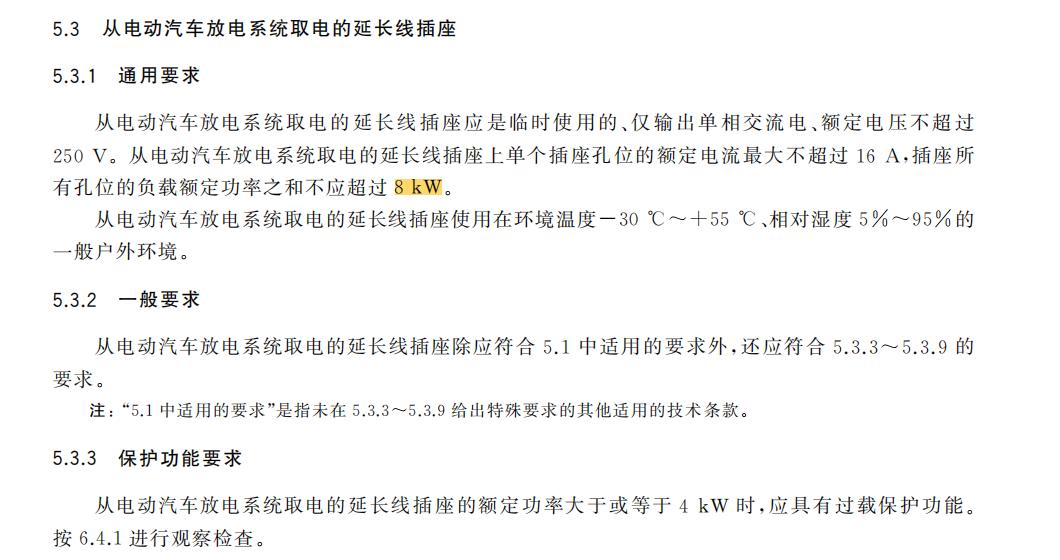
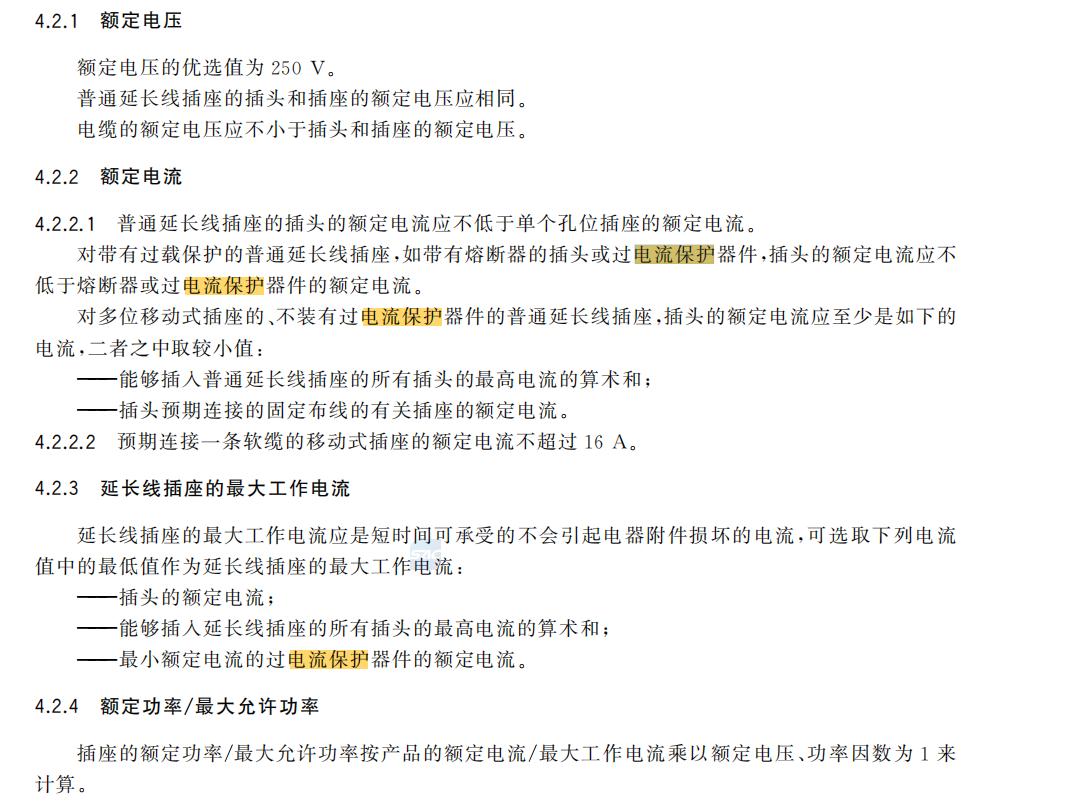
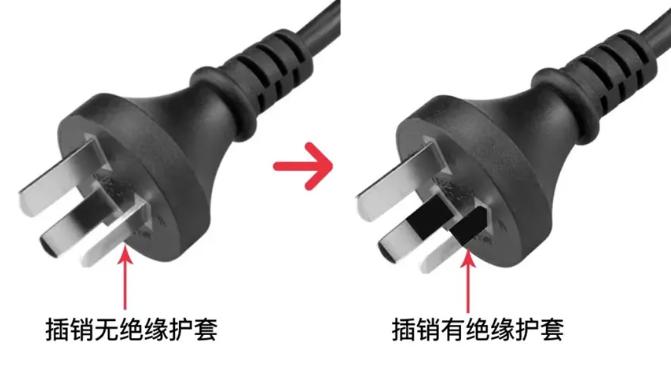
In addition, the new national standard has set different power limits for different types of power strips. For example, the power of ordinary power strips should be ≤4kW, the power of power strips for electric vehicles should be ≤8kW (achieved through multi - socket combination), the power of furniture - mounted power strips should be ≤2.5kW, and the power of power strips with cable reels should be ≤1.5kW, etc. This time, the standards for traditional power strips have also been upgraded. For example, power strips with 4 or more sockets must be compulsorily equipped with over - current protection. Even the plugs that come with the power strips are required to have an insulating protective cover, which means it comprehensively protects people's electrical safety.
Is the New National Standard Really That "Necessary"?
Many people may not understand why the new national standard needs to be upgraded when the old one already has certain regulations for power strips. In fact, with the diversification of electrical usage scenarios, the old national standard for power strips is no longer suitable for today's rich electrical needs. Especially after electric bicycles and electric vehicles have become more popular, many people use power strips for indoor household electricity to charge these high - power devices instead of using the safer dedicated charging power strips for electric vehicles.
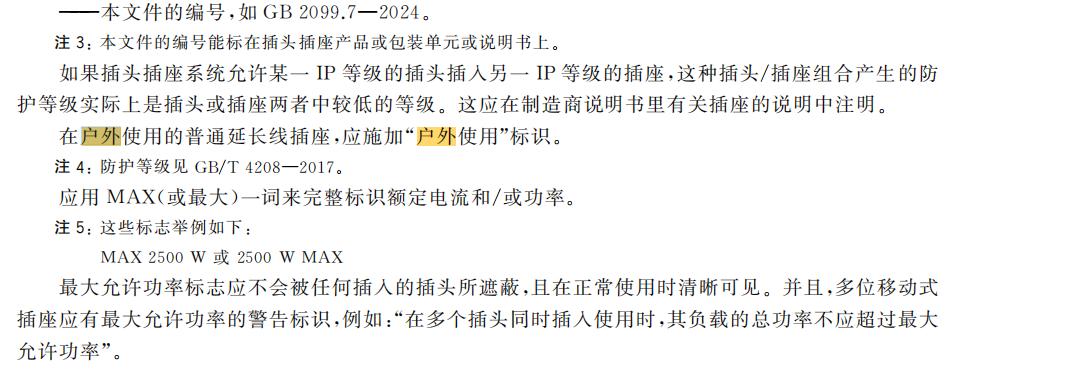
To put it simply, there are more and more devices that need to be charged both outdoors and indoors. The regulations of the old national standard for these two major scenarios are not very clear and strict. Such vague definitions make it easy for businesses and users to take advantage of loopholes. Now, the new national standard has set separate standards for indoor and outdoor power strips, and all kinds of details have been supplemented, so the charging safety is naturally better guaranteed.
For example, we often see news about charging spontaneous combustion accidents, which were not easy to occur when there were fewer large - scale charging devices in the past. Now, with more large - scale electrical appliances, many people are used to filling up power strips. When a power strip is fully loaded with various electrical appliances such as microwaves, ovens, and air fryers, the power it bears may directly exceed 2000W. In such an environment, the power strip can heat up rapidly within 15 minutes, and the deformation of the copper sheets can exceed 0.8mm, which means danger may break out at any time.
An experiment shows that if a power strip is connected to 3 electrical appliances with a power of 1500W at the same time, it may not even last for 5 minutes before self - igniting. With the over - current protection in the new national standard, as long as a short - circuit or overload is detected and the current exceeds the maximum limit, it can automatically and quickly cut off the power supply, nipping the risk in the bud.
The protective cover is even more important. People with children at home know how curious children are about power strips. There have been news reports about children using power strips as toys and getting seriously injured by electric shock. The protective cover required by the new national standard can avoid such risks. With the protective cover, even if one accidentally touches the metal part of the plug pins, the risk of electric shock can be better avoided. Moreover, with this protective cover, dust and moisture will not get into the plug in the humid environment of the rainy season, which may cause electrical malfunctions.
In the era when a single light bulb was enough, if the power load was too heavy, the main risk was just a blown fuse, and many people could even solve it easily by themselves. In the era of electrification, power strips are needed everywhere. The more high - frequency usage scenarios there are, the more important safety standards are for ordinary people. From this perspective, the emergence of the new national standard for power strips is definitely not a bad thing.
With Just One Word Difference, How Can Ordinary People Avoid Pitfalls?
Of course, the emergence of the new standard means stricter requirements. When ordinary people have not yet understood its meaning, some businesses like to play "tricks". For example, they may deceive people into thinking that there is not much difference between the old and new national standards, or they may pass off inferior products as genuine ones and make users fall into traps.
Although there is only one word difference between the old and new national standards, their coverage and the binding force on businesses are completely different. The new national standard, which is a mandatory national standard, has legal binding force, and enterprises must strictly implement it.
The boundaries of the old national standard were not clear, and many small and unscrupulous factories cut corners. Now that it has been upgraded to a mandatory national standard, as long as power strips are purchased through regular channels, they will basically have safety guarantees.
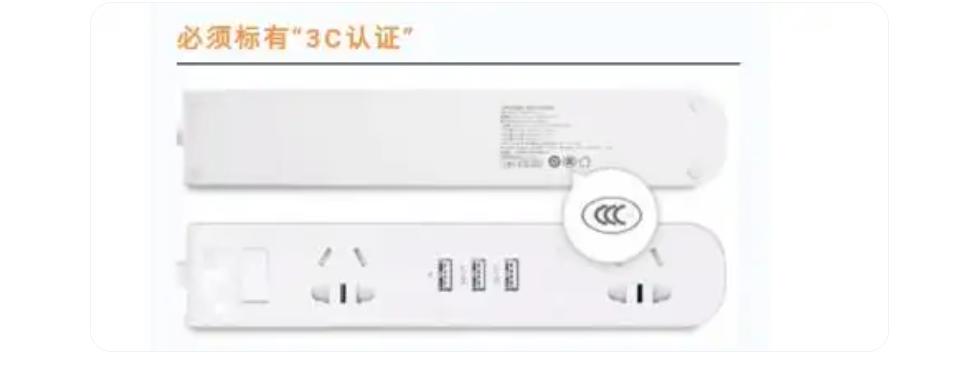
However, ordinary people also need to be vigilant.
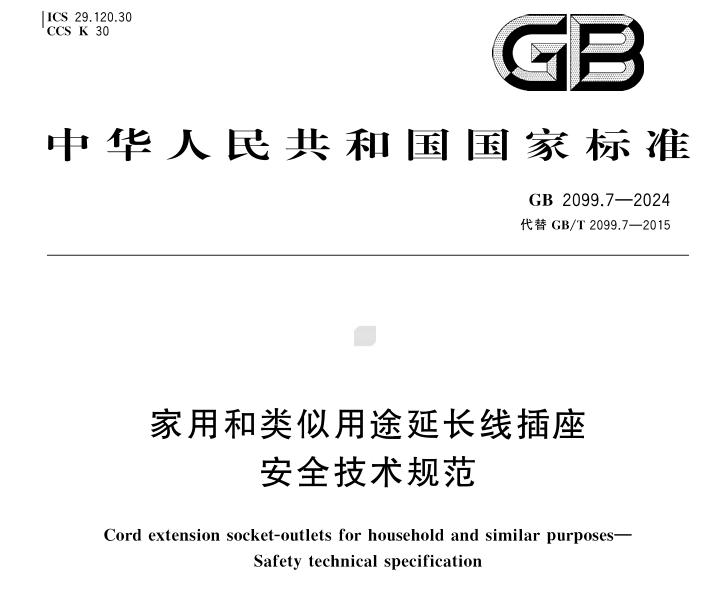
On August 1st, the new national standard was officially implemented. When purchasing power strips, as long as people look for the "GB2099.7 - 2024" certification information marked on the packaging, they can basically avoid pitfalls.
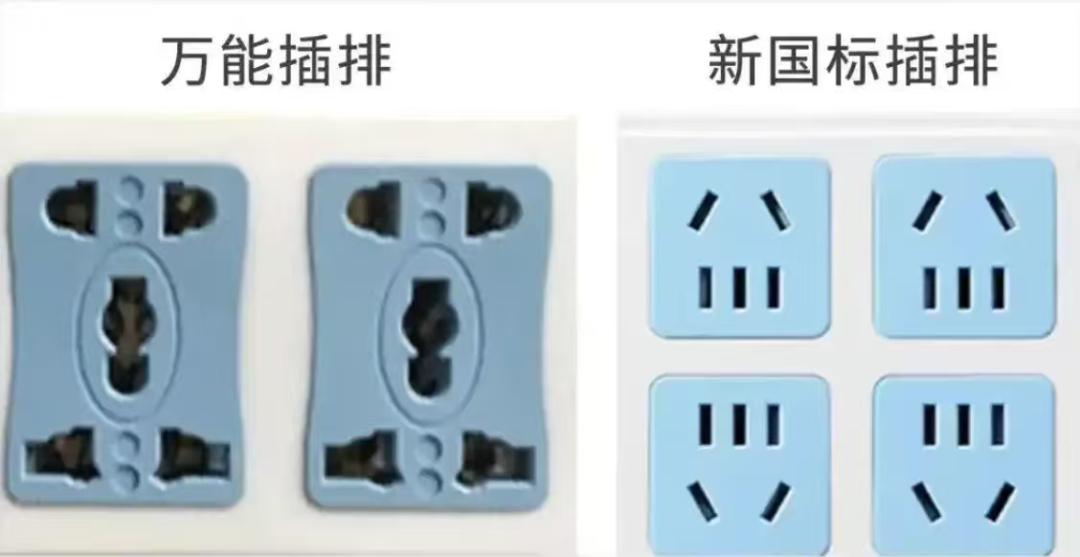
Of course, the deception of businesses should not be believed. After all, all - purpose power strips are also very popular in the market. Many enterprises in the market promote that all - purpose power strips are convenient to use and deliberately avoid the product safety issues. These power strips with extra - large sockets and no safety protection measures have a relatively high risk of electric shock and must be firmly rejected.
Supporting this new national standard actually has another meaning. On the one hand, the new national standard promoted by our country this time is actually the world's first international standard proposal specifically for household DC plugs and sockets. Its emergence fills the long - existing standard gap and lays a technical foundation for the safe promotion of DC power supply in the field of residential and consumer electronics.
On the other hand, the international establishment of the standard shows China's technical ability and standard - setting power in this field. This will be beneficial for promoting the implementation of low - carbon systems such as "photovoltaic + energy storage + DC power consumption", improving energy utilization efficiency and facilitating the green and low - carbon transformation. It can be said that this is a great thing that benefits both the country and the people.
Conclusion
Behind the emergence of each new standard is a "blood and tears history" of safety accidents. For ordinary people, the new national standard for power strips will greatly reduce the risks of fire and electric shock.
For the industry, the new national standard proposal was submitted by China, which fills the international standard gap in the field of household DC sockets. Of course, ordinary people don't need to think too much. As long as the new national standard for power strips can improve the safety "bottom line" of our daily lives, it is a great thing that benefits the people.
This article is from the WeChat official account "Tech Fox" (ID: kejihutv) , author: Old Fox. It is published by 36Kr with authorization.