Hat der KI-Champion, der Yangtze Memory verpasst hat, seine dunkelste Zeit hinter sich?
Semiconductors are undoubtedly the strongest main line on the Chinese A-share stock market this year.
Almost all stocks associated with this concept have experienced a wave of euphoria.
However, in this hot atmosphere, there is a former industry company whose stock price performance is rather mediocre and has even experienced a significant decline recently.
It is called Tsinghua Unigroup Co., Ltd.
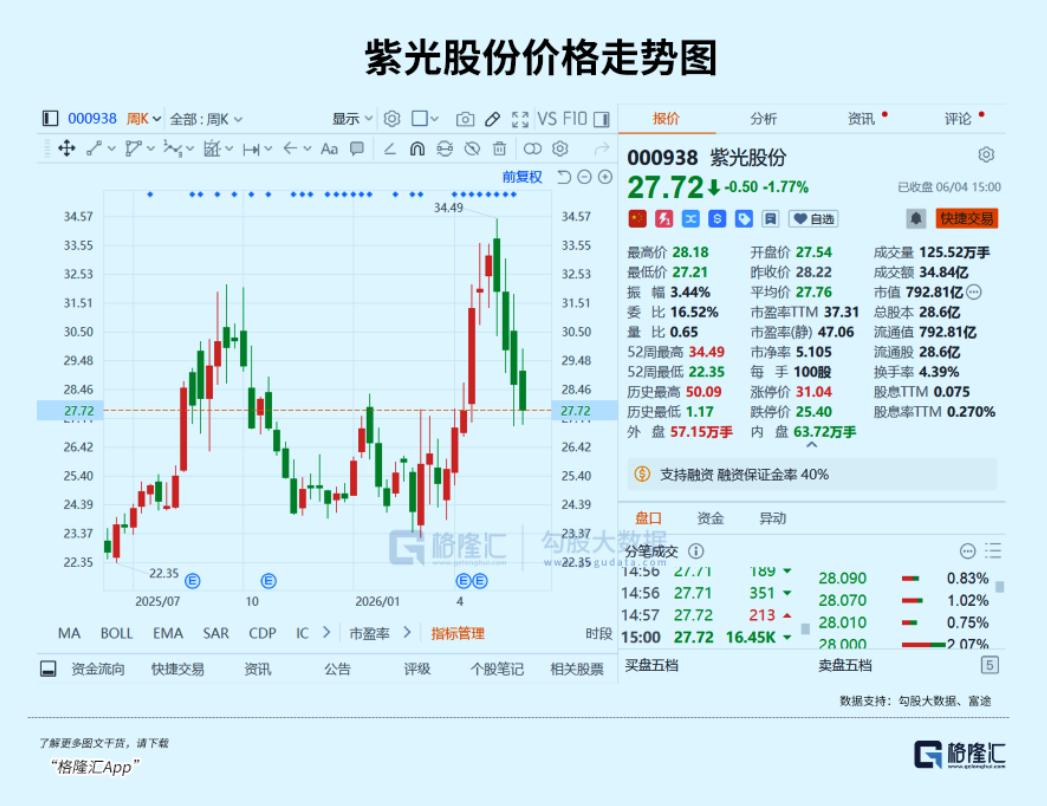
Perhaps the biggest regret of this company is that it sold Yangtze Memory Technologies Co., Ltd. for only 6 billion yuan four years ago.
Today, while Yangtze Memory Technologies Co., Ltd. is preparing for its IPO, it has a valuation of over 20 billion yuan.
Has Tsinghua Unigroup Co., Ltd., which has been in reorganization for four years, left behind its darkest hour while Yangtze Memory Technologies Co., Ltd. is successful?
01 A Risky Gamble
In 1999, Tsinghua Unigroup Co., Ltd. was listed on the A-share stock market, supported by Tsinghua University and honored as the "King of Scanners".
At that time, it was still small and had diverse businesses, but the opportunities for development began to take shape.
Four years later, Huawei spun off its enterprise network division and founded the joint venture Huawei 3Com (H3C) with 3Com, which later became the predecessor of New H3C Group.
Tsinghua Unigroup Co., Ltd., which was looking for growth opportunities at that time, missed out on its future core business.
The turning point came in 2009.
Zhao Weiguo, a former student of Tsinghua University, acquired 49% of the shares of Tsinghua Group and took over the leadership.
Zhao Weiguo, who comes from the real estate industry and studied at the School of Electronics of Tsinghua University, gave the company a strong boost after taking over Tsinghua Group.
He firmly believes in the strategy of "capital for technology" and has set the goal of "making Tsinghua a world-leading semiconductor company in five years".
In 2013, Tsinghua spent $1.78 billion to acquire Spreadtrum Communications and in the next year, $900 million to acquire RDA Microelectronics.
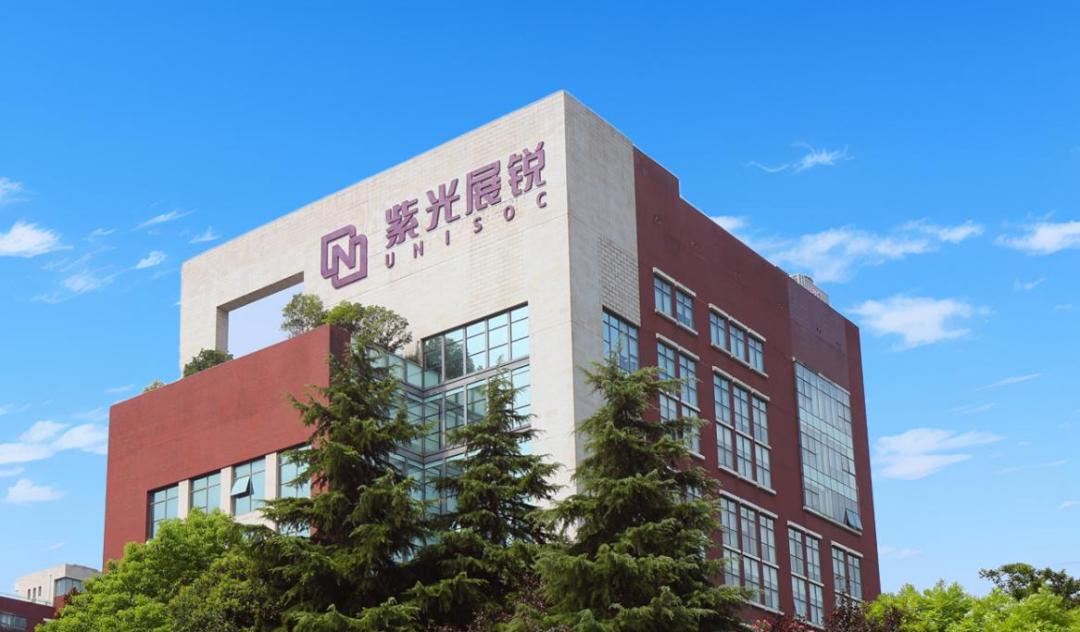
After that, the two companies were merged into Tsinghua Unigroup Spreadtrum and suddenly became the largest Chinese company for mobile baseband chips.
Source: Company website
In 2015, Zhao Weiguo took even bigger steps.
He first acquired 51% of the shares of H3C Technologies Co., Ltd., a subsidiary of HP, for $2.5 billion and founded New H3C Group to fill the gap in its enterprise network area.
In the same year, he tried to acquire the American memory market leader Micron Technology for $23 billion and planned to invest $3.775 billion in Western Digital to control its subsidiary SanDisk and thus dominate the entire memory chip industry in one go.
However, these "snake swallowing elephant"-style acquisitions finally failed due to the strong opposition of the Committee on Foreign Investment in the United States (CFIUS).
Even the attempt to merge Tsinghua with MediaTek from Taiwan to challenge the dominance of Qualcomm failed due to political restrictions.
After the path of foreign mergers and acquisitions was blocked, Zhao Weiguo turned to a more difficult and costly path - building his own factories.
And this also laid the foundation for the later crisis.
In July 2016, Tsinghua Unigroup Co., Ltd., a subsidiary of Tsinghua Group, together with the National Integrated Circuit Industry Investment Fund and the Hubei Guoxin Industry Investment Fund and others, founded Yangtze Memory Technologies Co., Ltd. on the basis of the acquired Wuhan Xinxin Semiconductor Manufacturing Co., Ltd.
Among them, Tsinghua Unigroup Co., Ltd. invested 1.97 billion yuan and holds a 51.04% stake, making it the absolute majority shareholder of Yangtze Memory Technologies Co., Ltd.
Subsequently, with the support of local governments, Tsinghua accelerated its factory - building activities and aggressively made overseas investments.
By 2018, the total investment of Tsinghua Group had reached more than 40 billion yuan, and it had merged, participated in or invested in more than 150 companies, covering almost the entire semiconductor industry, including memory, CPU, GPU, communication, security technology, smart cards and enterprise networks.
Where did the money come from?
The answer is debt, and a huge amount of debt.
By 2020, the total debt of Tsinghua Group had grown to over 20 billion yuan.
Zhao Weiguo said in a speech: "One doesn't need to worry about the debts. When one builds up the industry, the value of the assets will far exceed the debts."
Objectively speaking, this statement is correct.
But the problem is that the company's money was put into many "bottomless pits" such as memory chips, mobile chips and chip manufacturing, while the debts don't wait.
In September 2020, the price on the global memory chip market fell to a historical low.
One month later, the debt crisis of Tsinghua Group broke out completely after it was unable to repay a short - term financing bond. The ship with billions of debts began to sink.
The stock price of Tsinghua Unigroup Co., Ltd. fell by half in six months, the majority shareholder went into insolvency reorganization, and suddenly the future of the group was uncertain.
In 2022, the reorganization plan was finalized. A consortium of Wise Road Capital and JianGuang Asset Management took over Tsinghua Group, and Zhao Weiguo was investigated after his departure.
The new management quickly divested heavy assets such as Yangtze Memory Technologies Co., Ltd., and the Wise Road - JianGuang consortium took over the entire Tsinghua Group for 6 billion yuan.
If one looks at the development of Tsinghua Group, it was a violation of industry rules to bet on long - term and risky semiconductor manufacturing with high leverage.
The semiconductor industry is a typical "Three - High" sector: high investment, high risk and long cycle.
Companies like TSMC and Samsung have made continuous and huge capital expenditures over decades to build their competitive advantages.
Zhao Weiguo tried to drive chip manufacturing, which requires "long - term" and "slow" money, with "fast money" from the real estate industry and capital operations.
This mismatch might still be maintained through refinancing in an upward phase of the industry, but once there is a downturn, like the price disaster of memory chips in 2020, the break of the capital source was inevitable.
The rise of Tsinghua fell in a time when the Chinese semiconductor industry benefited from unprecedented attention and a massive influx of capital.
The national large - scale funds, local industry funds and private capital rushed wildly into the semiconductor industry.
However, when ambition exceeds one's own abilities and violates the real development rules, one will be severely hit by reality.
Thus, Tsinghua completely changed its direction.
02 The Only Support
After the insolvency reorganization of Tsinghua Group, the new management significantly reduced the new Tsinghua Group.
The spin - off of Yangtze Memory Technologies Co., Ltd. was undoubtedly the most painful step.
Strategically, Yangtze Memory Technologies Co., Ltd. is a national memory chip base that requires billions of yuan in investments over more than 10 years. This is obviously no longer bearable for a Tsinghua Group that has a debt crisis behind it.
It was a rather rational decision to leave it to the state and local capitals to develop it.
But this also almost completely tied the future of Tsinghua Unigroup Co., Ltd. to New H3C Group.
In the whole year of 2025, Tsinghua Unigroup Co., Ltd. achieved a revenue of 96.748 billion yuan, representing an increase of 22.43% compared with the previous year, and a net profit after tax of 1.686 billion yuan, representing an increase of 7.19%.
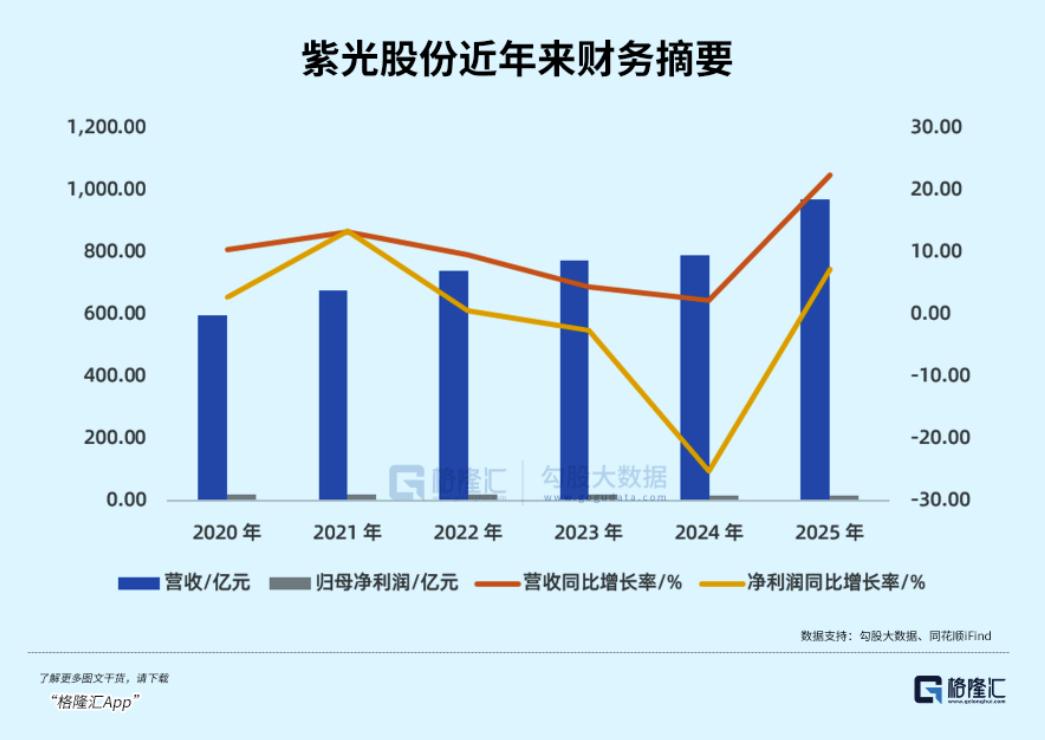
Among them, the subsidiary New H3C Group achieved a revenue of 75.981 billion yuan in the whole year, representing an increase of 37.96% compared with the previous year, and a net profit of 3.151 billion yuan, representing an increase of 12.30%.
In other words, more than 70% of the revenue and the majority of the profit of Tsinghua Unigroup Co., Ltd. come from New H3C Group.
This close binding is both the strongest protective wall for Tsinghua and the biggest risk.
The current semiconductor industry is at an unprecedented turning point.
Currently, the semiconductor cycle has shifted from the driving force of consumer electronics to the driving force of AI computing power. The global market for high - end AI chips is expected to grow by more than 60% by 2026, and domestic substitution will also be accelerated under external blockade.
As a market leader in ICT infrastructure, New H3C Group directly benefits from this trend.
The demand for AI computing power has triggered the growth of hardware such as servers and switches, and in key information technology infrastructure areas such as government, finance, energy and transportation, domestic substitution will also be accelerated.
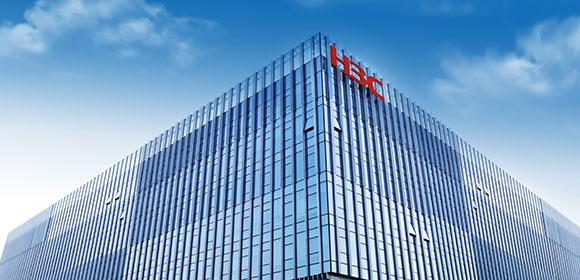
New H3C Group has inherited the technological accumulation of Huawei 3Com and HP H3C Technologies Co., Ltd. and is one of the few Chinese companies that can offer a complete product portfolio from core switches to access switches, from enterprise routers to network security, from general servers to AI servers.
Source: Company website
This supply ability gives it an obvious competitive advantage with governments and enterprises.
However, the competitive situation that New H3C Group faces is becoming more and more complex.
Currently, the Chinese enterprise - ICT market has entered the stage of stock market competition.
And Huawei is the biggest competitor of New H3C Group. In terms of technology, brand and relationships with governments and enterprises, New H3C Group can hardly match Huawei.
Huawei not only has a complete in - house technology system, but also a large customer base and a wide sales network in the government and enterprise market. It is very difficult for New H3C Group to further expand its market share in the stock market.
In addition, Internet companies such as Alibaba Cloud and Tencent Cloud are trying to reduce hardware through cloud services. In the long run, this will surely affect the business of traditional hardware manufacturers.
Moreover, Chinese server and network equipment manufacturers such as Inspur Information, Ningchang and Super Fusion have risen rapidly. Although they cannot compete with New H3C Group in overall strength yet, they pose considerable competitive pressure in niche markets.
Although New H3C Group is also actively transforming, it has to compete with Huawei in the front and is squeezed by Internet giants behind, and is also pressured by newly - established companies like Inspur. The situation of the company is not easy.
In addition, New H3C Group still heavily relies on external procurement of core chips such as CPU, switch chips and AI chips for its high - end switches and servers, especially from American suppliers.
In the context of the technological and political competition between China and the United States, the security of the supply chain is always a looming difficulty.