Werbung bei der Weltmeisterschaft – wurde alles von KI erstellt?
Die Entwicklung der KI-Technologie verändert derzeit die traditionellen Marketingansätze und -strategien.
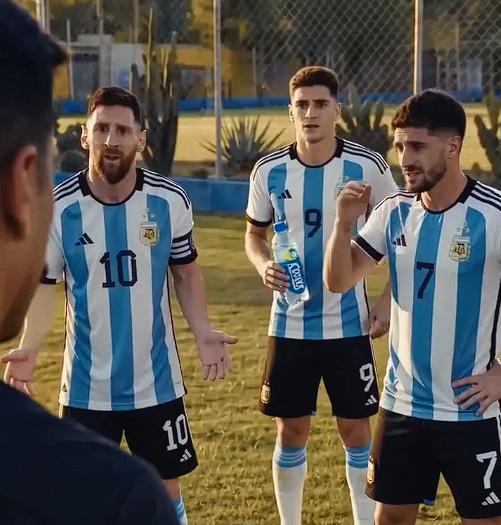
Vor kurzem hat Mizone offiziell bekannt gegeben, der chinesische Sponsor der argentinischen Nationalmannschaft zu sein, und einen neuen Werbespot herausgebracht, in dem Lionel Messi, Leandro Paredes und andere Spieler zu sehen sind. Es ist bemerkenswert, dass die Spielerbilder im Spot nicht live gefilmt wurden, sondern vollständig mit generativer KI erstellt wurden.
Damit niemand ihn verpasst, fügen wir hier den Werbespot ein:
Normalerweise gibt es in der Sportmarketingbranche eine "Eiserne Regel": Für jedes investede Euro in Sponsoringrechte sollten zwei Euro oder mehr in die Aktivierung investiert werden.
Diese Aktivierungshaushalte werden oft in zwei Teile aufgeteilt. Der größere Teil wird für die Kanalkäufe und -verteilung verwendet, während der andere Teil fest an der "Produktion und Umsetzung" des Inhalts gebunden ist. Die Aktivierung der Superstarrechte und die Reisekosten sowie die Koordinierung der Termine und die Kommunikationskosten bei Liveaufnahmen sind oft die unkontrollierbarsten Variablen.
Der Eintritt der generativen KI in diesen Bereich öffnet eine neue Möglichkeit.
Der amerikanische Schriftsteller Raymond Carver erwähnte einmal, während er über das Schreiben von Romanen sprach, dass er einen Zitat von Anton Tschechow an seiner Wand hatte: "Plötzlich konnten sie alles klar sehen." Carver war der Meinung, dass hinter diesem Akt des Sehens viel dazwischen liegt, sowohl vorher, währenddessen und danach, was bedeutet, dass es Raum für Ausfüllung und Vorstellungskraft gibt.
Was sehen wir also eigentlich, wenn die generative KI in der Sportmarketingbranche immer häufiger eingesetzt wird?
Technologisches Potenzial: Was bringt uns die KI?
In der Vergangenheit mussten regionale Sponsoren wie Mizone bei Liveaufnahmen der argentinischen Nationalmannschaft viele logistische Herausforderungen und Probleme bewältigen. Die Koordinierung der Spielertermine, die Kooperationsbereitschaft der Spieler und andere Faktoren bildeten hohe versteckte Kosten auf der Produktionsseite.
Die Einbindung der generativen KI hebt diese physischen Barrieren in gewissem Maße auf.
Mit der Genehmigung der Rechteinhaber kann die Marke über generative KI Werbung mit den echten Bildern der Fußballstars erstellen. Laut Informationen der Sports Industry Ecosystem zeigte die argentinische Fußballassoziation bei der Beratung über die KI-Inhalte mit Mizone eine positive Haltung.
Von der Perspektive der Rechteinhaber aus ist es ein Gewinn-Gewinn-Szenario, da die Spieler vor dem Spiel nicht mühsam gereist werden müssen und die SponsorInhalte dennoch erstellt werden können.
Zhao Yang, der Leiter der chinesischen Abteilung der Sporttechnologieunternehmen WSC Sports, sagte gegenüber der Sports Industry Ecosystem: "Der direkteste Nutzen der KI ist die Einsparung von Arbeitskraft und Material. Als offizielle Sponsor ist die Effizienzsteigerung bei Erhalt der IP Genehmigung logisch."
Hinter der Effizienzsteigerung versteckt sich eine Kettenreaktion in der Sportmarketingkette. Obwohl die aktuelle KI-Werbungserstellung noch Zeit und Arbeitskraft zur Anpassung und Optimierung erfordert, reduziert sie tatsächlich die traditionellen Arbeits- und Reisekosten erheblich.
Im Idealfall kann das aus der Produktionsseite "gesparte" Budget in die eigentlichen Aktivierungsschwerpunkte reinvestiert werden, wie z.B. Kanaldistribution, Medienkäufe und nachfolgende Propaganda, um der Marke in der teuersten Weltmeisterschaftszeitraum eine kostengünstigere Präsentation zu ermöglichen.
Darüber hinaus geht es beim Marketing oft um die Geschwindigkeit. Vicky Wang, der Generaldirektor von Fast Company Chinese Edition, sagte der Sports Industry Ecosystem: "Sportveranstaltungen haben die komplexen Merkmale von mehreren Märkten und Mannschaften. Die Marketingaktionen in den großen Veranstaltungen erfordern zwangsläufig eine hohe Nachfrage nach der Multi-Kanaldistribution." Im Zeitraum der Weltmeisterschaft, in dem die Hot-News schnell veralten, kann diejenige Marke, die die natürlichen Fähigkeiten der KI zur schnellen Iteration nutzt, um personalisierte Inhalte schneller an verschiedene Kanäle und Nutzer zu bringen, oft einen erheblichen Unterschied in der Datenumwandlung erzielen.
Another psychological support for brands to dare to try is the low sensitivity of ordinary viewers to the authenticity of pictures. "Advertising itself is a fast-moving consumer product. It's hard for ordinary consumers to tell the difference. I don't think the presence or absence of people will have much impact." said Zhao Yang.
In a way, as long as Messi's face appears on the screen, the brand has achieved its goal of exposure.
Besides execution and communication, AI also directly impacts the traditional sponsorship rights system.
Normally, traditional sponsorship contracts stipulate the rights such as the number of times and the duration of live shootings of star players. But in the era of generative AI, the rights to generate such digital portraits are theoretically "unlimited", which will inevitably force the terms themselves to change.
When brands can infinitely amplify the usage frequency of star player portraits through AI technology, "AI portrait generation and secondary creation rights" will also become the focus on the negotiation table of future sponsorship contracts.
In Zhao Yang's view, this "unlimited" will not devalue top IPs, but instead bring positive premium: "Brand owners or IP owners will also realize that brands can create more content around them. Therefore, IP owners are likely to float a certain fee on the basis of the existing copyright fees or sponsorship fees, requiring brands to pay more to obtain the production rights of such digital content."
But it's not hard for us to infer that the other side of the coin will appear: As the gap of digital copyrights widens, the expansion of online content is inevitable. At this time, the exclusive physical resources will instead be pushed to a high price due to their irreproducible scarcity.
"If AI authorization can replace more live shootings of stars, then the real physical resources that allow people to go to the scene and experience reality will become more expensive." said Vicky Wang.
Realistic bottlenecks: What doesn't AI bring?
Although the concept of AI is ubiquitous in the sports world and technological updates are emerging every day, a real situation in the industry is that there aren't a large number of top sports advertisements made with generative AI in the current market.
A very important reason is that there isn't a really successful AI advertisement case that stands out in the industry at present.
"Everyone is still in the early application stage, in a rather cautious and wait-and-see state, because it seems that no one has reaped huge dividends and achieved a huge ROI after using this technology." said Vicky Wang.
Behind this wait-and-see attitude, there are realistic risk control considerations - Advertisements are the communication carriers for enterprises to voice out to the outside world, and the release of each frame is extremely serious.
Some time ago, a creepy picture of a distorted human body appeared in an AI advertisement of NetEase Cloud Music, which immediately attracted public criticism:
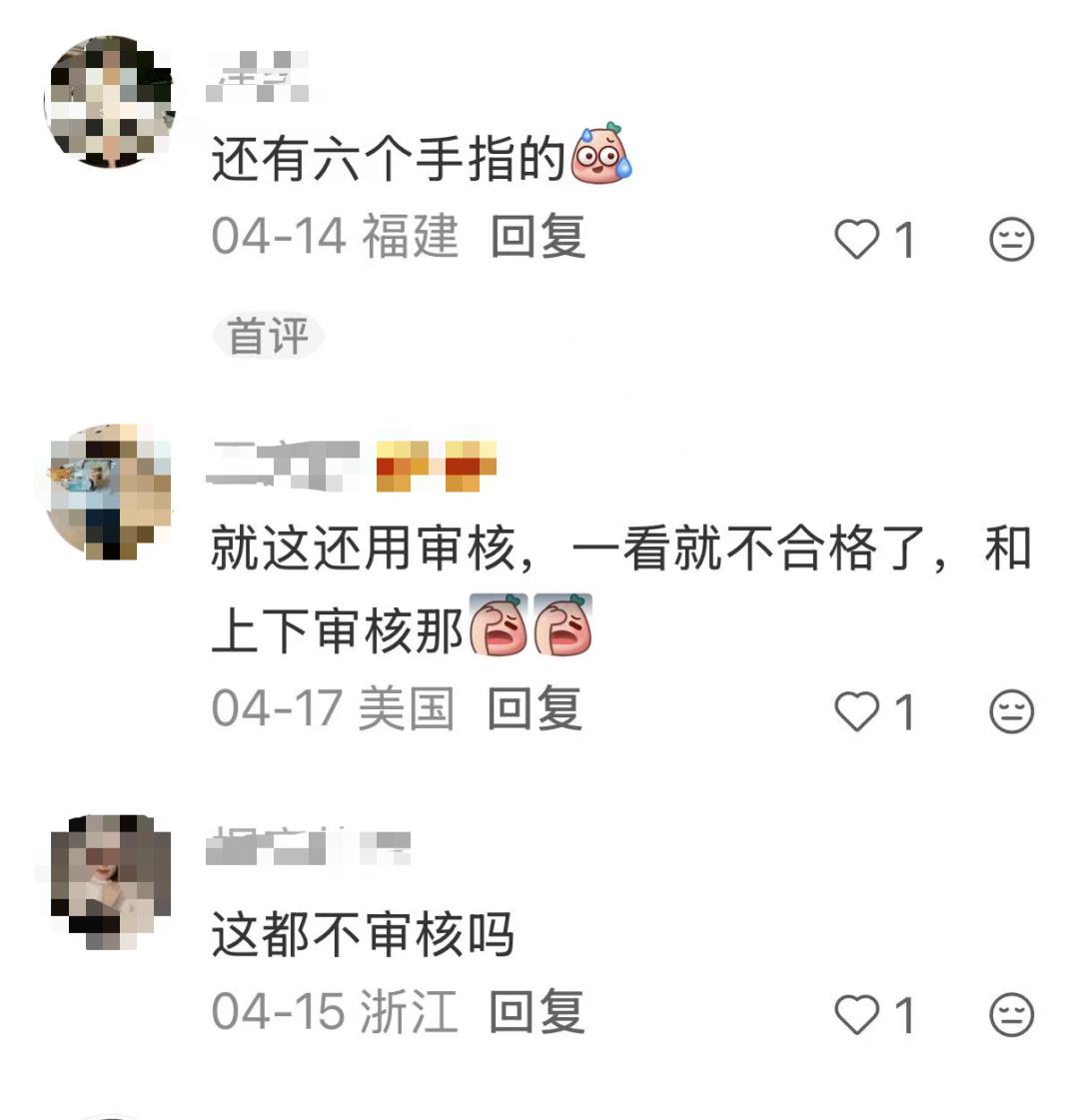
In the strict business sports context, this tolerance rate is further compressed. For example, the sponsor's logo on the jersey cannot be deformed, and there cannot be any game pictures or content without copyright.
The flaws in the consistency of general large models make many big brands dare not easily risk their brand reputations.
Since the risks still exist, why do brands still want to try it at this stage?
During the communication, Zhao Yang shared a very interesting phenomenon - in actual cooperation, even though machine editing and generation technology can process videos to be natural and smooth enough, sometimes the clients will put forward some counterintuitive special requirements. "They hope that the pictures can deliberately show some unique abilities of AI, and even add some cool elements with a slight sense of technological gap that are obviously machine-generated."
On this level, generative AI serves as a public relations tool for brands to showcase their "spirit of innovation" to the outside world.
Or rather, in this era of extremely scarce attention, "using AI" has surpassed the content itself and become a marketing gimmick.
What does AI take away?
Everything has two sides. What technology brings often also takes something away.
The famous French theorist Paul Virilio once left a famous quote: "When you invent the ship, you also invent the shipwreck; when you invent the airplane, you also invent the plane crash... Every technology carries its own negative side, and this negative side is invented simultaneously with technological progress."
When AI makes all visual images easily accessible, it must also be eroding the sense of value and shock originally built by "reality".
We can see two distinct sports marketing cases.
In the World Cup advertisement launched by Lego some time ago, Kylian Mbappé, Vinícius Júnior, Cristiano Ronaldo and Lionel Messi were placed in the same scene. Although the audience knows that this relies on post-production synthesis, because they really participated in the live shooting, the wonderful sense of collision conveyed by their "physical presence" still triggered a lot of discussions on social media.
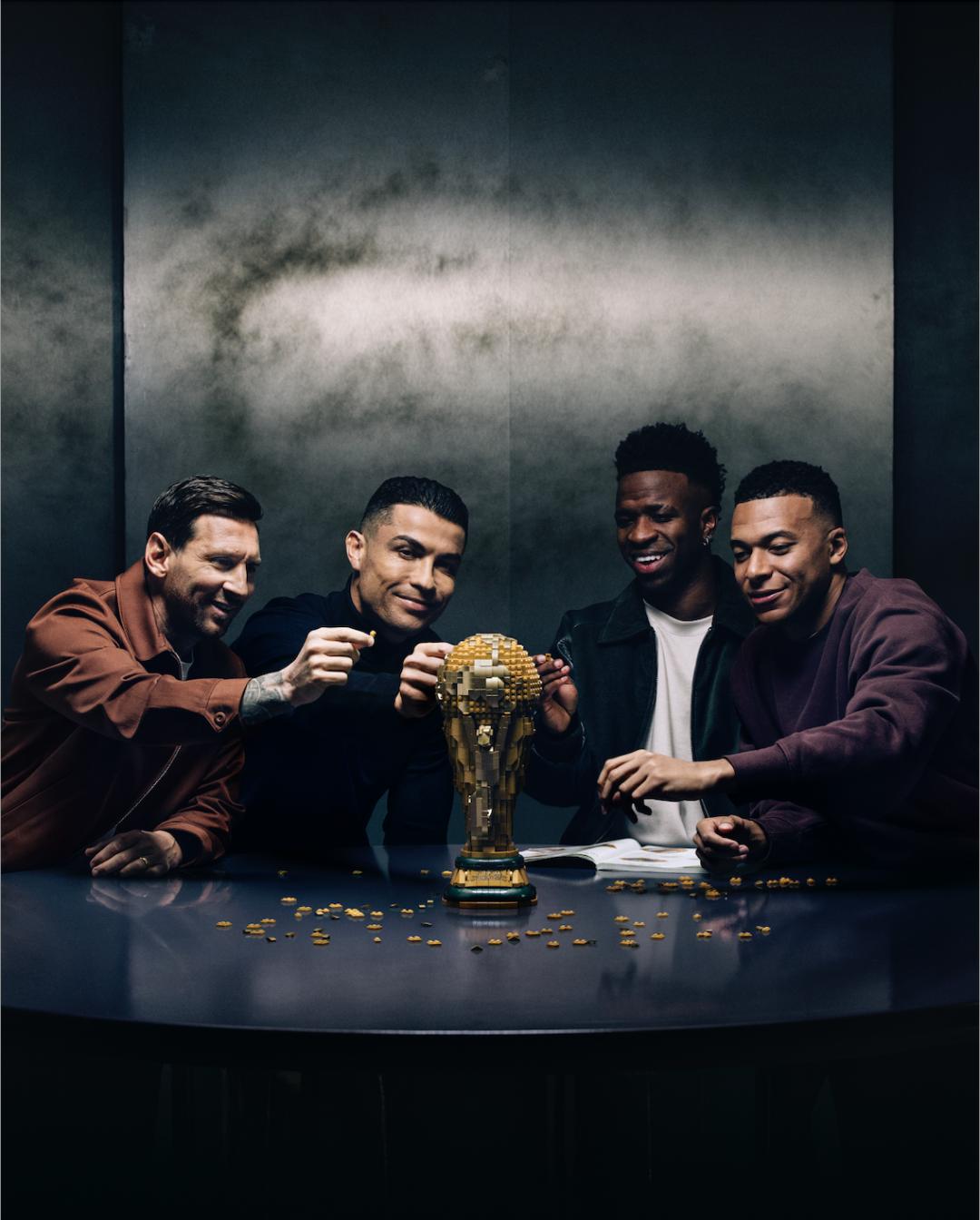
Source: LEGO
Similarly, there is the short film "Streetball Legends" released by Adidas.
The film invited a group of stars, not only current star players like Lionel Messi, Jude Bellingham, Lamine Yamal, but also legendary star players like Zinedine Zidane, David Beckham, Alessandro Del Piero, as well as entertainment stars like Timothée Chalamet and Bad Bunny.
This short film also used AI, but the function of AI was strictly limited to an auxiliary position - to "make the old star players younger" and pay tribute to some classic images or pictures.
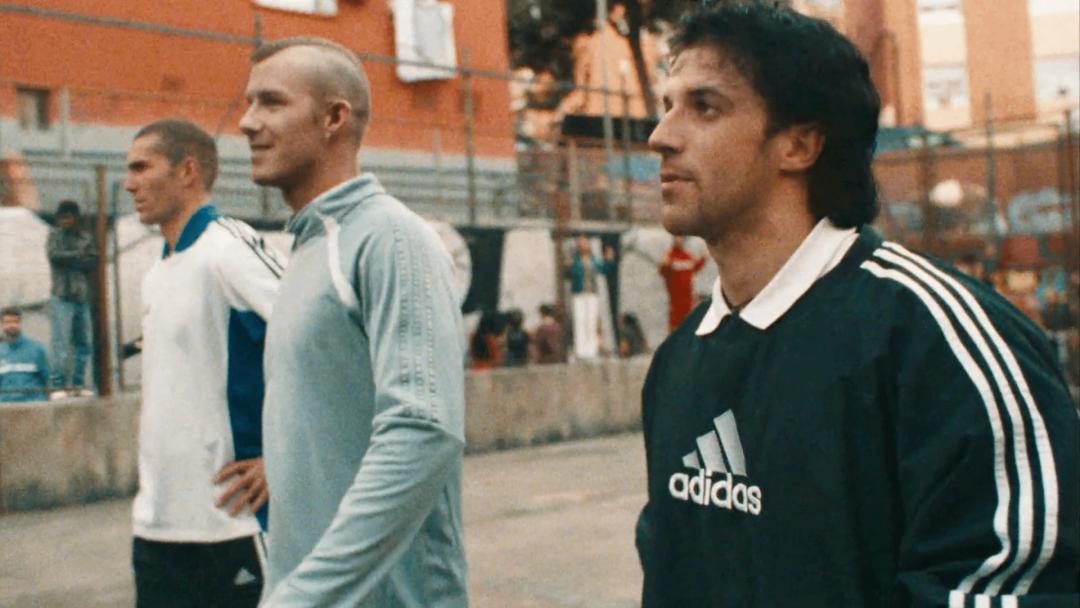
Source: adidas
Often, the weight of a brand advertisement doesn't only come from the creativity itself, but also from the sense of wonder triggered by scenes like "Is this even possible?" and "Is he also here?" Presumably Lego and Adidas understand that this kind of heart-touching feeling is exactly the most charming aspect that can create brand premium in sports marketing.
And this is exactly what generative AI is most likely to dilute.
A sports AI expert told the Sports Industry Ecosystem: "All advertising content can be divided into techniques and principles. The former refers to channels and communication, and the addition of AI has enriched and even subverted the 'techniques'; the latter is the special and heartfelt part in sports marketing, the core value of sports. Currently, AI cannot increase the 'principles' of sports advertisements."
Especially for top-level events like the Olympics and the World Cup, the goal of brands is often not immediate conversion, but to build long-term brand potential, awaken the collective memory and emotional resonance of the public - currently, generative AI can't do much in this regard.
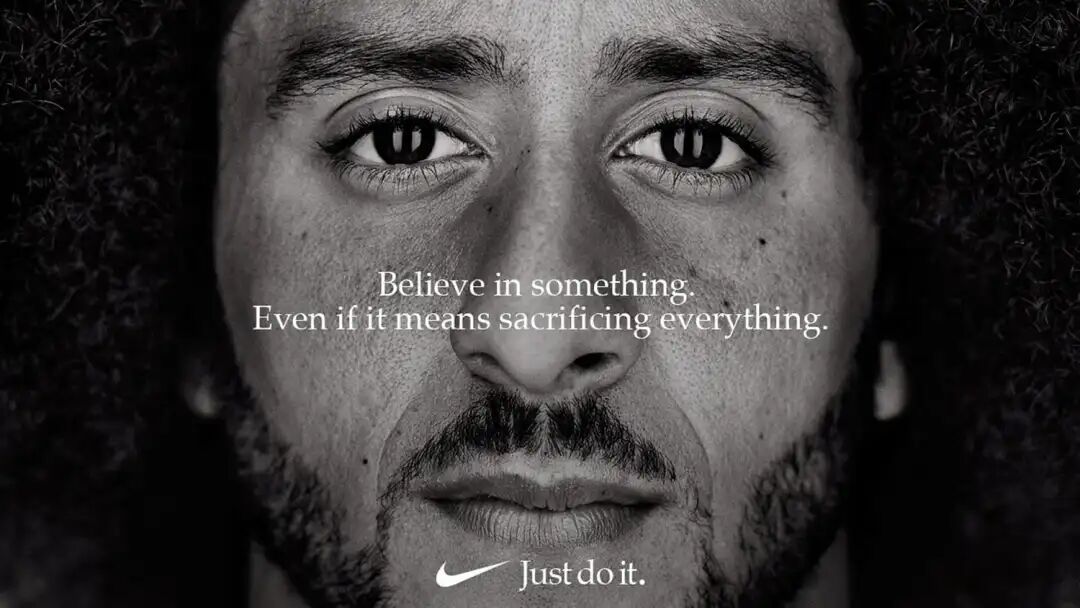
The reason why Nike's past advertising content was impressive was largely due to its unique and heartfelt core value
Looking back at the past, the dignity and weight of those milestone top sports advertisements precisely stemmed from the awe of reality. In the long run, the hidden deprivation of sports marketing by generative AI may be the erosion of this "weight" and sense of value.
In the field of sports marketing, once brand owners and the industry collectively accept "good enough" and complacently use generative AI as a cold tool to simply squeeze portraits, reduce costs and achieve viral spread, it will lead to an aesthetic downgrade across the entire industry.
In front of the rolling wheels of the AI era, this adherence to "reality" may seem a bit weak and even out of place. But we must also remember that sports, after all, is the last sacred place in human society that highly relies on physical competitions, visible reality, and emotional resonance.
The more we stand at the crossroads where technology can easily create perfect illusions, the more the authenticity with flaws, clumsiness, and even requiring real money and great efforts is worthy of being doubly cherished by the entire sports marketing industry.
This article is from the WeChat public account "Sports Industry Ecosystem", author: ECO Kranti, published by 36Kr with permission.