Nach neun Jahren Wartung ist Teslas rein elektrischer Lastkraftwagen endlich in Serie produziert.
Is that the new Tesla you guys want?
On the day before the holidays, Tesla suddenly announced big news: The Tesla Semi, which has been postponed for almost nine years, finally starts mass production.

You may wonder what it actually is. Well, it's the once hotly - debated all - electric heavy - duty truck.
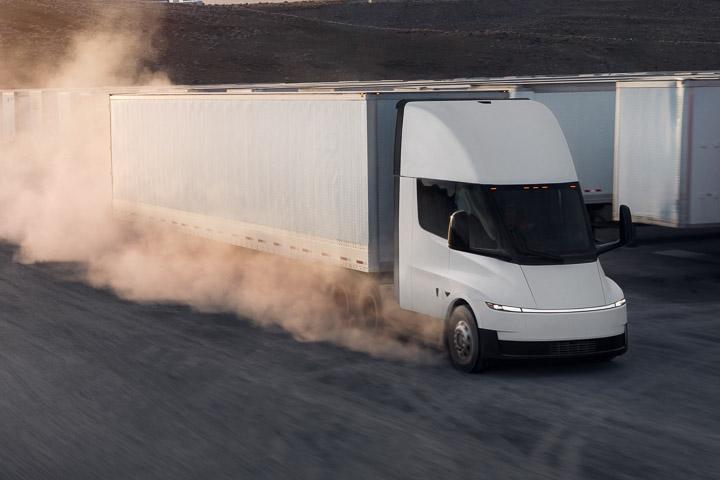
It's worth noting that this vehicle was introduced as early as 2017. Both the exterior, interior, and performance parameters are almost identical to those of today.
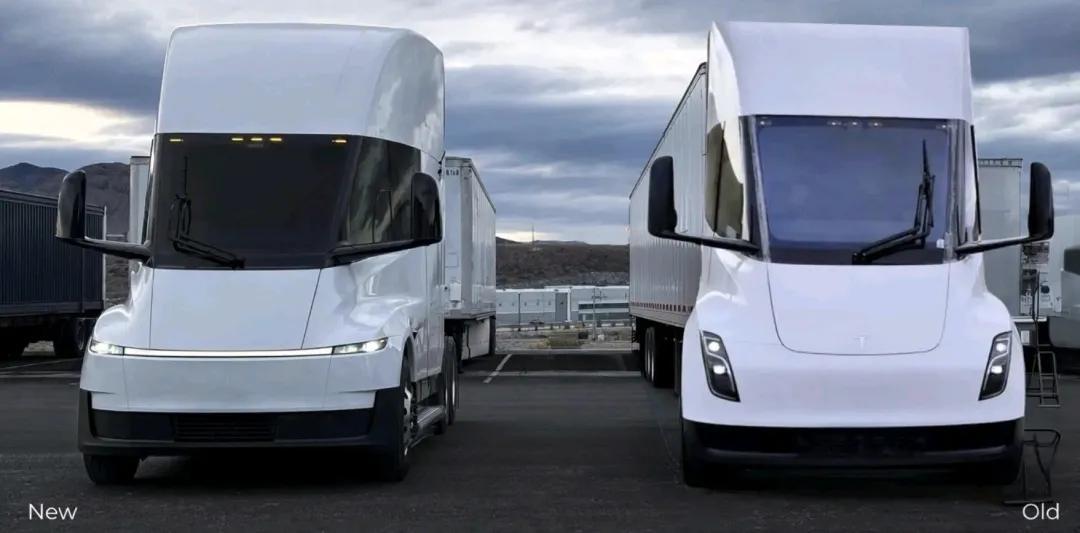
For example, at the front, mainly the shape of the headlights was changed to maintain the current family style. The dimensions have essentially remained unchanged; the interior still uses the concept of two 16 - inch screens.
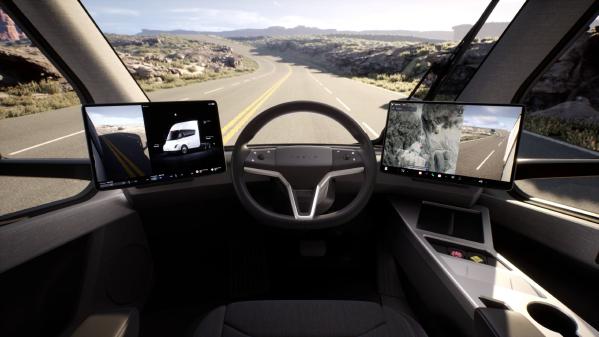
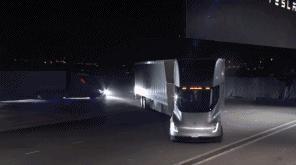
Moreover, it has a range of over 800 kilometers and a three - motor power of 800 kW. Even back then, the vehicle was ready to drive. On the day of the launch, the young Elon Musk stepped onto the stage stylishly with it...
Well, if it was already built, why did it take so long to go into mass production?
There's a long story behind it. The problem lies not with the vehicle itself, but with the batteries.
In 2017, Tesla still used Panasonic 2170 batteries. For vehicles like the Model 3 and Y, that was no problem, but for the heavy - duty truck Semi, which requires higher battery capacity and charging/discharging power, these batteries were not sufficient.
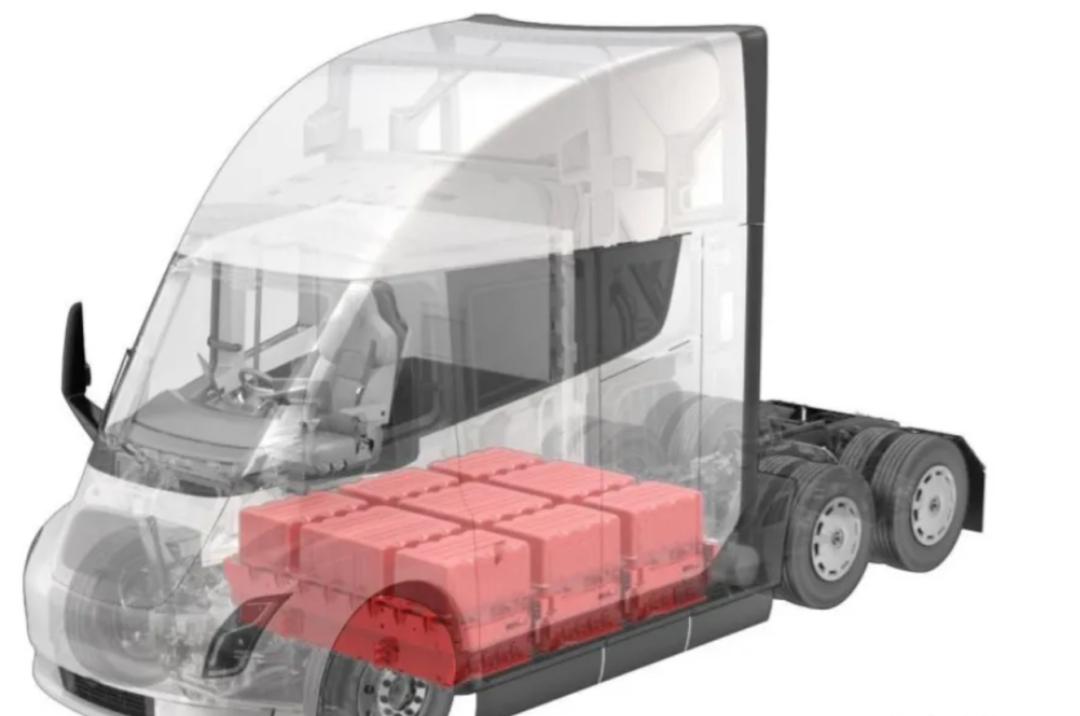
The 2170 batteries are small. To reach the approximately 900 kilowatt - hours for the Semi, about 50,000 cells would have to be installed. The metal casing accounts for a large part, not to mention the welding work. Elon Musk would probably have fainted when calculating the cost and weight.
So this "PPT - vehicle design" failed right at the start...
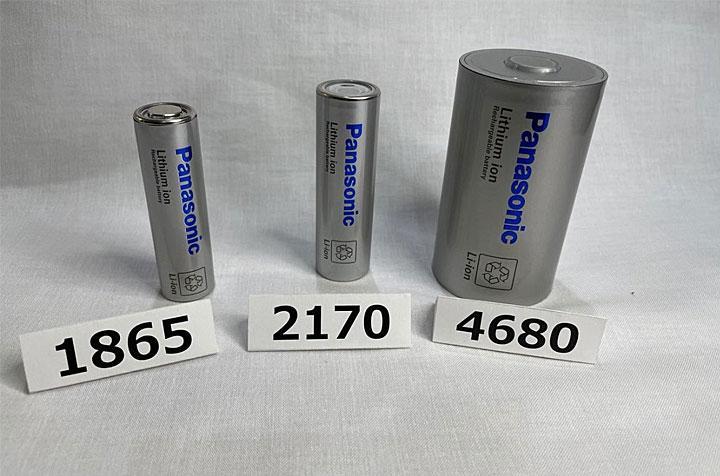
The revival of the Semi had to wait until after 2020 when the 4680 battery was introduced.
This battery is 5.5 times as large as the 2170. Moreover, it has the advantages of "Full - Pole - Ear" and "Dry electrodes". It is more cost - effective, has higher capacity, and stronger output power, which is perfect for the Semi.
But the problem is that the technology is not as simple as it looks in the presentation slides. It took Tesla three to four years to master the "Full - Pole - Ear" technology. Not to mention the more difficult "Dry electrode technology", which only slowly progressed at the end of last year.
The Cybertruck, which also uses the 4680 battery, was already sold with a semi - finished wet system. However, the Semi still had to wait for technological breakthroughs. Only symbolically, a few vehicles were delivered to companies like PepsiCo.
In 2024, Elon Musk couldn't wait any longer. Since the technology wasn't progressing, he announced massive lay - offs. Even the core employee Drew Baglino of the 4680 production quit. Many thought that the 4680 plan would fail.

But precisely through this change, Tesla actually successfully implemented the dry electrode technology, and so the mass production of the Semi began.
To be honest, this process is very "Tesla"...
After all these delays, the vehicle is finally ready. Can this all - electric heavy - duty truck completely replace traditional diesel - powered trucks like an electric vehicle for private use? I think it's possible. For commercial trucks, cost - effectiveness is the decisive factor.
According to estimates by foreign media, the energy cost of a diesel - powered truck is about $0.6 - $0.7 per mile, while that of an electric truck can be reduced to $0.25 per mile. The longer you drive, the more you save. The electric truck wins almost every battle. Not to mention regions with even lower electricity prices than in the US.
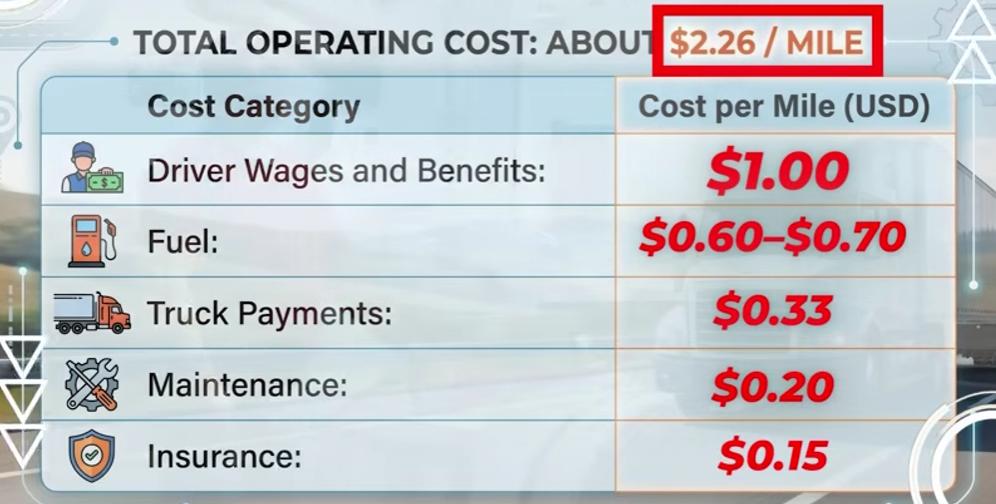
Compared to the cost, the other "less convenient" factors can be tolerated.
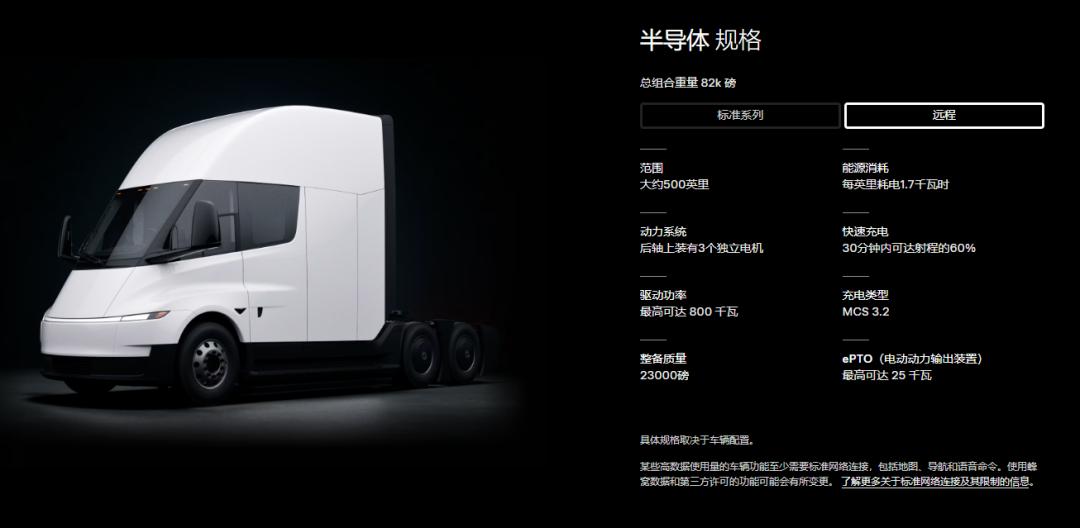
For example, the range during long - distance driving. Thanks to the 4680 batteries with "Dry electrode technology", the Semi can drive up to 500 miles (about 805 kilometers). The basic version still has a range of 325 miles (about 523 kilometers). Although this certainly can't compete with a diesel - powered truck that can drive thousands of kilometers after a single tank fill, it's still acceptable.
Moreover, charging is a problem because the battery is very large. Of course, Tesla has thought about it. Through the special Tesla chargers the Semi has also achieved the so - called "Megawatt fast charging", which Tesla calls MCS. The charging power is 1.2 megawatts, and the battery can be charged to 60% in 30 minutes.
Remember that truck drivers have to take a break after a certain period of driving. In China, they have to take a 20 - minute break after 4 hours of driving, in the US, a 30 - minute break after 8 hours of driving. Theoretically, this time is enough to charge the battery if enough chargers are available. It's not much more complicated than refueling.
Finally, there's another problem with the large battery: the weight. Since just the cab alone weighs 10 tons (top version), the loading capacity of the Semi is often questioned.
After Bill Gates tested the Semi in 2020, he said: "Due to the physical limitations of battery weight, electric trucks may never become a reality." I think Elon Musk wanted to scold him at that time. He replied that Gates "knows nothing".
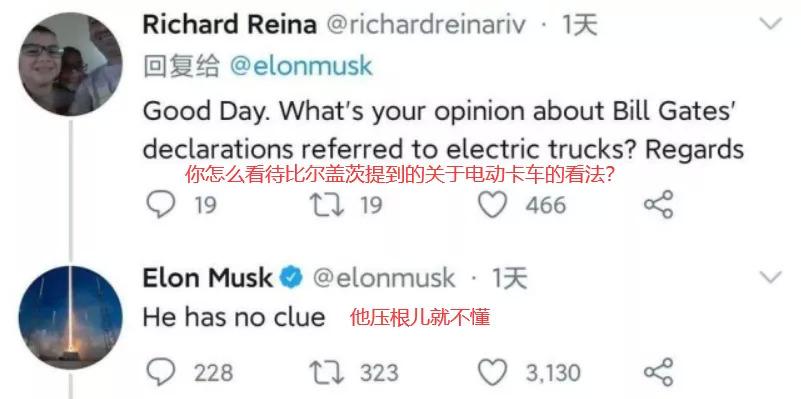
Who is right in the end? Of course, Elon Musk. Although it's true that electric trucks are heavier, they also have stronger performance. The power of a traditional diesel - powered truck is about 400 kW, while the total power of the Semi is 800 kW.
This is to simulate the downshifting and torque increase of an internal combustion engine. When starting on an incline, the three electric motors on the rear axle of the Semi work together to achieve maximum torque. So the vehicle can easily drive up the incline.
Later, Tesla conducted a practical test drive. With a load of almost 40 tons, the Semi drove smoothly on the 800 - kilometer route between the Fremont factory and San Diego.
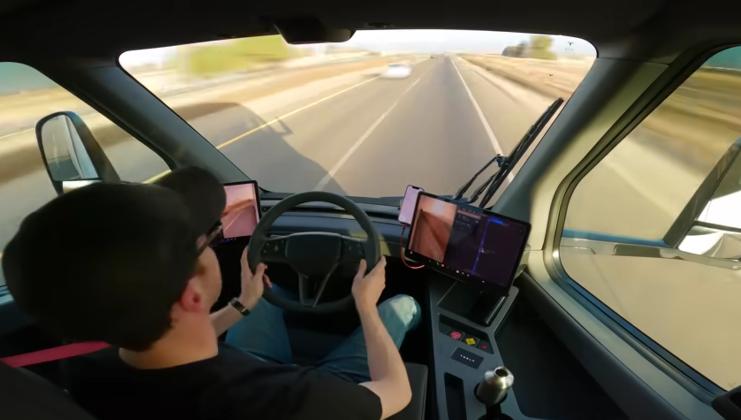
Overall, the Semi is significantly more powerful than traditional diesel - powered trucks.
The only problem could be the price. The two versions currently cost $260,000 and $290,000. If you want a higher range, you have to go for the top - version at $290,000 (about 2 million yuan). Compared to traditional 8 - ton diesel - powered trucks with an average price of $240,000, the Semi is more expensive.
But compared to other electric trucks from Europe and America, the price may be much lower. European - made electric trucks generally cost over $400,000. For example, the Mercedes eActros 600 costs $420,000, and the Volvo VNR Electric starts at $400,000.
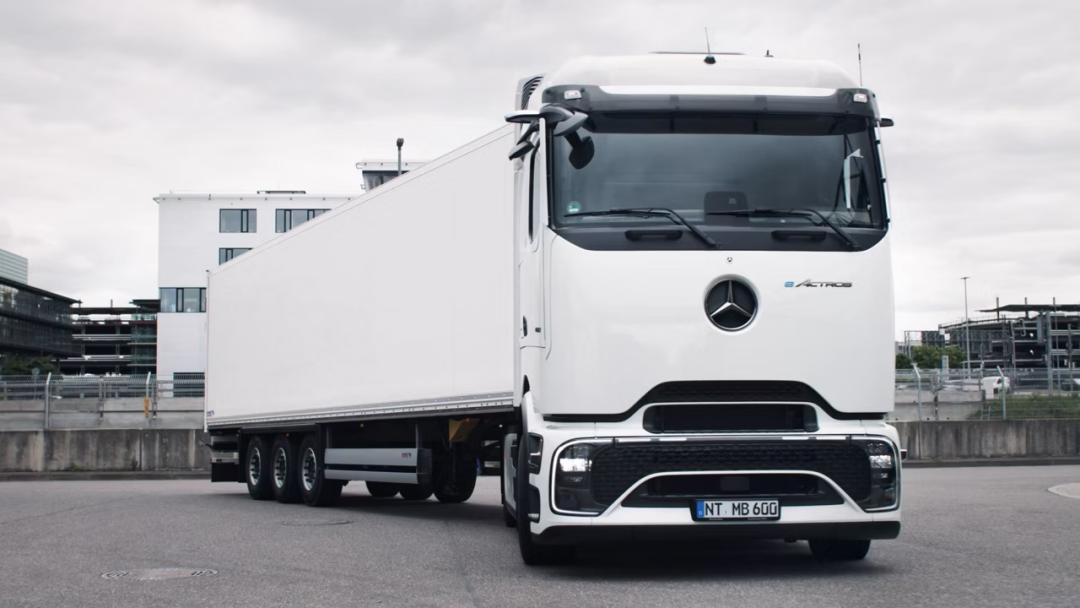
In this aspect, the Semi is very cost - effective.
Many private transport fleets like Coca - Cola's are not so dependent on the purchase cost, have fixed routes, and also want to convey a green image. So they urgently need vehicles like the Semi. Tesla helps them save a lot of money.
It's therefore understandable that the Semi received many large orders right after the announcement of mass production.
