Von niemandem getan bis heiß begehrt: 71 Konzeptfahrzeuge enthüllen die nächste Ära des chinesischen Automobils.
At the recently concluded 2026 Beijing Auto Show, there was an insightful statistic: A total of 71 concept cars were on display, a number that exceeded the records of previous Class A auto shows. From Chinese domestic brands to joint - venture luxury brands, from technology companies to players from other industries – almost all leading brands put their concept cars at the center of their exhibition stands.
On this colorful stage of concept cars, there were no eye - catching price announcements and no endless configuration competitions. Instead, forward - looking design ideas, brand philosophies, technical foundations, and the vision of future mobility were in the spotlight.
A few years ago, concept cars were still regarded as “money - wasting, unfeasible, and unprofitable” exhibits. The industry focused on price competitions, range optimization, display size, and computing power. Those who spent a lot of effort on concept cars at that time were even considered “unserious.”
But in 2026, the trend has completely reversed. From the large number of concept cars at this auto show, a clear phenomenon can be recognized: Concept cars are experiencing a resurgence.
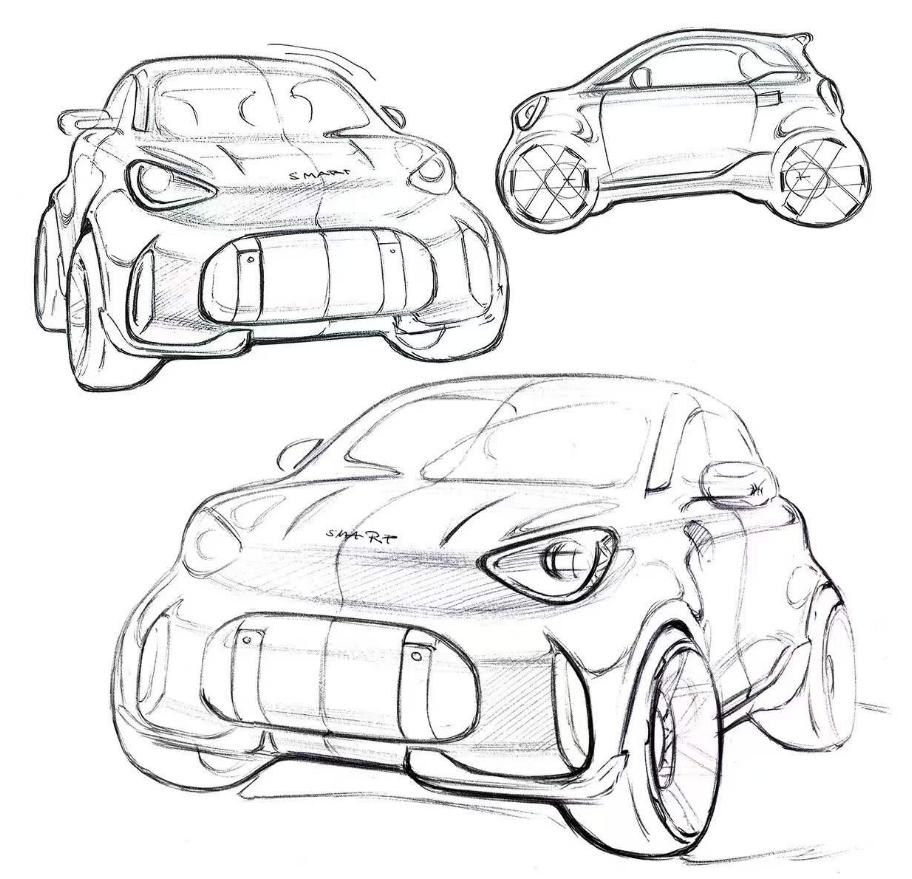
As Chen Zheng, the vice - president of Geely Automobile Group, aptly noted during the auto show: “In the past, manufacturers didn't make concept cars because the investments were high, the returns came slowly, and there was a lack of connection with mass production. Now, manufacturers are rushing into the development of concept cars, which in essence represents a collective transformation and renewal of the industry and indicates that the automotive industry will enter a new phase in the next two years.”
“The appearance of so many concept cars means that new innovations are starting. This also initiates the next cycle of the Chinese and global automotive industries,” said Wang Shen, the head of automotive product strength solutions in China at J.D. Power, in an interview with “Auto Gongshe.” With the current capabilities of the Chinese automotive industry, electric vehicles have already reached their limits in terms of their function as a means of transportation. However, in the next cycle, more advanced and intelligent products could emerge, which could also meet more individualized needs.
Therefore, the presentation of 71 concept cars at the auto show is a strong indicator of the change in the industry cycle. The price competition has reached its lowest point, the configuration race has become ineffective, and the homogenization is at an end. The Chinese automotive industry is finally starting to focus on reason, long - term planning, design, and the future again.
71 Concept Cars: Recognize the Next Design Trends
At first glance, the 71 concept cars at the Beijing Auto Show seem confusing, but in reality, they are very structured. Generally, they can be divided into four main trends. Each trend has clear market targets, design logics, and representative models, which together outline the development of the industry in the next 3 to 5 years.
First, the strategy - implementation trend is the most widespread and reality - oriented trend at this auto show. The core idea is that concept cars must serve the brand strategy, new business fields, and new product lines. They must be feasible, sustainable, and mass - producible, rather than being meaningless showpieces. Therefore, these concept cars are characterized by high reproduction accuracy, a fast mass - production rhythm, and a design that can define the brand.
A typical example of this type of concept car is the second - generation Geely Galaxy Light. In this model, it is clear that no extreme forms are used. With the design concept of “Galaxy - meteor shower, fair and majestic,” the next family look of the Galaxy series is determined. At the same time, the integration of gasoline and electric motors and the compatibility with different energy sources are promoted, which determines the product development of the Galaxy series in the next three years. Of course, there is also the Fang Cheng Bao FORMULA X concept car, which confirms the plans for a two - door super - sports car by Fang Cheng Bao and expresses the brand's premium - performance position. More than 80% of the mass - production prototype can be adopted from the concept car, and the product will be launched on the market in 2027.
The second trend is the mainstream - pragmatism trend. This trend is oriented towards the general public, returns to classic proportions, and targets family customers. Especially when the penetration rate of electric vehicles exceeds 50% and 68% of consumers are pragmatists and conservatives, the design of electric vehicles is no longer aimed at a few radicals but at the general public.
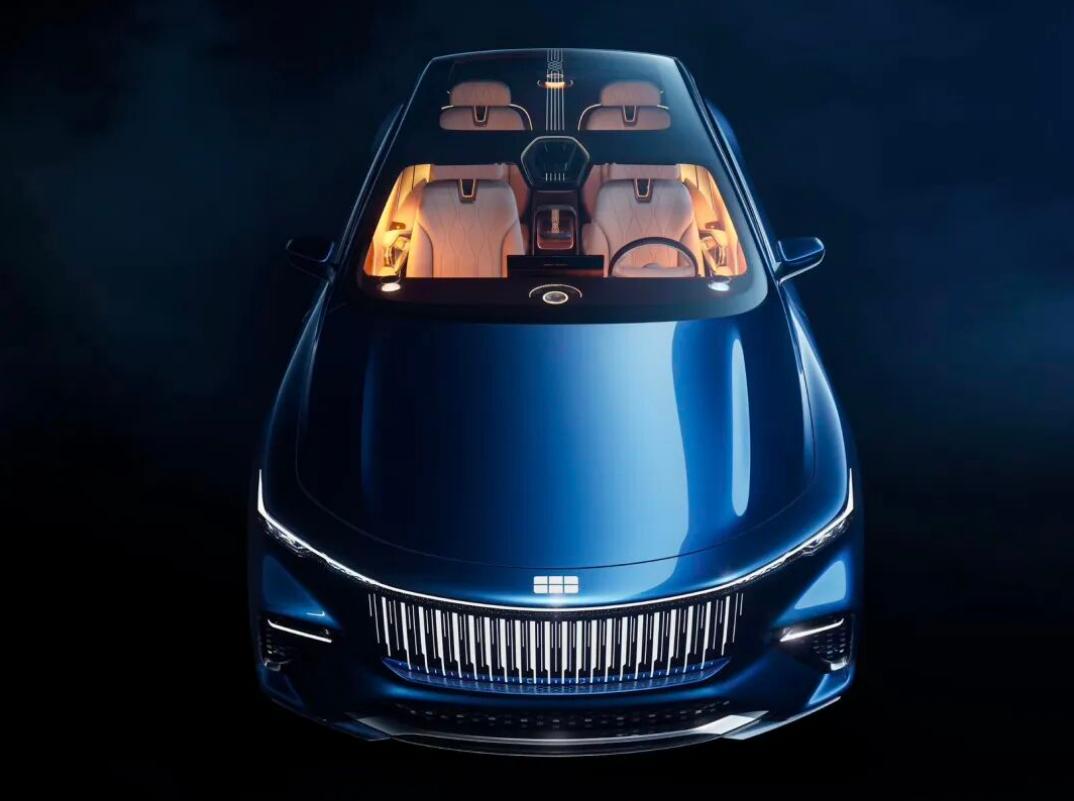
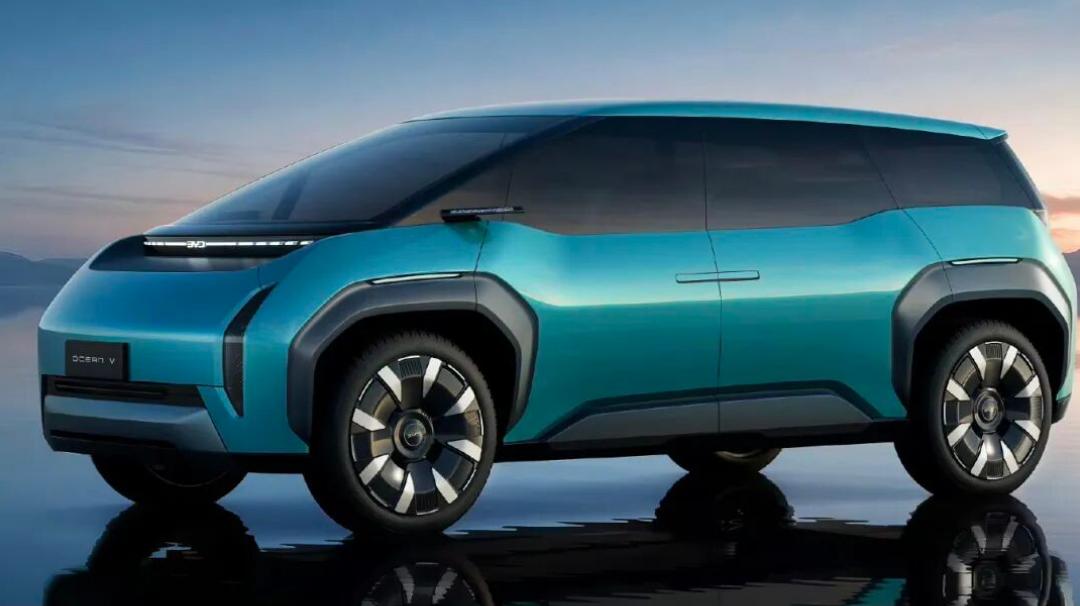
The features of these concept cars focus on a simple shape, harmonious proportions, a user - friendly cockpit, the integration of gasoline and electric motors, and a long - lasting and appealing appearance. For example, the Hongqi Tian Gong S - concept, which offers a good balance between Chinese tradition and luxury, with calm and expansive lines and an orientation towards families and business people. Or the BYD OCEAN - V, which combines the features of sedans, SUVs, and MPVs and focuses on space and practicality to serve young families. This also includes the Aion Concept Aero, which pursues a high - quality and minimalist style after the brand renewal. This concept car has a reserved form and emphasizes the high - end feeling and acceptance by the general public.
The third trend is the technology - space trend. These concept cars break away from the traditional definition of vehicles and position the car as an intelligent space, living place, and AI terminal. They mainly show the cockpit design, scenario functions, and the vision of autonomous driving. The core features are usually the absence of a B - pillar, opposing doors, a panoramic dome, no steering wheel or rotatable seats, and a situation - appropriate cockpit.
Representative models of this trend are the Avita VISION XPECTRA, which is almost 5.8 meters long, has no B - pillar and opposing doors, and is equipped with L4 driving assistance technology to offer a first - class six - seat intelligent space concept. Then there is the Buick Zhijing, which dispenses with the steering wheel and focuses on a mobile reception room and an immersive intelligent experience to adapt to the era of highly automated driving. And the Roewe Jiayue 07, which is designed as an AI - native SUV and focuses on the family atmosphere and comfortable user experience, with space and experience in the foreground.
The fourth trend is the performance - vanguard trend. This trend focuses on extreme sportiness, wide and low bodies, and aerodynamics to strengthen the brand presence, break into the sports car market, and create media presence. Therefore, wide bodies, low silhouettes, coupe shapes, large wheels, optimized air resistance, and super - sports car aura are the natural design features of these concept cars.
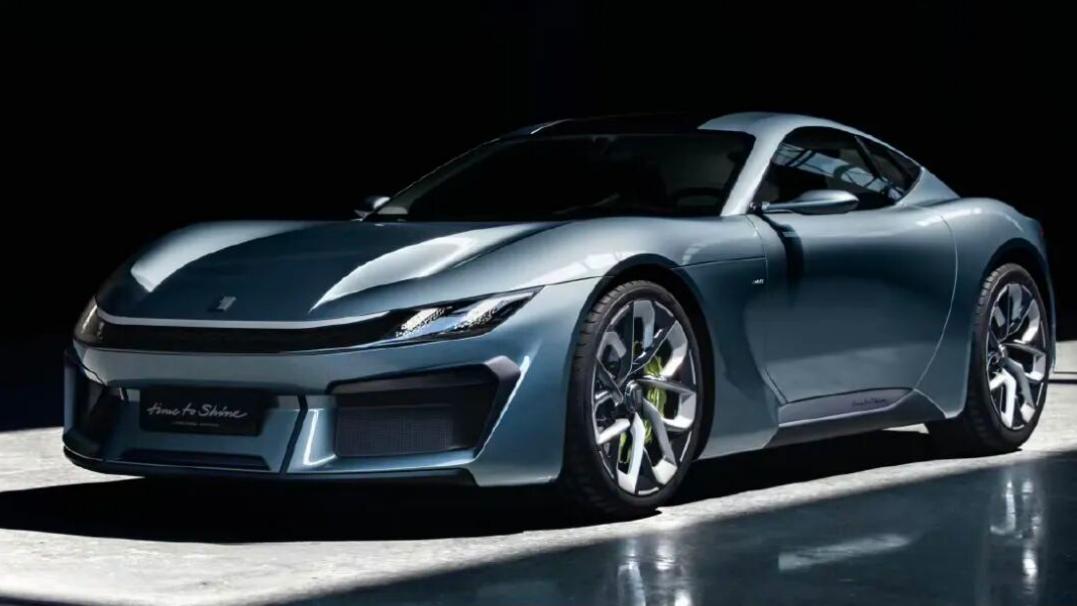
At the Beijing Auto Show, representative models of this trend were the Xiaomi Vision GT, which is shaped by air flow, has a teardrop - shaped, low silhouette, and optimized aerodynamics to strengthen the technological performance image. Then there is the Lynk & Co GT Time to Shine, which sets the 3.0 performance design of the brand as a gift for Lynk & Co's tenth anniversary. And the Hyundai IONIQ VENUS, which has a golden coupe design and emphasizes sportiness and aerodynamics with a unified curve.
In summary, the four trends point to a clear trend: Concept cars are moving from the “distant future” to the “near future,” from showmanship and attention - seeking to pragmatism, and from abstract art to a strategic tool for companies and brands.
Why are concept cars experiencing a resurgence in China?
When we look at concept cars again and consider the industry, the role of concept cars in China has been marginal for a long time.
The reasons seem simple. On the one hand, the industry was highly competitive, and companies directed all their resources towards mass - production models that sold quickly, improved rapidly, and brought immediate profits. On the other hand, the investments in concept cars were high, the development time was long, and the distance to the customer's purchasing decision was large. They were considered not directly conducive to sales. In addition, many concept cars were very imaginative, and the difference from mass production was enormous. Therefore, consumers lost interest, and automakers no longer wanted to “pay for hype.”
Chen Zheng said directly: “When consumers see a concept car, they immediately ask: Will it be sold? How much does it cost? If the answer is no, they leave immediately.”
So the entire industry fell into a state of extreme pragmatism and even short - sightedness. People only looked at the current sales, did not plan for the next three or five years, only focused on technical parameters and not on brand aesthetics, and only fought for the current market share without building long - term competitive advantages.
However, with the Chinese automotive industry entering a new phase, the situation has also changed.
When the industry had driven prices to the lowest point and over - stocked the equipment, automakers realized that price cuts, over - equipment, and imitation could no longer bring real growth and reputation improvement. Customers no longer bought just because something was cheaper but began to pay attention to brand, design, quality, experience, and long - term value. The price and configuration competition had reached its limits, and the phase of fierce competition was moving towards the phase of competition for brand awareness, aesthetics, and the future.
Another reason is that the industry is collectively transforming and renewing. Introducing new mass - production models involves high risks. According to automotive design experts, it is too risky to directly launch new mass - production models on the market. Instead, manufacturers must first pave the way with concept cars, set the direction, and send signals. Whether it is the update of the design style, the upgrade of the brand, the change of the technical platform, or the entry into the AI era, automakers need a prominent concept car to inaugurate the new era.
In addition, the traditional logic of Western concept cars no longer works in the Chinese market and competitive situation. Western concept cars strive for predictability, abstraction, pictoriality, philosophy, and social stratification. A concept car can look ahead to 2030 or even further and is limited to sketches and atmosphere without paying attention to realization.
But in today's Chinese market, time is impatient. In a culture of short - term videos and instant gratification, no one wants to wait five or ten years to understand a concept, especially since the foresight rhythm has been re - defined. Chinese consumers have learned to look at concept cars with the eyes of a mass - production vehicle buyer and are interested in proportions, space, elegance, and the time of market entry. In terms of cost, the production of a real concept car abroad can cost up to 20 million yuan, and the working time of the design team is enormous. It only brings prestige but no value. In an era when the Chinese automotive industry focuses on efficiency, one can create much more value with 20 million yuan than with a concept car.
This also explains why the concept cars at the Beijing Auto Show follow a unified logic of high reproduction accuracy, fast realization, strong strategy, and high practicality. In other words, the Chinese automotive market is re - defining how concept cars should be developed. They are no longer just pure exhibits but are becoming strategic tools that guide the development of brands and markets.
