Hinter dem neuen Höchststand des Hochgeschwindigkeitszugverkehrs während des 1. Mai-Feiertags: Deutschland und Japan haben einst die Lieferung von Hochgeschwindigkeitszugrädern gestoppt, doch China hat sie in einem Umkehrschlag geschlagen.
According to the latest data from the Chinese railway company, the passenger flow on the national railways during the Labor Day holiday (from April 29th to May 6th) this year is expected to reach 158 million, setting a new record.
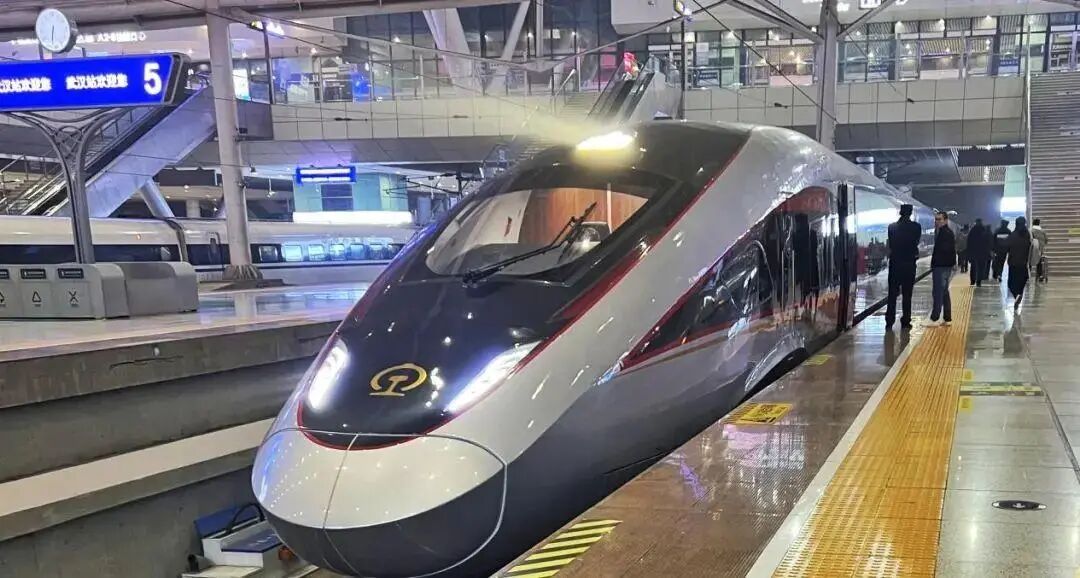
Today, high - speed rail has become a technological calling card of China and an indispensable means of transportation in our daily lives.
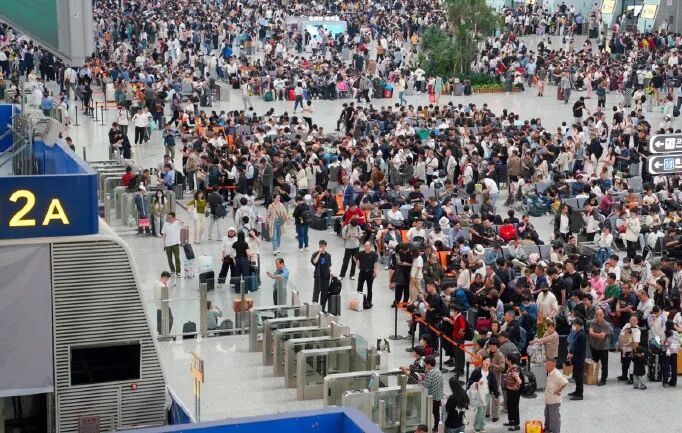
But you have to know that the Fuxinghao high - speed train system, which can now run at speeds of up to 400 km/h, would have almost become an insurmountable obstacle back then because of a key component, the railway wheel!
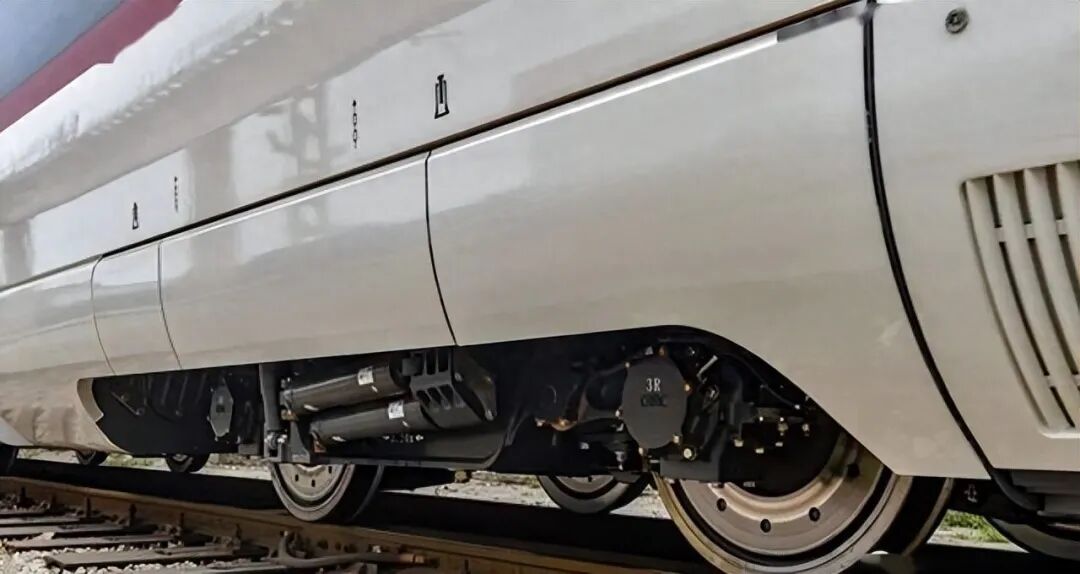
Before 2010, the Chinese high - speed rail was in a crucial phase of the "acceleration sprint". The intercity railway between Beijing and Tianjin and the high - speed line between Wuhan and Guangzhou were opened one after another, and the framework of the national high - speed rail network began to take shape.
But few people know that we had a fatal obstacle back then - we couldn't even produce a qualified raw wheel for high - speed trains.
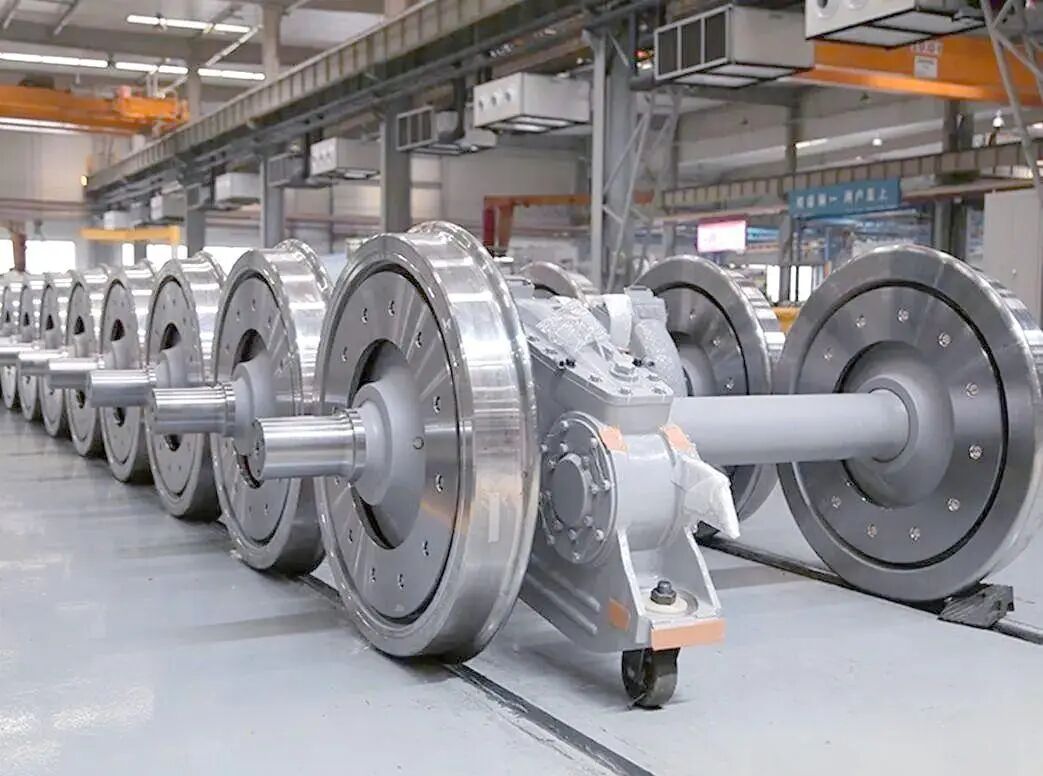
A high - speed rail wheel is not an ordinary piece of iron. It has to withstand the weight of 50 to 60 tons of a carriage at a speed of 350 km/h, endure the shock during frequent stops and starts, and show no cracks or wear over a long period of time. This places very high requirements on the purity of the steel, the accuracy of the forging technology, the heat treatment process, as well as the toughness and hardness.
At an average speed of over 300 km/h on the high - speed rail, even a tiny error of 0.1 mm can lead to a "fatal train accident". In 1998, the German ICE - 1 high - speed train derailed due to a tiny crack in the wheel, resulting in 101 deaths and 105 injuries.
In this field, there were only a few companies in the world at that time that could produce high - speed rail wheels: Sumitomo from Japan, BVV from Germany, Vossloh from France, and Lucchini from Italy. These four companies almost had a global monopoly on this market.
Companies like Sumitomo from Japan and BVV from Germany started their activities in this field more than 60 years earlier than China. For a long time, they had a monopoly on high - speed rail wheels.
When producing high - speed rail wheels, there must be no deviation of 0.01% in the purity of the molten steel, the alloy ratio, the forging temperature, or the heat treatment process.
Back then, Japan and Germany kept their technical parameters strictly secret. They treated the steel grades ER8 and ER9 like treasures. Even if China bought these steels and disassembled them for analysis, it couldn't replicate the internal homogeneous structure. The production lines were not shown, the technology was not transferred, and only finished products were sold.
A pair of wheels cost about 600,000 yuan. If you replaced the wheels of a train with eight carriages, it cost about 20 million yuan. Moreover, the wheels had to be replaced after 2.4 million kilometers, which was extremely expensive. Every year, 2 billion yuan was easily drained from China!
What was even worse was that when the construction of the Beijing - Shanghai high - speed rail line started in 2008, China offered to finance the development of 350 km/h wheels together with Japanese and German companies to acquire this core technology. However, the Japanese company Sumitomo Metal and the German company ThyssenKrupp replied that the core technology was the result of a century of experience and would not be sold to China even for money.
In the same year, Japan and Germany coordinated to halt the supply of wheels and cancelled contracts worth about 560 million yuan, which put several construction projects on the line at risk of being aborted.
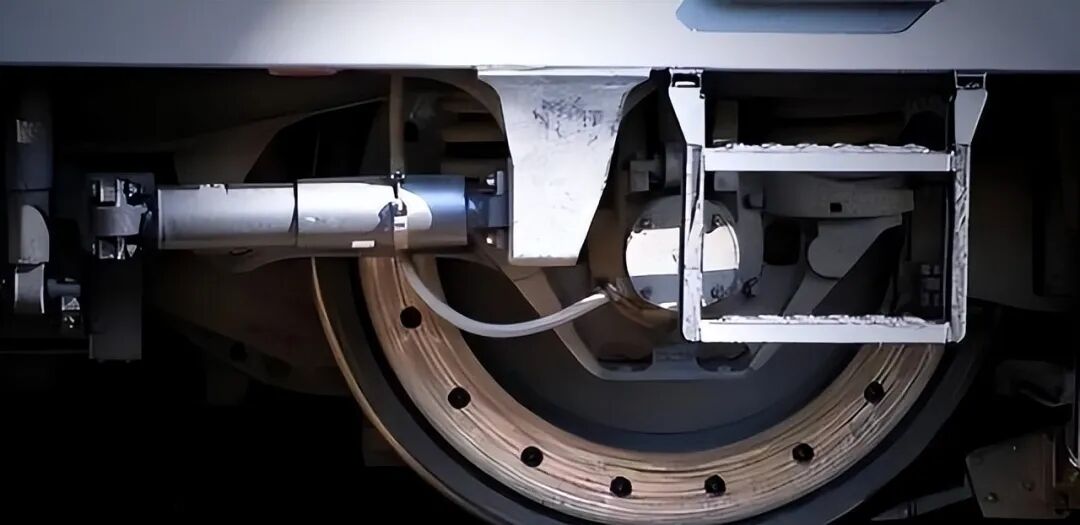
After the supply interruption, the Chinese high - speed rail was in a difficult situation. On the one hand, the high - speed rail network was constantly growing, and a large number of wheels were needed. On the other hand, Japan and Germany coordinated to block the supplies, and it was impossible to buy the wheels even if you wanted to. Even if you could buy them, the prices were increased tenfold compared to the normal prices.
No capitulation despite bottlenecks - The arduous path of Chinese companies leads to success
However, China is not a country that "simply submits in the face of bottlenecks". When the news of the supply interruption came in, companies like CRRC and Ansteel immediately formed a joint team to tackle the production of high - speed rail wheels as a "bottleneck" project.
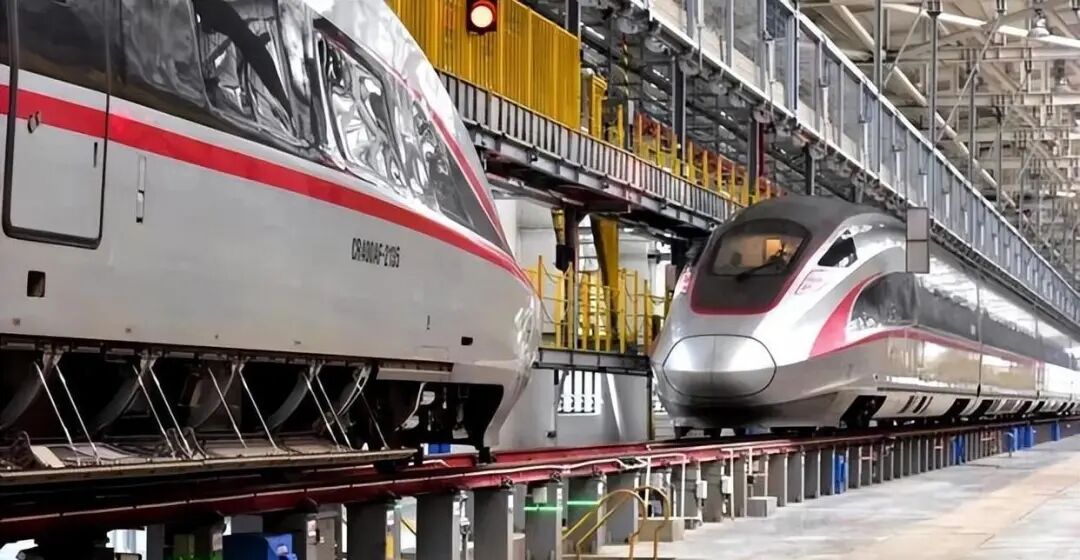
Without technical drawings, the team disassembled the imported wheels and analyzed the steel composition step by step. Without a recipe, they tried it step by step. Without technology, they worked it out step by step. Without data, they conducted test runs step by step.
From metallurgy, rolling, heat treatment, non - destructive testing to fatigue tests - the entire production process was explored from the ground up.
The steel composition was repeatedly adjusted, thousands of tests were carried out in the melting furnace, and the microstructure was constantly optimized. Thousands of drawings, thousands of development engineers on the front line, and hundreds of days and nights of perseverant work...
In 2010, the first D1 wheel was completed. It was suitable for speeds of 250 km/h and completed 640,000 kilometers of tests on a Harmony train series. The wear was less than that of the imported wheels, and there were no spallings.
With this step, it was finally possible to mass - produce medium - speed wheels.
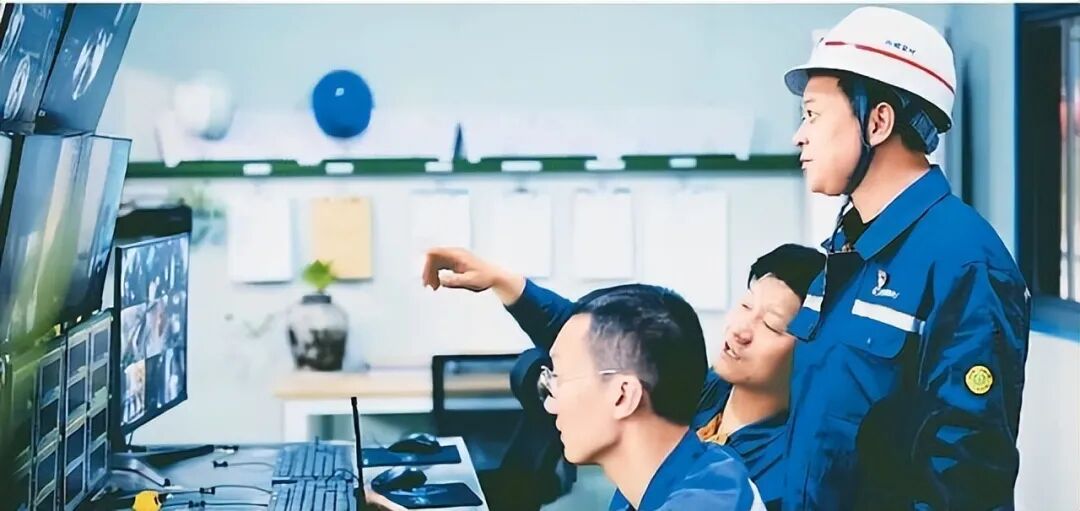
Later, a series of global problems such as cracking at high speeds, long - term wear, uneven load, and polygonal wear were solved.
In 2015, Ansteel successfully developed a high - strength bearing steel specifically for high - speed rail wheels, thus solving the central problem of "steel cracking".
Subsequently, CRRC was able to master the precision forging technology and the heat treatment process. The produced wheels met or exceeded the standards of Japanese and German products in terms of wear resistance and impact resistance.
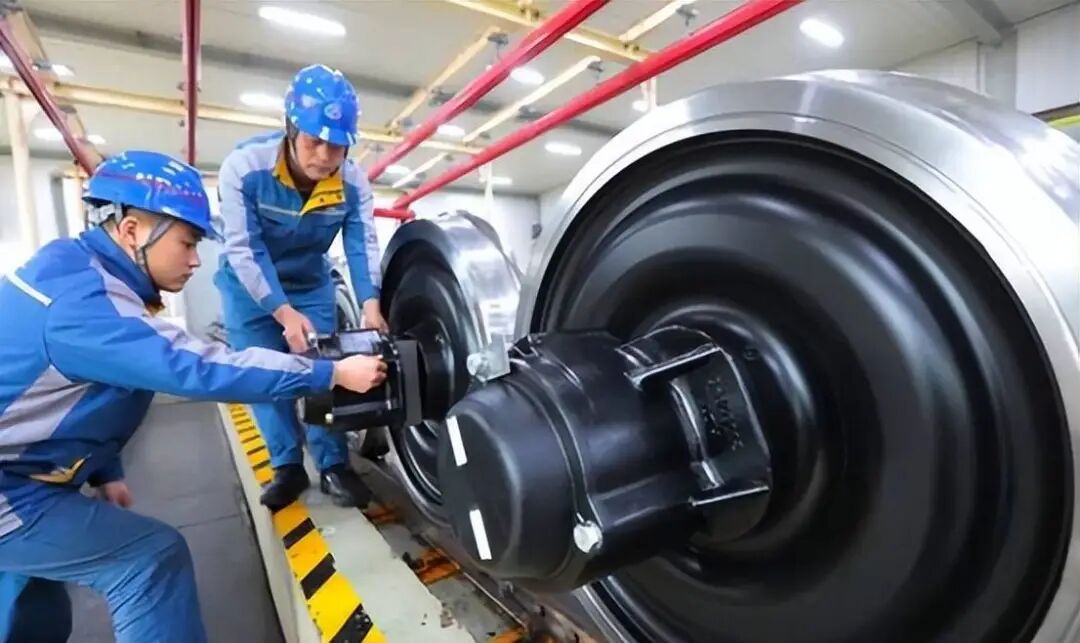
From the qualification of slow wheels, the tests on 250 km/h trains to approaching the standards of the 350 km/h Fuxinghao, test runs were carried out step by step. Hundreds of thousands and millions of kilometers were safely traveled, and the tests were stricter than international standards.
After ten years of hard work, Chinese high - speed rail wheels were finally fully qualified.
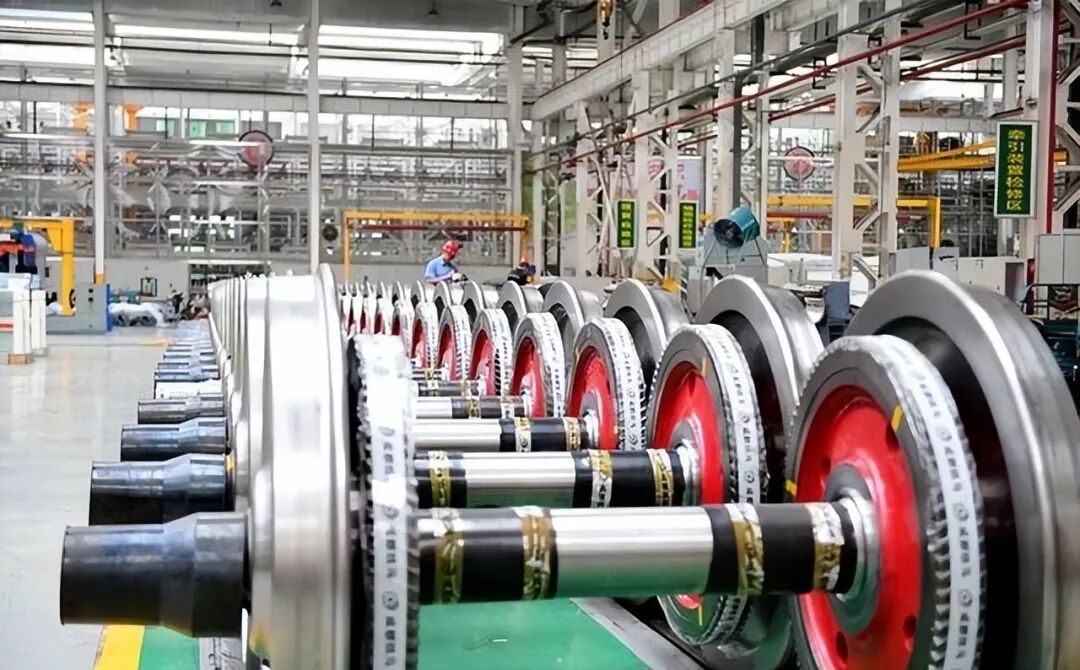
Today, Chinese high - speed rail wheels weigh about 300 kg and have a diameter of about one meter. The materials used in the production of the wheels are very precisely dosed. They can pass an impact toughness test at - 60 °C.
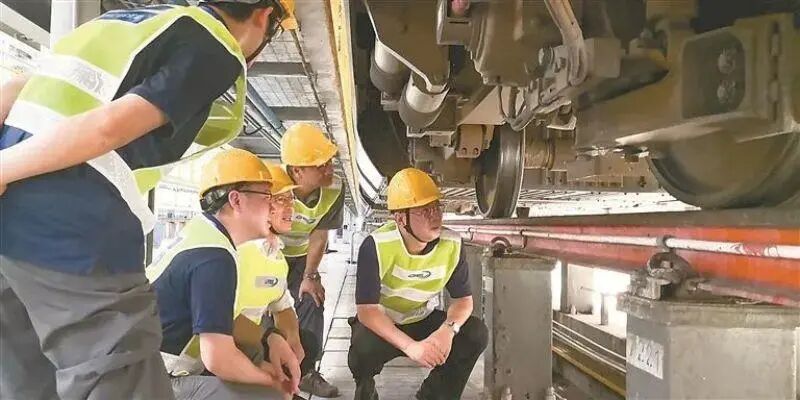
Although it's just a series of metal wheels, there are more than 50 key technologies involved behind them, which are all in Chinese hands today.
In 2017, Chinese - made high - speed rail wheels were put into operation for the first time. After long - term operation tests, the failure rate was much lower than that of imported products, and the price was only one - third of the import price.
Suddenly, the Japanese and German companies that used to "not sell their technology even for money" voluntarily came to China to offer a partnership and even price cuts. The German BVV factory was acquired by a Chinese company in 2017!
This time, the initiative was completely in Chinese hands. This changed situation is the result of a technological breakthrough and has led to a shift in the power balance. Behind this success lies an extremely arduous process.
In the past, when we didn't have our own technology, other countries had the power. They had the products and the technology, and we had no way to defend ourselves.
Take, for example, the traction system that provides continuous power to high - speed trains. There is a module called IGBT in it. Although this device is very small, the automatic control and power change of the train completely depend on it.
In the past, we didn't have the ability to develop it independently and had to rely on imports.
However, the import prices were extremely high. Once, we bought a few such device chips at three times the market price. However, the device exploded during the tests. Later, it turned out that we were sold defective products.
That is to say, even if you spent a lot of money, there was no guarantee that you would get good products. Back then, we had no choice, because the core technology was in foreign hands and other countries had full price - setting power.
In every transaction, it was clearly stated that only the products would be sold and no technology transfer was included.
To ensure the use, the annual import cost of this device in China was over 1.2 billion yuan. The procurement time was also very long, at least a few months and in the worst - case scenario, over a year.
Since 2006, we started independent development. In 2014, we produced devices with full independent intellectual property rights.
It can be said that the path to localization in the field of high - speed rail development and production was an extremely arduous process. But no matter how difficult it was, in about ten years, we have blazed a trail that has reshaped the global high - speed rail wheel industry.