Ist Apples halbfertiges Lösungskonzept tatsächlich zur Standardlösung geworden?
People of a similar age to Tony should all have the same feeling: Every year, it is claimed that VR, MR, AR, or the more comprehensive concept of XR will finally break through.
But the annual sales figures are modest, and in the real world, you rarely see anyone actually using products from these areas.
However, this time it might actually be the case that the "wolf" is finally coming.
One day at the end of 2025, we were taken to a small room in Beijing. An informant whom our colleague Milo knew had invited us to show us a prototype of a pair of glasses.
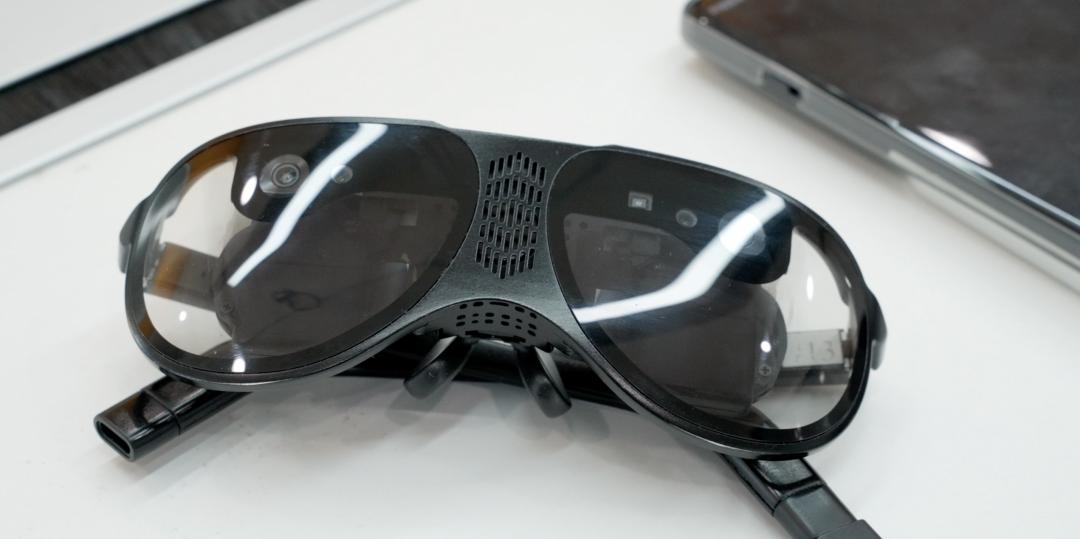
This prototype is not a Birdbath-style glasses like the XReal, which can only be connected to external devices to watch movies or play games.
It is also not one of the waveguide glasses with monochromatic green light currently promoted by Rokid, Leiniao, and Quark, but a fully functional MR glasses.
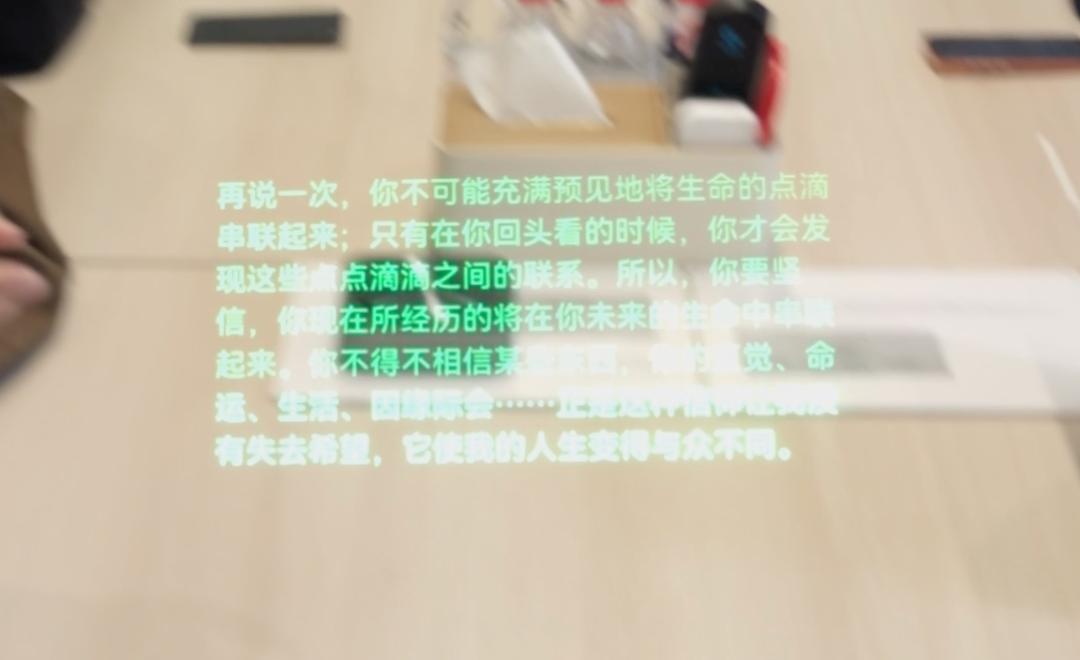
Yes, its real "competitors" are actually products like the Vision Pro, the PICO 4 Ultra, and the Meta Quest –
On the outside, cameras are installed to capture the real world, and inside there is a full-color MicroOLED display with a resolution of 2K per eye. Through algorithms, a fusion of the virtual and real world is achieved – just like with the Apple Vision Pro.
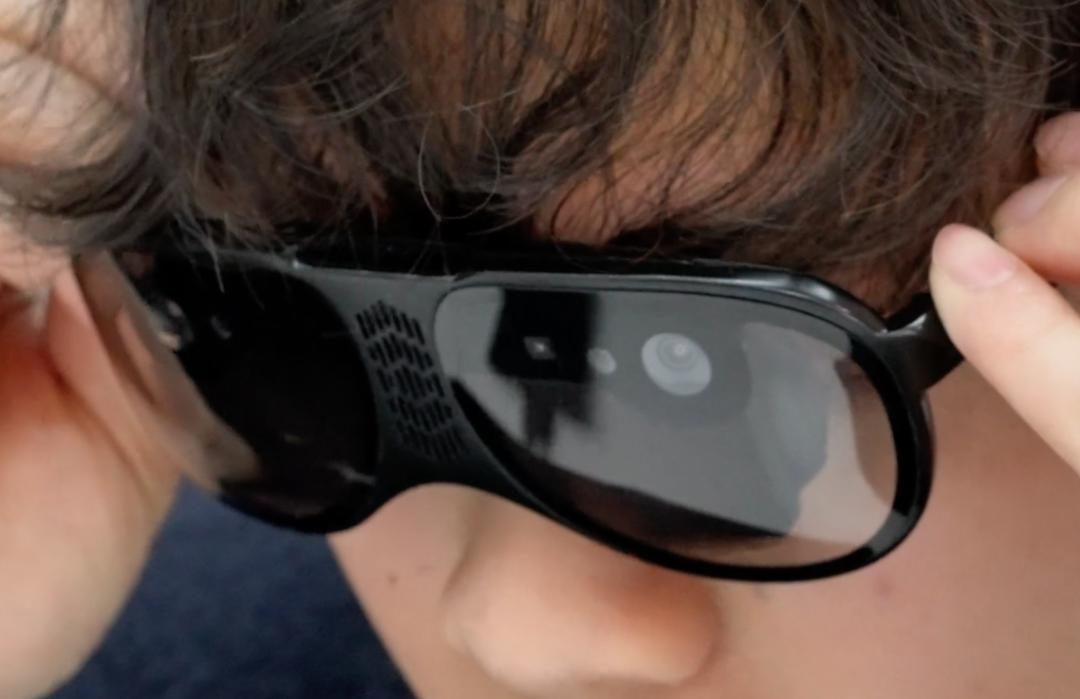
After we put on these glasses, we found that the displayed images are not worse than those of conventional MR glasses. In addition, it supports gesture interactions such as pressing, tapping, and pulling.
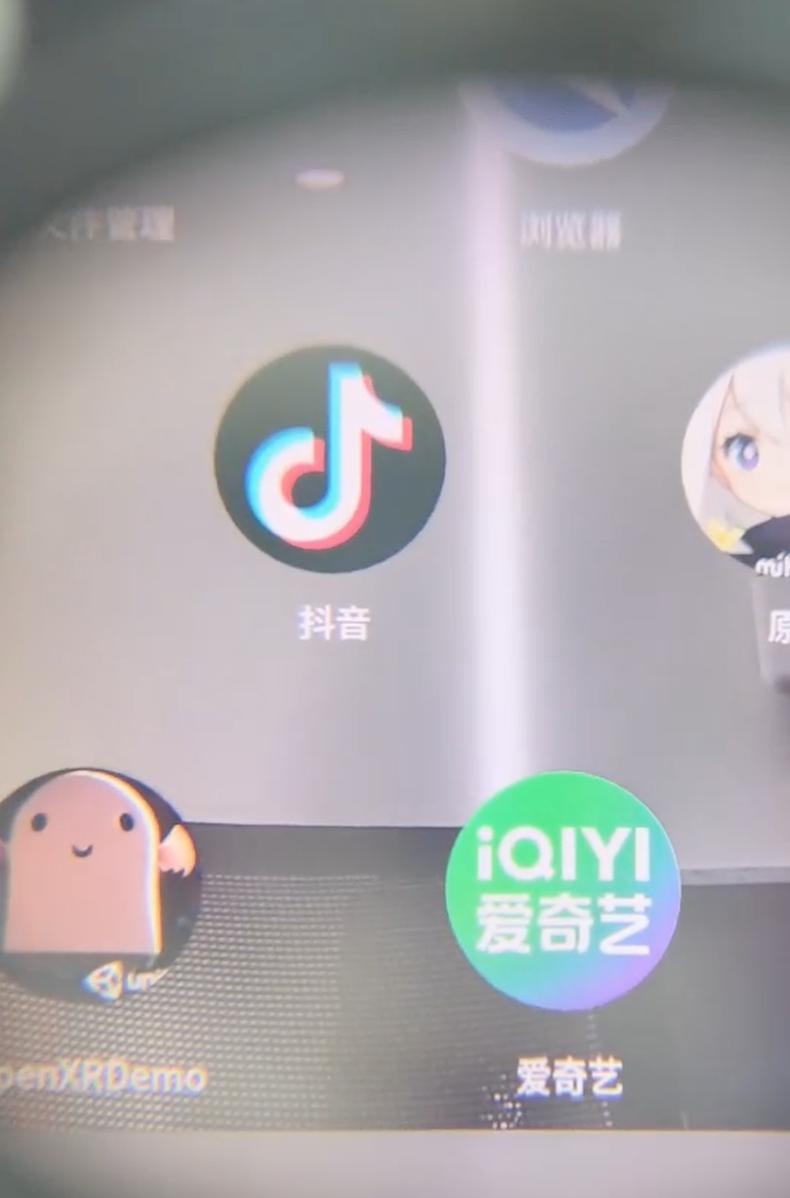
In professional circles, one would say that this prototype is a real VST (Video See-Through) device.
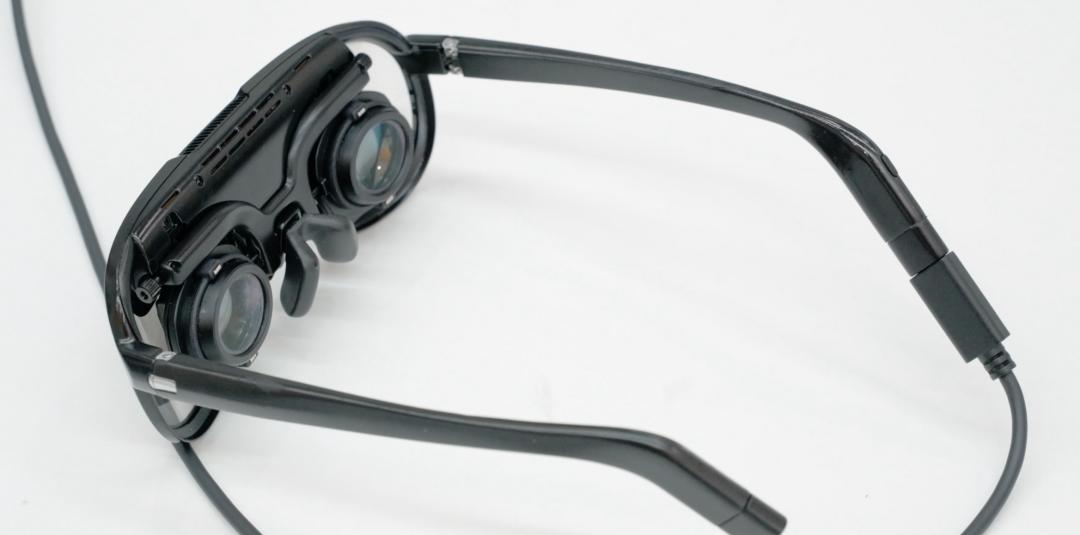
What's even more amazing is: This pair of glasses has all these advantages without becoming a "brick" like the Vision Pro.
Could we actually have found a product that can beat Apple?
However, after we had a more in - depth conversation with the informant, we found that this seemingly magical pair of glasses is so light and works so well because a new approach has been taken –
Compared to all-in-one MR devices like the Vision Pro, this pair of glasses is very light. Its main part only contains an independent co - processor for spatial data, while the main processor, which is responsible for running software and operating systems, has been placed in an external "bag".
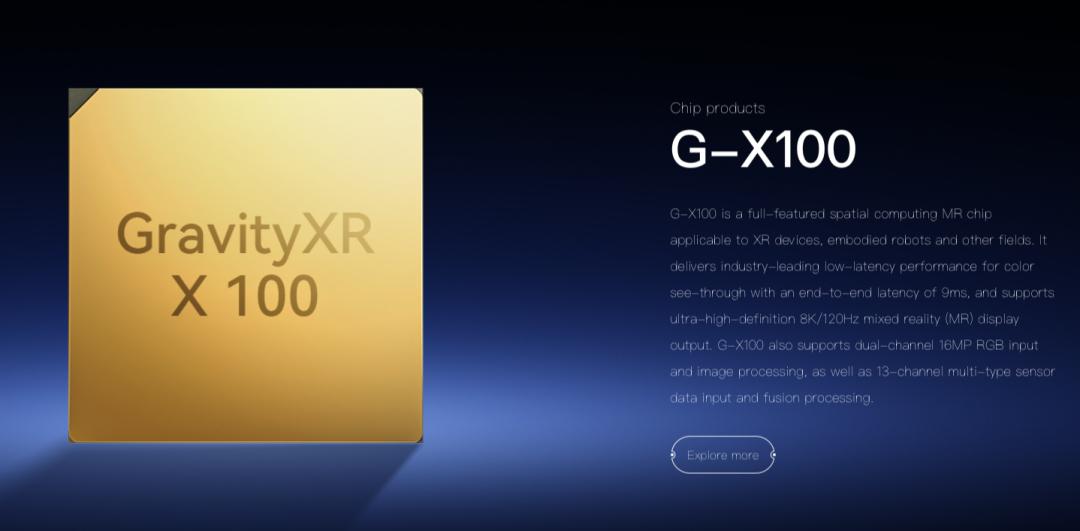
We found that the image processing chip in the glasses head comes from a startup called GravityXR.
The XR operating system is provided by another company called Hongyu Technology.
The informant also told us that this device has been thoroughly examined by several leading companies, and they all believe that this lightweight, Vision Pro - like design idea is very promising.
This means that in the next one to two years, we will probably see even more such separate, lightweight MR products.
Maybe some of you are now asking: "They just moved everything into the external bag. The glasses are lighter, but an external bag is not very elegant."
Is this small change really worth getting MR glasses manufacturers and market analysts so excited?
You can't blame the manufacturers and analysts. The MR field has always had a hard time and is in a "death spiral":
Apple has top - performing products, but they are too heavy and too expensive to sell well. Therefore, the application ecosystem is weak.
Android glasses are relatively cheap, but the performance is insufficient. Therefore, no exciting games and applications can be developed, which makes the application ecosystem even weaker and causes the sales figures to plummet.
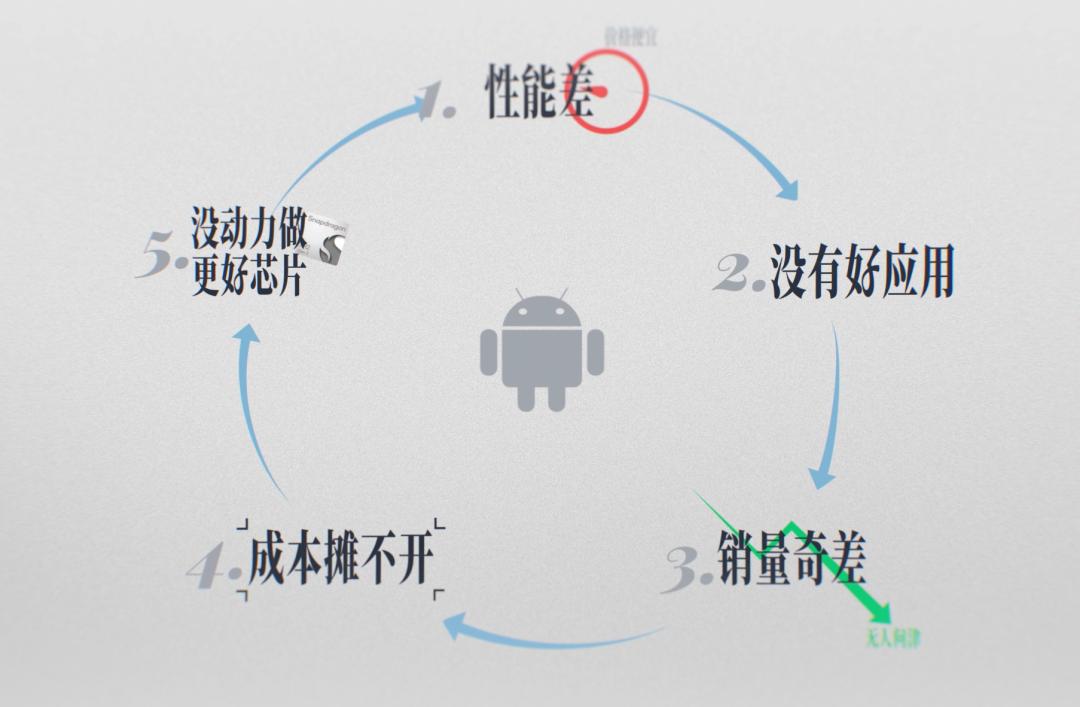
Poor sales figures mean that the costs are difficult to spread. Since the products can't be sold too expensively, Qualcomm has no motivation to develop more powerful XR processors... Thus, the death spiral is complete.
Therefore, the glasses manufacturers urgently need a new approach to break through this death spiral.
After you know this story, you should understand which problems this prototype solves.
The first thing that stands out is the weight and volume.
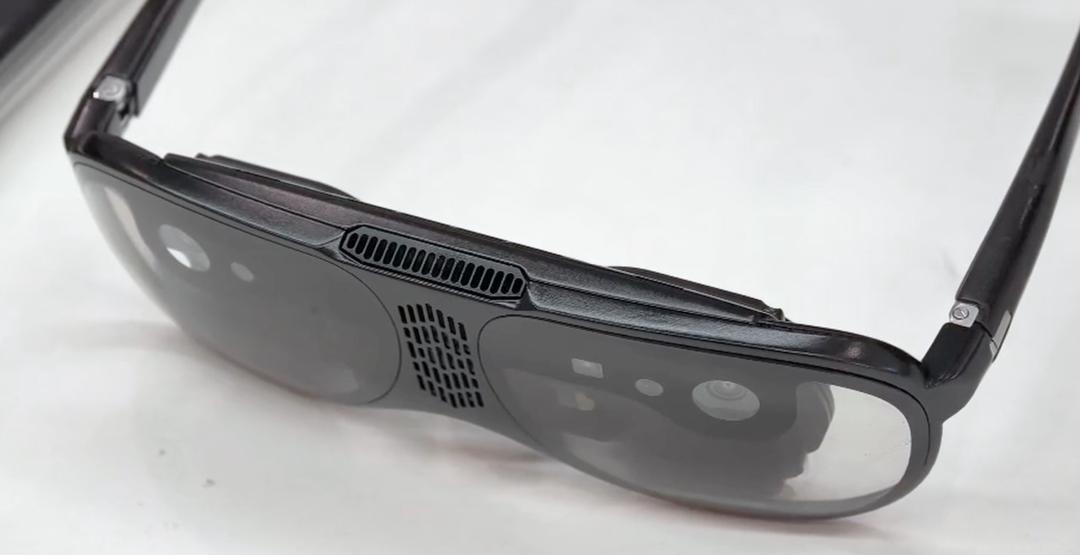
Although this prototype is still a bit heavier and larger than normal glasses, it is much lighter compared to other MR glasses on the market:
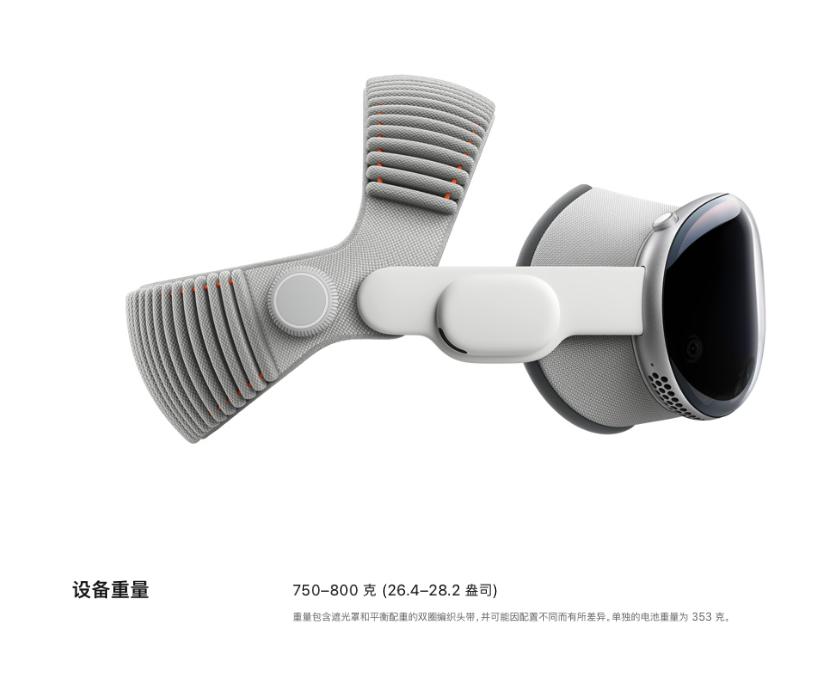
The M2 version of the Vision Pro already weighs over 600 grams, and the newer M5 version even weighs 750 grams because it has a new headband.
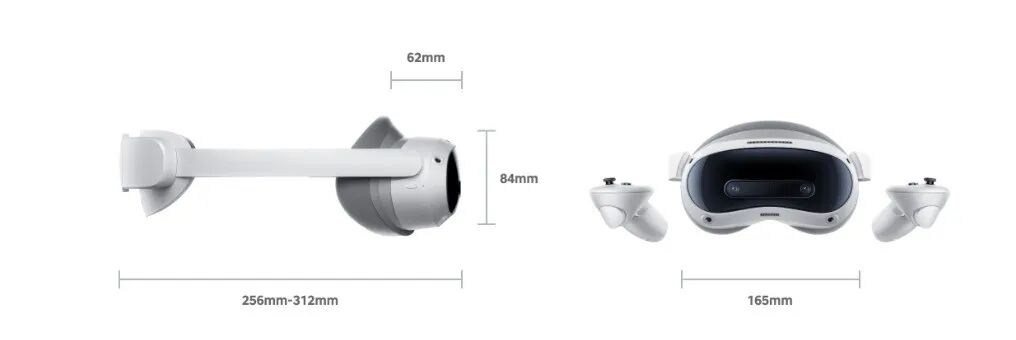
The PICO 4 Ultra used by our colleague Milo weighs 580 grams together with the external battery.
Even the vivo Vision, which was released last year and was specially optimized for weight, still weighs 398 grams, which is approximately the weight of two smartphones.
The MR glasses are so heavy because Apple uses expensive and heavy glass in the Vision Pro to give a good feeling. For other products, the problem is that too many components have to be packed into the glasses head.
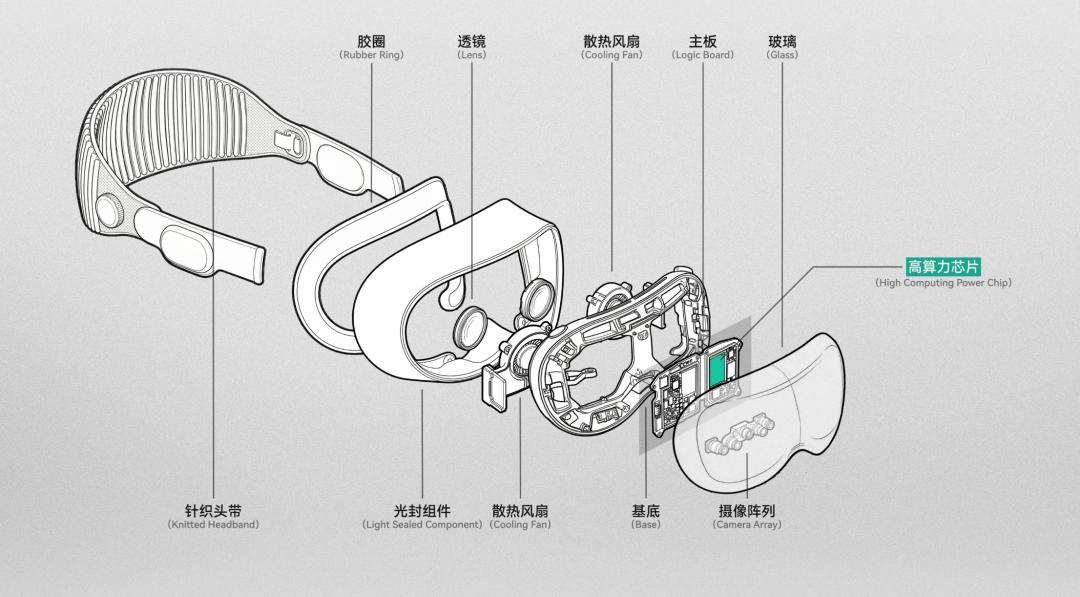
A pair of glasses doesn't just work with a display. It also needs a powerful chip to process video transmission and 3D rendering...
The heaviest element in a pair of glasses is actually the cooling system around the processor.
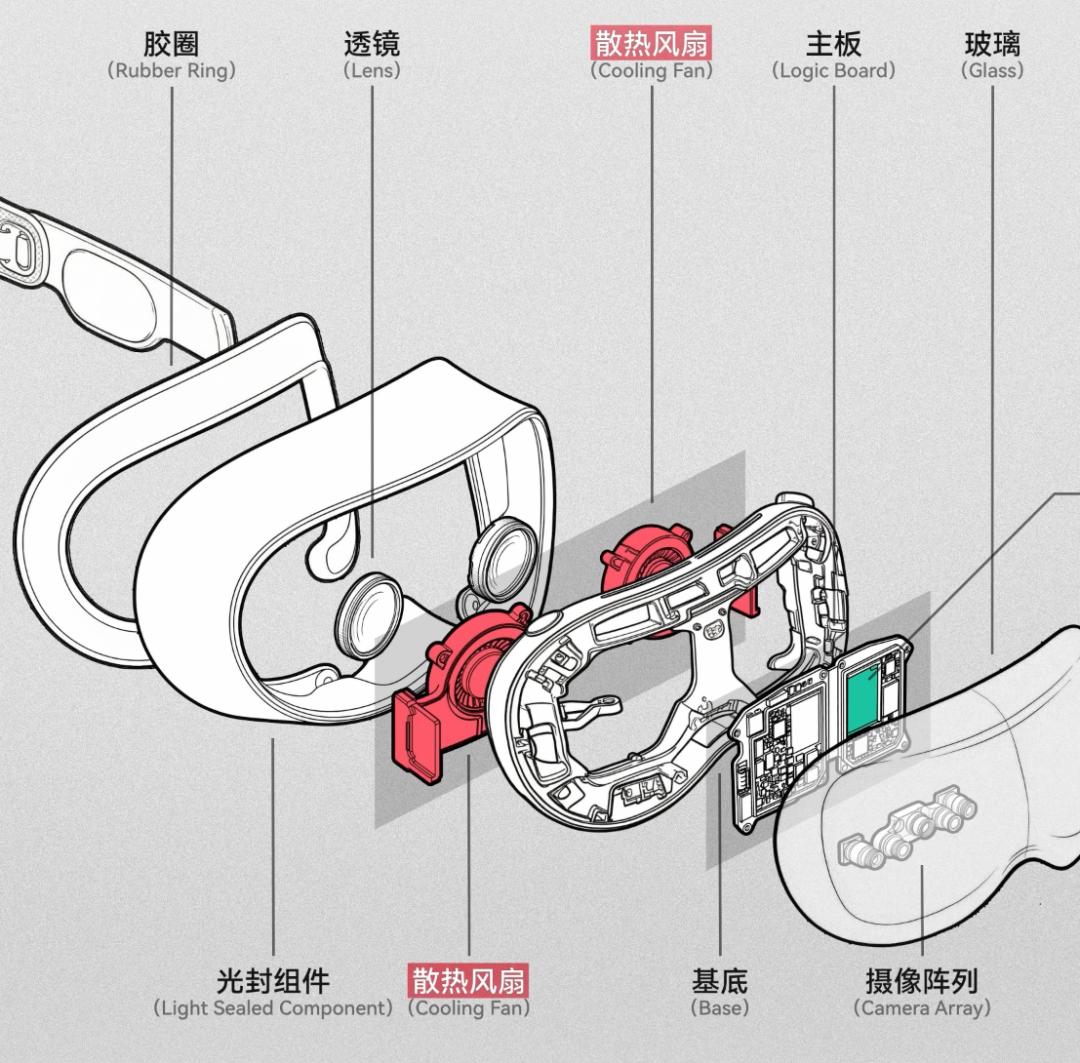
The well - known American company iFixit has disassembled the Meta Quest 3. You can see that the cooling module takes up a large part of the glasses head.
Image source: iFixit -
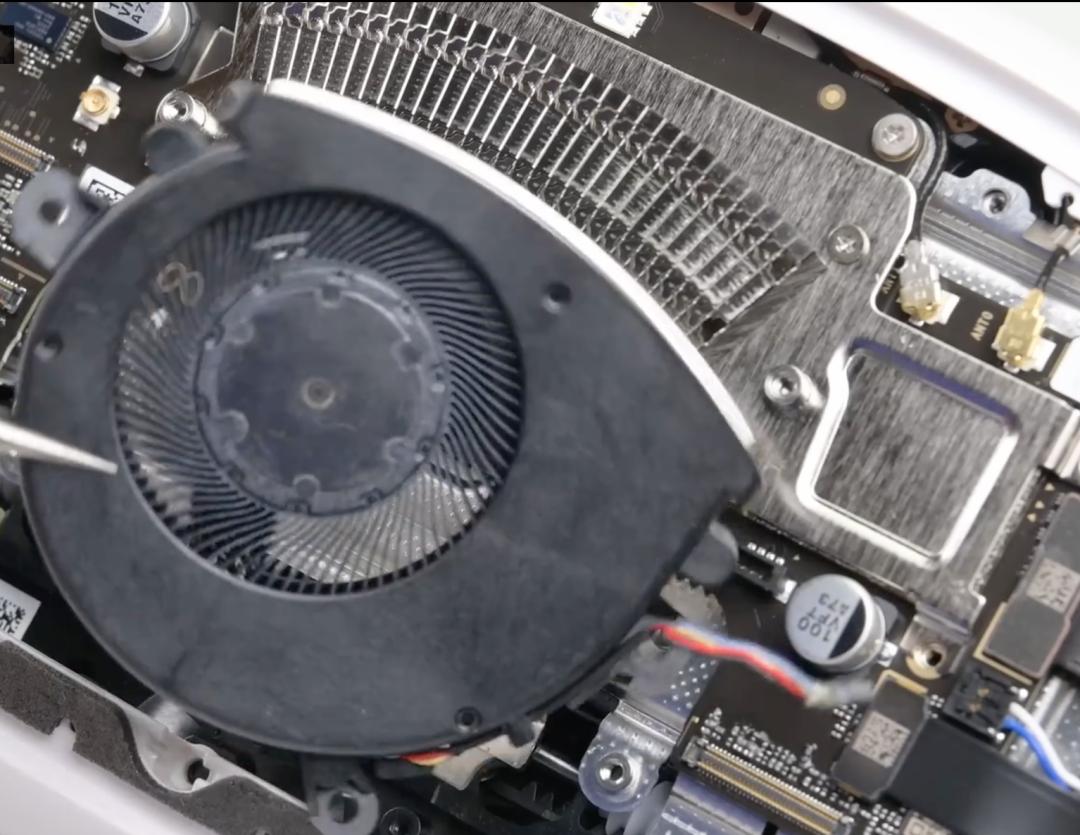
However, these cooling measures are unavoidable. In the Apple Vision Pro, the M2 processor, which generates a lot of heat, is packed into the limited glasses head. In Android glasses, an XR2 Gen 2 chip adapted by Qualcomm based on the Snapdragon 8 Gen 2 is usually used.
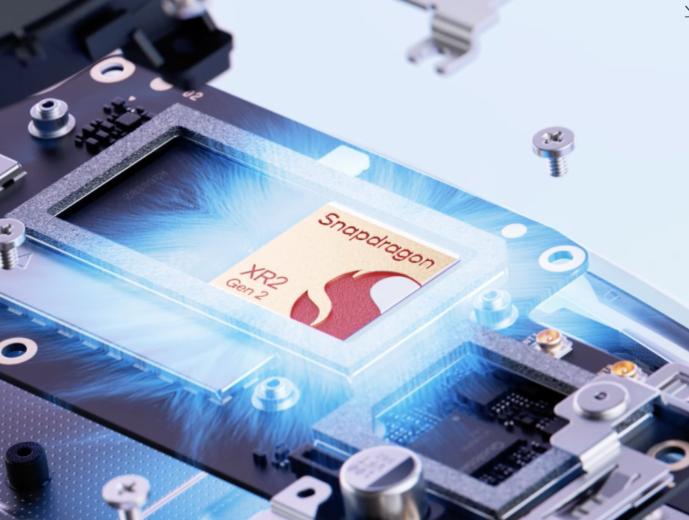
If you reduce the cooling, the glasses will overheat, the chip will be throttled, and the display will show image errors and latency, which is unacceptable in a pair of glasses because it can actually make the user sick...
Therefore, all glasses manufacturers equip the processor with an extensive cooling system, which of course increases the weight and volume.
In comparison, the pair of glasses we saw at the beginning is much simpler.
The main processor, which is responsible for running the operating system and software, has been moved into the external "bag".
In the glasses head, there is only an image processing chip, which generates less heat during operation and therefore requires less cooling.
In addition, there is also a shielding cover and a headband, but the weight and volume of the glasses head are not as extreme as those of conventional all - in - one MR devices.
Yes, the weight hasn't disappeared, it has just been moved from the head to the pocket. But isn't it much more comfortable to wear this way?
Besides the weight and volume, this prototype also solves another, more complicated problem – MR glasses have long suffered from a lack of computing power.
In the smartphone market, we already have chips like the 8E Gen 5, but the most powerful chip for Android MR glasses is still the XR2 Gen 2 based on the Snapdragon 8 Gen 2 –