Apple faltbarer Bildschirm: Geöffnet wie ein iPad, geschlossen wie ein iPhone, aber...
After each spring iPhone event, the rumors about the new iPhone for the fall event are usually quite reliable.
The highlight of this year is, of course, the foldable iPhone. There are rumors that Apple will name this product the iPhone Ultra.
The wide folding design, the lack of creases, and the price of up to $2,000 have already been reported by iFanr several times. According to the latest rumors from Bloomberg journalist Mark Gurman, the foldable iPhone when opened is like a small iPad.
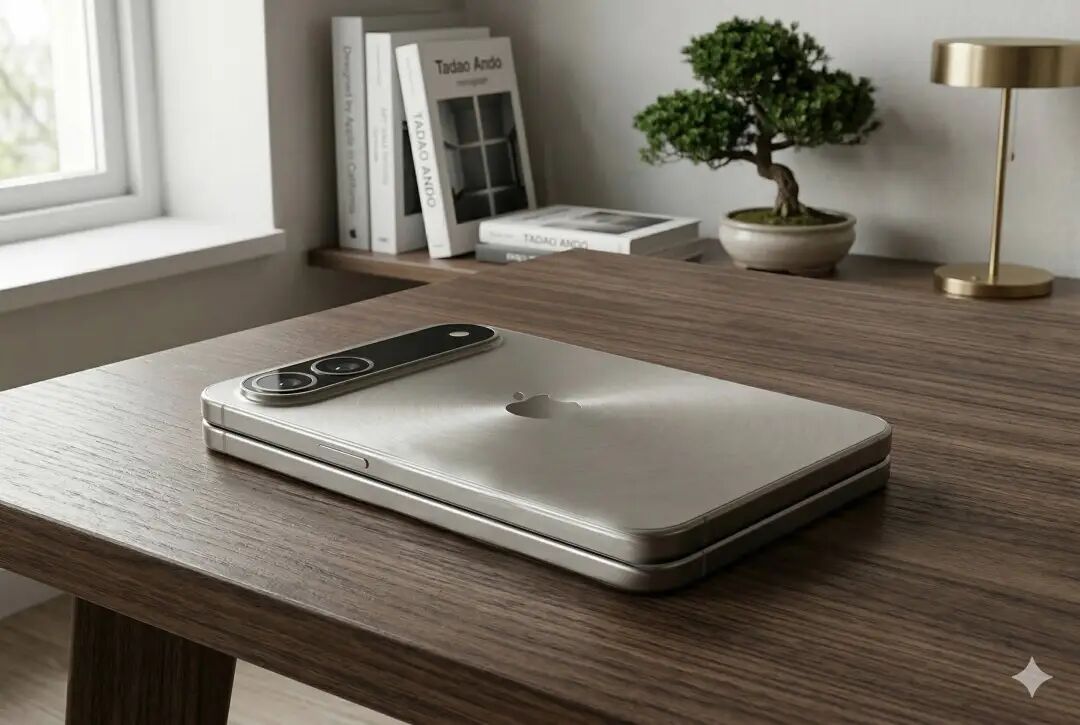
This concept image was generated by Gemini.
Foldable like an iPhone, open like an iPad
Apple has so far delayed bringing a foldable smartphone to the market, mainly for two concerns: The inner display is too narrow and the creases are too deep.
From the current signs in the production line, it appears that Apple plans to solve the first problem with a horizontally widened inner display. The outer and inner displays of the foldable iPhone could be around 5.5 inches and 7.8 inches respectively, and the inner display is not the usual square shape but a widescreen with an aspect ratio of about 1.4 to 1.
This shape is somewhat familiar.
If you are familiar with the foldable smartphone market, you probably already have the outlines of the first Pixel Fold or the OPPO Find N2 and the Huawei Pura X in mind. They are significantly different from the slender remote - control shape of Samsung.
That is, when the smartphone is fully opened, you have almost an inner display the size of an iPad mini in front of you.
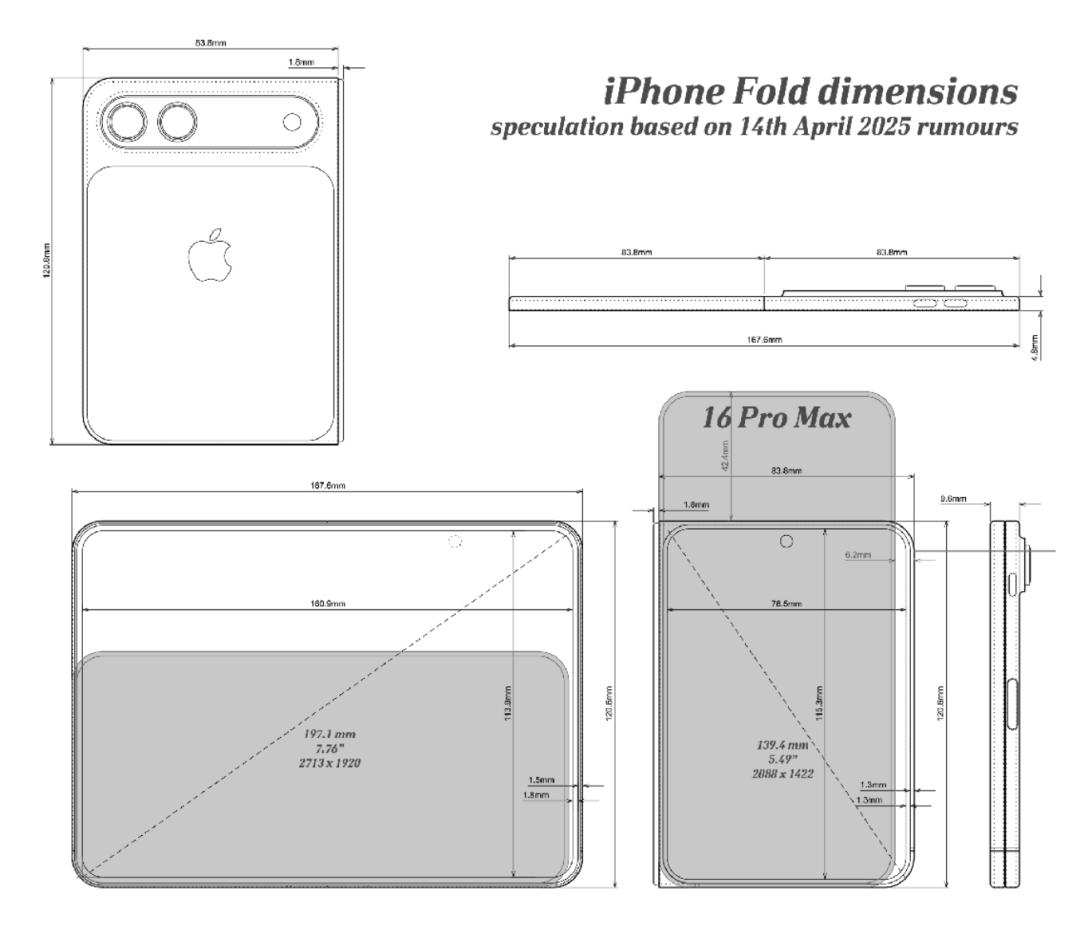
Obviously, it is correct to obtain a wider inner display when opened through a wide folding design. But a new problem now arises for Apple: A wider inner display means that its shape is very different from that of a conventional smartphone. How can this shape be made practical?
According to Mark Gurman's rumors, Apple plans to "operate" on the existing iOS. Apple wants to add a sidebar along the left side of the display and ask developers to adapt the iOS interface to the landscape view of an iPad.
Moreover, the "split - screen" function, which Android smartphones have made iPhone users envious for years, will finally be realized. On this wide inner display, it will be possible to run two apps side by side, which will become a standard function.
However, this iPad - like solution concept does not mean that iPadOS runs on the foldable iPhone. The rumors directly state that Apple has no intention of bringing iPadOS to the foldable iPhone. Native iPad apps cannot be opened, and there are no complex window - based floating functions. Instead, the simple multitasking system of iOS will be retained, and on this basis, an iPad - like interface will be developed.
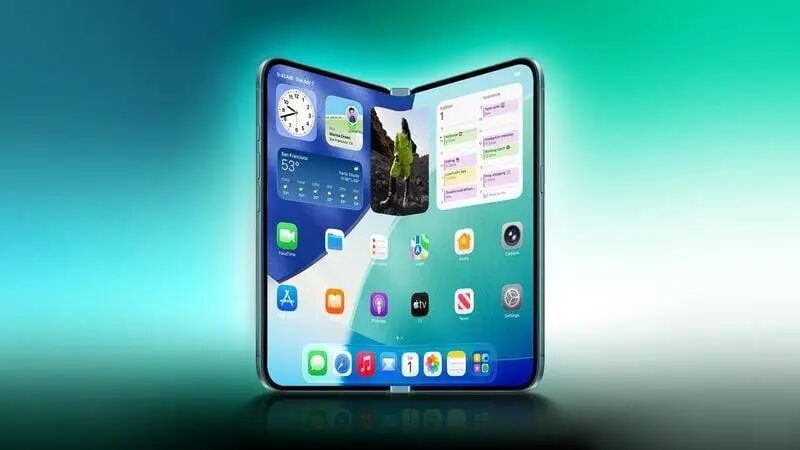
The iPhone and iPad remain clearly separate.
Ultimately, Apple's logical boundary for this upcoming device is very clear: The coming foldable iPhone must be a sleek iPhone when closed and look like a small iPad when opened.
Touch ID is back, punch - hole screen appears
After the new news about the software ecosystem, let's now look at Apple's second concern: The creases are too prominent.
The problem of creases is not new. Although readers' feedback over the years has shown that this problem is often "insignificant to users but annoying to onlookers". Once the screen is turned on, people who are immersed in the content hardly notice the creases. But for Apple, a company that pays great attention to visual effects, it is difficult to tolerate a crease that runs across the screen.
We have already examined Apple's production - line patent chain several times. They have entered into a cooperation with their old rival Samsung.
Apple has invested a lot of money in this display and forced Samsung to abandon the Y - OCTA packaging method used for years and instead develop a proprietary in - cell touch scheme for Apple. In short, this technology integrates the touch sensors directly into the light - emitting pixels, thereby reducing the thickness of the screen film.
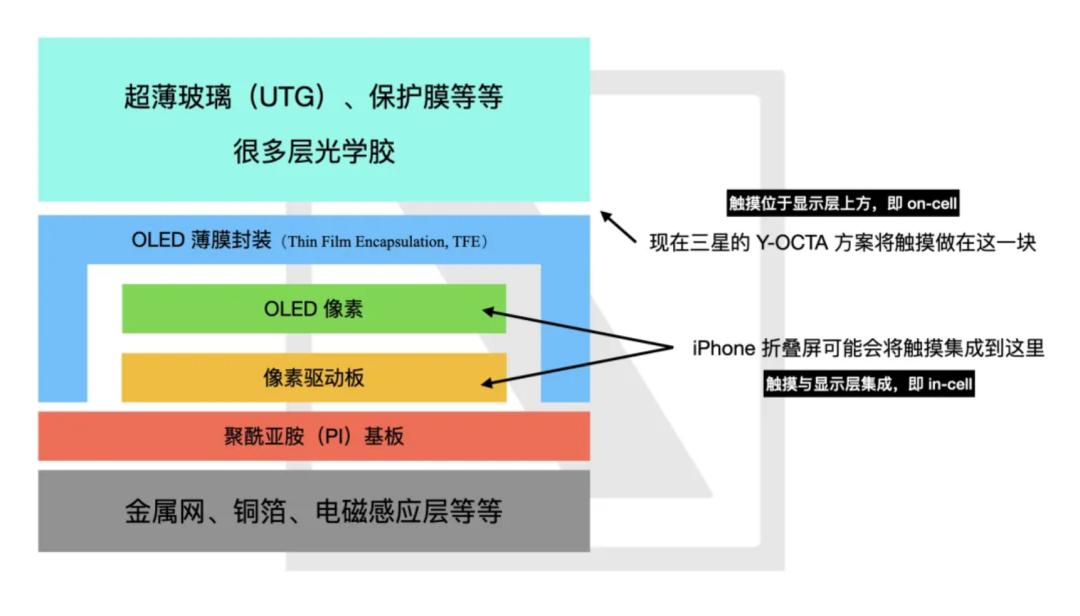
In the physical world of foldable displays, the stress generated when bending is reduced many times over if the display is just one micrometer thinner. A thinner screen structure means less folding resistance and gives the optical adhesive more space to fill. This is Apple's most important argument for claiming that it can create a "crease - free" display.
Moreover, Apple attaches great importance to the durability of the foldable display and wants to solve the concerns about the reliability of foldable displays.
You can read the exact technical details in this article: How does Apple build a "crease - free" iPhone?
In fact, many foldable smartphone manufacturers are working on solving the problem of creases. We have already seen the solution of the OPPO Find N6, and it is very likely that the Samsung Galaxy Z Fold 8 will also focus on being "crease - free" in the second half of the year.
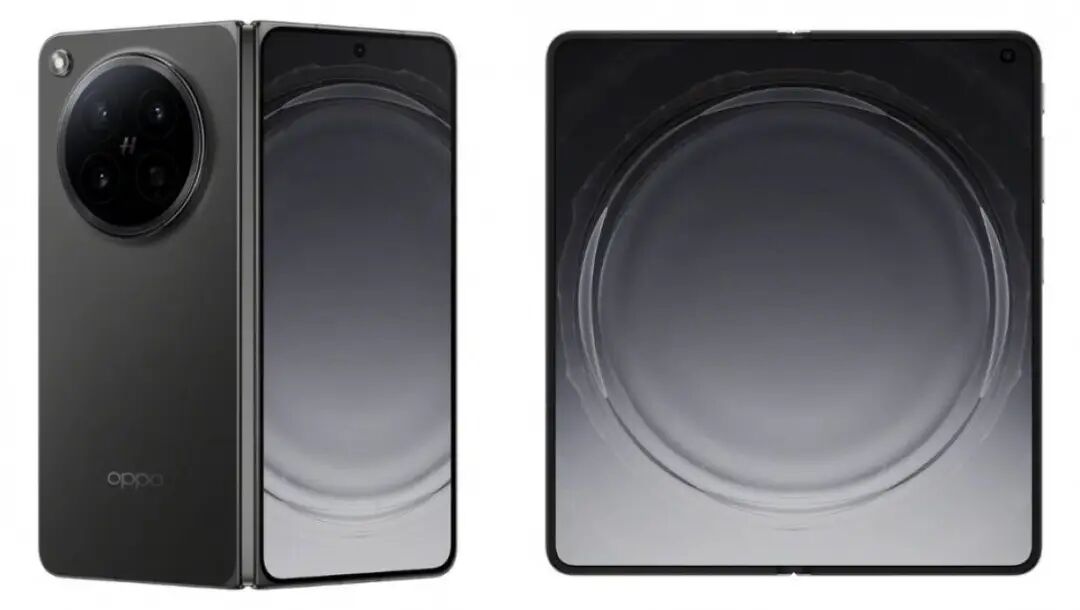
OPPO Find N6
There are solutions to both central problems, and the physical form of this device is already quite clear. But when we look at the details of the housing, we find that Apple has made some compromises with this foldable iPhone.
According to previous rumors, the foldable iPhone when opened has a thickness of about 4.5 mm, which is thinner than the current iPhone Air.
Newer rumors say that the foldable iPhone will abandon Face ID for reasons of housing structure to save weight and thickness, and instead use a Touch ID system integrated in the side on/off button.
Since the third iPhone SE in 2022, physical fingerprint recognition has been absent from the main models for a long time. Now it finally returns in a regrettable but still logical way.
With the removal of Face ID, the well - known Dynamic Island also disappears.
The front cameras of the inner and outer displays are replaced by single punch - hole cameras. There are rumors that Apple has also experimented with an under - display camera on the inner display, but finally decided on the punch - hole camera for reasons of image quality.
The good thing is that the interaction functions of the Dynamic Island have not disappeared with the physical structure. System notifications and live activities will still work in the usual way.
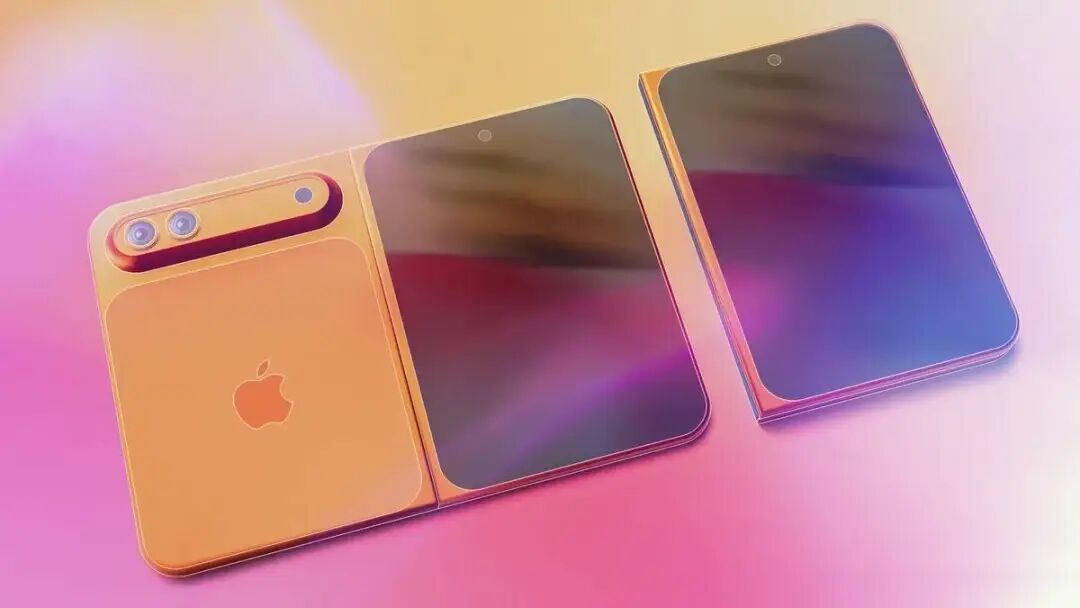
When we look at the back of the device, we find that even this expensive device has made compromises in the camera arrangement.
Mark Gurman says that the foldable iPhone will have one less camera than the current Pro series. We suspect that it is probably the telephoto camera that is removed due to thickness and space requirements.
From the recently published CAD images, it can be seen that the dual - camera arrangement follows the design philosophy of the iPhone Air, where the camera is placed at the top of the device. This corresponds to the supposed form of the Air 2.
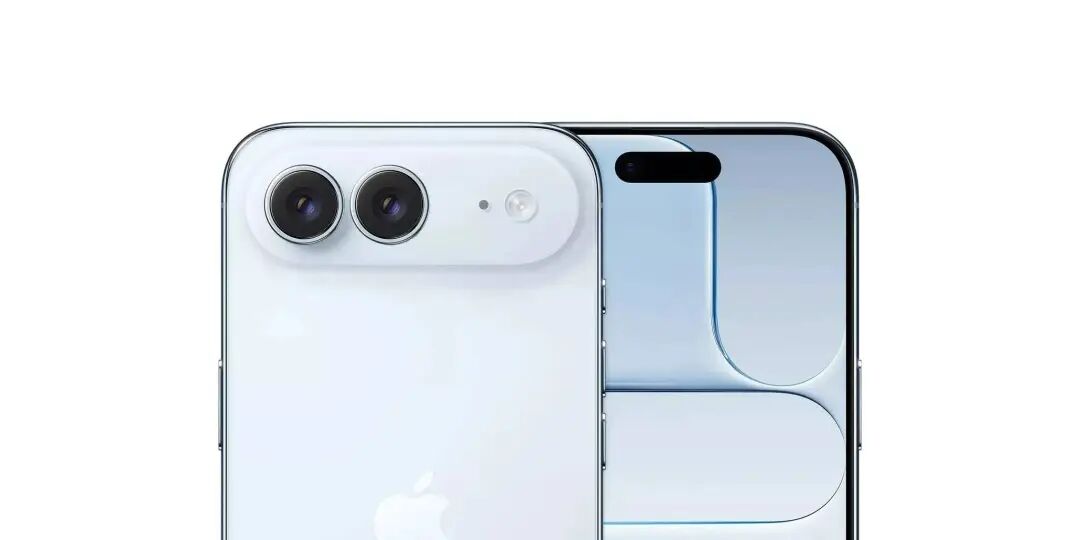
Accordingly, the physical SIM slot also has no place in this device. Previous rumors say that the foldable iPhone will completely switch to eSIM.
Inside the housing lies Apple's long - developed proprietary C2 baseband and the N1 communication chip.
Obviously, although this iPhone has many highlights, the many compromises make it difficult to justify the name iPhone Ultra.
More importantly, new product forms usually lower the profit margin.
A Wall Street analyst has calculated that even with strict cost control, the BOM costs of this foldable iPhone could reach up to $800, which is far above the range of four - to five - hundred dollars for conventional smartphones.
The high costs lead to a high price. Rumors say that it will be sold for $2,000, which significantly increases the minimum price of the iPhone.
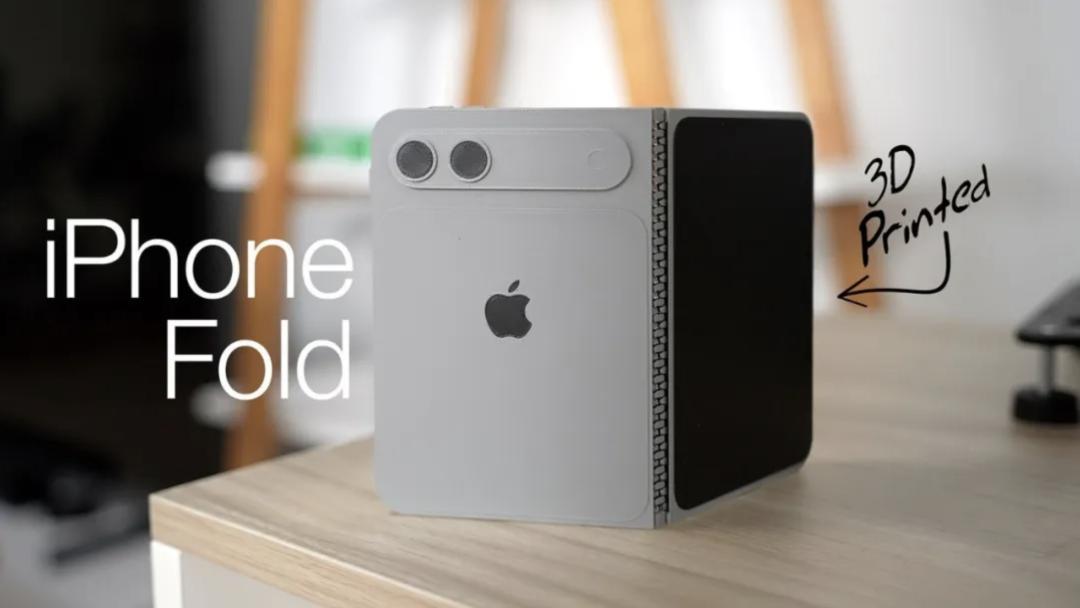
Worse than the high price is the looming internal growth pressure.
The lightweight - oriented iPhone Air has not excited people, and the groundbreaking AI hardware products still haven't appeared. In this difficult situation, the conventional iPhone is still the pillar of the billion - dollar business empire and cannot fail.
As the most expensive new member of the family, the foldable iPhone is naturally in the spotlight and has the task of finding new growth opportunities for Apple.
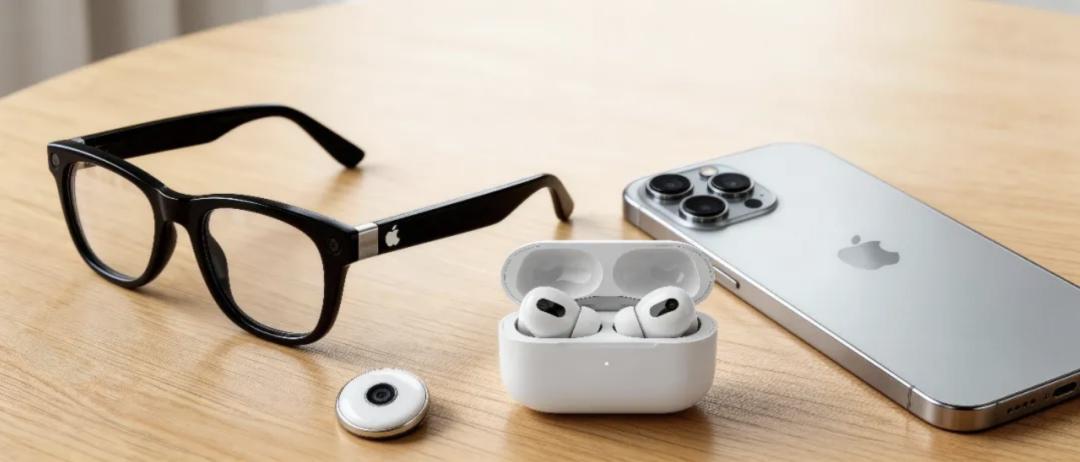
In previous reports by iFanr, it has been repeatedly emphasized:
Apple's logic for entering a market is never based on "I can also do it", but on "I can do it right" and do it well.
But the experience of "late entry" must also be questioned with the foldable iPhone.
Foldable displays are no longer a new technology.
Various smartphone manufacturers have extremely challenged themselves in terms of screen materials, hinges, and device weight and have developed foldable displays from a fragile experimental product to a mature mass - produced product.
It has been seven years since Samsung brought the first smartphone with a foldable display to the market. Even products like the triple - foldable smartphone have been on the market for over a year. In this situation, Apple's entry into the foldable display market seems a bit like a copycat.
Can just a smoother foldable display or a system adapted to large screens make the iPhone Ultra repeat the success of the iPhone 6 Plus?
The answer is still unclear.
This article is from the WeChat account "iFanr" (ID: ifanr), Author: Discoverer of future products.