Ist es noch lukrativ, in Vietnam zu expandieren?
Freier Mitarbeiter | Huo Ruikang
Vietnam wird zu einem der beliebtesten Ziele für chinesische Unternehmen, die ins Ausland expandieren möchten.
Nehmen wir die Provinz Bắc Ninh als Beispiel. Sie liegt weniger als 40 Kilometer von der Hauptstadt Hanoi entfernt und hat bereits über 2.100 Investitionsprojekte angelockt, darunter über 600 chinesische Unternehmen. Die Elektronikindustrie hat einen sehr hohen Anteil an diesen Projekten.
Warum wird Vietnam zu einer beliebten Wahl für chinesische Unternehmen, die ins Ausland expandieren? Chien, der Leiter der Investitionsförderung im Industriegebiet von Bắc Ninh, sagte: "Es ist nah, die Kultur ist ähnlich, die Löhne der Arbeiter sind niedrig und die Politik ist auch förderlich."
Xiao Fu studiert in Vietnam und bekommt jeden Tag eine große Anzahl von Anfragen von chinesischen Unternehmen. Viele Geschäftsleute bitten sie dringend, die Industriegebiete zu untersuchen. Xiao Fu war ursprünglich in China im Vertrieb von Industriesoftware tätig. Anfang 2024 bemerkte sie, dass viele ihrer Kunden die Absicht hatten, nach Vietnam auszuwandern, und kündigte ihren Job, um in Vietnam Chancen für die Entwicklung zu suchen. Neben ihrem Studium macht sie sich als Bloggerin auf und stellt über Kurzvideos die vietnamesische Märkte der Außenwelt vor und teilt Chancen für die Gründung von Fabriken vor Ort.
Wu Guanye, der zur gleichen Zeit eine Verpackungsfabrik in Vietnam gründete, hat jedoch ganz andere Erfahrungen gemacht. Die ständig steigenden Rohstoffpreise und die zunehmende Schwierigkeit, Arbeitskräfte zu rekrutieren, machen ihn immer ärgerlicher. Manchmal muss er selbst in der Fabrik arbeiten.
Herr Wu sagte direkt, dass die aktuelle Politik und das Umfeld in Vietnam nicht für alle chinesischen Unternehmen geeignet sind. Viele Unternehmen kamen damals nach Vietnam wegen der niedrigen Kosten und der Zollvorteile. Jetzt sind die Arbeitskosten fast so hoch wie in den zentralen und westlichen Teilen Chinas, und das Handelsabkommen zwischen den USA und Vietnam hat dazu geführt, dass die Hälfte der Aufträge verloren gegangen ist. Der Gewinnungsdruck ist sogar größer als auf dem chinesischen Markt. Viele Unternehmen, wie die Fabrik von Herrn Wu, befinden sich in der schwierigen Situation, "keine Vorteile zu genießen, aber die Kosten zuerst zu erhöhen". Die Schwierigkeit, Gewinne zu erzielen, ist weit höher als erwartet.
Bild vom Autor
Xiao Fu erwähnte auch, dass obwohl viele chinesische Geschäftsleute nach Vietnam reisen, um die Situation zu untersuchen, und sehr besorgt und eilig sind, werden sie bei der Entscheidung, zu investieren und Fabriken zu errichten, immer vorsichtiger. Oft ist es viel Lärm, aber wenig Tat. Die von dem Autor durchgeführten Feldstudien zeigen, dass derzeit vor allem die folgenden vier Probleme die chinesischen Unternehmen daran hindern, in Vietnam zu investieren.
01 Ständig steigende Landpreise
Der Bericht "Industrial Insider" 2025 der Firma Savills Vietnam zeigt, dass die Kosten für industrielles Land in Vietnam ständig steigen.
Angetrieben von der Nachfrage nach Mietvertrag von industriellem Land in Vietnam von in- und ausländischen Investoren zeigt die südliche Region Vietnams eine starke Marktattraktivität. Die Belegungsrate des industriellen Landes beträgt 90%, der durchschnittliche Landpreis liegt bei 191 US-Dollar pro Quadratmeter, die Belegungsrate der fertigen Fabriken erreicht bis zu 92%, und der durchschnittliche Mietpreis steigt auf 4,4 US-Dollar pro Quadratmeter und Monat.
Die Belegungsrate des industriellen Landes in Nordvietnam erreicht ebenfalls 86%, der durchschnittliche Landpreis liegt bei 141 US-Dollar pro Quadratmeter, und der durchschnittliche Mietpreis beträgt 5,1 US-Dollar pro Quadratmeter und Monat, was nahe am Preis für industrielles Land in Dongguan liegt (berechnet mit 700.000 Yuan pro Mu, entspricht etwa 161 US-Dollar pro Mu).
Darüber hinaus ist die Mietpreissteigerung für industrielles Land auch immer deutlicher. Im Jahr 2020 lag der durchschnittliche Mietpreis in Nordvietnam bei 3,2 US-Dollar, im Jahr 2025 ist er um 59,4% gestiegen, was einer durchschnittlichen jährlichen Steigerung von 10% entspricht. Der Mietpreis in einigen Gebieten in der Nähe der Produktionsstätten von Samsung und LG erreicht sogar 6,3 US-Dollar.
Entsprechende Schätzungen zeigen, dass die Nachfrage nach Land für die vietnamesische Elektronikindustrie zwischen 2025 und 2030 mit einer durchschnittlichen jährlichen Rate von über 12% wachsen wird, und die Landpreise werden wahrscheinlich weiter steigen. Laut Statistiken machen die Landkosten etwa 60% - 70% der Gesamtinvestitionskosten aus. Die Erhöhung der Landkosten erhöht zweifellos die Betriebslasten für chinesische Unternehmen, die in Vietnam Fabriken errichten möchten.
02 Doppelproblem von Arbeitskosten und Arbeitskräftemangel
Die Daten der vietnamesischen Nationalen Statistikbehörde zeigen, dass das durchschnittliche Gehalt in Vietnam im Jahr 2018 etwa 5,8 Millionen vietnamesische Dong pro Monat betrug (etwa 1.682 Yuan pro Monat), während es bis 2025 auf 8,31 Millionen vietnamesische Dong pro Monat gestiegen ist (etwa 2.300 Yuan pro Monat), was einer durchschnittlichen jährlichen Steigerung von 4,5% entspricht.
Die Unternehmen spüren die Veränderung noch stärker. In der Provinz Bắc Ninh, wo sich viele chinesische Unternehmen befinden, sagte Roger, der für die Rekrutierung von Arbeitskräften in den Unternehmen zuständig ist, dass das Gehalt von qualifizierten Facharbeitern im Allgemeinen zwischen 2.200 und 3.500 Yuan liegt. Es ist schwierig, Arbeiter zu rekrutieren, wenn das Gehalt unter 2.200 Yuan pro Monat liegt. Das Gehalt in einigen Positionen mit viel Überstunden kann in der Hochsaison über 4.000 Yuan erreichen, was fast dem Niveau in den zentralen und westlichen Teilen Chinas entspricht. Aber in Bezug auf die Arbeitsleistung erreichen die vietnamesischen Arbeiter nur 80% der chinesischen Kollegen in ähnlichen Positionen.
Der Mangel an Arbeitskräften und die Fehlanpassung der Personalmix machen die Situation der Unternehmen schwierig. Die Konkurrenz um Arbeitskräfte in den Elektronikfabriken ist heftig, und es ist üblich, dass die Unternehmen in den Industriegebieten gegenseitig Mitarbeiter wegwerben. Es gibt sogar Fälle von schädlicher Konkurrenz wie "wegwerben eines Leiters und Mitnehmen aller Mitarbeiter einer Produktionslinie". Die kleinen und mittleren Unternehmen leiden besonders darunter.
Hinter diesem Phänomen steckt die "Involution" der Gehälter in den großen Firmen. Nehmen wir die Foxconn-Fabrik in Bắc Ninh als Beispiel. Laut einer Meldung der vietnamesischen Nachrichtenwebsite hat Foxconn Anfang 2025 eine Politik eingeführt, um vietnamesische Arbeiter anzulocken. Die Firma stellt sicher, dass die monatlichen Einnahmen der Arbeiter zwischen 9 und 12 Millionen vietnamesische Dong (2.400 - 3.200 Yuan) betragen, und vergibt Bonuszahlungen basierend auf der Arbeitsdauer sowie Prämien für Bewerber und Empfehlungen.
Die großen Firmen erhöhen die Gehälter und Sozialleistungen, um Arbeitskräfte zu rekrutieren, was die gesamten Arbeitskosten in der Region erheblich erhöht. Ein Leiter einer Elektronikfertigungsfabrik in Bắc Ninh sagte hilflos: "Jetzt ist es schwieriger, Arbeitskräfte zu rekrutieren als in China. Wenn man qualifizierte Bestückungsarbeiter mit einem monatlichen Gehalt von 2.200 - 2.800 Yuan rekrutieren möchte, muss man einen Monat warten, und oft werden die Leute nach ein paar Tagen von Foxconn oder Samsung mit einem Gehalt von über 3.500 Yuan weggeholt."
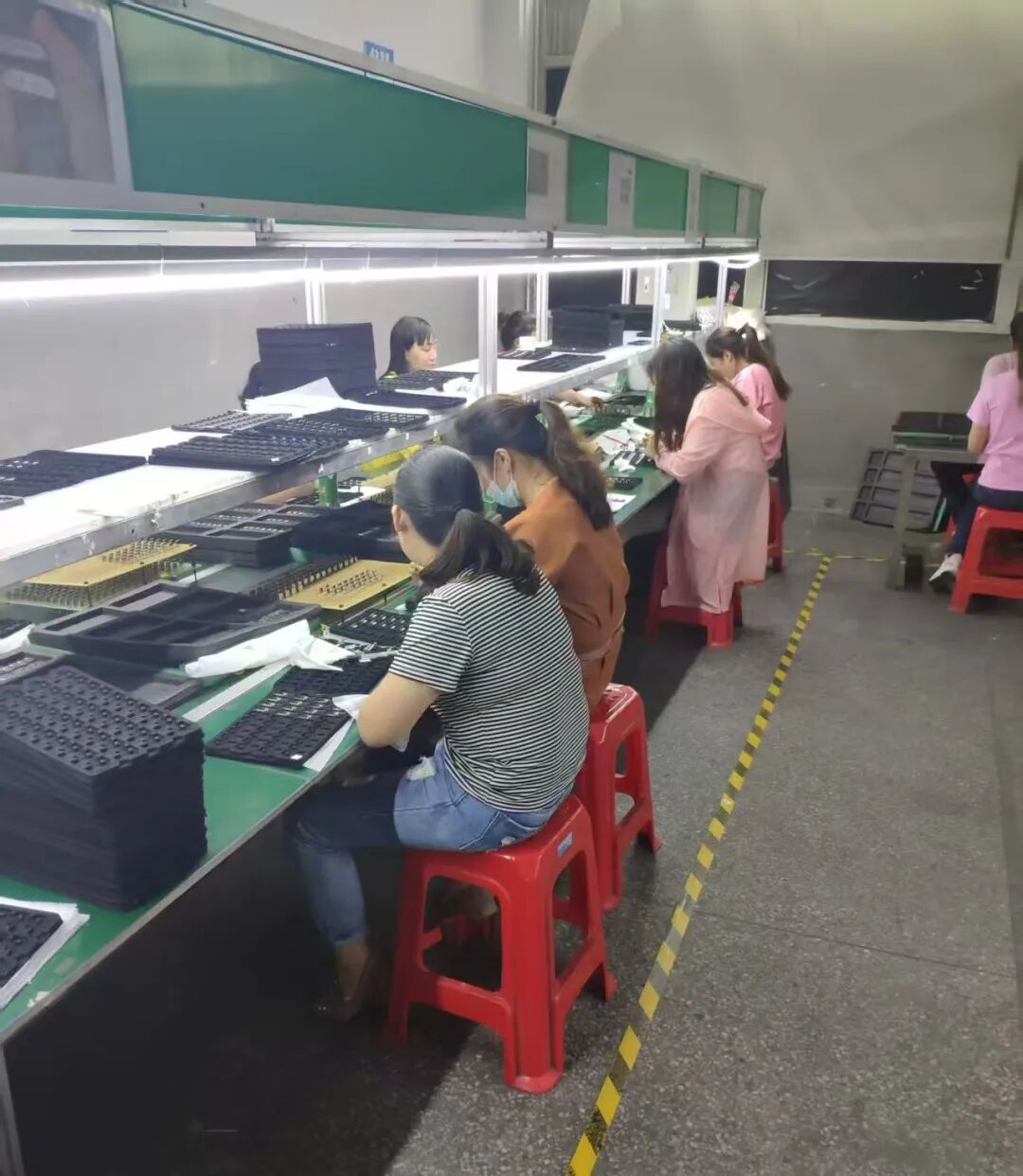
Bild vom Autor
Die Unternehmen haben auch Schwierigkeiten bei der Rekrutierung von hochqualifizierten Fachkräften. Roger sagte, dass eine Kunststoffproduktfirma versucht hat, vietnamesische technische Verkäufer zu rekrutieren, die Chinesisch oder Koreanisch sprechen können. Selbst wenn das Grundgehalt auf 5.000 US-Dollar festgelegt wurde, konnte man keine passenden Personen finden.
Die "Involution" der großen Firmen hebt auch die Engpässe in der Personalsuche in Vietnam hervor.
Laut einer Meldung der vietnamesischen Website ICT News hat der stellvertretende Minister des Bildungs- und Ausbildungsministeriums, Phạm Ngọc Thưởng, auf der monatlichen Pressekonferenz der vietnamesischen Regierung im Juni 2025 erklärt, dass der Anteil der Studierenden in STEM-Fächern (Wissenschaft, Technologie, Ingenieurwesen, Mathematik) auf Universitätsniveau in Vietnam durchschnittlich zwischen 28% und 30% liegt, was nur 600.000 Personen entspricht. In China beträgt dieser Anteil bei Bachelor-Studierenden 41%, bei Master-Studierenden 58,5% und bei Doktoranden 80%. Die Entwicklung der beruflichen Schulen in Vietnam ist relativ rückständig und kann nicht die Fachkräftebedürfnisse der Elektronikindustrie decken. Die Unternehmen müssen daher hohe Kosten für die Einarbeitung von Mitarbeitern tragen, aber es ist immer noch schwierig, die Anforderungen der Präzisions-Elektronikfertigung zu erfüllen.
03 Doppeldruck von Management und Compliance, erhöhtes Betriebsrisiko
Abgesehen von den steigenden Landkosten und den Schwierigkeiten bei der Rekrutierung und Beschäftigung von Arbeitskräften stehen chinesische Unternehmen in Vietnam auch vor doppelten Herausforderungen in Bezug auf Management und Compliance.
Ähnlich wie auf dem chinesischen Arbeitsmarkt möchten auch immer mehr junge Vietnamesen nicht in Fabriken arbeiten, sondern bevorzugen freiere Jobs wie Lieferdienst oder Taxifahrer. Die Attraktivität der Fertigungsbranche sinkt, und viele Fabriken nutzen ihre Produktionskapazität aufgrund des Mangels an Arbeitskräften zu weniger als 50%, was die Stückkosten weiter erhöht.
Darüber hinaus fühlen sich chinesische Unternehmen in Vietnam auch nicht wohl wegen der vietnamesischen Kultur. Roger meint, dass junge Vietnamesen eine relativ niedrige Arbeitsloyalität haben und "sich einfach kündigen, wenn sie unglücklich sind". Dies führt zu erheblichen Problemen mit der Arbeitsdisziplin junger Arbeiter. Verspätungen, Frühabgänge und unbegründete Fehlzeiten sind allzu häufig, und es ist schwierig, die Unternehmensregeln effektiv umzusetzen.
Am wichtigsten ist, dass die Arbeitsbeziehungen auf dem vietnamesischen Arbeitsmarkt komplex sind. Die vietnamesischen Gewerkschaften sind stark und stellen hohe Anforderungen an Gehälter, Sozialleistungen und Arbeitsbedingungen. Die Arbeitsverhandlungen dauern lange und sind schwierig, was die Gewinnspannen der Unternehmen erheblich einschränkt. Darüber hinaus stellen die westlichen Kunden hohe Anforderungen an die Arbeitsschutzmaßnahmen ihrer Zulieferer, und die monatliche Arbeitszeit der Mitarbeiter erreicht bereits die Grenze von 180 - 210 Stunden.
Ein Leiter einer Elektronikfabrik gestand: "Letztes Jahr wollten wir das Überstundenregime ändern und mussten drei Monate lang mit der Gewerkschaft verhandeln, bis wir eine Einigung erzielen konnten. In dieser Zeit gingen viele Produktionskapazitäten verloren."
Auch die Risiken auf dem Compliance-Gebiet häufen sich. Die vietnamesische Zollbehörde kontrolliert die Arbeitserlaubnisse von Ausländern in Vietnam immer strenger und führt häufig Personalüberprüfungen in den Industriegebieten durch. Chinesische Mitarbeiter, die mit einem Touristenvisum vorübergehend in Vietnam arbeiten, werden leicht entdeckt und abgeschoben, was keine dauerhafte Lösung für die Unternehmen ist. Zweitens haben die neuen Vorschriften wie das "Chemikaliengesetz", das 2025 in Kraft getreten ist, die Anforderungen an die Umweltprüfung und die Brandschutzmaßnahmen verschärft. Die Unternehmen müssen Mittel investieren, um das Compliance-System zu verbessern und die Beziehungen zu den Behörden zu pflegen, was die versteckten Kosten erheblich erhöht.
04 Der Vorteil des Transithandels ist weg, die Schwäche der Lieferkette wird sichtbar
In Vietnam wird bei vielen Branchen tatsächlich ein Modell mit "externer Abhängigkeit sowohl bei den Kernrohstoffen als auch bei den Fertigprodukten" angewandt, d. h. die Kernrohstoffe werden importiert und die Fertigprodukte werden hauptsächlich exportiert.
Du Thị Thúy Hương, Mitglied des Vorstands des vietnamesischen Verbands für Elektronikunternehmen, hat darauf hingewiesen, dass obwohl die Elektronikprodukte eine bemerkenswerte Zunahme der Exporteinnahmen in Vietnam verzeichnen, die vietnamesischen Unternehmen hauptsächlich die Montagearbeiten mit niedrigem Mehrwert übernehmen, was nur 5% - 10% des gesamten Exportumsatzes ausmacht. Die wirtschaftlichen Vorteile, die in der globalen Elektroniklieferkette erzielt werden, sind begrenzt. Ein Bericht der globalen Marktanalysenfirma Gartner aus dem Jahr 2024 zeigt, dass der durchschnittliche Importanteil der Kernrohstoffe von vietnamesischen Elektronikfertigungsunternehmen im zweiten Quartal 2024 bis zu 68% betrug.
Das im Jahr 2025 geschlossene Handelsabkommen zwischen den USA, China und Vietnam hat diese globale Lieferkette noch anfälliger gemacht.
Lora, die in Vietnam als Juristin tätig ist, hat erklärt, dass die vietnamesische Regierung unter Druck der USA seit dem dritten Quartal 2025 ein "Überwachungssystem für die Transitwaren aus China" eingeführt hat und streng gegen die Fälschung von Ursprungszeugnissen vorgeht. Produkte, die nicht nachweisen können, dass der Anteil der lokalen Rohstoffe über 30% beträgt oder die Kriterien für die wesentliche Verarbeitung erfüllen, werden als "Transitwaren aus China" eingestuft. Sie können nicht von den günstigen Zöllen zwischen den USA und Vietnam profitieren und können auch eine Umgehungsuntersuchung auslösen, wobei eine Strafzollrate von 40% erhoben wird. Selbst wenn die Produkte lokal in Vietnam hergestellt werden und die Ursprungsanforderungen erfüllen, müssen sie bei der Ausfuhr nach den USA noch eine Zollrate von 20% zahlen.
Die USA haben gleichzeitig das "Trade Enforcement Enhancement Act" in Kraft gesetzt, das "Kollektivbestrafungen" gegen Drittländerunternehmen und Länder vorsieht, die die Transitwaren aus China unterstützen. Die US-amerikanische Zoll- und Grenzschutzbehörde (CBP) verlangt, dass für die Waren, die nach den USA exportiert werden, eine vollständige Rückverfolgung von "der Schraube bis zum Fertigprodukt" durchgeführt wird. Wenn die Kernkomponenten eines Produkts, das in Vietnam montiert wird, aus China stammen und nicht richtig deklariert werden, kann es dennoch als verstoß gegen die Vorschriften eingestuft werden.
Diese Politiken zwing