Vorstellen von zehn neuen Fahrzeugen. Li Bin hat erklärt: NIO zielt auf das ganze Jahr 2026 hin auf Jahresgewinn.
Since its IPO eight years ago, the company has incurred continuous losses for eight years.
For most industries, this would probably be such a dark period that could undermine countless brands. The interruption of the liquidity chain, the halving of the company's value, the doubts in the market... each of these problems could be the last straw for a company.
Nevertheless, NIO has struggled through for eight years. The pressure from public opinion and the operational pressure it had to bear are probably unparalleled among the group of new automakers.
When the market thought that NIO would remain in the "investing money for growth" model for a long time, it finally saw the light at the end of the tunnel of profitability in the fourth quarter of 2025. The estimated non - GAAP net profit is between 700 million and 1.2 billion yuan.
In view of this profit increase, NIO's CEO Li Bin and President Qin Lihong set a very revealing goal in a recent live broadcast: In 2026, the company should be profitable throughout the year. At the same time, they disclosed in one breath the plans for new vehicles, technological upgrades, the battery swap infrastructure, the integration of sales channels, global expansion, and other comprehensive development strategies of the three brands NIO, LeDao, and Firefly. The information was very rich.
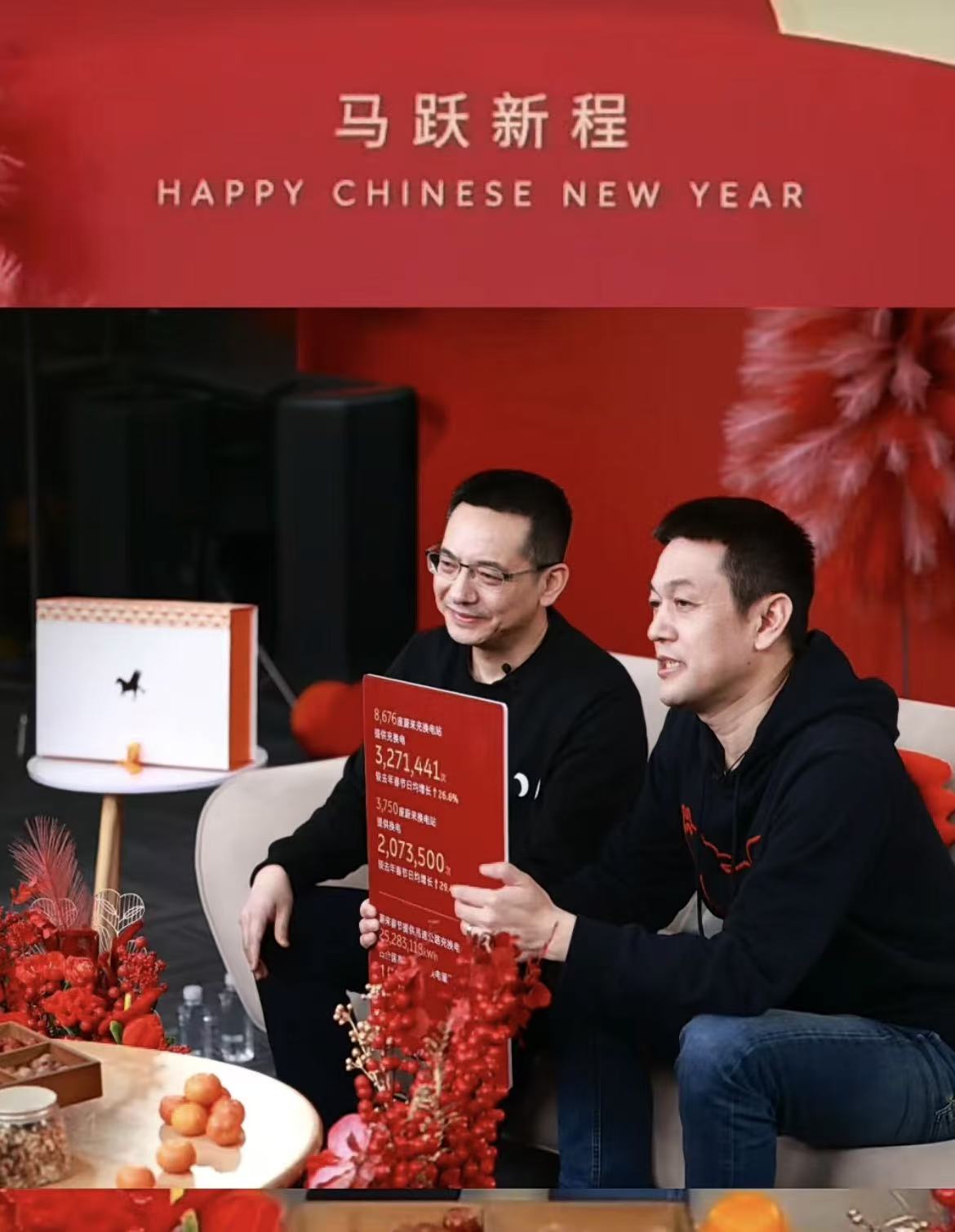
(Source: Screenshot of the live video)
With the simultaneous activation of the three brands, ten new vehicles, and the expansion of the battery swap network by another 1,000 stations, NIO's actions are intensive and the goal is clear. Will NIO now achieve a real "turnaround of fate"?
The three brands drive forward together, with multiple measures to increase sales and profits
The light at the end of the tunnel of profitability is already in sight, but NIO has no intention of slowing down the pace of expansion. On the contrary, it shows an aggressive stance.
According to the official plans, the three brands NIO, LeDao, and Firefly will introduce a total of ten new or improved vehicles in 2026. Almost a quarter of 2026 has already passed. In the remaining less than ten months, NIO has to launch a new vehicle onto the market almost every month. This rhythm is almost a "strategy of a sea of vehicles" for NIO, which usually follows an approach of high - quality and slowly - developing products.
It must be said that this time NIO is no longer just relying on "high - quality blockbusters", but wants to cover different price ranges, niche markets, and customer groups through intensive product placement. In this way, NIO can not only secure the high - end base but also penetrate into the mass market and finally increase both sales and profits.
In addition to the aggressive approach on the product side, NIO has also made large investments again in the battery swap infrastructure it relies on.
In 2026, NIO plans to build 1,000 new battery swap stations to increase the total number to 4,700. More importantly, NIO finally starts to connect the basic infrastructure of the three brands: The first fifth - generation battery swap station, which is compatible with NIO, LeDao, and Firefly, will start the pilot phase in March and be put into large - scale use in the second quarter.
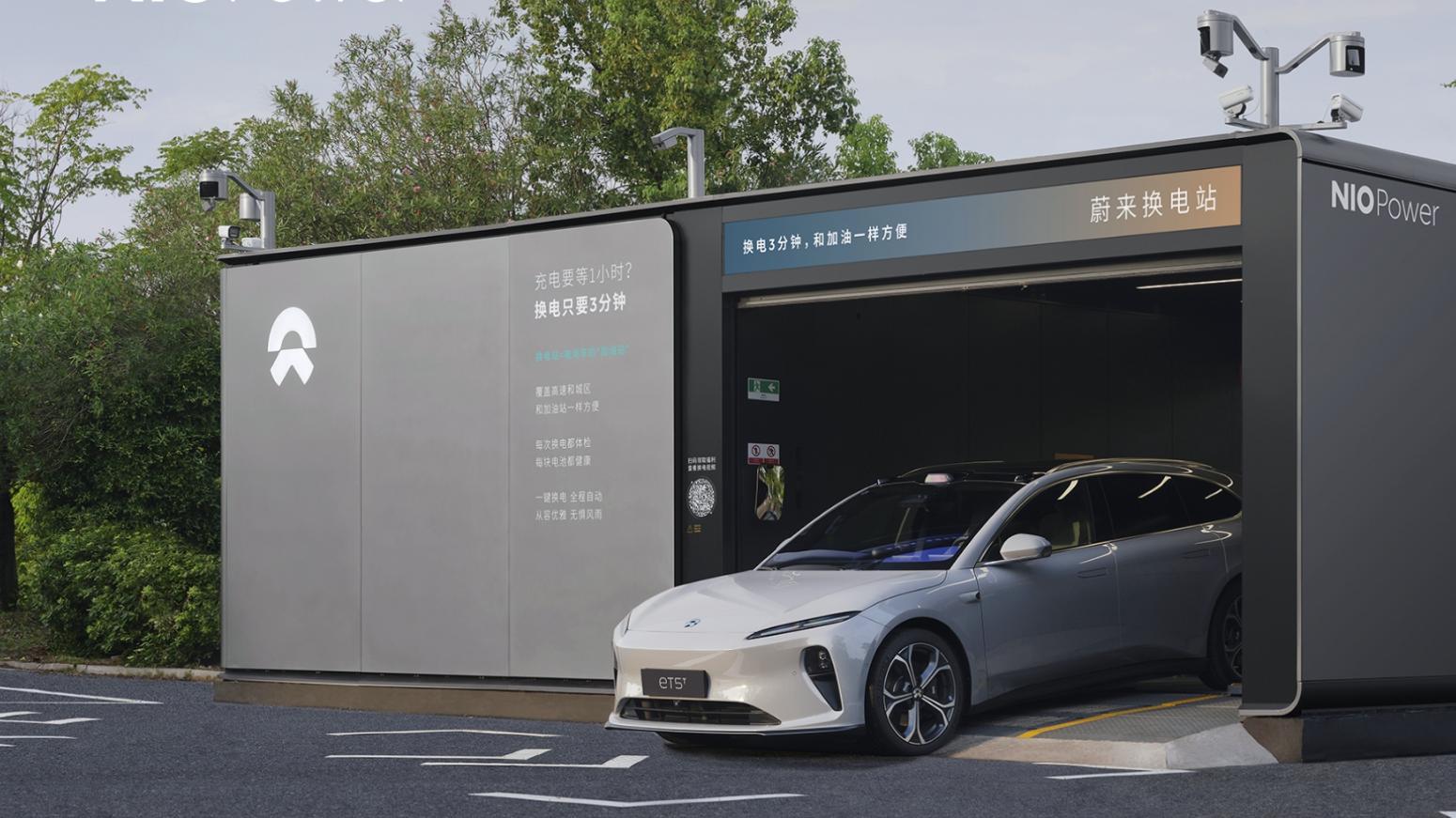
(Source: NIO website)
Experts in the electric vehicle industry consider this step very important.
In the past, LeDao brand vehicles could only use the third - to fourth - generation battery swap stations, and Firefly brand vehicles couldn't use these stations at all. After the full introduction of the fifth - generation stations, the three brands can share the battery swap network. This can not only significantly increase the utilization rate of the stations and reduce the operating cost per station but also enable LeDao and Firefly to really use the core barriers of the NIO ecosystem and fully exploit the selling points of these two brands.
NIO has also made drastic cost cuts in the sales channel.
Currently, the vehicles of the brands NIO, LeDao, and Firefly are sold separately. The costs for setting up branches and personnel expenses are very high. This not only makes it difficult to expand the sales network into the lower - tier markets but also makes it uncomfortable for consumers to visit the branches and test - drive the vehicles. Therefore, NIO plans to introduce a "triple - sales model" this year, in which the vehicles of the three brands are sold in the same store. This can not only reduce costs but also accelerate the expansion into the lower - tier markets.
Through the simultaneous actions on the product side, infrastructure, and sales channel, Li Bin has also made a clear growth forecast: In 2026, it is possible that NIO's total sales will increase by 40% to 50%, and the company will fully strive for the annual profit goal.
However, reality is not as simple as hope.
The sales target is ambitious, the supply is under pressure, and there are multiple challenges
NIO's start this year was not particularly smooth.
NIO's total sales in 2025 were 326,000 vehicles. Considering the growth rate of 40% to 50%, NIO has to sell a total of 450,000 to 490,000 vehicles this year, which corresponds to an average of about 40,000 vehicles per month. This is a great challenge for NIO.
In the first two months of this year, NIO has delivered a total of almost 48,000 new vehicles, which corresponds to an average of about 20,000 vehicles per month. This is only half of the monthly target.
Apart from the traditional seasonal fluctuations caused by the Chinese New Year holidays, the deeper problem is that the sales structure of NIO's current vehicles is hardly balanced.
The ES8 was the main model delivered in the first two months and accounted for more than half of the total sales. Other models such as the ES6 and the ET5, which were originally intended for mass sales, could not be fully exploited during this period.
This sales structure, in which the flagship model bears the main load and the mass - market models are lacking, can improve the profit results in the short term, but in the long term, it will severely limit the total sales, which is completely contrary to NIO's goal of achieving sales of over 450,000 vehicles.
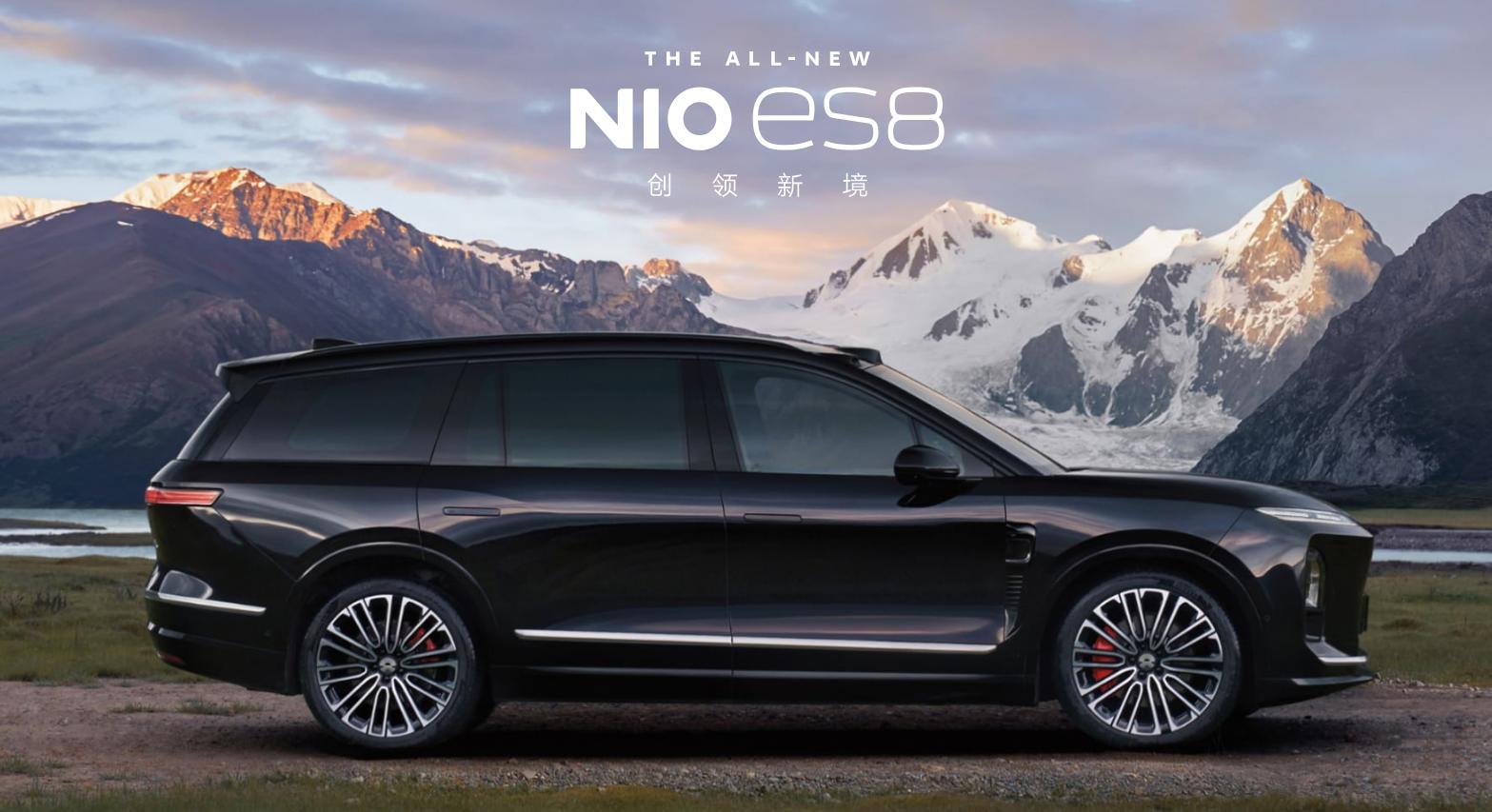
(Source: NIO website)
In addition, the slow increase in production capacity is another factor that increases NIO's total supply pressure. NIO currently has a total of four production plants in China, F1, F2, F3, and F4. Plants F1 and F2 mainly produce NIO and LeDao vehicles and are constantly operating at full capacity. Plants F3 and F4, which serve as supplementary production plants, are currently still in the capacity - increasing phase, which affects the delivery efficiency to a certain extent.
In the electric vehicle industry, where the competition changes monthly, NIO's previous slow product update rhythm has put it at a slight disadvantage in the confrontation with competitors.
While other brands in the industry have successively launched "9 - series" flagship SUVs onto the market and conquered the ultra - luxury market above 600,000 yuan, NIO had to struggle with only the ES8 for a long time, which led to a significant gap in flagship products. In addition, functions such as the "Intelligent blue driving light", which can offer emotional values, social attributes, and higher product recognizability to users, were also not transferred to mass - market models such as the ES6 and the ET5 for a long time, which further reduced the product attractiveness.
The good thing is that NIO wants to fix these weaknesses together in 2026.
A large number of new vehicles will appear, and the products of the three brands will be fully upgraded
Everyone can see that NIO can no longer sit still this year if it launches ten vehicles onto the market in one year.
Among the matrix of ten new vehicles, the NIO ES9 is the most observed and strategically most important model.
This new SUV is defined by the official side as "the most technologically advanced SUV in the world this year". More specifically, it has the highest hardware specifications: It is equipped with the first 5 - nanometer chip for intelligent vehicle guidance, the first holistic operating system SkyOS, and has the Tianxing intelligent chassis, which has the first deeply integrated steering, rear - wheel steering, and fully active chassis suspension in the industry. The computing power and energy efficiency of intelligent vehicle guidance will be significantly improved, and all connections such as vehicle control, intelligent vehicle guidance, and the passenger compartment will be integrated.
In terms of range, the NIO ES9 is equipped with a 102 - kWh lithium - ion battery and has a maximum range of 620 kilometers. Compared with models such as the XPeng G9 and the Volvo EX90 with a range of over 700 kilometers, this is not particularly good. But for NIO customers, the perfectly developed battery swap infrastructure is already so good that the range is no longer the core problem. The convenience of a 3 - minute energy swap is far more important than the mere range number.
In addition to the ES9, the flagship model, NIO's main product combination, the "5566" series (ET5, ET5T, ES6, EC6), will also receive an important upgrade in the first half of 2026: All models will get a new intelligent blue driving light, and the ES6 and the EC6 offer the option of a zero - gravity seat for the driver, which fixes the functional gaps previously complained about by users.
The brand LeDao also has many actions planned.
The large five - seat all - electric SUV LeDao L80 will be officially launched this year. The vehicle size corresponds to that of the LeDao L90, and it has a more spacious and flexible five - seat arrangement. This product logic is very similar to the combination of Li Auto L9 and L8 and obviously targets the core needs of family customers. The L80 is expected to be launched at the end of April and delivered in mid - May, which is a very fast rhythm.
As another model of the "9 - series", the LeDao L90 will also get a two - color body version, which makes it look even more high - end visually. A lidar system will also be installed in the L90, and it will be sold in parallel with the current model's pure visual intelligent driving control to offer consumers more choices. In addition, the L60 will also receive a slight upgrade.
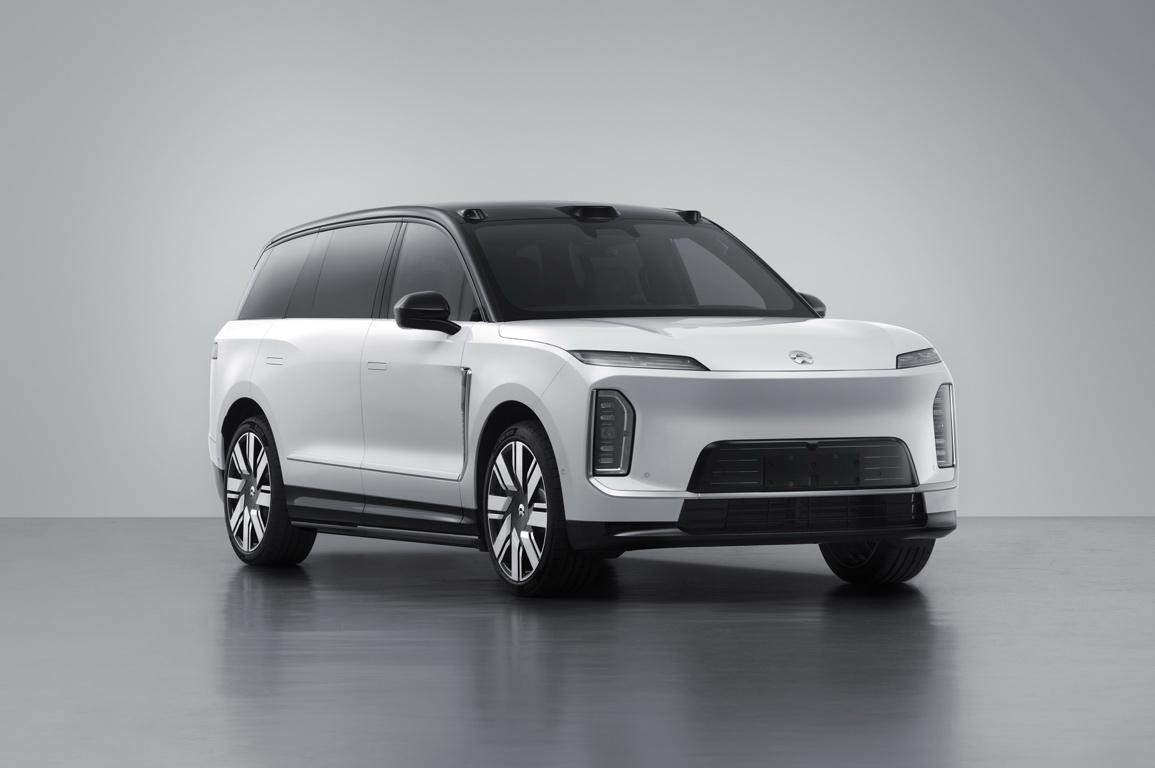
(Source: Ministry of Industry and Information Technology)
Firefly will pursue a strategy of "confronting with immutability" this year. The product line will not change significantly, but mainly special editions of vehicles will be introduced to offer consumers a fresh atmosphere. At the same time, Firefly will expand into the Netherlands, Denmark, Belgium, and other countries this year and also develop the markets in Europe, America, and Southeast Asia in the future.
The profit goal is difficult to achieve, and there could be a turnaround in the second half of the year
A profitable quarter does not mean that the company will be profitable throughout the year. The intensive market introduction of new products does not mean that they can be immediately converted into profits.
Although NIO was profitable in the fourth quarter of last year, the estimated net loss in 2025 will still be over 14 billion yuan. To become profitable throughout the year in 2026, NIO has to achieve an average net profit of over 1.4 billion yuan per month.
In view of the current production capacity, delivery rhythm, market competition, and cost structure, this goal is very ambitious and has almost no feasibility in the first half of the year.
In the view of electric vehicle experts, the real profit - turning point of NIO in 2026 will probably...