Mobile phone manufacturers are fiercely competing in imaging at MWC: Periscope lenses are being introduced in more models, and new form factors are going all out.
The second day of MWC26 has come to an end. After a "marathon" of 48,000 steps in two days, Xiaolei has basically experienced all the trends and exhibition booths at this year's MWC26.
What impressed Xiaolei the most is that there are quite a few more concept products at this year's MWC26. From a negative perspective, it seems that manufacturers are starting to make empty promises again. However, from Xiaolei's point of view, it shows that manufacturers are finally willing to try new forms and new routes. Even if the final products fail to gain popularity or "fail before achieving their goals," this kind of courage is worthy of our recognition.
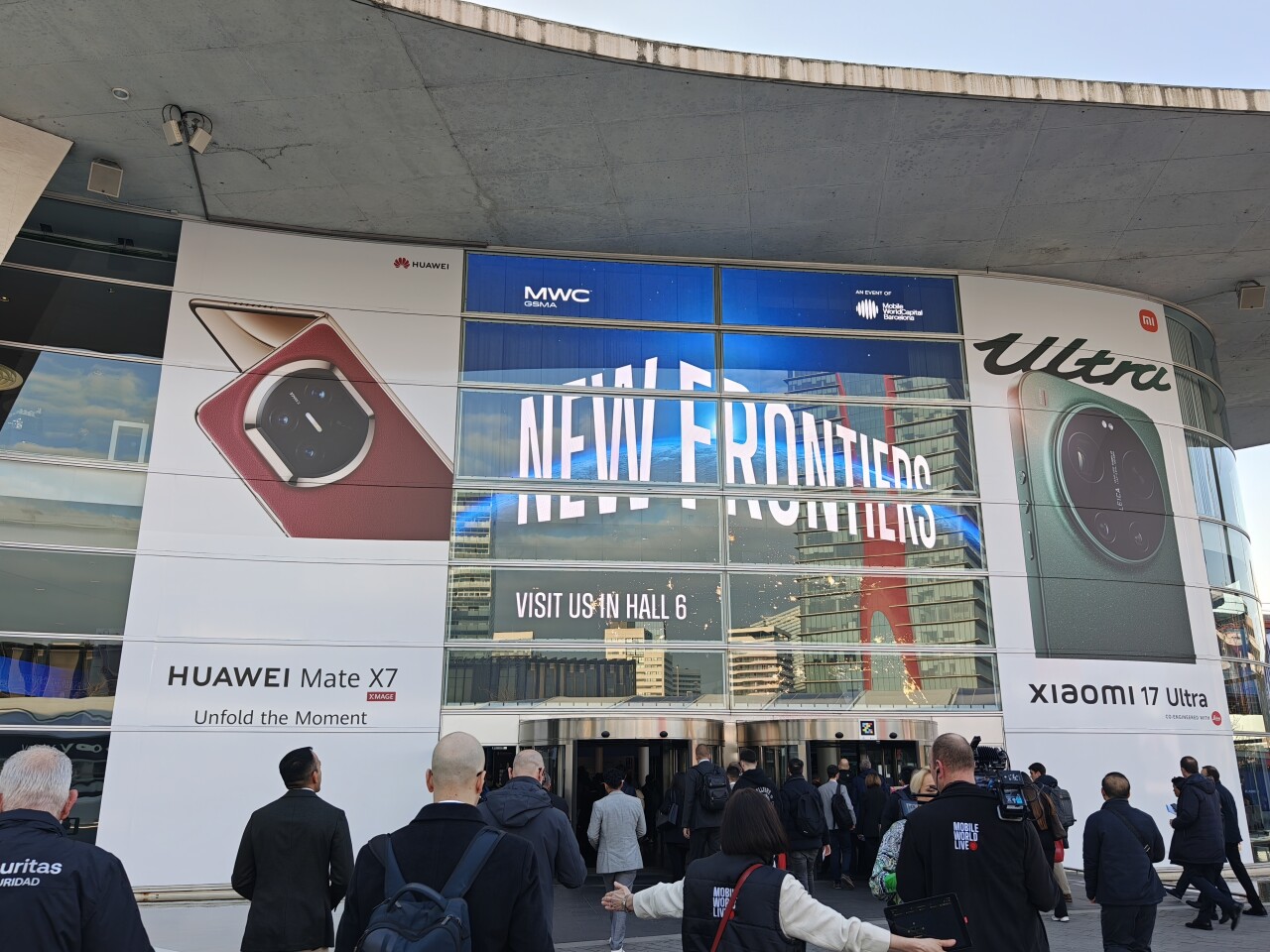
(Image source: Captured on-site by Lei Technology)
Mobile phone imaging is always an inescapable topic at MWC. At last year's MWC, we saw the external lens system led by Xiaomi and Realme, which indeed became a major trend last year. The further improvement of AI imaging algorithms also allowed Honor and Transsion to come up with more innovative features.
So, at this year's MWC26, what new mobile phone imaging technologies are worth our attention? Will this become the trendsetter for 2026? Now, let's get to the point.
Long - focal - length lenses compete for "form" rather than "magnification"
In the past two years, the long - focal - length lens has been the part with the fastest progress and the most obvious improvement. It is also the key point for imaging flagships to differentiate from each other. The reason is simple. The improvement of the main camera is becoming increasingly difficult to distinguish with the naked eye, and there has been no breakthrough in the ultra - wide - angle lens for a long time. What really allows users to clearly see the difference is actually "distant - view shooting": concert stages, city landmarks, sports arenas, snow - capped mountains and grasslands, etc. Because these scenes all have a strong sense of "distance," the long - focal - length lens has changed from filling the focal - length gap at the beginning to the main battlefield.
The most representative long - focal - length technology at this year's MWC is the vivo X300 Ultra. Although this product has not been officially released yet, Lei Technology was fortunate enough to have an early hands - on experience. Its biggest highlight is a brand - new "external lens." The 200mm external lens on last year's vivo X200 Ultra has been upgraded to a 400mm lens on the X300 Ultra. The telephoto ability brought by this doubling improvement is beyond doubt.
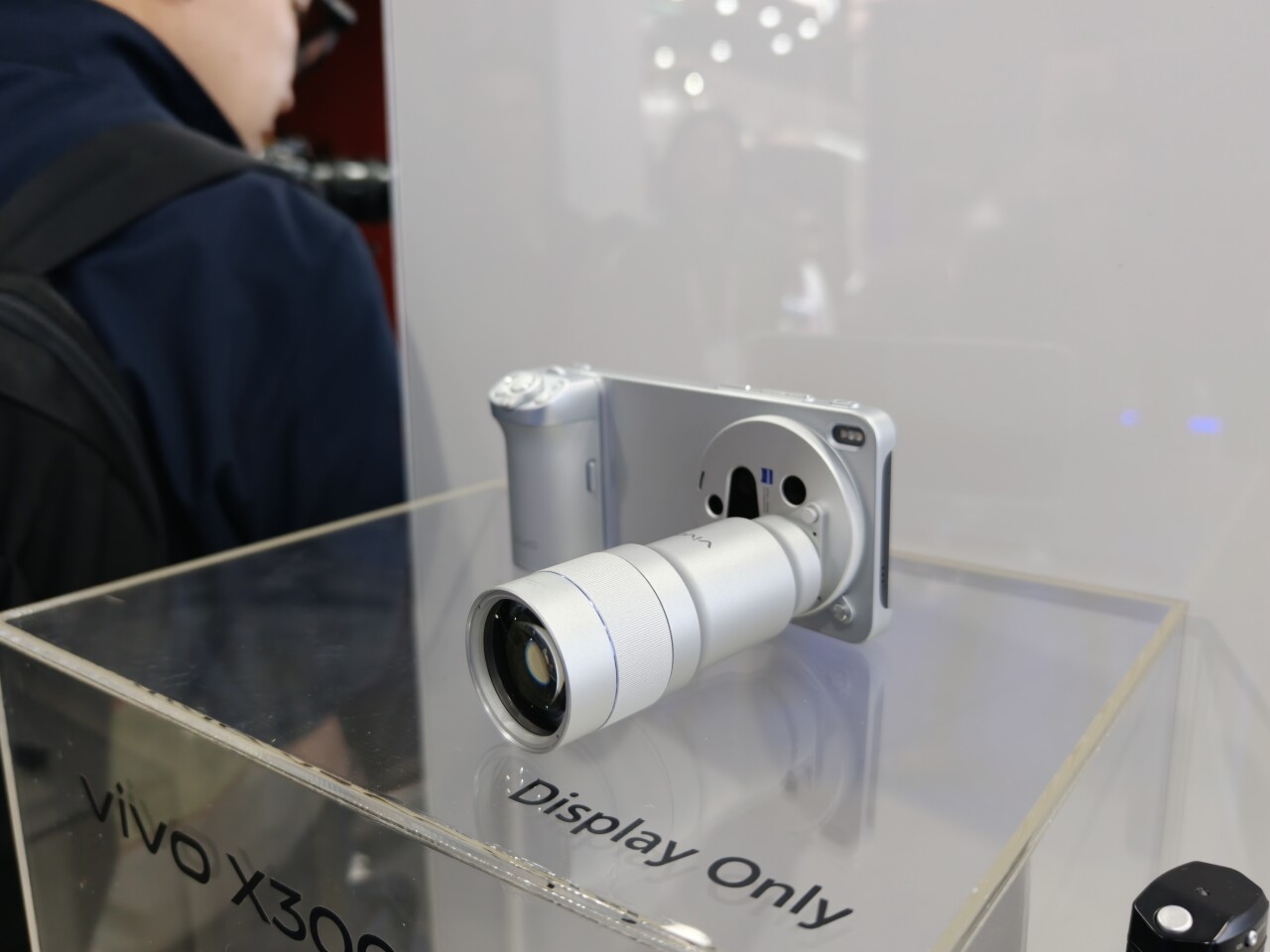
(Image source: Captured on-site by Lei Technology)
During the experience, Xiaolei also found that this new 400mm external lens is not much larger than the 200mm one. It is estimated that the volume has only increased by about 15%. This means that users don't need to worry about the phone losing its portability after installing the lens. It still has a certain degree of portability.
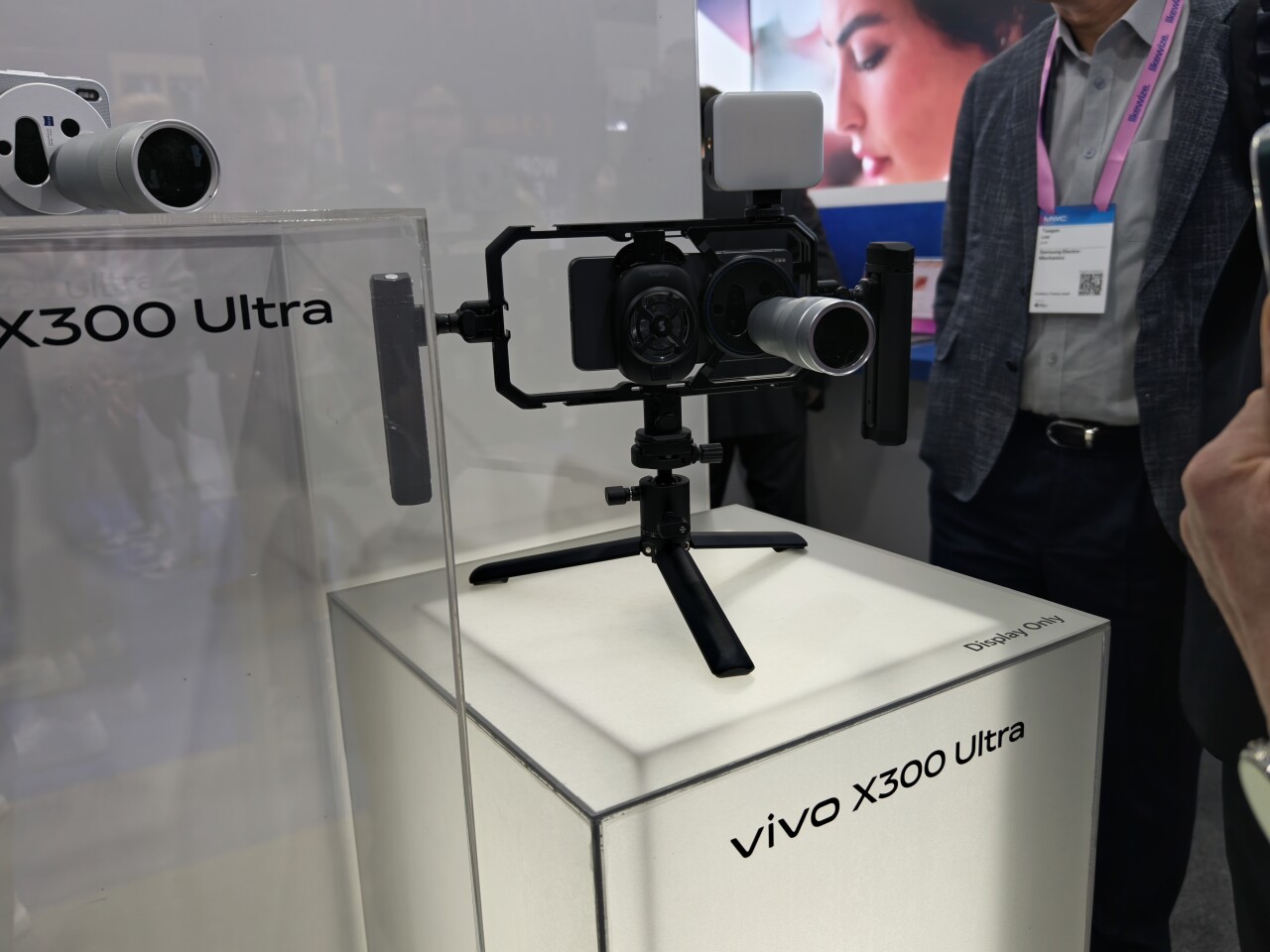
(Image source: Captured on-site by Lei Technology)
Maybe vivo thought this form was not "professional" enough, or maybe it had planned to do so from the beginning. It jointly customized an extremely professional handheld Cage with the well - known photography equipment manufacturer Smog. There are cold shoes/quick - release expansion slots reserved around the body, which can be used to hang fill lights, microphones, and other accessories. The grip structure is no longer just for decoration but is designed for stable shooting with both hands. There is even a cooling fan installed on the back of the body, which solves the "overheating problem" that creators are most worried about.
This makes Xiaolei feel that vivo is not just showing a new imaging flagship but a "mobile phone movie camera." During the experience, Xiaolei also found that vivo has customized a control interface and parameter adjustment method more like a professional movie camera for the X300 Ultra. This is actually in line with the idea of the external kit - to make the creative process a controllable, sustainable, and reusable workflow, rather than a one - time "show - off shooting."
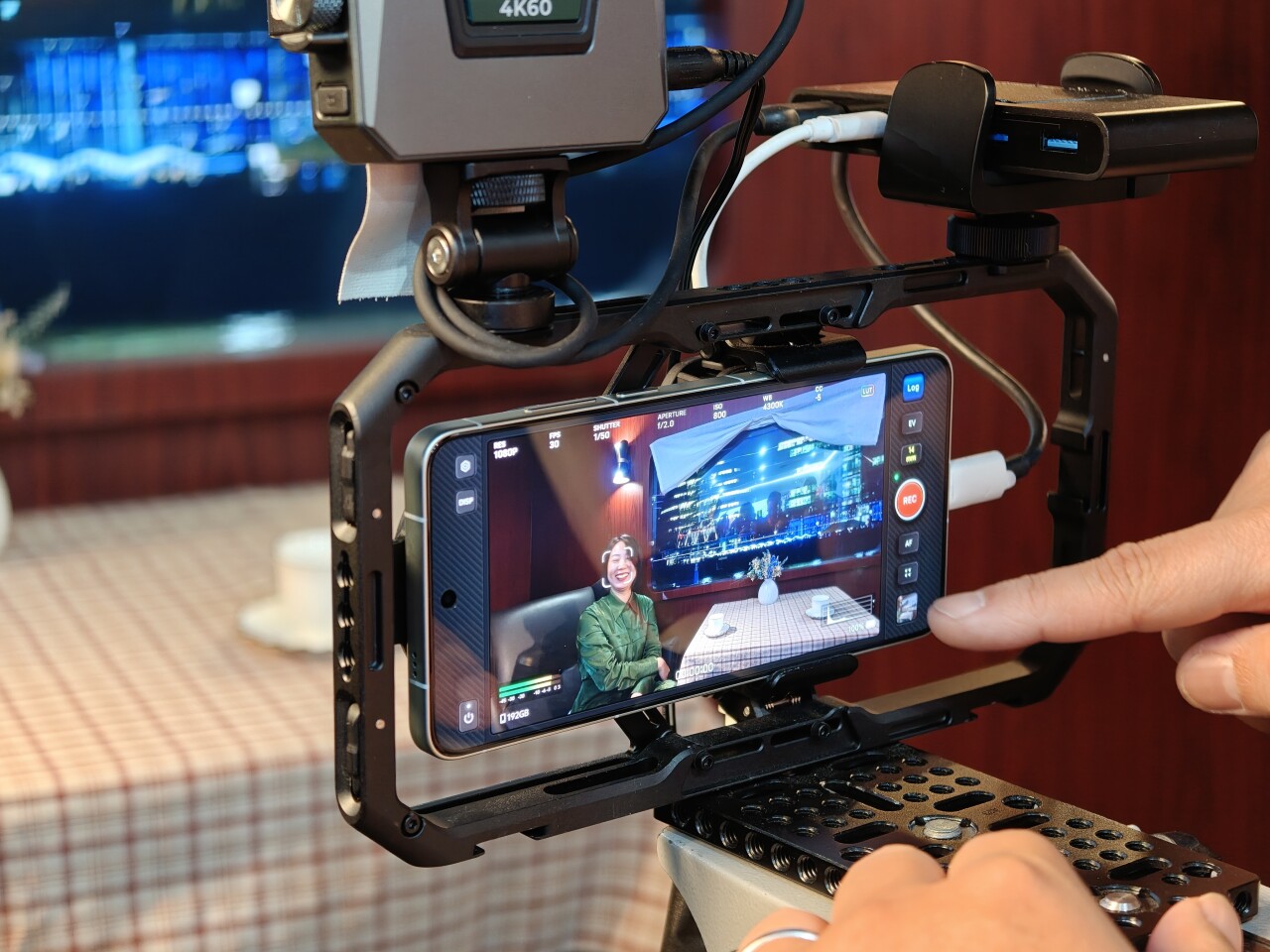
(Image source: Captured on-site by Lei Technology)
The significance of this is not to "make everyone carry a set of cameras" but to make the ultimate long - focal - length ability an option: those who need it can buy it, and those who don't don't have to pay for the weight and cost.
Whether it is the new external lens, the professional customized Cage, or the movie - camera interface, it is not difficult to see that the competition in flagship imaging in the future will be more like a "shooting platform" rather than a "photographing function." The long - focal - length lens will become more and more like a productivity tool, rather than just a line on the parameter list.
The periscope lens is becoming more accessible, and professional technology is finally going mainstream
An interesting situation has emerged in the long - focal - length track at MWC26: on the one hand, mainstream mobile phone manufacturers are pushing the long - focal - length to a greater distance, and the image quality and operation are getting closer to professional cameras; on the other hand, the supply chain has finally reduced the cost of the periscope long - focal - length lens, allowing mid - range phones to have the opportunity to use higher - quality periscope modules. It may not bring a huge improvement to a single model, but it may change the configuration parameters of an entire price segment.
In the past, the periscope long - focal - length lens was long restricted to high - end phones. A core reason is that it is too "fragile": it has a complex structure, is difficult to assemble and adjust, and has high requirements for consistency and yield. In a word, it is expensive. If high - quality periscope lenses are used in mid - range phones, manufacturers have to cut costs from components such as the processor, screen, or battery. So, many manufacturers would rather use a simpler vertical long - focal - length lens in mid - range phones or even use cropping to create a "pseudo - long - focal - length" effect, rather than taking the risk of making the periscope lens a standard feature.
The emergence of Shengtai Optoelectronics has completely changed this situation. In principle, it replaces more complex solutions with plane mirrors and other methods, reducing the manufacturing and assembly difficulty and making the module size more user - friendly, thereby lowering the cost curve. Once it is officially mass - produced and recognized by the market, the use of periscope lenses in mid - range phones will no longer be an "occasional" marketing gimmick but will become a new standard feature for phones in this price range, just like OIS and ultra - wide - angle lenses became mainstream configurations from being available on only a few models.
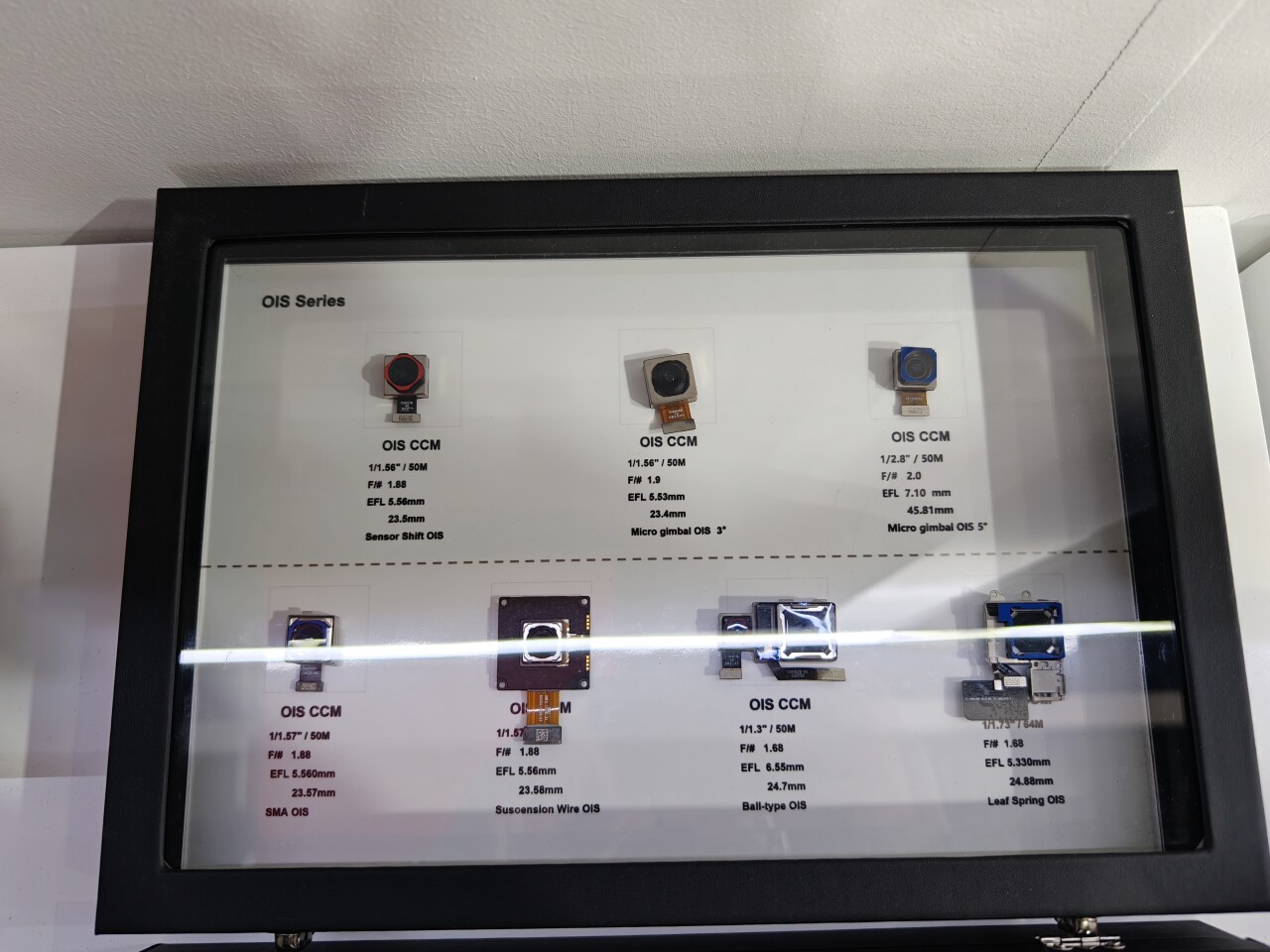
(Image source: Captured on-site by Lei Technology)
However, just popularizing the periscope lens is not enough. This means that the competition in the mid - range segment will quickly shift from "whether there is a periscope lens" to "how good the experience is." The new question will change from "do you have this lens" to "have you adjusted this lens well."
For mid - range phones to make the periscope lens easy to use under cost constraints, it tests the system coordination ability of manufacturers: anti - shake strategies, focusing strategies, HDR synthesis, multi - frame stacking for long - focal - length night scenes, consistency of color, exposure, and sharpening between the main camera and the long - focal - length lens, etc. Manufacturers' efforts to reduce the cost of the periscope lens only make it "available." To make it "competitive," there is still a long way to go.
However, when the periscope lens becomes popular in mid - range phones, the pressure on imaging flagships will increase. Because users will naturally think: if my 3,000 - yuan phone can capture distant snow - capped mountains and grasslands, why should the imaging flagship cost more than twice as much? This will force flagships to upgrade the "long - focal - length" from a single - point hardware to a system - level ability.
Here is a simple explanation of system - level ability: users not only pursue a longer focal length for the long - focal - length lens but also require stable video recording, accurate focusing, more consistent color across different focal lengths, and sustainability during long - term recording.
This is why at this year's MWC26, we see more external devices, kits, and more "professional movie - camera - like" products. For the long - focal - length lens to continue to be a differentiating factor, it must evolve from "ability" to "experience" and from a "lens" to a "system."
Video is evolving again: clearer and more "capable of shooting"
In the past, when we talked about mobile phone video, the biggest pain points were "shakiness" and "blurriness." So, in the past two years, manufacturers have been competing in algorithmic anti - shake, chip computing power, and color - restoration consistency. However, at MWC26, with the emergence of Honor's ROBOT Phone, the video competition has entered a new dimension: what really differentiates the experience is no longer image quality and stability but "whether you can shoot well" and "how well you can shoot."
If vivo represents "turning the phone into a movie - camera workbench," then Honor's ROBOT Phone uses a more direct and easier - to - perceive method for ordinary people: the movement of the lens itself. The core selling point of the ROBOT Phone is a gimbal camera arm with a mechanical structure; it integrates a 200 - megapixel sensor, is equipped with a very small 4DoF gimbal, and adds AI tracking, allowing the lens to "follow people."
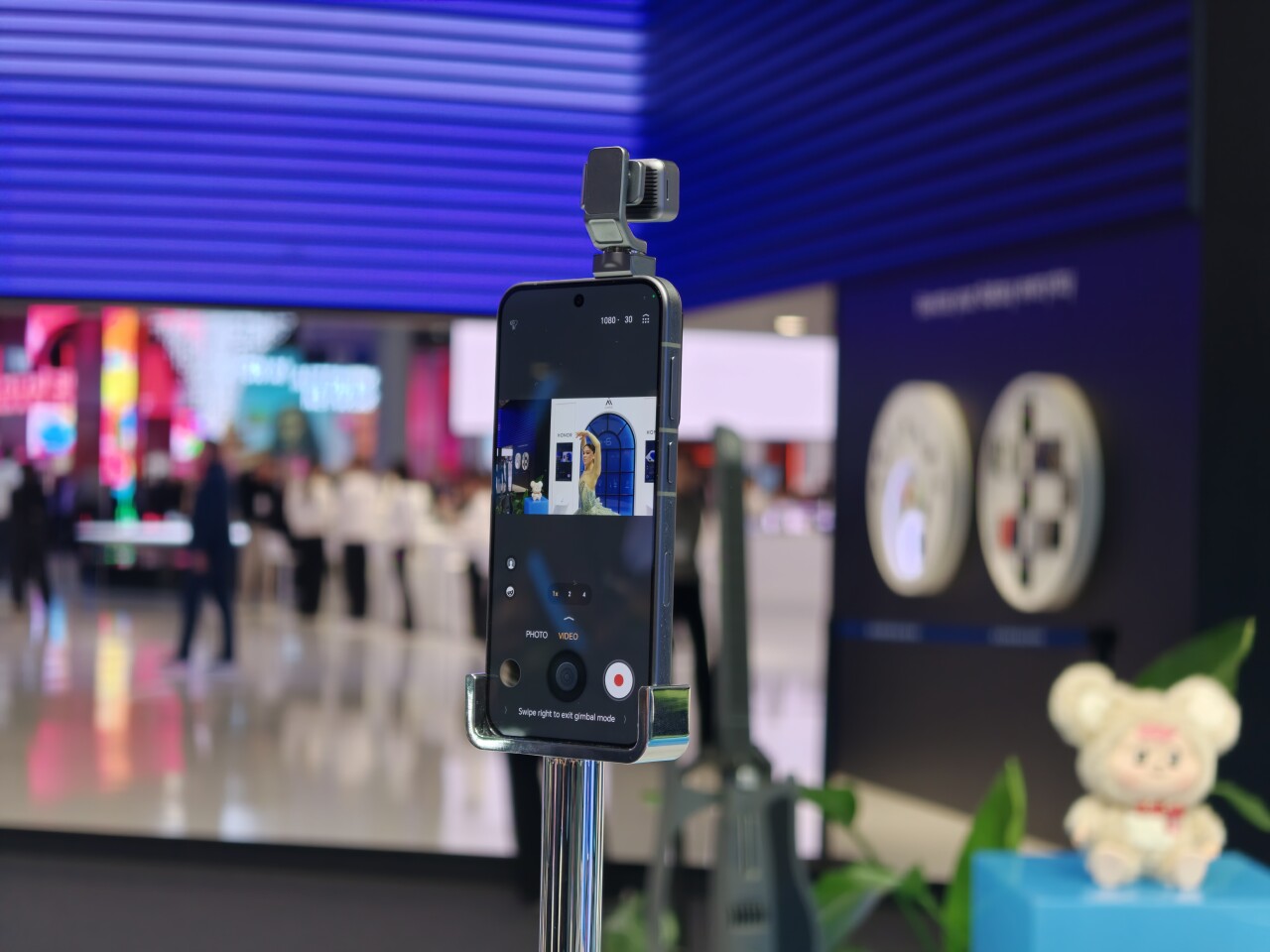
(Image source: Captured on-site by Lei Technology)
This complex mechanical - structure gimbal will inevitably bring some defects, but it is precisely because of this form that it creates a visible difference from ordinary phones: the stable and controllable movement brought by the mechanical structure, combined with AI - assisted follow - up shooting and subject locking, turns the shot - taking techniques that previously required a certain amount of photography experience into an automatic process where users only need to double - click on the screen/subject, and the phone will start following automatically. Users can even choose different follow - up shooting methods.
The significance of Honor's ROBOT Phone is not just "showing off its strength." In the era of short videos, users are increasingly aware of what makes a good video: a non - shaky and visually - pleasing picture is just the minimum requirement. What really makes a video seem high - end is interesting shot - taking techniques, the ability to keep up with the subject, a well - structured rhythm, and diverse picture changes.
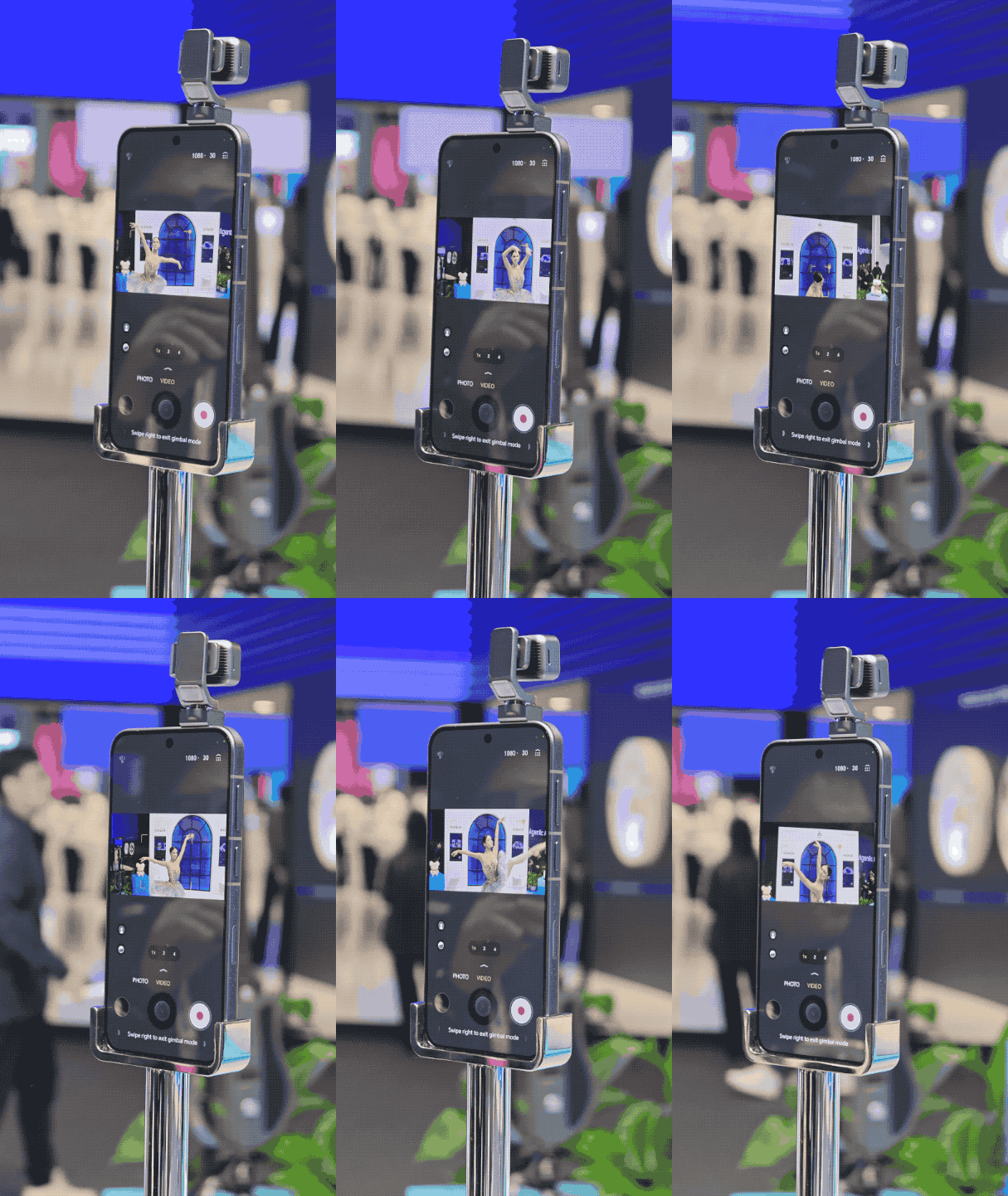
(Image source: Captured on-site by Lei Technology)
Whether manufacturers choose to follow Honor's "mechanical external device" route or continue with the "software algorithm" route, they are ultimately answering the same question: how to turn the highly - technical "shot - taking techniques" into a simple and replicable experience.
It allows the industry to see "what the next video selling point might be" and makes competitors realize that "talking about anti - shake and image quality is no longer meaningful." They either need to provide a more professional movie - equipment experience like vivo or further reduce the difficulty of shooting so that ordinary users can also enjoy the fun of shooting videos.
Concept phones are making a comeback in batches, and the industry is entering a new exploration phase
What Xiaolei didn't expect is that this year, a large number of concept products and ideas have emerged in the fields of mobile phones, computers, robots, and even AI and networking. This is somewhat inconsistent with MWC's traditional focus on "practical implementation."
However, we should not forget that the value of concept phones is not just to "attract the crowd" but to list the directions that may appear in mass - produced phones one or two years later. Whoever can convince the market that "this is how the next - generation products should be" may gain the initiative first.
In addition to Honor's ROBOT Phone (some netizens have revealed that it will be released in August this year), Tecno, the king from Africa, has also brought a modular magnetic concept phone. At first glance, it seems to be just a repetition of the logic of the previous MOTO Z. However, from Xiaolei's on - site experience, although it looks a bit funny, it just captures the core of imaging systematization: instead of trying to "modularize everything," it focuses on standardizing the interfaces for imaging peripherals.
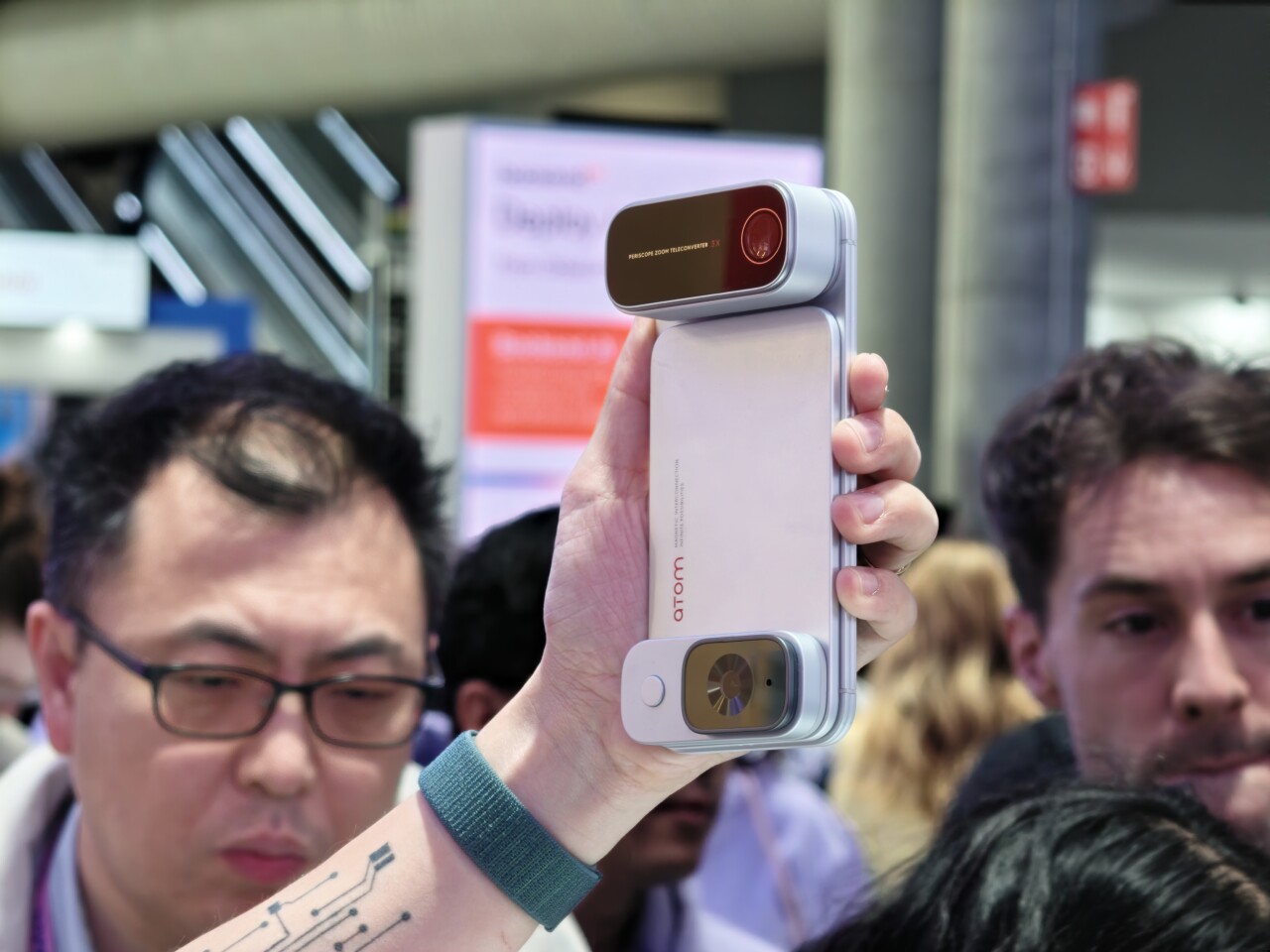
(Image source: Captured on-site by Lei Technology)
Interestingly, Ulefone, another domestic company, has also launched a new product that allows a single camera to be detached. Its logic is similar to modularization.
