The iPhone 17e supports eSIM. Domestic brands are following rapidly. Is the mobile phone industry accelerating into the cardless era?
On the evening of March 2nd, Apple officially released the iPhone 17e. This is a product without many surprises, with very routine upgrades: an A19 chip with one GPU core removed, a 60Hz notch screen, and a single camera. Just like the iPhone 16e, although the iPhone 17e is classified into the iPhone 17 series in terms of naming, there are still obvious distinctions in product design and positioning. The price of 4,499 yuan is hardly associated with cost - effectiveness.
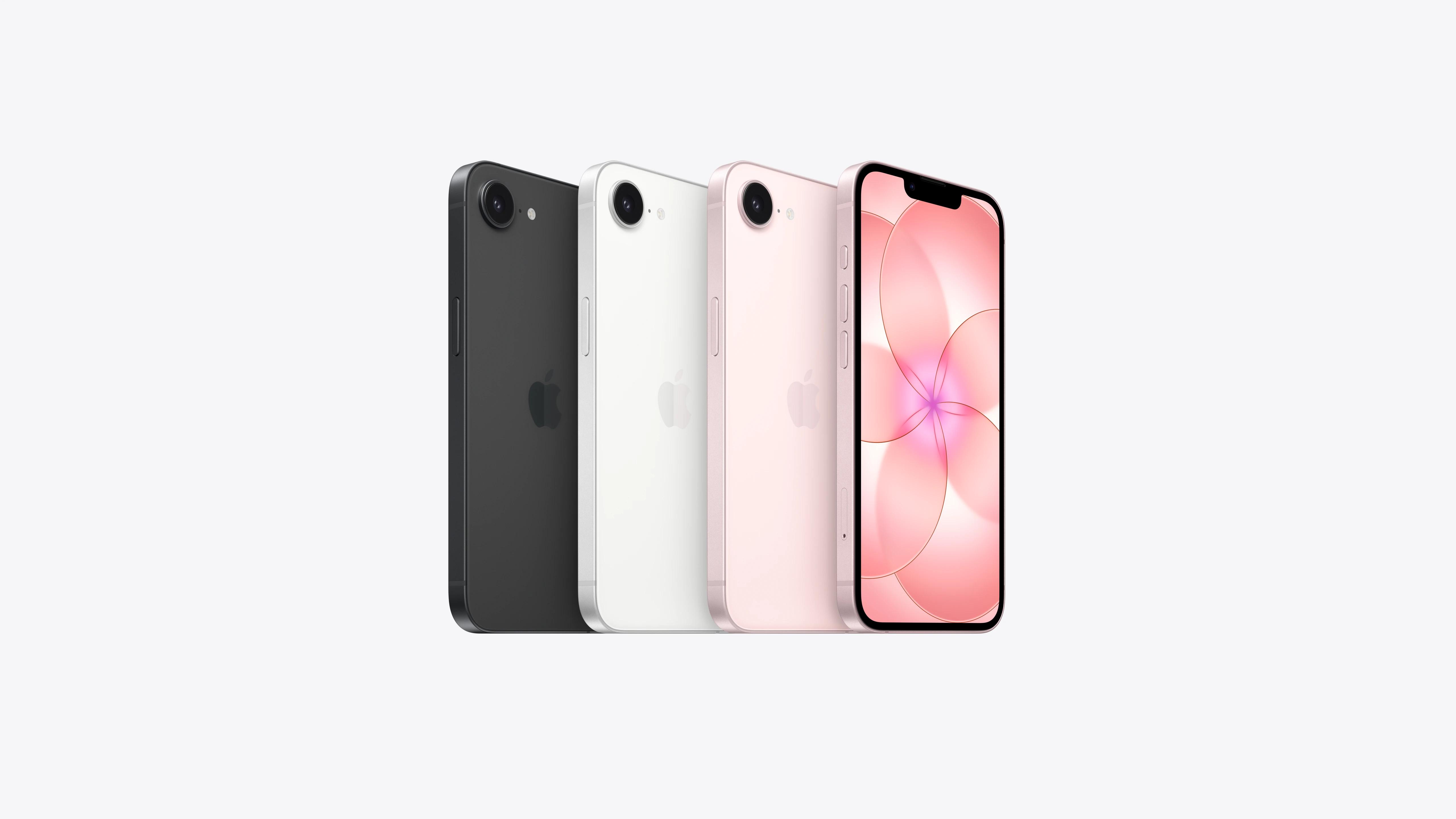
(Image source: Apple)
However, surprisingly, the Chinese - mainland version of the iPhone 17e adopts the single - slot + eSIM solution for the first time. It neither continues the dual physical - slot design of the iPhone 17 nor as radically removes all physical slots as the iPhone Air. For mainland users, this is the biggest change in the iPhone 17e.
Both eSIM and physical slot available
The dual - SIM solution of the Chinese - mainland version of the iPhone 17e is a bit complicated and needs to be explained step by step.
First of all, the iPhone 17e has only one physical slot and can only insert one physical SIM card. However, this phone can achieve dual - SIM dual - standby because it also supports eSIM.
Secondly, the iPhone 17e supports dual eSIMs, not a single eSIM. By now, you may be a little confused. Now let's list all the situations:
- One physical card + one activated eSIM number, dual - SIM dual - standby
- Zero physical cards + two activated eSIM numbers, dual - SIM dual - standby
- One physical card, without activating an eSIM number, single - SIM single - standby
- Without inserting a physical card, one activated eSIM number, single - SIM single - standby
In other words, although the iPhone 17e has one physical slot and two eSIMs, it can support a maximum of two numbers on standby at the same time. The final network - using effect is the same as that of other models with dual physical slots.
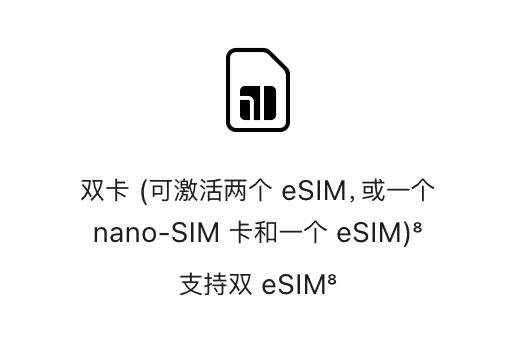
(Image source: Apple)
Of course, currently, the eSIM function on mobile phones still has certain restrictions in the Chinese mainland. Take the iPhone Air as an example. Operations such as opening an eSIM card, changing numbers, and migrating need to be handled at offline business halls. At the same time, the Chinese - mainland version of iPhones cannot handle foreign eSIM numbers in the Chinese mainland and can only do so when users and devices are in overseas regions; overseas - version iPhones cannot handle Chinese - mainland eSIM numbers, regardless of whether they are in the Chinese mainland.
In addition, after the system is updated to iOS 26, the Chinese - mainland version of the iPhone Air can open a maximum of two eSIM numbers at the same time; if there is already a Chinese - mainland eSIM number on the phone, then a maximum of one overseas eSIM number can be opened; if there is no Chinese - mainland number on the phone, a maximum of eight overseas numbers can be opened.
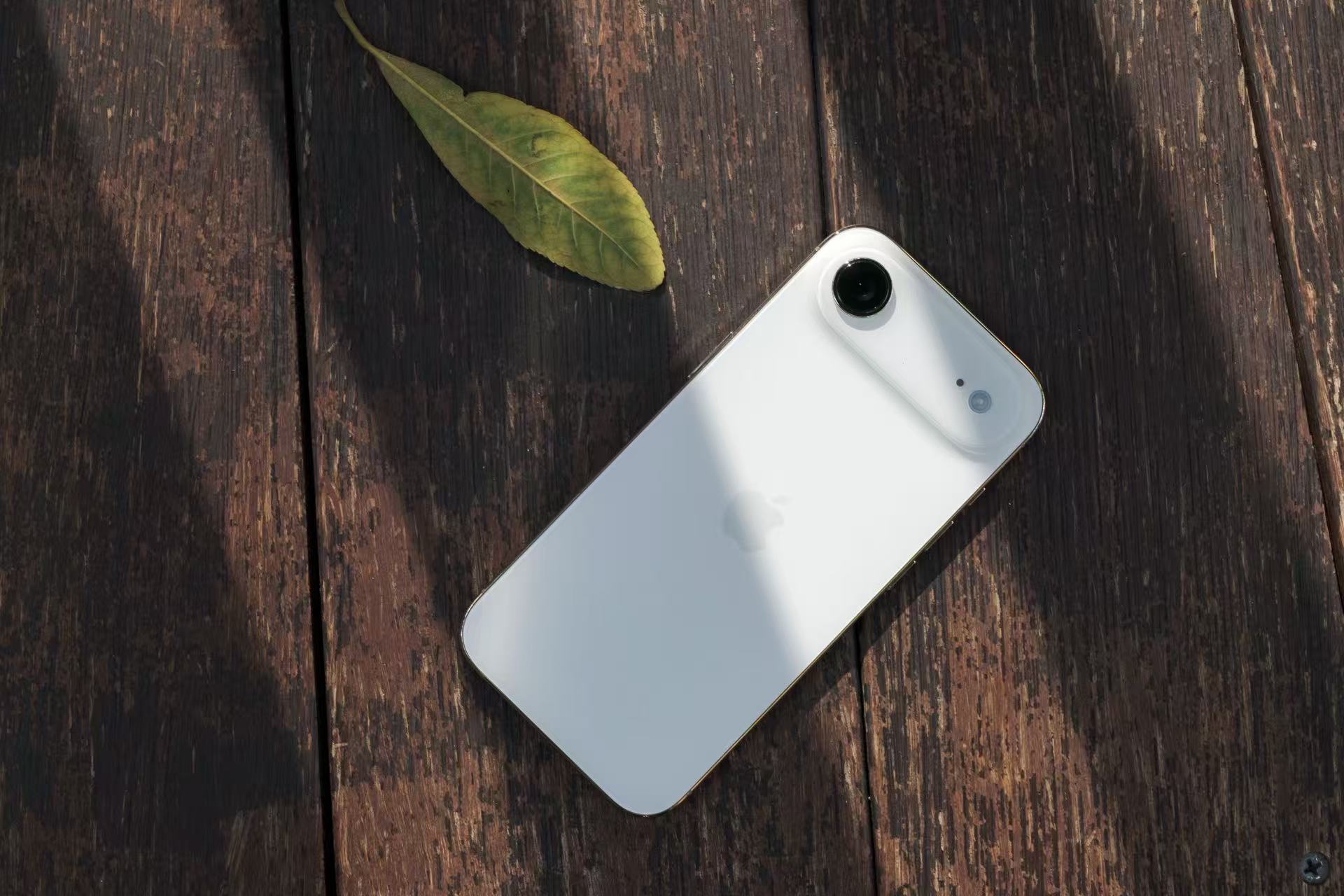
(Image source: Apple)
If you use the Chinese - mainland version of the iPhone 17e to handle eSIM services, you will also encounter the same restrictions. The iPhone 17e supports dual eSIMs, and the number of available numbers is expected to be the same as that of the iPhone Air. However, the iPhone 17e has an additional physical slot, which will be more flexible and convenient in daily use.
When Xiaolei was chatting with an editorial colleague who owns an iPhone Air, he learned that the colleague bought Apple Care+ for the phone. However, if the phone is sent back to the factory for repair, a new situation will occur: If the backup phone is a physical - slot version, you need to go to the business hall to re - apply for a physical SIM card. After the iPhone Air is repaired, you still need to go to the business hall to re - write the eSIM; if the backup phone is another iPhone Air, you still need to go to the business hall to write the eSIM and go to the business hall again to migrate after the phone is repaired. That is to say, no matter what, you have to go to the business hall twice.
The iPhone 17e also faces this problem, but it has more room for maneuver. For example, if the phone owner uses a physical SIM card + an eSIM number, with the physical card as the main number, then even if the phone needs to be sent for repair, you can simply take out the physical SIM card and insert it into another backup phone with a physical slot.
Compared with the iPhone Air, the advantage of the iPhone 17e is that it supports dual eSIMs and also has an additional physical slot.
More eSIM phones, Apple is no longer the only one
Currently, there are two eSIM solutions for the Chinese - mainland version of iPhones, namely the dual eSIM of the iPhone Air and the single - slot + eSIM of the iPhone 17e. Even earlier, Apple also implemented eSIM on Apple Watch and iPad.
Specifically, since the Apple Watch Series 3, the cellular version of the Apple Watch has used the eSIM solution. The Chinese - mainland version supports the three major operators, with two options: one - number dual - terminal and independent number, and supports phone, text message, and data network functions.
The implementation of eSIM on the cellular version of the iPad came later. The new iPad 10 (different from the previous physical - slot version) released in October 2023 added support for eSIM, but only supports China Unicom. For subsequent Chinese - mainland versions of iPads launched by Apple, the cellular versions have all removed the physical slot and replaced it with the eSIM version, but currently still only support China Unicom's data network services.

(Image source: Apple)
Different from the iPhone, it is much more convenient to activate eSIM services on the iPad. You can handle it online by opening the China Unicom APP. Of course, the cellular version of the iPad only has the function of data Internet access and does not support text messages and calls, so it is subject to much less restrictions.
In addition to Apple, Samsung is also a brand that is actively promoting the implementation of eSIM phones in the Chinese mainland. Last month, Samsung released the flagship S26 series, and a highlight of its Chinese - mainland version is the addition of eSIM support. The dual - SIM solution adopted by the Chinese - mainland version of the S26 series is different from all of Apple's existing solutions. It is neither a pure eSIM nor a single - card + eSIM, but a dual - physical - card + dual - eSIM solution.
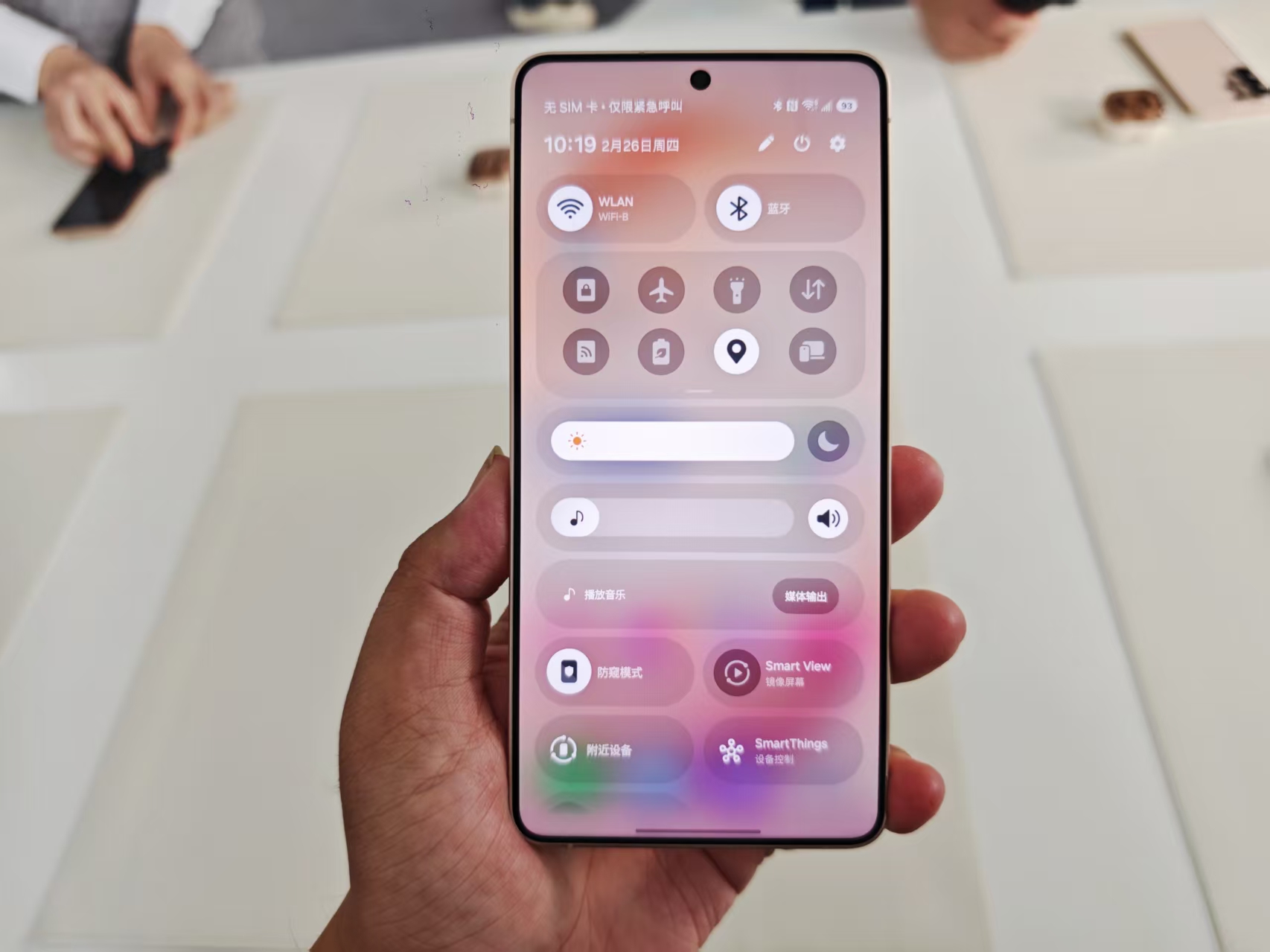
(Image source: Captured by Lei Technology)
More specifically, the Samsung S26 series gives users the full right to choose whether to use physical cards or eSIMs. That is, you can insert two physical cards without using eSIM, or only use eSIM without inserting physical cards, or use one physical card and one eSIM number. Of course, the S26 series can support a maximum of dual - SIM dual - standby, and cannot have two physical cards and two eSIM numbers activated at the same time. Currently, the Chinese - mainland version of the S26 series has not been officially launched, and no one has actually tested its eSIM function. However, the specific policy is likely to be the same as that of the Chinese - mainland version of the iPhone.
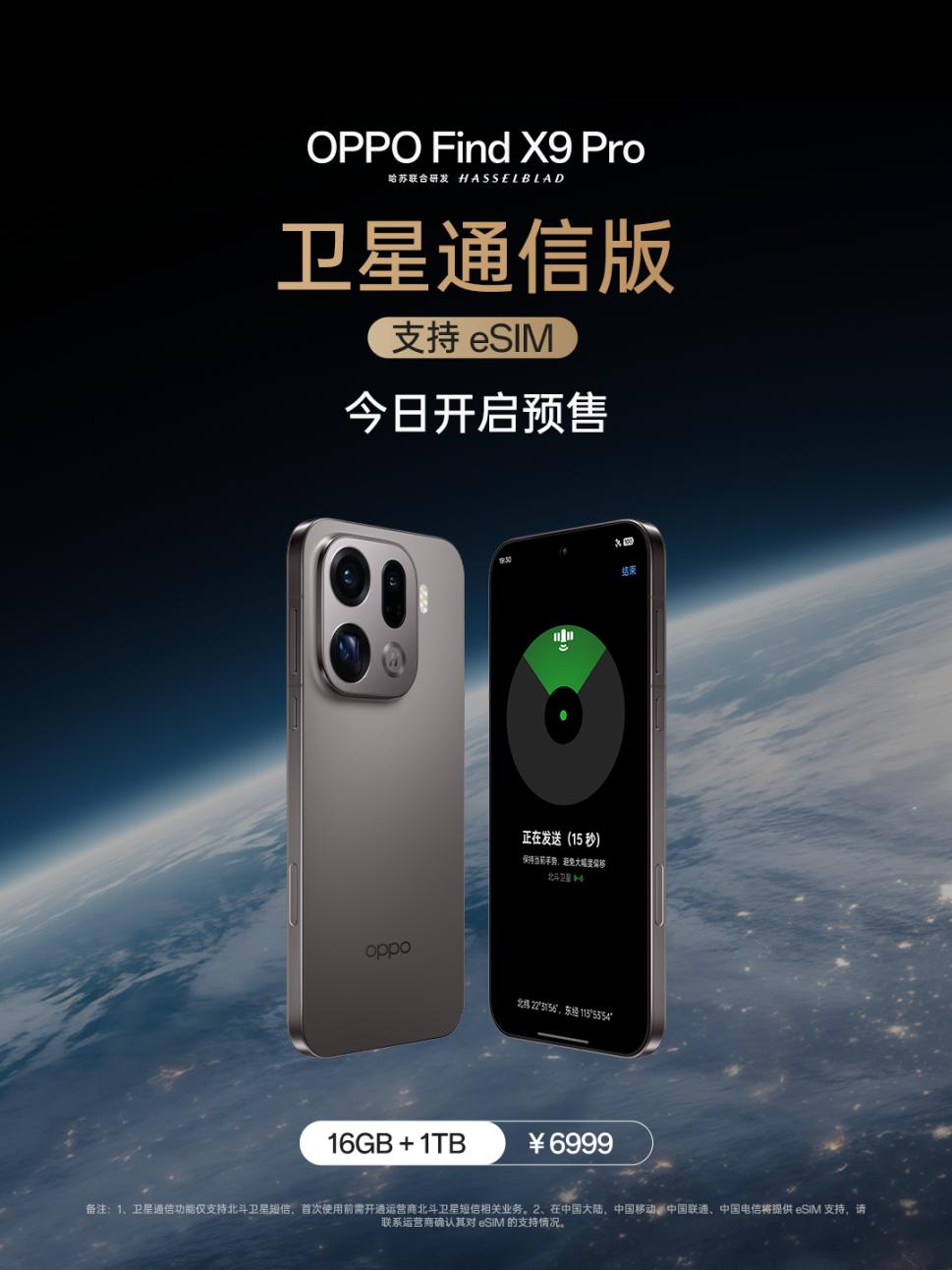
In addition to Apple and Samsung, brands such as OPPO and Huawei are also relatively active in promoting the implementation of eSIM phones in the Chinese mainland. The OPPO Find X9 Pro satellite - communication version, which went on sale in November 2025, added support for eSIM and also adopted the dual - slot + dual - eSIM solution.
(Image source: OPPO)
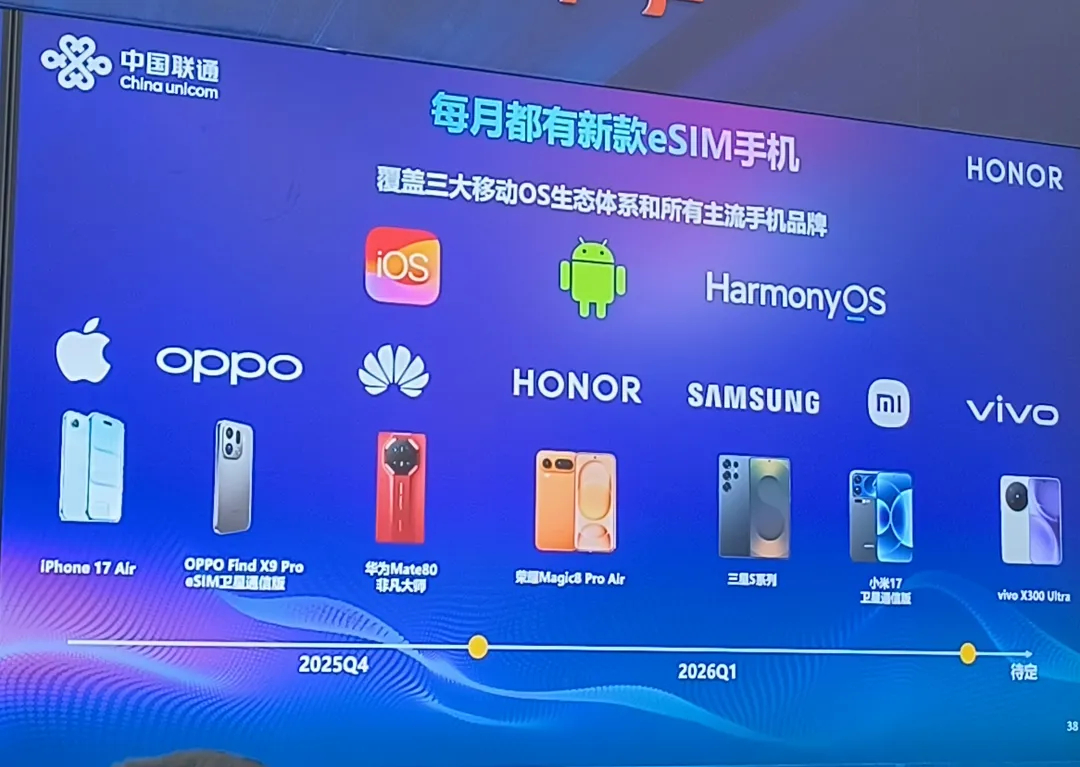
The Chinese - mainland versions of the Huawei Mate 80 RS Ultimate Master and the Honor Magic 8 Pro Air, which also went on sale at the end of last year, adopted the same eSIM solution. In this process, China Unicom, as an operator, plays an active role in promoting and says that it will "release an eSIM phone every month". According to the roadmap announced by Unicom, other Chinese - mainland eSIM models to appear this spring include the Xiaomi 17 satellite - communication version and the vivo X300 Ultra.
(Image source: People's Posts and Telecommunications News)
In addition, major domestic brands have already launched eSIM - version phones overseas. For example, the recently released international version of the Xiaomi 17 series adopted the same dual - physical - card + dual - eSIM solution as the Samsung S26 series. Models such as the vivo X100 Pro and X90 Pro released overseas by vivo also support eSIM.
All are eSIMs, but big differences between Apple and Android
Although both Apple and Android brands are currently promoting the implementation of eSIM, their attitudes and relevant product concepts are quite different. In a nutshell, Apple's eSIM policy is an aggressive one of active leadership, while Android brands are more of a pragmatic one of going with the flow.
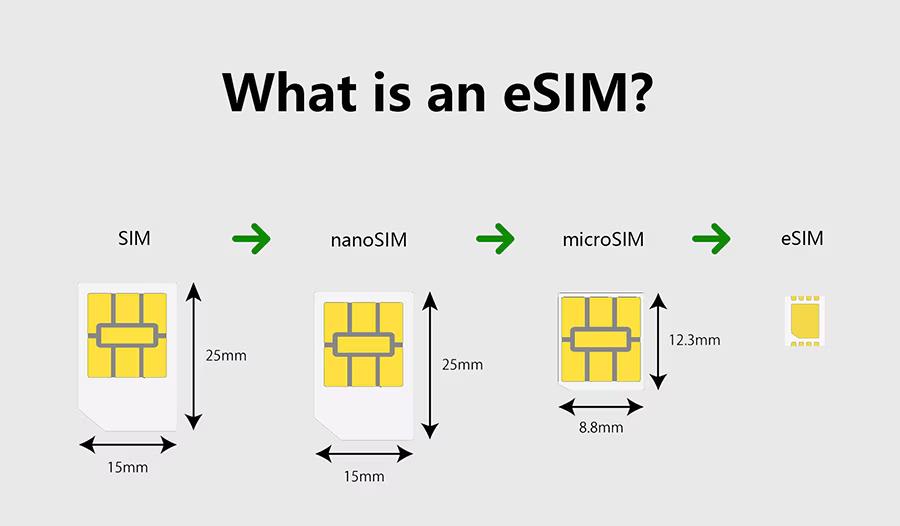
As we all know, Apple has always been an active promoter of SIM - card miniaturization. As early as 2010, the iPhone 4 adopted a micro - SIM slot, reducing the size by half; in 2012, the iPhone 5 further introduced the nano - SIM card, which is one - third smaller than the micro - SIM.
Apple's actions have quickly popularized small - sized SIM cards. At that time, many Apple users had to go to mobile - phone stores to "cut the card" after buying a new iPhone, using a card - cutting machine to remove the excess plastic around the standard SIM card so that its size could match the iPhone's slot.
(Image source: Honor)
Apple's ambition does not stop at SIM - card miniaturization. It hopes to completely eliminate SIM cards and make eSIM fully popular. However, eliminating SIM cards is much more difficult than reducing their size. In addition to technical problems, it also involves more complex factors such as the interests of operators and communication supervision. Even today, most smartphones still retain physical SIM slots.
Apple's first eSIM device was the cellular version of the iPad Air 2 released in 2014. It supports eSIM but also retains a physical slot. However, this iPad can only use one SIM card or one eSIM number to access the Internet and cannot achieve dual - SIM dual - standby.
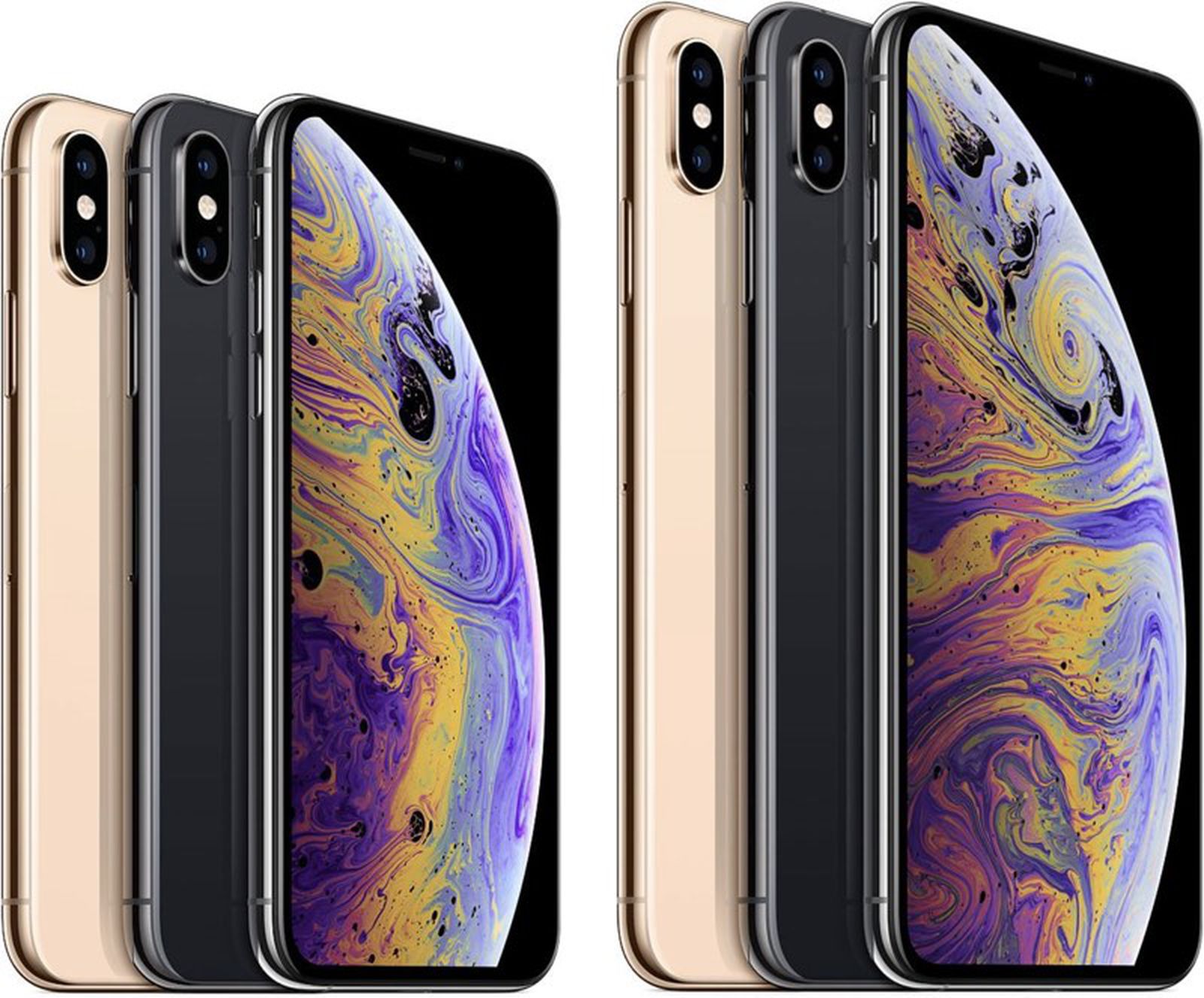
Apple's first eSIM phone did not appear until the iPhone XS/XR series released in 2018, with the specific solution being single - card + single - eSIM. In 2022, the US - version iPhone 14 series tried the pure eSIM solution, supporting two eSIM numbers.
(Image source: Apple)
As of 2026, the network versions of iPhones sold in different countries and regions around the world are different. Take the iPhone 17 as an example. The Chinese - mainland version still uses the most traditional dual - physical - slot solution and does not support eSIM; the Hong Kong (China) and South Korea versions use the single - physical - slot + dual - eSIM solution; in regions such as Japan and the United States, it is the dual - eSIM no - slot solution.
Obviously, Apple's attitude is: as long as the conditions allow, use eSIM; if the conditions do not allow, use a combination of physical and eSIM; if the conditions do not allow at all, compromise and do not use eSIM.
In contrast, Android brands' attitude towards eSIM is mainly practical. Physical cards and eSIMs each have their own advantages and disadvantages in user experience. The former has a higher popularity, and most operators support it; the latter is theoretically more convenient to activate, switch, and cancel, especially convenient in scenarios such as outbound travel and cross - border roaming.
Therefore, the general attitude of Android brands is: since users have needs, try to provide them all. Most of the Android - version eSIM phones we can buy now adopt the dual - physical - slot +