Memory price hikes crush the "small and beautiful": Meizu, which has been competing with Xiaomi for 17 years, fell in 2026.
Who would have thought that the first mobile phone brand to be crushed by the rising memory prices would be Meizu?
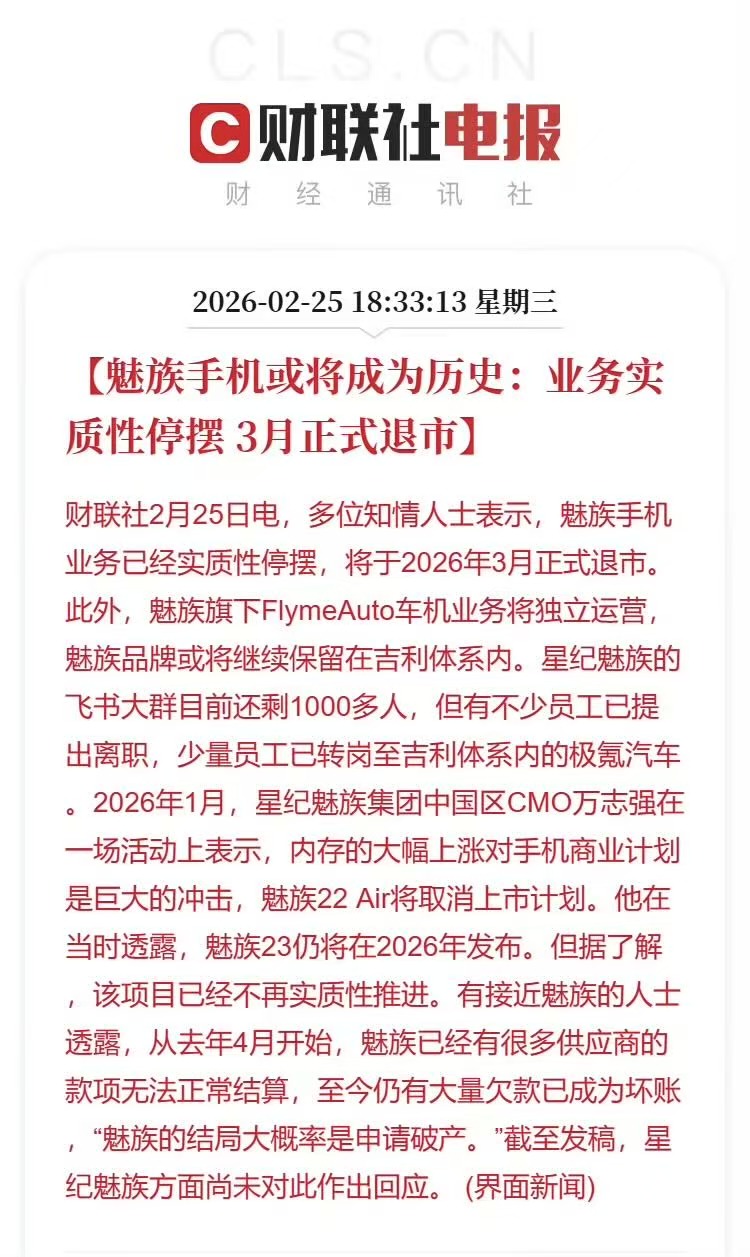
On February 25, 2026, Jiemian News reported that Meizu's mobile phone business had effectively ceased operations and would officially exit the market in March. Meanwhile, Meizu's Flyme Auto in-vehicle system business will operate independently. The "Meizu" brand will continue to be retained within the Geely system, but offline after-sales services will be revoked, and all services will be transferred to mail-in repairs. However, insiders at Meizu also revealed that the online rumor about "Meizu's mobile phone exiting the market" contains both true and false information, and it's not yet time for an official announcement.
(Source: Cailian Press)
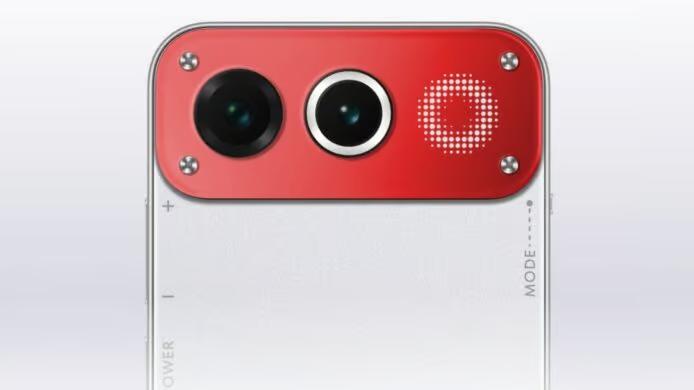
Actually, Meizu had already hinted at the pressure on its mobile phone business at a Meizu fan event in January this year. At this event, a new phone that never made it to the market - the Meizu 22 Air - was showcased. Due to supply chain pressure, this model will not be launched. And the much-anticipated flagship series, the Meizu 23, has also basically come to a halt.
(Source: Meizu)
Nowadays, Meizu's sales have never made it into the top five in the rankings for years. The release of its flagship new products has been repeatedly delayed, and hardly any ordinary consumers consider it when buying a phone. However, since Meizu launched its first smartphone, the Meizu M8, in 2009, over the past 17 years, it has won over many loyal fans with its innovation and "small and beautiful" characteristics.
The Dream Began with the M8: Meizu Only Made the Most Special Phones
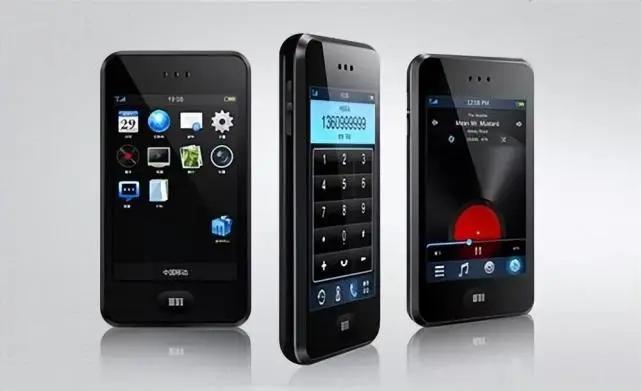
In 2009, smartphones were not yet truly popular, the Android ecosystem was in its early stages, the iPhone 3GS had just started, and almost all domestic brands were making copycat phones. Against this backdrop, Meizu didn't follow the market trend but created a proper smartphone - the Meizu M8.
In an era when feature phones dominated, the M8 was the first "exquisitely made like an iPhone" domestic smartphone that many people had ever seen. It was also from this time that Chinese mobile phone manufacturers gradually realized that just making "copycats" wouldn't work if they wanted to have a place in the future mobile phone market. In 2011, the Meizu M9 was launched, bringing the FlymeUI, which took minimalism as its design aesthetic, to Meizu phones for the first time and began to influence the entire mobile phone market. More customized operating systems were launched one after another.
(Source: Meizu)
Coincidentally, in the year when the M9 was launched, Lei Jun entered the market with the first-generation Xiaomi phone, pricing it at 1,999 yuan and bringing the SoC, screen, and imaging configurations that were exclusive to flagship phones into the sub - 2,000 - yuan price range. Xiaomi and Meizu, which had similar starting points, similar target audiences, and whose founders had some connections, were naturally compared. For example, the Meizu M9, which started at 2,499 yuan, and the first - generation Xiaomi phone, which started at 1,999 yuan. On the surface, it was a comparison of price and configuration differences, but at a deeper level, they represented two different approaches. One was to make "more special" phones with the system and user experience, while the other was to make "more accessible" phones with extreme cost - effectiveness.
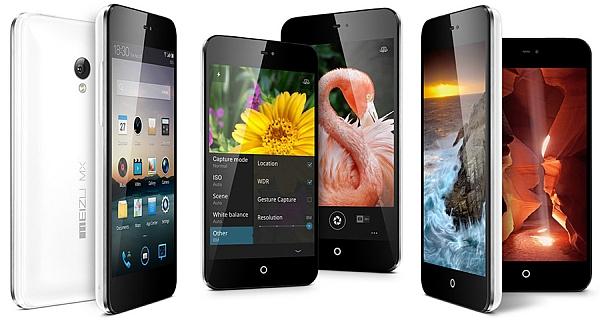
In 2012, Meizu launched a model that deserved to be recorded in the history of Chinese mobile phone brands - the Meizu MX2. Its most unique feature was not its strong performance or excellent imaging but that it removed Android's "three - button navigation" for the first time and proposed the concept of the "SmartBar". Simply put, the "SmartBar" moved the Android's native operation bar from the top to the bottom of the screen and combined it with the back button to form a complete interactive area. In an era when the Android ecosystem was not yet mature and app compatibility was uneven, this was almost a thankless task. So, in the face of the real - world ecosystem, the SmartBar's compatibility could never be "user - friendly for everyone", and it eventually met its end.
(Source: Meizu)
Meizu, which was following the "innovation - first" script, soon received a harsh reality check. Market statistics showed that in 2012, Xiaomi's annual mobile phone shipments were about 7.19 million units, while Meizu's were only 1 million units. Meizu only ranked sixth among mobile phone brands and failed to make it into the top five. In order to quickly expand its scale, Meizu had to make some reluctant changes.
In 2013, the Chinese smartphone market entered a full - scale scale - based competition. According to data from multiple institutions, the annual smartphone shipments in China were approaching 350 million units, and the Android market share exceeded 80%. Feature phones were being rapidly phased out. Samsung still held the top position in the market share. Traditional manufacturers such as Huawei, Lenovo, and Coolpad dominated the carrier channels. Xiaomi experienced explosive growth with its online sales model and even came close to or exceeded Apple's domestic shipments in some quarters.
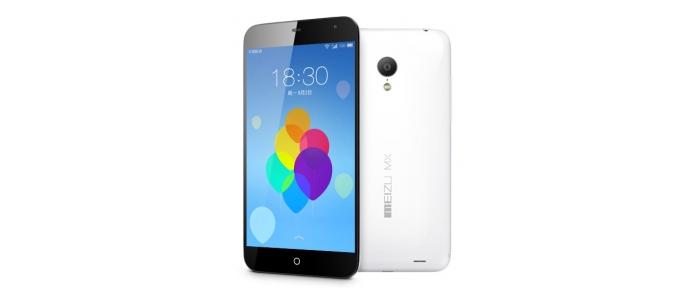
Meanwhile, Meizu released the MX3. This flagship phone had a 5.1 - inch 1080P screen, adhered to its own design language, and continued to refine the fluency and details of the Flyme system. From a product perspective, the MX3 was not conservative. It followed the trend of large - screen phones and kept up with the mainstream flagship specifications in terms of hardware, but it still retained that "Meizu flavor", such as a unified design logic and attention to details for one - handed operation. However, by 2013, consumers' decision - making logic had changed. More and more people began to care about "cost - effectiveness" when judging whether a phone was worth buying. Meizu phones were still very well - made, and even their phone packaging had a "book - style" design, but consumers were more concerned about "can I get the strongest performance and the best screen for 2,000 yuan?"
(Source: Meizu)
It was after the MX3 generation that Meizu truly felt the "scale pressure" for the first time. When the market expanded from 100 million to 300 million units, what mattered was not just design ability but also supply chain bargaining power, channel coverage, and marketing influence. More straightforwardly, Meizu began to realize that if it only focused on being niche and refined, its survival space would be squeezed out completely. Thus, we entered a period that was least like "Meizu".
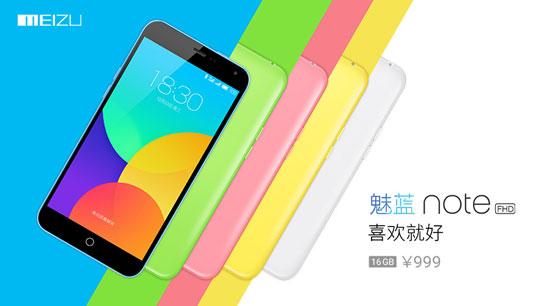
From the end of 2014 to the beginning of 2015, the Meilan Note and the Meilan series were launched one after another, targeting the mid - range market with more affordable prices and directly competing with Redmi and Xiaomi. I believe many students had to choose between Redmi and Meilan when they first bought a smartphone. Meilan was smart enough to capture the needs of students who wanted good configurations, low prices, and a bit of "style". It packaged the sub - 1,000 - yuan phones as "good products for the youth" and completely opened up the market.
(Source: Meizu)
In 2015, Meizu had a rare high - light moment in its history. Its shipments exceeded 20 million units, and it received a strategic investment of $590 million from Alibaba. However, Alibaba's investment came with conditions. It required Meizu to develop the FlymeUI based on YunOS and abandon the original Android system.
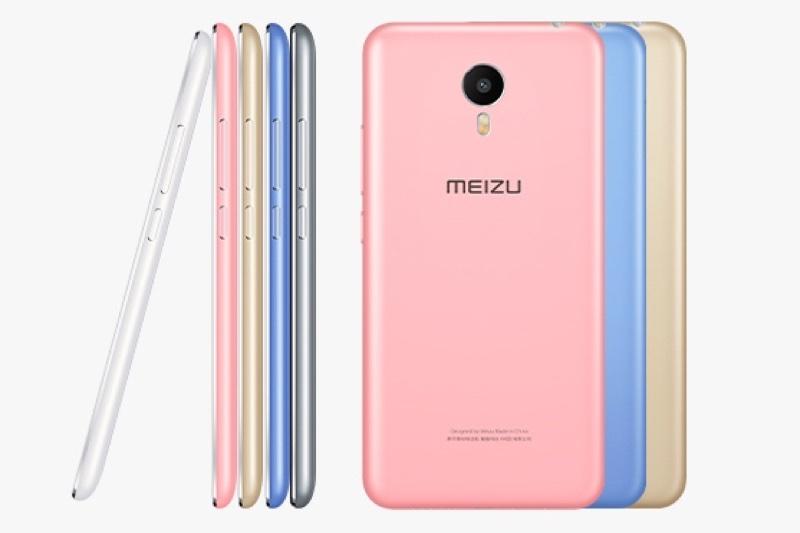
After establishing a market foundation and obtaining strategic investment, Meizu launched an aggressive product - line expansion strategy. In 2016, more than a dozen models such as the Meilan Note, Meilan Metal, Meilan 3, Meilan 3S, Meilan 5, Meilan E, and MX6 were launched in quick succession. These models with different positioning, different chip platforms, and different price ranges were introduced one after another at such a fast pace that it was difficult for the outside world to fully distinguish the differences between each product.
(Source: Meizu)
Actually, this was also Meizu's helpless move. On the surface, it was an active attempt by Meizu to expand its market coverage and seize market share, but the deeper reason was supply chain pressure and scale anxiety. Although Meizu's shipments had reached 20 million units, compared with Xiaomi, Huawei, Honor, vivo, and OPPO during the same period, it still didn't have obvious advantages and didn't have much bargaining power in the supply chain. It hardly had the right to be the first to launch new chips.
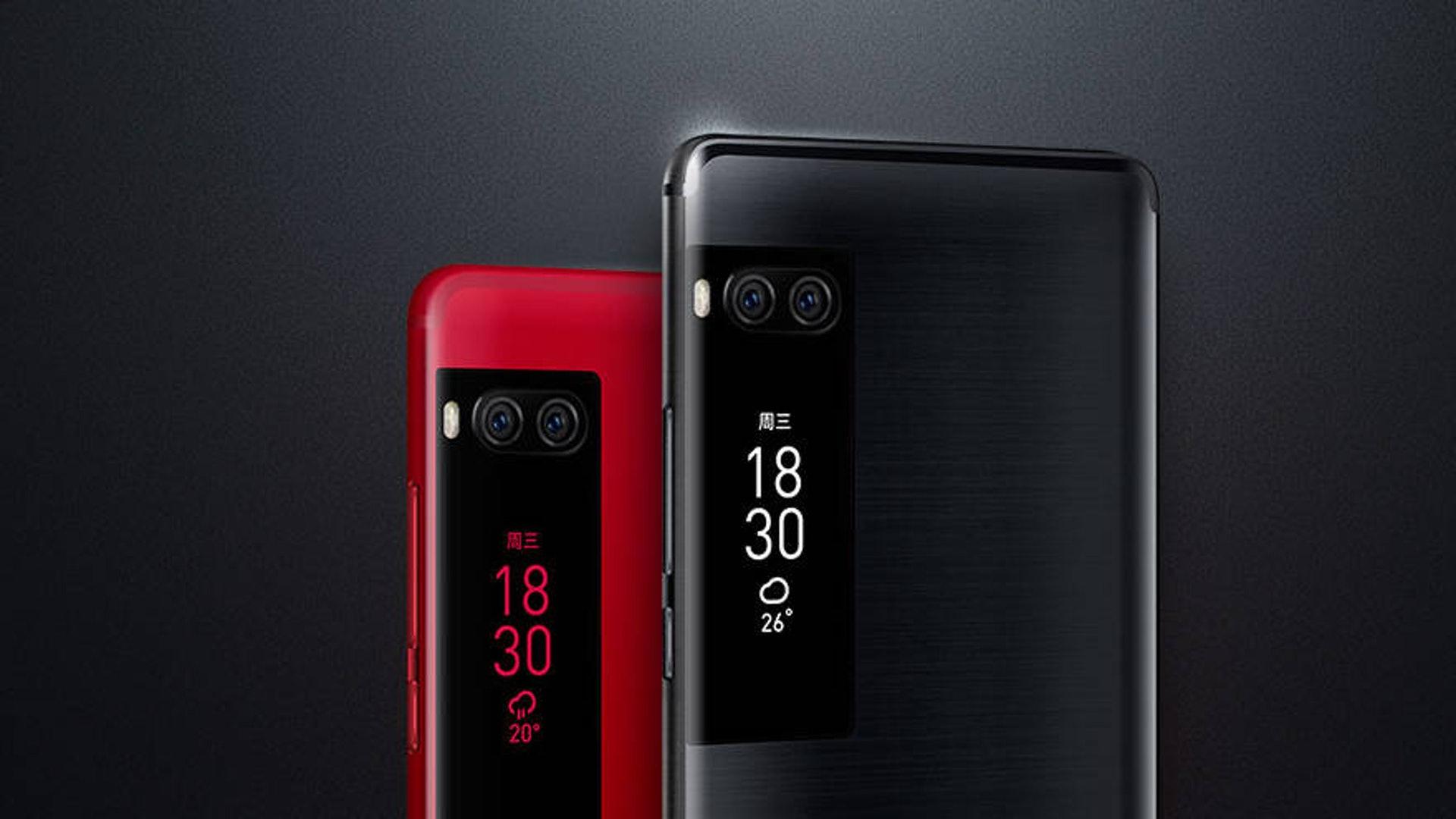
In 2017, Meizu suffered its first "setback" - the Meizu PRO 7 dual - screen phone was officially launched. This phone added a secondary screen on the back for displaying the time, notifications, and even for selfie framing. It had a bold design and extremely high recognition, and was almost the most "special" phone among domestic phones that year. However, the market's reaction was almost one - sided. One was to complain that the back screen was almost useless; the other was dissatisfaction with this "flagship model" that was priced at 2,880 yuan but was equipped with the MediaTek P25 chip.
(Source: Meizu)
During this period, there were also some upheavals in Meizu's internal management. Huang Zhang gradually faded out of front - line management, and executives such as Bai Yongxiang took on more operational responsibilities. There were continuous disputes over the brand direction and product rhythm. The synergy effect after Alibaba's investment was not fully realized. Meizu neither fully integrated into Alibaba's ecosystem nor maintained a completely independent strategic rhythm, and was in an awkward position.
Slow Iteration: Meizu Entered the "Retirement Period"
In 2018, Meizu celebrated its 15th anniversary. That year, Meizu decided to restructure its product line, changing the original PRO series to the digital series and launching flagship models such as the Meizu 15th/Plus and 16th/Plus. Meanwhile, Meilan continued to make efforts and successively launched two sub - 1,000 - yuan phones, the Meilan S6 and the Meilan E3.
Meizu's digital series was personally developed by Huang Zhang after his return. Instead of pursuing radicalism like the previous PRO series, it returned to minimalist design and strived for a balance between feel and comfort. In August of the same year, the Meizu 16th series was launched, officially announcing the end of the years - long tug - of - war with Qualcomm. It was re - equipped with the then - flagship SoC, the Snapdragon 845 chip.
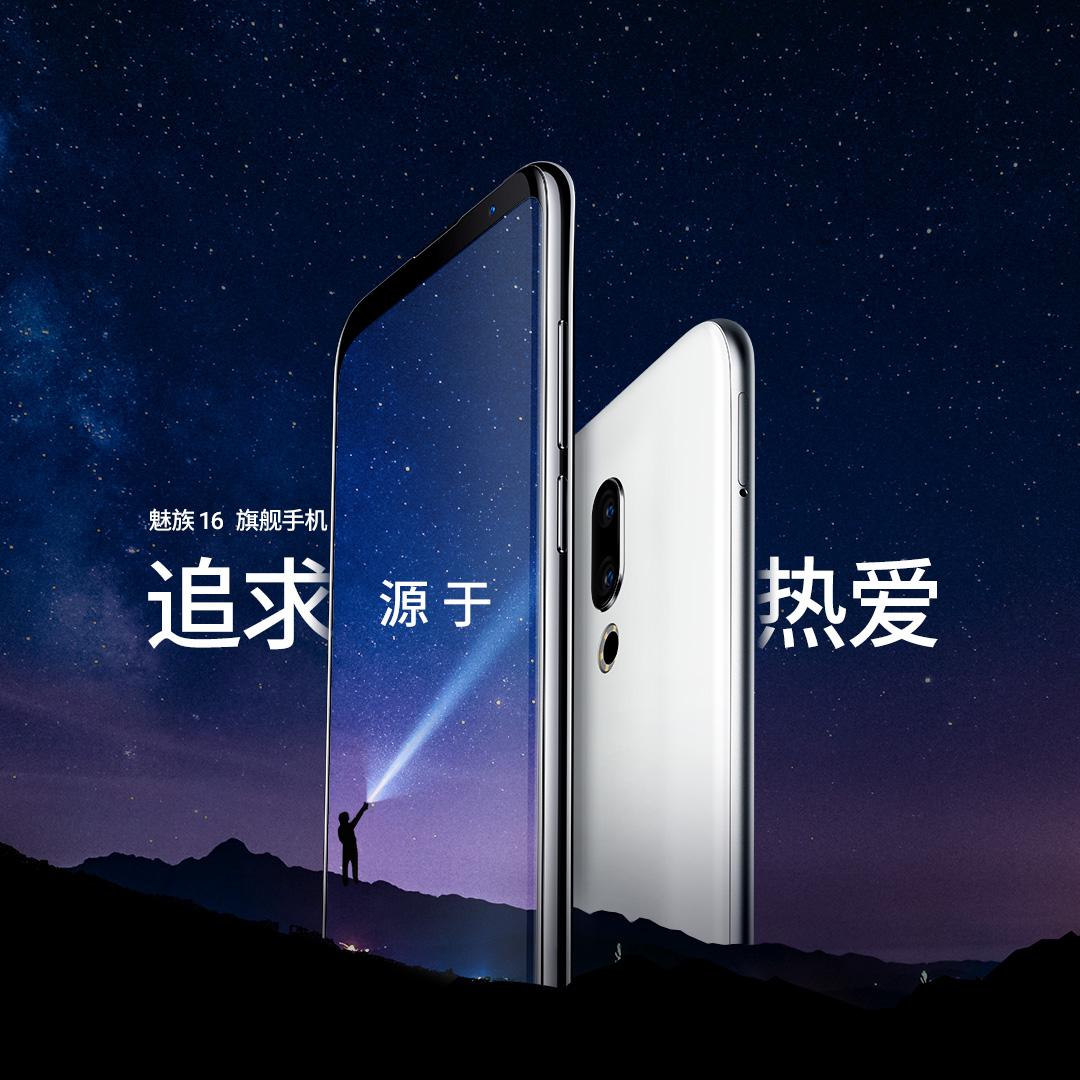
(Source: Meizu)
On the surface, Meizu ended its years of exploration in 2018 and found its own positioning. However, the following year, as Li Nan, the CEO of the sub - brand Meilan, left the company, Meizu also cut the sub - brand Meilan and focused on the research and development of flagship models. Cutting Meilan was like cutting a major artery. According to Li Nan's revelation on Weibo, Meilan brought at least 40 million users and more than one billion in subsequent revenue to Meizu. He also admitted that without this revenue, Meizu would have gone bankrupt long ago.
However, Meizu's self - amputation also had its reasons. The existence of Meilan had obvious side effects. It made it increasingly difficult to unify the positioning of the "Meizu" brand itself. For long - time Meizu fans, Meizu represents aesthetics, feel, and minimalist design; but for the general public, Meilan means cost - effectiveness, high - volume sales, and a frequent product - iteration rhythm. If we look back at the craziest year of Meilan, we will find that there were hardly any obvious differences among the numerous new phones launched by Meilan's product - line expansion strategy, except for the price.
In 2020, the Meizu 17 series was launched. For Meizu, this was a do - or - die model. At the end of 2019, the industry entered the 5G explosion period. Although the cost of 5G chips increased, R & D investment rose, and the complexity of the supply chain increased