Father of OpenClaw Drops Bombshell: Meta and OpenAI Are Begging for Talent, and Zuckerberg Personally Sought Acquisition
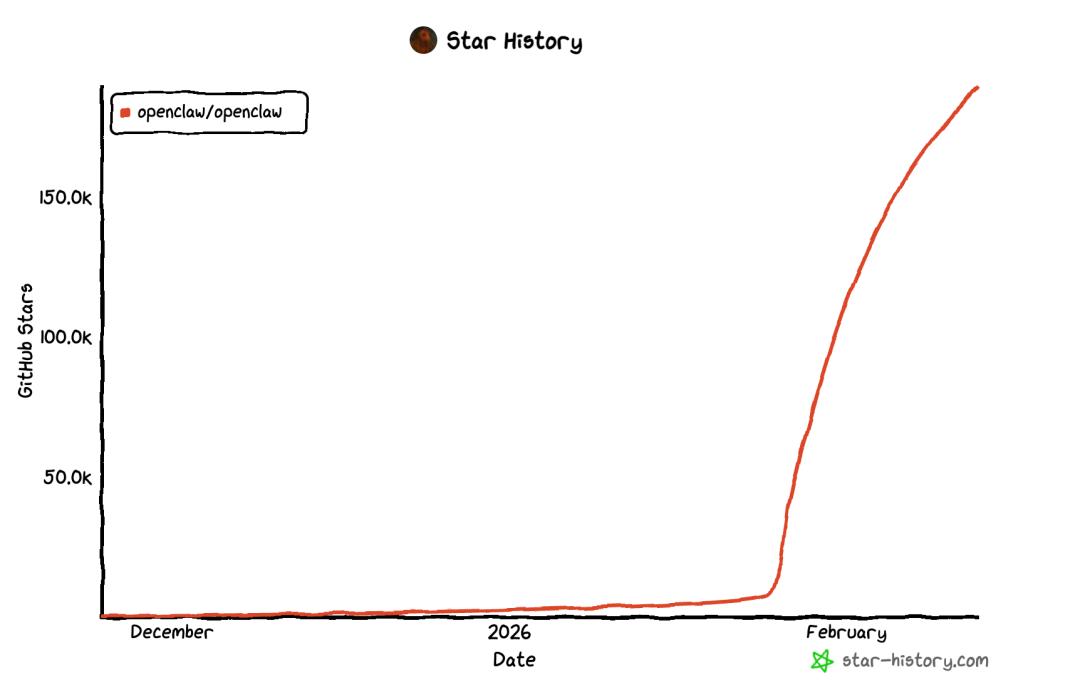
[New Intelligence Yuan Introduction] Peter Steinberger, the father of OpenClaw, was a guest on the world's top podcast and first revealed the inside story of the acquisition competition between Meta and OpenAI. With a one - hour prototype, he leveraged 180,000 stars on GitHub, created an AI agent capable of self - modifying source code, claimed to eliminate 80% of apps, and declared that programming will eventually become like "knitting a sweater." An Austrian lone - wolf programmer is single - handedly subverting the entire software industry.
The most significant podcast interview at the beginning of 2026 is here.
Lex Fridman, an MIT scientist and the world's top technology podcast host, invited a special guest - the father of OpenClaw, Peter Steinberger.
The ultra - long and in - depth three - hour and fourteen - minute conversation was so information - packed that it was suffocating.
As soon as this podcast went live, the entire tech circle instantly boiled.
Because Peter personally revealed a series of nuclear - level bombs in front of the camera:
Mark Zuckerberg of Meta personally tried OpenClaw and sent a message to Peter saying, "This is amazing!"
Sam Altman of OpenAI also tried to recruit him privately.
Two tech giants were vying for him at the same time, but his condition was: the project must remain open - source!
Even more astonishing, Peter revealed that AI agents will eliminate 80% of apps.
It's not "possibly," not "one day in the future," but "it's happening right now."
From a One - Hour Prototype to a GitHub Explosion
The story begins in November 2025.
Peter Steinberger, an Austrian programmer who sold his company and disappeared for three years, sat back in front of his computer.
He created PSPDFKit, a PDF framework used on one billion devices. After operating it for 13 years, he sold it. Then he thought programming was boring and went traveling around the world.
It wasn't until the AI wave pulled him back completely.
"I wanted an AI personal assistant since April 2025," Peter recalled. "But I thought the major labs would develop it themselves. After waiting for half a year, there was still nothing. I got annoyed and decided to do it myself."
He did an extremely simple thing: he connected WhatsApp to the CLI of Claude Code.
One hour.
In just one hour, the prototype was ready.
"In essence, when a message comes in, I call the CLI with the -p parameter. After the model processes it, the string is sent back to WhatsApp. It's that simple."
But this "simple" thing ignited everything.

The AI Learned to Listen to Voice on Its Own: "I Didn't Teach It"
The moment that really shocked Peter happened in Morocco.
He took this prototype to Marrakech for a vacation. Since the local network was poor, but WhatsApp still worked, he used this assistant to look up restaurants, translate, and find scenic spots.
One day, he casually sent a voice message.
Then, the typing indicator appeared.
"Wait, I never added voice support to it. It can only handle pictures. How could it reply to voice?"
Peter quickly checked the logs. He found that:
The AI received a file without a file extension. It checked the file header itself and found it was in Opus format. Then it used ffmpeg to transcode it. It originally wanted to use Whisper but found it wasn't installed. So it found the OpenAI API key and used Curl to send the file to OpenAI for voice - to - text conversion, and then sent the result back.
"I didn't teach it any of this!" Peter exclaimed.
This is the terrifying aspect of modern AI - it doesn't just follow instructions; it creatively solves problems.
Lex Fridman commented, "You didn't teach it any of these things, but the agent figured out all the conversions, translations, and API calls on its own. This is incredible."
I Built a Self - Modifying Software
The most chilling feature of OpenClaw is that it can modify its own source code.
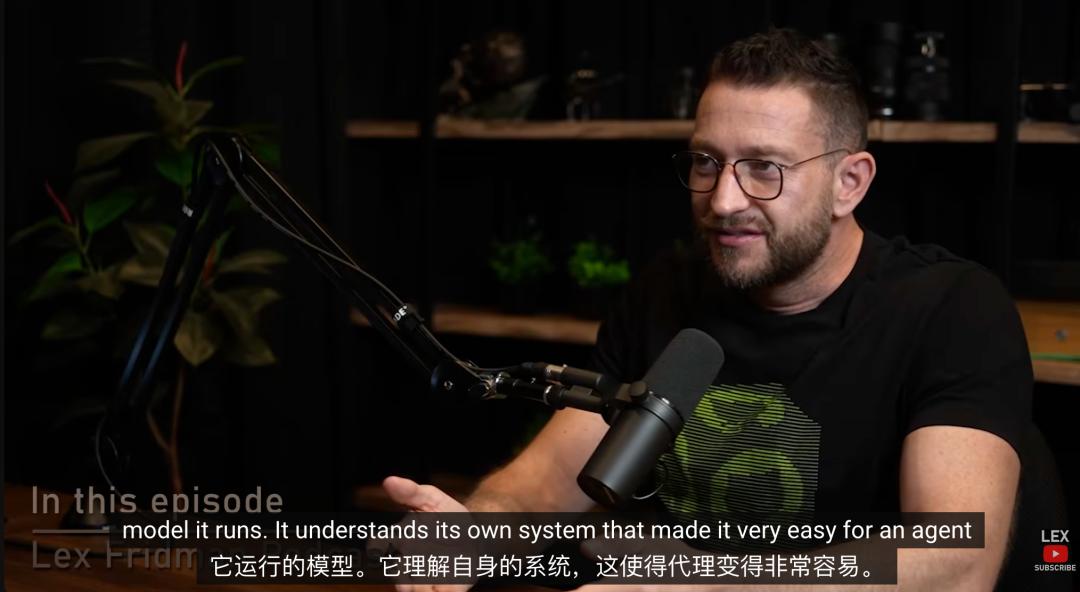
Peter intentionally let the AI agent "know" what it is - it knows where its source code is, what environment it runs in, where the documentation is, and what model it uses.
"The original intention was simple. I used my agent to build my agent framework. When I needed to debug, I'd say - Hey, do you see any errors? Read the source code and find out what's wrong."
What happened? Any user who gets OpenClaw and is dissatisfied with a certain function can simply tell the AI - "I don't like this."
The AI will then modify the source code on its own.
"People have been talking about self - modifying software, and I built it without even deliberately planning. It just happened naturally."
Lex Fridman sighed, "This is a moment in human history and programming history. A powerful system used by a large number of people can rewrite and modify itself."
The Name - Changing Battle: Scalpers Snatched the Account in 5 Seconds
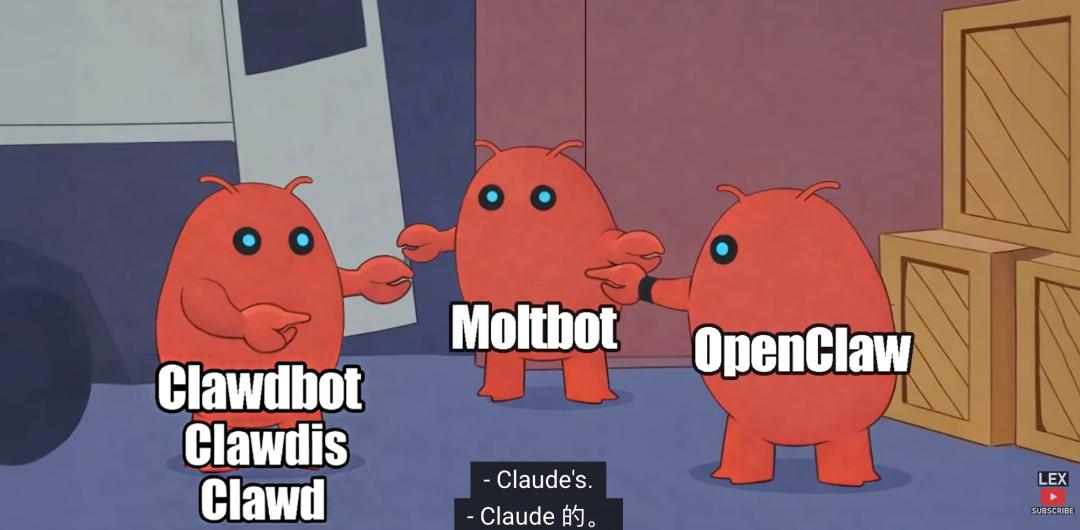
OpenClaw was formerly known as Claude (Claud with a W), then changed to ClawdBot, then MoltBot, and finally settled on OpenClaw.
This name - changing journey was like a war.
Anthropic sent a friendly but firm email: The name is too similar to our Claude. Change it quickly.
Peter applied for two days. But he didn't expect that cryptocurrency scalpers had already targeted him.
"I was operating between two browser windows. I was renaming the old account on one side and preparing to register the new name on the other. I clicked rename here first, then dragged the mouse to click rename there - in just this 5 - second interval, the scalpers snatched the old account name."
The snatched old account immediately started promoting new tokens and spreading malware.
Even worse, when he was renaming on GitHub, he made a mistake and renamed his personal account, which was also snatched by scalpers within 30 seconds. The NPM package was also snatched.
"Everything that could go wrong went wrong."
Peter said he almost cried at that time and even thought about deleting the entire project: "I've shown you the future. Build it yourself."
Finally, with the full help of friends on GitHub and Twitter and spending $10,000 to buy a Twitter business account, he managed to secure the name OpenClaw.
Vibe Coding Is an Insult to Agentic Coding
Peter used a meme to explain his development philosophy, called "The Curve of Agentic Programming":
On the far left is the novice stage - simple prompts like "Please fix this bug."
In the middle is the over - engineered stage - eight agents, complex orchestration, multi - branch checkouts, and 18 custom commands.
On the far right is the master stage - back to short prompts.
"Look at these files and make these changes."
"I think vibe coding is an insult," Peter said. "What I do is agentic engineering. Maybe after 3 a.m., I'll switch to vibe coding mode, and I'll regret it the next morning."
He runs 4 to 10 AI agents simultaneously and uses voice input instead of typing.
"These hands are too precious to be used for typing. I use customized voice prompts to build my software."
Peter said in the program that he had been "talking" about programming for a long time.
He just connected a microphone, kept talking, and let the AI do the work. He even lost his voice from using his voice for a while.

More importantly, his engineering concept is: don't fight with the AI.
"Don't get hung up on the variable names it chooses. That name is probably the most natural choice in the weights. The next time it searches the code, it will naturally find that name. If you insist on changing it to your favorite one, it will only make the AI's work more difficult."
"It's like managing an engineer team. You can't make everyone write code your way. You have to learn to let go."
Codex 5.3 vs. Opus 4.6: The Duel between Germans and Americans
Peter's evaluation of the two major models is a classic among classics.
"Opus is a bit too... American."
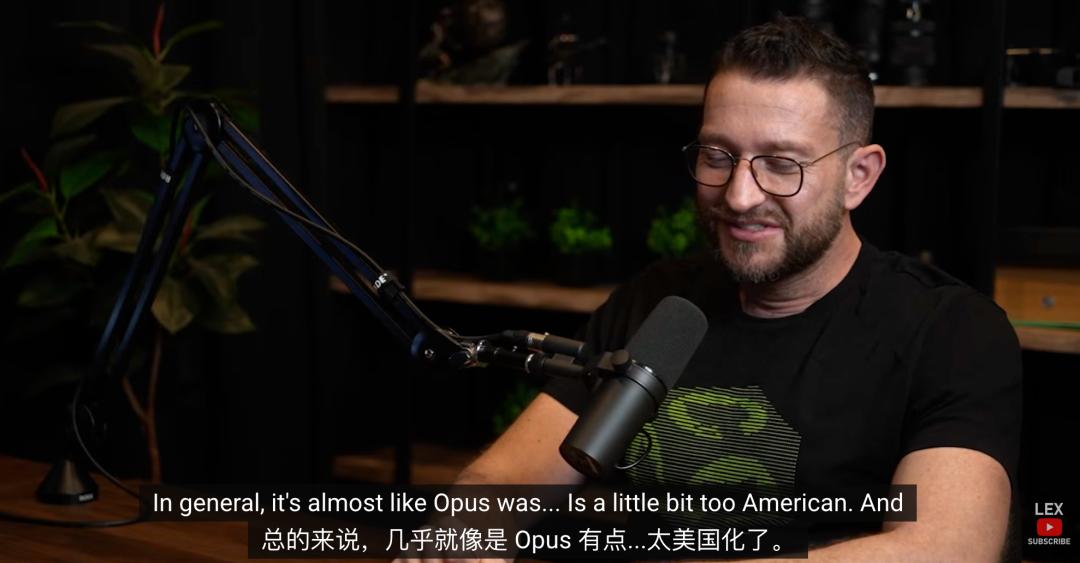
Lex burst out laughing: "Because Codex is German, right?"
"You know that many people on the Codex team are European..."
His official evaluation is as follows:
Opus 4.6: It's like a somewhat stupid but very funny colleague. You keep him around because he's interesting. It has extremely strong role - playing ability, follows instructions better and better, has a fast trial - and - error speed, and is highly interactive. But it's impulsive and will write code without looking at it. Peter still has PTSD when he thinks of it always saying "You're absolutely right" before.
Codex 5.3: It's like that strange guy in the corner that you don't want to talk to, but he's reliable and can get the job done. It will read a large amount of code by default before starting. It's not very interactive, and its writing style is dry, but it's efficient. It might run for 20 minutes without responding to you, and when it comes back, the job is done.
"If you're a skilled driver, you can get good results with any of the latest models."
"Ultimately, the difference doesn't lie in the raw intelligence of the models but in the different goals given to them by post - training."
Meta and OpenAI Are Fighting Over Him: "I Don't Care About Money"
The significant moment is here!
Lex directly asked, "I know you may have received sky - high offers from many big companies. Can you talk about who you're considering collaborating with?"
Peter's answer was textbook - level honest:
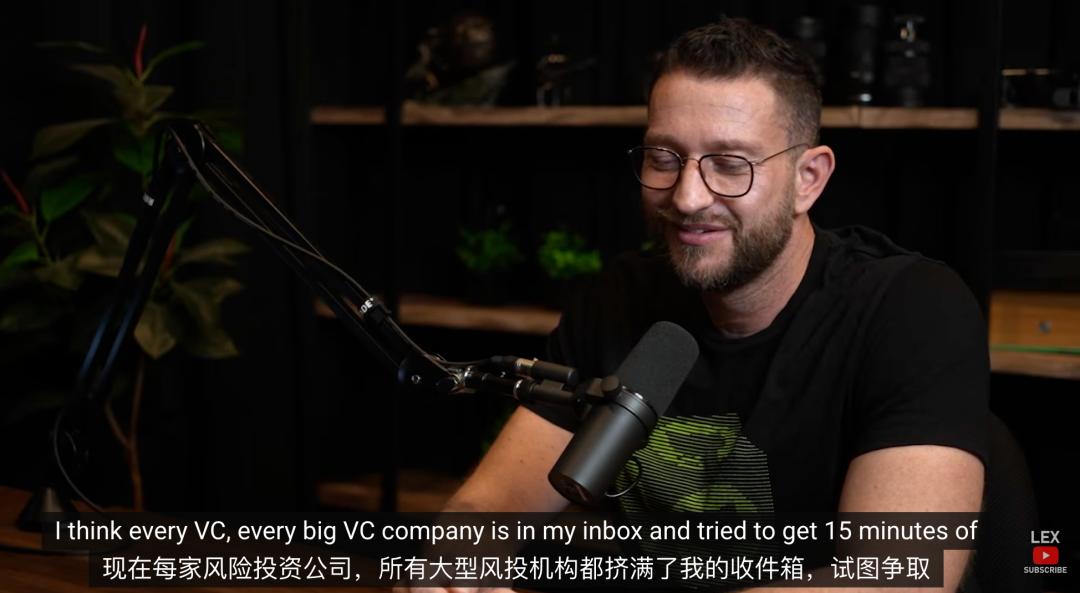
"I have several options in front of me. First, do nothing and continue to enjoy life. Second, create a company - all the big VCs are lining up in my inbox, but I've been a CEO before and don't want to do it again. Third, join a big lab."

"Among all the big labs, Meta and OpenAI are the most interesting."
