Is the bubble of Optimus robots bursting? Musk admits: None of them are doing "useful work" in the factory.
Elon Musk's robot bubble has finally burst.
During Tesla's Q4 2025 earnings conference call, Musk admitted that currently, there isn't a single Optimus humanoid robot actually performing "useful work" in Tesla's factories — Optimus is still in the R & D and learning phase, mostly accumulating data for future versions rather than being put into use as a productive force.
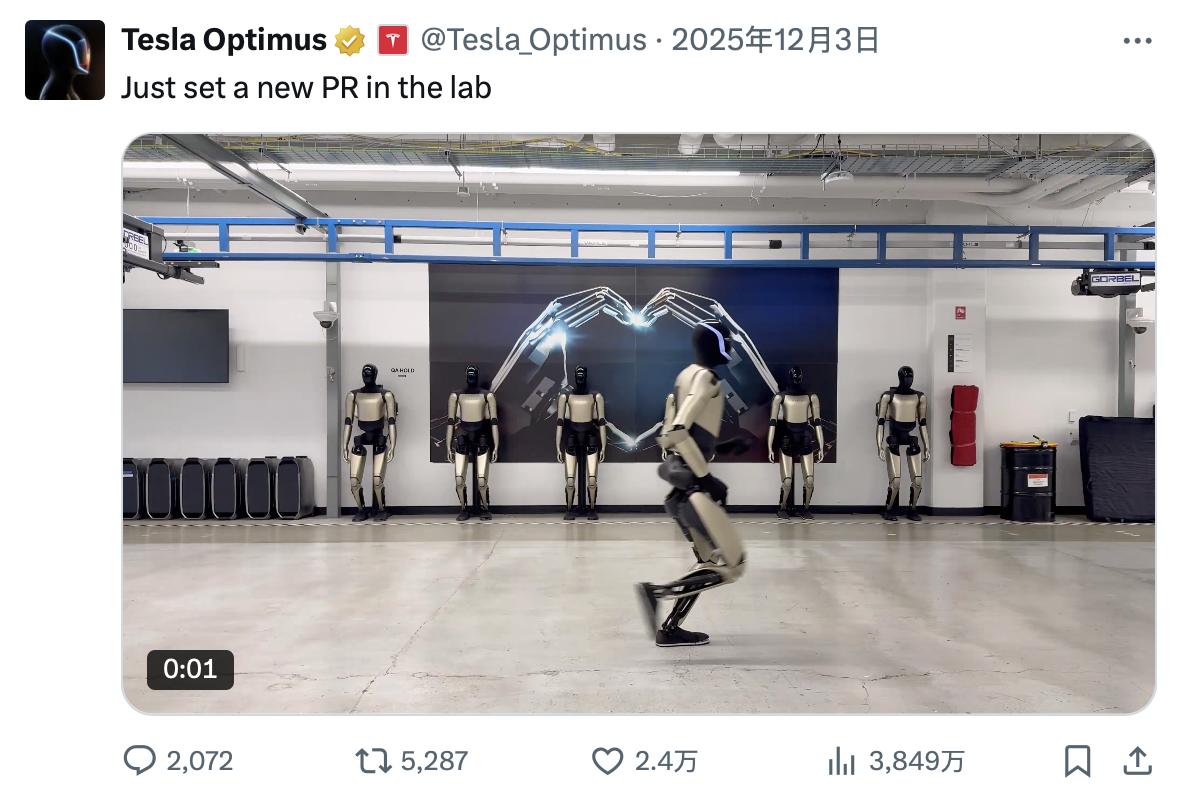
Image source: Tesla Optimus
To be honest, Lei Technology isn't surprised that Optimus is only "slacking off". After all, I've always believed that "humanoid robots aren't suitable for large - scale industrial production". However, Musk's admission that "Optimus hasn't been put into actual production" was quite unexpected to me:
After all, in the past two years, Musk has been sparing no effort to promote Optimus. Whether in a relaxed environment like Tesla's X account or in a serious setting like the annual general meeting, Musk gave the impression that Optimus was ready and could "start working in the factory" tomorrow.
But the more important question is, even a company as radical, resource - rich, and with strong engineering capabilities as Tesla hasn't managed to run through the product chain of humanoid robots. Where exactly is the humanoid robot industry stuck?
What problems has the concept of humanoid robots encountered?
If we only look at the technical indicators, humanoid robots haven't "stagnated". From the early days of Boston Dynamics to the current situation where numerous companies are competing, the motion control ability, perception ability, hand freedom, and fine operation ability of humanoid robots have been advancing rapidly. And the emergence of LLM and VLA technologies in recent years has also brought a qualitative leap to robots' understanding of the environment.
But the real problem with the humanoid robot category has never been "whether the technology can make it", but rather that humanoid robots lack a clear and rigid usage scenario.
In fact, since the "Boston Dynamics era", people's perception of humanoid robots has always been the so - called "universal executor" — first make the robot look like a human, and then try to let it enter different scenarios to complete various tasks.
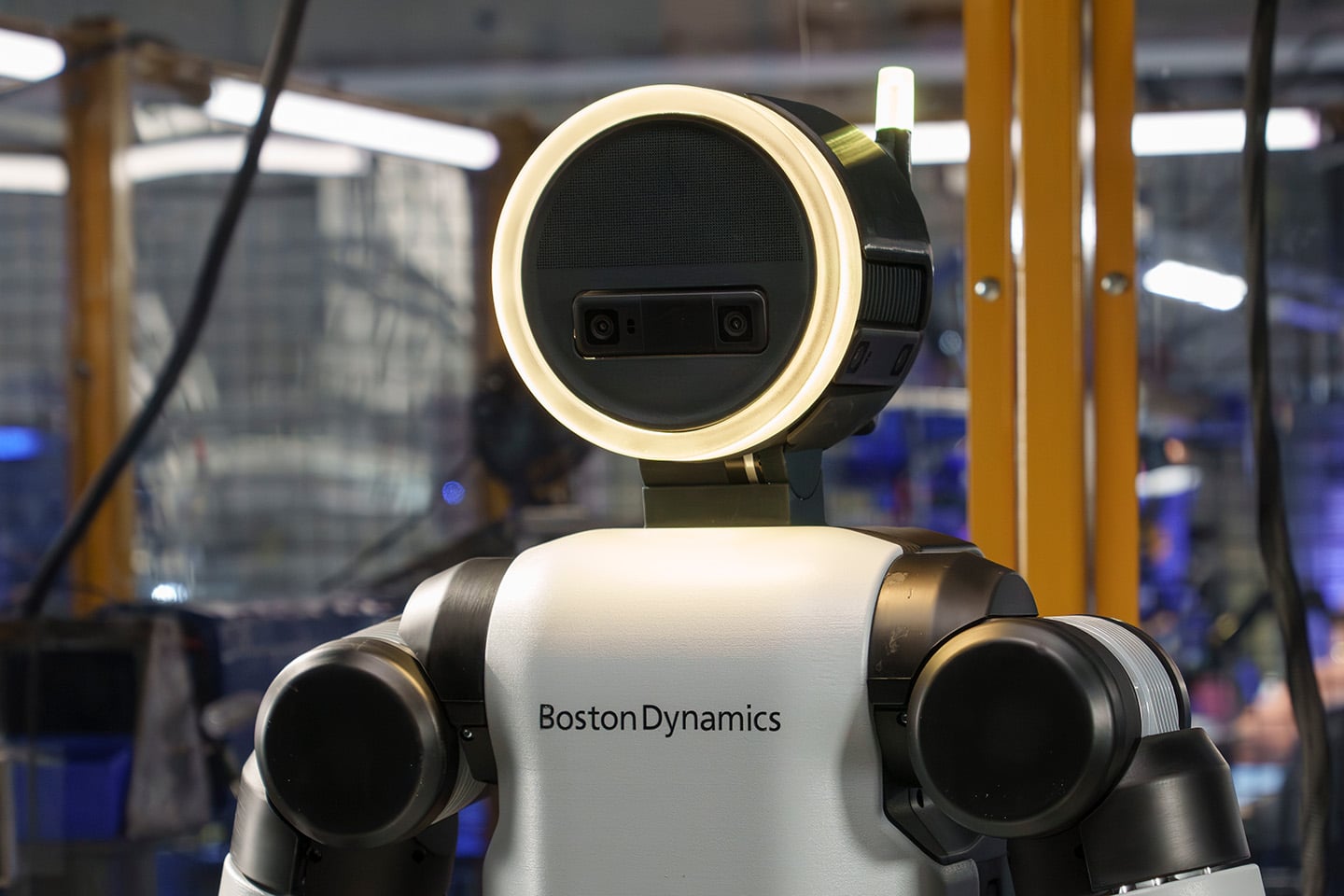
Image source: Boston Dynamics
This approach really works in the technology demonstration stage: making the robot dance or punch can not only show the robot's electronic control level but also conform to the public's intuition about robots.
But once it enters the real environment, problems will quickly emerge. Take the factory as an example. What factories really need is never a "human - like" robot, but a stable, predictable, and high - efficiency execution tool. The actions on a production line are highly repetitive, the paths are fixed, and the rhythms are clear. The reason why industrial robots are efficient is that they are completely designed around a single task.
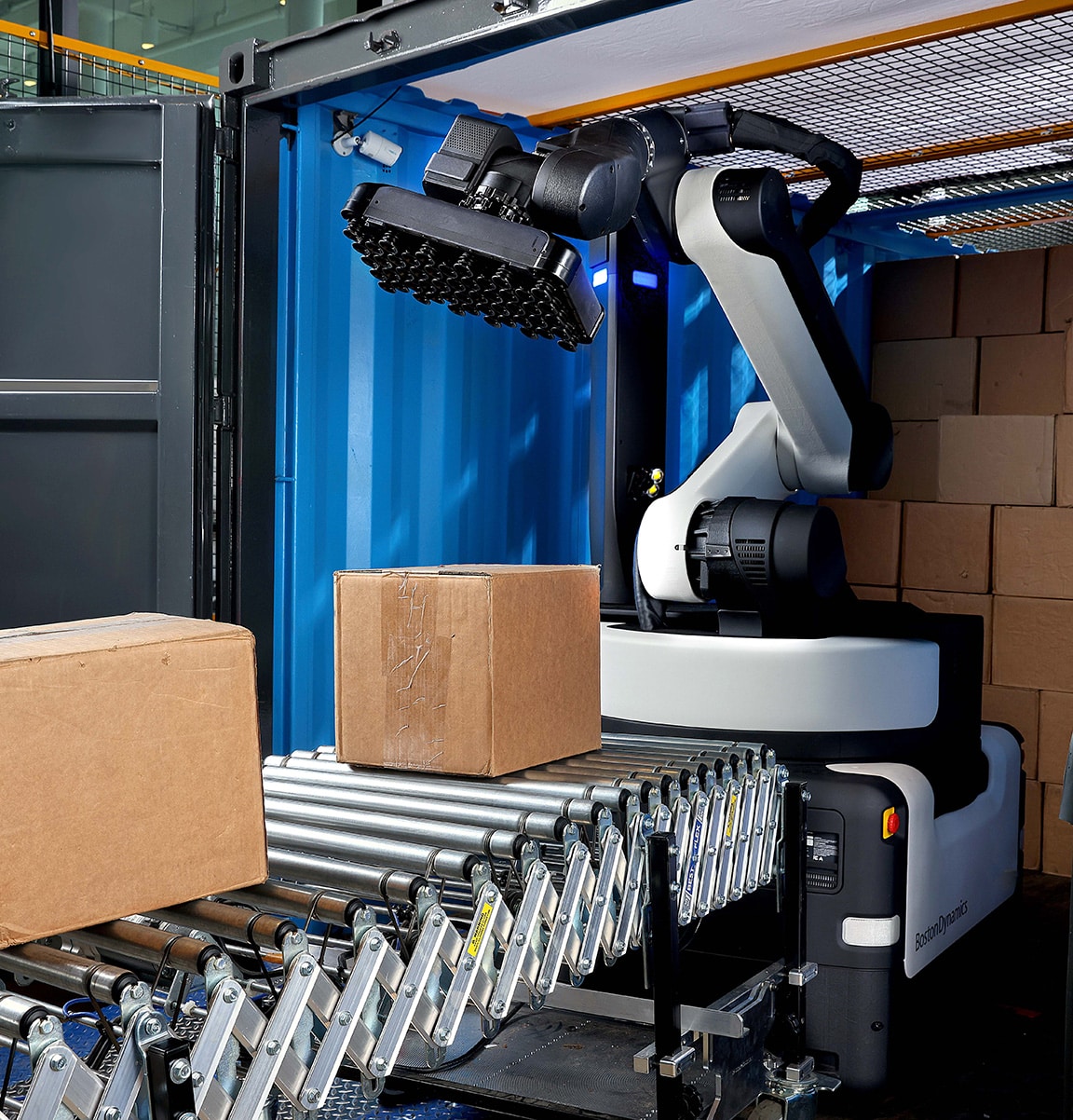
Image source: Boston Dynamics
To pursue "universality", humanoid robots are actually more complex in structure and control. Take the most common humanoid robot dance performances as an example. For a humanoid robot to maintain full - body balance, it must coordinate the movement of multiple joints, which will inevitably bring more posture control that isn't necessary for the task itself. These features are technological highlights in demonstrations, but in a real production environment, they will directly translate into costs, failure rates, and uncertainties.
This is why even though Optimus can already perform actions such as handing objects, walking, and grasping, it's still difficult to replace any mature industrial equipment in the factory scenario. It's not because it "can't do it", but because it's not cost - effective.
What kind of robots do factories and household scenarios really need?
Since "working in the factory" doesn't work, is it feasible to let humanoid robots do housework at home? Lei Technology believes that the feasibility of robots doing housework is slightly higher than working in the factory, but only slightly.
We know that the expectations for robots in factories and households are two completely different systems.
In factories, there are only three core indicators: efficiency, reliability, and cost. As long as a piece of equipment can complete tasks faster, more stably, and more cheaply, whether it is "human - like" doesn't matter. For this reason, factories are more suitable for special - purpose robots, robotic arms, and automated equipment, rather than humanoid robots that emphasize universality. This isn't because factories are "conservative", but rather the result of the choice of the industrial system itself. The development direction of industrial automation over the decades has essentially been to continuously strip away "unnecessary actions" and only leave the part necessary to complete the task.
The household scenario is completely different.
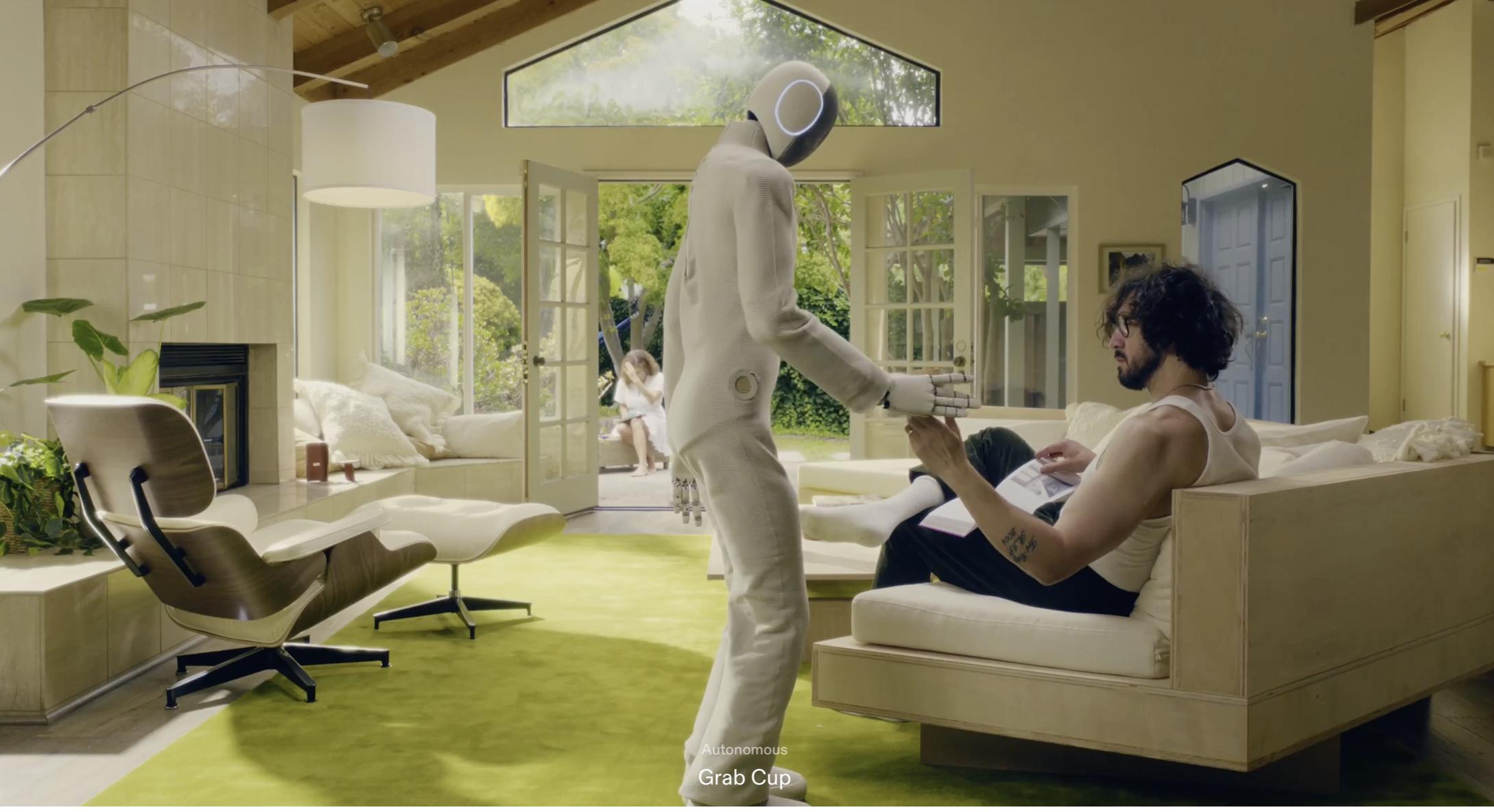
Image source: 1x.tech
Housework itself is a low - standard and unstructured task: the ground environment is complex, items are placed randomly, and it's difficult to define the operation results as "right or wrong". Sweeping a bit slower, folding clothes untidily, or having non - standard actions actually don't matter much.
In other words, what household users really care about isn't efficiency, but "peace of mind".
For this reason, humanoid robots actually have a certain amount of imagination space in the household category. It's not because they are highly efficient, but because in theory, they can cover more scattered, trivial things that aren't worth buying a special - purpose device for.
However, even so, household humanoid robots still face an unavoidable problem: How much is a robot that can only do housework with extremely low efficiency worth in the eyes of users?
In tasks such as sweeping, cleaning, and simple tidying, existing special - purpose household appliances and services still have an absolute advantage in efficiency and price. For most families, humanoid robots are currently more of a trial - based choice and don't constitute a real necessity. Therefore, in Lei Technology's view, when it comes to humanoid robots entering households, technology isn't the first hurdle. Price is the primary factor determining the market performance of consumer electronics products.
Can a production volume of one million units per year change the fate of humanoid robots?
However, while admitting that Optimus hasn't been put into practical use, Tesla hasn't tightened its bet on this route. On the contrary, in the latest disclosed information, Tesla still set a very impactful goal: Ultimately, the annual production capacity of Optimus will reach one million units.
This number easily makes people think of the development path of electric vehicles — rapidly reducing costs through large - scale production and then promoting market penetration. However, the differences between humanoid robots and electric vehicles are particularly significant.
Before large - scale production, electric vehicles had already clearly solved the problem of "what to use them for"; while humanoid robots are still looking for a clear and irreplaceable entry point. Scale can indeed reduce costs, but scale itself can't automatically generate demand. If the application scenarios remain vague, even if the production capacity reaches the million - level, humanoid robots may only change from "expensive display items" to "cheaper display items".
Judging from the current situation, Tesla's bet on Optimus is more like a long - term investment: first prepare the hardware, production lines, and capabilities, and then wait for a truly mature and large - scale application scenario to emerge. However, This path is destined to be more difficult than that of new energy vehicles.
Ultimately, in Lei Technology's view, the fact that Optimus hasn't "started working" in the factory for now doesn't mean that the humanoid robot industry has gone in the wrong direction. However, whether it's Optimus "slacking off" or the "performances" of other companies, they all emphasize the real and urgent problem in the humanoid robot industry: Where exactly should humanoid robots be used?
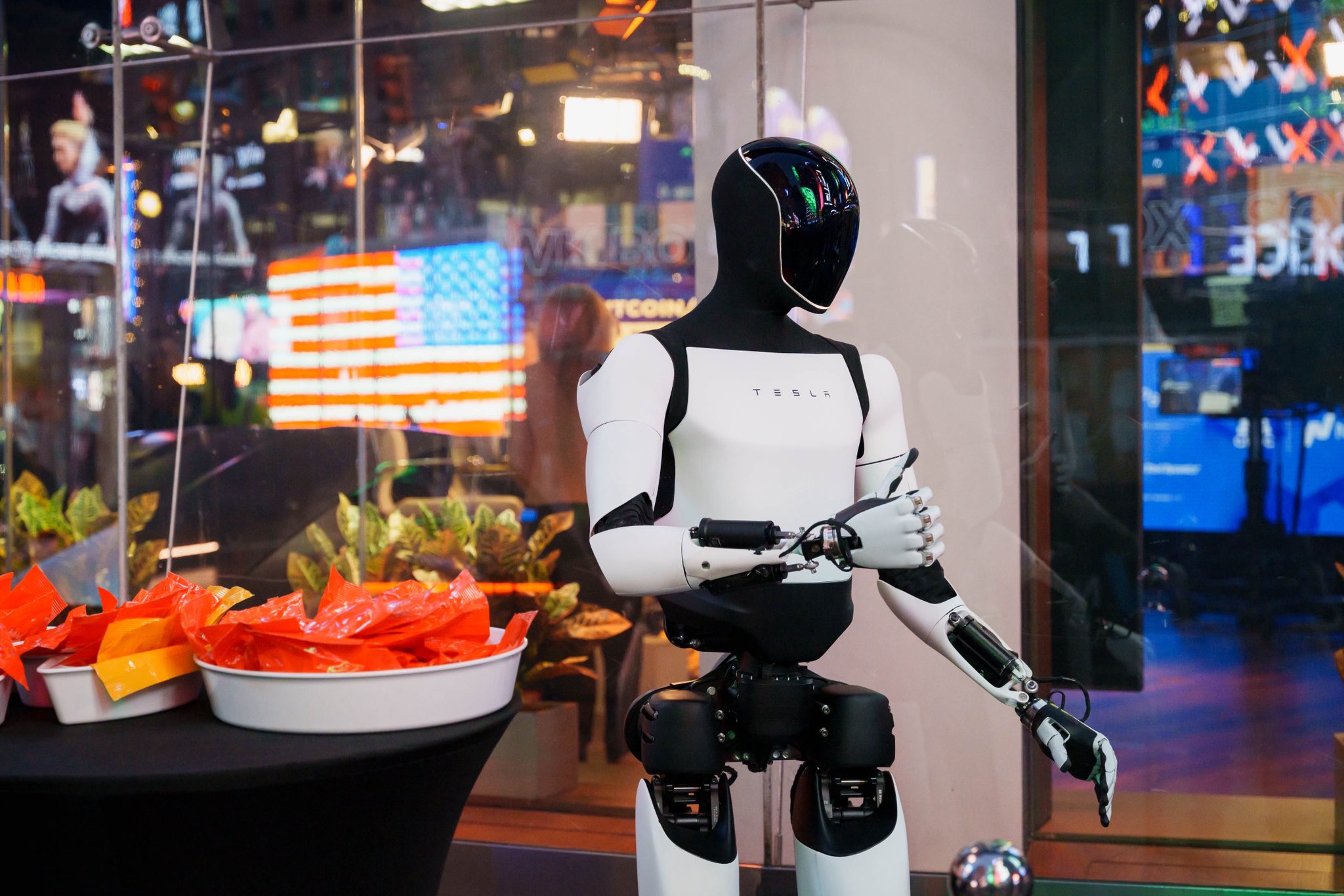
Image source: Tesla Optimus
In the industrial environment where efficiency is paramount, the human form isn't the optimal solution; in the complex and loose household scenario, it's also difficult to create a significant value gap with existing solutions for now. This isn't just Tesla's problem, but a real challenge that the entire industry must face.
In the future, humanoid robots may eventually become popular, but like real humans, the development of humanoid robots also needs to be "step by step". Instead of discussing the future of humanoid robots, we might as well first figure out the first problem in front of them:
Who exactly are humanoid robots intended to be sold to?
This article is from the WeChat official account "Lei Technology", published by 36Kr with authorization.