Elon Musk hat persönlich die Model S/X Modelle gestrichen. Tesla hat das schlechteste Jahresberichtsergebnis vorgelegt und den Schwerpunkt auf Autonomes Fahren und Roboter verlagert.
Tesla's annual turnover drops for the first time! The net profit reaches a 5 - year low, and Musk cuts two top - end models and focuses on robots.
According to a report from CheDongXi on January 28th: Just when Tesla released its fourth - quarter financial report for 2025, CEO Elon Musk announced that the last models of Model S and Model X will “be honorably retired” and will be officially taken out of production in the next quarter.
Musk said: “It's a bit sad, but it's really time to end the Model S and Model X project.” However, Musk also stated that Tesla will continue to support existing vehicle owners, “as long as the vehicle owners use their vehicles.”
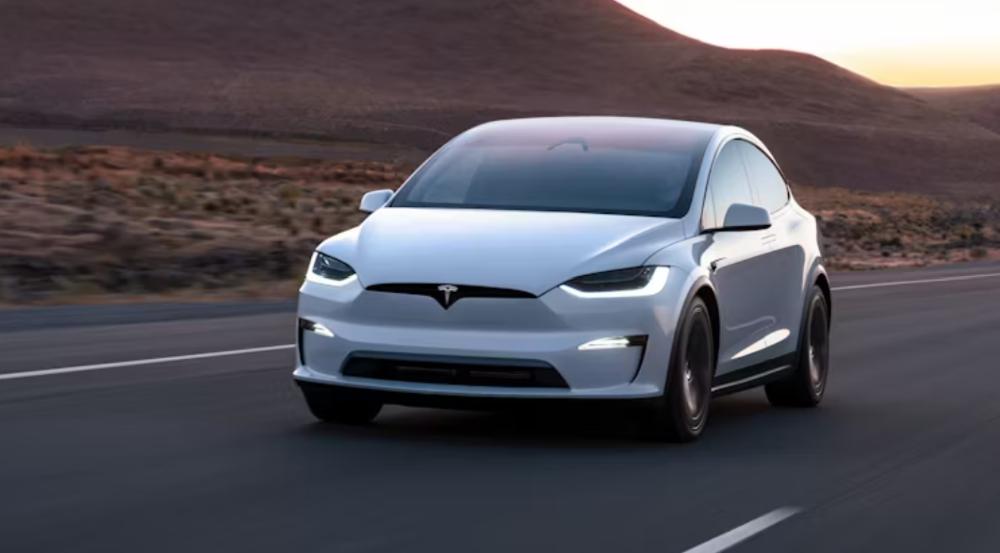
▲ Tesla Model X
Currently, both the Model S and Model X are produced at the factory in Fremont, California. Musk revealed that after production stops, the factory will be converted to produce the humanoid robot Optimus.
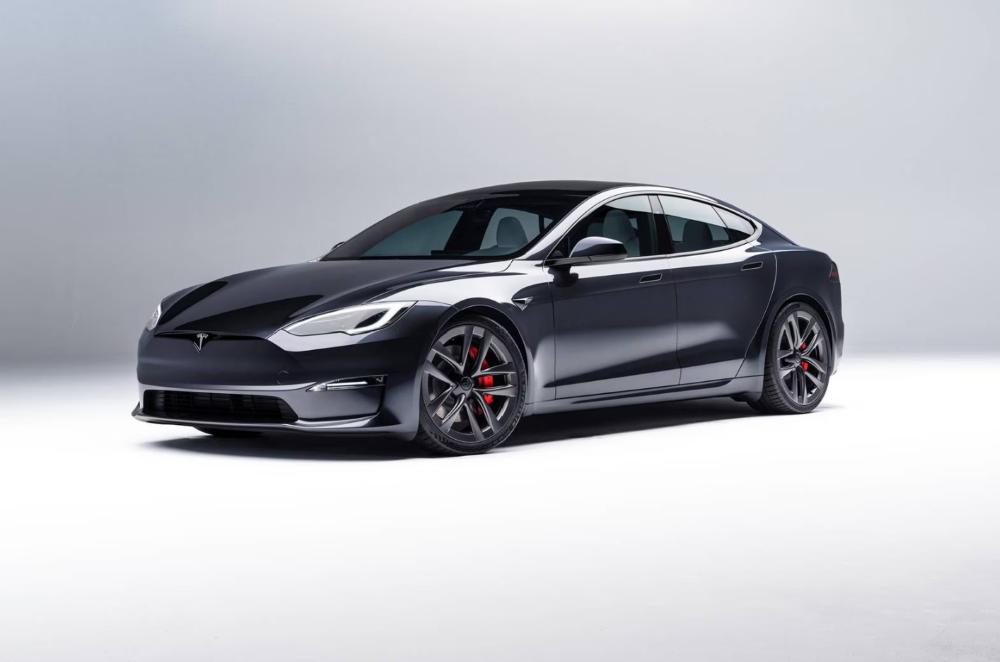
▲ Tesla Model S
Besides the official announcement of halting production of two top - end models, Tesla's entire fourth - quarter 2025 earnings conference mainly revolved around Tesla's AI strategy. Musk spent a large part of the time reporting on the progress of the humanoid robot Optimus, Robotaxi, FSD and other aspects, while the content about vehicle production and sales as well as the gross margin targets were somewhat pushed into the background.
Accordingly, Tesla has just presented a not - so - good financial report for 2025.
In 2025, the annual turnover decreased by 3% to $948.27 billion (about 658.7 billion yuan), the annual turnover of the automotive business decreased by 10% to $695.26 billion (about 483 billion yuan), the annual net profit almost halved, dropping by 46% compared to the previous year to $37.94 billion (about 26.4 billion yuan). The net profit in the fourth quarter was $840 million (about 5.8 billion yuan), a decline of about 61% compared to the previous year.
In the face of poor electric vehicle sales, Tesla regards projects such as the full - self - driving software (FSD), the Robotaxi service and the robot Optimus as the keys to future industry transformation.
01.
Musk warns:
Capital expenditures will exceed 100 billion yuan this year
The focus of Tesla's fourth - quarter conference was on the key technologies for realizing the future vision.
Musk set the tone in his opening remarks and made it clear that 2026 will be a year of high investment. It is expected that the capital expenditures will exceed $20 billion (about 138.9 billion yuan).
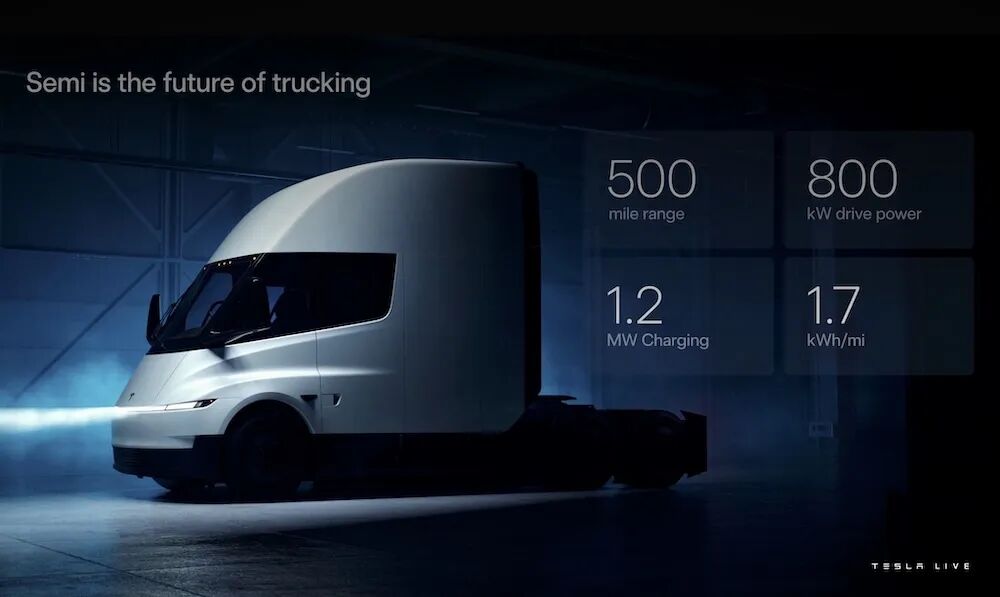
▲ Tesla Semi - truck
Specifically, the direction of investment of these large sums is also relatively clear:
In the automotive business, the North American region is still preparing to increase the production capacity of Tesla Semi and Cybercab. Both models will go into production in the first half of 2026. Musk emphasized that the Cybercab will have no steering wheel and no pedals, and there is no backup option. Tesla expects that the future production volume of the Cybercab will exceed the sum of all other models.

▲ Tesla Cybercab
Tesla is also preparing for the production of the next Roadster model. Musk also repeated the debut date of the next Roadster model. It is expected that the new Roadster model will be presented for the first time in April.
In the field of robots, Tesla wants to release the third version of Optimus in the first quarter of this year. This version has significant upgrades, including the latest hand design.
Optimus Generation 3 is the first robot developed for mass production. Currently, the first production line is being prepared, and production is expected to start by the end of 2026. The ultimate goal is an annual production capacity of 1 million robots.
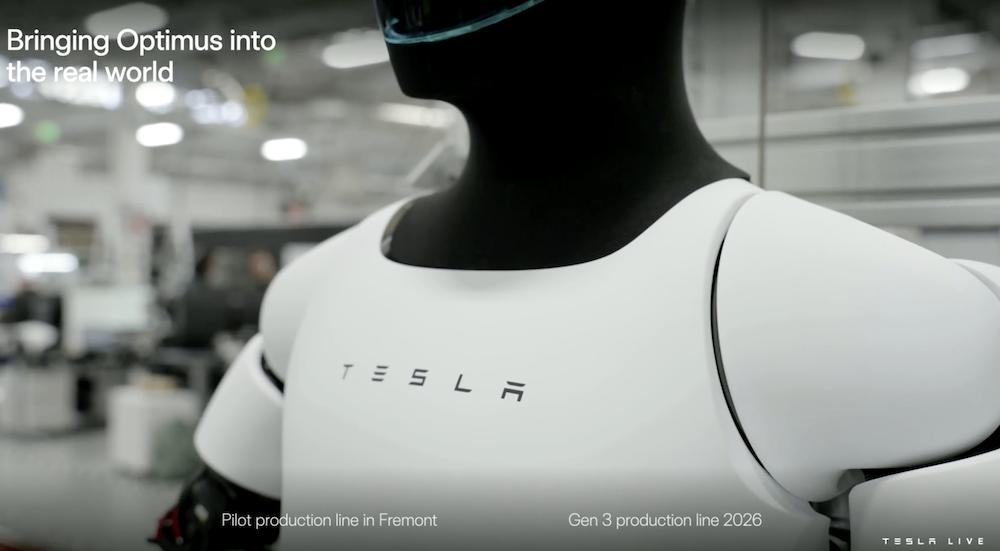
▲ Tesla Optimus humanoid robot
In the battery field, Tesla's lithium refinery has started trial production. It is the first refinery in North America to extract lithium hydroxide from spodumene and uses a simpler, more cost - effective and more environmentally friendly process. Tesla has started producing battery packs with 4680 batteries for some Model Y vehicles, which helps to cope with the increasingly complex challenges in the supply chain caused by trade barriers and tariff risks.
In the field of autonomous taxi services, Tesla started testing the autonomous Robotaxi in Austin in December 2025 and removed the safety supervisors for passenger rides in a limited area in January this year. This will further expand the size and range of the Robotaxi fleet.
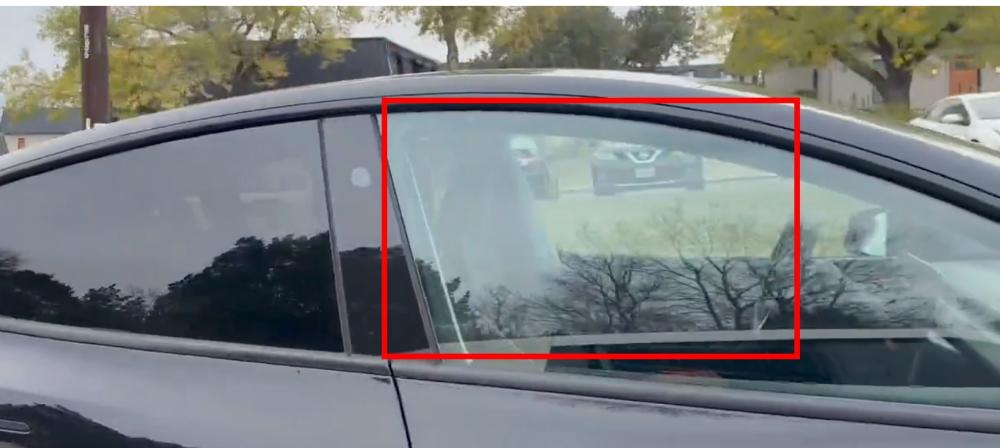
▲ No driver in the Tesla Robotaxi
In the field of supervised full - self - driving FSD, Tesla has launched FSD (supervised) in South Korea. Within just one month, local users have driven more than 1 million kilometers with this software.
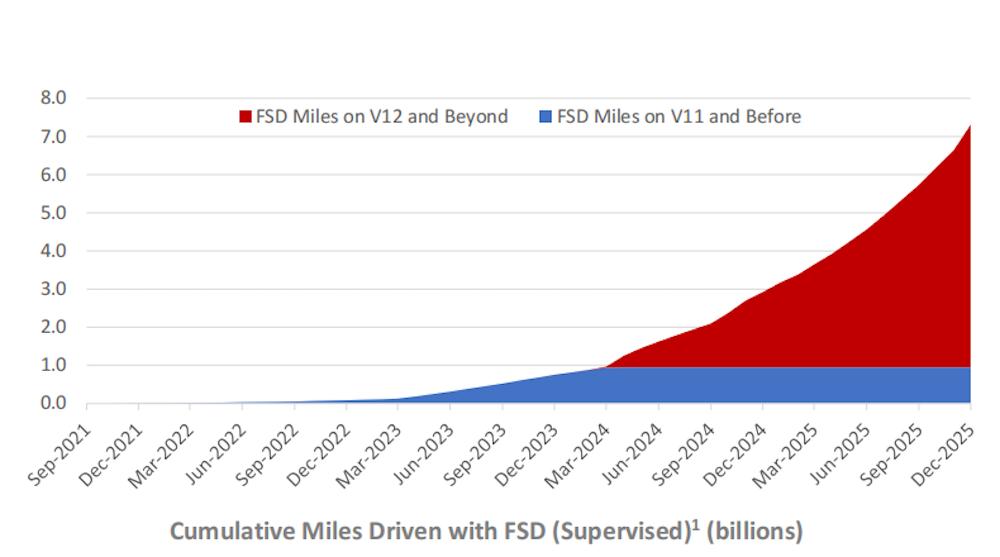
▲ Change in the driving route of Tesla FSD
While Tesla continues to seek approval from Chinese and European regulatory authorities for “full - fledged” FSD, it starts to offer a passenger - riding experience to consumers in Italy, Germany, France and Switzerland.
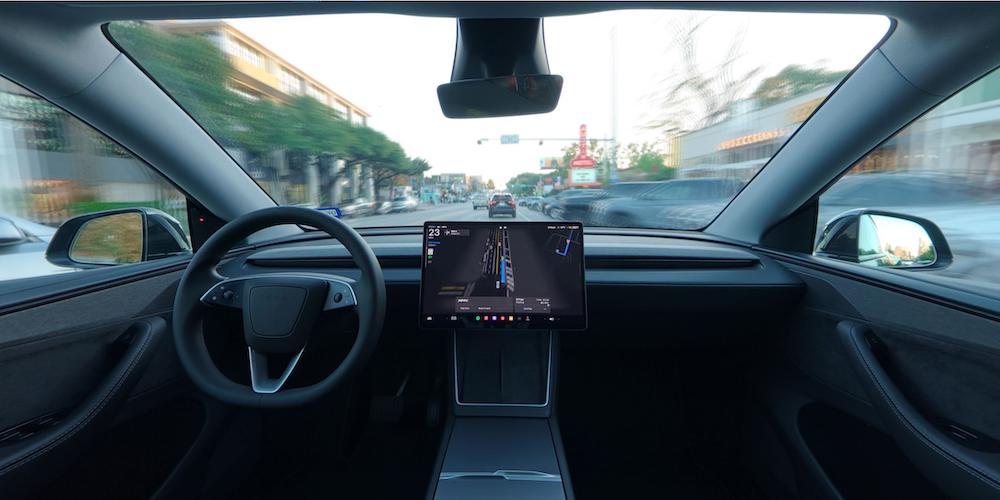
▲ Tesla FSD
02.
The humanoid robot is not yet applied on a large scale
Chinese companies will become Tesla's biggest competitors
In the Q&A session, Musk mainly answered questions about the future plans of the humanoid robot Optimus and Tesla chips. He did not disclose any new information about the automotive field.
Interestingly, when Musk was asked about his targets for the gross margin per vehicle model this year, he stated that Tesla is not concerned about individual vehicle models now because transportation is changing.
He said: “We believe that one should not simply maintain the traditional vehicle sales model. These indicators are not suitable for the future. We must view the new field from a more comprehensive approach and a longer - term perspective.” He stated that in the future, it will be seen that Optimus and the associated software will become the driving force for business growth.
An investor asked Musk why he put so much personal energy into Tesla's chip design and what the driving factors for this intensive involvement were.
He answered: “I have invested a lot of time in this area, more than in anything else at Tesla. I may even have to work overtime. I think this is very necessary, and I'm also very enthusiastic about it.”
He also reported on the plans for the AI5 chip. The AI5 chip will be used in data centers. Everything Tesla does aims to make the AI5 chip more efficient and powerful and bring greater improvements in hardware.
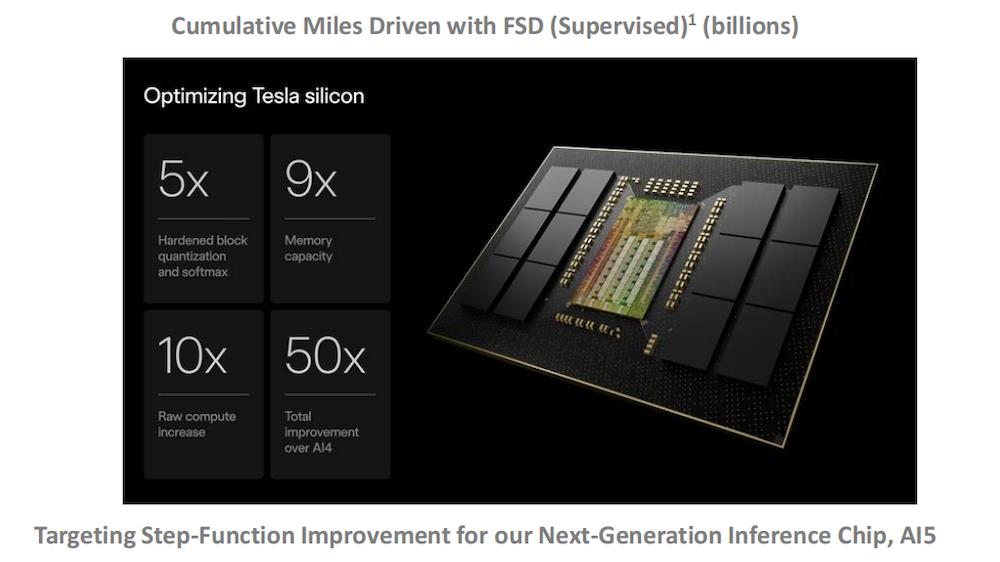
▲ Tesla AI5 chip
An analyst asked what tasks the humanoid robot Optimus performs in the Tesla factory and how many of them there are.
Musk answered: “Optimus is currently still in the R & D stage. Tesla has an Optimus factory. Optimus is not used very often in practical applications yet. But we believe that the humanoid robot Optimus can realize its greatest value in many scenarios. He can do many things. We don't expect Optimus to be used on a large scale in our factory by the end of this year.”
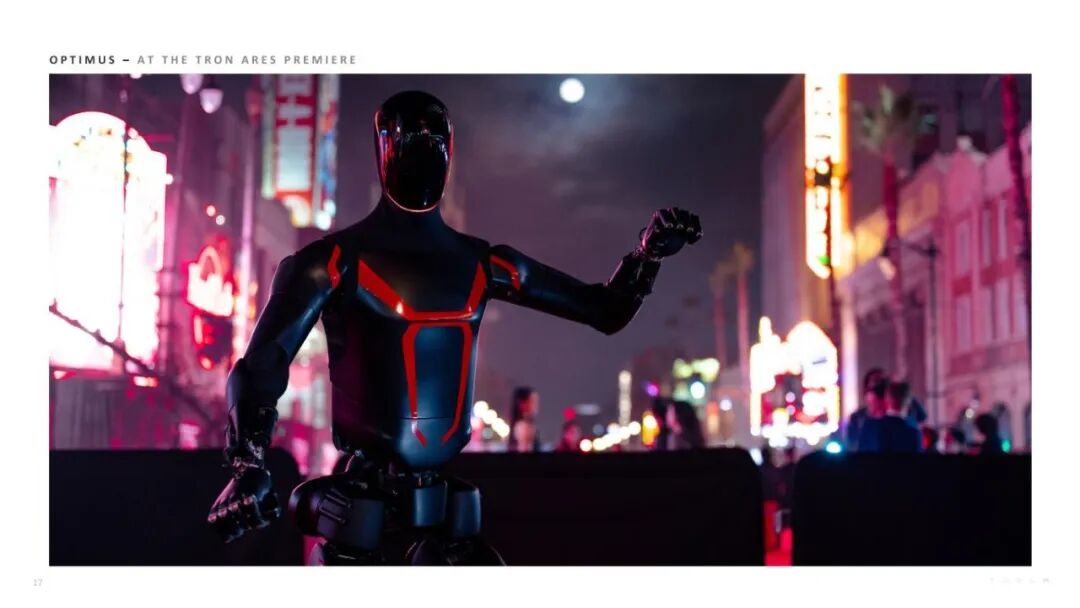
▲ Tesla Optimus
He also actively promoted the robot Optimus. Compared with previous robots, it is much easier to train Optimus and teach him tasks.
Musk reported that Optimus Generation 3 will be a universal robot. He can observe and learn human behavior. There are now many different companies developing similar products, but what Tesla is doing is really very good.
Since Optimus Generation 3 contains almost no elements from the existing supply chain and everything is new, Musk estimates that the production - increase curve of Optimus Generation 3 may be longer than that of other products, but this is not certain.
Tesla will significantly increase the production capacity of the factory in the future.
When asked about the cost indicators for the humanoid robot, Tesla's press officer answered: “Optimus is currently in the early stage of corresponding mass implementation and many tests are still being carried out. Therefore, it has no practical meaning to talk about the cost indicators in this area now, and we also don't want to talk about what the meaningless cost indicators look like.”
Interestingly, an investor asked Musk: “You want to produce more vehicles and robots. How do you view the entire manufacturing supply chain? What role will China play in such a plan?”
Musk only answered in the field of humanoid robots: “China is excellent at expanding production capacity in the manufacturing industry. The open - source community is very prosperous. I think many models come from Chinese open - source models. That's really excellent.”
He stated that China performs very well in the manufacturing industry. Undoubtedly, many Chinese companies will become Tesla's biggest competitors.
However, Musk also said: